Podcast
Our Fake History
Hosted by PodcastOne · EN
A podcast about myths we think are history and history that might be hidden in myths! Awesome stories that really (maybe) happened!
38episodes
Episodes
Newest firstAll episodes
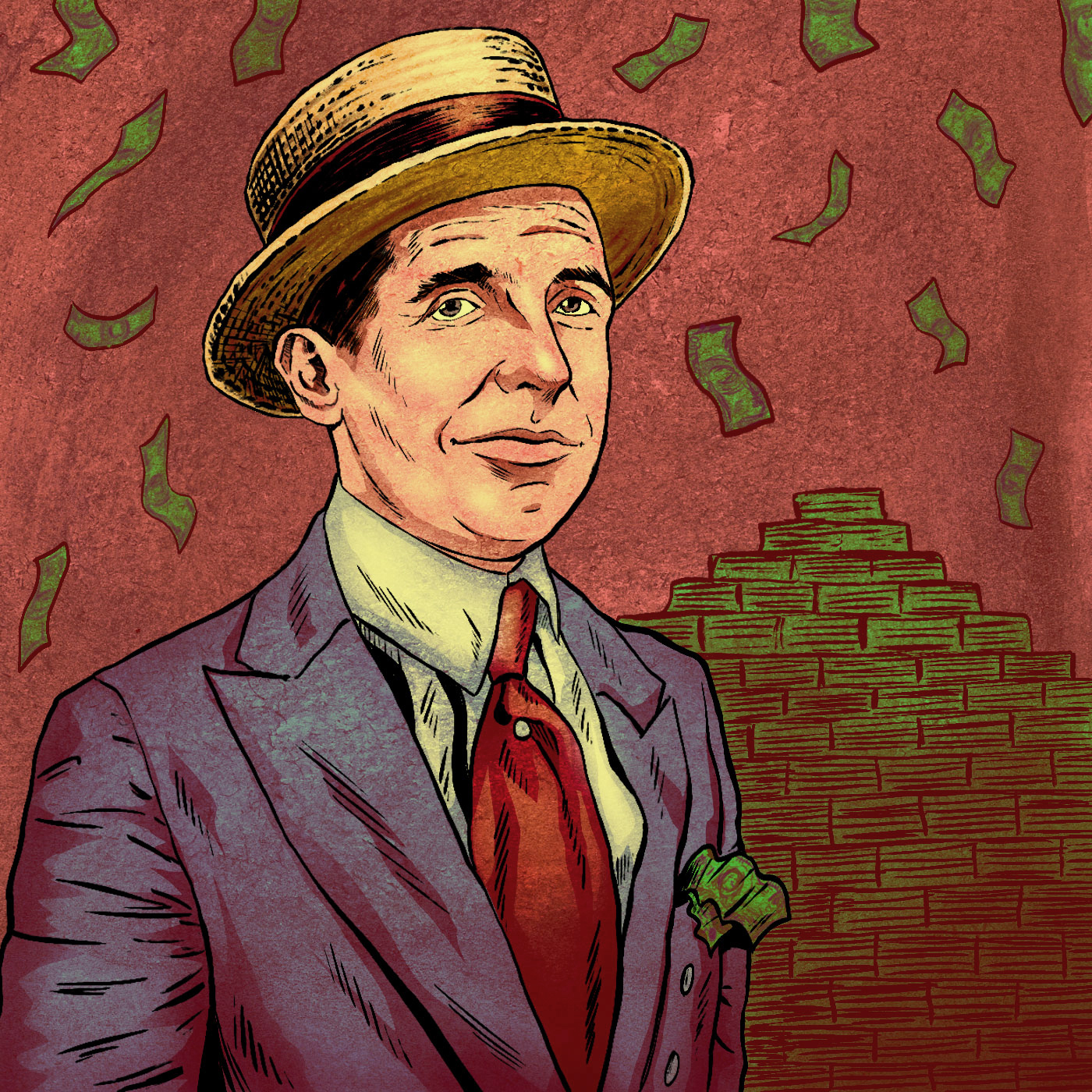
Episode #242 - What Was Ponzi's Scheme? (Part I)
Jan 1301:21:06Tap to summarizeThe name Charles Ponzi has become synonymous with financial frauds. In 1920 the formerly obscure Italian immigrant suddenly became one of the most famous men in Boston when his Securities Exchange Company started offering investors remarkable returns. Ponzi claimed that he had discovered an ingenious method of using postal coupons to profit off international exchange rates. However, before the year was out his scheme had totally unraveled. What many Bostonians did not know was that Ponzi was a two-time ex-convict with a history as fraudster. Still, there may have been more to Ponzi than his dishonest reputation would lead you to believe. Ponzi claimed that he was a misunderstood genius. Should we believe him? Tune-in and find out how wasted undergrads, Canadian scammers, and the Hawk Tuah Girl all play a role in the story.Join us in Greece in 2026! Check out the itinerary and book HERE!Check out the merch at out T-Public store HERE! See Privacy Policy at https://art19.com/privacy and California Privacy Notice at https://art19.com/privacy#do-not-sell-my-info.
Transcribe →
Bonus Episode - Grisly Trophies, Evil Cowboys, and Questionable Mascots
Dec 3000:37:03Tap to summarizeIn this Bonus Episode Sebastian takes questions about the recent series on Buffalo Bill and the Wild West Show. He unpacks Bill's influence on the cowboy hero archetype, dives into the contentious history of scalping, and learns some fun facts about Bill's legacy in Belgium. Tune-in and find out how historical reenactors, P.T Barnum, and questionable mascots all play a role in the story!Join us in Greece in 2026! Check out the itinerary and book HERE!Check out the merch at out T-Public store HERE! See Privacy Policy at https://art19.com/privacy and California Privacy Notice at https://art19.com/privacy#do-not-sell-my-info.
Transcribe →
Episode #241 - Who Invented the Wild West? (Part II)
Dec 1601:18:08Tap to summarizeBuffalo Bill's Wild West first started touring outdoor arenas in 1883. What started as a western themed circus soon grew in ambition. In the quest to appeal to respectable middle-class family audiences Buffalo Bill was soon promoting his show as an educational experience. The Wild West was supposedly an authentic exhibition of Western American history and culture. Elaborate historical reenactments became key parts of the program. However, these reenactments were rarely accurate and were often totally fictional. What kind of a story was Buffalo Bill trying to tell about America? Tune-in and find out how tiny sharp-shooters, signed pictures of Sitting Bull, and a bow from Queen Victoria all play a role in the story.Join us in Greece in 2026! Check out the itinerary and book HERE!Check out the merch at out T-Public store HERE! See Privacy Policy at https://art19.com/privacy and California Privacy Notice at https://art19.com/privacy#do-not-sell-my-info.
Transcribe →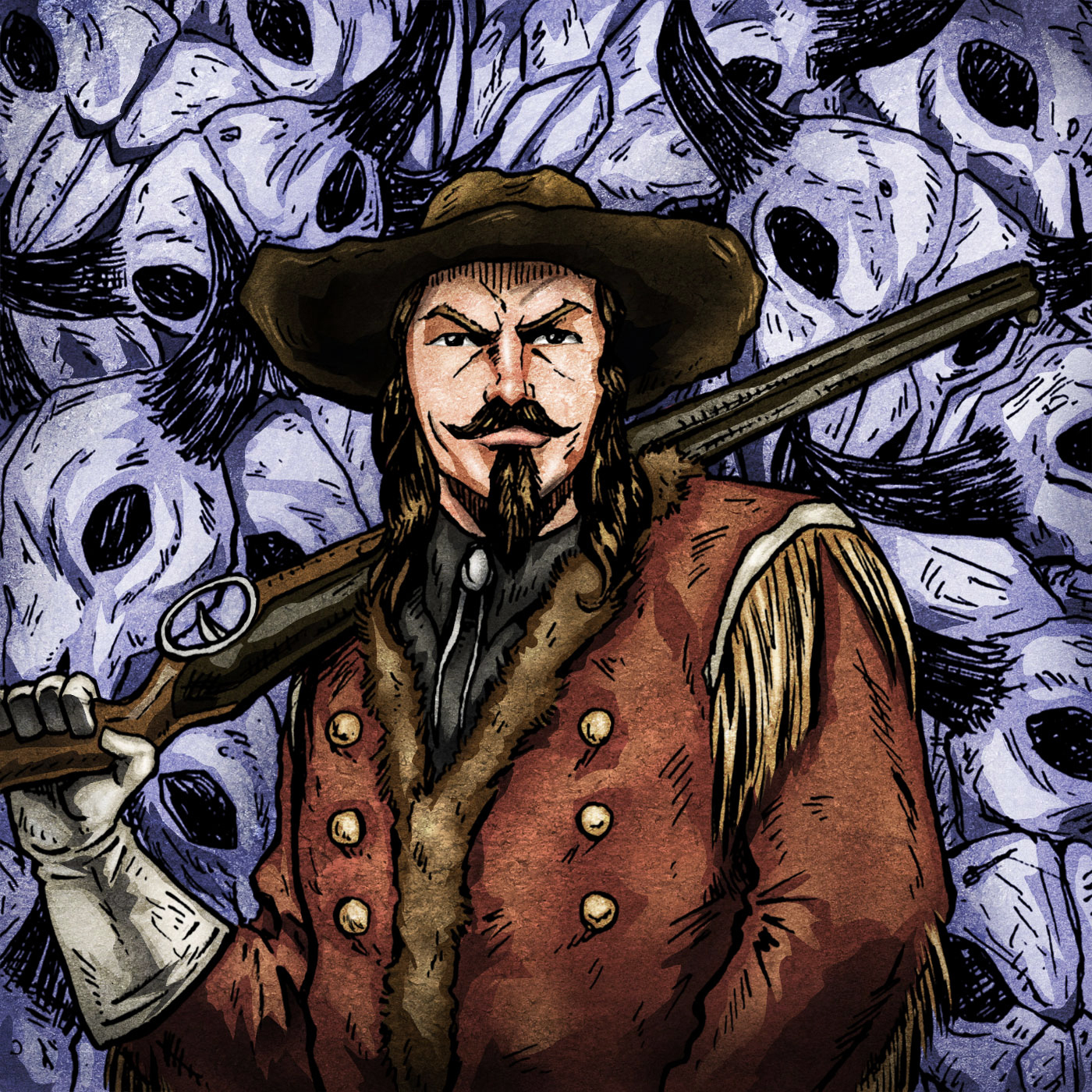
Episode #240 - Who Invented the Wild West? (Part I)
Dec 201:17:46Tap to summarizeBuffalo Bill Cody was one of America's great mythmakers. The man born William Cody reinvented himself as the west's greatest rider, scout, and buffalo hunter before taking his schtick to the American stage in the early 1870's. Buffalo Bill would eventually develop his frontiersman act into the Wild West Show, an outdoor exposition that was part circus, part rodeo, and part historical reenactment. Between 1883 and 1913 the show was seen by millions. "Buffalo Bill's Wild West" helped reinforce popular legends about the American West and essentially invented the "western" entertainment genre. The man behind the show was a liar and hum-bug artist in the vein of P.T Barnum. How did Bill's mythical version of the west affect popular understandings of history? Tune-in and find out how 19th century social media influencers, fake duels, and Buffalo Bill's Buffalo Blob all play a roll in story. Join us in Greece in 2026! Check out the itinerary and book HERE!Check out the merch at out T-Public store HERE! See Privacy Policy at https://art19.com/privacy and California Privacy Notice at https://art19.com/privacy#do-not-sell-my-info.
Transcribe →
Bonus Episode - Messy Duels, Welsh Pride, and Famous Firsts
Nov 2500:35:42Tap to summarizeIn this bonus episode Sebastian takes questions about the recent episodes on Thailand's legendary elephant duels and the seafaring Welsh Prince Madoc. The host does his best to pinpoint the "real" last elephant duel and takes questions from a practicing druid. We also hear from a Welsh listener with some fascinating thoughts about the Madoc episode.Join us in Greece in 2026! Check out the itinerary and book HERE!Check out the merch at out T-Public store HERE! See Privacy Policy at https://art19.com/privacy and California Privacy Notice at https://art19.com/privacy#do-not-sell-my-info.
Transcribe →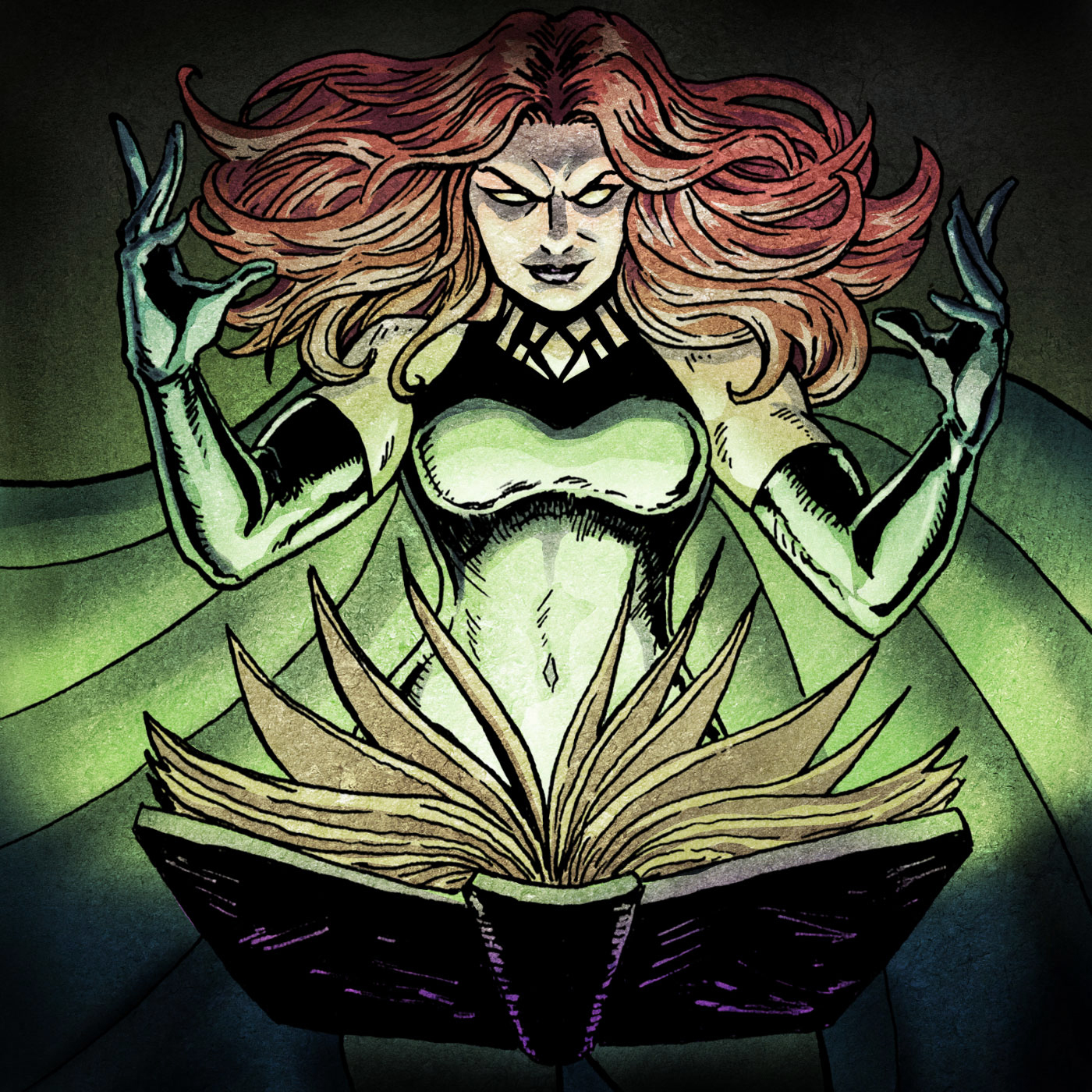
Episode #237 - What is the Hammer of the Witches?
Oct 2101:24:37Tap to summarizeIn 1487 a scandal prone Dominican inquisitor published one of the most notorious witch-hunting manuals in history. The Malleus Maleficarum, or Hammer of the Witches, argued that Europe was under siege by witches and that these witches were almost exclusively female. The book was one of the first widely available texts that presented witchcraft as a uniquely female evil. By the end of 1500's women had become the main victims of the most outrageous witch-hunts, accounting for 85% of all people who executed as witches. Should the Malleus Maleficarum be blamed for this? Tune-in and find out how alewives, hot demons, and a "witch bull" all play a role in the story.Join us in Greece in 2026! Check out the itinerary and book HERE!Check out the merch at out T-Public store HERE!Go to drinkag1.com/FAKE get a FREE Welcome Kit, including a bottle of Vitamin D and free AG1 Travel Packs, when you first subscribe.See Privacy Policy at https://art19.com/privacy and California Privacy Notice at https://art19.com/privacy#do-not-sell-my-info.
Transcribe →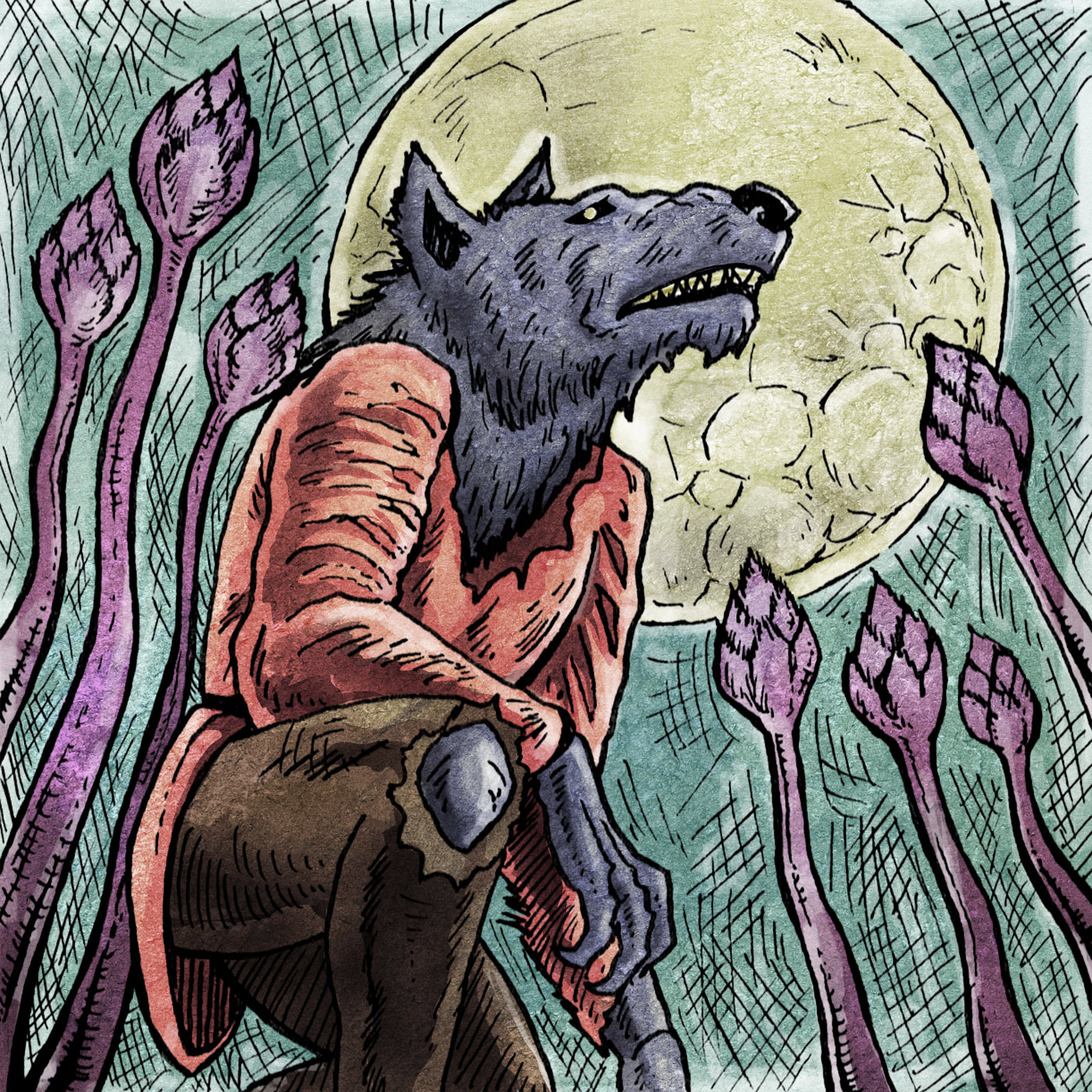
Episode #236 - Real Werewolves?
Oct 701:24:42Tap to summarizeStories about human beings transforming into wolves are as old as literature itself. Even the ancient Mesopotamian Epic of Gilgamesh featured a story of a man becoming a wolf. The Werewolf may be one of our most ancient and historically durable monsters. Could Werewolf stories reflect a distant, if blurry, historical memory? Belief in real werewolves seems to have peaked during the witch-panics of 16th and 17th centuries. How should we understand the people who confessed to being real werewolves? Tune-in and find out how sympathetic wounds, enchanted girdles, and werewolf ointment all play a role in the story. Join OFH in Greece in 2026! Click HERE to explore the itinerary!See Privacy Policy at https://art19.com/privacy and California Privacy Notice at https://art19.com/privacy#do-not-sell-my-info.
Transcribe →
Bonus Episode - Marble Thieves, Museums, and Dictators
Sep 3000:31:39Tap to summarizeIn this bonus episode Sebastian answers questions from listeners about the recent series on the Parthenon Marbles. The host tangles with the ethics of repatriation requests from notorious dictators, the role of the Parthenon Marbles in inspiring the Greek Independence movement, and the path towards a true "universal museum." Sebastian also wrangles with the notorious "If I don't do it, somebody else will" argument that is often used to defend Lord Elgin. Tune-in and find out how Saddam Hussein, Dr. John, and a bunch of other history podcasts play a role in the story.See Privacy Policy at https://art19.com/privacy and California Privacy Notice at https://art19.com/privacy#do-not-sell-my-info.
Transcribe →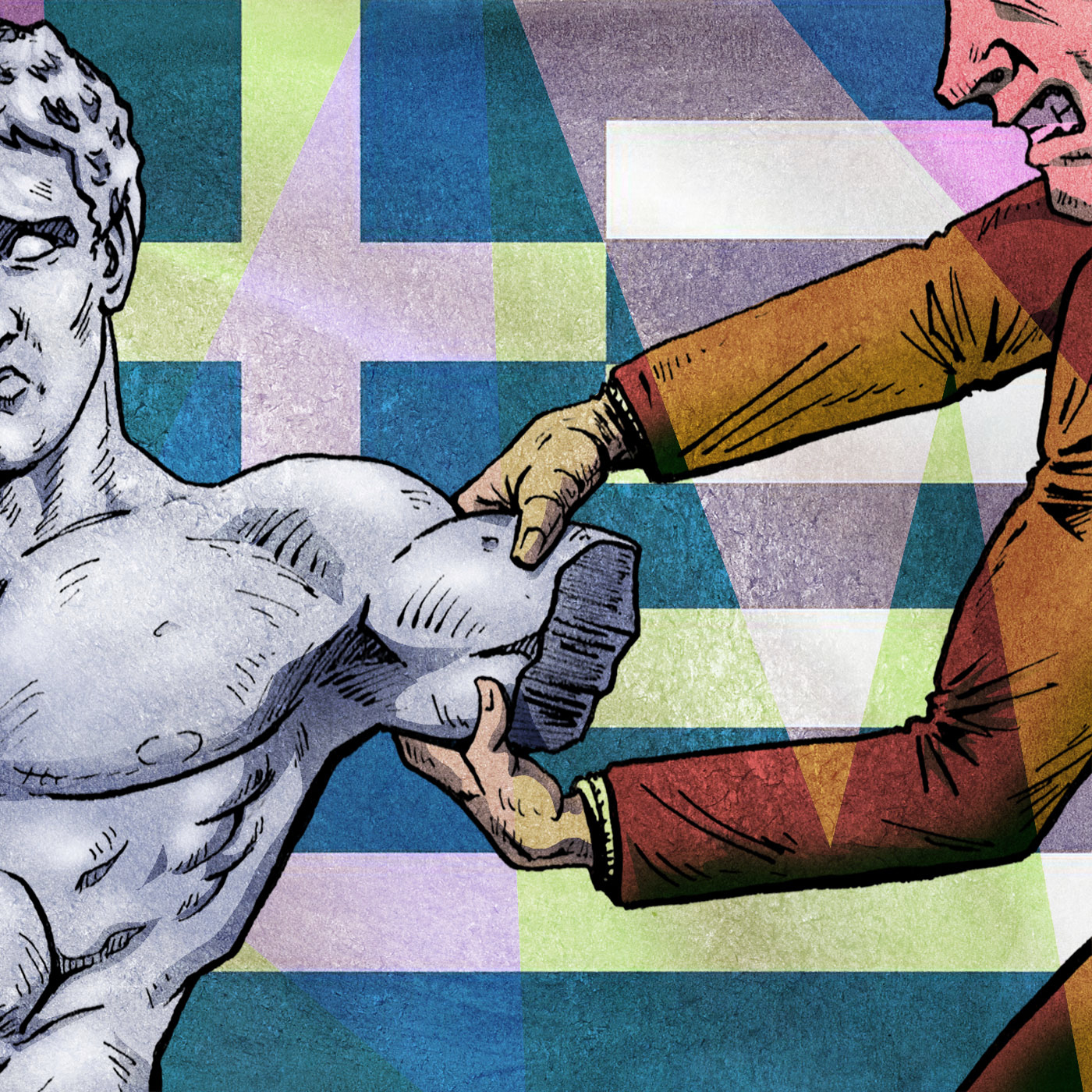
Episode #235 - Was The Parthenon Robbed? (Part II)
Sep 2301:28:15Tap to summarizeThe Parthenon Sculptures have been hugely controversial objects from the moment that they arrived in England. The British public has long been split over the morality of keeping these famous works of art in London. In the early 1800's the famous poet Lord Byron went so far as to write angry poems castigating Lord Elgin for defiling Athena's temple. Over the last 200 years the topic of the sculptures has remained a perennial topic of public debate. Where are we at with that debate in 2025? Tune-in and find out how 19th century diss tracks, half a nose, and the "universal museum" all play a role in the story.Come with me to Greece in September 2025! Check out the full itinerary HERERula patients typically pay $15 per session when using insurance. Connect with quality therapists and mental health experts who specialize in you at https://www.rula.com/fakehistory #rulapodSee Privacy Policy at https://art19.com/privacy and California Privacy Notice at https://art19.com/privacy#do-not-sell-my-info.
Transcribe →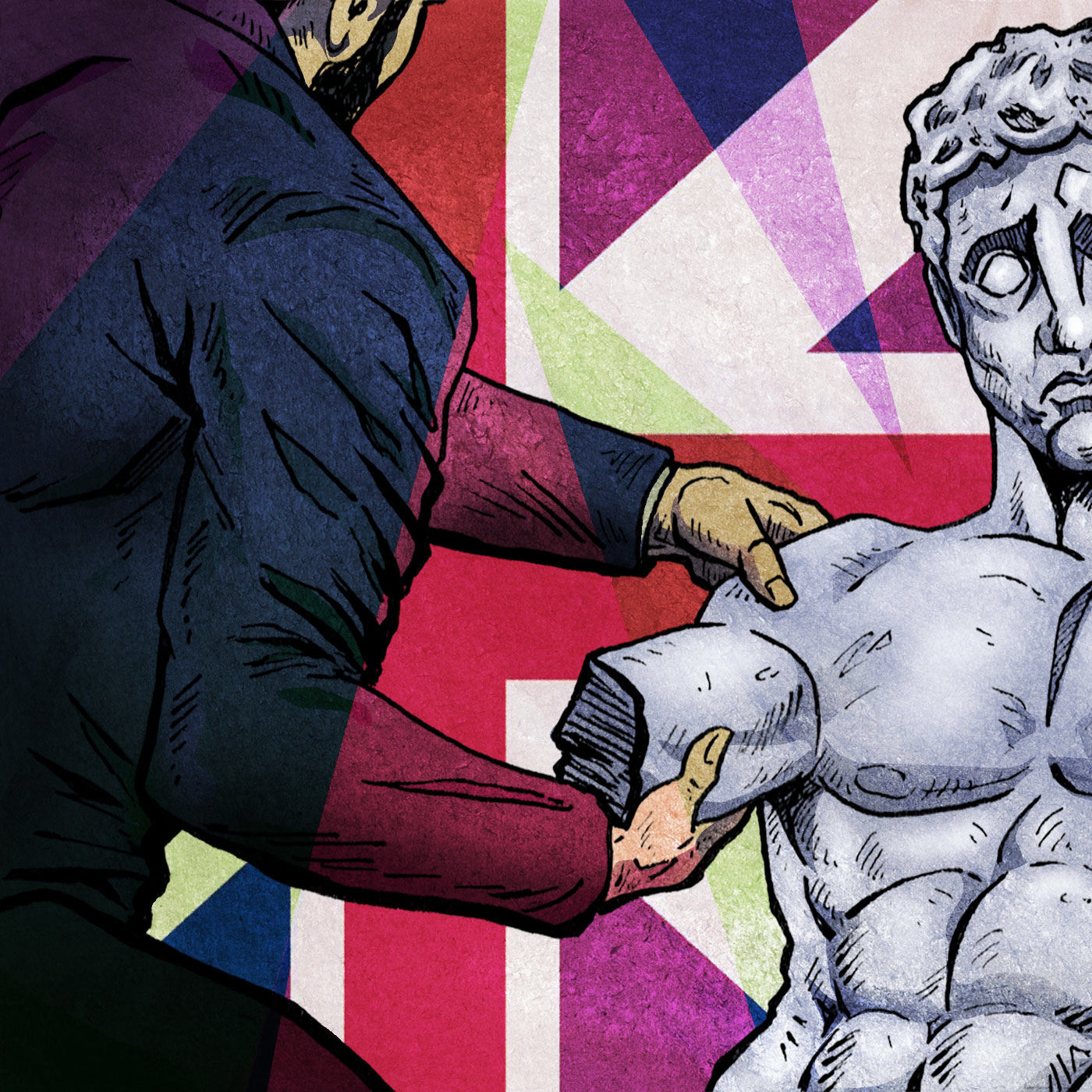
Episode #234 - Was The Parthenon Robbed? (Part I)
Sep 901:21:29Tap to summarizeThe Parthenon Sculptures, also known as the Elgin Marbles, are some of the most controversial museum objects in the world. In the early 19th century the Scottish aristocrat Thomas Bruce, the seventh Earl of Elgin, used his position as Ambassador Extraordinary to the Ottoman Empire to gain access to Athens' historic acropolis and remove priceless works of ancient art from the Parthenon. Since that time both the legality and the morality of the acquisition has been the source of controversy. Unfortunately, the debate around the Parthenon sculptures has been clouded by many historical myths and misconceptions. Should the marbles remain in the British Museum, or should they be returned to Athens? Tune-in and find out how a gift of ammunition, an "Old Turk", and lies to Parliament all play a role in the story.Join Sebastian in Greece in 2026! Click HERE for a full itinerary and booking.See Privacy Policy at https://art19.com/privacy and California Privacy Notice at https://art19.com/privacy#do-not-sell-my-info.
Transcribe →