Podcast
Our Fake History
Hosted by PodcastOne · EN
A podcast about myths we think are history and history that might be hidden in myths! Awesome stories that really (maybe) happened!
38episodes
Episodes
Newest firstAll episodes

OFH Throwback - Episode #50 - Was There a Real Robin Hood? (Part II)
Sep 200:56:54Tap to summarizeIn this throwback episode Sebastian takes you to the conclusion of this fan-favorite season 3 series. Almost as long as people have been telling stories about Robin Hood, historians have been trying to find the real person who inspired the legend. Over the centuries dozens of researchers have cooked up elaborate theories in an attempt to locate the man who became the myth. Were any of them successful in finding a “real” Robin Hood? Tune-in and find out how piggy-back-rides, dog-summoners, and fake family trees all play a role in the story.See Privacy Policy at https://art19.com/privacy and California Privacy Notice at https://art19.com/privacy#do-not-sell-my-info.
Transcribe →
OFH Throwback - Episode #49 - Was There a Real Robin Hood? (Part I)
Aug 2601:00:22Tap to summarizeIn this throwback episode Sebastian takes you back to this fan favorite episode from Season 3. Robin Hood is easily one of the most beloved characters in English storytelling. For centuries the forest outlaw has been the ultimate hero of the downtrodden. He steals from the rich, gives to the poor, and resists tyranny in all of its forms. But, is Robin Hood just a fictional character, or could there have been a real person who inspired the legend? By taking a close look at the earliest Robin Hood ballads perhaps we can find some clues about the true identity of this mythic outlaw. Tune-in and find out how forest elves, Kurt Cobain, and Kevin Costner’s bad accent all play a role in the story.See Privacy Policy at https://art19.com/privacy and California Privacy Notice at https://art19.com/privacy#do-not-sell-my-info.
Transcribe →Introducing: CONSPIRACY THEORIES, CULTS, AND CRIMES
Aug 2100:05:06Tap to summarizeFrom Jonestown to Heaven’s Gate, to the Octopus Murders and the Waco Siege, the world is full of deception, manipulation, and destruction. Listen to Conspiracy Theories, Cults, and Crimes every Wednesday as we explore the real people at the center of the world’s most shocking secrets and nefarious organizations. Conspiracy Theories, Cults, and Crimes is a Crime House original powered by PAVE Studios. Follow the show now so you don’t miss a single story. LISTEN NOW! https://www.pavestudios.com/shows/conspiracy-theories-cults-and-crimes See Privacy Policy at https://art19.com/privacy and California Privacy Notice at https://art19.com/privacy#do-not-sell-my-info.
Transcribe →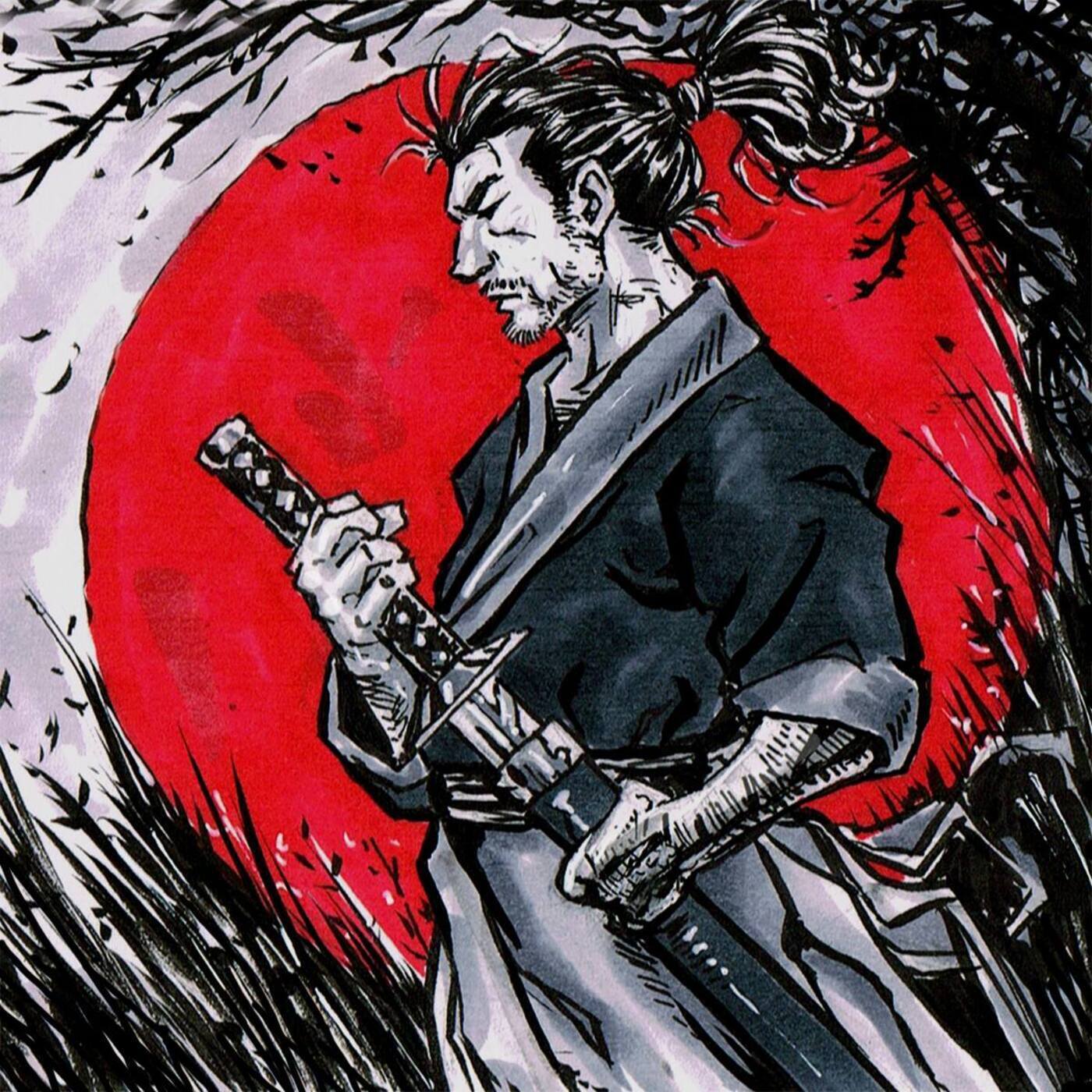
OFH Throwback - Episode #56 - Who Was Japan's Greatest Swordsman? (Part II)
Aug 1901:05:01Tap to summarizeIn this throwback episode Sebastian takes you back to the conclusion of one of OFH's most popular series. In classic samurai films the swordsman Miyamoto Musashi was always presented as rough but honourable. The real Musashi may have been considerably more complicated. If we look closely at some of the samurai’s most famous duels, we may find reason to question Musashi’s reputation as the ultimate “lone wolf”. Tune-in and find out how pot-lid duels, swords carved from oars, and a Samurai/Ninja showdown all play a role in the story.Rula patients typically pay $15 per session when using insurance. Connect with quality therapists and mental health experts who specialize in you at https://www.rula.com/fakehistory #rulapodSee Privacy Policy at https://art19.com/privacy and California Privacy Notice at https://art19.com/privacy#do-not-sell-my-info.
Transcribe →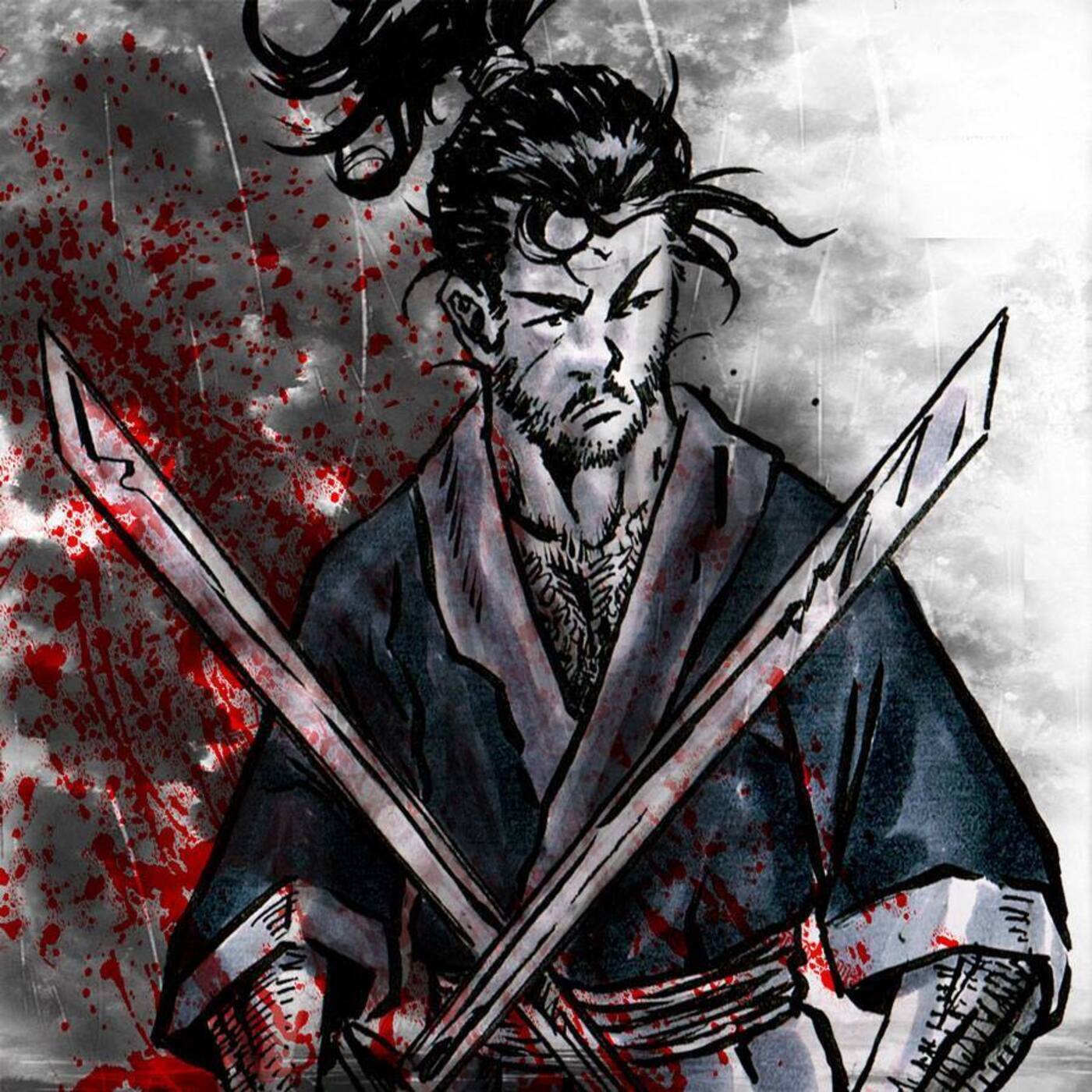
OFH Throwback - Episode #55 - Who Was Japan's Greatest Swordsman? (Part I)
Aug 12, 202501:00:32Tap to summarizeIn this throwback episode Sebastian revisits an incredibly fun series from Season 3. The samurai swordsman Miyamoto Musashi is the archetypal lone-wolf warrior. Legend has it that in course of his life he fought over sixty duels and never once lost. His psychological strategies and unique two-sword fighting style made him one of the most famous martial artists in Japan’s history. However, many of Musashi’s most celebrated exploits have been distorted by centuries of myth-making. What should we believe about the famously scruffy swordsman? Tune-in and find out how flabbergasted monks, Harry Potter, and Samurai Forest Gump all play a role in the story.See Privacy Policy at https://art19.com/privacy and California Privacy Notice at https://art19.com/privacy#do-not-sell-my-info.
Transcribe →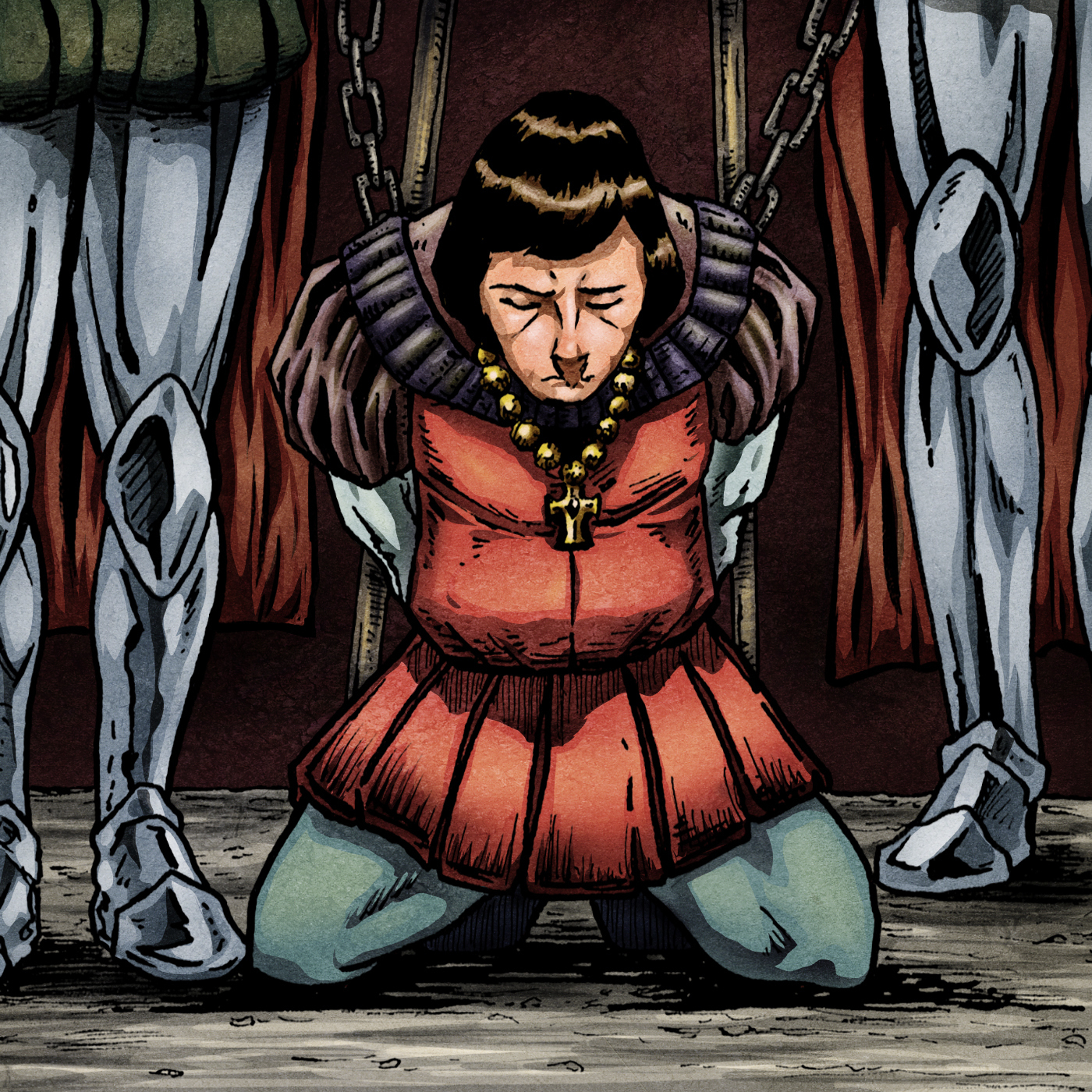
Episode #180- Columbus? (Part III)
May 30, 2023Tap to summarizeThere is a long tradition of writers comparing Christopher Columbus to mythical figures. 16th century historian Peter Martyr believed Columbus was like a later-day Aeneas, the Trojan hero who travelled west to found a society in Italy that would one day become Rome. Over the centuries many Americans gravitated to the idea of Columbus as Aeneas--- a man who brought civilization west and gave it a new headquarters in America. However, more recently one historian has argued that Columbus is more like the tragic Greek hero Oedipus. In his estimation Columbus, like Oedipus, was a hero who brought about a tragedy unwittingly. Is this a fair analogy? While acting as the Viceroy of Indies and the Governor of Hispaniola, Columbus would personally oversee the enslavement of thousands of people and the institution of a tribute system so exploitative that it lead to one of history's more shocking humanitarian disasters. How "unwitting" can all of this really be said to be? Tune-in and find out how pear shaped globes, Columbus' chains, and America's worst statues all play a role in the story. See Privacy Policy at https://art19.com/privacy and California Privacy Notice at https://art19.com/privacy#do-not-sell-my-info.
Transcribe →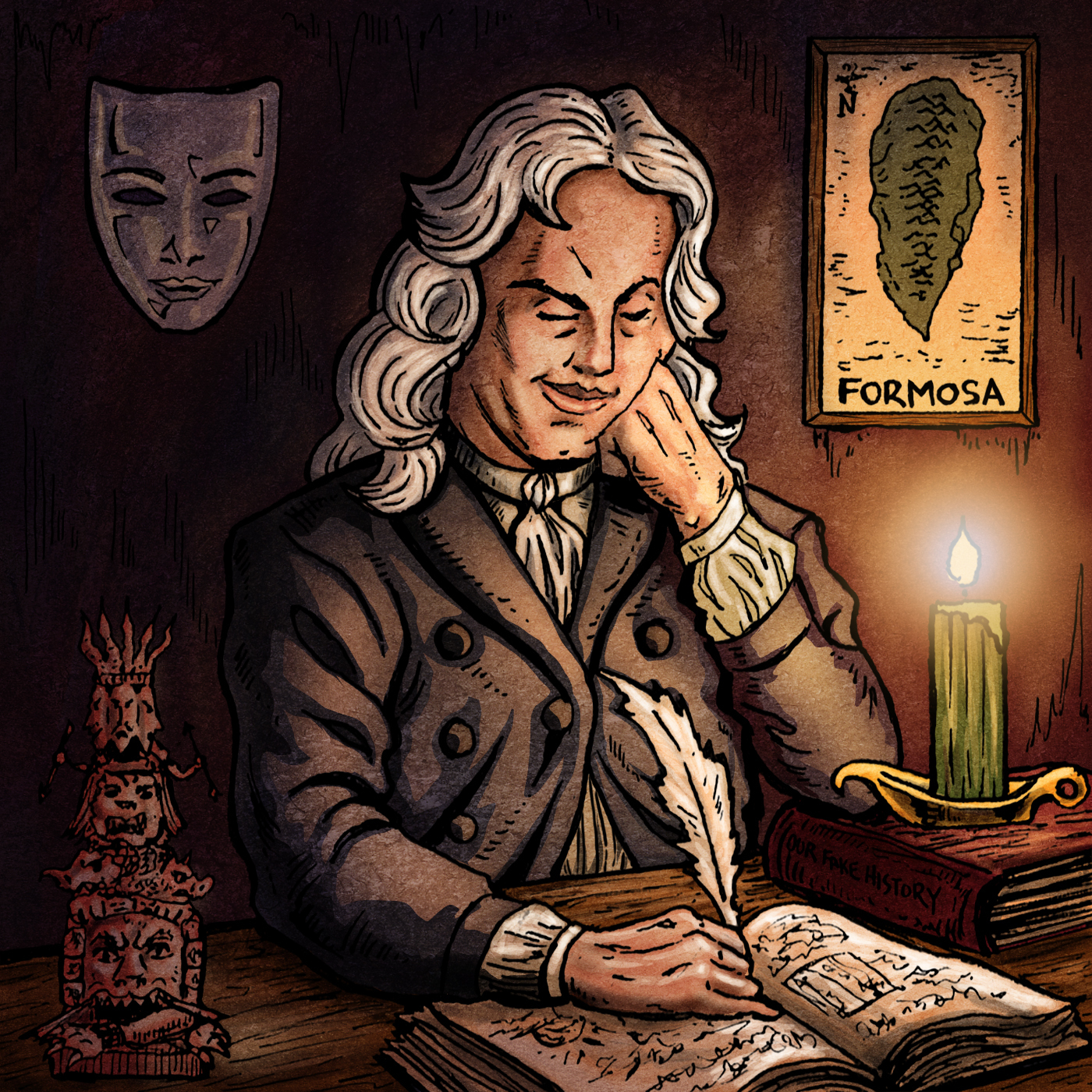
Episode #167- Who Was The Fake Asian?
Nov 30, 2022Tap to summarizeIn 1703 a curious character arrived in London claiming to be a native of the island of Formosa. These days Formosa is better known as Taiwan, but in early 18th century it was a place barely understood by most Europeans. The Formosan visitor, George Psalmanazar, was eager to teach his English hosts everything there was no to know about his home island. The only problem was that Psalmanazar was a fraud. He was a European who had never travelled east of Germany. He concocted elaborate tales about Formosa's history, politics, and religion. Psalmanazar even invented his own language, that was complex enough to pass as authentic. The oddest thing about this case was that Psalmanazar in no way disguised his appearance.He was a light-skinned, blond haired, European who was able to convince most people he encountered he was from East Asia. How did he get away with this? Tune-in and find out how naughty priests, Halley's comet, and the hearts of 20,000 sacrificed children all play a role in the story. See Privacy Policy at https://art19.com/privacy and California Privacy Notice at https://art19.com/privacy#do-not-sell-my-info.
Transcribe →
Episode #106- Is the Renaissance a Myth? (Part II)
Mar 10, 2020Tap to summarizeWhen did the Renaissance begin? When did it end? Do these questions even have proper answers? In this episode Sebastian frets over the so-called "Renaissance Myth" and tries to draw some conclusions. Should the idea of a "Renaissance" be ditched, or does the period just need some clever re-branding. Tune in and find out how good people in hell, the fall of Rome, and all the Ninja Turtles play a role in the story. See Privacy Policy at https://art19.com/privacy and California Privacy Notice at https://art19.com/privacy#do-not-sell-my-info.
Transcribe →