Podcast
Radiolab
Hosted by WNYC Studios · EN
Radiolab is on a curiosity bender. We ask deep questions and use investigative journalism to get the answers. A given episode might whirl you through science, legal history, and into the home of someone halfway across the world. The show is known for innovative sound design, smashing information into music. It is hosted by Lulu Miller and Latif Nasser.
380episodes
Episodes
Newest firstAll episodes
Dispatch 4: Six Feet
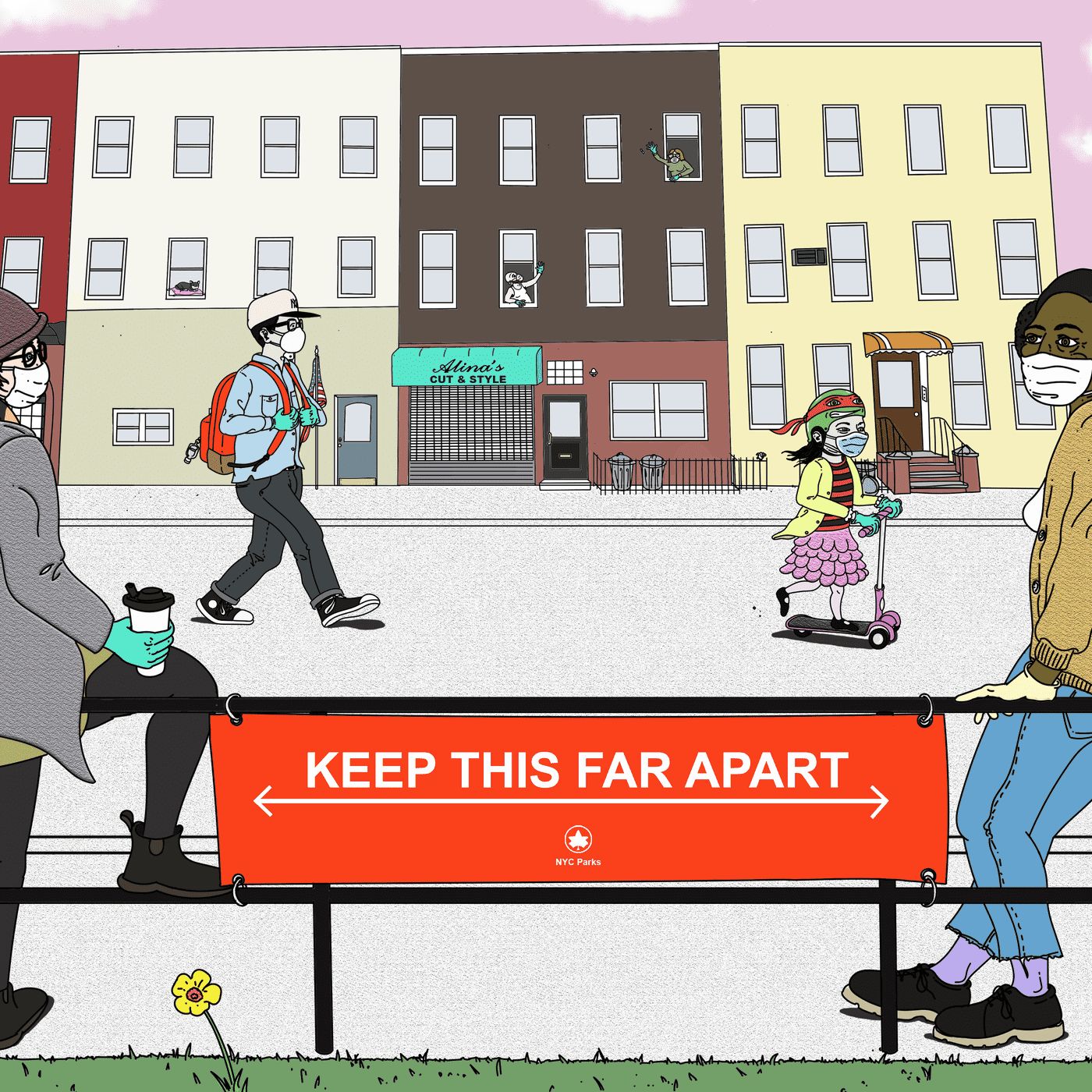
Apr 11, 2020Tap to summarizeSince the onset of the pandemic, we exist in a constant state of calculation, trying to define our own personal bubble. We’ve all been given a simple rule: maintain six feet of distance between yourself and others. But why six? Producer Sarah Qari uncovers the answer, and talks to some scientists who now say six might not be the right number after all. This episode was reported and produced by Sarah Qari and Pat Walters. Support Radiolab today at Radiolab.org/donate. Hosted by Simplecast, an AdsWizz company. See pcm.adswizz.com for information about our collection and use of personal data for advertising.
Transcribe →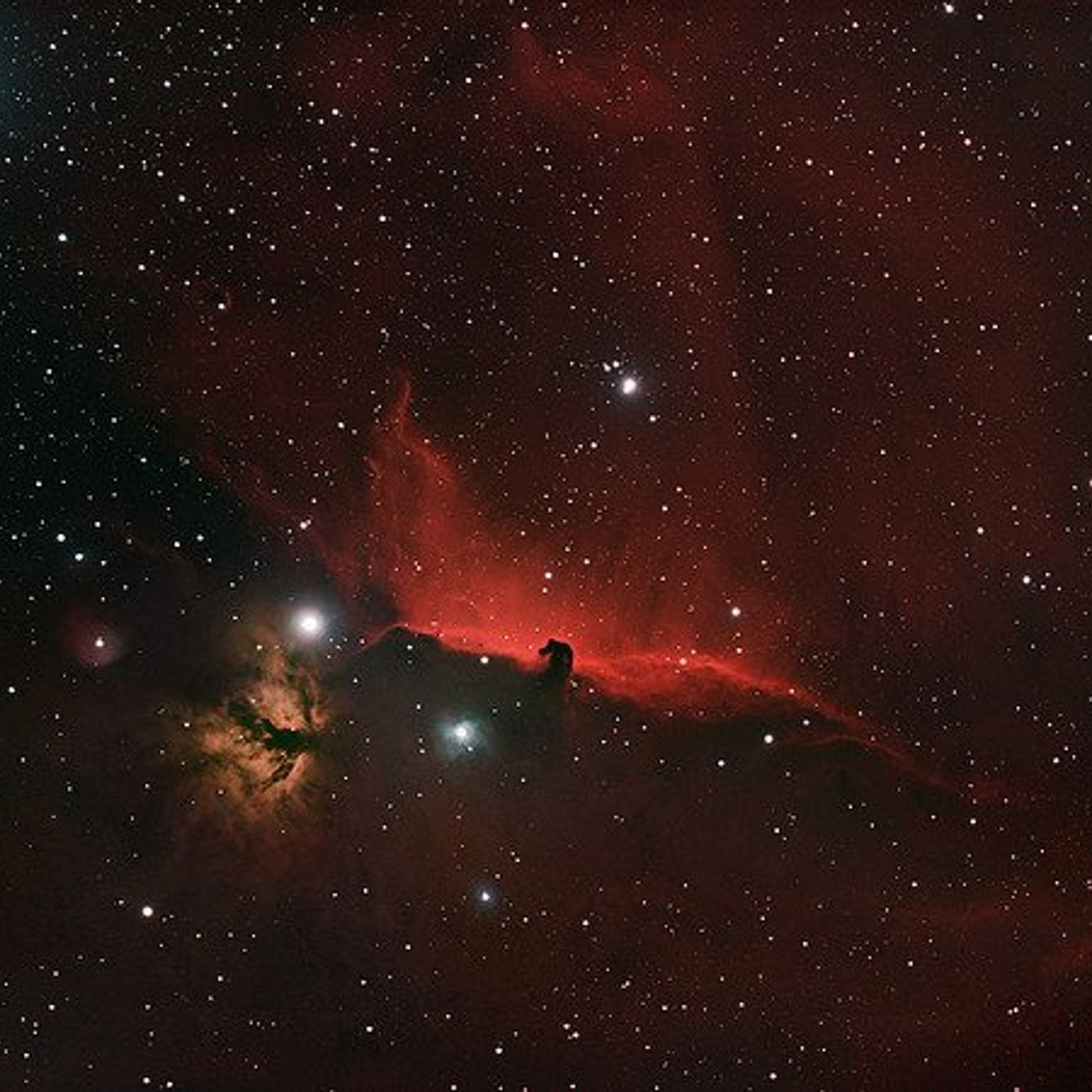
Space
Apr 6, 2020Tap to summarizeOne of the most consistent questions we get at the show is from parents who want to know which episodes are kid-friendly and which aren’t. So today, we're releasing a separate feed, Radiolab for Kids. To kick it off, we're rerunning an all-time favorite episode: Space. In the 60’s, space exploration was an American obsession. This hour, we chart the path from romance to increasing cynicism. We begin with Ann Druyan, widow of Carl Sagan, with a story about the Voyager expedition, true love, and a golden record that travels through space. And astrophysicist Neil de Grasse Tyson explains the Coepernican Principle, and just how insignificant we are. Support Radiolab today at Radiolab.org/donate.
Transcribe →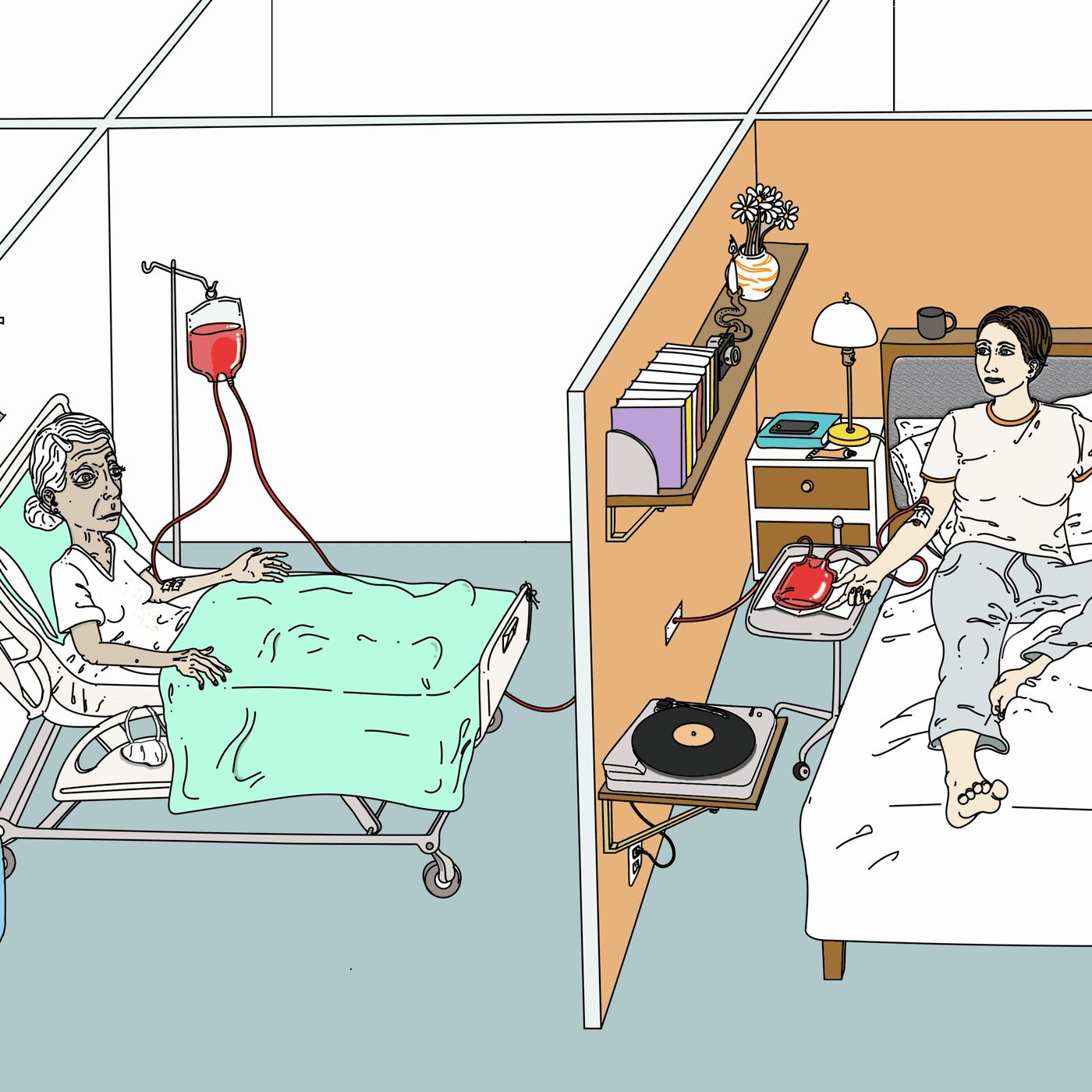
Dispatch 3: Shared Immunity
Apr 3, 2020Tap to summarizeMore than a million people have caught Covid-19, and tens of thousands have died. But thousands more have survived and recovered. A week or so ago (aka, what feels like ten years in corona time) producer Molly Webster learned that many of those survivors possess a kind of superpower: antibodies trained to fight the virus. Not only that, they might be able to pass this power on to the people who are sick with corona, and still in the fight. Today we have the story of an experimental treatment that’s popping up all over the country: convalescent plasma transfusion, a century-old procedure that some say may become one of our best weapons against this devastating, new disease. If you have recovered from Covid-19 and want to donate plasma, national and local donation registries are gearing up to collect blood. To sign up with the American Red Cross, a national organization that works in local communities, head here. To find out more about the The National COVID-19 Convalescent Plasma Project, which we spoke about in our episode, including information on clinical trials or plasma donation projects in your community, go here. And if you are in the greater New York City area, and want to donate convalescent plasma, head over to the New York Blood Center to sign up. Or, register with specific NYC hospitals here. If you are sick with Covid-19, and are interested in participating in a clinical trial, or are looking for a plasma donor match, check in with your local hospital, university, or blood center for more; you can also find more information on trials at The National COVID-19 Convalescent Plasma Project. And lastly, Tatiana Prowell’s tweet that tipped us off is here. This episode was reported by Molly Webster and produced by Pat Walters. Special thanks to Drs. Evan Bloch and Tim Byun, as well as the Albert Einstein College of Medicine. Support Radiolab today at Radiolab.org/donate. Hosted by Simplecast, an AdsWizz company. See pcm.adswizz.com for information about our collection and use of personal data for advertising.
Transcribe →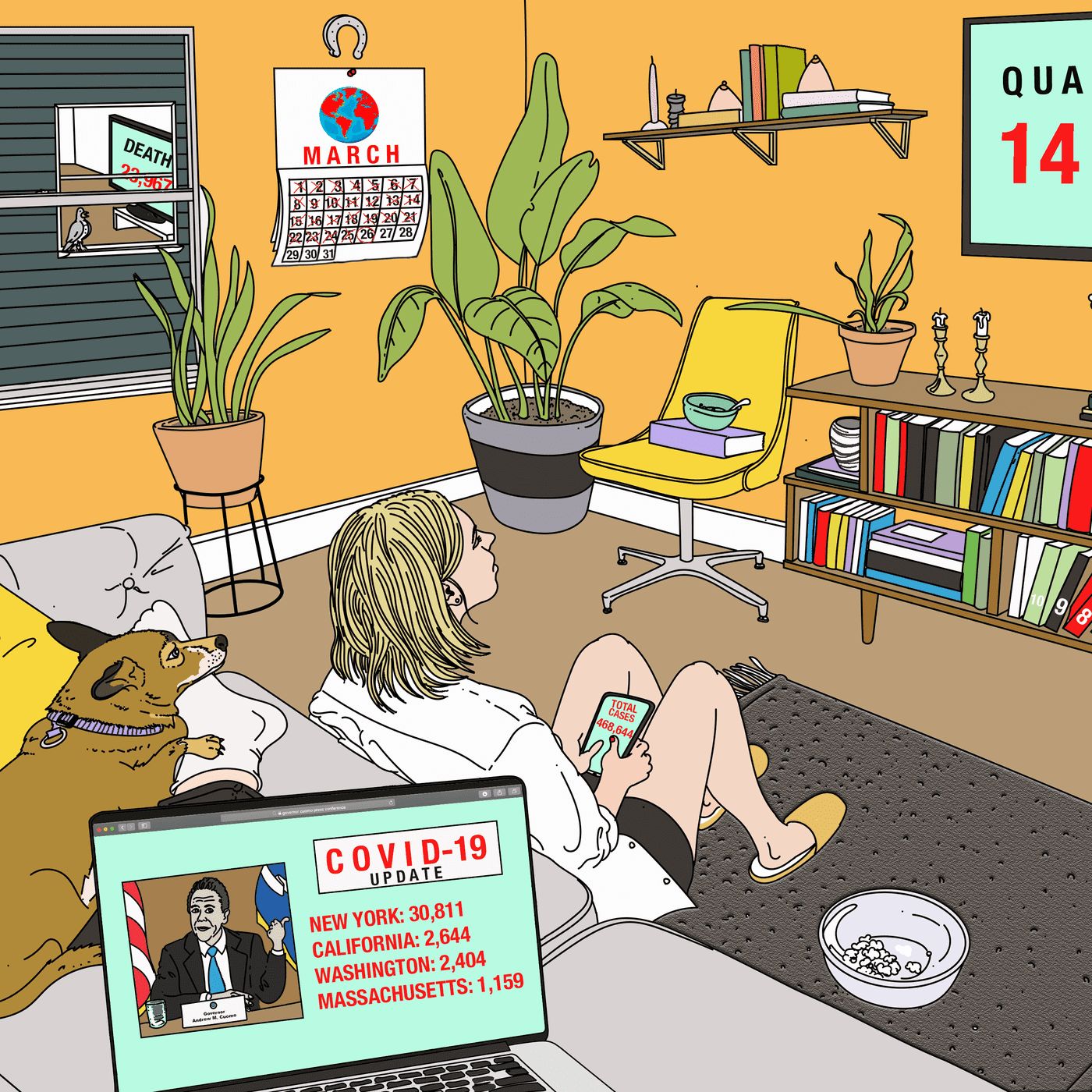
Dispatch 1: Numbers
Mar 27, 2020Tap to summarizeIn a recent Radiolab group huddle, with coronavirus unraveling around us, the team found themselves grappling with all the numbers connected to COVID-19. Our new found 6 foot bubbles of personal space. Three percent mortality rate (or 1, or 2, or 4). 7,000 cases (now, much much more). So in the wake of that meeting, we reflect on the onslaught of numbers - what they reveal, and what they hide. Support Radiolab today at Radiolab.org/donate. Hosted by Simplecast, an AdsWizz company. See pcm.adswizz.com for information about our collection and use of personal data for advertising.
Transcribe →
Breaking News
Nov 19, 2019Tap to summarizeToday, two new technological tricks that together could invade our most deeply held beliefs and rewrite the rules of credibility. Also, we release something terrible into the world. Support Radiolab by becoming a member today at Radiolab.org/donate.
Transcribe →
Dolly Parton's America: Neon Moss
Nov 8, 2019Tap to summarizeToday on Radiolab, we're bringing you the fourth episode of Jad's special series, Dolly Parton's America. In this episode, Jad goes back up the mountain to visit Dolly’s actual Tennessee mountain home, where she tells stories about her first trips out of the holler. Back on the mountaintop, standing under the rain by the Little Pigeon River, the trip triggers memories of Jad’s first visit to his father's childhood home, and opens the gateway to dizzying stories of music and migration. Support Radiolab today at Radiolab.org/donate. Hosted by Simplecast, an AdsWizz company. See pcm.adswizz.com for information about our collection and use of personal data for advertising.
Transcribe →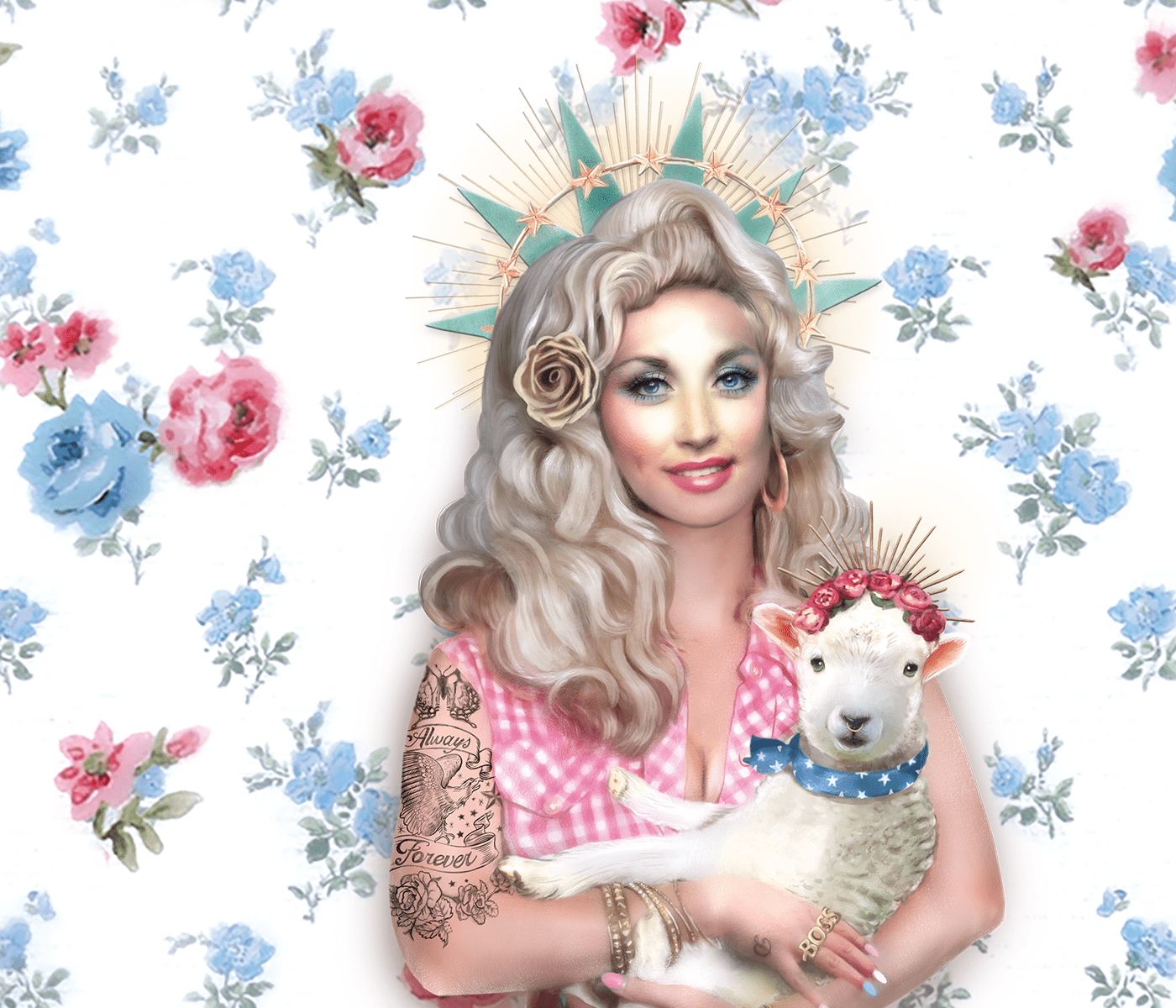
Radiolab Presents: Dolly Parton's America
Oct 16, 2019Tap to summarizeRadiolab creator and host Jad Abumrad spent the last two years following around music legend Dolly Parton, and we're here to say you should tune in! In this episode of Radiolab, we showcase the first of Jad's special series, Dolly Parton's America. In this intensely divided moment, one of the few things everyone still seems to agree on is Dolly Parton—but why? That simple question leads to a deeply personal, historical, and musical rethinking of one of America’s great icons. We begin with a simple question: How did the queen of the boob joke become a feminist icon? Helen Morales, author of “Pilgrimage to Dollywood,” gave us a stern directive – look at the lyrics! So we dive into Dolly’s discography, starting with the early period of what Dolly calls “sad ass songs” to find remarkably prescient words of female pain, slut-shaming, domestic violence, and women being locked away in asylums by cheating husbands. We explore how Dolly took the centuries-old tradition of the Appalachian “murder ballad”—an oral tradition of men singing songs about brutally killing women—and flipped the script, singing from the woman’s point of view. And as her career progresses, the songs expand beyond the pain to tell tales of leaving abuse behind. How can such pro-woman lyrics come from someone who despises the word feminism? Dolly explains. Check out Dolly Parton's America here at: https://www.wnycstudios.org/podcasts/dolly-partons-america Hosted by Simplecast, an AdsWizz company. See pcm.adswizz.com for information about our collection and use of personal data for advertising.
Transcribe →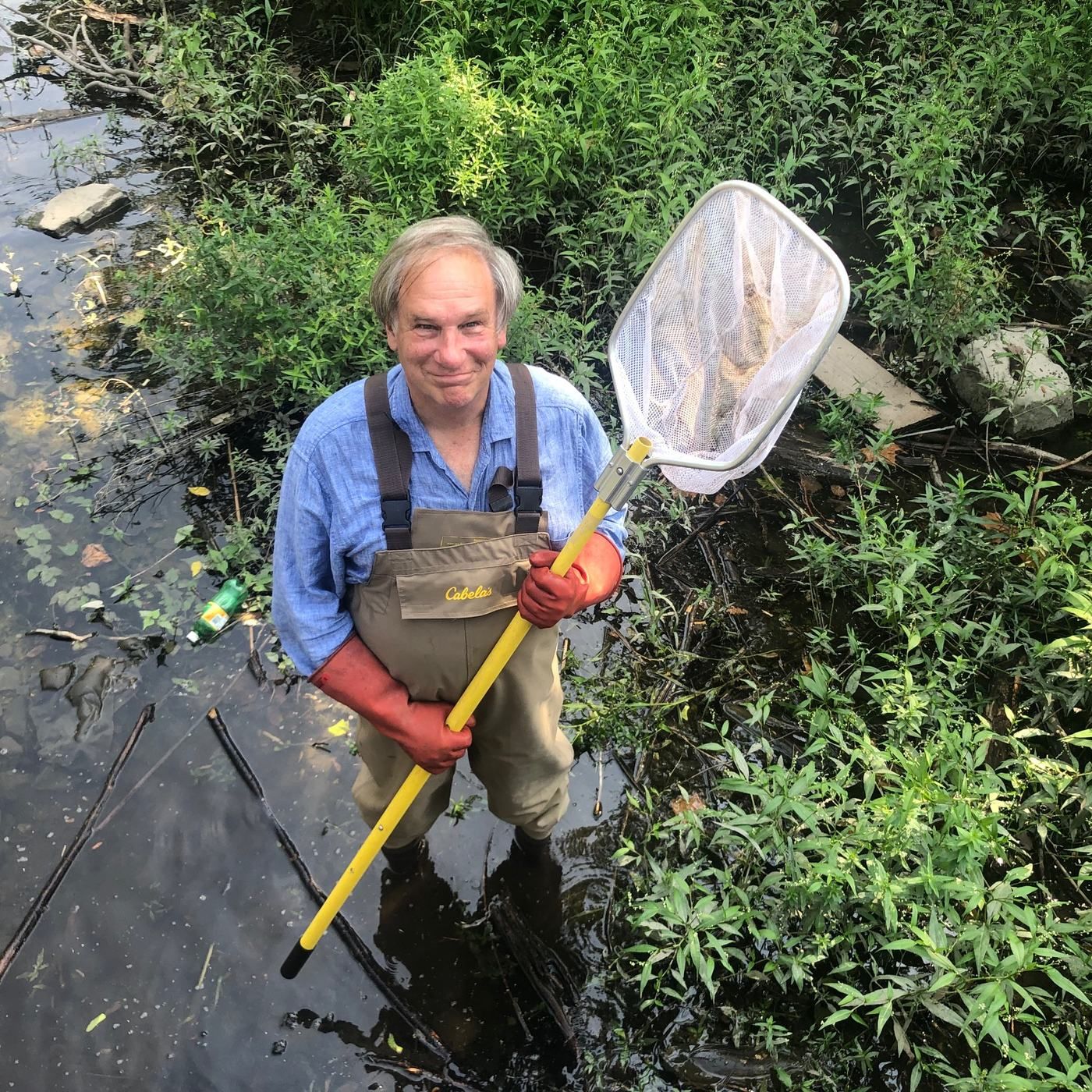
Silky Love
Sep 27, 2019Tap to summarizeWe eat eels in sushi, stews, and pasta. Eels eat anything. Also they can survive outside of water for hours and live for up to 80 years. But this slippery snake of the sea harbors an even deeper mystery, one that has tormented the minds of Aristotle and Sigmund Freud and apparently the entire country of Italy: Where do they come from? We travel from the estuaries of New York to the darkest part of the ocean in search of the limits of human knowledge. This episode was produced by Matt Kielty and Becca Bressler. Support Radiolab today at Radiolab.org/donate. Further reading: Lucy Cooke's book The Truth about Animals! Chris Bowser's Eel Research Project Hosted by Simplecast, an AdsWizz company. See pcm.adswizz.com for information about our collection and use of personal data for advertising.
Transcribe →
The Memory Palace
Aug 28, 2019Tap to summarizeNate DiMeo was preoccupied with the past, and how we relate to it, from a very young age. For the last decade or so he's been scratching this itch with The Memory Palace, a podcast he created. He does things very differently than we do, but his show has captured the hearts of Radiolab staffers, past and present, time and time again. So we decided to get Nate into the studio to share a few of his episodes with us and talk to us about how and why he does what he does. He brought us stories about the Morse Code, the draft lottery, and then he hit us with a brand new episode about a bull on trial, that bounces off a story we did pretty recently. More history on scrub bulls. Follow @thememorypalace on Twitter. This episode was produced with help from Bethel Habte. Support Radiolab today at Radiolab.org/donate. Other staff favorites: Zulu Charlie Romeo Notes on an Imagined Plaque Snakes! Outliers
Transcribe →
G: Problem Space
Jun 14, 2019Tap to summarizeIn the first episode of G, Radiolab’s miniseries on intelligence, we went back to the 1970s to meet a group of Black parents who put the IQ test on trial. The lawsuit, Larry P v Riles, ended with a ban on IQ tests for all Black students in the state of California, a ban that’s still in place today. This week, we meet the families in California dealing with that ban forty years later. Families the ban was designed to protect, but who now say it discriminates against their children. How much have IQ tests changed since the 70s? And can they be used for good? We talk to the people responsible for designing the most widely used modern IQ test, and along the way, we find out that at the very same moment the IQ test was being put on trial in California, on the other side of the country, it was being used to solve one of the biggest public health problems of the 20th century. This episode was reported and produced by Pat Walters, Rachael Cusick and Jad Abumrad, with production help from Bethel Habte. Music by Alex Overington. Fact-checking by Diane Kelly. Special thanks to Lee Romney, Chenjerai Kumanyika, Moira Gunn and Tech Nation, and Lee Rosevere for his song All the Answers. Radiolab’s “G” is supported in part by Science Sandbox, a Simons Foundation initiative dedicated to engaging everyone with the process of science. Support Radiolab today at Radiolab.org/donate.
Transcribe →