
Podcast
Radiolab
Hosted by WNYC Studios · EN
Radiolab is on a curiosity bender. We ask deep questions and use investigative journalism to get the answers. A given episode might whirl you through science, legal history, and into the home of someone halfway across the world. The show is known for innovative sound design, smashing information into music. It is hosted by Lulu Miller and Latif Nasser.
380episodes
Episodes
Newest firstAll episodes
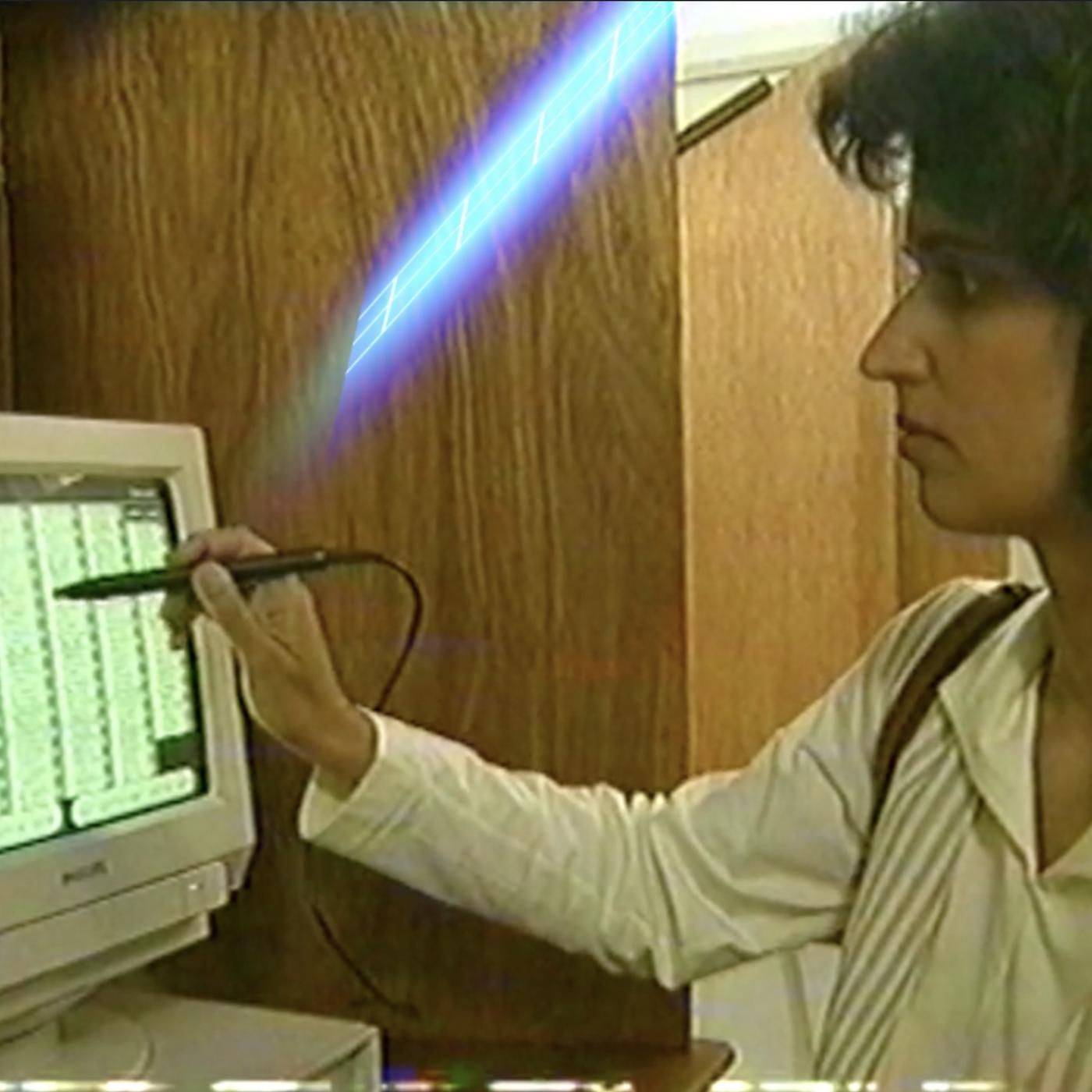
Bit Flip
May 8, 2019Tap to summarizeBack in 2003 Belgium was holding a national election. One of their first where the votes would be cast and counted on computers. Thousands of hours of preparation went into making it unhackable. And when the day of the vote came, everything seemed to have gone well. That was, until a cosmic chain of events caused a single bit to flip and called the outcome into question. Today on Radiolab, we travel from a voting booth in Brussels to the driver's seat of a runaway car in the Carolinas, exploring the massive effects tiny bits of stardust can have on us unwitting humans. This episode was reported and produced by Simon Adler and Annie McEwen. Support Radiolab today at Radiolab.org/donate. And check out our accompanying short video Bit Flip: the tale of a Belgian election and a cosmic ray that got in the way. This video was produced by Simon Adler with illustration from Kelly Gallagher.
Transcribe →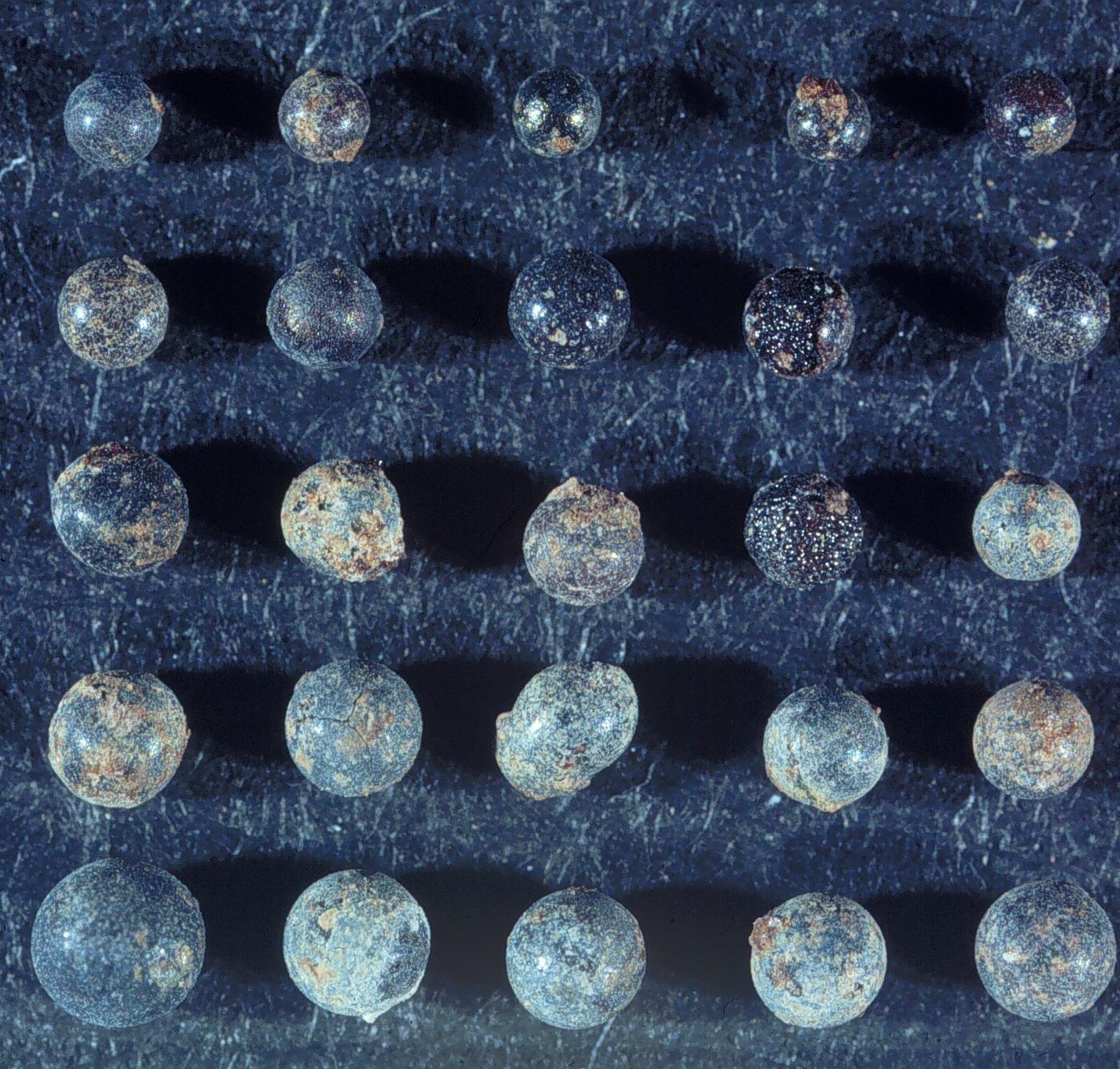
Dinopocalypse Redux
May 3, 2019Tap to summarizeUsing high-powered ballistics experiments, fancy computer algorithms, and good old-fashioned ancient geology, scientists have woven together a theory about the extinction of the dinosaurs that is so precise, so hot, so instantaneous, as to seem unimaginable. Today, we bring you this story, first published on Radiolab in 2013, plus an update: a spot on planet Earth, newly discovered, that - if it holds true - has the potential to tell us about the first three hours after the dinos died. This update was reported by Molly Webster and was produced with help from Audrey Quinn. We teamed up with some amazing collaborators for Apocalyptical, the Radiolab live show that this episode is based on. Find out more about these wildly talented folks: comedians Reggie Watts, Patton Oswalt, Simon Amstell, Ophira Eisenberg and Kurt Braunohler; musicians On Fillmore and Noveller, and Erth Visual & Physical Inc. Support Radiolab today at Radiolab.org/donate. To learn more about the North Dakota site - known as Tanis, for all you Indiana Jones fans - check out the recent paper. Make sure you spend time digging into those supplemental materials, it contains all the juice ! And, go watch Apocalyptical; to dinosaurs and beyond!
Transcribe →
BONUS: Radiolab Scavenger Hunt
Dec 28, 2018Tap to summarizeThe question we get more than any other here at Radiolab is “Where do all those stories come from?” Today, for the first time ever, we divulge our secret recipe for story-finding. Veteran Radiolab story scout Latif Nasser takes our newest producer Rachael Cusick along for what he calls “the world’s biggest scavenger hunt.” Together, they’ll make you want to bake some cookies and find some true stories. But we can’t find, much less tell, true stories without you. Find it in yourself to donate and help us make another year of this possible. It's a choice only you can make. Radiolab.org/support Here are story-finding resources mentioned in this episode: The World's Biggest Scavenger Hunt: Latif's Transom post on story scouting Google Alerts: Set up your own! Wikipedia Random Article: Play wiki roulette by clicking "random article" in the far-left column WorldCat: to find where a book exists in a library near you ArchiveGrid: to search libraries' special collections and oral histories Trade Publications: Search for trade magazines by industry Cusick Cookies: Rachael's cookie recipe...you're welcome. Hosted by Simplecast, an AdsWizz company. See pcm.adswizz.com for information about our collection and use of personal data for advertising.
Transcribe →The Front Runner
Nov 13, 2018Tap to summarizeSo, a cool thing happened for the show recently. A couple years ago, our episode "I Don't Have to Answer That" made it to the ears of director Jason Reitman. The story is about presidential candidate Gary Hart, who, in 1987, was caught in an extramarital affair that forced him to drop out of the race. And at the time, this sort of personal scandal was the first of its kind in politics. It pushed politicians and political reporters into unchartered territory that forever changed the way we scrutinize political figures and judge their fitness for office. When Reitman heard this, he saw a major motion picture in his head. And today, that film, The Front Runner, is out in theaters. Listen to Reitman and his team talk about how Radiolab inspired them to make this movie. This piece was produced by Jackson Roach. Hosted by Simplecast, an AdsWizz company. See pcm.adswizz.com for information about our collection and use of personal data for advertising.
Transcribe →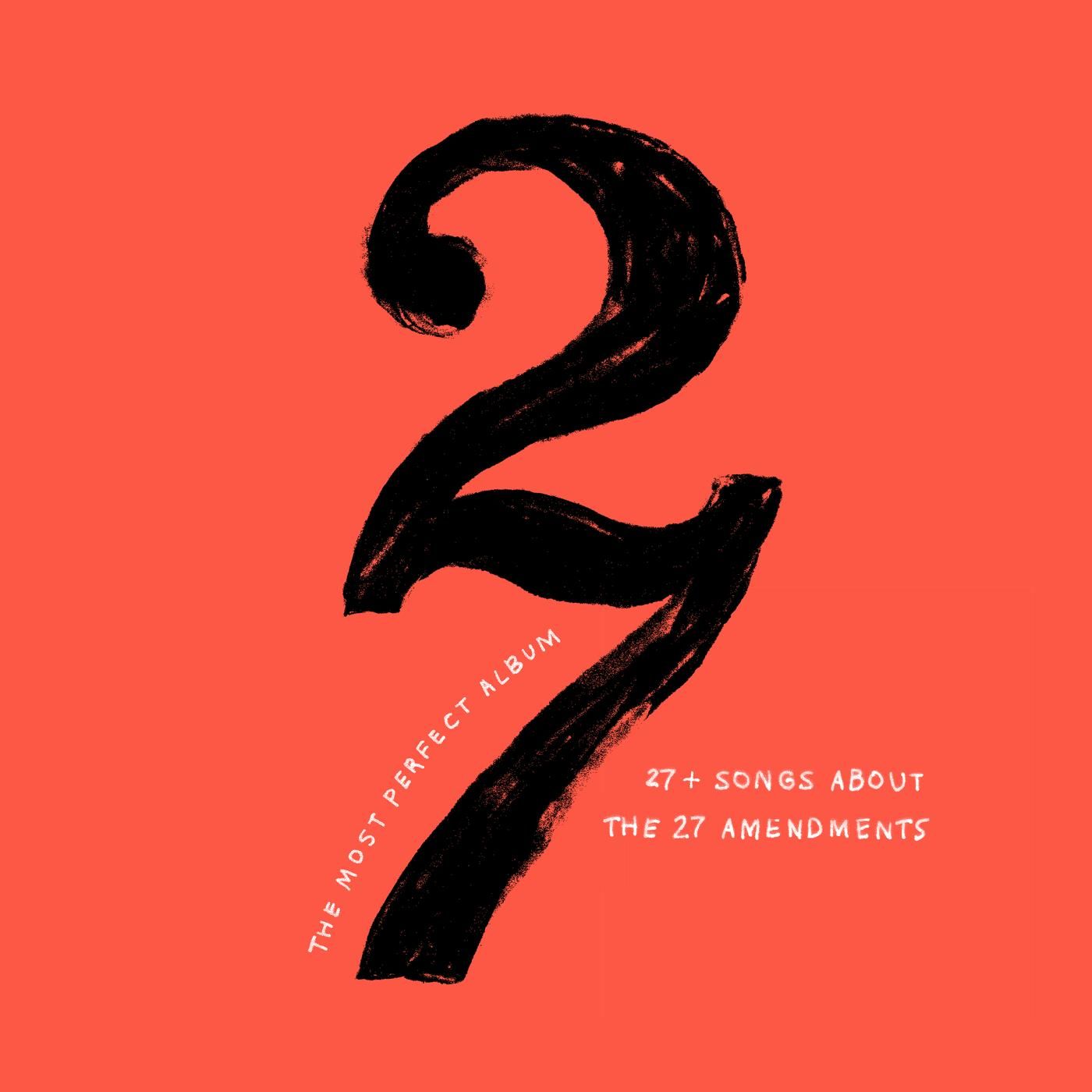
27: The Most Perfect Album
Sep 19, 2018Tap to summarizeMore Perfect is back with something totally new and exciting. They just dropped an ALBUM. 27: The Most Perfect Album is like a Constitutional mix-tape, a Schoolhouse Rock for the 21st century. The album features original tracks by artists like Dolly Parton, Kash Doll, and Devendra Banhart: 27+ songs inspired by the 27 Amendments. Alongside the album they'll be releasing short stories deep-diving into each amendment's history and resonance. In this episode, we preview a few songs and dive into the poetic dream behind the First Amendment. The whole album, plus the first episode of More Perfect Season 3 is out now. Support Radiolab today at Radiolab.org/donate. Hosted by Simplecast, an AdsWizz company. See pcm.adswizz.com for information about our collection and use of personal data for advertising.
Transcribe →
Gonads: Sex Ed
Jul 27, 2018Tap to summarizeIn this episode, an edited down version of a Radiolab Presents: Gonads Live show, host Molly Webster brings together a cast of storytellers, educators, artists, and comedians to grapple with sex ed in unexpected and thoughtful ways. "Sex Ed" is an edited recording of a live event hosted by Radiolab at the Skirball Center in New York City on May 16, 2018. Radiolab Team Gonads is Molly Webster, Pat Walters, and Rachael Cusick, with Jad Abumrad. Live music, including the sex ed questions, and the Gonads theme song, were written, performed, and produced by Majel Connery and Alex Overington. Radiolab is supported in part by Science Sandbox, a Simons Foundation initiative dedicated to engaging everyone with the process of science. And the Alfred P. Sloan Foundation, enhancing public understanding of science and technology in the modern world. More information about Sloan at www.sloan.org. Support Radiolab today at Radiolab.org/donate. Hosted by Simplecast, an AdsWizz company. See pcm.adswizz.com for information about our collection and use of personal data for advertising.
Transcribe →
Gonads: Dana
Jul 22, 2018Tap to summarizeWhen Dana Zzyym applied for their first passport back in 2014, they were handed a pretty straightforward application. Name, place of birth, photo ID -- the usual. But one question on the application stopped Dana in their tracks: male or female? Dana, technically, wasn’t either. In this episode, we follow the story of Dana Zzyym, Navy veteran and activist, which starts long before they scribble the word "intersex” on their passport application. Along the way, we see what happens when our inner biological realities bump into the outside world, and the power of words to shape us. This episode is a companion piece to Gonads, Episode 4, Dutee. "Dana" was reported by Molly Webster, and co-produced with Jad Abumrad. It had production help from Rachael Cusick, and editing by Pat Walters. Wordplay categories were written, performed, and produced by Majel Connery and Alex Overington. Special thanks to Paula Stone Williams, Gerry Callahan, Lambda Legal, Kathy Tu, Matt Collette, Arianne Wack, Carter Hodge, and Liza Yeager. Radiolab is supported in part by Science Sandbox, a Simons Foundation initiative dedicated to engaging everyone with the process of science. And the Alfred P. Sloan Foundation, enhancing public understanding of science and technology in the modern world. More information about Sloan at www.sloan.org. Support Radiolab today at Radiolab.org/donate. Hosted by Simplecast, an AdsWizz company. See pcm.adswizz.com for information about our collection and use of personal data for advertising.
Transcribe →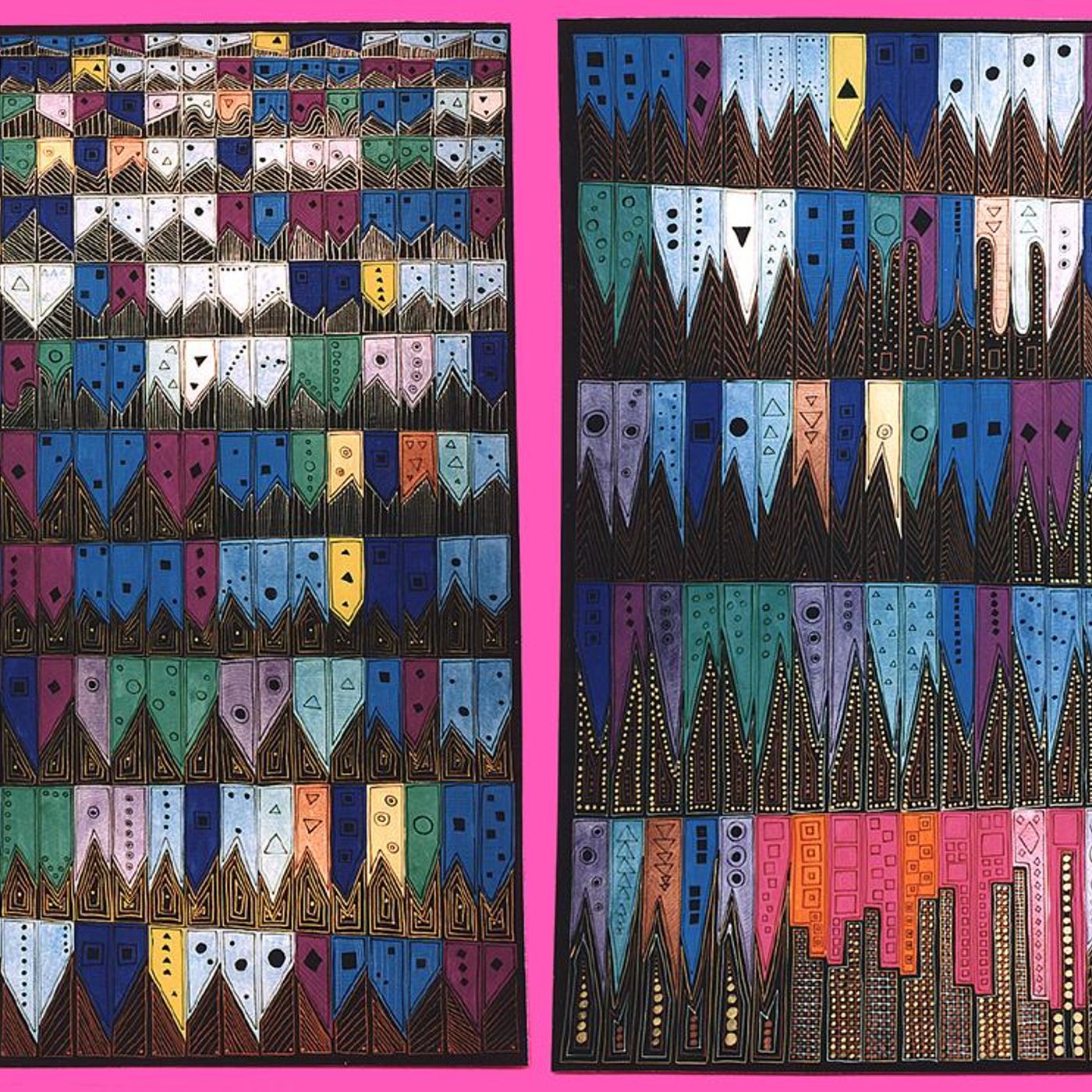
Unraveling Bolero
May 22, 201800:27:13Summary readyThis week, we're throwing it back to an old favorite: a story about obsession, creativity, and a strange symmetry between a biologist and a composer that revolves around one famously repetitive piece of music. Anne Adams was a brilliant biologist. But when her son Alex was in a bad car accident, she decided to stay home to help him recover. And then, rather suddenly, she decided to quit science altogether and become a full-time artist. After that, her husband Robert Adams tells us, she just painted and painted and painted. First houses and buildings, then a series of paintings involving strawberries, and then ... "Bolero." At some point, Anne became obsessed with Maurice Ravel's famous composition and decided to put an elaborate visual rendition of the song to canvas. She called it "Unraveling Bolero." But at the time, she had no idea that both she and Ravel would themselves unravel shortly after their experiences with this odd piece of music. Arbie Orenstein tells us what happened to Ravel after he wrote "Bolero," and neurologist Bruce Miller helps us understand how, for both Anne and Ravel, "Bolero" might have been the first symptom of a deadly disease. Support Radiolab today at Radiolab.org/donate. Read more: Unravelling Bolero: progressive aphasia, transmodal creativity and the right posterior neocortex Arbie Orenstein's Ravel: Man and Musician
Summary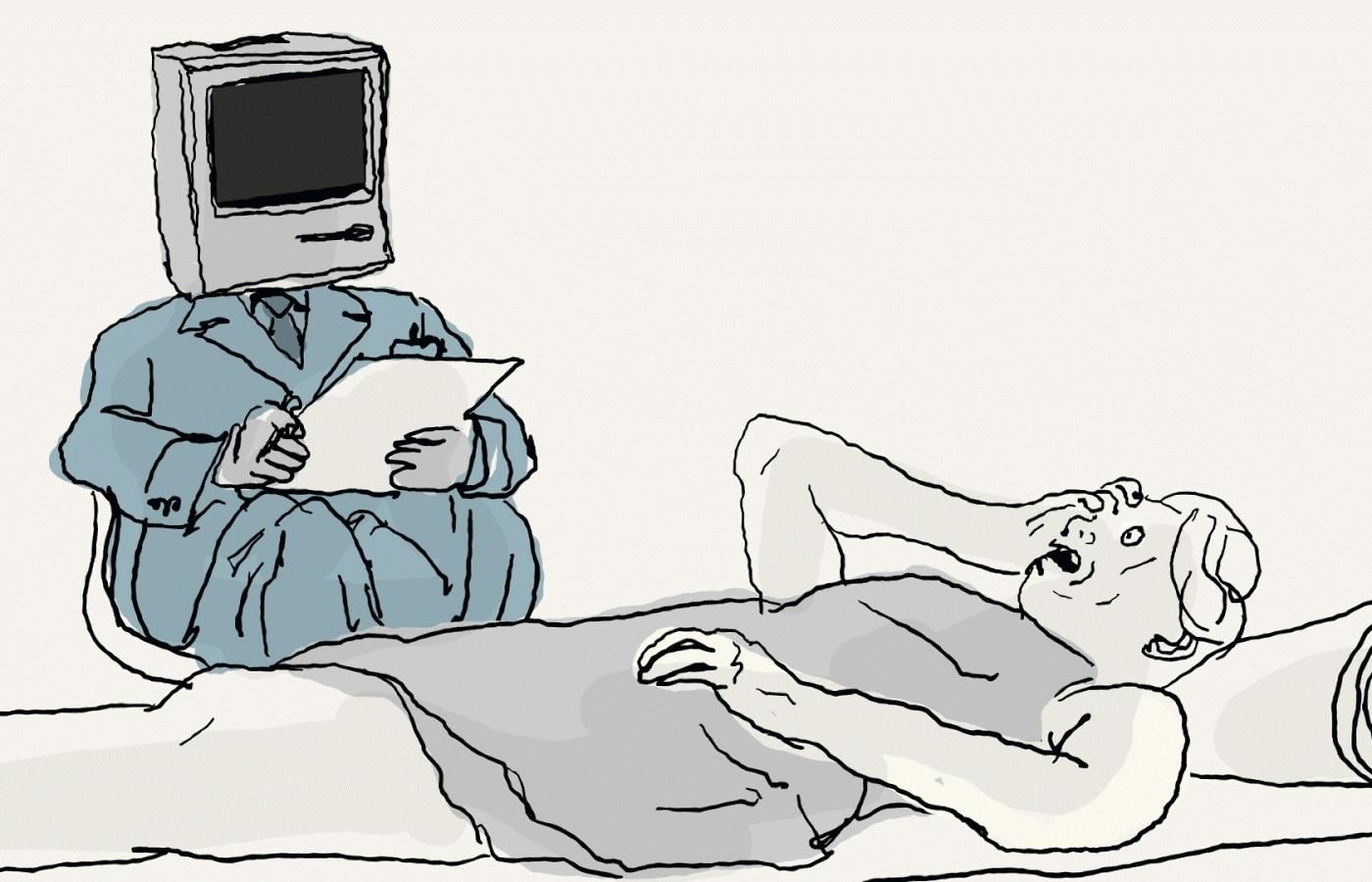
More or Less Human
May 18, 2018Tap to summarizeSeven years ago chatbots - those robotic texting machines - were a mere curiosity. They were noticeably robotic and at their most malicious seemed only capable of scamming men looking for love online. Today, the chatbot landscape is wildly different. From election interference to spreading hate, chatbots have become online weapons. And so, we decided to reinvestigate the role these robotic bits of code play in our lives and the effects they’re having on us. We begin with a little theater. In our live show “Robert or Robot?” Jad and Robert test 100 people to see if they can spot a bot. We then take a brief detour to revisit the humanity of the Furby, and finish in a virtual house where the line between technology and humanity becomes blurrier than ever before. This episode was reported and produced by Simon Adler. Our live event was produced by Simon Adler and Suzie Lechtenberg. Support Radiolab today at Radiolab.org/donate. Note from the Managing Editor: In the original version of our “More or Less Human” podcast, our introduction of neuroscientist Mavi Sanchez-Vives began with mention of her husband, Mel Slater. We’ve edited that introduction because it was a mistake to introduce her first as someone’s wife. Dr. Sanchez-Vives is an exceptional scientist and we’re sorry that the original introduction distracted from or diminished her work. On a personal note, I failed to take due note of this while editing the piece, and in doing so, I flubbed what’s known as the Finkbeiner Test (all the more embarrassing given that Ann Finkebeiner is a mentor and one of my favorite science journalists). In addition to being a mistake, this is also a reminder to all of us at Radiolab that we need to be more aware of our blind spots. We should’ve done better, and we will do better. - Soren Wheeler Hosted by Simplecast, an AdsWizz company. See pcm.adswizz.com for information about our collection and use of personal data for advertising.
Transcribe →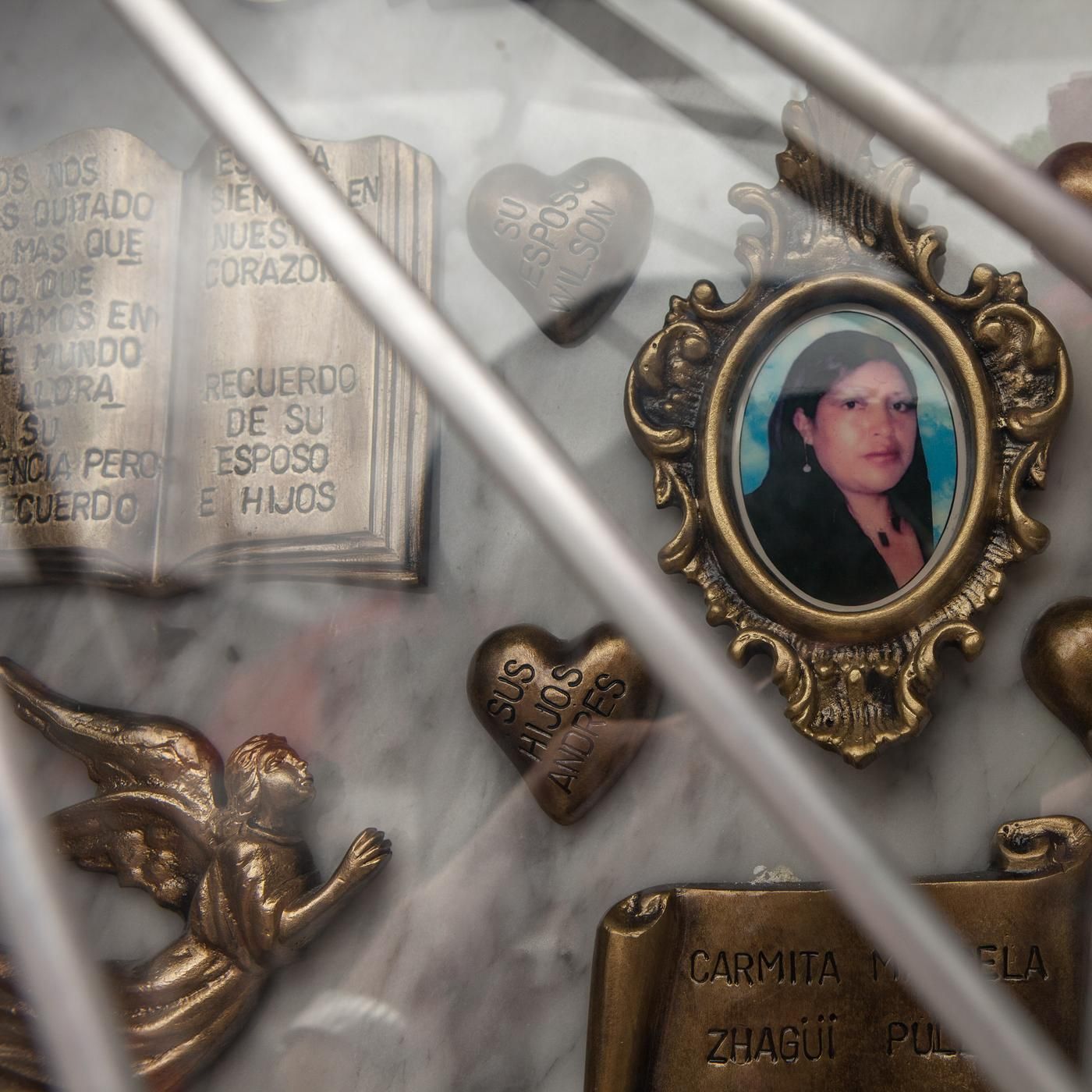
Border Trilogy Part 3: What Remains
Apr 20, 201800:35:43Summary readyBorder Trilogy While scouring the Sonoran Desert for objects left behind by migrants crossing into the United States, anthropologist Jason De León happened upon something he didn't expect to get left behind: a human arm, stripped of flesh. This macabre discovery sent him reeling, needing to know what exactly happened to the body, and how many migrants die that way in the wilderness. In researching border-crosser deaths in the Arizona desert, he noticed something surprising. Sometime in the late-1990s, the number of migrant deaths shot up dramatically and have stayed high since. Jason traced this increase to a Border Patrol policy still in effect, called “Prevention Through Deterrence.” Over three episodes, Radiolab will investigate this policy, its surprising origins, and the people whose lives were changed forever because of it. Part 3: What Remains The third episode in our Border Trilogy follows anthropologist Jason De León after he makes a grisly discovery in Arivaca, Arizona. In the middle of carrying out his pig experiments with his students, Jason finds the body of a 30-year-old female migrant. With the help of the medical examiner and some local humanitarian groups, Jason discovers her identity. Her name was Maricela. Jason then connects with her family, including her brother-in-law, who survived his own harrowing journey through Central America and the Arizona desert. With the human cost of Prevention Through Deterrence weighing on our minds, we try to parse what drives migrants like Maricela to cross through such deadly terrain, and what, if anything, could deter them. This episode was reported by Latif Nasser and Tracie Hunte and was produced by Matt Kielty and Tracie Hunte. Special thanks to Carlo Albán, Sandra Lopez-Monsalve, Chava Gourarie, Lynn M. Morgan, Mike Wells and Tom Barry. Jason de Leon's latest work is a global participatory art project called Hostile Terrain 94, which will be exhibited at over 70 different locations around the world in 2020. Read more about it here. Support Radiolab today at Radiolab.org/donate. CORRECTION: An earlier version of this episode incorrectly stated that a person's gender can be identified from bone remains. We've adjusted the audio to say that a person's sex can be identified from bone remains.
Summary