
Podcast
Razib Khan's Unsupervised Learning
Hosted by Razib Khan · EN
27episodes
Episodes
Newest firstAll episodes

Maxwell Meyer: magazines in a digital age
1w ago00:14:56Tap to summarizeThis is a free preview of a paid episode. To hear more, visit www.razibkhan.comMaxwell Meyer is an American writer, editor, and technology-policy professional known for his optimistic advocacy of capitalism, technological progress, and American civic renewal. A native of Iowa, he studied geophysics at Stanford University, received a Boren Award to pursue language study and research in Israel and the Middle East, and served as editor-in-chief of the Stanford Review. Meyer later worked as policy chief of staff to venture capitalist Joe Lonsdale at 8VC and founded Arena Magazine, a print and digital publication focused on technology, enterprise, culture, and civilizational progress. His essays and reporting have appeared in The Free Press, Quillette, and other publications, covering subjects ranging from SpaceX and Silicon Valley to politics, religion, and American identity.Razib interviews Meyer Arena Magazine’s focus on high-quality print content amidst the rise of AI-generated low-quality content. Arena, which has been publishing for two years, aims to provide a positive, pro-America perspective on technology and industry. Meyer discusses the magazine’s unique position as a tech-right publication, its strategic use of AI for administrative tasks, and its appeal to both reading and non-reading subscribers who value its aesthetic. They also touch on the broader political and economic implications of AI and the future of work, emphasizing the importance of individual choice and innovation over community input.
Transcribe →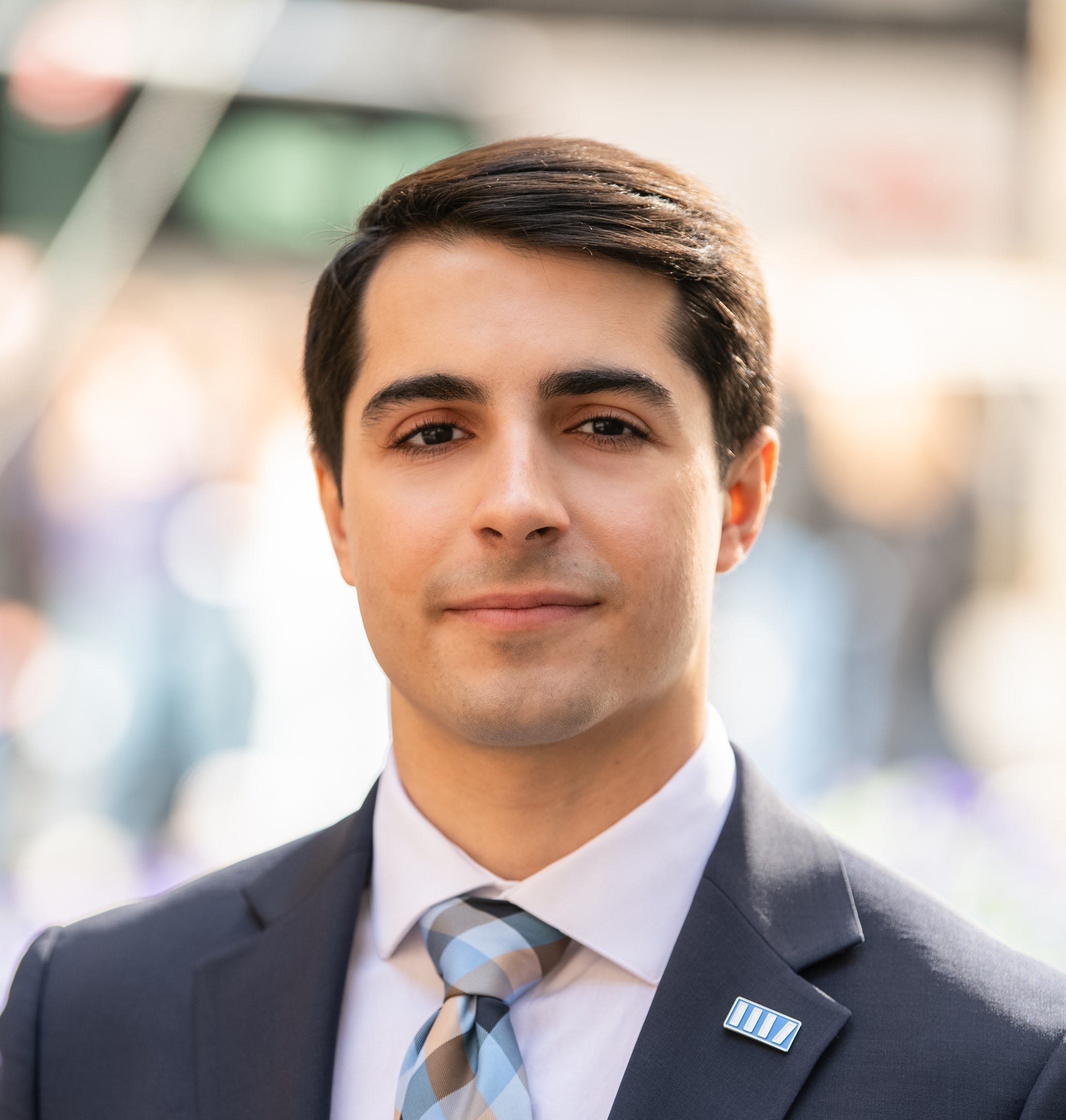
Daniel Di Martino: a Latino immigrant on immigration (and Venezuela)
2w ago00:20:05Tap to summarizeThis is a free preview of a paid episode. To hear more, visit www.razibkhan.comOn this episode, Razib talks to Daniel Di Martino, a Venezuelan-born economist, speaker, and fellow at the Manhattan Institute, where his research centers on immigration policy, including selection, assimilation, and high-skilled migration. Born in 1999 and raised in Venezuela, he witnessed firsthand the impacts of socialism, including hyperinflation and shortages, which prompted him to immigrate to the United States in 2016. He earned a BA in Quantitative Economics from Indiana University and a PhD in Economics from Columbia University. He writes for publications such as City Journal, and USA Today, and serves on the board of advisors for Young America’s Foundation while sitting on New Jersey’s advisory committee to the U.S. Commission on Civil Rights. First, they talk about the economic and social impact of socialism in Venezuela under Hugo Chavez and Nicolas Maduro. Di Martino describes the country’s decline, including hyperinflation, shortages, and corruption, leading to a significant emigration of 30% of the population. Di Martino also discusses the potential for Venezuela’s freedom under the Trump administration and his ongoing work on immigration and economic policy. He advocates for a selective, high-skilled immigration policy in the U.S., emphasizing its economic benefits and the need for a moral approach to enforcement. They discuss Di Martino’s report, The Fiscal Impact of Immigration, and how Indians in America fit into that picture more precisely.
Transcribe →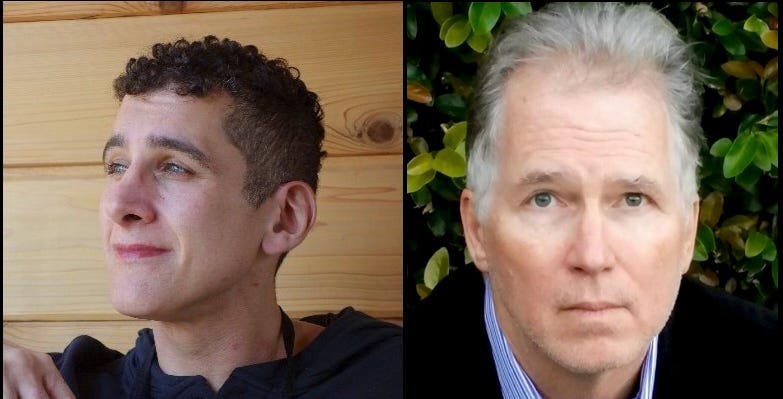
Richard Hanania and Steve Sailer: noticing the kakistocracy
3w ago00:29:53Tap to summarizeThis is a free preview of a paid episode. To hear more, visit www.razibkhan.comOn this episode of Unsupervised Learning we have a double-feature with Richard Hanania and Steve Sailer. Hanania holds a law degree from the University of Chicago and a PhD in political science from UCLA, and was previously a research fellow at Columbia University’s Saltzman Institute of War and Peace Studies. He founded the Center for the Study of Partisanship and Ideology (CSPI) and writes the popular Substack newsletter Richard Hanania’s Newsletter, where he covers politics, foreign policy, and social science from a heterodox, broadly libertarian-leaning perspective; his book The Origins of Woke argued that civil rights law, rather than culture alone, drives modern identity politics. His latest book is Kakistocracy: Why Populism Ends in Disaster.Steve Sailer is an American journalist and blogger, born in 1958 in Los Angeles, who worked in market research before turning to full-time writing in the 1990s, contributing to National Review, The American Conservative, Taki’s Magazine, and the webzine VDARE, as well as his long-running personal blog. He is best known for coining the term “human biodiversity” (HBD) and for pioneering a data-heavy style of commentary on race, immigration, IQ, crime, and demographics. This approach made him persona non grata in mainstream outlets. Long relegated to the fringes and often labeled a race-science promoter by critics, he published an anthology, Noticing, in 2024. In the first hour, Razib and Hanania discuss his career, his use of social media, and his new book. They delve into the rise of populism, defining it as a movement that divides society into righteous masses and corrupt elites. Hanania argues that populism often leads to poor economic performance and authoritarianism. They also touch on the impact of AI on the legal profession, the role of social media in amplifying fringe views, and the challenges of immigration and institutional trust. Hanania expresses a preference for a merit-based immigration system and criticizes the identitarian deference on both the left and right. In the second hour, Razib and Sailer discuss the demographic and economic changes in Southern California, highlighting the impact of Latino immigration and the rise of new immigrant groups from the former Soviet Union. They recount the environmental movement’s role in halting development in Beverly Hills and the potential of robot taxis to transform urban commuting. Sailer reflects on the decline of Chicago’s Fortune 500 companies and the challenges faced by cities built on water transport. They also discuss the evolution of race and IQ debates and the importance of affirmative action in diverse fields. Likely to the surprise of many Sailer defends affirmative action for black Americans. He also expresses optimism for the future, despite the current political climate.
Transcribe →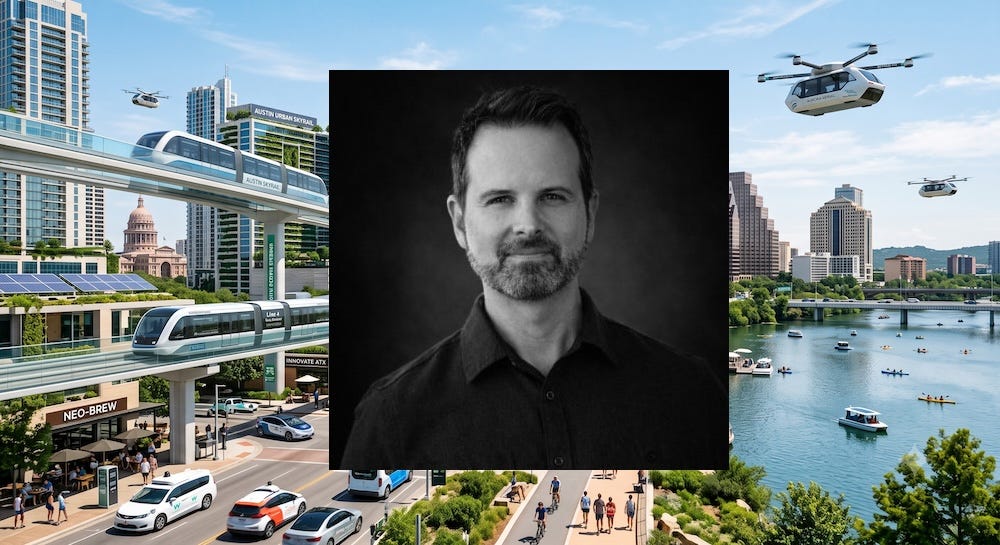
Jason Scharf: Austin's present and future as Texas' tech hub
4w ago00:29:58Tap to summarizeThis is a free preview of a paid episode. To hear more, visit www.razibkhan.comToday Razib talks to Jason Scharf, a biotech investor and podcaster. A native of San Diego, Scharf is an angel investor and startup advisor focused on the intersection of biology, technology, and business, particularly within TechBio and digital health. He has leadership experience in strategy and market intelligence at major companies like Illumina and Amgen. Scharf now targets investments in the bio-innovation tech stack and care delivery transformation. Additionally, as the host of the Austin Next podcast, he is an advocate for regional innovation ecosystems. Scharf promotes the growth of the Texas Triangle as a premier global hub for biotechnology and frontier tech.Razib and Scharf discuss the growth and appeal of Austin, Texas, highlighting its booming tech scene and business environment. Scharf discusses why he moved from San Diego during the COVID-19 pandemic. They compare Austin’s population growth to other major cities, noting Austin’s rapid expansion from 400,000 in 1990 to over a million in 2020. They also talk about the impact of autonomous vehicles, the potential for high-speed rail, and the importance of infrastructure and talent in sustaining Austin’s future growth. The conversation touches on the broader Texas Triangle and its economic significance to the American economy today and in the future. They highlight the libertarian and business-friendly environment in Texas, allowing for significant developments like Tesla’s Gigafactory (the world’s second-largest building), and the planned Terfab. Razib compares Austin and San Antonio, noting the former’s rapid growth and the challenges it faces, such as infrastructure and housing. They also touch on the cultural and economic dynamics in Texas, emphasizing the importance of storytelling and narrative in shaping the state’s future.
Transcribe →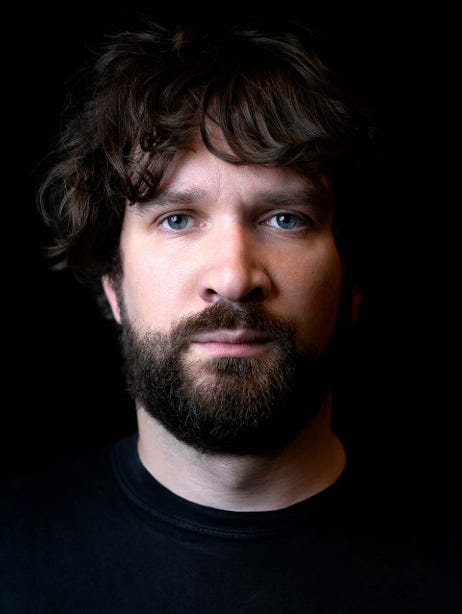
Destiny (Steven Bonnell II): a liberal in the age of radical progressives and MAGA
Jun 2600:19:55Tap to summarizeThis is a free preview of a paid episode. To hear more, visit www.razibkhan.comBonus podcast: Also, Razib guests on Steve Hsu’s Manifold podcast, Manifest 2026: Genetic Discoveries, AI, and AcademiaOn this episode, Razib talks to streamer and political commentator Destiny (Steven Bonnell II). Destiny first gained prominence in the late 2000s as a professional player and content creator in the video game StarCraft II. Over time, he transitioned from gaming into politics, philosophy, culture, and current events, becoming one of the most influential figures in online debate culture. Known for his fast-paced argumentative style, willingness to engage opponents across the ideological spectrum, and extensive live discussions with politicians, journalists, academics, and fellow creators, Destiny has built a large audience on streaming and video platforms. His content focuses on liberal politics, public policy, social issues, and media criticism, and he has played a notable role in shaping the modern ecosystem of online political commentary and debate.Razib Khan interviews Destiny about his current position on the center-left, with the rise of the far left and the ascendancy of MAGA. Destiny criticizes Trump’s foreign policy as irresponsible and incoherent, citing examples like the Venezuela invasion and the Iran situation. He also discusses the challenges of defining political labels, the impact of social media on political discourse, and the need for better messaging from the Democratic Party. He emphasizes the importance of nuanced discussions on issues like transgender rights and foreign policy. Razib and Destiny touch on cultural war issues, particularly the left’s obsession with racial identity and the right’s response. They debate the impact of DEI policies versus the DOJ’s actions under Trump. Destiny argues that conservatives’ disengagement from cultural institutions led to their current dominance by the left. They also discuss the media’s role in shaping public perception and the decline of ideological debate due to social media echo chambers. The conversation touches on the MAGA movement’s reliance on Trump and the lack of genuine engagement in modern political discourse.
Transcribe →
Joseph Robertson: bringing Reform UK to the top of British politics
Jun 2200:20:01Tap to summarizeThis is a free preview of a paid episode. To hear more, visit www.razibkhan.comThe UK is now in political turmoil, as Keir Starmer has announced his resignation. The next British election is still three years away, but it is hotly anticipated because Labour is going to faceoff against three parties of the Right: the Tories (also known as the Conservaties), Reform UK and Restore Britain. Reform, led by Nigel Farage and stocked with defections from the Tories, has a good chance to win in 2029. On today’s episode, Razib talks to Joseph Robertson about the British politican scene. Robertson is Director at Touchpoint Strategy and CPAC Britain, wrote for Epoch Times and has been a long-time conservative political consultant in the UK. Currently, he is aligned with Reform UK.Razib and Robertson discuss the political and economic challenges facing the UK, particularly since the 2019 election and Brexit. Robertson highlights the shift in political allegiances, with the working class moving from Labour to the Tories, and the subsequent rise of Nigel Farage’s Reform UK party. They address issues like economic stagnation, high energy costs, and the impact of net-zero policies. Robertson criticizes the inherited socialist Fabian agenda of Labour and the lack of integration among new immigrants. They also touch on the rise of radical Islam and the need for stronger national identity and sovereignty. The conversation concludes with the announcement of CPAC UK, aiming to unite conservative movements globally.
Transcribe →
Zineb Riboua: Rising Tides of the Third World
Jun 1200:20:03Tap to summarizeThis is a free preview of a paid episode. To hear more, visit www.razibkhan.comToday on Unsupervised Learning Razib talks to Zineb Riboua, a research fellow and program manager of Hudson Institute’s Center for Peace and Security in the Middle East. She specializes in Chinese and Russian involvement in the Middle East, the Sahel, and North Africa, great power competition in the region, and Israeli-Arab relations. Riboua’s pieces and commentary have appeared in the Wall Street Journal, Foreign Policy, the National Interest, the Jerusalem Post and Tablet among other outlets. She holds a master’s of public policy from the McCourt School of Public Policy at Georgetown University. She did her undergraduate studies in France, where she attended French preparatory classes and HEC Paris’ Grande Ecole program. Her Substack is Beyond the Ideological.Razib and Zineb Riboua discuss the concept of Third Worldism (following up on an earlier podcast), its historical context, and its contemporary relevance. Riboua explains that Third Worldism positions the decolonizing world as a historical actor seeking revenge and redistribution from the West, emphasizing the West’s role in global South underdevelopment. They explore its manifestations in politics, particularly in the US and Europe, and its influence on foreign policy, highlighting the role of Israel as a central issue. Riboua also touches on the economic and political challenges faced by Iran and the Middle East, and the evolving dynamics of Islam in global politics.
Transcribe →
Dan Hess: the end of Asians and humanity going to the retirement home
Jun 600:20:03Tap to summarizeThis is a free preview of a paid episode. To hear more, visit www.razibkhan.comOn this episode of Unsupervised Learning Razib has a wide-ranging conversation, again, with Dan Hess, the man behind the More Births account on social media. An engineer with a large family in the DC area, Hess’ essays on topics like Israelis’ high birth rate have gained the attention of X. He has an account that has come from a few hundred followers to more than 45,000 in less than 4 years. His tweets have been boosted by Elon.Today Razib and Hess start the conversation talking about East Asia, and its massive fertility crisis. Hess makes the case against urban density, observing how low fertility is in some of these Asian cities in particular. Razib also brings up economic and cultural creativity, as he and Hess ruminate on the consequences of reduced dynamism due to an aging population. Hess also argues that we cannot rely on evolution to fix our demographic imbalances; the source nations of immigrants are experiencing demographic collapse as well.
Transcribe →
Brianna Wu: the case for liberalism
May 3000:20:01Tap to summarizeThis is a free preview of a paid episode. To hear more, visit www.razibkhan.comOn this episode of Unsupervised Learning Razib talks to Brianna Wu. Wu is an American video game developer, programmer, and political activist best known as the co-founder and CEO of the independent game studio Giant Spacekat. Raised in Hattiesburg, Mississippi, she attended the University of Mississippi to study journalism and political science but withdrew in 2001 without earning a degree in order to pursue early entrepreneurial ventures. After establishing herself in the tech industry and leading the development of the 2014 indie game Revolution 60, Wu became a prominent advocate for marginalized groups in gaming, a role that expanded significantly after she was targeted during the Gamergate harassment campaign. She later transitioned into political organizing, running for the U.S. House of Representatives in Massachusetts as a Democrat in 2018 and 2020, and co-founding Rebellion PAC to support progressive political initiatives. In the last few years Wu has been pivoting more toward the center, expressing concerns about the power of the anti-Israel faction on the Left.Razib and Wu discuss their political differences, he, being on the political Right his whole adult life, and, Wu, a partisan of the Left. Wu makes the affirmative case for a liberal Left vision of American politics, a welfare state without express support for socialism. They also discuss the excesses of both the woke Left and the MAGA Right, and Wu challenges Razib on the actions of state-level Republicans. She argues that for many Americans the Right presents no option, because it does not welcome many identity categories as the Left does.
Transcribe →
Leonidas-Romanos Davranoglou: the last Hellenes and the children of the Yamnaya
May 2300:19:58Tap to summarizeThis is a free preview of a paid episode. To hear more, visit www.razibkhan.comOn this episode of Unsupervised Learning Razib talks to geneticist Leonidas-Romanos Davranoglou about two papers, Ancient DNA evidence for the history of the Albanians and Uniparental analysis of Deep Maniot Greeks reveals genetic continuity from the pre-Medieval era. He is an entomologist and evolutionary biologist specializing in insect morphology, biomechanics, bioacoustics, systematics, and taxonomy. Born in Greece, Davranoglou earned a B.Sc. (Hons) in Zoology from Imperial College London (2012–2015) before completing a DPhil (2015–2020) in insect morphology and biomechanics at the University of Oxford under supervisors Graham Taylor and Beth Mortimer. He is currently a Leverhulme Trust Early Career Fellow at the Oxford University Museum of Natural History (with support from the John Fell OUP Fund), where he investigates the evolutionary origins of sound production in hemipteran insects. He also serves as Curator of Hemiptera and a senior researcher at the Steinhardt Museum of Natural History in Tel Aviv. Over the course of the episode Razib and Davranoglou cover the intersection of history, archaeology and genetics. Who are the Greeks of the Mani peninsula, south of Sparta? Are they particularly “genetically pure” compared to other Greeks, and what is their connection to the ancient Greeks? How do Albanians differ from other Balkan populations and what are their deep origins? The podcast explores genetic results that demystify the demographic history of the southern Balkans, and two of the deeply indigenous peoples to the region.
Transcribe →