
Podcast
ReInvent Healthcare
Hosted by Dr. Ritamarie Loscalzo · EN
Reinvent Healthcare provides support, insight, and cutting edge information for health and wellness practitioners passionately committed to transforming our broken, disease-focused, healthcare system.
Dr. Ritamarie Loscalzo, the founder of the Institute of Nutritional Endocrinology, shares more than 30 years of clinical experience using science-based, nutritional and natural approaches for successfully correcting the imbalances that lead to chronic disease. Her vast knowledge, infectious energy, and love for all things geeky will provide listeners with the kind of insights and information found nowhere else. Her commitment to and success in supporting the body's own ability to heal makes her a proven leader in the field of functional healthcare.
An internationally recognized nutrition and women’s health authority, Dr. Ritamarie’s goal is to provide practitioners with the knowledge and tools needed to guide their clients to optimal, lasting health. Reinvent Healthcare provides that rare opportunity to thoroughly explore complicated issues. Dr. Ritamarie and expert guests will devote an entire month to a complex health topic, focusing on specific aspects each week. In the final episode, she will respond to questions submitted by her listeners, making Reinvent Healthcare a uniquely interactive and personal experience.
Dr. Ritamarie leads the way in the exploration and use of proven, science-backed, restorative therapeutics that go well beyond treating symptoms and get to the root cause of disease. Using diet, exercise, adaptogens, fasting, intermittent fasting, effective and directed supplementation, blood sugar and ketone testing, vitamin and mineral analysis, and herbal therapy, Dr. Ritamarie proves repeatedly that our bodies have an innate wisdom to heal when supported properly.
A self-proclaimed geek with a gift for teaching, Dr. Ritamarie will use nutritional endocrinology, nutrigenomics, epigenetics, functional assessments, and comprehensive lab testing, to take a deep dive into the science behind stubborn, yet common conditions such as inflammation, diabetes, food allergies, parasites, hair loss, hyper and hypo thyroidism, insulin dysregulation, autoimmune disease, Alzheimer's, adrenal fatigue, metabolic imbalance, gluten sensitivity, and microbiome/GI tract issues. She will also explore recognized but lesser known holistic approaches that are moving to the forefront of the wellness industry.
Be sure to join Dr. Ritamarie and Reinvent Healthcare each week, your go-to podcast for finding solutions to a broken system, one success story at a time.
More about your host Dr. Ritamarie Loscalzo
Dr. Ritamarie Loscalzo is a best-selling author and speaker known for her extensive knowledge, infectious energy, and inspirational message that encourages individuals to become their own best health advocate. She is an internationally recognized nutrition and health authority who specializes in using the wisdom of nature to restore hormone b...
41episodes
Episodes
Newest firstAll episodes
Appetite Signals Decoded: Why Clients Stay Hungry Despite Eating Well
1w ago00:23:36Tap to summarizeYour clients eat full meals, yet cravings persist. Nighttime snacking, blood sugar swings, and constant hunger aren’t willpower. They’re signals. Appetite is controlled by a complex network of hormones, the nervous system, gut, microbiome, muscle, and nutrient status.In this episode, Dr. Ritamarie Loscalzo explains why focusing on a single hormone like GLP-1 isn’t enough. She shows how to identify the patterns driving overeating, cravings, and metabolic dysregulation, so you can address the root cause rather than just the symptoms.What’s Inside This EpisodeWhy appetite is a communication system, not just a numbers problemHow ghrelin, leptin, insulin, GLP-1, PYY, and CCK work together to signal satietyThe hidden impact of stress, sleep, and reward pathways on cravingsHow muscle, metabolism, and the microbiome shape hunger signalsWhy post-meal hunger often reflects systemic dysfunctionA pattern-based approach to uncover root causes of persistent appetite issuesResources and Links:Download the full transcript hereGet your FREE Beyond Protocols Guide: A structured framework for identifying root-cause patterns and sequencing interventionsJoin the Next-Level Health Practitioner Facebook group here for free resources and community supportVisit INEMethod.com for advanced health practitioner training and tools to elevate your clinical skills and grow your practice by getting life-changing results. Check out other podcast episodes here
Transcribe →
The Hidden Hormones Behind Hunger, Cravings, and Satiety
2w ago00:24:47Tap to summarizeClients eat full meals but still struggle with cravings, nighttime snacking, and persistent hunger. These are signs that the body’s satiety signals aren’t working. GLP-1 is only one piece of a larger network connecting the gut, brain, pancreas, liver, and muscles.In this episode, Dr. Ritamarie explores why fullness signals sometimes fail and what practitioners should consider when standard interventions aren’t enough.This episode is for practitioners who want to move beyond lab numbers and leverage physiology to restore metabolic communication and resilience.What’s Inside This Episode?Why clients eat but stay hungryHow GLP-1 really talks to the gut, brain, and metabolismThe hidden meal, timing, and lifestyle traps sabotaging satietyNutrients that naturally boost GLP-1—without medsSubtle metabolic signals most practitioners missHow to spot patterns that reveal the root causeWhen context and environment override your best interventionsResources and Links:Download the full transcript hereGrab your Beyond Protocols Guide for a step-by-step framework integrating genetics, labs, and functional assessments into root-cause solutionsJoin the Next-Level Health Practitioner Facebook group for free resources and community supportVisit INEMethod.com for advanced practitioner trainingCheck out other podcast episodes here
Transcribe →
Boost Your Body’s GLP-1 Naturally: Foods, Habits, and Signals for Satiety, Insulin, and Heart Health
3w ago00:39:31Tap to summarizeGLP-1 medications are everywhere, but the real solution may already be inside your clients. This hormone is released naturally with every meal to regulate appetite, blood sugar, and metabolic resilience.In this episode, Dr. Ritamarie Loscalzo shows how to activate your clients’ own GLP-1 through food, habits, and lifestyle beyond drugs, gimmicks, or one-size-fits-all protocols.What’s Inside This Episode:Why GLP-1 is more than a weight-loss hormoneThe key foods and nutrients that naturally stimulate GLP-1Meal timing and daily routines that optimize satietyHow movement, sleep, and stress shape metabolic responseWhy focusing only on GLP-1 medications misses the bigger metabolic pictureResources and Links:Download the full transcript hereDownload Beyond Protocols: A Practitioner's Guide to Root Cause Pattern Recognition for a structured framework to integrate symptoms, systems, and sequence in complex casesJoin the Next-Level Health Practitioner Facebook group here for free resources and community supportVisit INEMethod.com for advanced health practitioner training and tools to elevate your clinical skills and grow your practice by getting life-changing results. Check out other podcast episodes here
Transcribe →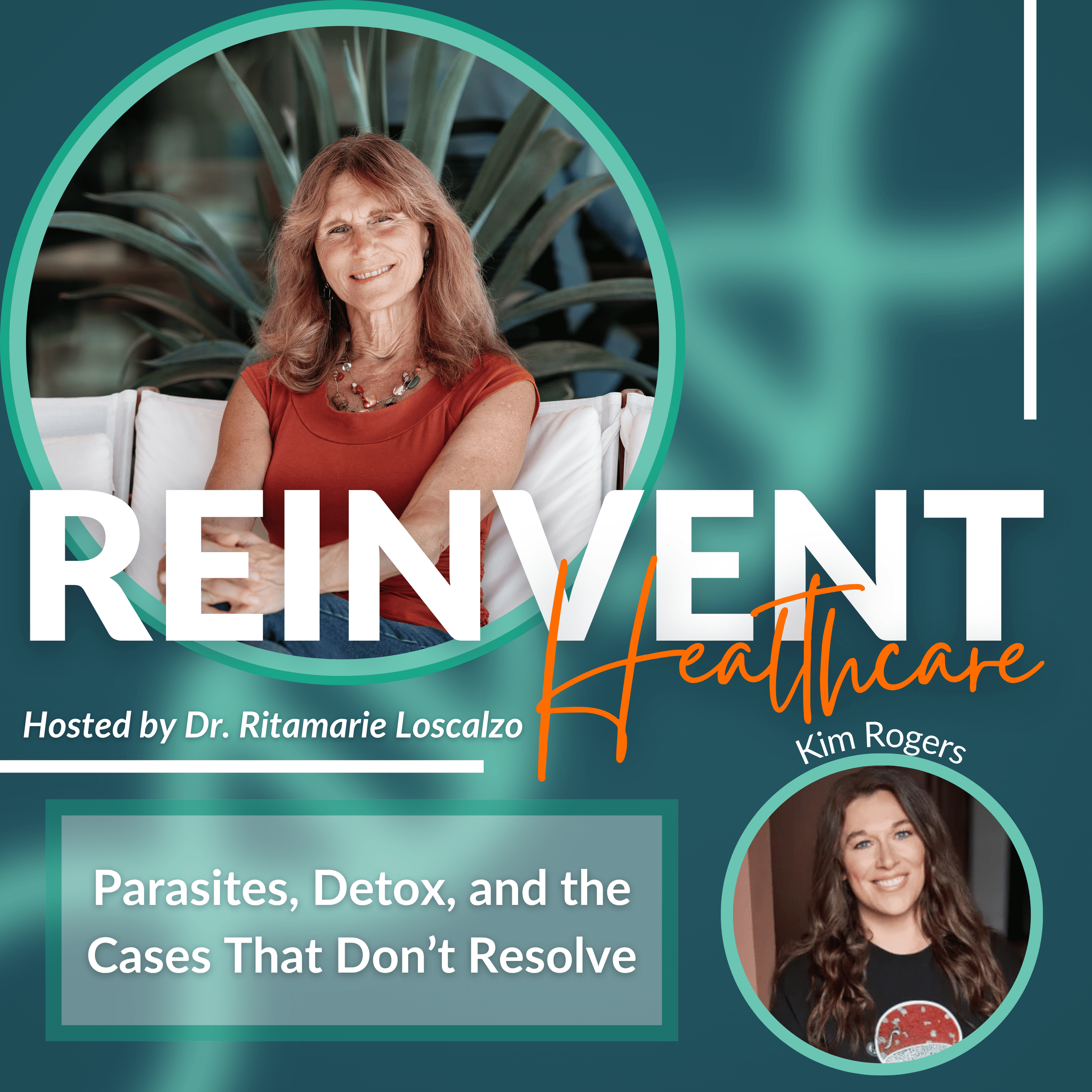
Parasites, Detox, and the Cases That Don’t Resolve
4w ago01:12:17Tap to summarizeThere are cases that don’t resolve the way you expect them to.The labs look reasonable. The protocol makes sense. And yet… something isn’t shifting.In this episode, Dr. Ritamarie sits down with Kim Rogers to explore a layer that’s often debated and often misunderstood—parasites, gut burden, and the role they may play in complex, unresolved cases.This isn’t about assuming parasites are the answer. It’s about expanding how we think. When symptoms don’t line up and progress stalls, it may be worth asking different questions.You’ll hear where this conversation can be useful, where it can go too far, and how to approach it without losing clinical discernment.What’s Inside This Episode? Why 90% of people may have parasites and not even know itHow unexplained skin issues, mood swings, and hormone imbalances may start in the gutThe truth about poop, parasites, and why your detox isn’t workingHow she turned her own health horror story into a mission-led wellness brandKim’s story blends science, storytelling, and jaw-dropping realness that cuts through today’s filtered health noise.Resources and Links:Download the full transcriptDownload our FREE Immune Modulation Strategies Guide here to support immune balance with targeted nutrition, herbs, and lifestyle strategiesJoin the Next-Level Health Practitioner Facebook group here for free resources and community supportVisit INEMethod.com for advanced health practitioner training and tools to elevate your clinical skills and grow your practice by getting life-changing results. Check out other podcast episodes hereGuest Resources and LinksExplore Kim Rogers’ work on her website at https://rogershood.comFollow Kim on Instagram @mrsrogers.hoodConnect with Kim on TikTok @mrsrogershoodListen to Kim’s podcast, What’s Eating UApply for Kim’s affiliate program here Guest BioKim Rogers - Worm Queen! Kim Rogers has spent more than 20 years working within the Western healthcare system—authoring national certification exams, advising health boards, and teaching in colleges—until her own health crisis revealed something shocking: her body was infested with parasites.After years of being dismissed by doctors while suffering from endometriosis, mold toxicity, Lyme disease, and extreme fatigue, Kim took matters into her own hands. What she found? Worms, candida, and heavy metals were silently wreaking havoc on her body—and no one in conventional medicine was talking about it.Now known as the “Worm Queen,” Kim has gone viral on TikTok and Instagram for showing exactly what she detoxed (think: visible worms, mucus, and more). Her raw, unfiltered videos have reached millions—because they expose the side of wellness that no one wants to talk about, but everyone needs to hear.Kim is the founder of RogersHood Apothecary and the creator of the ParaFy Kit, a holistic parasite cleanse protocol that’s waking people up to what’s living inside them.Check Kim out on :🎙 Dr. Josh Axe ShowEpisode: Kim Rogers on Parasites and Healing from the Inside Out Watch on YouTube🎙 Culture Apothecary with Alex ClarkEpisode: What’s Really Living Inside You? A Conversation with the Worm Queen Watch on YouTube🎙 Ancient Health PodcastEpisode: Parasites, Detox & Gut Truths with Kim Rogers Watch on YouTube
Transcribe →
Peptides: Signals, Safety, and Why the Foundation Matters for Clinical Success
Jul 100:25:38Tap to summarizePeptides are everywhere: fat loss, tissue healing, gut repair, sleep, hormones, inflammation, brain health, anti-aging, and recovery. The real question isn’t whether peptides influence physiology. They do. The question is: can the body respond?In this episode, Dr. Ritamarie Loscalzo unpacks the hype versus the science behind peptides. You’ll learn why peptides are signaling molecules, why foundational health matters more than the newest intervention, and how to use peptides responsibly for lasting, predictable results.This episode is for practitioners ready to move beyond trends, integrate interventions with metabolic readiness, and apply clinical reasoning at every step.What’s Inside This EpisodeWhy peptides are signals, not magic bulletsWhen advanced interventions fail because the foundation is missingHow metabolic terrain determines response to peptide therapySeparating promise, hype, and clinical evidenceA practical framework for evaluating peptide use safelyHow to counsel clients who are curious about peptides without overselling or dismissingThe risks of replacing foundational support with trendy interventionsIntegrating peptides with labs, genetics, nutrition, and lifestyleResources and Links:Download the full transcriptGet your FREE guide: Beyond Protocols: A Practitioner's Guide to Root Cause Pattern Recognition for a structured framework to integrate symptoms, systems, and sequence in complex casesJoin the Next-Level Health Practitioner Facebook group here for free resources and community supportVisit INEMethod.com for advanced health practitioner training and tools to elevate your clinical skills and grow your practice by getting life-changing results.Check out other podcast episodes here
Transcribe →
GLP-1 Medications: Muscle Preservation, Metabolic Resilience, and What Every Practitioner Must Know
Jun 2400:29:02Tap to summarizeGLP-1 medications are everywhere in metabolic health conversations, but weight loss doesn’t equal metabolic restoration. Appetite suppression without strategy can compromise muscle, nutrient status, digestion, and long-term resilience.In this episode, Dr. Ritamarie walks through a functional practitioner’s approach to GLP-1s, including how to protect lean mass, maintain nutrient density, optimize metabolic flexibility, and support digestion while using these medications. Learn why context matters more than the number on the scale and how to create a sustainable, clinically precise plan.What’s Inside This EpisodeWhy weight loss is not the same as metabolic restorationHow GLP-1s affect appetite, digestion, and nutrient intakeProtecting muscle and functional strength while on these medicationsKey labs and markers to track metabolic resilienceHow diet, protein, fiber, phytonutrients, and exercise fit inRisks of nutrient depletion, slowed digestion, and functional declineHow to help clients transition off GLP-1s without losing metabolic gainsPractical steps for integrating GLP-1s into a systems-based metabolic strategyResources and LinksDownload the full transcript hereGet your FREE guide: Beyond Protocols: A Practitioner's Guide to Root Cause Pattern Recognition for a structured framework to integrate symptoms, systems, and sequence in complex casesAccess the Genetic Pathway Mapping Workshop Replay to learn a clinical framework for identifying genetic patterns and applying targeted epigenetic strategies. Approximately 2 hours of training.Join the Next-Level Health Practitioner Facebook group here for free resources and community supportVisit INEMethod.com for advanced health practitioner training and tools to elevate your clinical skills and grow your practice by getting life-changing results. Check out other podcast episodes here
Transcribe →
Seed Oils: Why Both Sides Are Missing the Real Problem
Jun 1700:45:13Tap to summarizeThe conversation around seed oils is confusing. Some claim they are toxic, while others insist omega-6 fats are harmless. The truth lies elsewhere. The important factors are what the oil contains, how it is processed, and the metabolic health of the person consuming it.In this episode, Dr. Ritamarie Loscalzo cuts through the confusion, unpacking: fatty acid balance, omega-6 to omega-3 ratios, oxidation, cell membrane signaling, inflammation, insulin resistance, and practical strategies to navigate modern dietary fats. If you work with clients who struggle with inflammation, metabolic dysfunction, or cardiovascular risk, this episode will help you move from dogma to clinical precision.What’s Inside This Episode:Why “seed oils” is a misleading categoryHow refined oils differ from whole seedsThe metabolic consequences of excess omega-6The role of oxidation and processing in health outcomesHow fatty acid balance influences inflammation and insulin signalingWhy individual metabolic health changes oil toleranceKey questions practitioners should ask before recommending oilsA framework for evaluating oils without fear or hypeResources and Links:Download the Full Transcript hereDownload our FREE Beyond Protocols: A Practitioner's Guide to Root-Cause Pattern Recognition to learn how to identify underlying patterns, connect symptoms with root-cause mechanisms, and make more strategic clinical decisions. Access the Genetic Pathway Mapping Workshop Replay to learn a clinical framework for identifying genetic patterns and applying targeted epigenetic strategies. Approximately 2 hours of training.Join the Next-Level Health Practitioner Facebook group here for free resources and community supportVisit INEMethod.com for advanced health practitioner training and tools to elevate your clinical skills and grow your practice by getting life-changing results. Check out other podcast episodes here
Transcribe →
The Vaginal Microbiome: Why Hormones Aren’t Working and What You’re Missing
Jun 1000:43:17Tap to summarizeYou’ve increased estrogen.You’ve supported the gut.You’ve cleaned up the protocol.And… she’s still dealing with dryness. recurrent UTIs., and discomfort that keeps coming back.At some point, it stops being a hormone conversation.When labs look “fine” and symptoms persist, adding more support doesn’t fix the problem. It just exposes it.In this episode, Dr. Ritamarie sits down with Dr. Anna Cabeca to look at a pattern that gets missed in conventional and functional care: the vaginal microbiome.This is NOT a side topic but a primary driver.They walk through what happens when Lactobacillus balance is disrupted, why vaginal pH shifts matter more than most practitioners realize, and how these changes can create symptoms that look hormonal but don’t respond to hormone-based approaches.You’ll start to see why some cases don’t resolve…and what to look at next when they don’t.What’s Inside This Episode?Normal estrogen… but persistent drynessWhy UTIs keep coming backWhen pH—not hormones—is the issueThe key Lactobacillus strains that matterHow antibiotics and HRT disrupt the ecosystemUrgency and leakage that aren’t a bladder problemThe link to fertility, aging, and tissue healthWhy systemic protocols fail when the issue is localResources and LinksDownload the Full TranscriptDownload our FREE Metabolic Health Guide here. Join the Next-Level Health Practitioner Facebook group here for free resources and community supportVisit INEMethod.com for advanced health practitioner training and tools to elevate your clinical skills and grow your practice by getting life-changing results. Check out other podcast episodes hereDr Anna’s Resources and LinksDr Anna’s Website: https://drannacabeca.comCheck out Dr Anna’s productsFind her on Social Media FacebookYouTube: The Girlfriend Doctor: TikTokPodcast Labs & Testing Mentioned in This EpisodeThese tools go beyond traditional testing (HPV, chlamydia, gonorrhea, trichomonas) and help assess overall vaginal microbiome balance, including beneficial Lactobacillus species.MDL (Medical Diagnostic Laboratories) - Vaginal testing that includes both pathogenic organisms and beneficial bacteriaBiomeFX Vaginal Microbiome Kit - Advanced microbiome analysis to assess vaginal bacterial balanceTiny Health Vaginal Microbiome Test - At-home testing option for evaluating vaginal microbial healthGuest BioAnna Cabeca, DO, OBGYN, FACOG, is best selling author of The Hormone Fix and Keto-Green 16 and MenuPause. Dr. Anna is triple-board certified and a fellow of gynecology and obstetrics, integrative medicine, and anti-aging and regenerative medicine. She holds special certifications in functional medicine, sexual health, and bioidentical hormone replacement therapy. She lectures frequently on those topics and shares the secret behind the ebb and flow of intimacy as she demystifies the fascinating hormonal changes over time. She will help you discover how the “love hormone”, Oxytocin can breathe life into your relationship, and how Cortisol can take it away - and how the delicate balancing act of those hormones can reignite your libido and support a healthy relationship, most importantly the one you have with yourself.She is sassy, blunt, speaks from the heart and has a wonderful sense of humor, and this is why we call her The Girlfriend Doctor, because everyone needs a friend like her! She has personally developed natural products to help women balance hormones and thrive through menopause including the highly acclaimed Julva® cream for the vulva and MightyMaca® Plus, a powerful superfood blend. She lives in Dallas with her daughters, horses and dogs.
Transcribe →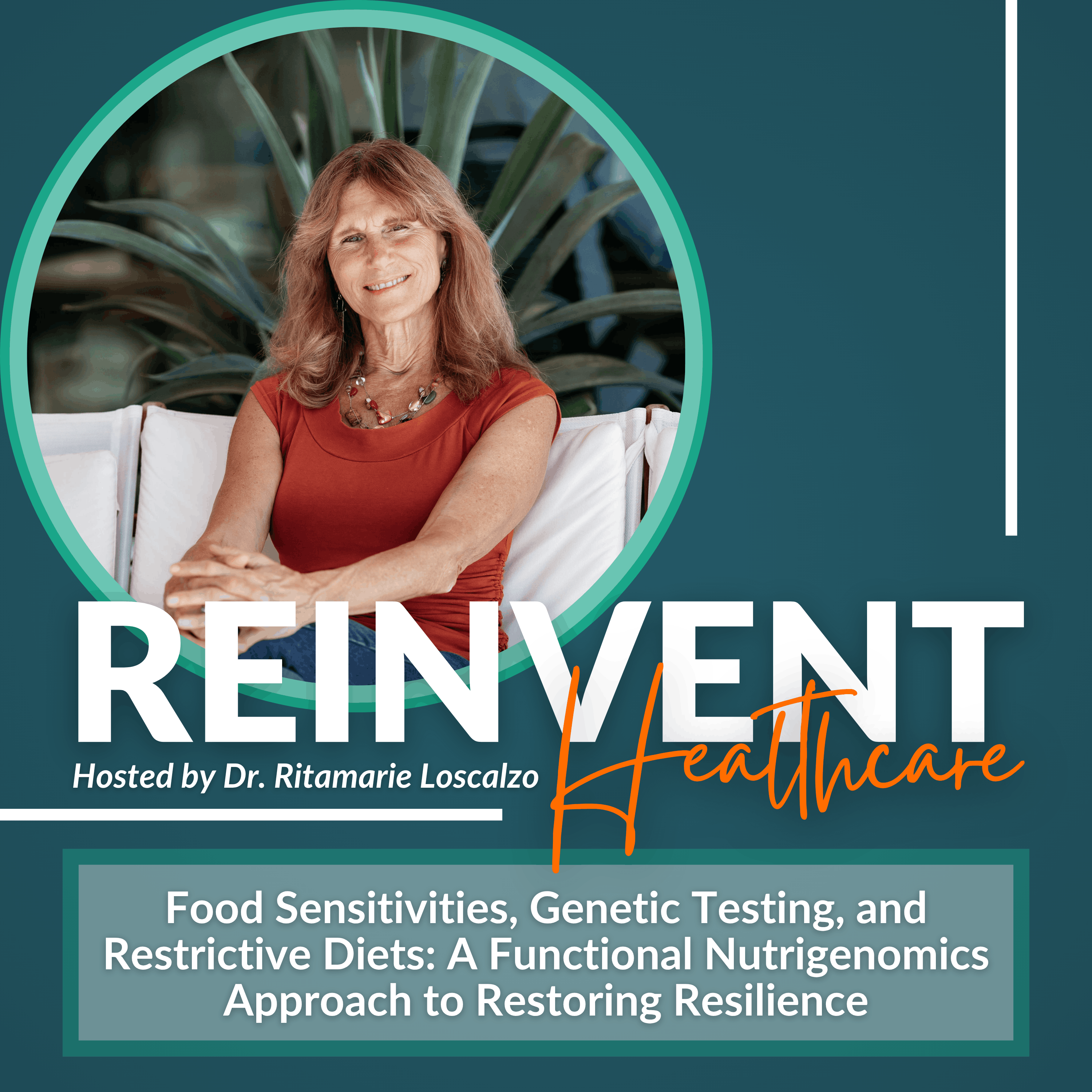
Food Sensitivities and Genetics: Why Restrictive Diets Make You More Reactive
Jun 300:07:00Tap to summarizeWhat happens when food elimination starts making things worse?You remove the obvious triggers. You follow the labs and the genetics. The plan becomes more precise.Yet… the client becomes more reactive, the range of tolerated foods narrows, and overall resilience declines.This is not a lack of effort. It is a pattern.Food sensitivity reflects the state of the system, not just the food. When stress, blood sugar instability, microbiome disruption, or inflammation are present, even a well-designed approach can backfire.Layer genetics on top without context, and each variant becomes a reason for further restriction.At that point, the question is no longer what to remove. It is whether the system can tolerate anything at all.In this episode, Dr. Ritamarie explains why this occurs and how to shift from progressive elimination to restoring resilience.What’s Inside This Episode?When food elimination increases reactivityWhy “safe foods” stop being toleratedAllergy vs intolerance vs sensitivity and why it mattersWhy food reactions reflect system stressHow genetics gets misapplied as restrictionThe hidden cost of over-restrictionThe role of cortisol in worsening sensitivityThe question to ask before removing another foodHow to rebuild resilience and expand the dietResources and Links:Download the full transcript here.Download our FREE Guide to Using Genetic Testing to Optimize Patient OutcomesAccess the Genetic Pathway Mapping Workshop Replay to learn a clinical framework for identifying genetic patterns and applying targeted epigenetic strategies. Approximately 2 hours of training.Join the Next-Level Health Practitioner Facebook group here for free resources and community supportVisit INEMethod.com for advanced health practitioner training and tools to elevate your clinical skills and grow your practice by getting life-changing results.Check out other podcast episodes here
Transcribe →Metabolic Readiness: Why Your Labs and Genetics Aren’t Matching Your Results
May 2700:05:24Tap to summarizeYou’ve seen cases where everything appears to line up, yet nothing changes.The labs are acceptable.The genetics make sense.The plan is solid, and progress stalls.At that point, most practitioners begin adjusting. When a case stalls like this, the issue is rarely the intervention itself.It is the timing.Genetics suggests what may be needed.Labs show where the system is under strain.Symptoms reflect how the body is compensating.When these are not interpreted together, support is often introduced into a system that is not ready to respond.In this episode, Dr. Ritamarie breaks down metabolic readiness and how to determine when the body can actually use what you are introducing.If your cases look correct on paper but fail to move clinically, this is the shift.What’s Inside This Episode?Why your “right” call can stall a caseThe risk of acting on data too quicklyWhen fixing one marker worsens the systemWhy insulin is the problem you’re not prioritizingThe unintended consequences of pushing methylationWhat low ferritin is costing youHow genetics can point you in the wrong directionWhen more intervention creates more imbalanceThe difference between correction and overcorrectionThe question that tells you to wait, not actResources and Links:Download the full transcriptDownload our FREE Guide to Using Genetic Testing to Optimize Patient OutcomesAccess the Genetic Pathway Mapping Workshop Replay to learn a clinical framework for identifying genetic patterns and applying targeted epigenetic strategies. Approximately 2 hours of training.Join the Next-Level Health Practitioner Facebook group here for free resources and community supportVisit INEMethod.com for advanced health practitioner training and tools to elevate your clinical skills and grow your practice by getting life-changing results.Check out other podcast episodes here
Transcribe →