
Podcast
Sales Today
Hosted by Fred Copestake · EN
'What a time to be in sales'
People say this various times in many different ways – excited, exasperated, worried, pessimistic, optimistic, happy, sad, confused – the whole range of human emotions.
This is an exciting time to be in sales, if you are selling B2B complex solutions. It's a time when you can bring huge value to your customers; it's a time to thrive. But you need to know how, as it is a time unlike any before. The rules have changed and as a sales professional you can have a hand in redefining how the game is played.
Challenges salespeople face are:
· 'Busy Busy Busy' – being ineffective; it results in wasted opportunities, is tiring and stressful and means the focus is on the wrong activities to deliver results
· 'Olde Worlde' – being old-fashioned; when salespeople are self-centred rather than customer-focused, too technical in their approach or use bad techniques better suited to a bygone era of selling
· 'Muddled Mindset' – being misaligned; it can happen at organisation, management and individual level and the confusion leads to frustration and wasted effort.
By using a more collaborative approach salespeople can make a difference and sales can become a force for good and fight against the negative image it can often be associated with.
The Sales Today podcast explores how sales professionals can adapt and futureproof themselves by using the best practice shared by host Fred Copestake and the guests of the show.
What a time to be in sales!
Host Fred Copestake is Founder of Brindis, a sales training consultancy, and bestselling author of 'Selling Through Partnering Skills' and 'Hybrid Selling'.
Connect with Fred on LinkedIn, Facebook, Instagram and Twitter.
www.linktr.ee/fredcopestake
34episodes
Episodes
Newest firstAll episodes

Are You Prepared for The Buyer Revolution?
Mar 2600:33:25Tap to summarizeThe way buyers buy has changed - but most sellers haven't. In this episode, Fred is joined by Steve Knapp (co-founder of PLAN.GROW.DO) to explore what the Buyer Revolution really means for modern sales. From buyers being 83% through their journey before speaking to you… to why most sellers are preparing for the wrong conversation - this episode challenges traditional thinking and offers a more practical, buyer-led approach. Key Takeaways Buyers are further ahead than you think Your first job is to validate, not qualify Preparation must match the buyer's reality Most value is created before the first conversation Personalised content builds trust - corporate content doesn't It's easier than ever to sell… but harder than ever to stand out The Big Shift Sales isn't broken. But the timing, approach, and expectations have changed. The sellers who adapt to how buyers actually buy will win. Chapters 0:00 Welcome and Introductions 01:35 Beyond Sales Training 04:21 Buyer Revolution Research 09:00 Validate Not Qualify 11:37 The Two 83 Percent Stats 14:33 Nurturing Between Orders 19:32 Hybrid Channels and Personalisation 25:57 Leadership and Measurement 28:04 Personal Brand Amplification 31:27 Resources and Wrap Up Connect with Steve Steve Knapp is co-founder of Plan Grow Do, helping organisations evolve their sales approach through training, coaching, and consultancy. Website: https://plangrowdo.com LinkedIn: Steve Knapp - https://www.linkedin.com/in/steveknappsales Get Steve's Book - Selling Lubricants Smarter Buy on Amazon Beyond The Blend Podcast - https://plangrowdo.com/beyond-the-blend-podcast Follow Fred: https://linktr.ee/fredcopestake Watch this episode on YouTube: https://youtu.be/BwRzJ2_JS-0 Watch Fred's FREE YouTube Course: Sales Mastery for Engineers: https://bit.ly/Sales-Mastery-For-Engineers Useful resources Take the Collaborative Selling Scorecard – free Check how well your sales approach fits today's buying environment https://collaborativeselling.scoreapp.com/ Listen & Subscribe If you enjoyed this episode, follow The Sales Today Podcast for more practical insights on modern selling.
Transcribe →
3 Steps to Combat Struggles in Sales (and Life)
Mar 1900:33:06Tap to summarizeIn this episode of the Sales Today Podcast, Fred Copestake is joined by Marc Baladi, sales and senior leadership coach, and co-host of the podcast Beyond Enough. Together, they explore a challenge many people in sales quietly face: feeling overwhelmed, behind, or not good enough - even when they're capable and putting in the effort. Marc's argument is simple but powerful: You are probably not struggling with capability or effort. You are struggling with cognitive load - and not knowing what "good enough" looks like. In this episode Why "imposter syndrome" and "burnout" are real, but often misunderstood How cognitive overload shows up in sales and leadership roles Why your to-do list keeps getting longer The difference between what needs to be done and what you just feel you should do How to spot what you are avoiding Why defining a "good enough" day can reduce pressure The role of routines, values, and self-awareness in managing workload Why progress matters more than perfection The 3 questions Marc shares: 1. What are the 3 things that actually need to be done today? Not everything on your list matters equally. Focus on the few things that genuinely move things forward. 2. What are you avoiding or letting slip? Sometimes the issue isn't lack of effort - it's uncertainty, pressure, or misalignment. 3. What would a "good enough" day look like? If you defined success more realistically, would you feel more in control? Key takeaway Most people are trying to do too much, prove too much, or be too perfect. A better approach is to define your operating baseline - what good enough looks like for you - and work from there. Because the goal isn't perfection. It's sustainable progress. Connect with Marc · LinkedIn: Marc Biladi: https://www.linkedin.com/in/marcbaladi Follow Fred: https://linktr.ee/fredcopestake Watch this episode on YouTube: https://youtu.be/ucQEhWkWpmI Watch Fred's FREE YouTube Course: Sales Mastery for Engineers: https://bit.ly/Sales-Mastery-For-Engineers Useful resources Take the Collaborative Selling Scorecard – free Check how well your sales approach fits today's buying environment https://collaborativeselling.scoreapp.com/
Transcribe →
The Overlooked Sales Tactic That Builds Trust Fast
Mar 1200:36:53Tap to summarizeIn this episode, Fred Copestake is joined by Ollie Whitfield of Slingshot Content to explore a sales tactic that surprisingly few salespeople use: running webinars themselves. While marketing teams often lead webinars, salespeople can use them as a powerful way to stand out, demonstrate expertise, and create valuable conversations with prospects. The key is doing them well. Not product demos. Not long introductions. And definitely not disguised sales pitches. Instead, the best webinars focus on insight, useful ideas, and real problems your customers face. In this episode, we cover: Why webinars can help salespeople stand out Why most reps never try them What makes a webinar worth attending How to structure a webinar so people stay engaged Why titles and clarity matter The difference between public and private webinars How webinars create better follow-up conversations Key takeaway A good webinar allows salespeople to teach before they sell. Done well, it helps build trust, demonstrate expertise, and create a natural reason to follow up with prospects. . Connect with Ollie · LinkedIn: Ollie Whitfield: https://www.linkedin.com/in/olliewhitfield Follow Fred: https://linktr.ee/fredcopestake Watch this episode on YouTube: https://youtu.be/haeCH5I4uLc Watch Fred's FREE YouTube Course: Sales Mastery for Engineers: https://bit.ly/Sales-Mastery-For-Engineers Useful resources Take the Collaborative Selling Scorecard – free Check how well your sales approach fits today's buying environment https://collaborativeselling.scoreapp.com/
Transcribe →The Overlooked Sales Tactic That Builds Trust Fast
Mar 1200:36:53Tap to summarizeIn this episode, Fred Copestake is joined by Ollie Whitfield of Slingshot Content to explore a sales tactic that surprisingly few salespeople use: running webinars themselves. While marketing teams often lead webinars, salespeople can use them as a powerful way to stand out, demonstrate expertise, and create valuable conversations with prospects. The key is doing them well. Not product demos. Not long introductions. And definitely not disguised sales pitches. Instead, the best webinars focus on insight, useful ideas, and real problems your customers face. In this episode, we cover: Why webinars can help salespeople stand out Why most reps never try them What makes a webinar worth attending How to structure a webinar so people stay engaged Why titles and clarity matter The difference between public and private webinars How webinars create better follow-up conversations Key takeaway A good webinar allows salespeople to teach before they sell. Done well, it helps build trust, demonstrate expertise, and create a natural reason to follow up with prospects. . Connect with Ollie · LinkedIn: Ollie Whitfield: https://www.linkedin.com/in/olliewhitfield Follow Fred: https://linktr.ee/fredcopestake Watch this episode on YouTube: https://youtu.be/haeCH5I4uLc Watch Fred's FREE YouTube Course: Sales Mastery for Engineers: https://bit.ly/Sales-Mastery-For-Engineers Useful resources Take the Collaborative Selling Scorecard – free Check how well your sales approach fits today's buying environment https://collaborativeselling.scoreapp.com/
Transcribe →
3 Ways to Improve Your Sales Prospecting Overnight
Mar 500:29:15Tap to summarizeIn this episode of the Sales Today Podcast, Fred Copestake speaks with Alex Nicholls-Gray, founder of The Prospect Experience Company, about why the prospect experience has never been worse and what salespeople can do to fix it. With automation tools and AI making it easier than ever to send thousands of messages, buyers are overwhelmed with generic outreach across email and LinkedIn. The result? Lower response rates, more spam complaints, and prospects who ignore most messages. Alex argues that the solution isn't sending more outreach it's improving the experience of being prospected. Why Prospecting Is Getting Harder Two key changes are shaping modern prospecting: Automation at scale: Sales tools allow thousands of messages to be sent instantly, often replacing thoughtful messaging with volume. AI-generated outreach: AI can produce polished emails quickly, but because everyone uses the same tools, many messages now sound identical. The result is more noise and less impact. Three Ways to Improve Prospecting Alex suggests focusing on three simple principles: 1. Show effort: Prospects notice when real time and thought have gone into outreach. 2. Be creative: Memorable outreach stands out. If a prospect remembers your message months later, it worked. 3. Show personality: Human communication beats automated scripts every time. Why Direct Mail Works One overlooked approach is sending something through the post. Because inboxes are crowded but physical mailboxes are not, a simple handwritten card or small item can capture attention quickly. Alex often sends a card with a short handwritten note and a small item such as a tea bag - something simple but memorable. A Simple Prospecting Metric Alex suggests sales teams track one question: When you follow up, does the prospect remember your outreach? If they do, you've cut through the noise. Connect with Alex Nicholls-Gray LinkedIn: https://www.linkedin.com/in/alexnichollsgray Website: https://thepxc.com/ Follow Fred: https://linktr.ee/fredcopestake Watch this episode on YouTube: https://youtu.be/QDArjg6vjVI Watch Fred's FREE YouTube Course: Sales Mastery for Engineers: https://bit.ly/Sales-Mastery-For-Engineers Useful resources Take the Collaborative Selling Scorecard – free Check how well your sales approach fits today's buying environment https://collaborativeselling.scoreapp.com/
Transcribe →
LinkedIn Is Not a Template Factory (Here's What Actually Works)
Feb 2600:42:40Tap to summarizeFred is joined by Mark Young, whose LinkedIn headline says it all: "A cat person helping technical AI founders earn trust before the first call." This episode is a lively (and refreshingly sceptical) conversation about why so much LinkedIn advice is formulaic, outdated, or simply irrelevant - especially for technical founders and specialists who need trust, not vanity metrics. What you'll learn Why a lot of LinkedIn "best practice" is recycled templates and pseudoscience The danger of chasing quick wins like "20,000 followers in 90 days" claims (and what's actually behind them) What LinkedIn's algorithm shift has changed (and why "do every format every week" can hurt reach) Why the people who "do best" on LinkedIn are often… the ones selling LinkedIn How to build trust with the right audience without trying to game the platform The LinkedIn Audit: what Mark looks at Mark explains the simple profile elements that matter most if LinkedIn is going to work as a sales tool: Banner (top real estate): quickly signals "you're in the right place" Headline: follows you everywhere—comments, search, connection requests should clearly show who you help + how you help and can include a small "human hook" (yes, like cats or Mary Poppins) About section: should read more like a landing page than a CV clear ICP, clear outcomes, easy to contact you Credibility signals: proof, continuity, trust markers (without making it all about you) ICP clarity: pick a focus for your campaign (even if you can sell wider) Call-to-action strength: what you want people to do next, made simple Trust on LinkedIn: what actually works Engage properly (not spam comments, not "AI parroting") Use LinkedIn like a real-world networking event: show up, contribute, be relevant Build familiarity and credibility before you ask for time or a call Avoid "potato-style" engagement hacks that create noise, not trust Connect with Mark Young LinkedIn: https://www.linkedin.com/in/markyoungsocial Email: Mark.young@lovesocialmedia.com Want an audit? Comment POTATO 🥔 Follow Fred: https://linktr.ee/fredcopestake Watch this episode on YouTube: https://youtu.be/KTJSIrxcHWY Watch Fred's FREE YouTube Course: Sales Mastery for Engineers: https://bit.ly/Sales-Mastery-For-Engineers Useful resources Take the Collaborative Selling Scorecard – free Check how well your sales approach fits today's buying environment https://collaborativeselling.scoreapp.com/
Transcribe →
Do Salespeople Need FBI Hostage Negotiation Skills?
Feb 1900:34:10Tap to summarizeIn this episode of The Sales Today Podcast, Fred Copestake is joined by Sebastian Hidalgo, co-founder of DURINDAL and creator of the SWAT method - a sales framework influenced by hostage negotiation principles. Fred admits he's often sceptical when crisis negotiation gets blended with commercial sales, so this becomes a lively, grounded conversation: what genuinely transfers, what doesn't, and how to use "hostage" techniques ethically to improve trust, discovery, and positioning. What you'll hear in this episode Sebastian's unusual origin story: becoming a certified hostage negotiator at 18 The persistence it took to get accepted into training as a civilian and young applicant How later PSYOPs (psychological operations) training triggered an "aha" moment: he'd been applying negotiation principles in business without realising it Why Sebastian believes there's a gap between negotiation books (e.g. Never Split the Difference) and practical sales structure Fred's perspective: crisis negotiation ≠ commercial negotiation - and why that matters The SWAT Method in a nutshell Sebastian explains SWAT as a four-stage sales method designed to: Earn trust faster Create positioning in real time - not just against competitors, but against the buyer's past failed attempts with similar solutions The four stages are: Influence Diagnosis Failure Mapping Value Alignment (what most people would call "the close", though Sebastian avoids that framing) Influence + Diagnosis + Failure Mapping sit mainly in what traditional sales calls "discovery", but with more emphasis on trust, relevance, and reducing friction. Where the "hostage" skills show up (without the Hollywood nonsense) Sebastian's view: you don't need dramatic tactics - you need fundamentals executed well. Key transferable skills include: Listening (with intent - often reinforced by taking notes) Active listening + mirroring (what intelligence work calls elicitation: helping people talk themselves deeper into the real issue) Staying calm under pressure Reading the person in front of you (tone, pacing, reactions) rather than hiding behind slides He also highlights the need for flexible creativity - adapting your knowledge to the buyer's reality in the moment. Key takeaway The value isn't "hostage negotiation theatre." It's using proven human skills - listening, trust-building, uncovering blockers early, and positioning through relevance to make sales feel less "gross" and more like service. Connect with Sebastian · LinkedIn: https://www.linkedin.com/in/sebastian-dp-hidalgo Email: sebastian@durindal.com Website: https://www.durindal.com Follow Fred: https://linktr.ee/fredcopestake Watch this episode on YouTube: https://youtu.be/-IP6Z7zU9Rg Watch Fred's FREE YouTube Course: Sales Mastery for Engineers: https://bit.ly/Sales-Mastery-For-Engineers Useful resources Take the Collaborative Selling Scorecard – free Check how well your sales approach fits today's buying environment https://collaborativeselling.scoreapp.com/
Transcribe →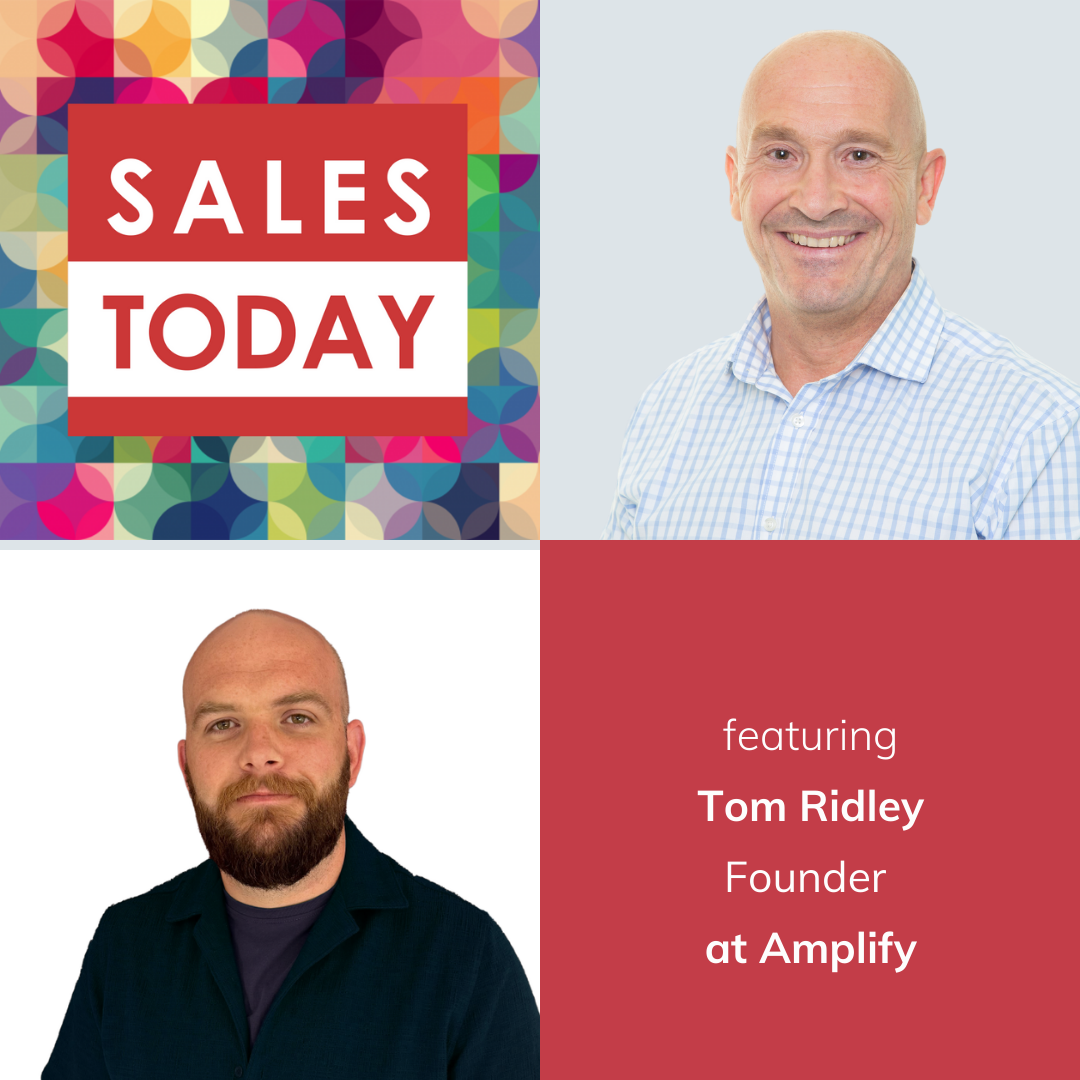
Surprisingly simple ways to use AI in sales
Feb 1200:50:21Tap to summarizeIn this episode, Fred is joined by Tom Ridley, an AI sales coach, for a refreshingly grounded conversation about AI in sales. Instead of racing through a list of tools, Tom makes a different point: AI isn't the story - being human is. The real value of generative AI (ChatGPT, Gemini, Claude) is that it removes the admin-heavy work salespeople hate and frees them up to do what matters most: have better conversations, build stronger relationships, and help customers make sense of complex decisions. They explore how to use AI to research accounts, focus on the right opportunities, prepare sharper conversations, and even critique proposals through the lens of different stakeholders (CRO, CFO, Procurement). Along the way, they also tackle a real risk: AI can create a false sense of confidence if you stop at surface-level answers, which is why critical thinking and comprehension matter more than ever. This episode is all about making AI feel accessible and giving listeners permission to start simple, build confidence, and improve one step at a time. What You'll Learn Why AI in sales isn't "about tools" - it's about freeing time to be more human What generative AI actually means (and how it differs from older AI like recommendations/analytics) How AI helps with the "admin" tasks salespeople avoid: CRM, account research, note tracking How to use AI to narrow 300 accounts into a focused "top 20" priority list The danger of "AI confidence" without real understanding (Dunning–Kruger in the AI era) Why you need to keep probing deeper instead of accepting the first AI response How to use AI as a memory + insight engine across long enterprise sales cycles Simple ways to use AI to: generate questions find non-obvious insights critique proposals roleplay stakeholder objections Treating AI like an "employee" you manage - and why prompt clarity matters A practical way to measure ROI: did it move you forward and improve the quality of the activity? "AI can do the tasks salespeople don't like… so you can focus on great conversations." If AI feels overwhelming, this episode is your reset. Start simple. Use what you already have. Focus on better conversations, not shiny tools. And if you want to go deeper, Tom shares how he helps teams build AI into sales workflows from SDR to CRO level. Connect with Tom LinkedIn: https://www.linkedin.com/in/tomridley Website: https://amplify-consultancy.com Podcast: The Business and Bots Podcast (with Dexter Winters) YouTube: Spotify: Follow Fred: https://linktr.ee/fredcopestake Watch this episode on YouTube: https://youtu.be/FnyRVZdj5Xc Watch Fred's FREE YouTube Course: Sales Mastery for Engineers: https://bit.ly/Sales-Mastery-For-Engineers Useful resources Take the Collaborative Selling Scorecard – free Check how well your sales approach fits today's buying environment https://collaborativeselling.scoreapp.com/
Transcribe →
Ethical marketing meets ethical selling
Feb 500:44:17Tap to summarizeIn this episode, Fred is joined by Chelsea Burns - marketing psychologist, brand ethicist, and non-manipulative marketer to explore where ethical marketing and ethical selling overlap… and where they can go wrong. Chelsea introduces a practical way to draw the line between persuasion and manipulation: Agency - a person's genuine ability to choose. From there, the conversation goes deep into real-world examples of questionable tactics, why "FOMO" can backfire, and how the brain evaluates purchases immediately after the transaction. Chelsea also shares her four pillars of ethical branding - consent, reciprocity, trust, and belonging and explains how relational psychology can turn ethics from "debating club theory" into day-to-day, tactical decisions that build long-term relationships (and better business). Fred rounds things out with sales parallels like transparency selling, "lead with a flaw," and a brilliant ethics conundrum involving goats, segmentation… and B1G1. What You'll Learn Why ethical persuasion is possible and why "all marketing is manipulation" isn't true The ethical line: agency and a customer's ability to choose A real example of manipulative tactics (and how they show up in launches) Chelsea's four pillars of ethical branding: Consent Reciprocity Trust Belonging Why manufactured urgency and "never-ending discounts" blur ethical consent How FOMO can turn into FOMU (fear of messing up) and increase buyer anxiety Why buyers judge value immediately after purchase and how negative emotion backfires The "transformation arc" in marketing and selling: current state → desired state → bridge Why implementation is what people pay for (not just information) A practical ethics test: transparency + intent + consent + follow-through If you want marketing and selling that drives results without crossing ethical lines, this episode will give you a clear framework and a few things you may never unsee again. And if you've ever wondered whether a tactic "works" but feels a bit… off ,Chelsea's agency test is a great place to start. Connect with Chelsea · LinkedIn: Chelsea Burns: linkedin.com/in/chelseaburns26 · Website: https://www.the-marketing-psychologist.com/ Follow Fred: https://linktr.ee/fredcopestake Watch this episode on YouTube: https://youtu.be/2CHGDwCMtpc Watch Fred's FREE YouTube Course: Sales Mastery for Engineers: https://bit.ly/Sales-Mastery-For-Engineers Useful resources Take the Collaborative Selling Scorecard – free Check how well your sales approach fits today's buying environment https://collaborativeselling.scoreapp.com/
Transcribe →
The secret to faster training and coaching result
Jan 2200:43:08Tap to summarizeIn this episode, Fred is joined by John Richardson, Co-Founder and Director of Coaching at My Sales Coach, to explore a key question: how do you get faster, more meaningful results from training and coaching? Their answer is simple but powerful: start with the right assessment. They unpack why great coaches are always assessing (without judging), how the right diagnostics can shorten the path to meaningful improvement, and why revenue alone isn't a useful starting point for development. John explains how My Sales Coach uses assessments to build coaching plans with focus, structure, and evidence of progress and why the Objective Management Group (OMG) assessment stands out for sales performance. The episode finishes with practical guidance on how to position assessments in a way that builds trust, reduces anxiety, and helps salespeople see the value: better outcomes, faster - without overwhelm. What You'll Learn Why assessment is the shortcut to meaningful development (without "wasting time") The difference between coaching with structure and coaching by guesswork Why "more revenue" isn't a straight line from "better selling" How to use assessments to create coaching focus without overwhelming the rep Why OMG is not a personality test or a skills matrix and why that matters The two "below the surface" indicators that often unlock the biggest progress: Need for Approval Supportive Buy Cycle How "Will to Sell" works (Desire, Commitment, Motivation) and why it can be uncomfortable - but useful How to position assessment so it feels like support, not judgement Why top performers still benefit from diagnostics (elite sport analogy) If you're responsible for sales performance and want training/coaching to land faster and stick longer- this episode is a must-listen. And if you're curious about using assessment to create more focused, personalised development, connect with John directly:- Connect with John · LinkedIn: John Richardson: https://www.linkedin.com/in/johnrichardson11/ · Website: https://www.mysalescoach.com/ · Email: john@mysalescoach.com Follow Fred: https://linktr.ee/fredcopestake Watch this episode on YouTube: https://youtu.be/AvQrgeEAEwI Watch Fred's FREE YouTube Course: Sales Mastery for Engineers: https://bit.ly/Sales-Mastery-For-Engineers Useful resources Take the Collaborative Selling Scorecard – free Check how well your sales approach fits today's buying environment https://collaborativeselling.scoreapp.com/
Transcribe →