Podcast
Sauced
Hosted by The Coaster · EN
What happens when two former chefs — now leading voices in the drinks world — turn the mic on their favorite topic: cooking with booze and drinking with food? That’s Sauced, a new weekly podcast from Tim McKirdy and Sother Teague.
Each week, Tim and Sother unpack a single dish: its history, the techniques that make it sing, and the drinks that belong alongside it. From Beef Bourguignon to Crêpes Suzette, we're exploring the classics — and the booze that gives them their identity.
Tim is a drinks writer, editor, and podcaster who's spent years covering cocktails, wine, and spirits. Sother is one of New York's most respected bartenders and the author of I'm Just Here for the Drinks. Together, they bring chef instincts, drinks expertise, and the kind of meaty conversation you'd want to partake in over a great meal.
New episodes every Thursday. Premium subscribers get bonus content, recipe cards, and early access to live events at https://sauced.supercast.com.
23episodes
Episodes
Newest firstAll episodes
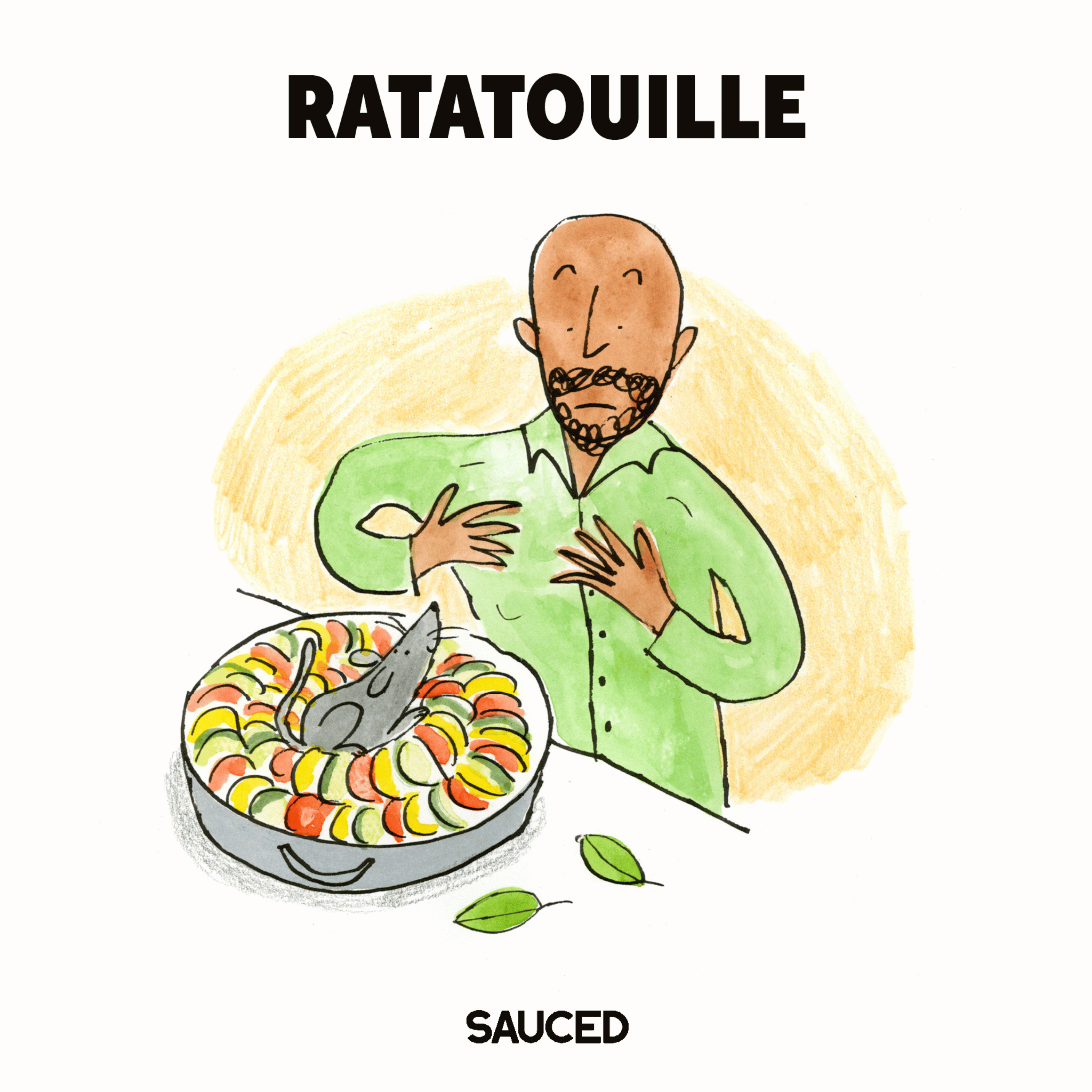
Ratatouille
6d ago01:22:18Tap to summarizeThe most famous ratatouille in the world isn't a ratatouille. The dish that makes the critic weep in the Pixar film is a confit byaldi, thin sliced and fanned in a pan, designed by Thomas Keller off a recipe Michel Guérard published in 1976. What Provence actually makes is a stew, and this week we make the case that the stew is the better dish.We trace the word back to the Occitan, where it meant a coarse stew of odds and ends and wasn't a compliment, through to the 1930s when the version we recognize finally became canon. Then we get into the argument that decides the whole dish: cook every vegetable separately, or throw it all in one pot. Julia Child says separately and takes three hours over it. Jacques Pépin says one pot and pay attention to the timing. We settle where we land, and why texture is the entire game.Traditional ratatouille has no booze in it at all, so we built some in. French dry vermouth, cooked down with the onion and garlic until it has completely evaporated, leaving the acidity and the herbs and none of the liquid. Sother's cocktail this week is the Hugo Spritz, elderflower and sparkling wine in a big goblet, garnished with dried lavender to tie it straight back to Provence.For the full recipes and more, become a premium subscriber at https://sauced.supercast.com/Follow us on Instagram: @sauced.podThanks to all of this week's partners:Arriesgado Ancestral Tequila: https://pkgdgroup.com/#our_brands/Underberg: https://underbergamerica.com/
Transcribe →
Baja Fish Tacos
2w ago01:29:52Tap to summarizeThe Baja fish taco didn't come from a San Diego beach. It was born in the late 1950s at a black market in Ensenada, and the first ones were grilled shark. This week we trace it from that fish stall across the border to the college kid who turned it into a SoCal staple, then build the deep-fried version everyone pictures.Along the way we make the case that the corn tortilla matters as much as the fish, get into the 3,500-year-old process that makes a real one, and argue out the non-negotiables that separate a Baja taco from just fried fish in a shell. Beer in the batter is a given, so we push the booze into a few places you wouldn't expect. Then we settle the fish question, the batter question, and how you build the thing in four bites.Two drinks this week, head to head. Tim's Baja Old Fashioned, a split of añejo Tequila and Mezcal with maple and a few drops of bourbon-barrel-aged fish sauce. And Sother's Panic at Hibisco, añejo Tequila with hibiscus, pepita orgeat, and a four-citrus blend.For the full recipes and more, become a premium subscriber at https://sauced.supercast.com/Follow us on Instagram: @sauced.podThanks to all of this week's partners:El Acabo Raicilla: https://pkgdgroup.com/#our_brandsUnderberg: https://underbergamerica.com/
Transcribe →
Bolognese
3w ago01:07:36Tap to summarizeReal Bolognese is a meat sauce that happens to contain a little tomato, not the tomato sauce with meat that most of us grew up on. That's only where the misconceptions start. It's never served on spaghetti. And Bologna guards the real thing so closely that the city registered the official recipe, right down to the exact width of the pasta, with the Chamber of Commerce.We trace it from a cardinal's cook in the 1700s, whose ragù had no tomato in it at all, through Pellegrino Artusi's 1891 version to the recipe Bologna finally codified. Then we argue out every non-negotiable, from red wine versus white, to the surprising dairy that goes in before either (and the order that turns out to matter), to the fresh pasta the sauce was actually built to grip. There's even an ingredient the official recipe flatly bans that you'd never think twice about adding.For the glass, The Academy, a gin Martini with fresh tomato water stirred in, named for the very institution that codified the sauce.For the full recipes and more, become a premium subscriber at https://sauced.supercast.com/Follow us on Instagram: @sauced.podThanks to all of this week's partners:Tequila El Viejito: https://pkgdgroup.com/#our_brandsUnderberg: https://underbergamerica.com/
Transcribe →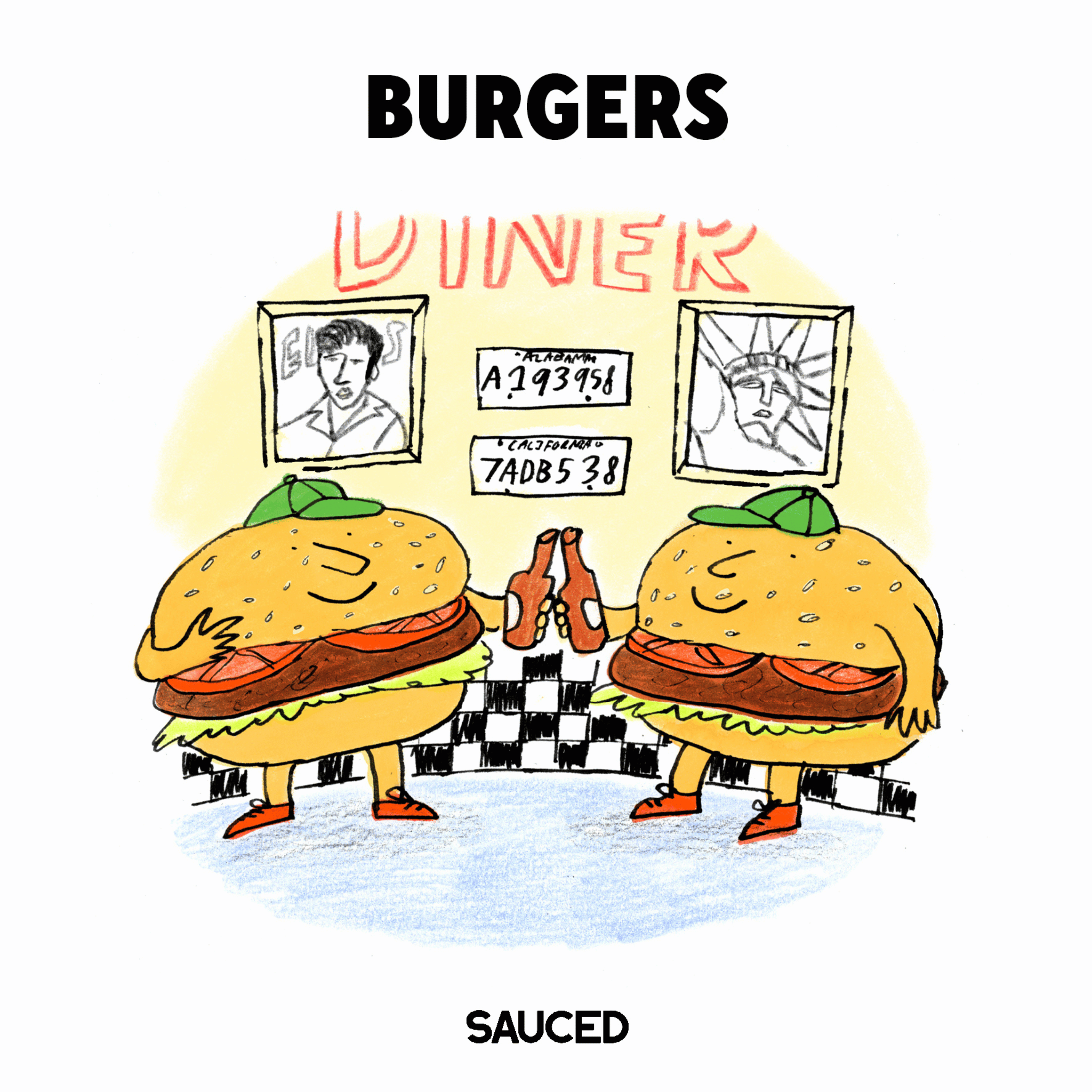
Burgers
4w ago01:46:08Tap to summarizeAt least six towns claim they invented the hamburger — and the one the Library of Congress actually crowned still won't serve it on a bun or with ketchup. Which raises the real fight we spend the episode having: what even makes a burger a burger?Just in time for the Fourth of July, we trace it from the Hamburg steak to the smash era, then go round after round on the things that actually matter — the bun, the cheese, the sauce, and the doneness most people get wrong. There's the counterintuitive salt rule that decides whether you end up with a burger or a sausage, three ways to cook booze straight into it, and a running argument that neither of us fully wins.For the glass, the American Trilogy — rye whiskey and applejack, two of America's oldest spirits, built like an Old Fashioned for the most American holiday.For the full recipes and more, become a premium subscriber at https://sauced.supercast.com/Follow us on Instagram: @sauced.podThanks to all of this week's partners:Palomo Mezcal: https://pkgdgroup.com/post/palomo-who-we-areUnderberg: https://underbergamerica.com/
Transcribe →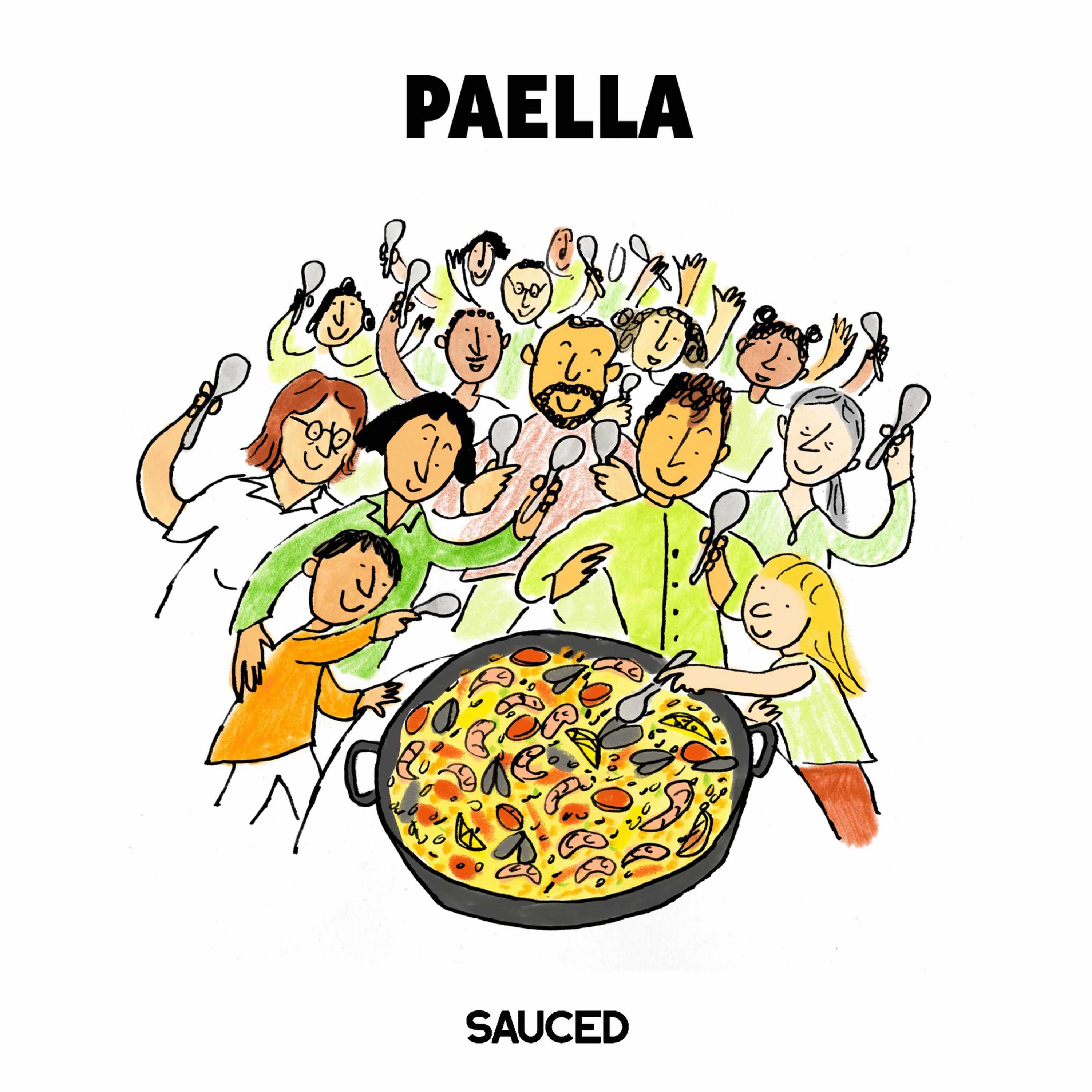
Paella
Jun 2501:22:42Tap to summarizePaella isn't the rice — it's the pan. Or at least, that's where the name comes from. And in Valencia, where the dish was born, there's even a body that certifies which versions have earned the name and declares the rest "crimes against rice." Yet the seafood paella the whole world orders? The purists barely count it.We get into the authenticity war, the official ten-ingredient list, why a whole category gets written off as "rice with stuff," the one ingredient that starts fights, and how a field worker's lunch became a prince's dish. Plus the no-stir rule behind a crispy socarrat, and the dry Sherry that goes in the pan before it goes in the glass.For the glass, the Tonic con Cosas — a low-ABV cooler of Manzanilla Sherry, dry Spanish vermouth, citrus, and tonic, built off a Rebujito and a Bamboo and finished with a rosemary sprig.For the full recipes and more, become a premium subscriber at https://sauced.supercast.com/Follow us on Instagram: @sauced.podThanks to all of this week's partners:G4 Tequila: https://pkgdgroup.com/g4-tequila/Underberg: https://underbergamerica.com/Check out Wikipaella: https://wikipaella.org/
Transcribe →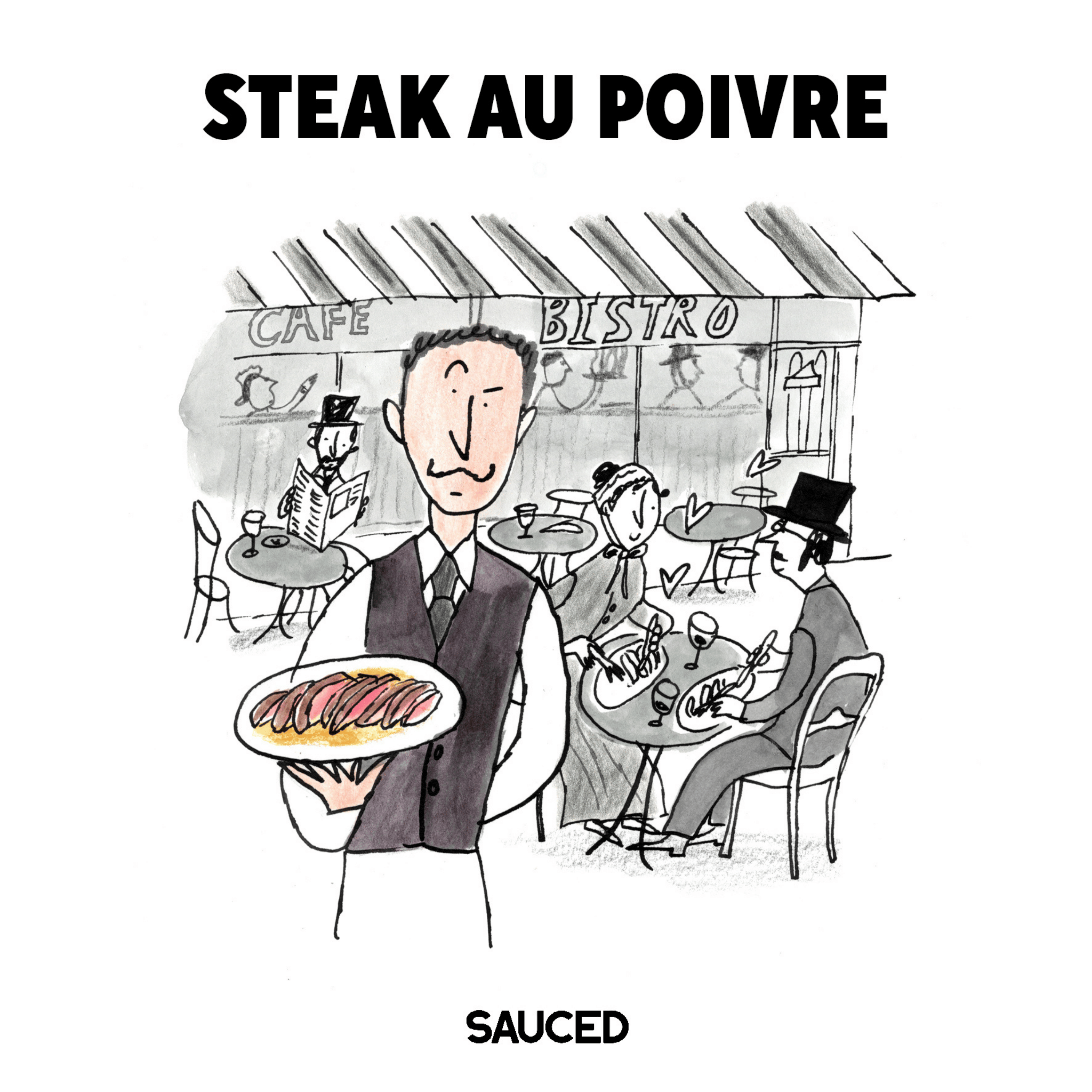
Steak au Poivre
Jun 1801:12:07Tap to summarizeFive Paris chefs claimed to have invented Steak au Poivre in the early 20th-century. Four of them wrote letters of complaint to the same 1950 culinary magazine. The fifth had the best story.We dig into the origin fight, Julia Child's surprising position on the flambé, the chemistry behind why pre-ground pepper is inferior, and a red wine pairing that mirrors the pepper on a molecular level.For the glass, Americans in Paris — an Armagnac sipper built off the Vieux Carré, finished with a fresh crack of pepper over the top.For the full recipes and more, become a premium subscriber at https://sauced.supercast.com/Follow us on Instagram: @sauced.podThanks to all of this week’s partners:El Ateo Tequila: https://pkgdgroup.com/#our_brands/Underberg: https://underbergamerica.com/
Transcribe →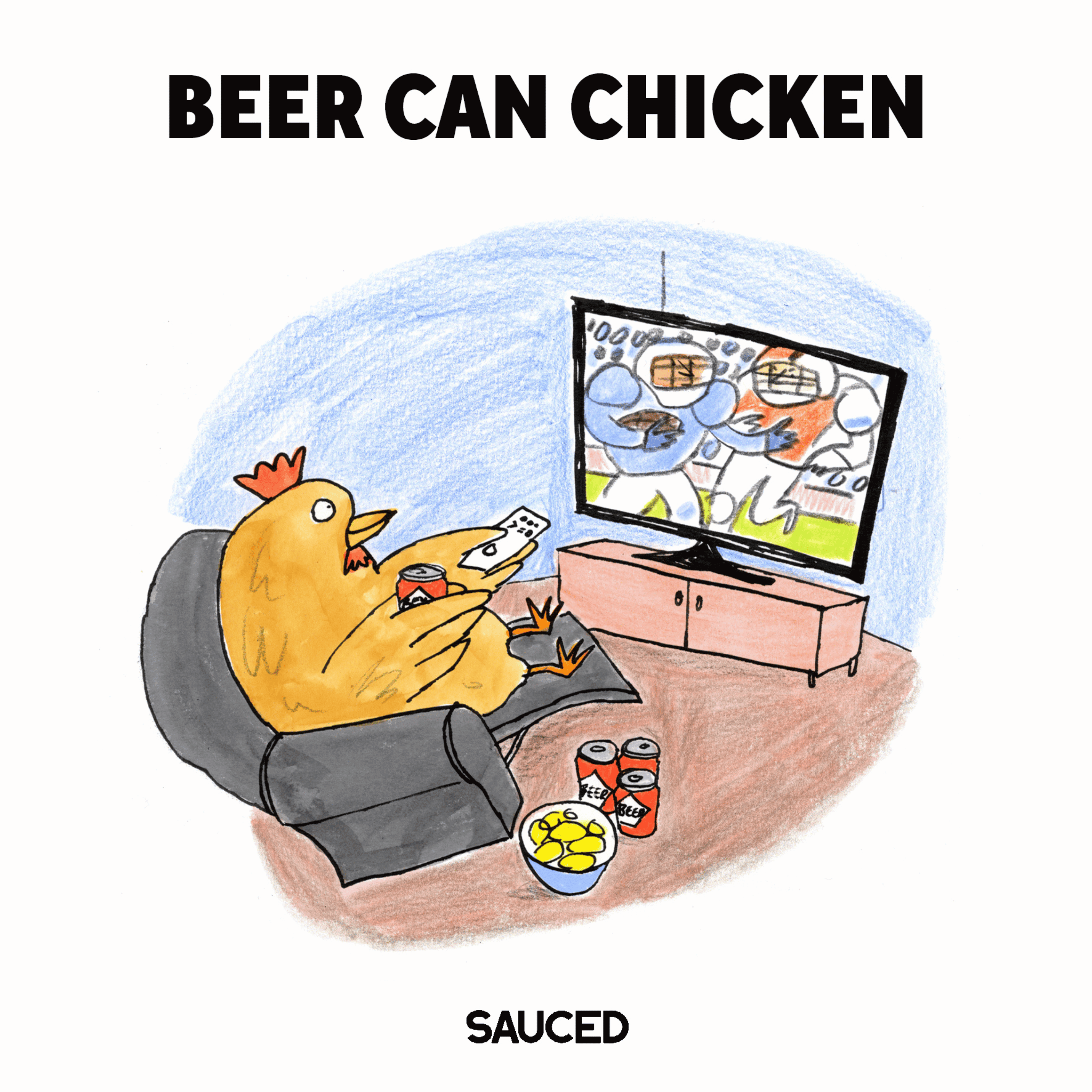
Beer Can Chicken
Jun 1101:12:53Tap to summarizeBeer can chicken is the dish that defies its own science. The most credible American barbecue scientists tested it and concluded the beer in the can does almost nothing the cook thinks. Backyard chefs from Memorial Day to Labor Day have kept doing it anyway — and so will we.Today, we dig into the contested origins — including a 1993 Houston Chronicle article that puts the technique in former President George H.W. Bush's kitchen — the science that quietly buried it, the geometry that actually makes the bird crisp, and a thought experiment about a Mexican spirit at the right strength.We pair it with Coq au Can — a beer-cocktail highball in light and dark.Follow us on Instagram: @sauced.podThanks to all of this week’s partners:Asil Raicilla de la Sierra: https://pkgdgroup.com/#our_brands/Underberg: https://underbergamerica.com/
Transcribe →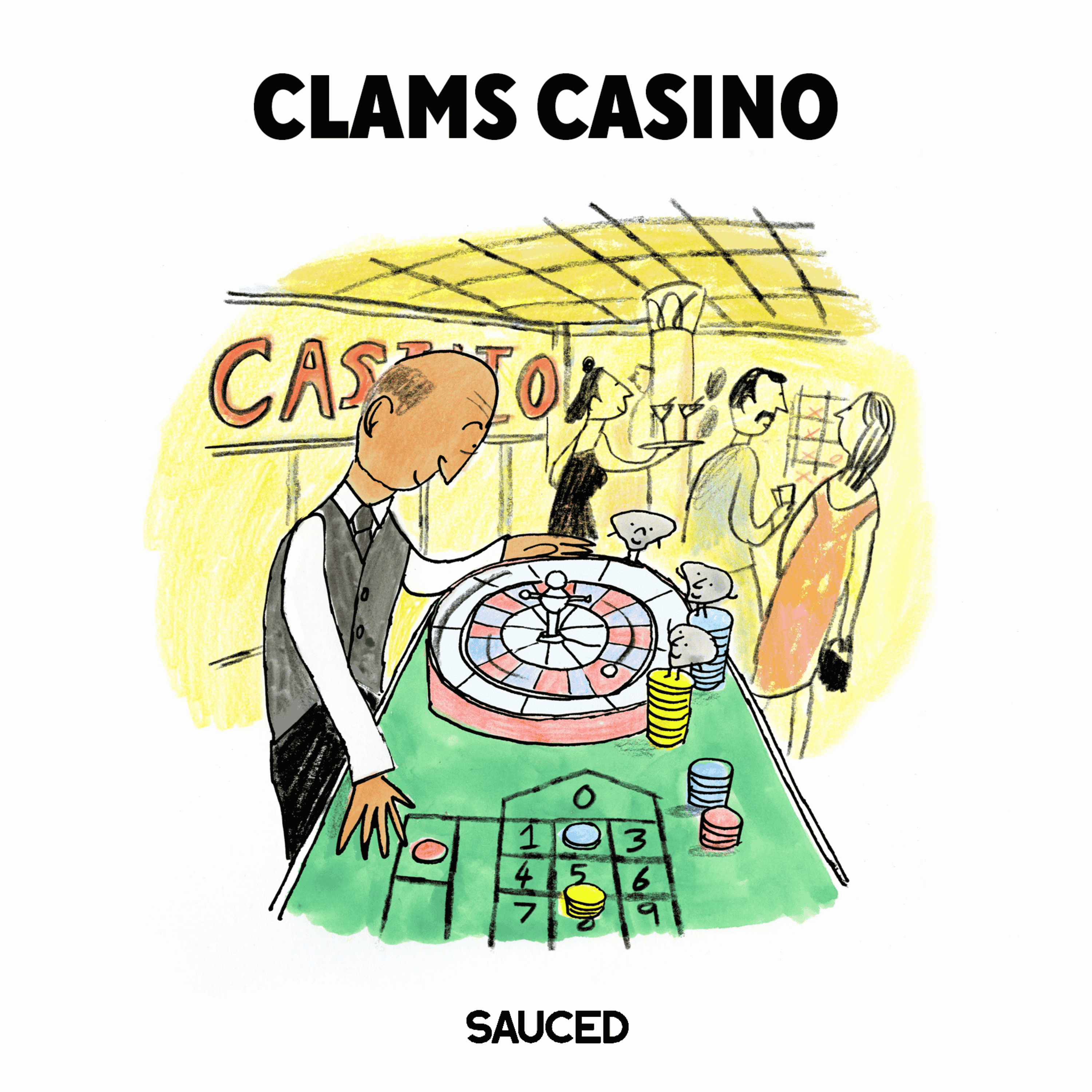
Clams Casino
Jun 400:58:56Tap to summarizeClams Casino has a paperwork problem. A Rhode Island maître d' named Julius Keller claimed to invent the dish at the Narragansett Pier Casino in 1917 — but a January 1900 menu from the Central Park Casino in New York City, held in the New York Public Library, predates him by 17 years. And neither one was a gambling house.We dig into both origin claims, the Portuguese-American "stuffies" tradition in Rhode Island that may pre-date both, and how to take a working man's ingredient and dress it up — a three-way move on the pork, a strong opinion on breadcrumbs, and a rethink of which booze actually belongs in the topping.We pair it with the Central Park Casino — an aquavit dirty Martini with a pureed olive brine, named for the 1900 menu that started the argument.For the full recipes and more, become a premium subscriber at https://sauced.supercast.com/Follow us on Instagram: @sauced.podThanks to all of this week's partners:Mezcal Ultramundo: https://pkgdgroup.com/post/ultramundo/Underberg: https://underbergamerica.com/
Transcribe →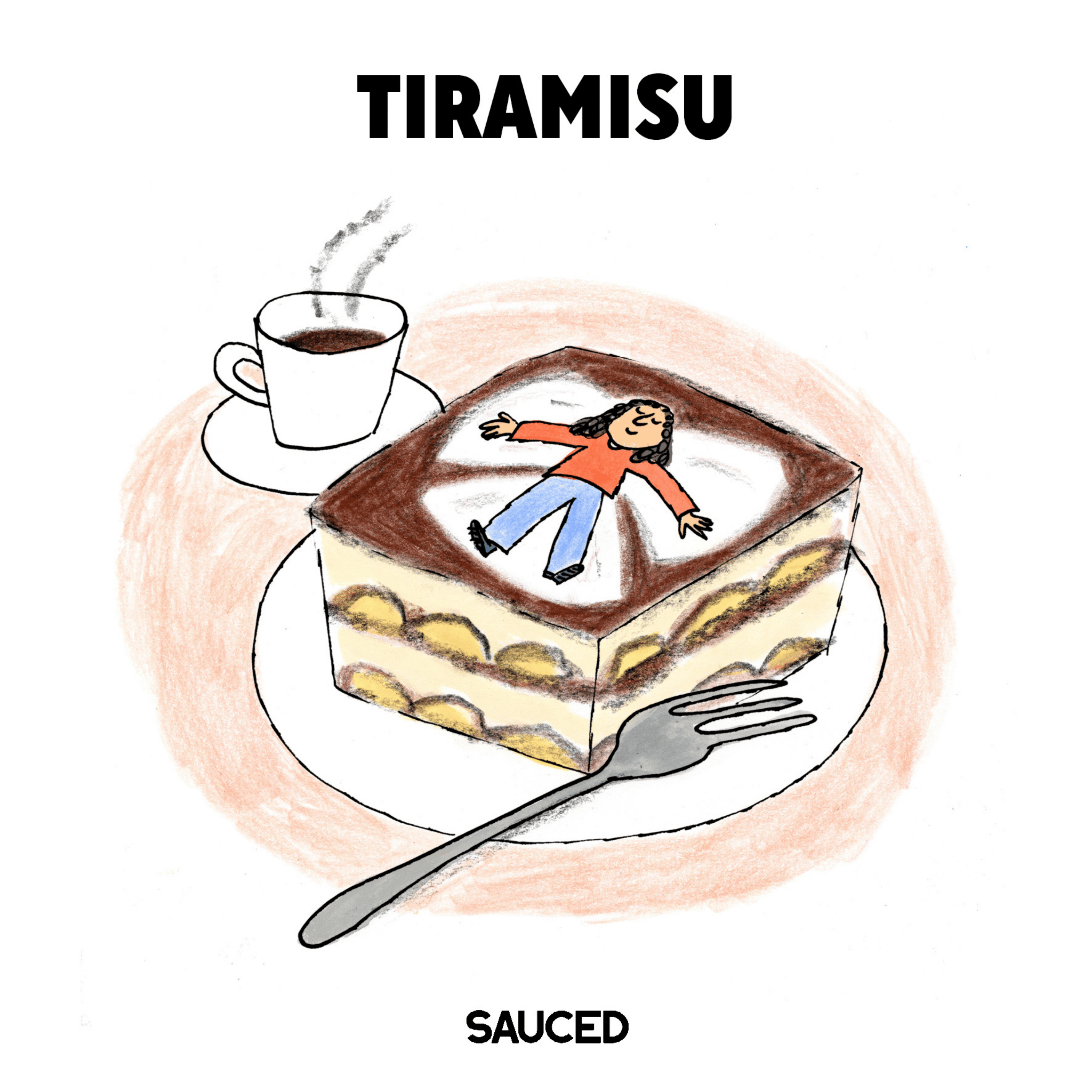
Tiramisu
May 2800:58:13Tap to summarizeTiramisu's origin is contested. One claim puts it in a Treviso restaurant in 1972. Another places it in Friuli, more than a decade earlier. But zabaglione — the dish's direct ancestor — has always been defined by sweet Marsala. The booze was the family inheritance dropped at Tiramisu's birth, and added back by everyone since.This week: the 1972 Le Beccherie story, the rival Friuli claim that pre-dates it, why the original was kept deliberately sober, egg-safety concerns, and where we actually land on the booze.The cocktail: The Red Hook — Vincenzo Errico's 2003 Manhattan variation from Milk & Honey NYC, with a coffee-bitters thumbprint that ties it back to the dessert.For the full recipes and more, become a premium subscriber at https://sauced.supercast.com/Follow us on Instagram: @sauced.podThanks to all of this week's partners:Arriesgado Ancestral Tequila: https://pkgdgroup.com/#our_brands/Underberg: https://underbergamerica.com/
Transcribe →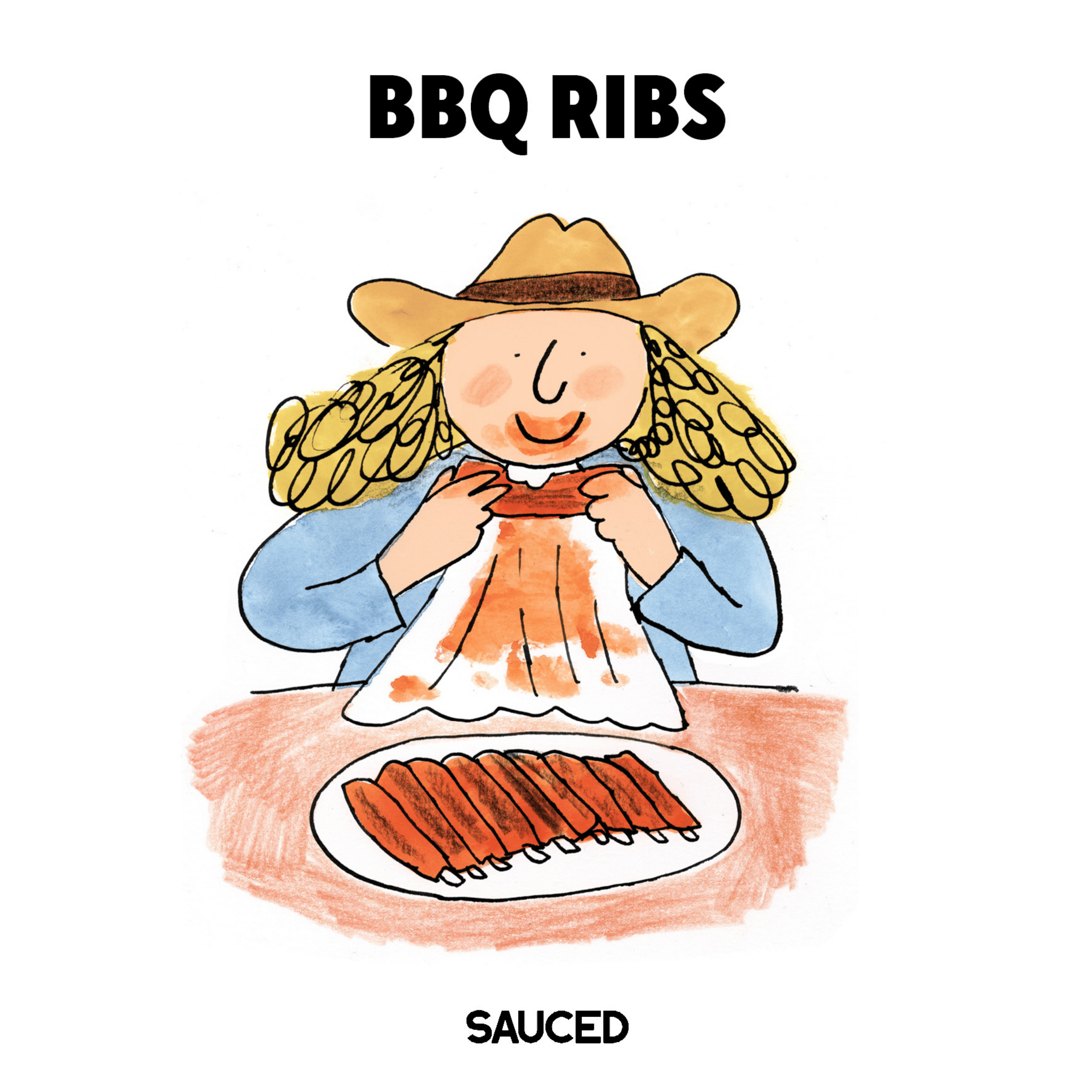
BBQ Ribs
May 2101:29:29Tap to summarizeNobody agrees on barbecue. Memphis wants a dry rub, the Carolinas want vinegar, Kansas City wants a thick sweet sauce, and Texas thinks the conversation should be about beef. This week we listened to every region, picked apart what each one gets right, and then did the one thing two New Yorkers could honestly do: we poured a Manhattan into the sauce.We also trace how ribs went from a discarded cut in 1850s Cincinnati to one of America's defining dishes, with the story running through the Black pit masters who built the canon. Henry Perry opened the door in 1908 Kansas City, Charlie Vergos defined Memphis style starting in 1948, and Aaron Franklin and Rodney Scott carry the torch today. We also settle some home-cook arguments along the way. The membrane comes off, the wrap stays off, you cook by temperature not time, and hickory is the wood for the job.The drink is a Mint Julep made the proper way, with high-proof bourbon, demerara syrup, plenty of crushed ice, and a mint plume tall enough that your nose touches it on every sip.For the full recipes and more, become a premium subscriber at https://sauced.supercast.com/Follow us on Instagram: @sauced.podThanks to all of this week's partners:El Acabo Raicilla: https://pkgdgroup.com/#our_brandsUnderberg: https://underbergamerica.com/
Transcribe →