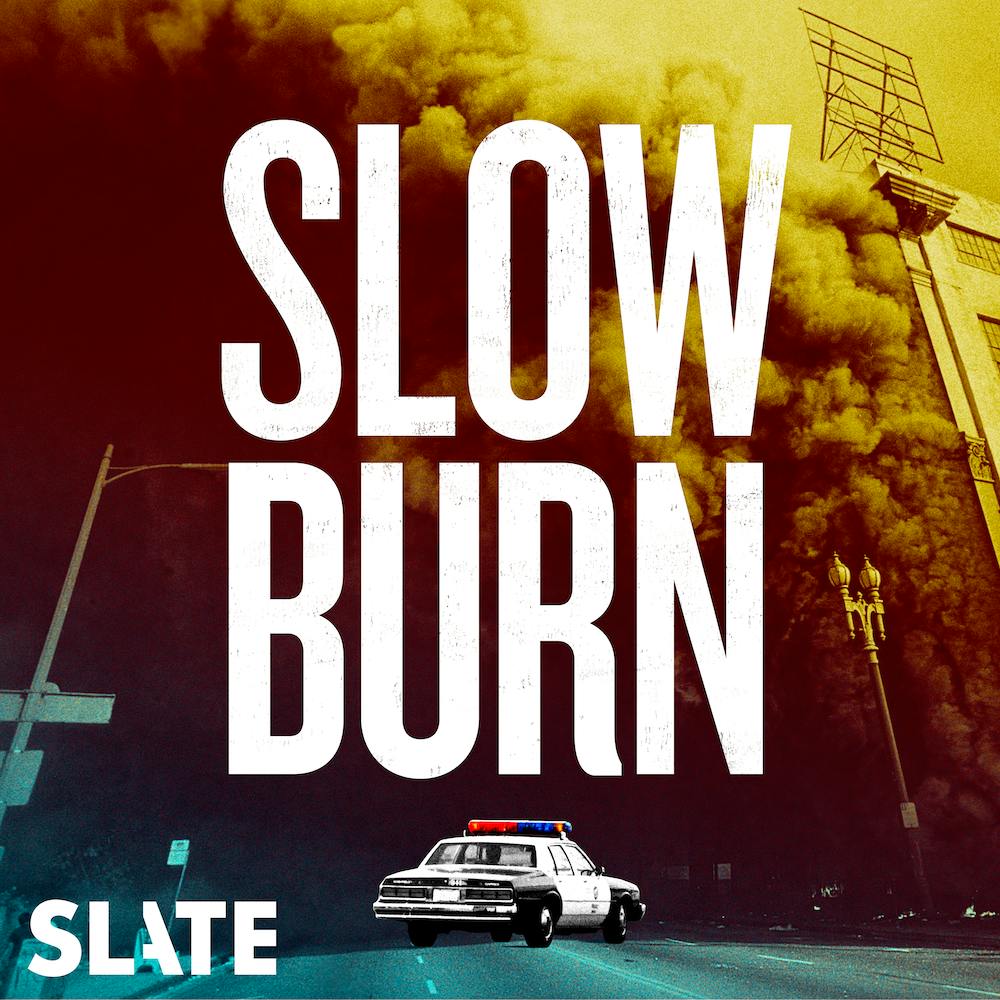
Slow Burn Season 6 Trailer: The L.A. Riots
Host: Joel Anderson
Date: October 26, 2021
Podcast: Slate’s Slow Burn
Episode Overview
This trailer for Season 6 of Slow Burn sets the stage for an in-depth exploration of the 1992 Los Angeles riots, tracing their origins to decades of policing and social injustice, and examining the aftermath of the Rodney King beating—a pivotal event in American history. Host Joel Anderson promises a series enriched by archival footage, candid interviews, and revealing commentary about how institutional failures, community rage, and systemic racism plunged L.A. into days of chaos that reverberate to the present.
Key Discussion Points & Insights
1. The Spark: Rodney King Beating
- Opening Context (00:00–00:13):
- The episode begins with a recounting of the infamous 1991 videotape showing white police officers “violently beating a black man for no apparent reason”—Rodney King.
- Notable quote:
- "They started beating, beating, beating, just as though you were trying to… They were trying to kill him." — [Interviewee/Narrator, 00:06]
- Joel Anderson underscores the fear and brutality experienced:
- "They struck me across the face real hard with a billy club. I was scared. I was scared for my life." — [Joel Anderson quoting Rodney King or witness, 00:13]
2. The Video That Changed Everything
- The Rodney King video reached households nationwide, exposing many Americans to police brutality in full view for the first time; it “became a national scandal.”
- Anderson describes the officers as acting "as though they were members of a gang," emphasizing the organized nature of the violence (00:22).
3. The City on Edge: Eruption of Unrest
- The episode hints at the explosive atmosphere in L.A., with heavily armed civilians and a militarized response from both LAPD and the National Guard.
- Notable quote:
- "Every single person is armed here. This has to be a disturbing sight to LAPD and to the National Guard." — [Narrator/Interviewer, 00:44]
4. Examining Police Culture and Leadership
- Anderson promises listeners an unflinching look at the Los Angeles Police Department’s culture:
- Rejecting the “few bad apples” defense, a guest bluntly calls it “bullshit.”
- Notable quote:
- "There was this spirit of, like, joy with which the LAPD conducted these kinds of beatings. They went out there, it was a sport to them." — [Interviewee, 01:10]
- The status of Police Chief Daryl Gates as a celebrity is explored:
- "He was the celebrity. He had the uniform. Might not know who my daddy is, but I know Daryl Gates." — [Interviewee, 01:25]
5. Other Flashpoints & the Boiling Point
- The show teases additional stories of community trauma and the series of events that fanned the flames of rage:
- "Oh, my God, she's been shot. She's been shot." — [Interviewee, 01:32] (implying focus on other violent incidents fueling unrest)
6. The Reckoning That Wasn’t
- The season asks whether L.A. and America ever truly reckoned with the aftermath. The riot is described as a seismic event:
- Notable quote:
- "It was a Pearl Harbor for L.A. and for the LAPD. It was a civil unrest because you can only suppress people and oppress people for so long before they erupt." — [Interviewee, 01:41]
Notable Quotes & Timestamps
- "They started beating, beating, beating, just as though you were trying to… They were trying to kill him." — Interviewee/Narrator [00:06]
- "They struck me across the face real hard with a billy club. I was scared. I was scared for my life." — (quoting Rodney King or witness) [00:13]
- "Every single person is armed here. This has to be a disturbing sight to LAPD and to the National Guard." — Interviewer [00:44]
- "That's just bullshit. There was this spirit of, like, joy with which the LAPD conducted these kinds of beatings. They went out there, it was a sport to them." — Interviewee [approx 01:10]
- "He was the celebrity. He had the uniform. Might not know who my daddy is, but I know Daryl Gates." — Interviewee [01:25]
- "It was a Pearl Harbor for LA and for the LAPD. It was a civil unrest because you can only suppress people and oppress people for so long before they erupt." — Interviewee [01:41]
Tone & Style
- The trailer’s tone is urgent, unflinching, and reflective, providing a raw, firsthand perspective while foreshadowing in-depth historical and societal analysis. Joel Anderson and his interviewees employ direct language that matches the gravity of the subject matter.
Key Segments & Timestamps
- 00:00–00:22: Rodney King beating and national exposure of police brutality
- 00:44–00:57: Militarization and community response
- 00:57–01:41: Preview of season themes—police culture, leadership, other incidents, and the broader reckoning
Summary Takeaway
The Slow Burn Season 6 trailer positions the upcoming series as a must-listen for anyone seeking to understand not just the LA Riots, but also the layered history of systemic injustice, community resistance, and the moment America was forced to confront “the taste being beaten out” of a city divided. Joel Anderson’s promise is clear: this season will challenge comforting narratives, foreground marginalized voices, and ask what it would take to stop history from repeating.