Podcast
Snoozecast
Hosted by Snoozecast · EN
Snoozecast is the podcast designed to help you fall asleep.
Episodes air every Monday, Wednesday and Friday.
Learn about our premium listening options at snoozecast.com/plus, which unlocks ad-free listening to our expanded catalog, including bonus original stories.
28episodes
Episodes
Newest firstAll episodes
The Castle of Otranto
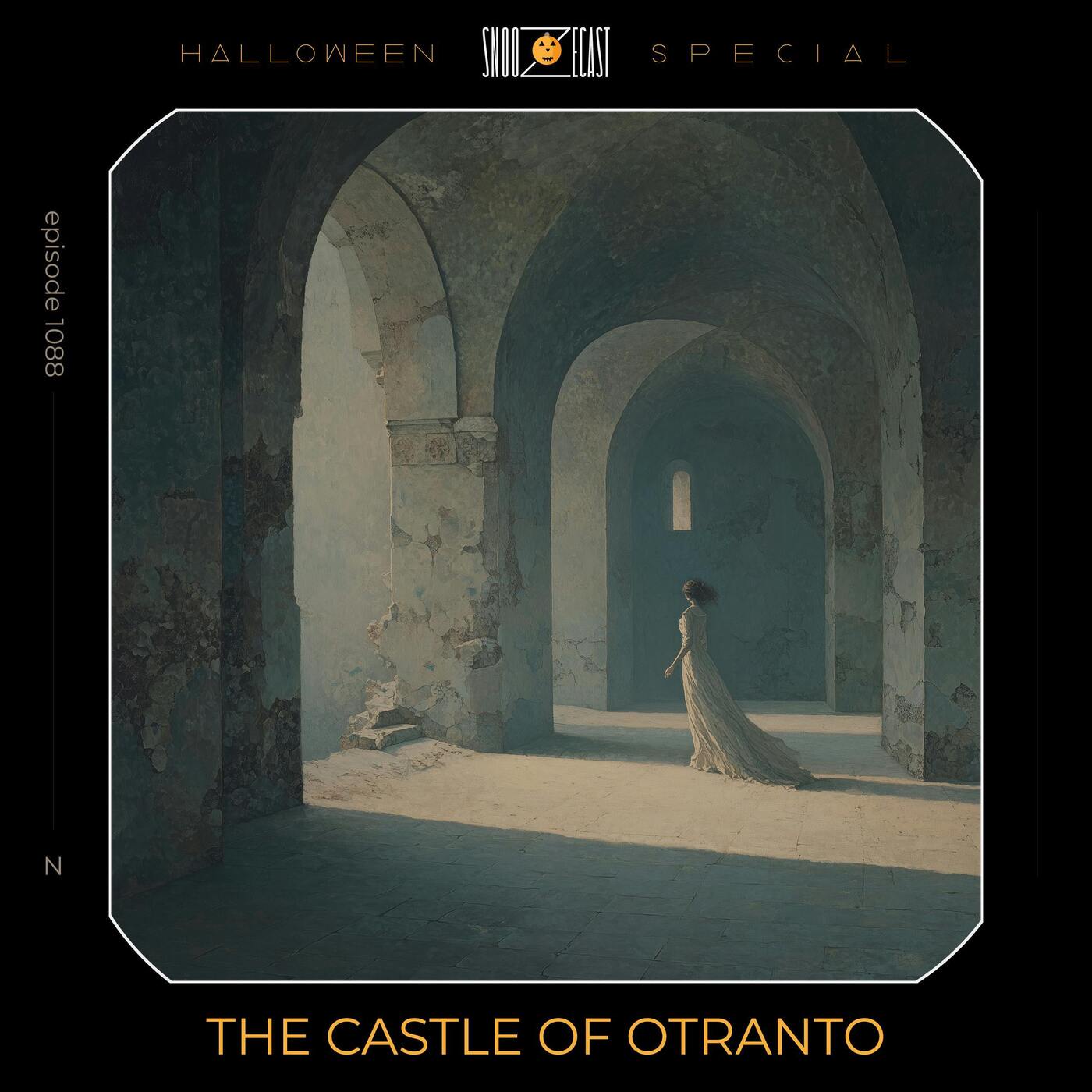
Oct 1500:33:26Tap to summarizeTonight, for the next in our October spooky sleep story series, we’ll read an excerpt from “The Castle of Otranto”, a novel by Horace Walpole. First published in 1764, it is generally regarded as the first gothic novel. Set in a haunted castle, the novel produced a new style that has endured ever since, and has shaped the modern-day aesthetic of the goth subculture. Walpole wrote it at Strawberry Hill, his fanciful neo-Gothic villa, and pitched it as a “Gothic story” that fused chivalric romance with novelistic realism. Its startling images—a colossal helmet from the sky, moving portraits, doors that yield on their own—fixed the template later taken up by Clara Reeve, Ann Radcliffe, and beyond. The first edition masqueraded as a Crusades-era manuscript “translated” by Walpole, a playful hoax that lent the tale mock-antique authority. Manfred’s name nods to Manfred of Sicily, a learned, charismatic king repeatedly excommunicated—apt echoes for a plot of usurpation and prophecy. In tonight’s excerpt, Princess Isabella flees the tyrant after he demands her hand on the very night his own son—her betrothed—dies beneath that impossible, fallen helmet. — read by 'N' — Sign up for Snoozecast+ to get expanded, ad-free access by going to snoozecast.com/plus! Learn more about your ad choices. Visit megaphone.fm/adchoicesSee Privacy Policy at https://art19.com/privacy and California Privacy Notice at https://art19.com/privacy#do-not-sell-my-info.
Transcribe →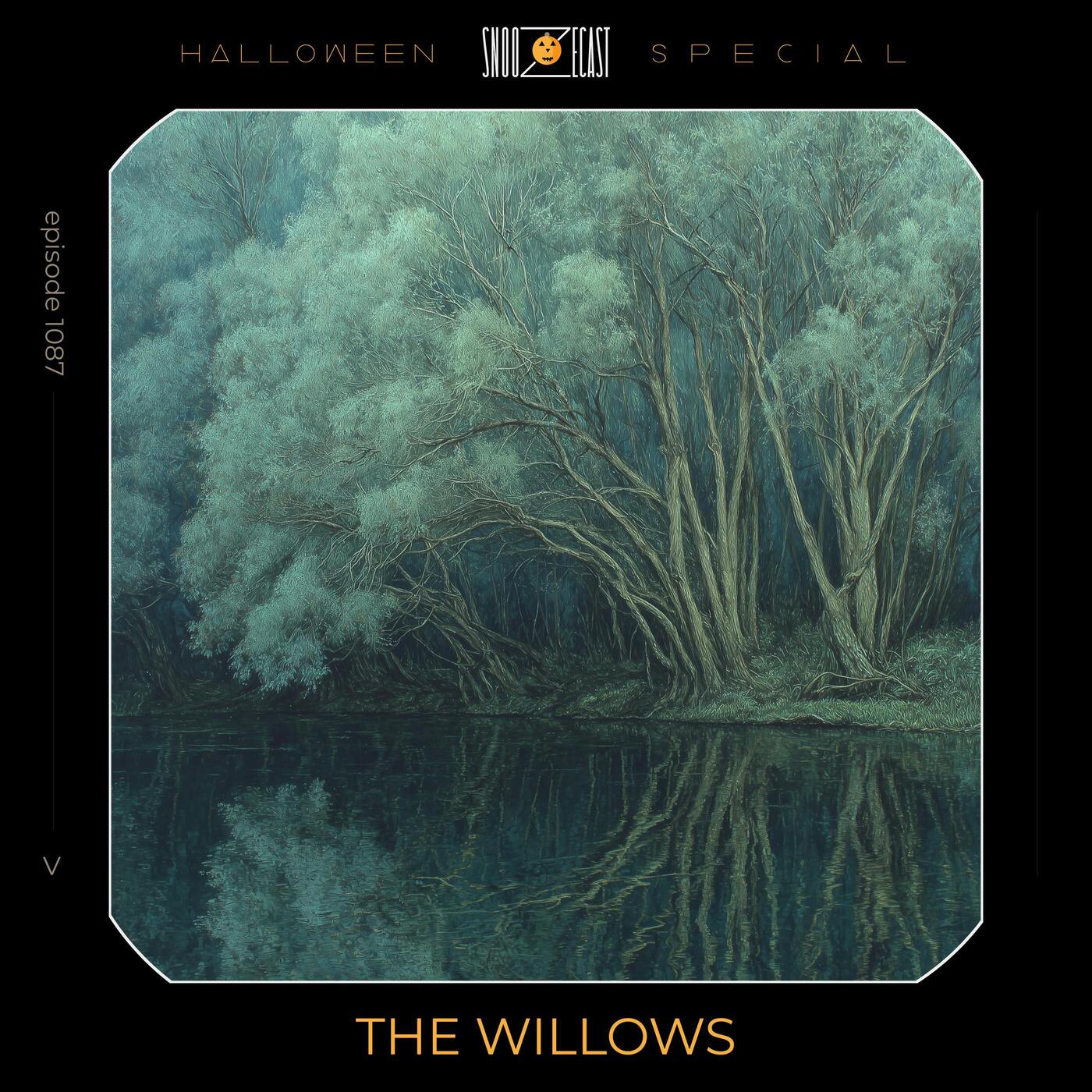
The Willows
Oct 1300:56:07Tap to summarizeTonight, as part of our annual Spooky Sleep Stories series, we’ll read the opening to the novella “The Willows”. It was written by Algernon Blackwood, and first published in 1907. Two friends drift down the Danube by canoe, threading a maze of shifting channels, sandbanks, and low islands crowded with willow scrub. The river’s moods—eddies, gusts, glittering sun—seem to lean in and watch them, and the thickets along the banks gather like a listening crowd. As night closes, the landscape feels less like scenery and more like a presence with its own designs—most vividly in the willows, which “moved of their own will as though alive.” Blackwood was a devoted outdoorsman and a writer fascinated by the numinous in nature; he often suggested that the wilderness is not merely backdrop but a more-than-human realm. “The Willows” helped define early modern weird fiction by trading blood and monsters for unease and awe, its influence echoed by later authors across the genre. H.P. Lovecraft praised it as the finest supernatural tale in English, and readers still come to it for that distinctive sensation of the world turning subtly, inexorably, strange. — read by 'V' — Sign up for Snoozecast+ to get expanded, ad-free access by going to snoozecast.com/plus! Learn more about your ad choices. Visit megaphone.fm/adchoicesSee Privacy Policy at https://art19.com/privacy and California Privacy Notice at https://art19.com/privacy#do-not-sell-my-info.
Transcribe →
The Willows
Oct 1300:56:37Tap to summarizeTonight, as part of our annual Spooky Sleep Stories series, we’ll read the opening to the novella “The Willows”. It was written by Algernon Blackwood, and first published in 1907. Two friends drift down the Danube by canoe, threading a maze of shifting channels, sandbanks, and low islands crowded with willow scrub. The river’s moods—eddies, gusts, glittering sun—seem to lean in and watch them, and the thickets along the banks gather like a listening crowd. As night closes, the landscape feels less like scenery and more like a presence with its own designs—most vividly in the willows, which “moved of their own will as though alive.” Blackwood was a devoted outdoorsman and a writer fascinated by the numinous in nature; he often suggested that the wilderness is not merely backdrop but a more-than-human realm. “The Willows” helped define early modern weird fiction by trading blood and monsters for unease and awe, its influence echoed by later authors across the genre. H.P. Lovecraft praised it as the finest supernatural tale in English, and readers still come to it for that distinctive sensation of the world turning subtly, inexorably, strange. — read by 'V' — Sign up for Snoozecast+ to get expanded, ad-free access by going to snoozecast.com/plus! Learn more about your ad choices. Visit megaphone.fm/adchoices
Transcribe →
Phantasmagoria
Oct 800:26:30Tap to summarizeTonight, for our next Spooky Sleep Story, we’ll read Phantasmagoria, a narrative poem by Lewis Carroll first published in 1869. A polite Ghost drops in after midnight and proceeds to instruct his puzzled host in the finer points of spectral etiquette. Each October we bring back Snoozecast’s Spooky Stories Series—now in its seventh year—our annual run of classics with a candlelit vibe: ghostly, atmospheric, and cozy rather than truly scary. Think creaking floorboards and wry smiles, not jump scares. Best known for Alice’s Adventures in Wonderland, Carroll turns domestic life into mock-epic ritual here, mixing puns with parody of Victorian manners. In seven cantos, the Ghost explains everything from haunt-house “housekeeping” to courtly forms of address—an odd, amiable manual for the afterlife delivered with Carroll’s playful logic. Learn more about your ad choices. Visit megaphone.fm/adchoices
Transcribe →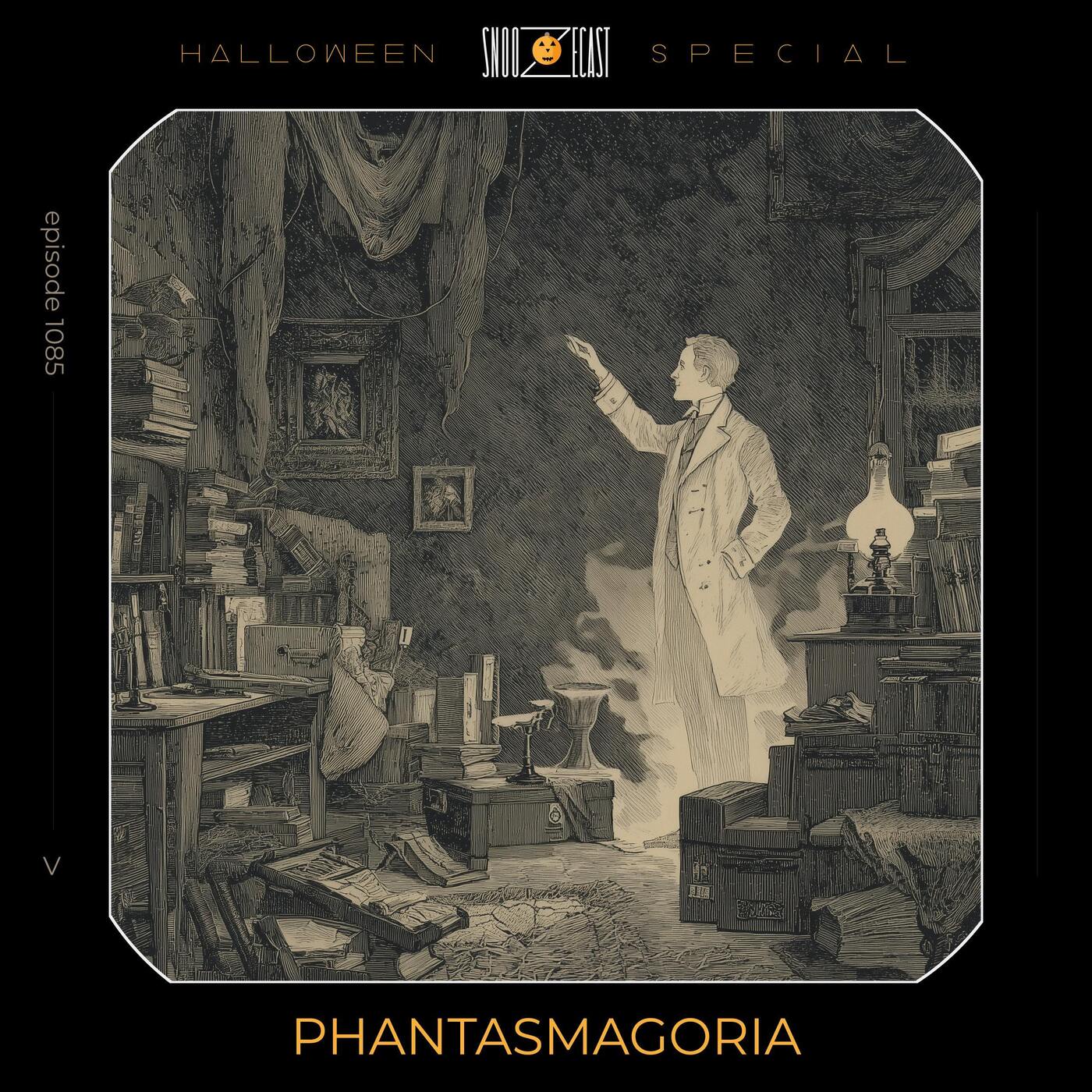
Phantasmagoria
Oct 800:26:00Tap to summarizeTonight, for our next Spooky Sleep Story, we’ll read Phantasmagoria, a narrative poem by Lewis Carroll first published in 1869. A polite Ghost drops in after midnight and proceeds to instruct his puzzled host in the finer points of spectral etiquette. Each October we bring back Snoozecast’s Spooky Stories Series—now in its seventh year—our annual run of classics with a candlelit vibe: ghostly, atmospheric, and cozy rather than truly scary. Think creaking floorboards and wry smiles, not jump scares. Best known for Alice’s Adventures in Wonderland, Carroll turns domestic life into mock-epic ritual here, mixing puns with parody of Victorian manners. In seven cantos, the Ghost explains everything from haunt-house “housekeeping” to courtly forms of address—an odd, amiable manual for the afterlife delivered with Carroll’s playful logic. Learn more about your ad choices. Visit megaphone.fm/adchoicesSee Privacy Policy at https://art19.com/privacy and California Privacy Notice at https://art19.com/privacy#do-not-sell-my-info.
Transcribe →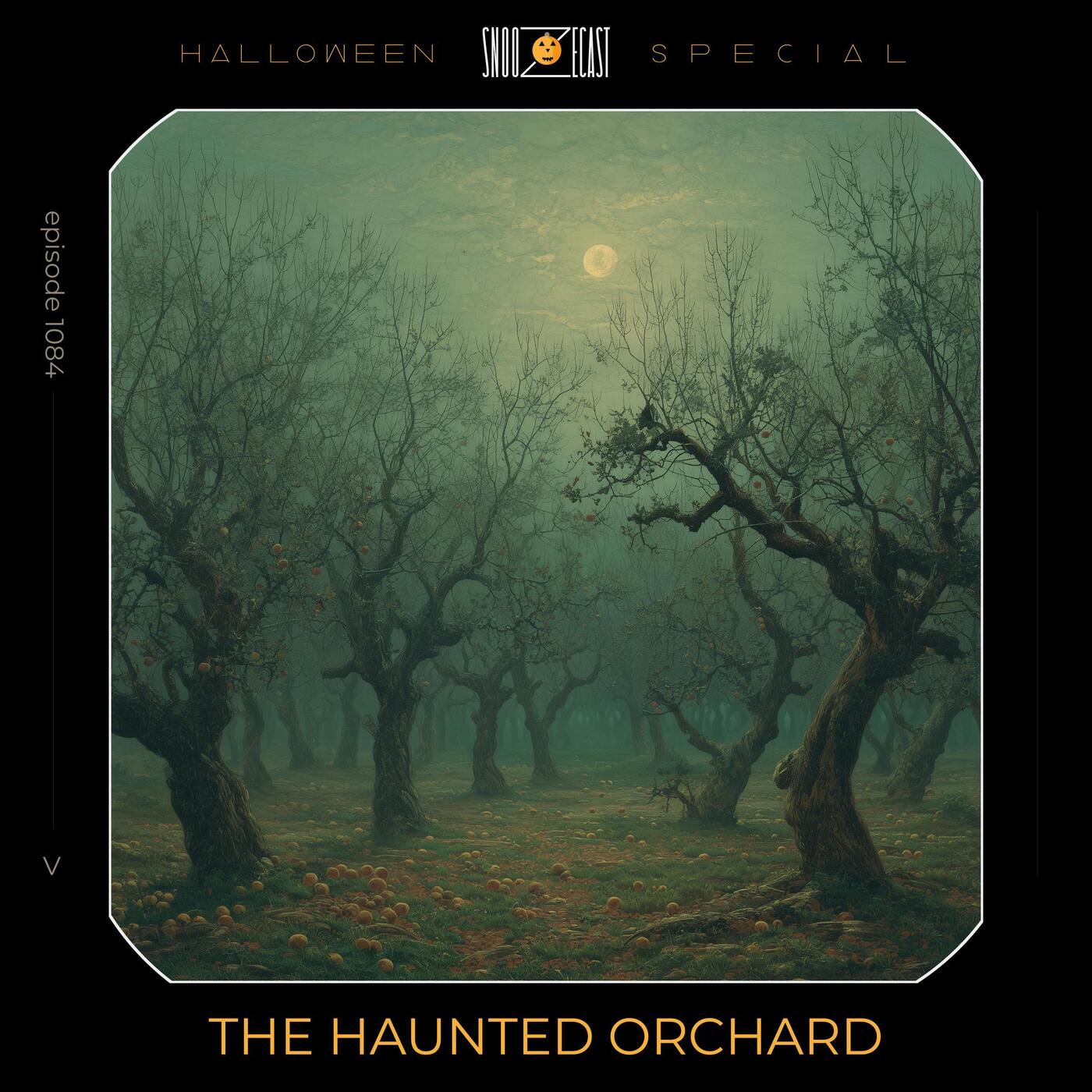
The Haunted Orchard
Oct 600:36:00Tap to summarizeTonight, as part of Snoozecast's seventh annual spooky sleep story series, we’ll read “The Haunted Orchard” written by British author Richard Le Gallienne and published in 1912. Each October, our Spooky Stories Series features classic tales that are more atmosphere than fright, all candlelight and creaking floorboards. In this one, a quiet country house and its untended orchard hold a lingering presence; whispers of a young woman seen among the trees and a tune that seems to rise with the wind give the story its soft, ghostly pulse. Born Richard Thomas Gallienne, the author adopted “Le Gallienne” after college, and—captivated by a lecture from Oscar Wilde—left office work to write poetry and prose. He and Wilde later struck up a brief affair and lasting friendship. Le Gallienne married three times and fathered Eva Le Gallienne, the celebrated actor–director. After settling in the United States and later on the French Riviera, he refused to write wartime propaganda and nonetheless kept publishing well into his seventies. — read by 'V' — Sign up for Snoozecast+ to get expanded, ad-free access by going to snoozecast.com/plus! Learn more about your ad choices. Visit megaphone.fm/adchoicesSee Privacy Policy at https://art19.com/privacy and California Privacy Notice at https://art19.com/privacy#do-not-sell-my-info.
Transcribe →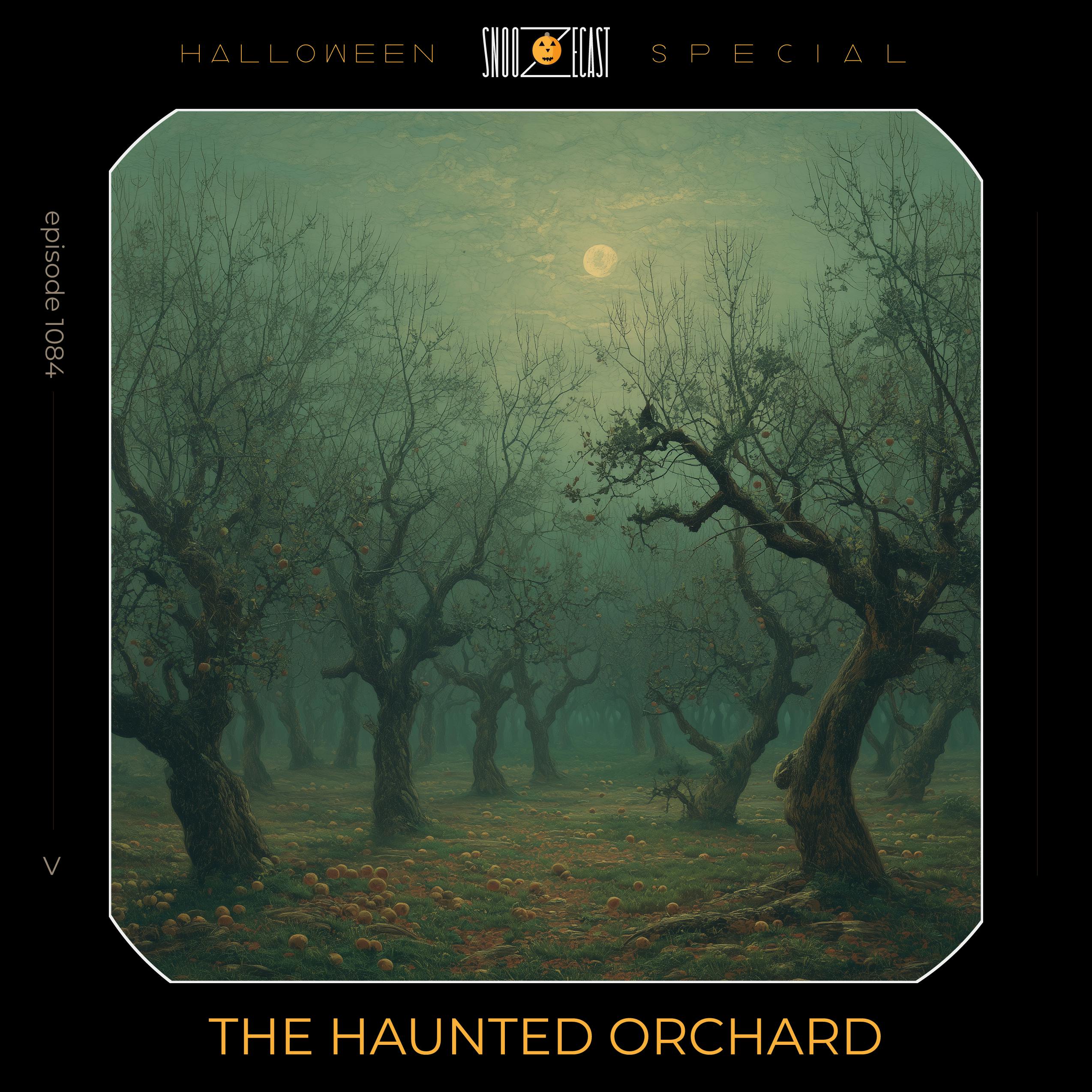
The Haunted Orchard
Oct 600:36:30Tap to summarizeTonight, as part of Snoozecast's seventh annual spooky sleep story series, we’ll read “The Haunted Orchard” written by British author Richard Le Gallienne and published in 1912. Each October, our Spooky Stories Series features classic tales that are more atmosphere than fright, all candlelight and creaking floorboards. In this one, a quiet country house and its untended orchard hold a lingering presence; whispers of a young woman seen among the trees and a tune that seems to rise with the wind give the story its soft, ghostly pulse. Born Richard Thomas Gallienne, the author adopted “Le Gallienne” after college, and—captivated by a lecture from Oscar Wilde—left office work to write poetry and prose. He and Wilde later struck up a brief affair and lasting friendship. Le Gallienne married three times and fathered Eva Le Gallienne, the celebrated actor–director. After settling in the United States and later on the French Riviera, he refused to write wartime propaganda and nonetheless kept publishing well into his seventies. — read by 'V' — Sign up for Snoozecast+ to get expanded, ad-free access by going to snoozecast.com/plus! Learn more about your ad choices. Visit megaphone.fm/adchoices
Transcribe →
Persuasion pt. 23
Oct 300:30:30Tap to summarizeTonight, we shall read the next part to Persuasion, the last novel fully completed by Jane Austen, and published in 1817. The story concerns Anne Elliot, an Englishwoman whose family moves in order to lower their expenses, by renting their home to an Admiral and his wife.In the last episode, Anne visits her old school friend Mrs. Smith in Westgate-buildings. Though Mrs. Smith lives in poverty and poor health, she is cheerful, resourceful, and glad for Anne’s company. As their conversation turns to acquaintances, Mrs. Smith seems unusually hesitant when Mr. Elliot’s name arises. At first, she holds back, saying little. But upon realizing how closely Anne is now connected to Mr. Elliot, she finally decides it is her duty as a friend to speak. We will pick up at this point in their conversation. Learn more about your ad choices. Visit megaphone.fm/adchoices
Transcribe →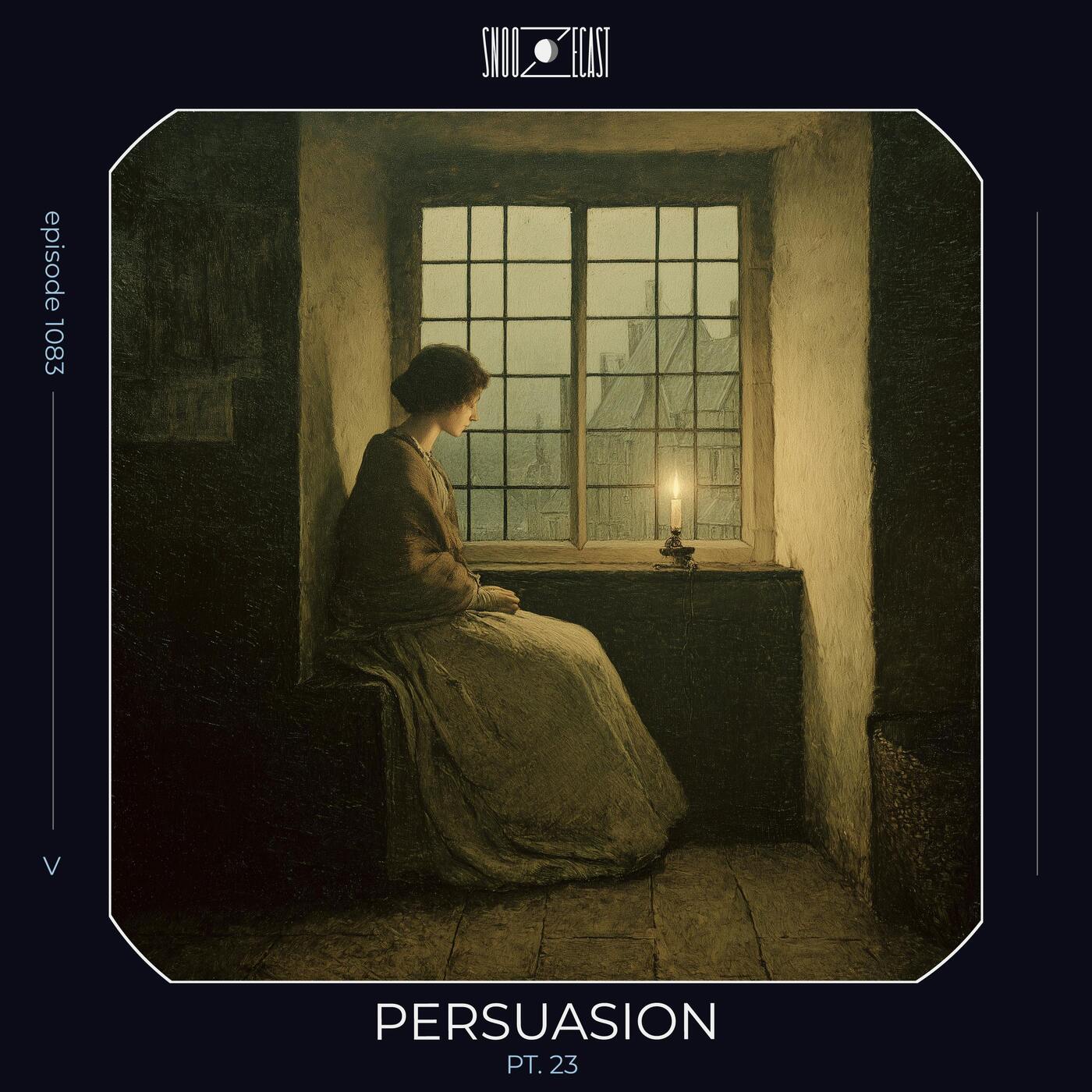
Persuasion pt. 23
Oct 300:30:00Tap to summarizeTonight, we shall read the next part to Persuasion, the last novel fully completed by Jane Austen, and published in 1817. The story concerns Anne Elliot, an Englishwoman whose family moves in order to lower their expenses, by renting their home to an Admiral and his wife.In the last episode, Anne visits her old school friend Mrs. Smith in Westgate-buildings. Though Mrs. Smith lives in poverty and poor health, she is cheerful, resourceful, and glad for Anne’s company. As their conversation turns to acquaintances, Mrs. Smith seems unusually hesitant when Mr. Elliot’s name arises. At first, she holds back, saying little. But upon realizing how closely Anne is now connected to Mr. Elliot, she finally decides it is her duty as a friend to speak. We will pick up at this point in their conversation. Learn more about your ad choices. Visit megaphone.fm/adchoicesSee Privacy Policy at https://art19.com/privacy and California Privacy Notice at https://art19.com/privacy#do-not-sell-my-info.
Transcribe →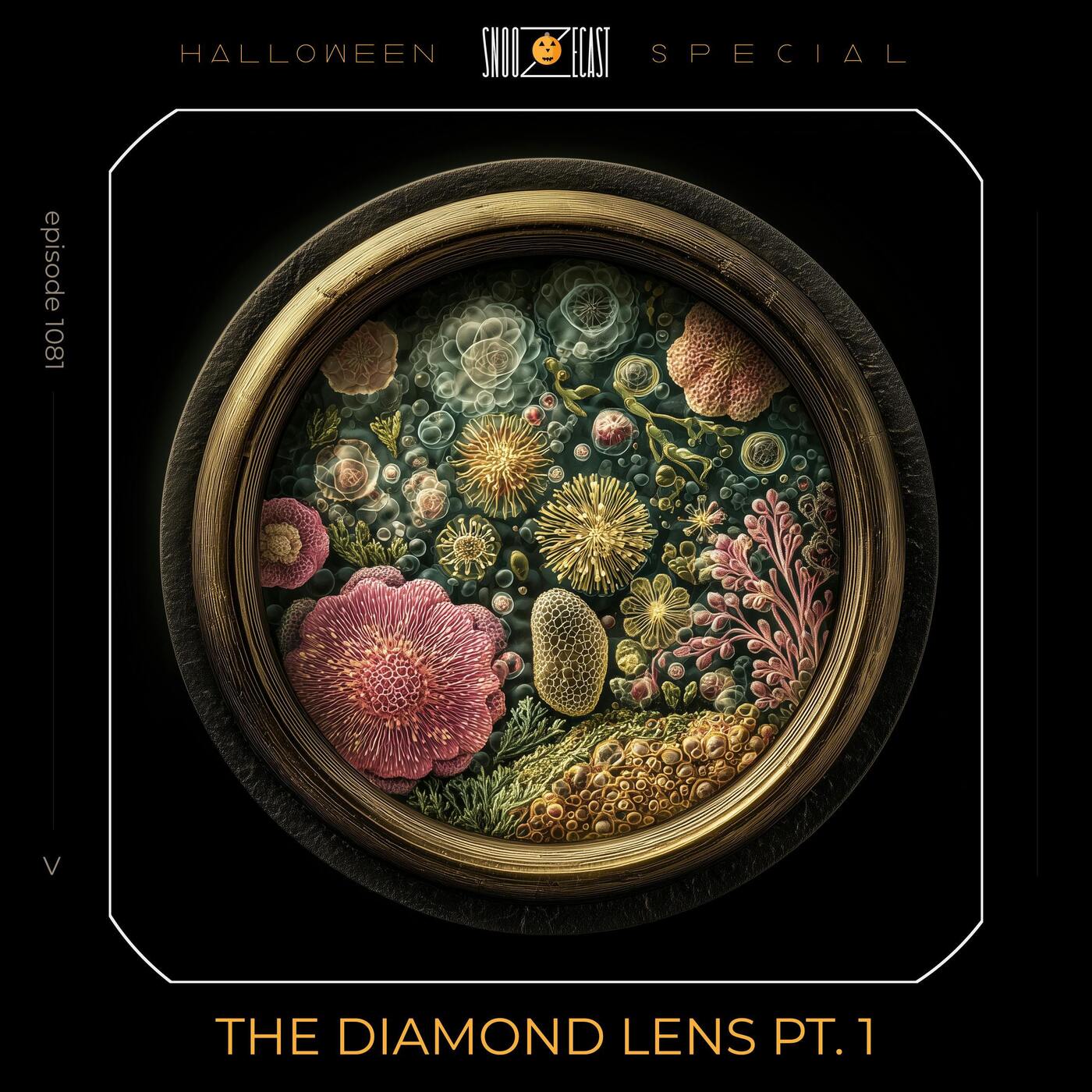
The Diamond Lens pt. 1
Sep 2900:26:00Tap to summarizeTonight, as we are beginning the month that ends with Halloween, we’ll read the first half of “The Diamond Lens”, a short story by Fitz James O’Brien first published in 1858.Every October, Snoozecast features our Spooky Stories Series—tales with a spectral or uncanny quality, meant to set a certain mood, without keeping you awake. This marks our seventh year of SSS, and we’re beginning with something more curious than chilling. O’Brien’s tale is steeped in the oddity of early scientific obsession, centering on microscopy—the study of the unseen through magnification. In the author’s hands, the microscope becomes not just a tool of science, but a gateway to another world, blurring the line between discovery and delirium. Learn more about your ad choices. Visit megaphone.fm/adchoicesSee Privacy Policy at https://art19.com/privacy and California Privacy Notice at https://art19.com/privacy#do-not-sell-my-info.
Transcribe →