← Taking Control Of Your Diabetes® - The Podcast!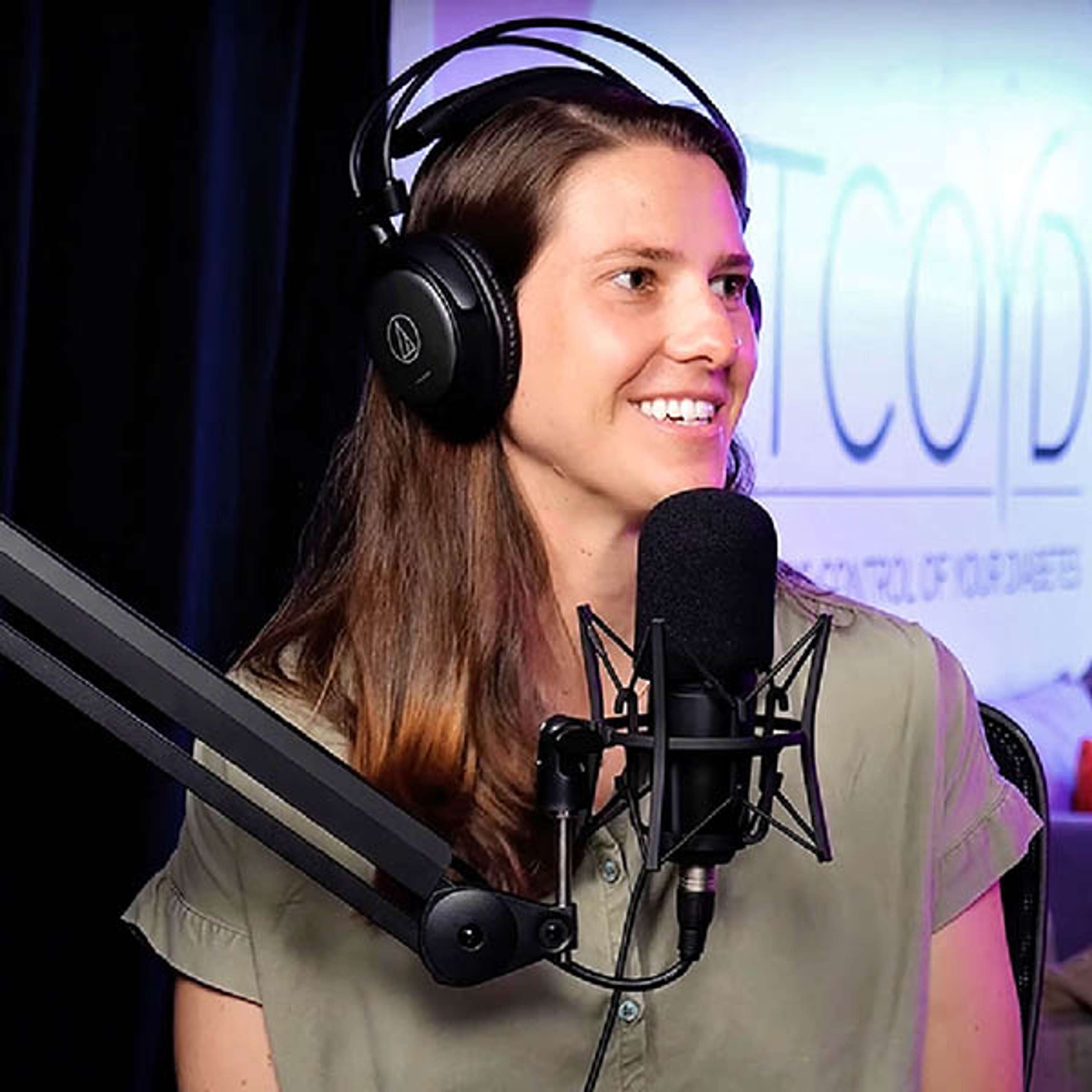
Taking Control Of Your Diabetes® - The Podcast!
A Groundbreaking Therapy with Tzield Ft. Special Guest Sierra Werling
00:34:13
Loading summary
Transcript141 lines
- [00:20]
A
Type 1 diabetes. No, thank you. Is saying no to type 1 diabetes a possibility in our lifetime? Well, believe it or not, a therapy currently exists and has been approved called T Z yield that can delay the onset of type 1. So listen up as we interview our first patient ever to receive this therapy on this edition of the Taking Control of youf Diabetes podcast. So, Steve, before we bring our guest on, you know, what we're going to talk about is her name's Sierra. And she got, you know, screened, found out she was at risk for type 1 diabetes, ultimately got the TZL therapy, and it occurred to me how different her diagnosis is or was or maybe will be compared to ours. Right. She has time to kind of think about this and be educated on it. So remind everybody what was it like way back when when Steve Edelman came down with Type one?
- [01:16]
B
Okay, I'm going to make this short. I was officially diagnosed at age 15, but for about six months beforehand, I was thirsty, urinating a lot, lost tons of weight, and I was a chubby kid. My nickname was the Stump. But by the time I eventually went to the doctor, I was skinny. I loved it. I went to my primary care doctor. My mom brought me in because I wasn't doing well. And the next thing I know, they drew some blood and they threw me in a wheelchair, put me in the icu, and I was there for four or five days with diabetic ketoacidosis. And I'll say one more thing, that while I was there, they sent me to diabetes class. It was a room with about 25 overweight individuals that all had type 2. And here I am, a teenager, sitting there amongst them. And I remember one thing. Do you remember that story, Jeremy?
- [02:14]
A
The bananas have a lot of sugar in them.
- [02:16]
B
Ketchup.
- [02:16]
A
Ketchup. Oh.
- [02:18]
B
And that was it from there.
- [02:20]
A
Well, you took home something from that. I mean, so mine was actually remarkably similar, probably 20 years later or so. But I was 15, you know, normal, happy, healthy kid. Nobody in my family. Nobody in your family with Type one had all the classic symptoms. Eventually went to the hospital, went to the icu, and I think for both of us, what a life changing day, right? You know, you go from maybe thinking you're a little sick, you're, you're urinating, you're losing weight. I don't know to guess what. You have this for the rest of your life. And now in the next couple days, not only are we treating your DKA and saving your life, but we're educating you on how to, for Me, it was blood sugar for you, how to check your urine or whatever you dinosaurs did, how to take injections and all those kinds of things.
- [03:04]
B
You went from eating a rack of ribs right to the ICU.
- [03:08]
A
That's true. I went from Chili's to the ICU in about 20 minutes. But the point there is that type one is no fun to have. And certainly being diagnosed, there's no good age. But we've done a lot of education at tcyd, podcast videos on that. You can screen for people to find out that if you're at risk for Type one and if you want to get tested, just go to type1tested.com. You can find out different ways to do it. They could send you home kits and things like that. But today we're going to transition to what happens when some of those antibodies come back positive. Is there anything that you can do about it? And yes, there is a drug called Tzield that has been shown to delay the onset of type 1 by about three years or so, relatively recently approved, but it is an IV infusion. So there's lots of questions that come up of how do you do, like take the medication, are there side effects, what do you do afterwards? All those kinds of things. So with that, do you want to introduce our guest?
- [04:09]
B
Well, we have Sierra and Sierra. I met Sierra while she was getting infused, but more than that, face to face several times at the VA hospital because she is a Navy vet and she continues to wear a continuous glucose monitor after she got infused and is doing quite well. But she has two boys and she has four relatives with type 1 diabetes and has now just got her degree, accounting degree. And she's very well spoken, very smart and proactive and she has taken control of her stage 2 diabetes.
- [04:49]
A
Thanks for coming on, Sierra.
- [04:50]
C
Yeah, thank you so much for having me. What an introduction to live up to.
- [04:53]
A
And actually her two year old son is here at the studio running around somewhere. Everybody else is coming of taking care of him. He's super cute.
- [04:59]
C
Yeah, thank you.
- [05:01]
A
So run us through this. We know you have a family history of type 1, which again is slightly unique. Most type 1s are the only one in their family with type 1. So you said you had cousins and.
- [05:14]
C
Yeah, I have two aunts with type 1 diabetes. They got diagnosed, I think in their 20s, early 20s. And I have two cousins, one that had juvenile diabetes and then one recently who just got diagnosed at 43 with type one.
- [05:26]
A
Okay, wow. So you were at least aware of type 1 diabetes.
- [05:30]
C
Yeah.
- [05:31]
A
And then kind of walk us through, you know, we know that you had gestational diabetes. Tell us how that happened and what they told you at that time.
- [05:39]
C
Sure. So I. I had my first son. I got pregnant back in 2019. And like most women receiving, you know, basic OBGYN care in America, you get screened for gestational diabetes. Well, normally it's a two part test. You do a three hour, then one hour, vice versa. I could be getting that wrong. And I went in, I did the first phase of that test and failed it so badly that my doctor called me and I went to the diabetes class in the hospital and was put on insulin immediately. And so for the rest of that pregnancy, I was on a relatively high dose of insulin. And that was like my first run in with diabetes. And they say the cure to gestational diabetes is giving birth. It was a little bit more complicated for me. I had a hard time passing a glucose tolerance test afterwards. Took about six weeks. But then once that happened, you know, that kind of dropped off and no one asked me about diabetes again.
- [06:29]
A
And then at that time, did they was type one in your mind at all or.
- [06:33]
C
I wasn't surprised getting gestational diabetes because I just kind of assumed I'd be sensitive to it with family history. I didn't think at that time I had type one.
- [06:43]
A
Yeah.
- [06:43]
B
But Sierra, after you delivered, I remember you telling me you worked out like a maniac. Super low carb diet. And you were working, doing your best to keep your blood sugars normal without insulin.
- [06:56]
C
Yeah, yeah. And so that was after the first pregnancy. And then this is relevant to the story, but six months later, I got diagnosed with osteosarcoma. My right distal femur. That was bone cancer right above my knee. It was six cycles. I do intense inpatient chemotherapy, do three weeks in the hospital, two weeks home, and about cycle four, I started getting a steroid injection to help prevent more serious effects, side effects. And that steroid injection had another side effect, high blood sugar. So I was getting my blood sugar tested during that time too, and it was just hanging out in the 4 and 5 hundreds. So then at that point in time, I was on Lantus. Probably once a day, the corpsman would give it to me in the hospital and I would go home and take insulin again. But once chemotherapy ended, no evidence to disease. Now I'm past that. But, you know, no one followed up with the diabetes again. It just kind of dropped off.
- [07:47]
A
And the second pregnancy, and then the.
- [07:48]
C
Second pregnancy with my run in with diabetes, I mentioned it to my OB GYN a little bit earlier. So about 20 weeks in, I got tested again, failed it so bad, put on insulin, and I had a harder time managing my blood sugars that time. I had a lot of hypoglycemic situations with that, and I think it's challenging with pregnancy. You're gaining weight and the baby's growing and your hormones are changing, and the.
- [08:09]
B
OB folks want your blood sugar super low.
- [08:12]
C
Yeah. So low. It's like a pretty aggressive amount of insulin. And.
- [08:16]
A
Well, I was gonna say, I mean, we talk a lot. We did a podcast on gestational diabetes, and the focus usually is gestational as kind of heralding type 2 diabetes. That you. A lot of times that runs in the family, and women are told you have gestational look out for type 2 later in life. And what we forget is that it's actually somewhat common, a situation like yours where you have kind of a brewing underlying type 1 diabetes, and you're probably having this autoimmune attack is already going on. You have less beta cells in your body, and when you put any stress on your body, whether it's an infection or a car accident, certainly pregnancy can kind of bring it out. So it's just something for people to be aware of that pregnanc pregnancy is actually a common thing to not trigger type 1 diabetes, but kind of a final stress to put people over that edge and kind of have it present itself. So we don't probably think about it enough.
- [09:09]
B
Yeah, a lot of those hormones that come up during pregnancy are kind of like steroids, and you got steroids. And by the way you talk about having bone cancer, it was like a pimple.
- [09:19]
A
Yeah, right.
- [09:20]
B
You are. I mean, I'm serious. You're amazing.
- [09:23]
C
Thank you.
- [09:24]
B
I have two kids, deal with type 1 osteosarcoma is not a joke.
- [09:28]
C
No, it was a beast.
- [09:29]
B
Yeah, yeah, yeah. But you have a great attitude, so that's awesome.
- [09:33]
C
Thank you.
- [09:33]
A
All right, so you got cancer under your belt, two kids, and what's one more chronic illness? Right. So then post delivery, second child. What happened?
- [09:46]
C
Once again, I had a harder time. So Wesley, my oldest, was born during the. Excuse me. Born during COVID And I think the care kind of dropped off a lot quicker with the diabetes follow up. But when Jesse was born, I was getting out of the Navy all at the same time, and all the blood work was getting done. And then I got my first appointment with my VA doctor, and since I had a harder time clearing the glucose tolerance test again, she checked my A1C at my first follow up. And this was early 2023, so about a year ago now. Two years ago. Anyways, she did a whole bunch of blood work, and at that point in time, my A1C got up to a 6.6, and that's the highest it's ever been officially in the diabetes reigns. And she kind of looked at me and said, all right, you have type 2 diabetes, like, without, you know, a second thought. And she said, you'll be on Metformin for the rest of your life. And. Yeah, and that was kind of that conversation.
- [10:36]
B
Please don't mention her name.
- [10:37]
C
I won't, I won't. She's a great doctor. No, she helped me out in the end.
- [10:40]
A
A primary care doctor.
- [10:41]
C
Primary care. And so I mentioned the history of type 1 diabetes, and I kind of advocated for myself a little bit. And she's like, okay, cool, I'll send you out to endocrinology. And so that's how I got the referral to the VA portion of endocrinology with Dr. Edelman there. And. Yeah, and that was kind of where I started the screening process for type 1.
- [10:59]
A
So as soon as you kind of walked through the door in endocrinology and they're like, they knew you were there to get kind of screened for type one. That was the point, I suppose it was.
- [11:08]
C
I kind of showed up, and they're like, why are you here? And I kind of then had to, like, retell the story of my, you know, saga with diabetes. And I think there could be more than just a typical type 2.
- [11:20]
A
Okay.
- [11:21]
B
Yeah, for sure. Especially if you were the same body habits as are you that you are now.
- [11:25]
C
Yes, in the same sense.
- [11:26]
B
Slender. And I think one of our endocrine fellows, Rita is her first name, is the one that saw you and ordered the auto antibodies.
- [11:33]
C
Yeah, she was very helpful with that. Very kind. And I didn't, like, have to really advocate for myself. She was like, yeah, it makes total sense. Let's start the blood work.
- [11:41]
B
Well, we trained her.
- [11:42]
C
Yeah, yeah, she did great.
- [11:43]
A
I was a fan, mostly me. So, yeah, there's typically at least four, sometimes five autoantibodies that we send out for. And do you remember how many of them came back positive? Which ones they were?
- [11:55]
C
Sure. So I did the first round of screening, and my gads were elevated, but the other two, I think that were tested in that one were in the normal range, so kind of inconclusive. We did another round, and then at that point, my zinc transporters were elevated. So I got the two anti auto Antibody tests.
- [12:12]
A
Yeah, so let's walk people through that. So, yeah, so there's multiple of these autoantibodies, gad, gad, Zinc transportator or some of them. And you don't have to remember the names. The important thing is, is that once two or more of these become positive, we actually call that now type 1 diabetes. So your blood sugars may be normal, but this is a sign that the immune system is active. And we actually break this down into stages. We talk about this a lot on different podcasts. But stage one real quick is you have two of these antibodies that are positive, but your blood sugars are completely normal. And your risk of getting type one at that point or progressing on and needing insulin and is about 50% in the next five years. Once you get two of these antibodies positive and you had some abnormal blood sugars, that usually starts as like spikes after meals. That's what we call stage two, type one diabetes. And now your risk of progressing is 75% in the next five years. And then finally stage three is when people are typically diagnosed. That's like Steve and I, when we got, you know, when I went from Chile's to the icu, that was stage three. You kind of have type one, so you're kind of in between depending on what your blood sugars were doing. So if you have the two antibodies positive, your blood sugars are completely normal. You're stage two if they're, sorry, stage one if they're slightly abnormal at stage two. Now, does that sound right so far?
- [13:40]
C
Yeah.
- [13:41]
B
Could I add a little more? I think the stage two, if you were a doctor, we'd be talking about what they call dysglycemia, where they did a glucose tolerance testing and they're abnormal, but your A1C might be totally normal. You don't have any symptoms at all. And that's the stage that we're screening first degree relatives with right now. So it's, you know, the stages. I remember you telling me a long time ago, Jeremy, the stages are important for research purposes. Stage three is DKA insulin testing for the rest of your life. You know, and I should say one more thing, you know, that, you know, you started off by saying, you know, do you want type 1 diabetes? No, thanks. We tell our patients all the time, there's never been a better time to live with diabetes. There's great therapies, but you know what? I'd rather not have it.
- [14:28]
A
Yeah, I'd rather not have it. I thought you were gonna say, like you wanted it or something. No, no, thanks.
- [14:33]
B
I'm not gonna say that.
- [14:34]
A
So I remember Rita calling me because Tzield. We'll get into it, is indicated for people with stage two. You know, they have two antibodies positive, they have some dysglycemia, but they're not diabetic kind of yet. So you're trying to prevent people from developing, let's just say, type 1 diabetes. But here you are with an A1C of 6.6, which is, like, right on the cusp. So what happened then? Did you have this conversation with Rita? Did she mention this drug? What happened next?
- [15:02]
C
At the time, no. I don't think it was on anyone's mind. I did get a call from her about a month later after one of my appointments with her, and she says, hey, there's this opportunity for this drug that could delay the onset of type 1 diabetes, the full onset. And I said, I'm very interested. Tell me more. And so she kind of went through the information of that process, and she said she thinks the va. She could get the VA to pay for everything.
- [15:24]
A
Okay.
- [15:25]
B
Yeah. It's not cheap. No, I think it's worth it. Like a lot of these new drugs that make tremendous impact on your life, nothing's inexpensive.
- [15:37]
A
Yeah, I mean, if you paid out of pocket, it's 150, $200,000, something like that. But it's essentially a one time do. We'll get into that. So did they have to check your A1C again and get it under 6.5 or put you on a CGM or anything like that? Or was it kind of close enough?
- [15:53]
C
By the time I got my 6.6, that was in January, and I did the infusions in May. I brought it down, I think, to a 6.4, just on my own kind of. And they're like, all right, good to go.
- [16:05]
A
Wow.
- [16:06]
C
Thank you.
- [16:06]
B
If they knew how inaccurate the A1C test is.
- [16:09]
C
Yeah, it's.
- [16:11]
B
It can be 0.5 difference on either side.
- [16:13]
C
And I don't know how critical that was. And her advocating for me to get everything approved, I think that was more behind the scenes that I wasn't super privy to.
- [16:20]
A
Yeah. Well, okay, so then somebody must have told you, look, okay, this is. This drug, it's called tzield. It's a 14 day IV course where you come in every day, you get the infusion. It's half an hour to an hour of getting this IV medication. It's a mild immunosuppressive drug. And the way it works is to kind of tell the T Cells that are killing your beta cells to chill out, essentially. Like, take a break. These beta cells don't need to be killed.
- [16:50]
B
You should read a child's book on this.
- [16:51]
A
Yeah, yeah. But I can imagine, if I were you, it's okay. Like an IV and I got to come for two weeks and it's an immunosuppressive drug. That doesn't sound great. What questions, concerns, or were you just like, I'm in. Where were you at?
- [17:06]
C
I've had some pretty intense IV therapy in my life, so I wasn't too hesitant with that aspect of it. It was a. A time commitment for sure. Going into a Hospital for 14 days in a row. And it's not just the infusions itself. I would do blood draws, and then we'd have to wait for the results of those blood draws. So that would take about two hours. And then we do the infusion where it would take typically probably closer to 45 minutes each time. So that was for the first week. It got a little bit more streamlined the second week. But my initial questions were just like, how new is this? What's the realistic outcome? Things of that nature.
- [17:41]
B
Yeah. You know what, it's. You know, we should. I'm glad you said that, because you don't just walk in and you're out in 30 minutes. And they. What they do is they look at the blood work. Then they called me. They would have called Jeremy, but he was out of town. Business.
- [17:55]
A
I just gave your number.
- [17:56]
B
Yeah. And they would say this. This is the lymphocyte count. This is the white blood cell count to make sure everything was in line. And it was new for the nurses at the infusion center and new for the PharmD's that mixed it up based on your body weight. So it's probably. It sounds like three hours and then maybe a little shorter as time went on.
- [18:15]
C
So the second week, one of the doctors gave the approval to do the previous day's blood draw. So I would do blood draw, then straight into the infusion and whatever. And then I wouldn't have to wait for the results to come back that day.
- [18:28]
A
Yeah.
- [18:29]
C
And that took a lot less time.
- [18:31]
A
You know, when they did the clinical trials with these drugs, what they did is they measured people's blood counts and their chemistries, like, every single day. And so when the drug got approved, nobody really knew. Is that completely necessary or not? And we've learned since then that it's not. But since you were our first patient, and to be honest, one of the first people Getting it clinically in the country. We wanted to be conservative and do it every single day. Yeah, yeah.
- [18:57]
C
I understood my role was kind of pioneering this path, and so I wasn't upset by that. It was just.
- [19:02]
B
Well, you'd be surprised, Sierra. This, this drug's been around over 20 years.
- [19:06]
C
I figured because they have studies where it goes for like five years where people aren't getting type one, so.
- [19:11]
A
Well, let's clarify 20 years of research and things like that. It's been approved for people to use for, you know, two years or so.
- [19:18]
B
But I meant they've been studying this drug for a long time and around the world it's been owned by like four different companies. You know, and it's amazing though, it finally got its spotlight. And it's the first disease modifying therapy for type one, and I'm sure there'll be others. Jeremy's working on a lot of them, but it's relatively safe, at least the way I look at it.
- [19:43]
A
So let's talk about that. So some side effects, so you can tell us what you experienced. But in the studies, they say people, when they first start, can get kind of aches and pains, feel like they have a flu, these things. So for the first couple days, we usually. First couple days of infusion, we give people Tylenol, Benadryl to kind of help with that. So what was your experience of how you felt going through all that?
- [20:05]
C
Yeah, so I got the pre infusion medication. I didn't really have any symptoms, I think past that five day mark, I think six or seven. I started getting those flu like symptoms and it was just one night where I had the joint pain and like the bone achy feeling and that passed overnight and I was good to go in the morning and I reported all that to the nurses and, and they did the blood work and I got approved to continue on because it is supposed to. My understanding is it works best if it's done consecutively for 14 days.
- [20:35]
A
Yeah. And I don't want to put words in your mouth, but to me, I mean, that's worth it, right? If you do 14 days. Yeah. Nobody wants to take 14 days out of their schedule.
- [20:47]
C
I had 14 days worth of infusion marks up and down my arm, but I mean, those are just. That comes with it.
- [20:53]
A
Yeah. And if you can. I mean, we always talk about if you could delay, you know, needing to take insulin by, you know, a week, a month, I mean, that's all worth it. But certainly if you get into the years category, that I think really kind of Pushes people towards therapy.
- [21:07]
B
Yeah. When Jeremy mentioned delay type 1 by 3 years, I mean, that's the average. So some people have not gotten type one after seven to eight years in that original study, and others got it sooner. So you just don't know. And they're doing more studies with this drug. Correct. Correct me if I'm wrong.
- [21:28]
A
So what it's indicated for is to kind of delay the onset of type 1 diabetes. They've actually studied it now in people that have gotten type 1 diabetes newly diagnosed, stage 3 post Chili's baby back ribs, and infusing it to try to maintain whatever cells they have left. Because when people are diagnosed, they still have 10, 20% of their beta cells that are there. And those are worth saving. And there's a publication showing that it did work in terms of helping preserve insulin production over the year of treatment. It just hasn't gotten approved for that yet. But it could be very soon that we'll have kind of two indications. One to potentially delay like you got it for, and the other if, hey, you've already gotten diagnosed, it can preserve your beta cells. And that's important because the reason that you're kind of rare, that you're a first patient is it's hard to find people at risk because you have to do the screening. And we don't have a public health mandate that everybody gets screened at a certain age or something like that. But it's very easy to find people when they've already been diagnosed. We all know when somebody has type one. So I think having this new indication might open this drug up to being kind of used more.
- [22:39]
B
And you'd be surprised that most people who come down with type one, Jeremy touched on this, do not have a family history. So how do you screen? How do you ask someone to screen when it doesn't run in their family? They can't even spell diabetes. You depending if they're in military or not. And so it took seven years to get 75 patients for this study called the TN10 study, where they studied Tzield that led to the approval for your therapy. So there's a lot more stuff going on in social media. We do a lot of stuff here at tcoid on screening. We just did a whole bunch of little videos on it. You'll see it online. So it is difficult. And this is why most of the focus is screening first degree relatives of type one, because they have a 15 times higher risk of getting type one. Now, when Jeremy's right, if they ever approve this drug for newly Diagnosed type one, stage three. There won't be enough infusion centers or drugs to treat them because what does everyone do when they get type one? Oh, my God, what should I do? My kid just got type one. What could I do to reverse it? And. And we're not at that stage yet, but we probably will be.
- [23:54]
A
So, Sarah, all right, so you finished your last infusion. They kick you out, say, I hope we never see you again. And what's your mindset? Is it kind of like you're waiting for the other shoe to drop? Like, I am going to get type one or just hopeful for. I commented that you're wearing a cgm. So tell us about how you're monitoring this now.
- [24:14]
C
Yeah, so if I can take control of my health, I really like that option. I've not been able to before in the past. So knowing that diabetes is somewhat impacted by diet and exercise, I was able to get on the CGM with the help of Dr. Edelman and insurance. And so I get that paid for, which is interesting because I'm not on insulin. So I'm able to manage my blood sugars right now with diet and exercise and I monitor it so I know it works for me. Just hoping to not stress out the remaining beta cells that I have.
- [24:41]
A
And we should say it's been about nine months now. Okay, and what about. I'm sure you've gotten cold, flu, something like that. During that time, do you notice your blood sugars, anything that makes your blood sugars go like awry?
- [24:53]
C
Yeah, I would say the typical things like when I don't sleep well, even if I am sick, I have a harder time managing it. Depending on what I eat, I typically spike after most meals. But if I, depending on what I spike, spike high. Spike high.
- [25:08]
B
How high?
- [25:09]
C
I've gotten in the 250s, but usually I'm able to bring it down quickly and I'm aware of what's going to do that and how active I'm going to be following online on from that meal. But yeah, so I just try to monitor it and maintain kind of the status quo that I've established for myself.
- [25:28]
B
How much do you worry about your kids right now?
- [25:31]
C
I haven't seen any indications that I should be worried. And I've loosely checked my oldest son's blood sugar at home. He does have his five year checkup coming up. So I'm going to talk to his pediatrician about getting screened. I mean, it's realistic, right? I should worry about them and follow on with possible type one.
- [25:50]
B
Well, I would predict that if you ever get truly stage three Type one, you're gonna do so well because you're doing everything now, and so you're gonna be all ready for it if and when it comes. Yeah.
- [26:04]
A
And that's another thing that we talk about a lot when people say, why should I get screened? Well, yeah, one thing is potentially you get treatment like you did, but also, I mean, you're just so aware of it. Very different than Steve and I. We had no idea. When we finally kind of caught it, our blood Sugars were over 1000. A1C was literally off the charts, over 17. That's just not going to happen to you. You're going to notice when you have these little blips, maybe go on insulin. So there's multiple reasons, like we talk about, that you can educate yourself, you can avoid hospitalization, you can potentially get therapy. So there's a lot of reasons to.
- [26:37]
B
Screen Jeremy, since I'm a dinosaur. The A1C test wasn't even available then, and I had to urinate in a tube and like a chemistry set then I was really happy. You can pee on a stick. That was so great compared to a little mixing water with a pill. Yeah. And then, of course, home glucose monitors and then CGMs and pumps. And now they communicate together. So we've come a long way.
- [27:01]
A
Yeah. So speaking of screening, we talked about your kids a little bit. We were talking about your siblings. You have three siblings and they have not been screened. And we were just talking a little bit about that. I mentioned the website typeonetested.com where you can actually get home kits sent and do finger pokes and send that in and get your antibody results. Do you think they'd be willing to do that? If it was something?
- [27:25]
C
Yeah, I think so. Especially if it's a home test. Easy to. I mean, what's the excuse then, right?
- [27:30]
B
Well, do they tell you why they don't want to test? Because it's kind of like it runs in your family. We've always been thinking about why people do not test, want to test when they have a high risk or people who have kids and don't want to test their kids. And those folks have Type one themselves, so there's a lot of psychology involved.
- [27:50]
C
My sister plans to. She's just. It's just I'm busy. It's hard to get seen by the doctor. They're both active duty Navy, so all that kind of takes time. Anyways. My older brother, if he listens to this, he's just a Bit on the lazy side, I think. Love him. I just need to bug him a little bit more about it, I think to tell him, like, hey, this is serious, like, it's happening to me. You should be aware of this.
- [28:11]
A
Yeah, I think that's maybe an easier conversation to have with siblings. Just do it. The kids. I think there's a lot more that goes into it. I've thought about it a lot with my kids and I think there's potentially more guilt associated if one of them becomes positive. Like, gosh, should I give this to them? Do I really want to know? Can I just monitor symptoms, these kinds of things? So it's a very, very personal situation and decision. And I've talked about too, that I ordered a home kit for my oldest son probably years ago. And it sounds easy to do these finger pokes and it is, but you really gotta milk quite a bit of.
- [28:51]
B
Blood on the plus, fingers are so.
- [28:52]
A
Small and he couldn't do it. He freaked out. So I eventually did go to the doctor and he had to get a blood draw for other reasons and got that kind of added on. So ironically, an actual venipuncture was easier for him. But man, I sweated when those results came back. And they came back one by one on the electronic medical record. It's like, new result available. And it's just like, here we go. And so knock on what. He was negative, but now I've got to think about doing the little guy. But it's anxiety provoking for sure.
- [29:24]
B
When Cooper, Jeremy's oldest son, was less than 8, he wasn't a candidate for TZL. So you're going to test your kid. There's not much you can do about it other than just be knowledgeable.
- [29:37]
A
Yeah, we didn't say that, that TCLDI is only approved for eight and over. So that's another consideration. If people are like, when should I test? I mean, we really are targeting kind of like preschool age, around the age five. We think that there's something that happens when kids go to school and they're exposed to different viruses and things like that. There's a real kind of bump in incidence then and then around the ages. Like 11, 12 is another kind of like bump. But if you test them at five and there's nothing that you can kind of quote unquote do about it, then maybe parents till 8 or, you know, so it's again, it's like it's a moving target and discussion.
- [30:10]
B
Being knowledgeable is so important because even if someone screens their kid and they say, no, this study's not for my child. They're already getting educated about the signs and symptoms of stage 3 or type 1 diabetes, and then they don't have to crash and burst. And that data has been out there, you know, So I should say one quick thing before I forget, Jeremy, you mentioned the cost. It's quite expensive. But I want our listeners and viewers now that we're on YouTube to know that there's a whole staff of people that help people get their insurance to approve it. And there's co pays, there's all kinds of ways to get.
- [30:49]
A
And of course, you didn't pay $200,000. You know, this. These are, like, covered by insurance generally.
- [30:53]
B
Could I borrow 200,000?
- [30:55]
A
And you know, the cost analysis there is like. Like, if we're just crunching numbers, if that's three years of not paying for CGMs and insulin and things like that, then it becomes kind of worth it to the healthcare system.
- [31:07]
B
How much does it cost to be in the ICU? Six days for DK?
- [31:10]
A
Yeah, you're right.
- [31:12]
B
Probably 200 grand. You only charge you 80 bucks for a band aid these days.
- [31:17]
A
All right, so since this has happened, anything positive to leave people with. It sounds like you really use this to motivate changing behaviors, your diet, exercise, things like that.
- [31:27]
B
She gets to come see me at the.
- [31:31]
C
Yeah, I feel well educated with where I'm at. And with the CGMs, I've been able to bring my blood, my A1C down to 5.9. It's creeped back up to 6.2. So I feel like I'm staying the course, hoping to make this last a few more years. But, yeah, I mean, that's where I'm at.
- [31:49]
A
And if you had it to do it over again, you would opt for the therapy again?
- [31:53]
C
Yeah, definitely. You know, it's convenient to not have type 1 diabetes while it's inconvenient to go into the hospital for 14 days straight for a few hours. I mean, to not have it for a few more years, that is priceless.
- [32:07]
A
Yeah.
- [32:07]
B
Would you say having awareness of your glucose levels not being totally normal, that you've eating better, exercising more, or that's just you in general?
- [32:17]
C
Exercising has already been, like always has been a part of my life and my diet. I thought I ate well before, but I think I've just tuned it. I've just tweaked it right to make it more diabetes friendly and changing recipes at home and that kind of thing. So I'm able to help myself out more in that case.
- [32:35]
B
You're amazing.
- [32:36]
C
Thanks.
- [32:37]
B
Don't you think?
- [32:38]
A
Absolutely.
- [32:38]
B
Oh, my gosh.
- [32:39]
C
There's a lot of information out there, you know.
- [32:42]
A
Well, I think we'll wrap it up there just again, thank you for coming on and talking with us and being on YouTube, but because I think people have a lot of questions about this, the whole gamut, how to get screened, what do I do if they come back positive, and then actually if this therapy is available, what that is like and potential side effects and post infusion, all of that. And we're learning with you, to be honest, because this is still a relatively new thing. And we were mentioning that now, almost now, maybe they just finished a couple days ago, we had our second patient and it's getting a little bit easier. But the person that's doing the infusion, the doctor, is calling Steve every day. Like, what are we monitoring how often? So these questions are still very fresh in everybody's mind. So thanks for coming on and educating and sharing your experience.
- [33:30]
C
Yeah, of course. Glad to do it.
- [33:32]
B
And I heard there have been 400 people now in the United States infused. So. Yeah, thanks so much, Sierra. It's been a pleasure. A lot of folks will learn from this podcast.
- [33:42]
A
Well, thank you, everybody. Thanks for listening. I hope you enjoyed it. And we will see you on the next one.