← Taking Control Of Your Diabetes® - The Podcast!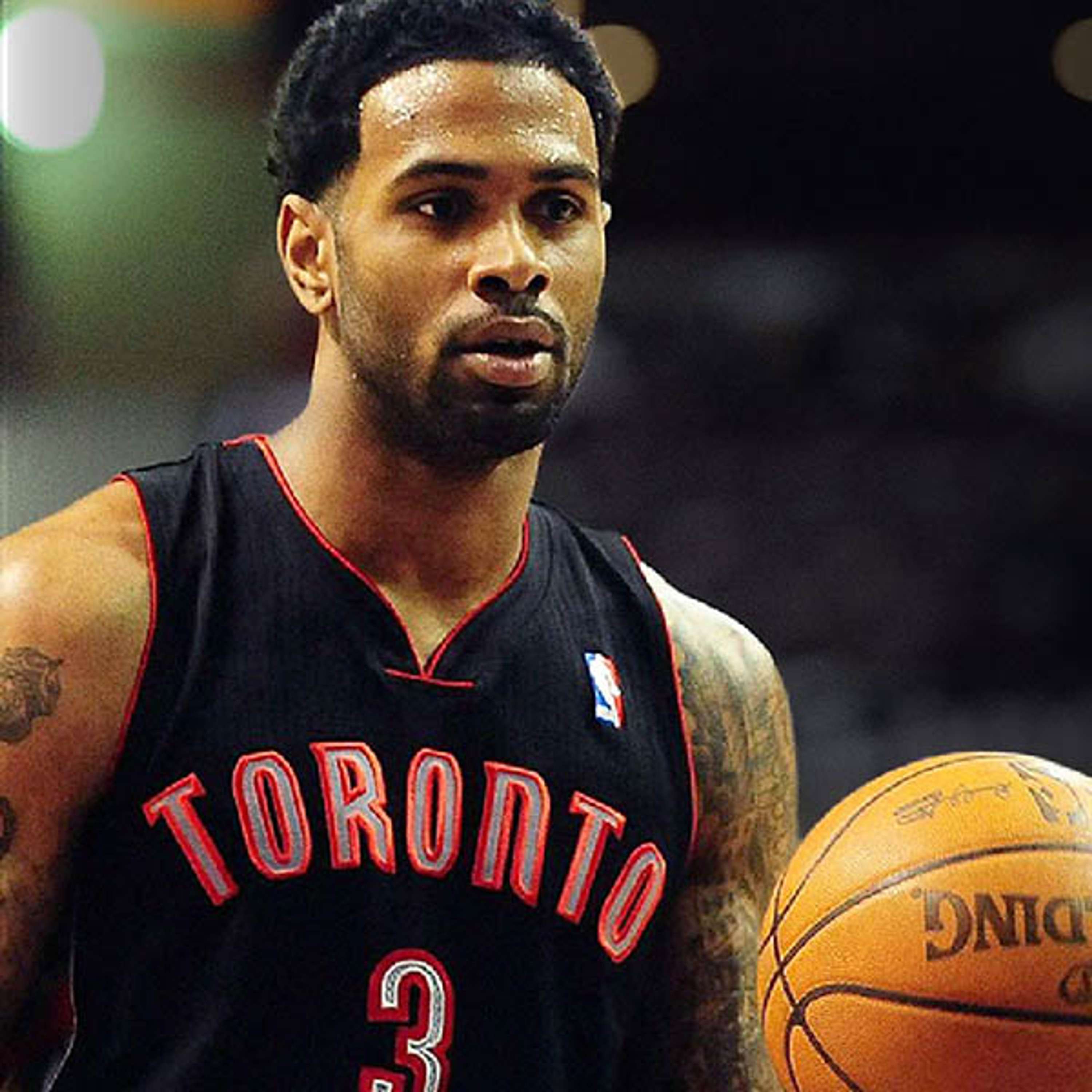
Taking Control Of Your Diabetes® - The Podcast!
Diabetes and Exercise with former NBA Player Gary Forbes
00:35:18
Loading summary
Transcript64 lines
- [00:20]
A
When you have diabetes, you truly can do anything, including playing for the NBA. So we're going to get into this and a lot more on today's edition of the Taking Control of your diabetes podcast. I am one of your hosts, Dr. Jeremy Pettis. I am joined as always with my good friend and colleague, Dr. Steve Edelman. So if you're just tuning in, Steve and I both have type 1 diabetes. We were diagnosed at the age of 15. We're both adult endocrinologists, University of California, San Diego, and work for the not for profit TCOID that Steve founded about 30 years ago.
- [00:52]
B
About.
- [00:52]
A
About. So we're going to introduce our very special guest in a second here, Gary Forbes, who is an NBA living with type 1 diabetes. And we wanted to set up this topic really obviously to hear his story, which is very compelling, but to let people know that, yes, if you have diabetes, even type 1 diabetes, you can achieve even this kind of like, excellence at all these different levels, including joining the NBA. But also aside from being an NBA player, which, let's face it, Steve, that time has passed for you and I. How do you exercise with diabetes? How do you manage the lows and highs and managing insulin and all these things? We always say that exercise is potentially the most difficult thing that we struggle with. It's good for you. You gotta do it, you gotta move. It makes you feel better, but, man, it can make your blood sugars go on a roller coaster. Anything to add there?
- [01:49]
B
I would say no. A lot of people think, well, exercise is great if you have diabetes, but it can really mess up your control. And I can't imagine, Gary, you'll tell us your story, but you know, the intensity of the exercise, you know, there's the resting, the intensity, and then you gotta deal with coaches and all these other people that are watching everything you do, how many points you score, how many steals you get, you know, so it's gotta be a lot of pressure, too. And you played for a number of.
- [02:18]
A
Years, I was gonna say. So Gary, type 1 diabetic, we're getting into when he was diagnosed, former professional NBA player, played with the Rockets, Nuggets, Toronto Raptors, Brooklyn Nets also, and I want to hear a lot about this. Gary, founder and publisher of the Soul Survivors, a comic book series geared empower kids who face chronic health challenges. Kudos to you to using your platform for such a noble cause. So tell us, say hi. Tell us about yourself. Get into your story.
- [02:44]
C
How are you guys doing? I am happy to be here. It's an honor. And thank you guys, for having me. Like everybody said, Gary Forbes played in the NBA for a couple of years. Played professionally, total 12 years all across the world. Been to different countries like Asia, Asia, Italy, Saudi Arabia, Argentina. Pretty much got my passport stamped a lot. But I am one of three players to have ever played in the NBA with type 1 diabetes and the only African American, Afro Latino to ever play in the NBA. First. You know, I'm sure there's going to be many more, you know, after me, and I hope so to, to see that. And I would, you know, very happy to have laid the foundation for anyone that's following behind me.
- [03:33]
A
That's amazing. I didn't know that stat. I mean, obviously there's other ones in the NFL too, and. Right. All these other things, but that's pretty impressive.
- [03:39]
B
First, Gary, give us a couple lines. Where were you raised?
- [03:44]
C
So I was born in Colon, Panama. I don't know if you guys ever been to Panama, but it's one of the most beautiful countries in the world. Obviously, I'm biased. Raised in Brooklyn. Raised in Brooklyn, New York. And I went to college at the University of Virginia first and transferred to University of Massachusetts, and then my professional career began.
- [04:06]
A
Well, tell us. So you glossed over something important that happened at the University of Virginia. So you're 19?
- [04:13]
C
Yes, I'm 19.
- [04:14]
A
You come down with diabetes. You probably had no idea what that was. So walk us through that. What was that like?
- [04:19]
C
I did have a little awareness of it. My father was a type 1 diabetic. My grandfather passed away from it before I was born. But my father was a type 1 diabetic. He was an Olympic lifter, cyclist, worked on the Panama Canal. So I think for me, having my father as my, you know, someone, my hero, basically the superhero to look, look at and not see any weakness, not see, you know, he never, never wanted me to have a. Oh, woe is me. Feel bad for me because I have, you know, this challenge or whatever being, you know, West Indian, how we grew up. You know, you just face whatever the challenge is head on and, you know, you figure it out and.
- [05:05]
A
Opposite of weakness, right? I mean, he's an Olympic lifter, for crying out loud.
- [05:09]
C
Yeah, man. He's. He's. He's a strong guy, man.
- [05:11]
B
And you didn't want to piss him off either. You know.
- [05:14]
C
That too. That too. That too. He. He always had a. He always had a. He's, he's big on representing your name and what you stand for. So anything that I was ever going through, he'd always Say, hey, you're a Forbes, so whatever your last name is. I'm sure if my last name was, you know, Williams, he would have been saying, you know, you're Williams or. But he always said, you're a Forbes, you can do anything. And you know, he implemented that. I didn't realize these little things that he was saying would, would help me in my experience, living in life as an adult, you know, all through, you know, my athletic career. And he was just doing it, just, you know, how he lived and, you know, he was filling me with optimism. I think that's my superpower. It's like whatever I go through, I always have an optimistic belief that, you know, I can and I will and.
- [06:06]
B
You'Ll do the same with your new son. So congrats on that.
- [06:09]
C
Yes, I'm already doing that.
- [06:11]
A
We were just talking that you have a 13.5 week old son at home before we started, but yeah, so, all right, so you're 19, and I'm gonna guess you start getting thirsty, you start peeing, you start maybe losing some weight, maybe your vision's a little blurry. Did you say, okay, here we go or how that did. You know what it was?
- [06:33]
C
So I'm at the University of Virginia and I remember we were drinking these Gatorade protein shakes. I was lifting, we were doing obviously our lifts. I went into College at 189 pounds, so I was super, super skinny. Well, not super skinny, but not as big as I would have wanted to be going into college. But I was thinking, man, I'm playing in the acc, playing against Dukes, North Carolinas, all these, you know, big time, you know, universities. And I wanted to, you know, be strong enough to hold my own and, you know, be the best that I could. And I remember my father would always tell me, you know, you got to look at the back of the nutrition, I mean, the nutrition facts on the back. And I remember the, the, the, there was 56 grams of sugar and another like 36 grams of added sugar in it along with the. And he was like, oh, you don't need to drink that. And you know, you can do, you know, you can get it from other places. And I'm obviously being a 19 year old and stubborn and hard headed. I'm like, ah, you don't know what you're talking about, dad. Like, you know, I got this. You know, these are trainers, they know what they're talking about. And after the first month after my freshman year, I was £226. No, £225. So I gained around £35 in a year. You know, obviously my father is an Olympic lifter, so I knew all the, all the tricks to, you know, lifting and getting bigger and stronger. And I remember that summer when I went home for a break, going home, and I'm literally drinking gallons of water a day. And then literally right after I drink the gallon of water, I have to go to the bathroom. And I remember the first day, check my weight. I'm like, all right, 221. Second day, two, 17 something. Oh, man, I'm probably not working out enough. Go work out, lift. I eat, you know, big plate of food. Next day, 2:12. By the end of the week, I was 192 pounds. So like my, you know, my face had sunk in. Everything, I just felt dry. I was like, just, just confused. Almost had a. I thought I had a urinary tract infection. How many times I was going to the bathroom. And I remember on my ride back to school, my brother, one of my older brothers, he was driving me back to school and I was like, we had to pull over to the side of the road. It's a three hour drive from Baltimore to Virginia. We maybe pull over to the side of the road 30 times and he's just like, you know, like, what's wrong? He was like, what's wrong with you? He's getting mad at me. Like, how many times we have to stop and you can't hold it. I'm like, no, I cannot hold it. So we get to University of Virginia, I take the test and you know, it came out. Actually I was diagnosed with type 2 at first. I was diagnosed with type 2 diabetes.
- [09:29]
A
That's worth pausing for a second here you are a 19 year old, super fit kid with a dad with type 1 diabetes. And I mean, if the red flags aren't there, like to look into type one, I don't know what else is. The sad thing is we hear so many stories like this. People diagnosed with type two, they're frustrated. It can go on for years sometimes before they get the right diagnosis. So they. There really is a lack of awareness in the healthcare community that anybody that's not four years old can still get type 1 diabetes. You can get it at any age. And so how did that evolve? Then they told you you had type two. I mean, your dad must have stepped in at some point, right? And said, hey.
- [10:09]
C
I mean, unfortunately they were living in Atlanta, so I wish he was there, around. I'm sure that he would have went in there and gave him a Piece of his mind and kind of changed things. But I was by myself, living on campus, you know, by myself. So I had to kind of figure it out on my own. So my first, the first year being, you know, living with type 2, I was only taking Lantus insulin at, at the time. So it's like kind of, they said it's like the honeymoon period. So the first two, three months it was still, you know, still eating the same foods. Blood sugar levels were, you know, pretty, you know, pretty stable. But I transferred to University of Massachusetts after my sophomore year and I remember being at practice and I was checking my blood sugar and you know, I would spike after every single, you know, every single practice, every single meal. And it's like in the three hundreds every single day. And it's like I'm basically chasing my, you know, chasing the numbers. And obviously the long acting insulin isn't going to do it as quick as, you know, short acting insulin. So take a whole nother test, get re diagnosed and I have type 1 diabetes. Oh, but I remember my, after I was diagnosed, my, after my freshman year, they gave me, they had the tests and they wanted to make sure that I knew how to use a syringe. And they try to make me use it with the saline water. And I was super fearful of syringes and needles. I didn't want to take it. I missed my. I remember the next day I was sitting in my dorm room and I missed class that day because I was looking at the vial and the syringe. It's like, I'm not taking this, Like I'm not doing this. I called the doctor, I was asked him, I was like, is there any pill that I can take? Is there something else other than me injecting myself with insulin? And it was like, nope. But fast forward to being at the University of Massachusetts. Great, great doctors, great team care physicians. It was just amazing to be there to have that, that group kind of hold me accountable, to make sure that I was making the right choices, making the right health choices, make sure that I checked my blood sugars before practice, during practice, after practice, making sure we had a kind of a stable level of where I feel comfortable and they also feel comfortable in what I'm doing.
- [12:39]
A
So can I ask, it sounds like you're sophomore, maybe 20 years old when you get the right diagnosis. Yeah, you got the supportive staff. But like you mentioned at the top, you're one of three NBA players with type 1 diabetes. So what was were you thinking? My life's over. My career's over. Were the coaches telling you that? What was the messaging around that?
- [12:59]
C
So the doctor at University of Virginia rolled. I literally, I can still remember the day. I'm sitting in the, in his office, he rolls the blinds down, closes the blinds and he says, you know, you have, you know, you have diabetes. I'm not sure if, you know, basketball is in your future. Maybe you need to focus on something else. Obviously you'll still be playing basketball, but you know, put your, you know, don't put all your eggs in this basket. Maybe focus on something else. And I went home. I'm, I'm very hard headed. I was like, I don't think he knows what he's talking about. My dad, my dad always had this saying, you know, plan A is plan A, plan B is to make plan A work all the way to Z. So, you know, plan A was getting to the MBA no matter what. I didn't know how, I didn't know when, but I knew I was going to get there.
- [13:50]
A
Wow. Well, okay. So you have this good attitude with it. And again, I think your dad must have been so helpful, at least knowing, seeing that this was you can be an Olympic athlete. So then how did this evolve? Let's say now you're a junior senior. Get specific about how diabetes affected exercise or vice versa. Like how did you come to terms with that? Were there some things that you saw? You already mentioned spiking after practice. Was that still your main issue or what was it?
- [14:19]
C
Yeah, with some certain times, you know, I would obviously, like you said, said earlier, it's like it was kind of like a roller coaster. We would, we would practice really, really hard with Travis Ford. Travis Ford was a really, really tough coach. We would, we would run a lot in practice and I had a group, I think the, the teammates that I had at the University of Massachusetts helped me. You know, being from New York, you know, you have tough skin, you're able to, you know, if you can make it in New York, you can make it anywhere kind of attitude. But I remember I would have to go to the side to drink, you know, some Powerade or something like that to. Yeah, I'm feeling kind of, you know, a little, you know, woozy a little bit. And they would be like, ah, nothing's wrong with you. But not necessarily being hard on me. They wanted me to make, they wanted to make sure that I, you know, took care of myself and, you know, kind of made me. It was almost like a challenge to prove them wrong or prove them wrong, prove myself right. That I can be out there. I'm still running the same sprints with you guys. I'm still practicing the same amount, and I'm even practicing, working out after practice. But, you know, during. During the games and during practices, the team doctors, we always had a kind of range that I had to be in. It was anywhere from 140 to 180. They wanted me to be in that, that, that range to practice and play games. And we would check in the middle of practice, we would check after practice. You know, either I was still in that range or, you know, if I was low, obviously they have, you know, snacks and juices for me to take home. So they made sure that I had everything available to me, that no situations, no occurrences happen.
- [16:01]
B
Let me. Let me ask you, Gary. Your type of therapy has changed over time, and I'm sure continuous glucose monitoring made a big difference in your life. And could you share with us what you're doing now and how are you doing whatever you're using?
- [16:17]
C
So I have a cgm. I've been using the CGM now for a year, granted. That's it. Yes, that's it. That's it. Two years now.
- [16:26]
B
You're a stubborn Forbes. I'll tell you.
- [16:27]
C
I am. I am. I am. I was super, super stubborn. Just figured, I'm saying, you know, I played in the NBA, so I can figure this out. And I've, you know, I was able to do it. I had. I could tell when my blood sugar was high. I could tell when my blood sugar was low. I had this good feeling, you know, this good relationship with my body, with myself, how, you know, what foods. I was very strict on my diet, obviously playing professional basketball. So I kind of ate the same thing every single day. So I was kind of very strict and obviously not playing anymore. Going overseas kind of very, you know, changed that perspective on what foods did to my glucose and, you know, how I was able to manage it playing overseas. I remember my first year playing in Italy. I was taking. Before I left, I was taking 30 units of Lantus a day along. I had a sliding scale of maybe 8 to 8 to 10 units of humalog a day with, you know, each meal. So I remember my first. First couple of practices in Italy, and granted, Italy, we. They ate a lot of carbs. There's bread, there's pasta, and I was having low blood sugars after every single practice. Every single practice. And I was, you know, kind of, you know, I'm eating pasta. You know, why is this. Why isn't my Sugar is going or why are my numbers going up? And I go to the endocrinologist there. In Italy, mind you, there's no team doctors. It's not like in the US where, you know, you have the team doctors there. I had to go to a hospital and, you know, pretty much learn, relearn everything on my own or not, not relearn, learn everything now on my own. Because in college I had, you know, staff and, you know, team doctors basically taking care of me. So that kind of matured me to take health and, you know, health seriously and my, you know, my diabetes diagnosis a lot more serious. I had a lot of low episodes after practice and, you know, I've come to realize that the food is different overseas than it is here. So being overseas, I was able to cut my Lantis, cut my Lantis in half to 15 units and I was able to cut my, my Humalog dose to in half. So it was like a 4 to 6 unit scale per meal. So that was, that was a life lesson and a learning lesson in managing my Type one well.
- [18:59]
A
Yeah, I mean, as you're talking, I'm thinking, what a nightmare. The things that send my blood sugars reeling are exercise and travel. Exercise we'll get into, but then travel, just actually traveling, getting on the plane, time zone change, hope that you pack everything that you need. And if I've ever dropped a vial of insulin on the ground, it's been when I'm in a hotel room somewhere and it cracks open and you don't have the doctors around, things like that. And then you're tackling foreign foods that you're not used to. And how does this handle or, you know, how does it affect your blood sugar? That's a lot to handle. But, you know, I wanted to talk a little bit specifically about exercise. And I think again, it's tough for so many reasons, but I think people struggle because they want one statement like exercise lowers your blood sugar, exercise raises your blood sugar. But it's like a three hour conversation on. It really depends on the time of day. The people are more insulin resistant in the morning, they're more sensitive at night. So it's easier to go low at night and it's a little bit harder to go low in the morning and then the intensity of the exercise. So depending on that, you might go low during a game or during practice. If you're taking it a little bit easier. If somebody's walking, for example, that might drive them low. But if you're sprinting, that might make your Blood sugars go high. So it really depends on the type, the duration, if it's weights versus cardio, all these kinds of things. And did people walk you through this or did you kind of have to. Trial and error. This is how this affects my blood sugar. Sugar.
- [20:30]
C
Yeah. Everything was trial and error. It's funny that you said walking. I was just walking with my son. I walk with my son every morning. And the other day I probably didn't walk as early as I usually do, around 8am but I start, you know, walk them around 10am and we did maybe a mile to the water and back. And I came back and my blood sugars were tanking and I'm like, all I did was just walk. I took my long acting, which I do in the morning. And what's the, what is the, what is the theory? When you wake up, as soon as you put your foot on the floor, your blood sugar spikes. Yeah.
- [21:02]
B
Foot on the floor syndrome.
- [21:05]
C
Yeah. And that, that drove me, wow. For maybe two to three months. And I was like, I'll check my blood sugar. Let's say it's like 160, go, you know, wake up, feet on the floor. And I go brush my teeth. I come back maybe 10 minutes later, it's like 196. And I'm like, I, I didn't, I didn't do anything. You know, what's happening to my, to my body. But, you know, coming to understand how, you know, how the, whatever the foot, you know, foot in the floor syndrome and, you know, that was very interesting to go through.
- [21:39]
A
Yeah. And I would say, just like you were saying, you get three people, type one eating the same thing. For me, again, when I exercise at different times of the day, different effects. So I started doing spin classes. I do a spin class in the morning. I usually go high. Maybe if I'm lucky, my blood sugar will stay kind of like where I want it to be. I do it in the evening. I'm going to go low every time. So just people realizing the effects of time, of day is one thing. The other thing that we preach, I want to get your opinion on this, is that if you're doing a high intensity exercise, which I'm sure an NBA game is, what can happen with people that they're doing a spin class or they're running or something. As soon as you stop that high intensity exercise, your adrenaline's still going, you're still mobilizing glucose, but you're not burning it. So that's when people can get that spike after exercise and we preach a cool down, you know, stretching, walking around the block, things like that. Is that something you've incorporated or you did or you do?
- [22:37]
C
Yeah, I've just started to do the cool down sessions after working out because like I said, my stuff is kind of almost like trial and error. I do work with an endocrinologist now, Gary Scheiner.
- [22:49]
A
Oh, yeah, we know Gary. He did a podcast.
- [22:52]
C
Yeah, yeah, Great, great, great, great, great guy. And he gave me a lot of tips. You know, still learning at being 20 years with, you know, with this health challenge. But even. Yeah, the cool down after runs or after lifts. I lift every morning at 5:00am that's my, that's my routine. I like routine. So that's my routine every morning I wake, lift and usually like weights and things like that. Every Wednesday I have a, have a thing that I post we outside Wednesday, so I make sure that I do some cardio outside or any type of outside workouts. And Monday, Tuesday, Thursday, Friday, Saturday are totally different than Wednesdays. And it's, it's, it's funny because, you know, I run four or five miles every Wednesday and my sugar's kind of stay, you know, stable throughout, throughout the run. But when I'm lifting, you know, it's either, you know, shooting up in the morning. I mean, after, literally after lifts, it's like you said, the adrenaline is still pumping. And last year I learned about, you know, the liver releasing glycogen and that.
- [24:03]
B
You sound like a doctor.
- [24:07]
C
And that was, that was, you know, strange to me. And it's like I'm lifting, I'm sweating, I'm burning, you know, all this, you know, you know, all this energy and how am I, you know, how am I not stable or how am I not even dropping low because I'm always carrying some kind of snack in the gym. You know, I have a gym in my building and I never really have to use it, so I'm all. It's almost like for the last. Last year was almost like I was chasing my numbers. Every single time. It's like, ah, my numbers are still going up. I got to take two more units of insulin. And then now an hour, hour or two later, now I'm tanking. It's like, all right, now I gotta eat a big bowl of cereal or something like that.
- [24:44]
A
Well, you're saying every day at 5am that's kind of the good news. Bad news about diabetes and particularly type one is it responds to routine. So when you can get in a routine, it can be very Helpful. The flip side of that is when you're traveling, you're doing these things that are different. That's when things can get kind of off the rails. So as much as people can trying to exercise at a certain time of day or certain days, it seems like you've found your routine. And it just takes one of those variables, one of the 3,000 variables maybe off the table to help you stay a little bit more in range.
- [25:19]
B
You know, Gary, I'm totally amazed because, you know, you've done this being on multiple daily injections. Most of the time you been pricking your finger because you're so fricking stubborn about cgm. So Gary, when I exercise, I go for cycling. I have one of these hybrid closed loops where it gives you insulin when you need it, turns off when you don't. And you could do all these pre exercise settings like reduce your basal and you're doing this on your own and you're doing a damn good job. So I'm very impressed. And you're self taught with a little bit of help from others.
- [25:56]
C
Just recently I just checked my A1C with seven. Yeah, with seven the other day saying I'm very tough on myself. Seven is still too high. I mean, when I was playing in the NBA, my, my A1C was like in the low sixes. So it's something I'm still, still working on. And even, I want all the listeners to even take kind of heat for this. I mean, it works for me is I kind of, I don't like to put the word disease, you know, behind it because if you think about a disease that sounds like something that's, ah, man, I, you know, I'm never going to be able to, you know, get past it or overcome it. Whereas in my, you know, in my storytelling with the soul survivors, I call everything a health challenge. And I feel like humans have such a great power to create. I mean, we created, I created life. So, you know, if I could create life, I can, you know, create my own experience. And you know, calling something a challenge, it almost gives you this feeling that I can overcome this versus, you know, man, I have a disease. It's like, man, this is something that I can't overcome or something that's too difficult for me.
- [27:10]
A
Well, thank you for that.
- [27:11]
B
So can I just say one quick thing, Jeremy, you mentioned about 7A 1C and 7 is excellent. So, you know, I wouldn't beat yourself up for that. And I would guess that you had lower A1Cs when you were playing because you probably had more hypos, but that's just a guess. So, Ike, yes, seven is. That's a great number.
- [27:32]
A
And I think, yeah, the comment I want to make about that is, yeah, we preach that there's many ways to get to the goals A, one C that you want to be at. And there's a lot of people that kind of feel like they're a bad diabetic if they're not on a pump. The latest, greatest look, if you can get to your health goals, doing your system, more power to you. So figure out what works for you, and that's different for different folks. But I did want to ask you. You mentioned Soul Survivors again, so. So tell us about that. How did you create this? Are you drawing these things or who's drawing them? How's that work?
- [28:03]
C
So I came up with the concepts myself. I'm not a great drawer at all. My tattoo artist actually took my ideas and put it on paper exactly to the concepts that I had. But towards the end of my basketball career, I was struggling to figure out what my purpose was. Wanted to figure out, why am I here? What am I doing? Could have been coached basketball, could have went the college route, coaching college basketball, or could even, you know, coached in the NBA through those. The coaching programs that they had. But I don't know. I didn't feel like that would wake me up every single day with the same passion that I do with creating Soul Survivors. And, you know, I was looking back at my life experiences, traveling around the world, having these low blood sugar episodes and, you know, just being, like you said, learning about, you know, this health challenge every single day. It's a new day to, you know, kind of learn about yourself and learn about, you know, diabetes. So I took my. I was big on cartoons growing up. I loved watching Thundercats and He man and all these. All these different cartoons. So I took those. You know, that. You know, those cartoons and things that I. That I watch. Power Rangers X Men. X Men was one of my favorite cartoons ever, growing up. And I wanted to do that for all the health challenges that are in the world, kind of creating a Marvel universe of characters that have health challenges. X Men were the mutants trying to save the world. And I think, like I said earlier, it's like we all know someone with something, right? And there's. Unfortunately, there's so many health challenges in the world. And I used to see all these commercials about these different conditions, and it was always the kid in the hospital. It's looking kind of sad and. But there's so there's millions of people that overcome these challenges and are doing great things. And, you know, what better way to inspire a child when he's so young and a sponge to, you know, take on, you know, basically whatever you feed this child, whether it be, you know, optimism, pessimism, you know, love, hate, you know, why not feed them with the most positive reaffirming, you know, affirmations that you possibly can. And I wanted to do that through this graphic comic novel series and empower the world.
- [30:32]
A
Well, yeah, I mean, you got two guys, you and me, doing really good, just extremely good looking and Steve living with these chronic conditions. So, so tell us what, like, where can people get these, Are these physical? Are they just online? Both? What's, what's going on?
- [30:48]
C
Yeah, they're both physical and digital. I would suggest everyone go to www.thesoulsurvivors s o l e survivors.com and you know, I signed those and send them out to everyone. And it's more than just a graphic comic novel series. There's a trilogy out now. So the three. There are three out now. The third one just came out for Diabetes awareness Month. So about the two characters with type one and type two, one of the guys is, one of the characters is my story. So he has type 2 at first and he will eventually, you know, get rediagnosed in the, in the story to type one. And it's, it's more than just a comic novel series. It's a lifestyle, it's a movement. I want to create a, I'm creating a marketplace, kind of like a Amazon Alibaba for every single childhood health challenge in the world. I want to create a character for every single, you know, superhero for every single childhood health challenge and to, you know, remove the stigma behind not being able to do something with a health challenge. Because I was told that and I obviously am a living testament of proving it wrong. And, you know, I want to, I want to become an, I want to be an idea. It's like, if Gary Forbes can do it, so can I. And if I'm able to do that, I've done it. I've had many parents, you know, DM me on social media and it's like, you're such an inspiration. Thank you for being who you are. And I was just doing what I love to do. I love to play basketball. I love to be a positive, you know, outlet for the world. You know, I'm always very optimistic and happy and if I can change someone's mindset One person's mindset. I think I've done exactly what I was supposed to do here. So want to obviously expand that and you know, make the world kind of have that same mindset.
- [32:48]
A
Well, thanks, Gary. I think that's super impactful and thank you for doing that and not only using your platform to help others with type 1, but looking beyond that sounds like to just these chronic conditions and I only have enough room in my heart for just type one, so I gotta start expanding to these other things. I'll get there.
- [33:05]
B
Gary, really, really motivational, really appreciate listening to you. But don't forget Tom and Jerry, those two guys.
- [33:13]
A
He's a different generation. I'm with you with X Men and his kids.
- [33:17]
B
Love it when they come over, but we really appreciate it and we will put your website up on at least the YouTube screen and I'm going to follow from now on.
- [33:29]
A
Yeah, no, Gary, this has been fantastic. We really appreciate you taking the time. Everything you're doing, please stick with it. I know everybody listening is motivated by that story. But also just, you know what, if this guy can play in the NBA, I can get out and go for a walk safely with my diabetes. Realize it's still going to be a struggle, but it can be done. So thank you so much. Yeah, yeah.
- [33:52]
C
And if I could, I live by cliche sayings. So one of the things that I always kind of say to myself every single day, you know, doubt your doubts before you doubt your faith, which is in the comic book series. Also, your present situation is not your final destination. So for everyone that's going through challenges, know that there's always a hope for a better tomorrow. Just being optimistic. And if you think you can, you're right. If you think you can't, you're also right. So it's your choice.
- [34:23]
A
Love it.
- [34:24]
C
Wow.
- [34:24]
A
Yeah, that sounds like a poster you slap before you go out to court. You know, that's awesome, Gary.
- [34:30]
B
It's been awesome speaking to you.
- [34:32]
A
Really has. Love it. Thank you so much. You know, hope to maybe do this again, something else with you in the future, but we really appreciate it.
- [34:38]
C
Yes, for sure, for sure.
- [34:39]
A
Taking the time. So if you're listening, like subscribe, follow, send this to your friends, all that kind of stuff and we'll catch you on the next one. Thanks so much.
- [35:04]
C
Sam.