← Taking Control Of Your Diabetes® - The Podcast!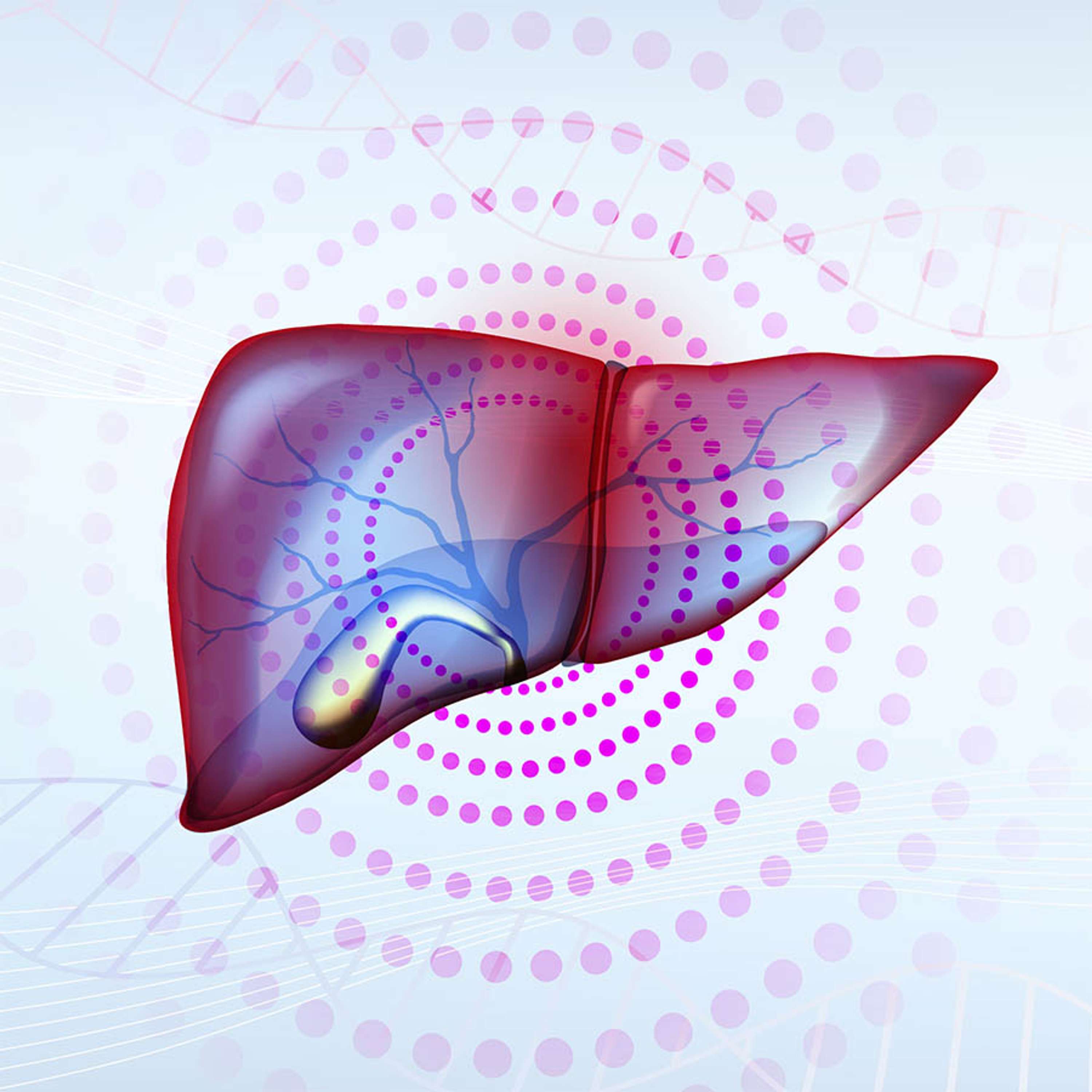
Taking Control Of Your Diabetes® - The Podcast!
Diabetes and Fatty Liver Disease with Dr. Juan Pablo Frias
00:33:58
Loading summary
Transcript65 lines
- [00:20]
A
Are you overweight? If so, there's a good chance your liver is overweight, too. That's right. You can get fat in your liver and can cause all kinds of issues. And we're going to get into all this on today's episode of the Taking Control of youf Diabetes podcast. I am one of your hosts, Dr. Jeremy Pettis, joined as always by my good friend and colleague, Dr. Steve Edelman. And if you're just tuning in, Steve and I have had type 1 diabetes since we were 15. We are adult endocrinologists, University of California, San Diego, where we see patients and do research, and we both work at TCOID, taking control of your diabetes that Steve founded about 30 years ago. So thank you for joining today's episode. Yeah, we're gonna talk broadly problems that can happen with your liver in people that have diabetes, specifically accumulating fat in your liver and how that might lead ultimately to liver failure. So educating people on this topic, that is really kind of underappreciated. It's not talked about a lot. We're joined by a very special guest that we're going to introduce in a second. But, Steve, anything off the top you want to kind of mention to the people why we're doing this topic?
- [01:28]
B
Yeah. Well, first of all, it's important that I don't think this topic is discussed in education classes for people with diabetes. I've never seen a program on it. And it's so important and it's so closely linked to many other of the metabolic abnormalities we see in people with diabetes, including heart disease and kidney disease. And I know no one better than our good friend and colleague, Dr. Juan Pablo Frias, who was an endocrinology fellow at UCSD, where he got his endocrinology training like you, Jeremy, and really has had an. A lack of a better word, illustrious career in medicine, working for several pharmaceutical companies and has special interest in fatty liver. And we're gonna talk about all the fancy definitions of that in a second. But you call my liver fat again, Jeremy, there's gonna be a brawl on this podcast. So, Juan, say a few words about yourself, more than I gave you.
- [02:28]
C
No, absolutely. And I clearly trained at UCSD many years before, Jeremy, but great to be with both of you, both very good friends and colleagues. And as Steve mentioned, you were my fellowship director way back when at ucsd. And I've spent time in the pharmaceutical industry, but also in practice. And in fact, I ran a clinical research center in Los angeles for about 10 years. Saw a lot of patients with type 2 diabetes. And really started noticing at that point just how many of these patients had either slight elevations in what are called transaminases or test blood tests that can tell us something about liver and liver health. And also on ultrasounds that showed increased fat in the liver. And got very interested in this myself when we started doing a number of clinical trials in these patients. And I think as you mentioned, Steve and Jeremy, this is an extremely important topic and I would say, quote, unquote, fatty liver is, if you will, the metabolic manifestation or the hepatic manifestation, I have to say, or the liver manifestation of this metabolic syndrome and as we'll discuss, is much more common in people with type 2 diabetes and also people with overweight and obesity.
- [03:54]
A
Yeah. So thanks Juan, and thanks again for joining us. So you know what is fatty liver? Is it simply is as simple as getting fat in your liver. And you know, next is why is it a problem?
- [04:06]
C
Yeah, so it, I would say it is sort of as simple as getting fat in the liver. So it is defined as having greater than 5% of the liver being fat. And it can come from over consumption of fat or eating too much and becoming obese. But in people who are insulin resistant, which is basically a very important component of pre diabetes and type 2 diabetes and obesity, the liver also produces too much fat. And this is called de novo lipogenesis. So not only is the liver making more fat, but a lot of times in people who overeat and are overweight and obese, more fat accumulates in the liver. And in fact it's defined as greater than 5%. And at that point that is defined as so called mastled or metabolic dysfunction associated steatotic liver disease, which is a mouthful basically meaning fatty liver. And the reason it could be so negative is that fat in the liver is very toxic to the liver, if you will. It can cause inflammation. The liver does not like having too much fat there and as we'll discuss can cause other issues. So hepatitis or inflammation which can lead to fibrosis or scarring of the liver and potentially even cirrhosis. So the fat or the liver does not like having too much fat in it. And having over 5% liver fat defines quote, unquote fatty liver.
- [05:36]
A
Got it. Go ahead, Steve.
- [05:39]
B
You know what, 5% doesn't seem that much to me. But obviously the normal liver has 0 fat and I would bet that the incidence of fatty liver has gone up with our degree of obesity over time. And the other thing I was going to add to your list of what can go Wrong. I've been reading about hepatocellular carcinoma. So it's, you know, I know that's associated with more end stage fatty liver disease. So it seems to be way more common and talked about in the medical world compared, you know, than compared to years past.
- [06:18]
C
No, no, no, absolutely. And if you look at the numbers actually in the United States, it's estimated that in adults in general, so this includes people with and without diabetes, it's about 40% of adults. So it's a large number. I mean it's more than one in three have at least some degree of fatty liver. Now you're right, 5% doesn't seem like much, but some people have 10, 20, 30, 40%. I mean it gets, you know, it starts accumulating. So about 40% or so have so called masold, which is fatty liver without the inflammation. But more importantly, some of these people progress to so called MASH or metabolic dysfunction associated steatohepatitis. And what hepatitis means is inflammation. And this is a more aggressive form. And it's estimated that about maybe 5, a little over 5% of the overall US population has MASH. And if you look at people with type 2 diabetes or even with pre diabetes, the incidence of both mass sold, so just fat in the liver and MASH fat in the liver with inflammation is about twofold higher. So in people with diabetes it's much more aggressive. And you're absolutely right, Steve. People that get MASH or the inflammation, as I mentioned, some can then go on to get fibrosis. And having a lot of fibrosis or scarring leads to cirrhosis and that can increase the risk of cancer of the liver or so called hepatocellular carcinoma, but also liver failure. And it actually is in the United States today, this metabolic liver disease or fatty liver is the leading cause of transplantation of the liver. So liver transplant in women, so it surpassed alcohol, and men it's alcohol number one, metabolic liver disease number two. So it can be a very important problem for patients and a problem as we'll discuss as we move forward here, that can be addressed. Particularly we realize early that a patient has this and one of the issues with it is that it's generally not symptomatic. So a lot of times you wouldn't even know you have it unless it's actually tested for.
- [08:36]
A
So Juan, let me ask you, so if somebody, you said people with type 2 diabetes are higher risk of that, of getting these conditions, how much of that is just because that tends to run with them being overweight or obese. Is there something additional about having type 2 diabetes on top of being obese that increases this risk?
- [08:54]
C
Yeah, that's a great question. And there is having so called insulin resistance. So this insulin resistance increases the amount of fat that is made by the liver. That's one thing that the liver does and remains in the liver. And also the fact that most people with diabetes are with type 2 diabetes anyway are overweight and obese. So it is something specific to type 2 diabetes, which would be the insulin resistance and then the overweight and obesity. And in fact, if you have type 2 diabetes and you are obese, the risk is even greater. So obesity, even without diabetes is a risk factor for developing metabolic liver disease or fatty liver.
- [09:37]
A
All right, so people are listening, they're thinking, gosh, I got to keep an eye on my kidneys and my heart. I got to get my eyes checked every year. And now you're telling me my, you know, there's a good chance I got all this fat in my liver. So how vigilant do I need to be? How do I test for it? How do I know if I have it?
- [09:51]
C
Yeah, no, that's great because as I mentioned, the reason that oftentimes, you know, you wouldn't even know you have it is because you. There generally are no symptoms. And oftentimes, particularly in the past and even today it's found sort of what we call by incidentally, like you may go in for an ultrasound because you have some belly pain and they're looking at the gallbladder or something and the radiologist will say, oh, there's increase what they call echogenicity and there's too much fat in the liver. And then you get diagnosed with fatty liver or you have blood tests and there's some tests called the ALT and ast, which are liver tests and those may be a little bit elevated, which may predict that. But there are guidelines today. I mean, it's an important enough disorder and the fact that it can be treated and you can halt this progression that we were talking about, that there are screening guidelines and the recommendations in general, either from the liver societies or the diabetes societies, a number of different societies, are that if you have two or more so called metabolic or factors that make up the metabolic syndrome. So where there's high blood pressure, obesity, overweight, high cholesterol, for example, you should be tested if you have pre diabetes as well. If you have type 2 diabetes, you should undergo this testing. And also someone who has an elevation in their liver test or is sort of incidentally found to have increased fat. Based on an ultrasound, they should have a very simple test that your doctor can do called a Fib 4 index. And this is basically, it's based on blood test, the platelets and these two liver tests that I mentioned, the ALT and ast, and then your age as well. Your doctor should know how to do this. I mean, it's a little calculator. It's in a bunch of apps. And you know, oftentimes actually there are labs today that actually report that when the, when the labs are done. And that can give us a very good indication if you have fatty liver disease. And probably more importantly, if there is not only hepatitis or inflammation of the liver, but if there is fibrosis. And having this scarring of the liver is the most important thing for your doctor to know. And that could be based on this fib 4, this calculation, they can say, hey, you're fine, or maybe lose a little weight. You know, you may have some fatty liver, but you don't have any fibrosis. So we'll just watch this. Or, wow. Based on this value, you may have significant fibrosis. And we need to do some further testing and probably go see a hepatologist or a liver expert. So these screening tests should be done by the diabetes expert or your primary care physician. And quite frankly, if you're out there and you have type 2 diabetes, you should ask your doctor, have I had a screening test for potential fatty liver?
- [12:53]
A
Yeah, I think that's great. Thanks for walking through that, Juan. I think it's important to note about what you said. This fib 4 is made up of very common lab tests. You mentioned the platelets and the liver function test. Those patients are getting that at pretty much every lab draw. I think the potential educational gap is that providers have to take these common labs and plug it into this calculator. And that isn't always done. We actually just talked to Jennifer Green, we did this other podcast with. She said at their institute, they automatically just calculate this fib 4 and put it there for you. At UCSD, they don't. So to be honest, I haven't used this calculator, and it's a wake up call for me to use it a little bit more.
- [13:32]
B
Yeah, I was just gonna add that, you know, the calculator's on the Internet. It's just, you know, you can just plug in the numbers, but, you know, people always get a chem panel. People typically know their age. The chem panel for the listeners has those liver tests that's just routine. So they would need a CBC called the complete blood count, and the platelets are right there. You know, Juan, the other thing that struck me when you're describing all the way from normal, less than 5%, and then a little bit of hepatitis and then cirrhosis is. It's all part of a continuum. And to me, wouldn't you want to be identified at risk with just fatty liver without the hepatitis part, without the inflammation? And to me, if my fib 4 was high, I probably freak out and say, hey, oh, my God, I already got some fibrosis going on. And it doesn't mean I'm not. It doesn't mean you can't halt it or slow it down. But for all of our listeners, you know, this is so important to pick up these things early, especially since they're so common.
- [14:37]
C
No, I agree. And it's very sad to see someone who has been followed for a long time and keeps in their chart it says fatty liver, but nothing's ever been done. And next thing you know, they come in and have cirrhosis. And not everyone. So I have to say the. The progression from what we call simple steatosis or just too much fat in the liver, to inflammation, to fibrosis, maybe even to cirrhosis and to cancer. I mean, you know, it's. The issue is that it's quite variable. You don't know which patient is going to advance faster. We don't know exactly what determines that always, but. But it's not everyone. So I don't want people to get so worried about this. But I think what's important, Steve, is what you say. It's a really good thing to know early because there are things that can be done once, even. Even when you have fibrosis, it can be reversed with significant weight loss. And maybe we'll talk about some medications that aren't yet approved but that are being used. But once you get cirrhosis, it gets a little more difficult. So catching it early and taking some relatively simple actions to reduce the progression or to reverse it is critically important.
- [15:50]
A
Yeah. So would you say that it's safe to assume, Juan, that if people are listening, they have type 2 diabetes, they're obese, it's more likely than not that they have fatty liver, right?
- [16:01]
C
Yes. I would say that's almost 60, 65%. So two thirds will have fatty liver.
- [16:07]
A
Yeah. So a lot of people are listening. They have this condition. The question in research, as I've always understood it, is, yeah, how do we know who the problem people that are going to kind of progress on to getting fibrosis and cirrhosis and maybe even liver cancer. That's what carcinoma means. So people are listening, saying, well, gosh, if I have fatty liver, likely, yeah, shouldn't I be doing something about it now? And what is the treatment? And when I think about treatment, is it just about losing weight? And if you lose weight, can you be comfortable that you're losing fat in your liver too? Is it that simple? Or do I need something specific for my liver or both and even one step before that?
- [16:47]
B
How do you prevent it if you don't have any liver fat in your liver? And then if you get a little bit, what do you do? And it certainly Sounds Having type 2 diabetes is a significant risk factor based on the statistics you were talking about.
- [17:00]
C
Earlier, having type 2 diabetes and being overweight or obese. So I would say a couple of things, things. One, to prevent it, I mean, healthy diet, don't get overweight or obese, and and very importantly, whether you have it or not, if you have cardiovascular risk factors, treat those risk factors. So take your cholesterol medication, make sure your blood pressure is under good control. If you have diabetes, make sure that your diabetes is being well treated. So really in the earlier stages of metabolic liver disease or fatty liver, the biggest issue actually is the increase in cardiovascular risk. So most people will have issues with cardiovascular disease, a heart attack, a stroke, that sort of thing. So really making sure that those cardiovascular risk factors, cholesterol, high blood pressure, don't smoke, those sorts of things are taking care of later on if there is fibrosis and cirrhosis, etc. You know, it becomes more of these liver related complications. But I would say it's not quite as simple as just losing weight. But certainly there are a lot of studies and we know that with weight loss, whether it's 5%, particularly when you start getting into 10, 15% weight loss, you definitely sort of what we call defat the liver. So the fat comes out of the liver and that's sort of the toxin, if you will, that's causing all of the issues. So you should prevent then the fibrosis, the cirrhosis, the progression. But even if you've already progressed, I mean it has been shown that with significant weight loss you can actually reverse the fibrosis. I mean the liver is a very forgiving organ. I mean it can be damaged pretty badly and actually fully recover. So that's sort of the, the good news there. But There are medications too, and particularly the so called GLP1 receptor agonist or the dual agonist. So drugs like semaglutide which is Ozempic or Tirzepatide which is Mounjaro and their counterparts for weight loss as well. So Zepbound and Wegovy and others of these classes of drugs have been shown in very good studies not only to reverse the fat in the liver and cause basically lower the percent of fat in the liver, but also potentially even improving fibrosis. They're not yet approved for that, but they are in later stages of clinical trials. So I think we will see these drugs being used specifically in people with so called fatty liver disease.
- [19:41]
A
Yeah, I'd say the good news there is that we're just using these drugs so much more. I mean we use them for diabetes period. So a lot of people listening will be on these drugs and not realize that they're kind of, not kind of, they are treating their fatty liver disease as well, especially if they've, they're losing weight and their cardiovascular, cardiovascular disease likely.
- [20:00]
C
So yeah, so they're really tackling a lot of these things because they are causing weight loss and they are improving insulin sensitivity or reducing insulin resistance too. So you're right. I mean this is the good news.
- [20:11]
A
Now let me ask you, I'm just thinking, you know, you mentioned healthy diet and what comes to mind is if I'm listening and I'm thinking, gosh, I have diabetes, I've probably got fat in my liver, what does that mean for my alcohol consumption? Like do people need to be more sensitive about drinking when they have diabetes?
- [20:30]
C
Yeah. You know, with, certainly if you have been diagnosed with metabolic liver disease and you have significant fibrosis, again as I mentioned before, sort of the degree of fibrosis is very important with respect to how you're going to do ultimately as a patient with respect to this disease. So you know, it, the, the data are sort of mixed. I think if you certainly in speaking to hepatologists you should, you know, not be binge drinking. If you, if you have some degree of fatty liver disease, it definitely can, can advance it. But you know, two, no more than two drinks a day if you're female, three if you're male. If you have those significant fibrosis. I mean my, my best advice would be to the extent possible, just don't drink. Certainly if you have cirrhosis, not, not to drink alcohol because Steve always tells.
- [21:24]
A
Me, don't get liver disease.
- [21:26]
C
Yeah, it definitely can be, be a very Negative factor. So I, you know, it's, it's probably not good with any degree of fatty liver. But, you know, realistically, if you just have fat in the liver and no inflammation, no fibrosis, moderate drinking is likely. Okay. But more advanced disease, I would be very careful.
- [21:47]
B
Juan, could you comment on this drug Resdifra, if I'm pronouncing that right, which was approved to treat mash, and that's the only FDA approved drug. I think it's probably important to mention that here.
- [21:59]
C
Yeah, it's a drug, it's an oral medication that's a thyroid hormone receptor beta agonist. So basically. And it's very specific to the liver, so it, and it reduces, actually. I mean, it is like you say, it's the first drug that's been approved specifically for metabolic liver disease. And it's been shown actually not only to reduce liver fat, but also to cause a regression or lessening of the fibrosis as well. It's generally prescribed by hepatologists. But this is why I think it's so important to be screened by your primary care provider. And you know, and then follow the algorithm that if you do have fatty liver with fibrosis based on the screening tests, that then you see a hepatologist, because that certainly could be an option for someone with what we call at risk mash. So mash. So the hepatitis with significant fibrosis.
- [23:02]
A
Let me ask you something slightly off topic, but since you've interacted with so many patients in this field, how does this resonate with people? Do they care about fat in their liver? How do you have that conversation? What's that like?
- [23:15]
C
No, I think that that's a great point. You know, and we see so many of these patients. I, I think at the, at the end of the day, it's just explaining this to them that, you know, there is a chance anyway that this could progress to something very important. It is relatively easy to treat. And as you mentioned, a lot of our treatments for diabetes, even pioglitazone has been shown to improve, which is a drug we don't use as much anymore, but certainly the GLP1 receptor agonist. So in a sense, when we're treating the diabetes with some weight management, we're also taking care of the liver as well. And we actually have an instrument in the clinic, a fiber scan. So it's a way of looking at the liver and we can show the patients this is how much fat you have. This is your liver stiffness, which is a measure of the scarring or the fibrosis. And I think that is very impactful as well. So I think given patients, or telling patients about what it is, what the potential consequences are, and I think the good news that it doesn't take a ton to help reverse it, I think generally motivates patients to do something, but they need to at least be aware about this.
- [24:29]
B
I bet you very few of them knew that that could have been an issue compared to, like, heart disease and kidney disease.
- [24:37]
C
Very few. Very few. You know, some do come in and want to actually be tested, which is. Which is great because I've obviously heard this somewhere, but very few. And I think even in educating clinicians, a lot of them, you know, don't really think it's that big a deal, I guess. But again, as I mentioned, I mean, this is the number one cause of liver transplantation in women in the United States. I mean, it clearly is important.
- [25:04]
B
Yeah. One. You know, I was so much of our conversation here reminds me of what we were talking about with Dr. Jennifer Green and the cardiorenal syndrome. And what is the relationship between the liver and the heart and the kidney? That's probably a tough question, but. Yeah, do your best.
- [25:24]
C
Yeah, no, but they're very interrelated. A number of reasons. One is that the insulin resistance, which ultimately is one of the key sort of causes of. Of the fatty liver, also can affect the kidneys, can affect the heart as well. I mean, what these diseases have in common is high blood pressure, high cholesterol, oftentimes type 2 diabetes. These affect all of these organs. And in fact, we're learning more and more that it's this fat accumulation, what we technically sort of call a medical lingo, ectopic fat accumulation. So fat can accumulate in the liver, it can accumulate in the heart, it can accumulate in the kidney, it can accumulate in the pancreas, like in the eyelids, where the beta cells are. So basically, there's kind of fatty everything in the brain. So we want to. That's why keeping weight as normal as possible, being on as healthy a diet as possible becomes so important for all of your organs. And I think we. We're definitely realizing that more and more just how interconnected all of this is and how. And that's why we're seeing where. Where some of these therapies that treat the diabetes also help with the kidneys, also help with heart disease, also help with liver, also potentially help with Alzheimer's. You know, I think there's very interconnected.
- [26:45]
A
Hey, I want to ask you. So, you know, with Weight being so important and obesity, obviously diabetes, and everybody seemingly being on these GLP1 drugs now where they can't keep up with production. And you hear about compounding pharmacies, you would hope that that would be putting a dent in the number of people that are obese or do have this liver fat. Do we see that? Do we see the numbers of people going down? Are we moving the needle?
- [27:12]
C
I don't think we've seen it yet. And even though we hear about these drugs so much, I mean, they're not certainly out to everyone. And even if you look at health disparities, I mean, fatty liver disease is much more common in Hispanics. It's actually less common in blacks due to. Or African Americans due to genetic reasons. But so a lot of the patients that are at highest risk of developing some of these diseases don't have necessarily have access to these drugs. In fact, I mean, if you look at estimates, I think, you know, and these aren't perfect, but around. I'd mentioned at this beginning, around 40% of people are estimated in the US of adults to have mass old or at least some degree of fatty liver. And it's estimated that by 2030, it's going to be about 60%. So it's going up. I mean, maybe it's not going up as, as much as it would go up without these drugs. These drugs are definitely making an impact, but not yet. Hopefully. Hopefully we'll see that.
- [28:08]
B
You know what? I bet you if you asked 100 people, where is your liver, they would have no clue. So since you're on YouTube, can you stand up, take off your shirt and show where the liver is? No.
- [28:20]
A
Okay, Some other time, man.
- [28:23]
C
I think you should show us.
- [28:24]
B
No, I mean, you mentioned that new drug that you had the word thyroid in there, which has nothing to do with the thyroid, which of course is our neck. Where is the. Where can you describe where the liver is?
- [28:38]
C
Right upper quadrant. So it's in your. It's in the top part of your abdomen or of your stomach on the right side. So kind of below, below your ribs on the right side of your body.
- [28:50]
B
Can you just stand up, pull up your shirt for a second? We can make medical history on this. No, you're in good shape. You got abs.
- [28:59]
A
All right, stop.
- [29:00]
C
That's true, that's true.
- [29:02]
A
Well, I do want to say, you know, you're talking about different, you know, ethnicities having different rates. I've read research papers that people with type 1 diabetes are actually at slightly lower incidence of fatty liver. Maybe because we don't secrete insulin right into the liver, and that might actually be protective. I'm hoping you say that's true because we're looking for one good thing about having type 1 diabetes. So is that true?
- [29:26]
C
I don't know that research that well, but it certainly makes sense. But I would say that people with type 1 diabetes have less of a risk because they don't generally have the insulin resistance that a patient with type 2 diabetes has. But they, you know, it, they, they still have a risk. They become obese and, you know, become insulin resistant and. And so certainly there is a risk. But that makes sense. That makes sense.
- [29:53]
A
We'll take it. Yeah, we'll take it. Yeah, take it.
- [29:56]
C
I would still get your fib 4.
- [29:58]
B
I mean, Jeremy's research is on how us type ones have insulin resistance as well. And we know type 1s are getting heavier. So I don't think it's bad for anybody listening with diabetes to take some of these advice about looking at your fib four, looking at your liver function test, even just asking your healthcare professional.
- [30:16]
C
There's not a patient that walks into my office that doesn't need a fib 4. I mean, even if they don't have diabetes, they generally have prediabetes or they're overweight or they have high blood pressure or they have high cholesterol. So any of those, those are risk factors too. In fact, the more of those that you have, the higher the risk not only of having metabolic liver disease or fatty liver disease, but also the progression to the more important, more dangerous forms of it.
- [30:43]
A
Or I would say, I would say ask your provider, calculate my fib for. And then just have people watch their provider fumble through some kind of awkward response where they don't know what they're talking about.
- [30:54]
B
Yeah, look, videotape their fib and send it in to us. I'm serious about this recommendation. I'm going to call Dr. Fitzgerald, who runs our laboratory at UCSD. It's such an easy thing to do. Put it on the screen.
- [31:07]
C
You're right, you're right. I mean, it's right there and then it'll just show because, I mean, the numbers, you know, aren't necessarily as important. But you know, if it's less than 1.3, then that means that you have a very low risk of having sort of significant fibrosis. I mean, almost non existent. So there are different values that then the clinician, your primary care physician can say, you should go to the hepatologist or you know, hey, you're at risk. We'll recheck this. Or not at high risk of fibrosis. We'll recheck it in a year or so. And generally the recommendation is that if the fib 4 is completely normal, if nothing really has changed, to recheck it in a year, maybe two years.
- [31:46]
A
Yeah.
- [31:47]
B
So easy.
- [31:47]
A
Well, I would say kind of wrapping this up, that it's important to bring attention to this. Super, super common people to be aware of it, get screened with this. Again, these common labs you can calculate this fib for. And if there's something going on, start on some kind of treatment, get referred to a liver specialist to address it because there are new treatments. This one that you just mentioned, Steve, is very new. And this is a very evolving field, too. So a lot going on, and so there's appropriate attention on this. So, Juan, any kind of closing thoughts or comments for listeners?
- [32:22]
C
No, I mean, I think, you know, that was a great summary. The only thing I would add to it is just make sure you're really treating those what we call modifiable cardiovascular risk factors, the blood pressure, the cholesterol. Because some I've had patients say, oh, I've got liver disease. I can't take a statin like, like Lipitor or something. That's not true. You can. Now, if you have cirrhosis and decompensated liver disease, maybe it's a bit more dangerous. But those medications, you need to take them if you have fatty liver. So that's critically important. No, I would just sort of reiterate what you said. I think the most important thing is not to go 20 years having something that you could have known about and done something about and wake up and be the unfortunate. Although it's a relative small proportion of patients having cirrhosis or having liver cancer that could have been prevented, you know, so.
- [33:10]
A
Absolutely.
- [33:11]
B
Juan, thank you so much. I still want to see your liver.
- [33:15]
A
I don't think it's his liver that you want to see, buddy.
- [33:17]
C
But, yeah, invite me over to your swimming pool.
- [33:21]
A
All right. Thanks, Juan, and thanks, everybody for listening. We'll catch you on the next one.
- [33:24]
B
We'll see you.
- [33:25]
C
Thanks for. Thanks for the opportunity. We'll talk soon. Okay, Bye. Bye.
- [33:29]
B
Sa.