← Taking Control Of Your Diabetes® - The Podcast!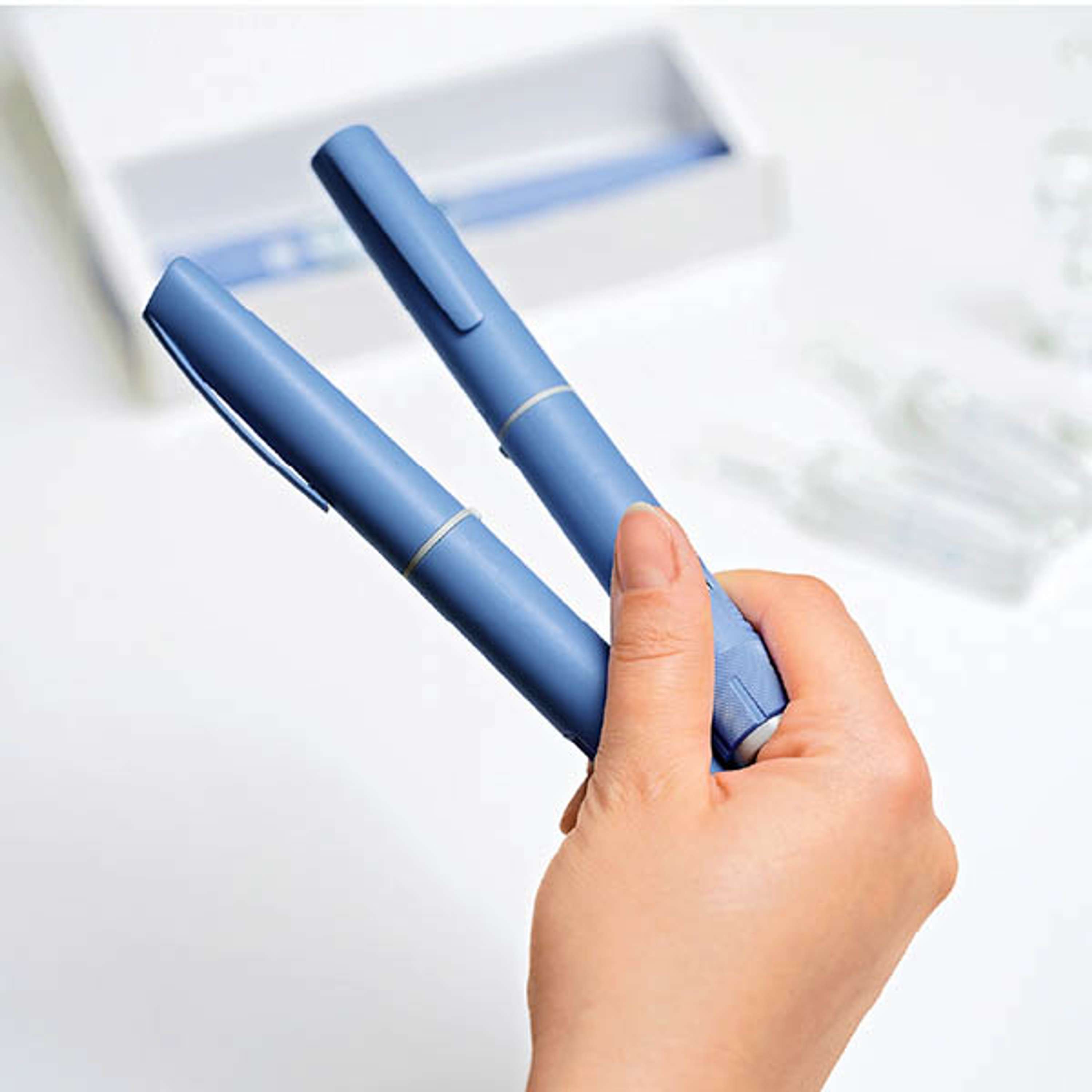
Taking Control Of Your Diabetes® - The Podcast!
GLP 1s - One Class of Drugs with Many Different Names
00:34:43
Loading summary
Transcript85 lines
- [00:00]
A
Foreign versus Manjaro. Which one is better? We're going to talk about that today on this edition of V. Taking Control of youf Diabetes podcast. I am one of your hosts, Dr. Jeremy Pettis, joined as always by my good friend and colleague, Dr. Steve Edelman. And if you are just tuning in, just crawling out of the cave, just getting to your, you know, your laptop for the first time in years. Steve and I are both endocrinologists. We work at the University of California, San Diego, where we see patients, we do research, and we've both been living with something called type 1 diabetes since we were 15 and both work here at Taking Control of your Diabetes, which Steve founded about 30 years ago.
- [01:00]
B
Yeah, very close to that. And this is our third year of doing podcasts, and they've been tremendously successful. We appreciate your listening, your likes, your loves, and don't forget our website and our YouTube channel, too.
- [01:12]
A
Yeah. So, all right, I teased the topic there at the top, right. So Ozempic, Manjaro, these are both just literally blockbuster medications that have transcended medicine and science to now just pop culture and the lay media. There's jokes on the Oscars about everybody in Hall Hollywood taking it, things like that. The point is that these drugs are very popular, very widely used for a lot of reasons. They kind of started as diabetes drugs, and now we use them for all kinds of things, particularly weight loss. But these are the two heavy hitters right now, and we get this question a lot, which is better, which should I be on, why are they better, etc. And so we've organized this podcast that we're going to go different categories and pick a winner. Ozempic or Manjaro. In each category, for example, the first one is going to be on a 1C reduction kind of diabetes control, go through weight, cardiovascular disease, et cetera. But before we anoint winners in each of these topics, we want to give kind of the background that the point here is that, yes, we'll have a winner for each category, but these are amazing medications that as they've evolved or we've been using them longer, we keep seeing increasing benefits. And that's pretty rare for a drug. Usually a drug comes out and, gosh, three years later, turns out it causes bladder cancer or something, and then we don't use it anymore. But since these drugs have come out, they help with blood sugars, they help with weight loss, they help protect your heart, your kidneys. They can help people maybe avoid getting diabetes in general, treat fatty liver disease. I mean, they really are remarkable.
- [02:48]
B
Right, Jeremy? This class, the GLP1 receptor agonist, they have transformed the way we treat type 2 diabetes. If I can give an analogy for type 1, we have hybrid closed loop systems, and that has changed the way we treat type one. But this class of agents, for all the reasons you mentioned, they have just been tremendous. And the story starts way back with the first Approved one in 2005. Do we want to say a quick mention on how they work?
- [03:22]
A
No, I think that's super important, first of all, because people might think that all of a sudden they're hearing Ozempic everywhere, that this is a new drug and it really isn't. This class of medication has been around for about 20 years now. And we always tell the story that this was actually. You want to talk about how GLP1 was discovered?
- [03:39]
B
Yeah. In the saliva of the Gila monster. Not the venom that you said on the first show.
- [03:45]
A
I know you won't let me live this way.
- [03:47]
B
You don't want to be taking venom. But you know what, it's a great point, because everyone worries about side effects. You never know the true safety of a drug until it's been on the open market for a long time. And this class has.
- [04:00]
A
Yeah. And we also want to say, you know, we're not pushing specific drugs here at tcyd. We never do. If you can get on any of these types of drugs, GLP1s, great. The point is, find one that works for you and stay on it. Some of the data now shows that people, after they're given a GLP one, only about a third of people are on it. A year later, they stop taking it for a variety, variety of reasons. Maybe it costs too much money or there's too many side effects or whatever. And guess what? All these effects that we're going to go through, they only work as long as you take the drug, whatever it is.
- [04:33]
B
That's a Nobel Prize statement.
- [04:34]
A
I know.
- [04:35]
B
They only work when you take them.
- [04:38]
A
Okay, so without further ado, I have eight kind of listed categories here. And category one, as I already mentioned, is a 1C reduction. And so again, let me give a little bit more background, because in 2005, these drugs wereit was just for diabetes, and now we use them for weight and things like that. But we as endocrinologists have, I think, a particular affection to these medications because we've been using them for a long time. And it started as just all about A1C and it's evolved. But A1C is still kind of king in the diabetes Space. So when it comes to a 1C reduction, Steve, do we know which one's better, Ozempic or Mounjaro?
- [05:19]
B
Well, we don't know exactly, but there was a study where they put them head to head, as we say in medicine, and they. It showed that Mounjaro led to statistically Greater reduction in a 1C. Might as well put weight with that because it was the same study. But it's important to note that early on, the doses of these drugs weren't totally finalized. So it was 1mg of Ozempic, and now you can go up to 2.4 with Ozempic and versus the maximum dose of mounjaro, which is 15 milligrams. And so it wasn't really a totally fair comparison, but nonetheless, it was a comparison. I do believe that the feeling on the street from prescribers that Mounjaro is a little more potent when it comes to a 1C and weight loss, but when you compare the weight loss with both of them, they are basically incredibly high.
- [06:15]
A
Yeah. So I would say yes, in this category, a 1C reduction. If we have to pick a winner, the Steve and Jeremy, you know, certificate of success in this category, this one goes to Manjaro. So the study that Steve mentioned, thanks for putting this in our little document here, that Manjaro on average lowered a 1C by 2.3%. So first of all, I mean, boom, that's huge, right?
- [06:39]
B
That's unheard of.
- [06:40]
A
That's a massive reduction in a 1C. And Ozempic at the 1mg dose was 1.9%. So, yes, Ozempic, I guess, lost, but still, that's just massive A1C reductions with both drugs.
- [06:54]
B
Most of the medications we've been using up to this point, you know, 0.81% reduction. And these patients, just to let you know, they started off at 8.2. So think about it. You know, these folks on Mounjaro got down to, you know, below 7% easily. And the folks on Ozempic dropped almost 2 percentage points. And once again, they do lose more when they use higher doses. But that's probably the only study where they compared them head to head. And we got to be fair here.
- [07:26]
A
And I love, again, more background. When I first saw data on Manjaro, and I'm sure there's data on Ozempic for this, too, when they were first showing that this drug was really powerful A1C reductions, they always show the percent of people that make it to an A1C less than 7. Right. That's kind of one of our metrics of success. But what I had never seen before with Manjaro is they showed the percent of people that got their A1C less than 5.7. And 5.7 is where we start kind of defining somebody as pre diabetic. So basically, they're showing the percent of people that completely normalize their blood sugars. I mean, they didn't get rid of their diabetes, but they became non diabetic ranges. And those percents were pretty high. Which is just astounding that not only are we kind of treating people's blood sugars, but this is almost like a complete metabolic reset for people.
- [08:19]
B
Yeah, every study known to man in diabetes always says, what percent of your patients get less than 7%? What percent get less than 6.5 sometimes, but never 5.7. I don't think I've seen that in any other category at all. But I think you mentioned getting people into the normal range, which they did. And I'll just jump ahead a little bit. Cause you mentioned helping people with prediabetes. Was there was a study with Mounjaro published, and they took only people with prediabetes, blood sugars were in the, you know, above normal, but not in the diabetic range. Same with their A1C. And 95% of those folks reverted to the normal range. So there is no formal indication for pre diabetes. The FDA doesn't recognize it as a real disease. You know, there's not much money to make in the open market about prediabetes, but it just shows how impressive it is to take people that have early type 2, put them back in the normal range, and then everything else follows with it, whether it's heart disease, kidney disease, fatty liver, osteoarthritis, alcoholism, all the other things. You know, we have that list in our newsy news.
- [09:34]
A
All right, so category one, A1C reduction goes to Manjaro. We've already kind of said that category two is weight. And in that same study, they of course looked at weight loss. Manjaro went up to 15 milligrams Ozempic to one. And the mean weight loss with Manjaro was 25 pounds and with Ozempic was 13 pounds. So the winner here on category two is Manjaro. Again. And I would say that, you know, the A1C differences were kind of slight, but this is, you know, kind of significant differences in weight. And again, Ozempic didn't go to the highest doses, but Manjaro tends or seems to be very effective in helping people lose weight.
- [10:10]
B
Yeah. And it's important to know the baseline weight, which was a little over 200 pounds, not much more over. So think about that. Lost 25 pounds on average. You know, some folks lost less, some folks lost a lot more. And Jeremy and I, we can talk later about some of our clinical experience with our patients. And it has. It has. Both drugs have changed people's lives.
- [10:31]
A
And by the way, if you are on one of these drugs, you're not locked into that forever. You can switch. You know, like, I've been on Ozempic for a while. Maybe I've plateaued. Maybe I'll try Manjaro or the other way around. But we're just giving you some of this kind of data. So. All right, you're thinking man category one and two, A, one C and weight both went to Manjaro. When's Ozempic gonna show up? Well, it's gonna show up right now. So number three is in terms of cardiovascular or heart protection. So a lot of these diabetes drugs have done studies where they've looked at people initially with diabetes and some heart issue. They've already had a heart attack or a stroke, and treat them with the medication or not and see if the medication can help reduce, you know, further incidents, another heart attack, something like that. And these effects are often independent of a 1C reduction. There's something that we think that's going on unique with these drugs that's actually helping the heart that may not have anything to do with diabetes. So Ozempic has done these studies and found that there actually is a reduction in cardiovascular risk. So it has an official indication that if you have diabetes and you have any heart issues, this has been shown to protect your heart. Now Manjaro is doing these studies. They haven't published them yet. So it might have a positive effect in the heart also, but we don't know that yet. So guess what? Ozempic gets the Jeremy and Steve heart seal of approval for winning category three in heart protection.
- [12:02]
B
Yeah. Jeremy, it's also important to note that Mounjaro came out five years later, so the studies are ongoing, as you said. I should give a little bit of history behind these cardiovascular outcome trials. I'm gonna make a really long. Well, you know what? It's my generation, Jeremy. Make a long story short, there was a drug called Troglitazone, and it was thought to cause heart disease.
- [12:31]
A
Rosiglitazone.
- [12:32]
B
Well, both of them. Yeah, Rosiglitazone. And there was a famous cardiologist. I'm not even gonna give him Telly's name. He doesn't deserve that. But the FDA said, okay, no new diabetes drugs will be approved until they do these large, expensive studies, the one you just mentioned. So they did. You know, the folks at Novo did it with Ozembic.
- [12:53]
A
Yeah. Just to kind of fine tune that point. These studies were meant to show that these diabetes drugs did no harm.
- [12:59]
B
Right.
- [13:00]
A
So it was, okay, we'll approve you for diabetes, but you have to show that these are not gonna harm the heart. And that just made this genesis of all these studies. But guess what? Since that we've actually shown that these drugs not only don't harm the, they have a benefit. And that's where zempic comes in.
- [13:14]
B
Yeah, totally true. So, in fact, they've discovered so many cardiac benefits, even with that whole class of SGLT2s, which we're not talking about today, like Jardia and Symphony, they show tremendous reduction in congestive heart failure. And there wasn't a study. I should give Ozempic a little bit of kudos here. They did a study on congestive heart failure. They showed improvement. They don't have the official indication. And for you folks that are not FDA experts, we're not either. But to get something official indicated, like for glucose weight, cardiovascular risk reduction, you gotta do large what we call phase three studies. You present the data to the fda, they have a big powwow, big meeting, and they say, yes, you have enough data to say you can put this on the label. That's a big deal.
- [14:02]
A
If you're listening and you have diabetes, which you probably do, and you have heart disease, if you wanna go buy the book these indications, then Ozempic is the choice for you. This is the one to kind of that's been officially indicated, proven to reduce kind of risk of future events. So. All right, welcome to the party. Ozempic.
- [14:21]
B
Since when do you follow the rules? Yeah, I mean, you never like that.
- [14:26]
A
Now, number four is in the same kind of vein, I suppose that three was. It was heart protection, four is kidney protection. And this one, guess what, you goes to Ozempic again, because they very recently actually published data that just like the cardiovascular trial, but instead of people with heart disease, they took people with underlying kidney issues. Their labs showed that they had a little bit of kind of kidney dysfunction or protein in their urine, but again showed that people with underlying kidney disease, if they got Ozempic, did better in terms of reducing the progression of kidney disease. And we should also say these things run very closely together. If you have kidney disease, you're likely to have heart disease and vice versa. So it's nice that they have these kind of dual indications now to help protect the kidneys, help protect the heart. And again, Manjaro's working on this data, but doesn't officially have that yet.
- [15:19]
B
That's right. And it wasn't just a little bit of kidney disease. I could say it was stage, what we call ckd, stage three and four. And your creatinine is down. Your, you know, EGFR that's on your chem panel was down. The amount of protein spilling is up. And it was tremendous results. And, you know, it's called the flow study. And I, you know, such a good acronym for that study. I don't even know what that stands for. But once again, they did a large study, they showed the benefit, and they took it to the fda, and the FDA gave them the stamp, the official indication.
- [15:55]
A
And we have this stamp. We should get one of these.
- [15:58]
B
And you should look forward to one of our upcoming newsletters that is going to talk about the six ways to prevent the progression of diabetic kidney disease. And that was one of them.
- [16:12]
A
Okay, that's one. They'll have to tune in for the other five. All right, so if you're keeping score at home, it's 2 to 2. Scoreboard's tied. Manjaro got 2 for a 1C and weight reduction. Ozempic showed up with kidney and heart protection. These are all important categories.
- [16:27]
B
You know, I think Eric, who is our ultimate producer and director, should put in like, cheering sound, you know, like someone hits a home run.
- [16:35]
A
Maybe it's already there. We don't know.
- [16:36]
B
Yeah.
- [16:38]
A
Yes. All right, so category five is side effects. And, you know, you're probably saying, well, these things are all fantastic. I want my 1C to be down my weight. But you've got to titrate up to the higher dose. And the side effects of these drugs are typically gastrointestinal, that when people start these medications, especially in the beginning, when you first start it, you can feel really nauseous. Occasionally people can actually throw up. You can have some issues. Sometimes people have constipation, those kinds of things. But it's largely these GI issues that cause problems. So no matter what drug you're on, it's important to know that this usually happens when you start. But if you can get over that first month or so and slowly titrate up, that you can really reduce the rates of side effects. And each of these drugs have their kind of prescribed titration. Right. So I'll just give you an example. Ozempic, you're supposed to start on 0.25 milligrams for four weeks, and then you go to 0.5 for four weeks, and Then you go to 1 milligram for four weeks, and then you Go to 2. But guess what? You can stay on 0.25 forever if it's working for you, or you could stay on it for eight weeks and then titrate up slower. So there's no wrong way to do this titration. The slower you go, generally, you can avoid these side effects. So this is something Steve and I have talked about. But in terms of the GI side effects, when you look at these studies, Manjaro actually has higher rates of these GI side effects. But when we see people clinically or in clinic, basically, we don't really see that. So we're giving this one kind of a clinical tie, I would say. But if you want to go buy the book, I would say that Ozempic actually wins in terms of less side effects, but we don't see that as really kind of a main issue or distinguishing thing.
- [18:25]
B
Yeah. And the pens that they use to deliver those medications are different. You know, Mounjaro.
- [18:32]
A
We're gonna talk about that next category.
- [18:34]
B
What could I say about titrating or waiting?
- [18:38]
A
Well, we're waiting.
- [18:39]
B
Okay. And by the way, one thing that we have to come back to. I'll let you direct traffic here is the official indication on Mounjaro for obstructive sleep apnea. So don't forget that. Yeah, it seems like you're tainted towards.
- [18:52]
A
Well, I got my categories here. And you keep jumping in with all these other, like, you got to trust the process here, Steve.
- [18:57]
B
I trust the process, but when you talk about side effects, it's usually after all the indications.
- [19:01]
A
Okay, well, I'm going to do it after.
- [19:03]
B
Okay. I'm going to follow your lead. I apologize, but I love the way we do these podcasts. Just we go for it.
- [19:10]
A
All right, so side effects, you agree with that? Like, when you start people on Ozempic or Manjaro, do you see any difference in terms of, you know, nausea or anything like that?
- [19:19]
B
Basically the same.
- [19:20]
A
Yeah. And, you know, it's worth saying here that the reason people lose weight with these drugs, and this sounds like a kind of a duh thing, is that you get full faster. So when you. You'll still get hungry, but when you start eating a sandwich, for example, you might take a couple bites and just say, I don't want to eat anymore.
- [19:39]
B
That's right.
- [19:40]
A
And the way people lose weight is they eat less. And that's the duh moment. But it's worth saying because there's nothing magical about these drugs that just makes people just melt. So when you use these drugs, lean into that. A lot of times people say, well, I used to eat the whole sandwich, and if I want to be healthy, I still need to eat the whole thing. And they'll force themselves to eat as much as they used to. And that really limits the weight loss that people can see.
- [20:05]
B
And that might contribute to some of the GI side effects where you just feel bloated like that. So, I mean, the other thing it's important to mention maybe right here is the fact that, you know, ozempic is a GLP1 receptor agonist, raising sort of the activity of a naturally occurring hormone called GLP1. And Mounjaro is what we call a dual agonist. It stimulates GLP1, and it also a hormone called GIP. Jeremy, what does that stand for?
- [20:36]
A
That stands for glucagon inhibitory peptide, I think.
- [20:39]
B
No, see that? Glucoregulatory insulinotropic polypeptide. And some people feel that stimulating that second hormone, that's a naturally occurring hormone, can explain the greater A1C reduction and potentially the weight, but we just don't really know. But it is two different compounds that are being replaced versus just GLP1. So they're not exactly the same, but they do have the overlap in having the GLP1.
- [21:10]
A
Okay. All right. So I guess we're still saying it's 2:2, and then we're saying side effects is a tie. I've added another category here just off the top of my head. Obstructive sleep apnea is something that I think we should talk about. Steve, I know that you didn't mention it, but I'm just going to put it in here. So this is Steve's right. Manjaro just did a study specifically in people with sleep apnea and found, guess what, that if they use Manjaro, their rates of sleep apnea drastically went down. And we think that most of this is probably from weight loss. That we know probably the main risk factor for people getting sleep apnea is being overweight or obese. And when you lose weight, you can kind of get rid of it. But it's important when you have this official indication to treat sleep apnea that this is just increasing the Ways that people can get access to these medications that you can actually get it potentially, if you have obesity, you don't need to have diabetes. These drugs actually have different names for obesity. Ozempic is Wegovy and Manjaro is Zepp bound, which is again, confusing. Same drugs, but different kind of indications. Now you can get it for obesity, you can get it to treat sleep apnea. So it's just other indications that keep coming, coming up.
- [22:32]
B
That's a great point. Because when you have the official indication, then Medicare might be approving it, insurance companies, and it's still a fight to get these drugs. But I see out in clinic we're fighting less hard to get them. So. Yeah, and even Ozembic showed an excellent study in reducing osteoarthritis in the knees published in New England Journal of Medicine, the premier journal. And I agree with you, Jeremy. When you improve weight, significant weight, 20, 30 pounds, a lot of good things happen. And, you know, less trauma to your knees and obstructive sleep apnea. You know, you can get obstructive sleep apnea and being thin, but the majority of people are heavy. And so a lot of these benefits we're seeing secondary to weight loss, including, we didn't talk too much about fatty liver, but that's another important topic.
- [23:26]
A
Yeah. So we'll give obstructive sleep apnea to Manjaro. So the next category is ease of use. And this is where I kind of cut you off on the pen thing.
- [23:35]
B
Got it.
- [23:35]
A
Because this is where I want to talk about this because we have a different opinion on this. But I think it brings up which one is actually easier. So they're slightly different in that Manjaro, the dose is the dose. So let's say you get 5 milligrams of Manjaro. It's in like an auto loaded pen. You just push the dose, it automatically administers it. You don't even see the needle. You don't have to dial anything up. So that makes it very easy to use, very easy to take. Ozempic is very similar to an insulin pen. It looks identical to an insulin pen. And you actually have to dial up the dose. You have to go to 30 clicks, let's say to get to 0.25 and another 30 to get to the next dose. So I like Ozempic because that actually gives you a rainbow of doses that you can use that somebody might have a hard time jumping from 0.25 to 0.5 and then go kind of halfway in between and slowly do their own titration to get to the dose that works best for them. That's a little bit more involved, a little bit more complicated to use, but I think it kind of opens up more options for dosing. So I like Ozempic because of those increased options. And you like Manjaro because you just think it's straightforward and easier, right?
- [24:52]
B
Yeah, in general. But I agree with you that because there's different sensitivities to Ozempic in terms of the GI side effects, I very commonly, I'd say, more often than not, start on half of 0.25. And you can do that with the Ozempic pen. And I know exactly it's 38 clicks to 0.25. And then I have people just click up to 20, and I don't have them increase until they've been on it for several weeks. And there's no GI side effects. So Mounjaro, you know, it's much easier to give. You never even see the needle. You know, you still have to put it in a Sharpie container, which makes no sense to me. I typically tell people put it in their neighbor's garbage at night. The day before they pick it up.
- [25:36]
A
I leave next door to Steve. And that's why I call these Bonjouro pens. And I.
- [25:39]
B
So it. And the thing is, you don't never have to think about the dose as long as it says 2.55. So there's pros and cons. And I would say that I've never been able to use less of a dose than 2.5 of Mounjaro. And I would say the GI side effects are in a minority of folks. So some people feel that second hormone called the GIP may help with that. But in any case, yeah.
- [26:05]
A
And I think as we're talking about these pens, you know, Lilly makes Manjaro, and they also make Trulicity, which is also a GLP1 drug, a great drug. And they don't really talk about Trulicity anymore because it's more or less been replaced by Manjaro. But if you're on Trulicity or we're taking it, the pen is identical. It's the same way of kind of delivering it. So it might be really familiar to you.
- [26:26]
B
Yep.
- [26:28]
A
Okay, so that one was a tie. All right, so the next one, I want to make sure that we address our fellow type ones that might be listening, or if you're listening and you have a friend that has type one, let them know. So Steve always says, I cry about this. So I'm gonna cry for two seconds. But I'm tired of only type 2s and all these other indications coming out for these amazing medications. And guess who can't generally get them? It's people with type 1 diabetes. It's frustrating because we know these drugs work in type one. They've actually been studied in smaller studies, and people do generally improve their A1C a little bit, maybe 0.3, 0.4%, but they certainly lose weight. We all kind of believe they'll have the same heart and kidney protection in people with type one, but they're not approved yet because the companies haven't done studies specifically in type 1s. So what that means is I can prescribe this all day long for my type 1 patients, but it's generally not covered by insurance. And because these drugs are expensive, that basically means that people can't get access to them.
- [27:33]
B
Jeremy, could I just ask you why. But haven't the companies done more studies? I have my thoughts. I'd like to hear yours.
- [27:40]
A
Yeah, it depends on how cynical you want to be or not. But I think I have heard that for these companies, these are multi gazillion dollar drugs. Right. They treat type 2 diabetes and obesity, and it's literally dollars and cents not worth it to them to study in type 1 diabetes. Especially if something bad comes up. If you test it in type 1s and your arm falls off or something, and all of a sudden that taints their kind of multi billion dollar drug. Also, it's difficult to do these studies in type 1s, things like that. So they just haven't been done. But Lilly is now, you know, has plans to move forward with kind of larger Studies in type 1 diabetes with Manjaro to officially, you know, get this indication.
- [28:21]
B
Yes. And we do know other companies other than Lilly and Novo that are developing their GLP1, even GLP1 GIP dual agonists like Mounjaro and studying them specifically for people with type 1 diabetes. Well, you know, I don't know, cynical might be a cynical phrase, but, you know, there are practical issues about running a pharmaceutical company. And, you know, there's 6,000 people diagnosed with type 2 every day. And I like to say there's only 175 type 1s diagnosed every day. So think about that. You know, 20 million versus 2 million. It's a practical issue. But I think if you have type one, we know we're the most important.
- [29:02]
A
Coolest, super elite club.
- [29:05]
B
Absolutely.
- [29:07]
A
To kind of round this topic off. I will Say if you have type one and you're overweight or obese, which most type ones actually are, you could potentially get it prescribed for weight loss and kind of circumvent this type 1 versus type 2 issue. Also, I've had success that you can prescribe it. To be specific, there's a code for type 1.5 diabetes. Basically, it's somebody with type 1 with insulin resistance. And sometimes that code will kind of get through insurance to get people covered. So it's not like a hard no for type 1s. It's a maybe sometimes.
- [29:39]
B
Yeah. And since we're doing this podcast, the day after I had my UCSD clinic and I was telling Jeremy, I saw a patient, he's 65 years old, and he was quite overweight. And I got him approved for Mounjaro for the treatment of obesity. Actually Zepbound. Excuse me. Because that's when you get the indication for obesity. You have to use Zepbound or Wegovy. And he lost 50 pounds. His heart condition improved. He started exercising more. I almost didn't recognize him. I did say to him, you need to buy some new clothes. They were so loose on him. No, seriously. And I did say to him, hey, Randall, you're looking a little flabby. You need to use your gym membership more. He's over 65. He got that silver sneaker. Free membership. And that's an important point. When you lose weight, you're losing muscle mass, too. And it's really important to up your game when it comes to exercise when you lose that much weight.
- [30:36]
A
Yeah. Well, so I would say for type 1s, I actually want to give this win to Manjaro. I'm really excited to see them moving forward with the studies because, like I said, these drugs work in type 1s, and I would love to finally get these approved and indicated so we can get our hands on these. And like your patient, I haven't met a type one that's taken these and not seen benefit from it.
- [30:57]
B
Yup.
- [30:58]
A
All right, so the last one I just have, this is kind of vague category as other studies, other indications that we've been kind of rattling off as we've gone through here. So we've mentioned a 1C weight, cardiovascular risk, kidney risk, sleep apnea. These are all official indications now for different drugs. But Steve mentioned there's been a ton of work in pre diabetes. Man, if these drugs help people lose weight and improve their insulin sensitivity, which ultimately can be the kind of cause of type 2 diabetes, why are we waiting for people to develop the disease, why not treat them earlier in the pre diabetic stage, in the obese stage, to avoid diabetes completely. And guess what? These drugs work very well in that area.
- [31:41]
B
You know what, treating any condition early is always going to be effective. And I'll just say, because we talked about pre diabetes earlier, there are 80 million people in the United States that have been estimated to have pre diabetes. And to me, if I was running this country, I might run next year or three years from now. But what a way to reduce not only healthcare costs, but improve the lives of people who may go on to develop type 2 and all the associated side effects or complications.
- [32:13]
A
Yeah, well said. And we already mentioned fatty liver too, that these drugs seem very effective in this. Steve mentioned kind of off the cuff too, that they've done small studies in Ozempic to help with addiction. People seem to drink less alcohol. It doesn't have these official indications. But the point of this last study or this last category is to round out that depending on the drug and what study's been done, there's different kind of positive effects. But to hopefully highlight that these are both fantastic drugs. And yes, if you have a clear thing that you're trying to treat, like I'm very particularly interested in my kidney protection, then that's a discussion you might have with your provider about, hey, if I really want to go on one of these drugs and my main goal is kidney protection, for example, which one's better for me? But otherwise we kind of believe, I think as endocrinologists in the general community that there's a lot more similarities than differences. As long as you can get to a reasonable dose and maintain it, that is by far the most important thing. Rather than be on kind of quote unquote, the best drug.
- [33:22]
B
Well said, Jeremy. They're both tremendous additions and there's more similarities than differences. Well said.
- [33:29]
A
Yeah, so I think with that, I hope you guys liked it. I, to be honest, kind of lost score. It was pretty darn close. But we did have official winners in each of these categories. So, Eric, maybe you can boo me for not keeping score, add that in. But we hope you liked it. This was a fun one for us to do and kind of a creative way to think about reminding people that the story of these medications, how it continues to evolve and using this head to head competition to talk about all the exciting things that are going on with this particular class of drugs and hope you liked it. Make sure to kind of subscribe like us on our YouTube channel. Check out us on our website. And Steve, it's been a pleasure.
- [34:12]
B
Jeremy, thank you so much.
- [34:13]
A
See you later, folks. Sa.