
Podcast
Tech Startup Stories
Hosted by Natalie Binns · EN
For anyone that is building a B2B Tech Startup or has dreams of building their on business in this space, this podcast series explores the unique and bumpy journey of building a business from the ground up. We talk with CEOs and Founders at various stages of their startup journeys, from inception to funding, to there first $1m! It's not always smooth sailing but it would be boring if it was!
23episodes
Episodes
Newest firstAll episodes
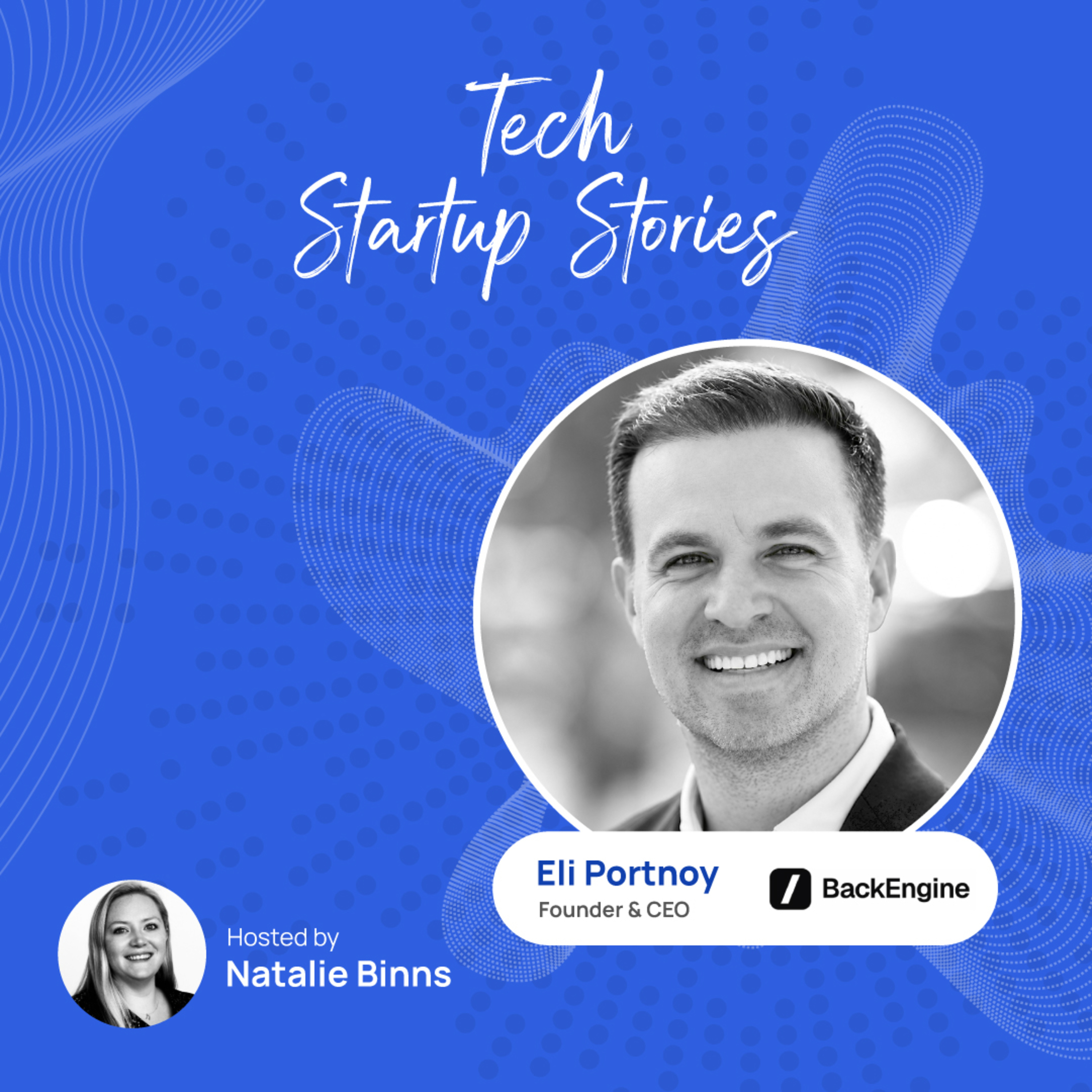
Keeping up with the Speed of AI
1w ago00:22:59Tap to summarizeHow do you build an AI company when the technology changes every month?In this episode of Tech Startup Stories, Natalie Binns speaks with Eli Portnoy, founder and CEO of BackEngine, about the realities of building AI-powered enterprise software during one of the fastest-moving periods in technology.The conversation explores:Building AI products in a rapidly evolving marketWhy solving real business problems matters more than following AI trendsThe challenges of AI adoption inside organisationsProduct strategy and customer-centred innovationEnterprise software and workflow automationFounder lessons from scaling in an AI-first worldEli shares thoughtful insights into the future of software, organisational change, and why successful AI implementation requires far more than great technology.
Transcribe →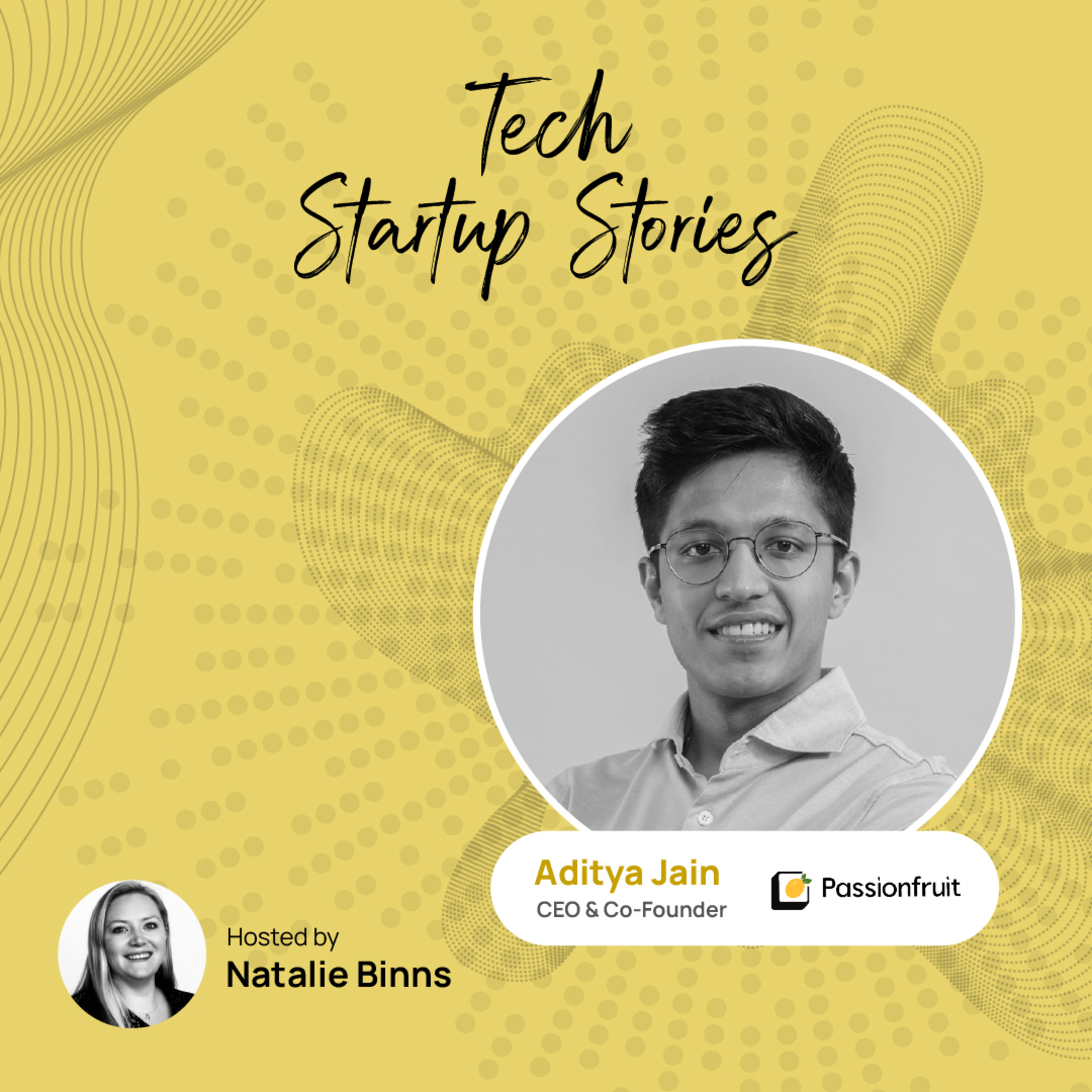
Sacrificing for Growth
2w ago00:32:51Tap to summarizeWhat does it take to build a company in an industry where the rules change every week?In this episode of Tech Startup Stories, Natalie Binns speaks with Aditya Jain, co-founder and CEO of Passionfruit, about scaling an AI-native marketing company during one of the most transformative periods in technology.The conversation explores:Building a profitable startup in the AI eraTurning services into scalable productsThe launch of Oz, Passionfruit's AI marketing platformHow AI is changing search and customer acquisitionFounder leadership and team growthWhy relationships still matter in a technology-driven worldStaying adaptable in a rapidly evolving marketAditya shares honest lessons on growth, innovation, and building a company designed to evolve alongside the future of marketing.
Transcribe →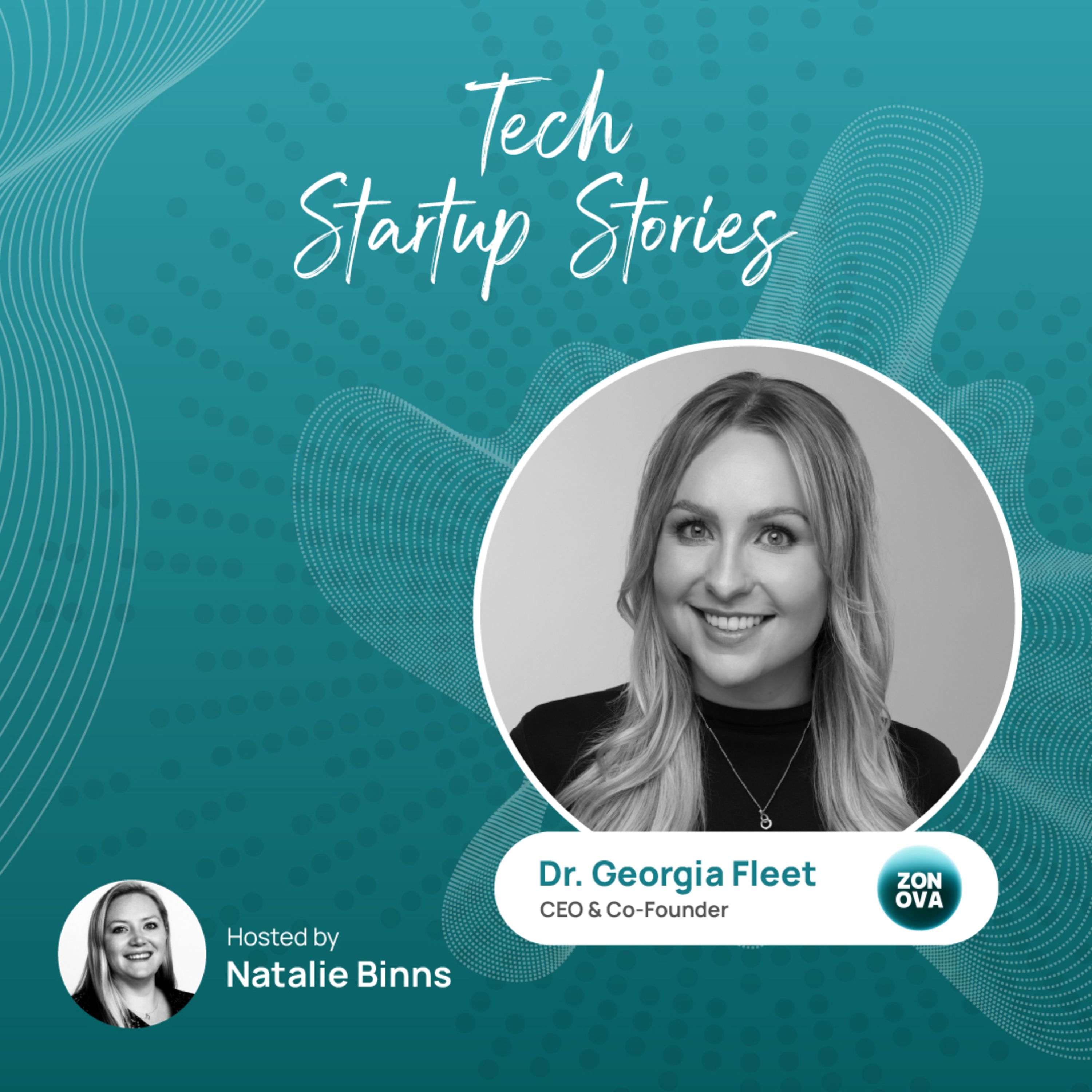
Trust Your Gut
3w ago00:29:50Tap to summarizeHow do you turn scientific research into a company capable of improving millions of lives?In this episode of Tech Startup Stories, Natalie Binns speaks with Dr. Georgia Fleet, founder and CEO of Zonova Technologies, about her journey from antimicrobial materials research to building a venture-backed medtech company.The conversation explores:Preventing hospital-acquired infections through medical device innovationTurning PhD research into a scalable businessThe realities of raising investment in the current marketChallenges faced by female founders in fundraisingBuilding advisory networks and finding the right supportCommercialising healthcare technologyPreparing for growth after a successful seed roundGeorgia also shares honest reflections on resilience, leadership, and what it takes to build a company focused on both impact and commercial success.
Transcribe →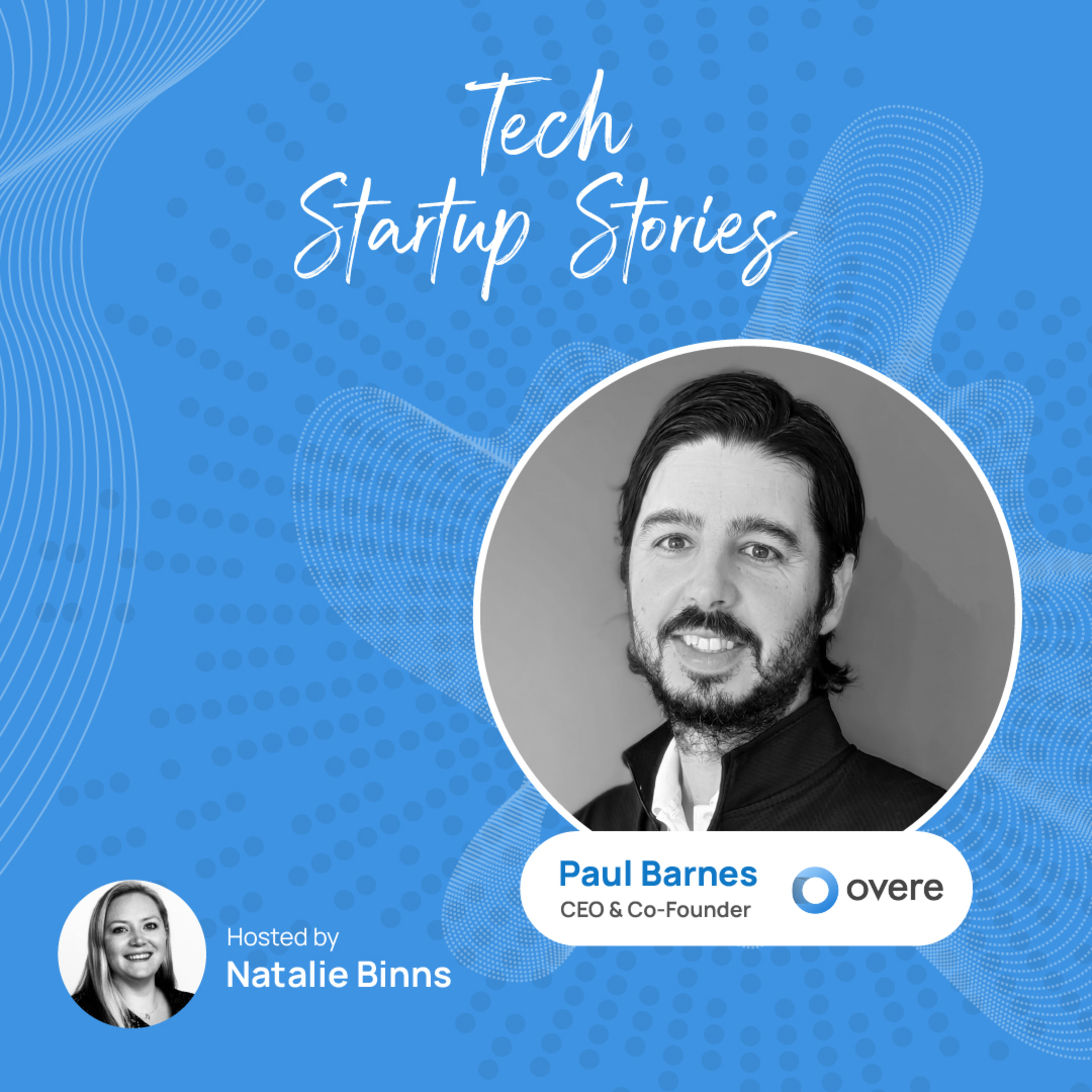
The Right Channels
Jul 800:33:41Tap to summarizeIn this episode of Tech Startup Stories, Natalie Binns reconnects with Paul Barnes, founder and CEO of Overe.io, to explore the realities of scaling a cybersecurity startup over the last year.The conversation covers:Building revenue foundations after early tractionThe challenges of scaling through channel partnershipsWhy saying yes to every opportunity can become dangerousRefining ICPs and customer qualificationInternational growth across the UK, US, Japan, and EuropeHow AI is helping lean startup teams operate more efficientlyPaul also shares honest insights into startup focus, operational discipline, and the balance between pursuing growth while staying aligned to the company’s long-term strategy.
Transcribe →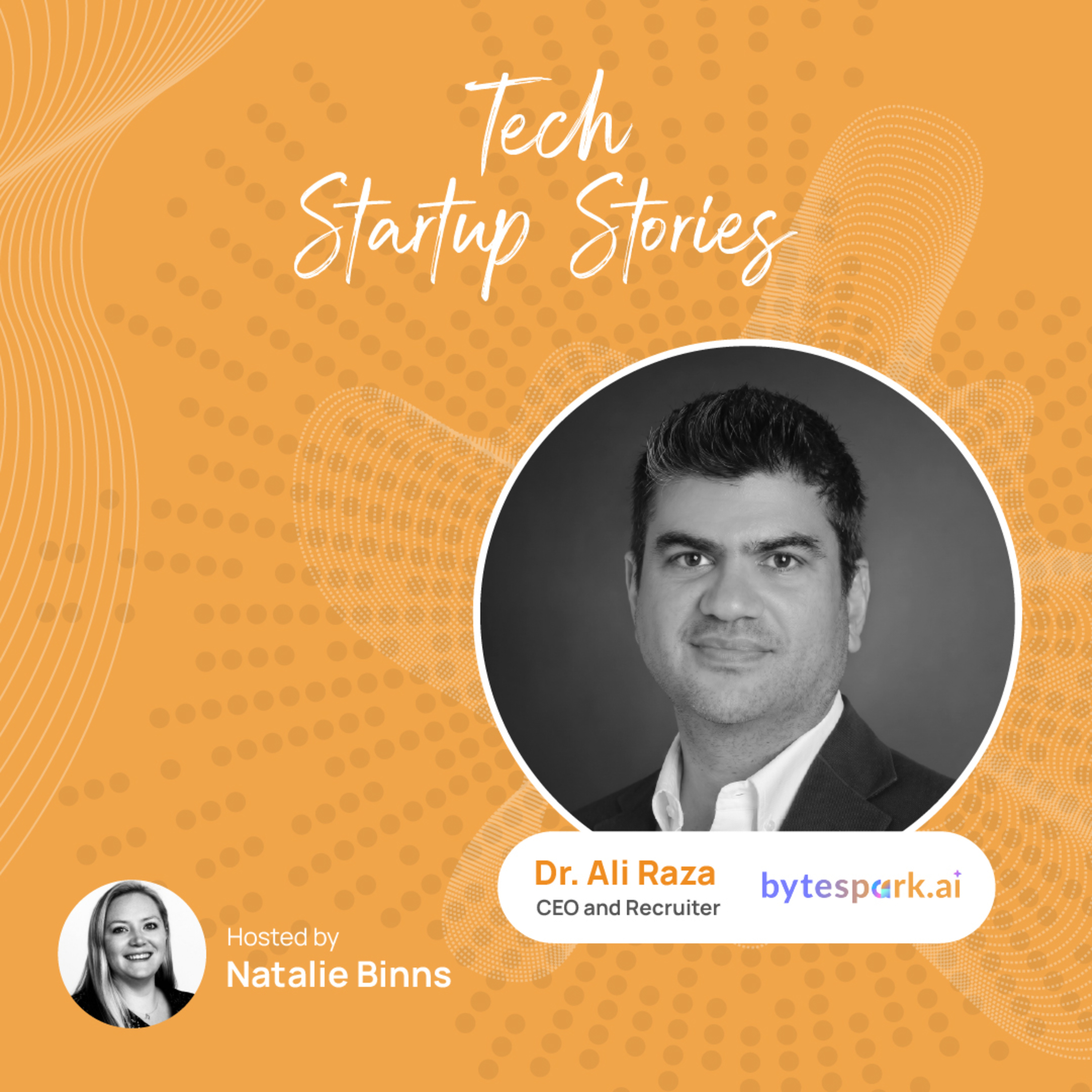
Beyond the Tech
Jul 100:24:00Tap to summarizeWhat happens when an AI recruitment platform evolves into something much bigger?In this episode of Tech Startup Stories, Natalie Binns speaks with Dr Ali Raza, founder and CEO of ByteSpark.ai, about the realities of building an AI startup over the last 12 months.The conversation explores:The challenges of product-market fit and pricing perceptionWhy founders must protect themselves in business partnershipsHow ByteSpark.ai pivoted from SaaS into a service-led modelThe development of Persona, an AI-driven decision intelligence platformWhy recruitment needs more human intelligence, not lessDr Ali Raza also shares honest reflections on resilience, trust, leadership, and building through uncertainty while navigating both startup growth and regional instability.
Transcribe →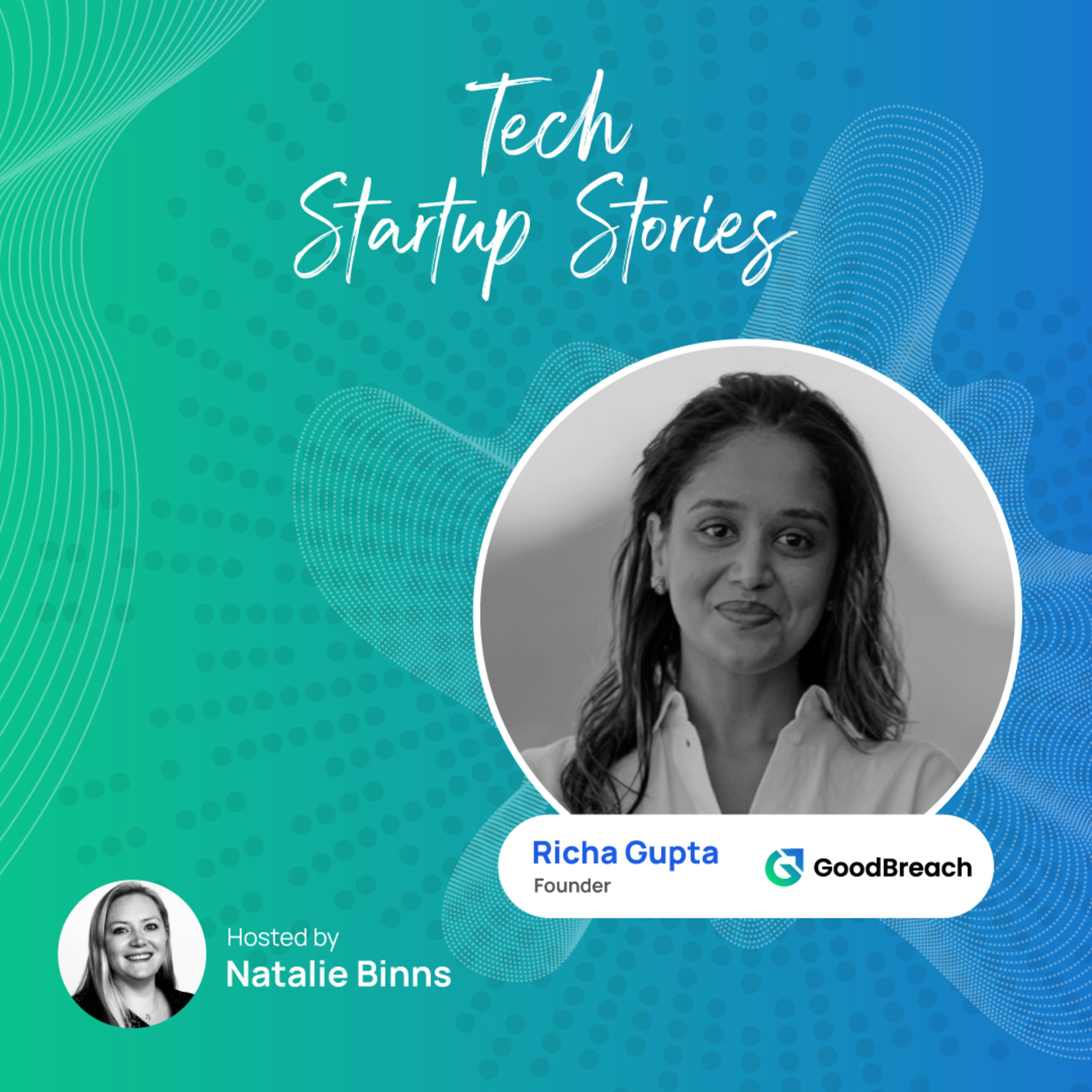
Doing Good
Jun 2400:27:50Tap to summarizeWhat if saving money felt as natural as spending it?In this episode of Tech Startup Stories, Natalie Binns speaks with Richa Gupta, founder of GoodBreach, a fintech startup helping young adults reduce impulse spending and build healthier financial habits.Richa shares how a personal experience with her younger sister led to the idea behind the company, and how behavioural psychology, user research, and fintech innovation became the foundation of the platform.They discuss:The emotional side of spending behaviourBuilding a fintech product from scratchUser research and product iterationNavigating FCA compliance and banking infrastructureWhy behavioural design matters in financial technologyThe future of “Save Now, Buy Later”This is a thoughtful conversation about startup building, financial wellbeing, and designing technology around real human behaviour.
Transcribe →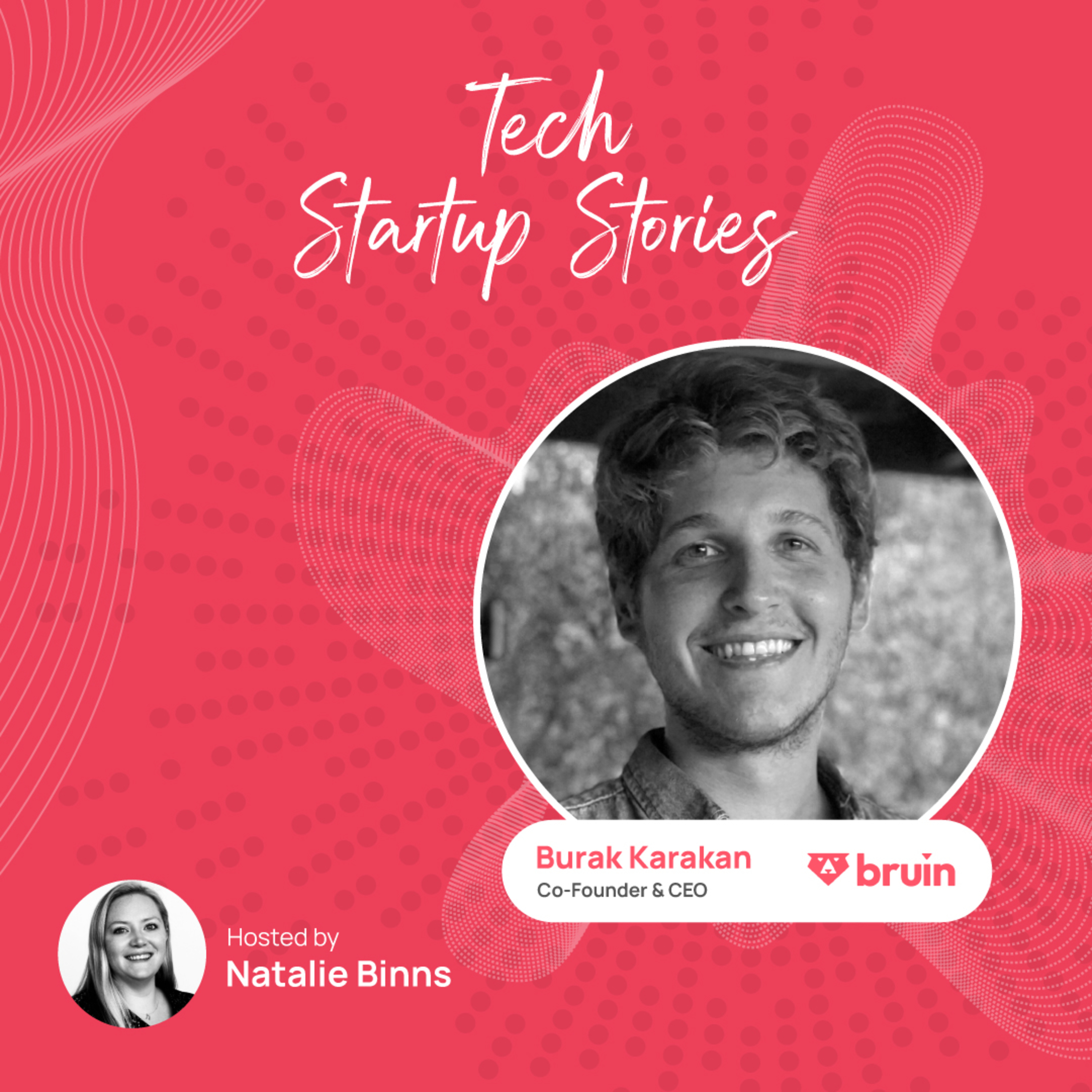
Cutting Through Noise
Jun 1700:37:53Tap to summarizeIn this episode of Tech Startup Stories, Natalie Binns speaks with Burak Karakan, co-founder and CEO of Bruin, about building a data and AI platform shaped by real operational frustration.Burak shares how years of working with complex data workflows led to the creation of Bruin, a product designed to simplify how organisations access, manage, and act on their data. The conversation explores how early experimentation, repeated failure, and close customer collaboration helped refine the product into something businesses are willing to pay for.The episode also examines what it takes to build in a crowded AI market, where trust, reliability, and long-term value matter more than visibility. Burak reflects on hiring, co-founder alignment, and the importance of focusing on real problems rather than building in isolation.For founders, data teams, and product builders, this episode offers practical insight into product-market fit, scaling with intention, and building resilient technology companies.
Transcribe →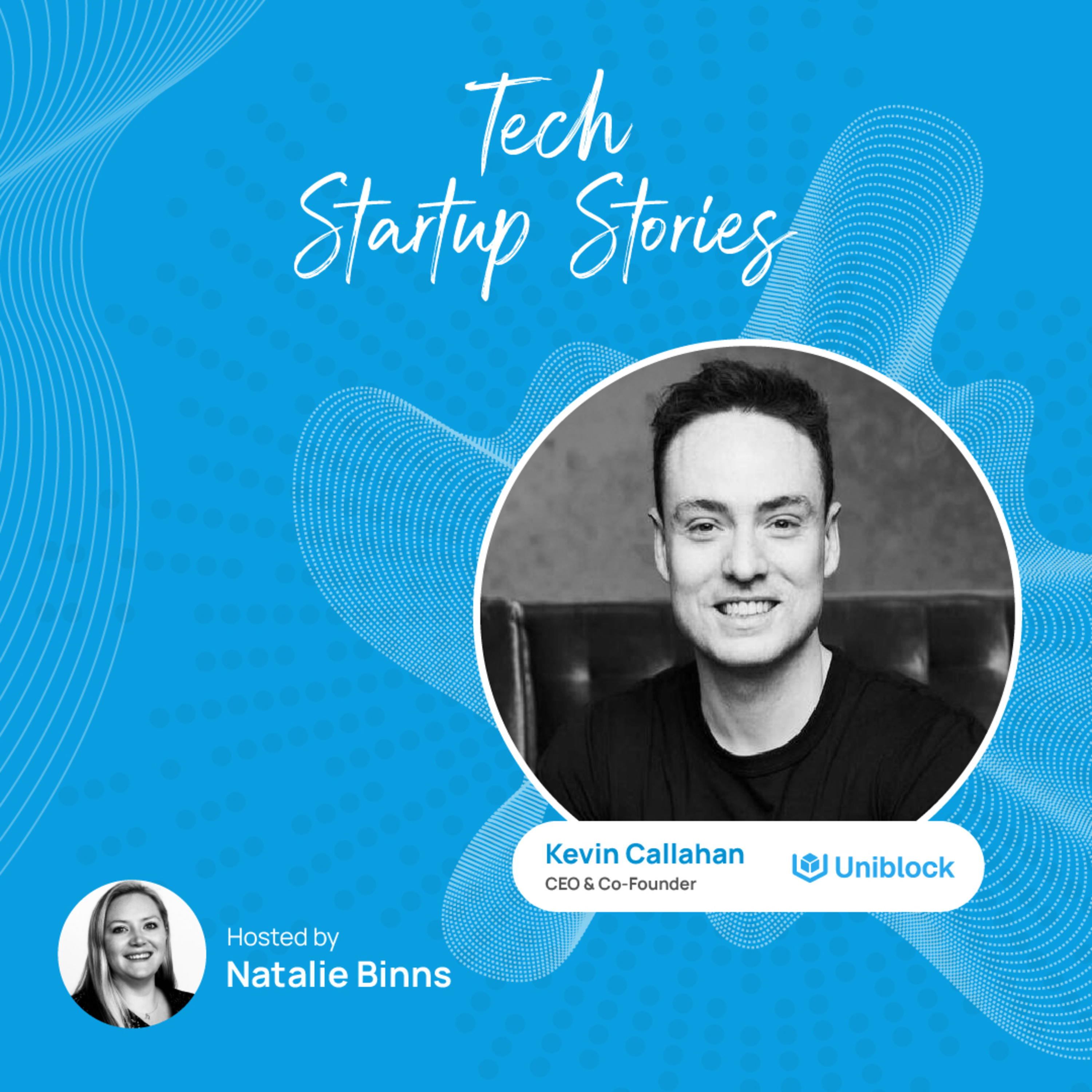
Funding Fun
Jun 1000:30:32Tap to summarizeHow do you simplify one of the most complex areas in technology?In this episode, Natalie Binns speaks with Kevin Callahan, founder of Uniblock, about building a platform designed to make Web3 infrastructure easier to use.Kevin shares how Uniblock brings together multiple blockchain providers into a single interface, helping developers reduce complexity and focus on building. He also discusses the realities of operating in a fast-changing market, where adoption and sentiment can shift quickly.They explore developer experience, product iteration, and what it takes to build in an emerging space where clarity is often limited.If you’re building in Web3 or interested in developer tools, this episode offers a practical and grounded perspective.
Transcribe →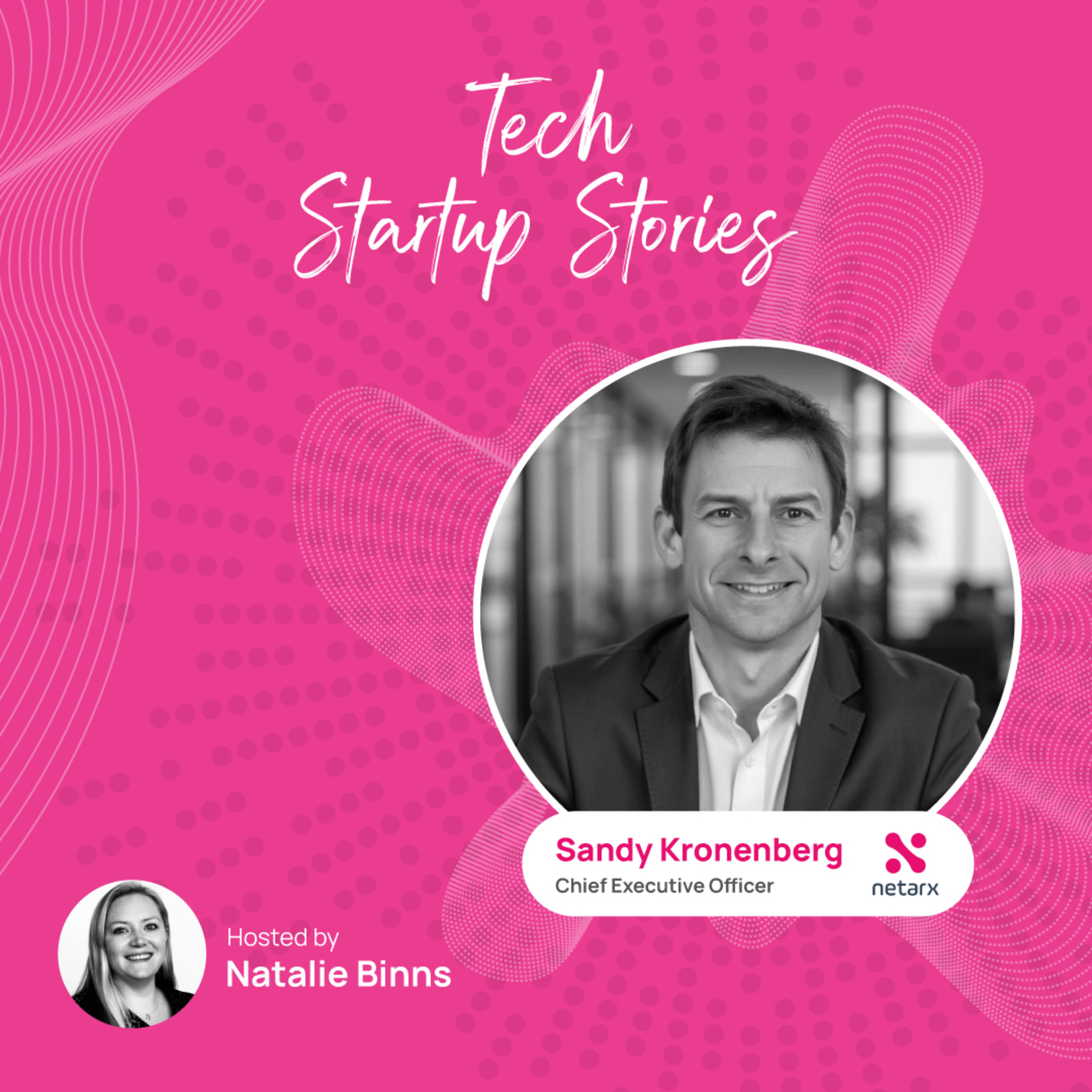
Patents, Pressure, and Persistence
Jun 300:31:38Tap to summarizeHow do you build a cybersecurity company in a world where AI is changing the rules?In this episode, Natalie Binns speaks with Sandy Kronenberg, founder of Netarx, about how deepfakes, avatars, and AI-driven threats are reshaping the security landscape.Sandy explains why the human layer is now the biggest vulnerability, how identity verification needs to evolve, and what organisations must do to stay ahead of increasingly sophisticated attacks.They also discuss the rise of non-human identities, the role of compliance in driving adoption, and what it feels like to build a company in a category that is still emerging.If you’re a founder, operator, or working in cybersecurity, this episode offers a practical and forward-looking perspective.YouTube DescriptionAI is changing cybersecurity faster than most organisations can keep up.In this episode of Tech Startup Stories, Natalie Binns interviews Sandy Kronenberg, founder of Netarx, to explore the rise of deepfakes, avatars, and AI-driven cyber threats.
Transcribe →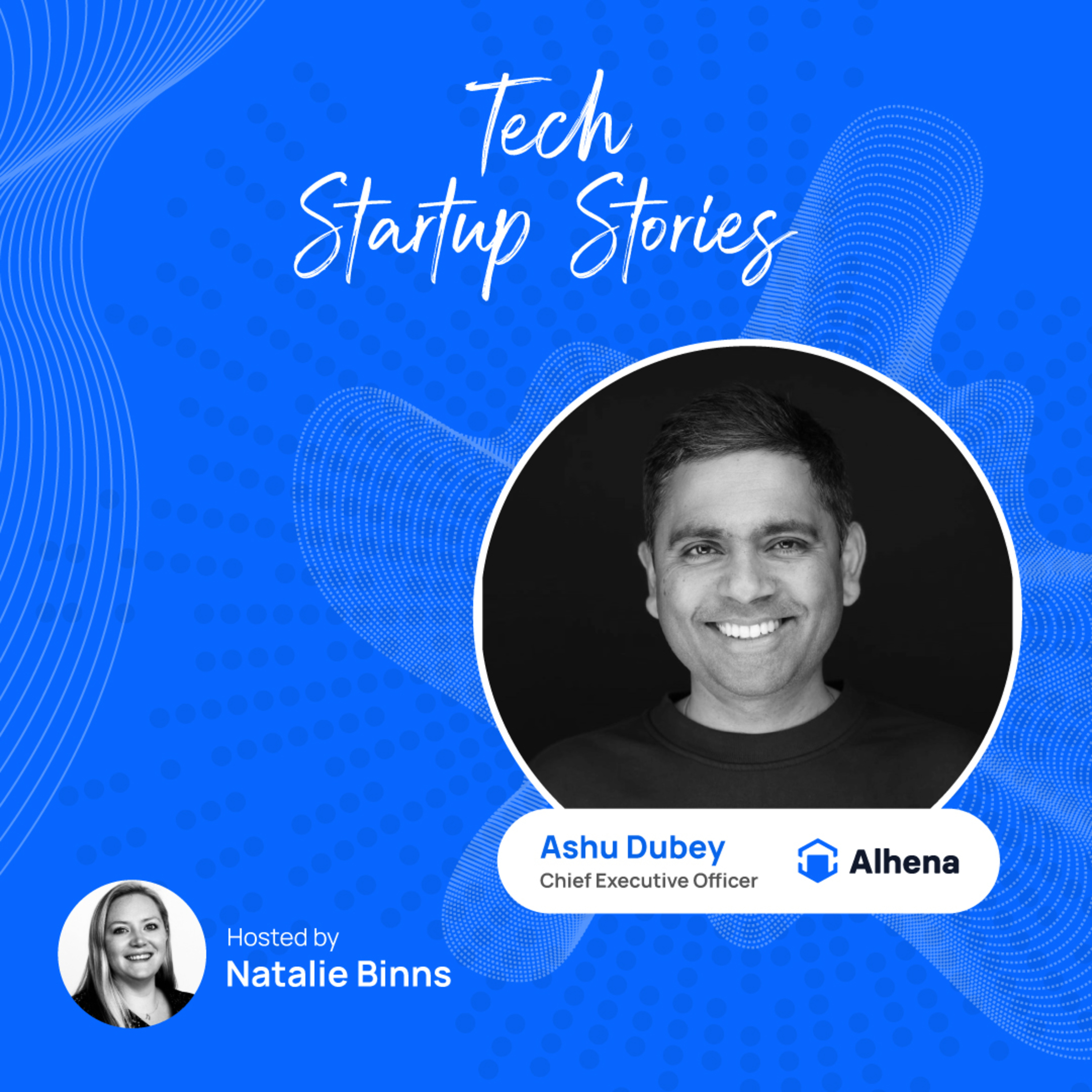
Creating a Legacy
May 2700:26:24Tap to summarizeHow do you build an AI company in a market full of noise?In this episode, Natalie Binns speaks with Ashu Dubey, founder of Alhena, about what it takes to stand out in a crowded AI space.Ashu shares his journey from his first startup to building Alhena, including lessons on monetisation, pivots, and finding product-market fit. He explains how the company evolved into an e-commerce AI platform focused on driving revenue, not just efficiency.They also discuss the challenges of differentiation, why customers are becoming more selective, and how founders can stay focused on solving real problems.If you’re building in AI or SaaS, this episode offers a practical and honest perspective.
Transcribe →