Podcast
The 1% Better Runner with DLake
Hosted by Daren DLake · EN
This is a podcast about how runners can live better lives through consistent self-improvement.
Unlike other running brands, The 1% Better Runner focuses on how small, daily habit improvements ripple into broader life success, helping runners perform better both on and off the road, track, or dirt.
I’m Daren DLake: Certified running and nutrition coach, Sub-3-hour marathoner and 10-hour Ironman finisher.
Since 1996, I’ve been helping other self-coached runners, researching, and experimenting on how to better myself 1% each day.
A few times a week, I’ll drop how I’m tweaking my training, sticking to habits when life’s messy, and cool stuff from coaches and health pros. It’s a no-BS cheat sheet for building better habits—not just for running, but for work, relationships, and personal growth too.
Join thousands of other committed runners listening to the most exciting run and endurance sports content on the internet and get more tactics and strategies in your inbox each week.
Bonus - Get my free 30-day base and habits training plan when you sign up for the free newsletter here.
PS - Podcasting is very "1-way," so let's fix that. Hit us up if you have any feedback, want to collaborate, or just wanna tell me about your training. On Instagram @dlakecreates or talk@dlakecreates.com
Hosted on Acast. See acast.com/privacy for more information.
56episodes
Episodes
Newest firstAll episodes
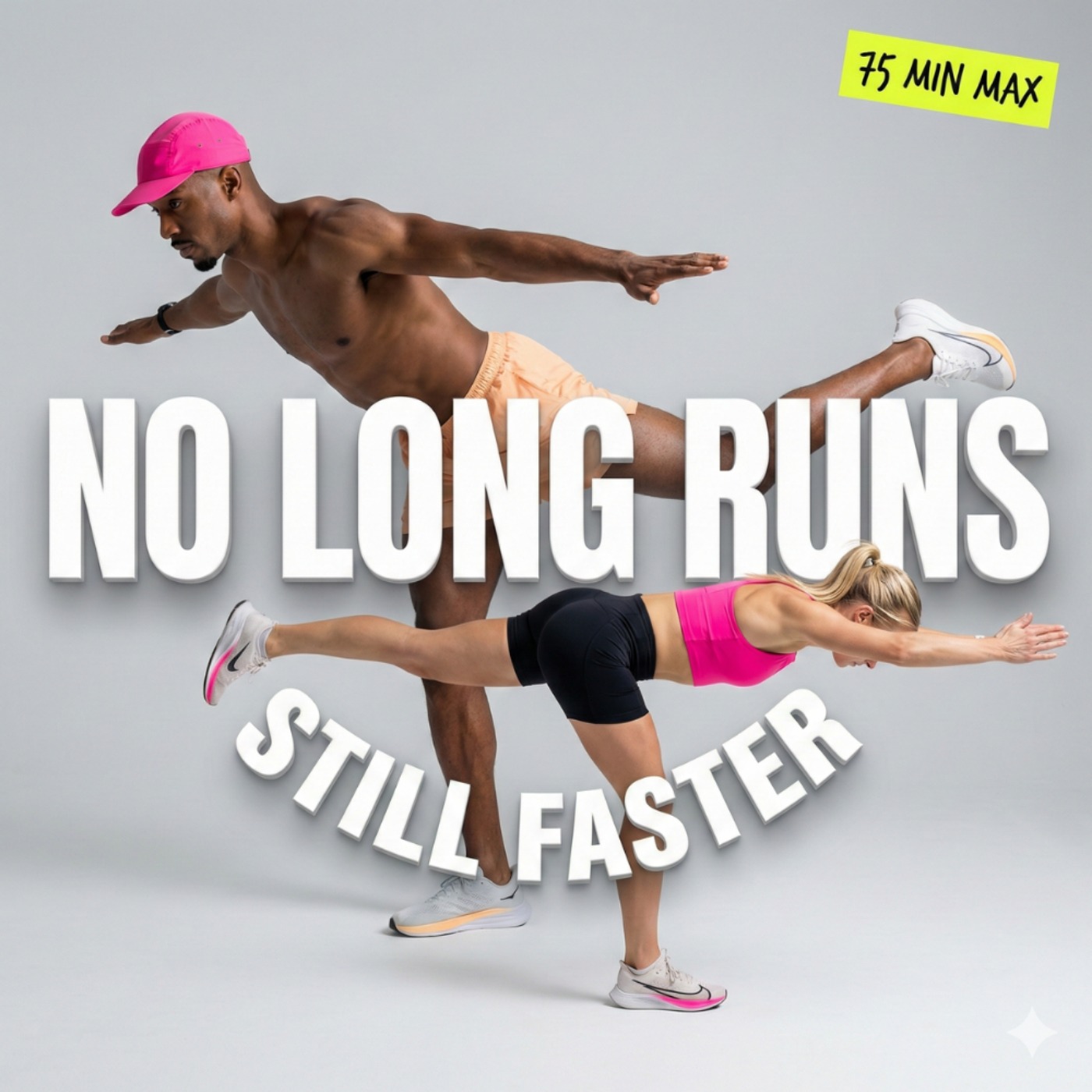
How I'm Getting Faster Without Doing Long Runs
Feb 2400:08:56Tap to summarizeLong runs aren’t always the thing that makes you faster. Sometimes they’re the very thing holding you back.If you’ve been stuck in that frustrating cycle of pushing harder, running longer, and still feeling slower or constantly beat up, this episode will shift how you think about training. I break down why stepping back from traditional long runs—especially in the off-season—can actually unlock better speed, stronger aerobic fitness, and more consistent progress. You’ll learn how smarter volume, intentional recovery, and strategic cross-training work together to keep you healthy while still building race-ready endurance. More importantly, I walk you through how to apply these changes in a practical way so you can train hard without burning out or breaking down.Key TakeawaysCapping long runs during certain phases reduces injury risk while still maintaining endurance. The goal is to stay consistent enough to actually improve, not just survive training.Instead of aggressive jumps, focus on gradual 3–5% progressions that keep the body fresh for quality workouts. Recovery is the secret weapon behind better speed.Adding low-impact aerobic work supports endurance while protecting the legs. It’s a simple way to keep building your engine without digging a deeper fatigue hole.Timestamps[00:15] What You'll Learn[01:05] Change 1: I Replaced Long Runs with Smarter Volume[03:10] Use This to Run Injury Free[03:47] Change 2: The 3-5% Rule Kept Me Fresh[04:31] Change 3: Cross-Training Unlocked Base Without the Damage[07:39] How to Really Run Long Runs When You're ReadyLinks & Learnings📈 Get Your Free Avoid Injury and Run Faster Training Plan Here: https://dlakecreates.com/basefree🎧 Listen, Read and Learn More Here: https://dlakecreates.com/nolongrunWhat Runners Get Wrong About Long Runs: https://dlakecreates.com/how-to-do-long-run/I Ranked Every Cross-Training Workout for Runners: https://dlakecreates.com/run-specific-cross-training-guide/Instagram – https://instagram.com/dlakecreatesStrava – https://www.strava.com/athletes/120507 Hosted on Acast. See acast.com/privacy for more information.
Transcribe →
Best Running Shoes 2026 (Not What You Think)
Feb 2000:09:46Tap to summarizeWhat if the flashy carbon-plated shoe you just bought is actually slowing you down on your daily runs?Most runners think getting faster starts with buying better shoes, but the real shift happens when you understand which shoes to buy, when to buy them, and how each one fits into your training. In this episode, I break down a simple three-tier system that helps you run stronger, lower injury risk, and stop wasting money on hype pairs that don’t match your current fitness. You’ll walk away knowing how to structure your shoe rotation, when to upgrade, and how to use each pair with intention so every run feels smoother and more purposeful.Key TakeawaysMost runners buy shoes in the wrong order and end up wasting money on pairs they rarely use. Starting with the right everyday shoe builds comfort, durability, and consistency first.Rotating different types of shoes helps reduce injury risk because each pair stresses the body in a slightly different way. It’s not about one perfect shoe, it’s about having the right mix.Speed and race shoes should only come after you’ve built mileage and consistency. Saving them for key workouts and race day keeps them effective and extends their lifespan.Timestamps[00:26] What You'll Learn[01:16] The Mistake[01:59] The Science[02:32] The 3 Running Shoes You Need[04:15] Know What Shoe to Use on Each Run[05:12] Second Shoe You Add: The Fun One[06:32] Third and Last Shoe You Buy: The Weapon[08:11] The Brand Examples[09:03] Use This to Pick the Right Shoes for Your Next Training BlockLinks & Learnings📈 Get Your Free 3-Shoe Rotation Guide & Training Plan Here: https://dlakecreates.com/shoerotationfree🎧 Listen, Read and Learn More Here https://dlakecreates.com/3shoesAll Brands Shoe Rotation - https://www.instagram.com/p/DLl2IzwMEMh/?hl=enThe Super Shoe Trap (With Science Fix): https://dlakecreates.com/max-cushion-running-shoes/Instagram – https://instagram.com/dlakecreatesStrava – https://www.strava.com/athletes/120507 Hosted on Acast. See acast.com/privacy for more information.
Transcribe →
Your Marathon Plan Is Backwards - Here’s the Correct Order
Feb 1700:19:42Tap to summarizeWhat if the reason your easy runs feel hard is because you’re doing too much, too soon?Marathon training can feel overwhelming when every run type seems important and everything feels hard at once. In this episode, I break down the simple structure behind effective marathon training and explain why most runners struggle not because they lack effort, but because they train in the wrong order. I walk through the three run types that quietly build most of your fitness, why they matter more than speed work early on, and how following the right sequence helps you stay healthy, consistent, and confident all the way to race day.Key TakeawaysMarathon training works best when it follows a clear order, starting with easy runs, long runs, and threshold work before adding speed. Skipping this order is one of the fastest ways to get injured or burned out.Easy runs and long runs are not filler workouts. They build the aerobic base that lets your body recover, adapt, and handle harder training later.Speed work only helps once your foundation is solid. Without a base, harder workouts create damage faster than your body can rebuild.Timestamps[00:34] What You'll Learn[01:47] The Problem[04:10] Use This To Crush Your Next Marathon[05:17] The Solution: How To Sequence The 16 Weeks[07:35] Run Type #1: The Easy Run[09:41] Run Type #2: The Long Run[14:05] Run Type #3: The Threshold Run[18:27] Find Out What Level Marathoner You AreLinks & Learnings📈 Get Your Free Marathon Training Plan Here: https://dlakecreates.com/marathonfree🎧 Listen, Read and Learn More Here https://dlakecreates.com/marathon3runsRun Farther… Without That ‘Why Am I Dying?’ Feeling: https://dlakecreates.com/base2The Only 4 Workouts You Need To Run Faster For Longer: https://dlakecreates.com/4x4Why Low Heart Rate Running Is Not Working for You (Yet): https://dlakecreates.com/lowhrBreath Nose vs. Mouth? Most Runners Pick The WRONG One: https://dlakecreates.com//nosevmouthUse VDOT Calculator to get training paces and race estimates https://dlakecreates.com/vdotUse this to learn how to run better long runs https://dlakecreates.com/longrunUse this to improve your lactate threshold - https://dlakecreates.com/lactate1wtfInstagram – https://instagram.com/dlakecreatesStrava – https://www.strava.com/athletes/120507 Hosted on Acast. See acast.com/privacy for more information.
Transcribe →
Breath Nose vs. Mouth? Most Runners Pick The WRONG One
Feb 1300:08:37Tap to summarizeEasy runs don’t fail because you’re unfit. They fail because you’re breathing wrong and running them too hard.Most runners think breathing is simple, but it’s one of the biggest reasons easy runs stop working. In this episode, I break down the real difference between nose breathing and mouth breathing, why neither one is “better,” and how using the wrong one at the wrong time quietly ruins your training. I explain what’s actually happening in your body, why easy days are supposed to feel easier than you think, and how a small change in breathing can help you slow down, build a stronger aerobic base, and get more out of every run without adding more miles or intensity.Key TakeawaysBreathing through your nose during easy runs filters and moistens your air, helping your body use oxygen more efficiently. It also forces you to slow down to the correct, easy pace that truly builds your fitness.Mouth breathing is best for hard workouts and racing because it delivers oxygen faster when intensity is high. Using it on easy days often leads runners to train too hard without realizing it.Most runners struggle not because they train too little, but because they run their easy days too fast. Learning when to use nose versus mouth breathing helps protect the aerobic base that makes long-term progress possible.Timestamps[00:15] What You'll Learn[01:06] What Most Runners Believe[01:59] What The Data Actually Shows[04:32] Use This To Nose Breathe On Your Next Run[05:31] Real World Example Of How Much Air You Can Breathe[06:41] Start Nose Breathing Today[07:13] Why This Is So Important[08:04] Do These 4 Other Things to Breathe EasierLinks & Learnings📈 Get Your Free 30-Day Base Training & Habits Plan Here: https://dlakecreates.com/basefree🎧 Listen, Read and Learn More Here: https://dlakecreates.com/nosevmouthGet Early Access to The 1% Better Runner Book here: https://dlakecreates.com/bookaccessytMost Runners Breathing Wrong - Fit it in 5 steps: https://dlakecreates.com/breathingInstagram – https://instagram.com/dlakecreatesStrava – https://www.strava.com/athletes/120507 Hosted on Acast. See acast.com/privacy for more information.
Transcribe →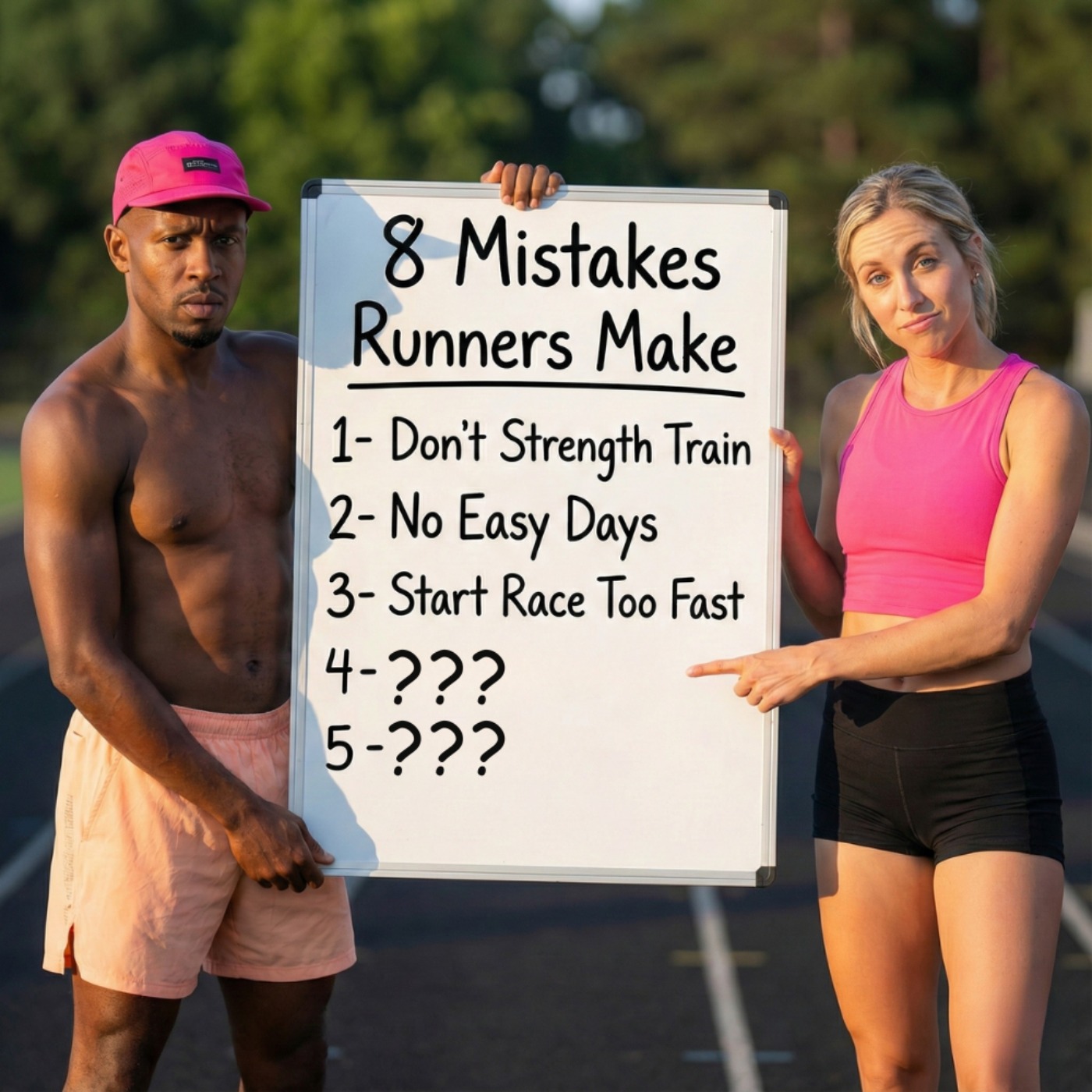
If I Started Running In 2026, Here’s What I’D STOP DOING
Feb 1000:20:49Tap to summarizeYou’re not broken, slow, or lazy. You’re probably repeating one small mistake that’s quietly holding you back.If you feel like you’re doing everything right but your pace won’t improve, this episode breaks down why that keeps happening. I walk through the most common training mistakes runners make when they self-coach, how those mistakes quietly lead to stalled progress or injury, and what actually moves the needle instead. This matters because effort alone doesn’t guarantee results, and small changes in how you train, recover, and think about progress can completely change your trajectory. By the end, you’ll know what to stop doing, what to adjust, and how to train with more confidence without burning yourself into the ground.Key TakeawaysTraining harder is not the same as training smarter. Most plateaus and injuries come from pacing mistakes, poor recovery, and pushing effort into the wrong places.Progress happens when stress and recovery are balanced. Easy days, gradual load increases, and proper rest are what allow the body to actually adapt and get faster.Comparison ruins consistency. Focusing on other runners or past versions of yourself leads to bad decisions that quietly derail long-term progress.Timestamps[00:14] What You'll Learn[00:57] Mistake #1: Start Races Too Fast[02:49] Mistake #2: Go Too Hard On Easy Days[06:12] Use This Free Thing To Run At A Lower Heart Rate[07:01] Mistake #3: Increase Volume/Load Too Fast[09:59] Mistake #4: Ignore Pain[11:26] Mistake #5: Skip Strength Training[12:57] Mistake #6: Not Rest Enough[15:18] Mistake #7: Expect a Best Time Every Race[17:15] Mistake #8: Compare Yourself To Other Runners (Or Your Past Self)[19:50] Use These 9 Things To Be Smarter Than MeLinks & Learnings📈 Get Your Free Increase Zone 2 HR Training & Habits Plan Here: https://dlakecreates.com/zone2free🎧 Listen, Read and Learn More Here: https://dlakecreates.com/8mistakesGet Early Access to The 1% Better Runner Book here: https://dlakecreates.com/bookaccessytTop 3 Things To Do When You Start A Race Too Fast: https://dlakecreates.com/top-3-things-to-do-when-you-start-a-race-too-fast/Why Low Heart Rate Running Isn’t Working for You (Yet): https://dlakecreates.com/lowhrDo You REALLY Need Rest Days? https://dlakecreates.com/runner-recovery-tips/The 9 Mistakes Holding You Back From Getting Faster: https://dlakecreates.com/9thingsInstagram – https://instagram.com/dlakecreatesStrava – https://www.strava.com/athletes/120507 Hosted on Acast. See acast.com/privacy for more information.
Transcribe →
Why Most Runners Do Vo₂ Max Intervals Wrong
Feb 600:14:23Tap to summarizeVO₂ max training isn’t about running harder, it’s about running at the right speed or you’re just wearing yourself down for nothing.If you’ve been doing “hard” interval sessions but still aren’t getting faster in your 5K, 10K, or marathon, you might be missing the real point of VO₂ max training—and wasting effort. In this episode, I break down exactly what true VO₂ max pace feels and looks like, why most runners get it wrong (even when they think they’re pushing hard), and how to dial in the right speed using free tools and recent race data—so your intervals finally deliver results without burning you out.Key TakeawaysTrue VO2 max training is about hitting a specific, fast pace, not just getting your heart rate into a certain zone. Using pace is the only way to guarantee you trigger the right adaptations.You must base your workout speeds on what you can run right now, not what you wish you could run. Using a goal pace that's too fast will ruin your workout and your progress.The magic happens in efforts under 5 minutes. Going longer lets lactic acid build up too much, which changes the entire purpose of the workout from improving VO2 max to just surviving.Timestamps[00:25] What You'll Learn[01:20] Vo2 Max Pace vs Vo2 Max Heart Rate[05:36] Use This to Improve Your Vo2 Max[06:22] How to Find Your Actual Vo2Max Pace[09:20] The Two Pacing Mistakes[11:09] Vo2 Max Myths Busted[13:40] Go Deeper on Vo2 Max with ThisLinks & Learnings📈 Get your free Increase Vo2Max Training Plan here: https://dlakecreates.com/vo2maxfree🎧 Listen, read and learn more here: https://dlakecreates.com/notvo2maxThis Free Tool Will Change How You Train VO2 Max Forever: https://dlakecreates.com/vdotThe Only 4 Workouts You Need To Run Faster For Longer: https://dlakecreates.com/4x4Instagram – https://instagram.com/dlakecreatesStrava – https://www.strava.com/athletes/120507 Hosted on Acast. See acast.com/privacy for more information.
Transcribe →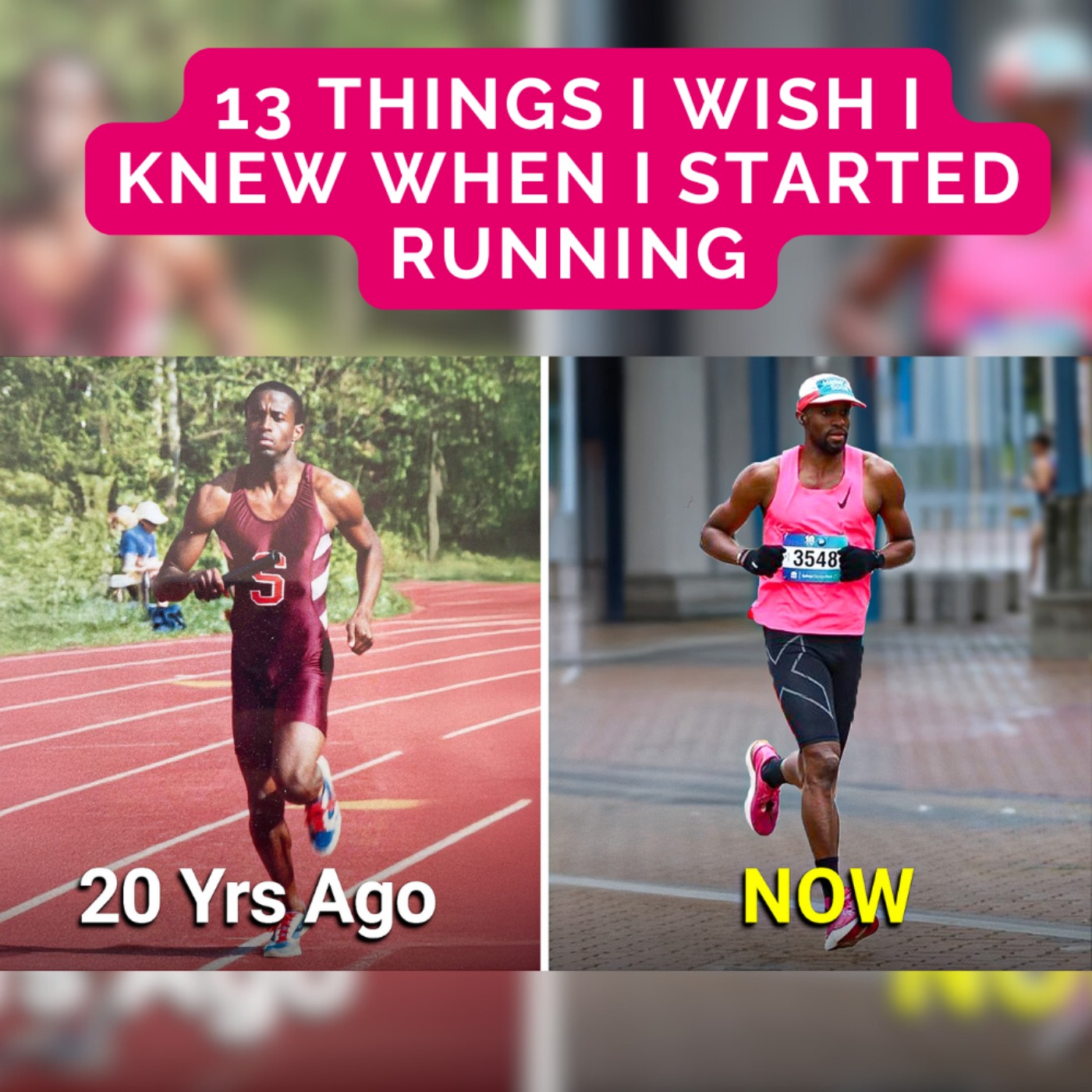
13 Things I Wish I Knew When I Started Running
Dec 23, 202400:12:42Tap to summarizeWhy is planning next year’s runs about more than just resolutions?This episode dives into 43 hard-earned lessons that every runner—and even non-runners—can use to improve their approach to life, fitness, and goal-setting. Discover the power of reflection, the secrets to sustainable training, and the strategies that help balance effort, health, and happiness. Whether you’re a beginner or a seasoned athlete, you’ll find insights to take your running and personal growth to the next level.Key TakeawaysReflecting on past runs can shape a more productive and enjoyable future.Balancing effort and recovery is critical to running longevity and enjoyment.The virtuous cycle of running, strength training, and feeling good helps you improve sustainably.Timestamps[00:00] Reflecting on past challenges to plan the future[00:25] How to audit your running year effectively[01:03] The 87% rule and its benefits[02:00] Why holding back in races can be the smart choice[03:00] Running metaphors for life and work[04:00] Genetics vs. effort in running performance[05:22] How to avoid the vicious run cycle[06:00] Loving the off-season for growth[07:16] Why running should fit into your life, not the other way around[10:25] Long-term consistency as the key to running successLinks & Future Learnings📈 Get your free 30-day 1% better base training & habits guide - https://dlakecreates.com/basefree🎧 Listen, read and learn more here https://dlakecreates.com/40things3🎧 Listen, read, and learn more here https://dlakecreates.com/40things3🎧 Part 2 is here https://dlakecreates.com/running-tips-26-years-experience/🎧 Part1 is here https://dlakecreates.substack.com/p/40-things-about-running-that-i-wishhttps://instagram.com/dlakecreateshttps://www.strava.com/athletes/120507 Hosted on Acast. See acast.com/privacy for more information.
Transcribe →
Is Zone 3 (Grey Zone) Running A Waste Of Time or Genius?
Dec 21, 202400:10:17Tap to summarizeAre your runs in the sweet spot or the danger zone?Understanding how to optimize your running training is key to improving performance and avoiding setbacks. This episode dives deep into the often misunderstood Gray Zone, explaining what it is, why it can hinder progress, and when it might actually help. Learn the science behind heart rate zones, the importance of balancing effort, and practical tips to avoid common training mistakes—all while keeping your runs fun and productive.Timestamps[00:54] What are the downsides of training at marathon pace?[01:54] What exactly is running in the Gray Zone?[03:00] Why you should stay in the Gray Zone.[04:14] Pro vs. beginner differences in the Gray Zone.[05:49] The health vs. fitness tradeoff of Gray Zone running.[07:54] Why you should and should not run in the Gray Zone.3 Key IdeasGray Zone Defined: Why the middle training zone hinders progress.Effort Distribution: The 80/20 rule for optimal training balance.Cross-Training Benefits: Mixing low-impact workouts for longevity and consistency.Links & Learnings📈 Get your free 30-day 1% better base training & habits guide - https://dlakecreates.com/basefree🎧 Listen, read and learn more here https://dlakecreates.com/greyzonehttps://instagram.com/dlakecreateshttps://dlakecreates.comhttps://www.strava.com/athletes/120507 Hosted on Acast. See acast.com/privacy for more information.
Transcribe →
What It Takes to Achieve Sub-3-Hour Marathons | Chris
Dec 17, 202400:08:54Tap to summarizeWhy does this runner loop a soccer field instead of exploring scenic trails?Learn how simple habits and small daily changes can transform your running performance. From breaking mental barriers to establishing a consistent training routine, this episode shares actionable insights from a runner striving to go sub-3 hours. Whether you're training for a marathon or just starting, these tips will help you become a smarter, more resilient athlete.Key TakeawaysSimple habits like running the same route can reduce decision fatigue and improve focus.Running without music can build mental resilience and deepen the running experience.Incremental improvement leads to long-term success—1% better every day matters.Timestamps[00:00:00] Introduction to the 90-minute long run and marathon training goals.[00:01:17] Chris’s current marathon focus and goal of breaking sub-3 hours.[00:02:18] The strategy: pacing smartly and avoiding common mistakes in long runs.[00:03:22] Chris’s soccer background and how it prepared him for running.[00:04:38] Why Chris began running consistently and the mental benefits of the habit.[00:05:19] The power of route consistency and why Centennial Park is a favorite.[00:06:09] Running laps on a soccer field: mental challenges and lessons learned.[00:06:52] Chris’s transition to running without music and the mental toughness it builds.[00:07:22] Key advice for runners: staying consistent and running for life.[00:08:00] Closing thoughts: how small habits can lead to marathon breakthroughs.Links & LearningsThe One Percent Better Runner NewsletterDLake Runs on InstagramChris on Strava Hosted on Acast. See acast.com/privacy for more information.
Transcribe →
How To Run A Faster 5k: My Top 12 Tips
Dec 10, 202400:18:46Tap to summarizeAre you really racing the distance at your highest potential? How much do you need to suffer? And what does it take to race a 5k? At your peak effort and intelligence, stick around, don't worry, because I'm going to answer all those questions and more by giving you my top 12, 12 tips on racing the 5k that I've learned from my experience, research, and talking with all of the experts on the 5k.Running your best 5K takes more than just lacing up your shoes—it’s about training smarter, not harder. From mastering the 80/20 rule and incorporating targeted strength training to reframing your mindset on race day, this episode provides 12 actionable tips to elevate your performance. Whether you’re chasing a personal best or tackling a 5K for the first time, these strategies will help you hit the ground running.Timestamps Of What You'll Learn[00:00] The 5K: A Gateway to Bigger Challenges[00:22] Are You Reaching Your Full Potential?[01:17] Structure Your Training Into Periods & Blocks[02:51] Use The 80/20 Rule[04:09] Vary Your Speedwork[05:59] Strength Training Tips for Runners[06:45] Nutrition’s Role in Training and Performance[07:47] How To Actually Run Your Fastest 5k[08:37] Why Cross-Training Improves Your 5K[09:47] Time Trials: The Key to Mental Toughness[10:19] Dial In Your Recovery[11:24] Reframing Your 5K Mindset[13:17] The 1% Better Runner's Virtous & Viscious Cycle[14:38] Preparing for Race Day: Warm-Ups and PacingKey Takeaways80/20 Training Rule: Focus 80% on easy runs and 20% on speed to maximize gains.Strength Training for Runners: Essential for injury prevention and better performance.Reframing Goals: Focus on your best performance, not just a faster time.Links & Learnings📈 Get your free 1% better in 6-weeks 5k training and habits guide🎧 Listen, read and learn more hereOPB - Virtous vs. Viscious Run Cyclehttps://instagram.com/dlakecreateshttps://www.strava.com/athletes/120507 Hosted on Acast. See acast.com/privacy for more information.
Transcribe →