
Podcast
The 1% Better Runner with DLake
Hosted by Daren DLake · EN
This is a podcast about how runners can live better lives through consistent self-improvement.
Unlike other running brands, The 1% Better Runner focuses on how small, daily habit improvements ripple into broader life success, helping runners perform better both on and off the road, track, or dirt.
I’m Daren DLake: Certified running and nutrition coach, Sub-3-hour marathoner and 10-hour Ironman finisher.
Since 1996, I’ve been helping other self-coached runners, researching, and experimenting on how to better myself 1% each day.
A few times a week, I’ll drop how I’m tweaking my training, sticking to habits when life’s messy, and cool stuff from coaches and health pros. It’s a no-BS cheat sheet for building better habits—not just for running, but for work, relationships, and personal growth too.
Join thousands of other committed runners listening to the most exciting run and endurance sports content on the internet and get more tactics and strategies in your inbox each week.
Bonus - Get my free 30-day base and habits training plan when you sign up for the free newsletter here.
PS - Podcasting is very "1-way," so let's fix that. Hit us up if you have any feedback, want to collaborate, or just wanna tell me about your training. On Instagram @dlakecreates or talk@dlakecreates.com
Hosted on Acast. See acast.com/privacy for more information.
56episodes
Episodes
Newest firstAll episodes

What Runners Can Learn from a Pro Soccer Player | Greg Pearson
Dec 3, 202400:21:52Tap to summarizeEvery time you skip recovery, you’re leaving future progress on the table.What if your running habits could change your life? In this episode, you’ll discover how structure and pacing can unlock both physical and mental breakthroughs. Greg Pearson, a former pro soccer player turned running coach, shares the mindset shifts, recovery strategies, and training practices that have helped him and his athletes consistently improve. Learn what it takes to make running sustainable for life, not just a season.Timestamps of What You'll Get From This[00:00] Why recovery is the key to progress.[00:17] Pacing: The ultimate superpower for runners.[00:53] Easy runs and building your best fitness.[01:36] Lessons from a pro soccer player turned runner.[04:07] The value of structure in athletic success.[08:36] Identity shifts and the transition to running.[12:11] Coaching philosophy: Helping runners achieve goals sustainably.[13:26] Mental growth through running challenges.[18:23] The importance of starting small and scaling smartly.[20:40] "You cannot fail if you do not quit."Links & LearningsGet Free 30-day base training and habits guide here The One Percent Better Runner NewsletterDLake Runs on InstagramGreg on InstagramJoin Greg’s Coaching Waitlist Hosted on Acast. See acast.com/privacy for more information.
Transcribe →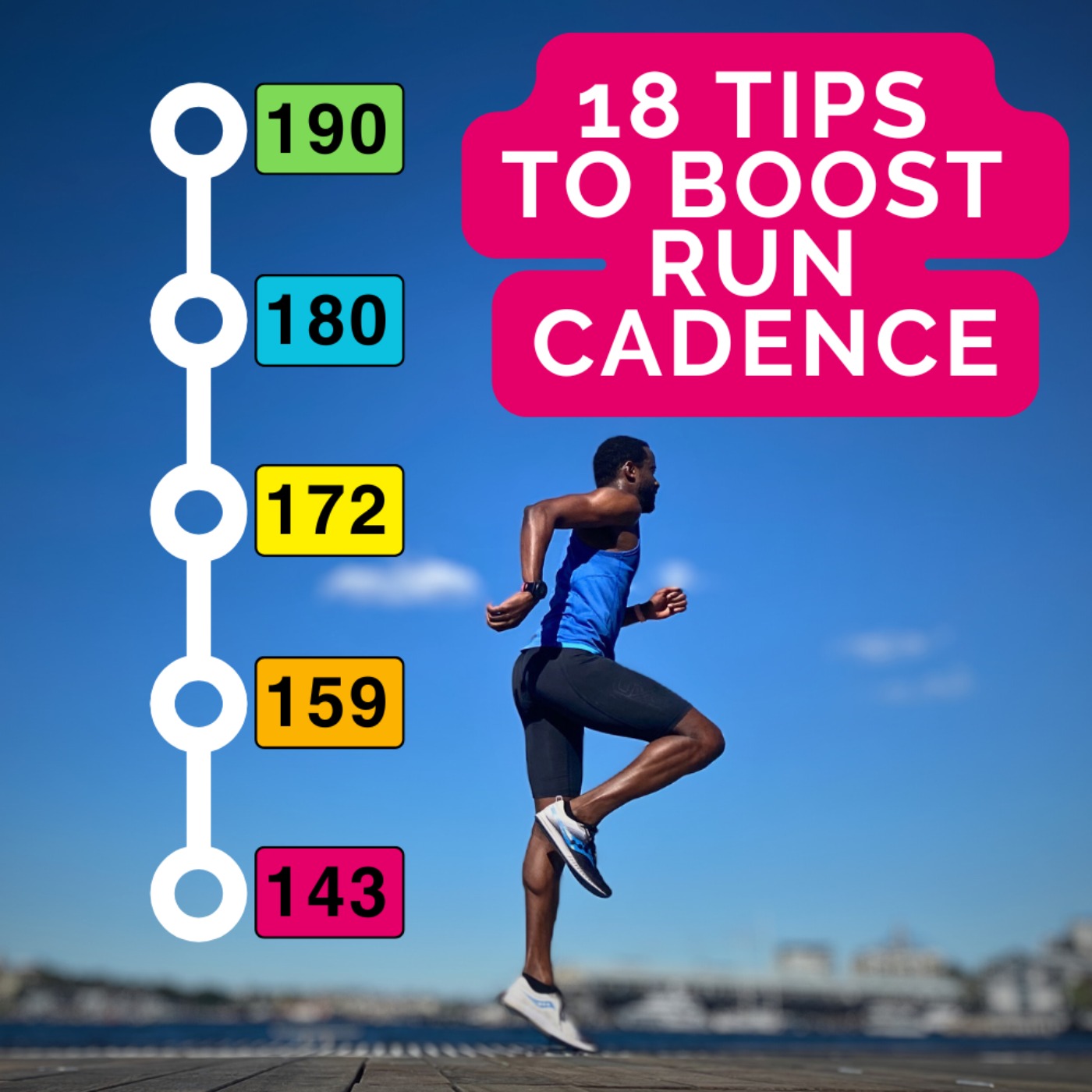
How To Improve, Increase Running Cadence To Become A Faster & Injury-free Runner
Nov 26, 202400:18:58Tap to summarizeImagine running faster and stronger but with less effort and all from one small adjustment. What is it? Increasing your run cadence - But how do you actually do it? Listen on to find out.Discover how to unlock your full running potential with one small yet powerful adjustment—your cadence. Learn why it matters for efficiency, injury prevention, and speed, and explore 18 proven strategies to improve it at your own pace.From beginner-friendly tweaks like stride shortening to advanced drills and strength training, this episode delivers a roadmap to running stronger, faster, and injury-free.Get our Free 6 month plan to increase your run cadenceTimestamps of What You’ll Learn[00:00] Introduction: How cadence can improve your running.[0:21] Why I’m obsessed with run cadence[1:12] Why you should listen to me[1:40] What You will get from this[2:29] What is run cadence exactly?[2:40] Why should we care about cadence?[03:52] Over-striding explained: Why it leads to injuries like runner's knee.[04:25] How to measure your cadence with simple tools or tech.[05:53] The 180 steps per minute myth and its applicability.[06:30] Adjusting cadence for different body types and heights.[09:50] Beginner strategies for improving cadence: Shorter strides, metronomes, and playlists.[14:09] Advanced techniques: Barefoot running, hill repeats, and plyometric drills.[16:10] Strength training tips for building power and elasticity.[16:42] Working with professionals to tailor your cadence improvement plan.[18:00] Final thoughts: Long-term benefits of gradual cadence changes.Key TakeawaysWhy Cadence Matters: Higher cadence can improve running efficiency, reduce injury risk, and potentially boost speed—when done correctly.How to Measure Cadence: Tools like smartwatches and apps simplify tracking your steps per minute for more accurate adjustments.Step-by-Step Cadence Training: From stride shortening to strength training, there are 18 actionable tips to gradually enhance your cadence safely.Links & Future Learnings Free 6 month plan to increase your run cadenceWatch, read and listen to this on your next run or workout7 tips to Improve your running formUse Run Form Drills and Plyometrics to Become an Injury-Free MonstersDr. Marie Whitt Fit on InstagramDr. Marie Whitt Fit on YouTubeDLake Runs on InstagramScientific Study - Effect of Increasing Running Cadence on Peak Impact Force in an Outdoor Environment Hosted on Acast. See acast.com/privacy for more information.
Transcribe →
Beta Alanine For Runners - The Science Of This Unknown Protein | Nov 2024 News
Nov 19, 202400:14:39Tap to summarizeWant to make every run feel a little easier? Try this approach for 1% better results.In this episode, you’ll learn why small, intentional adjustments in your training can create massive improvements in the long run. From understanding the science behind beta-alanine as an endurance booster to rethinking the way you approach fartlek workouts, this session covers the incremental changes that lead to 1% daily gains. Plus, you’ll learn why choosing the right weather app matters more than you might think and how to make better decisions based on accurate forecasts.Timestamps[00:00] Introduction to 1% Better Philosophy[00:36] Why long-term gains matter more than quick fixes[01:12] Beta-alanine: The slow-burn supplement for endurance[02:24] How beta alanine reduces muscle fatigue[03:49] Managing side effects: Tips for a comfortable dosage[05:41] The importance of checking accurate weather forecasts[08:12] Why most weather apps aren’t reliable[10:27] Tackling fartlek workouts with structure[12:33] Effective gear planning based on accurate forecasts[13:10] Closing thoughts on long-term commitment in runningKey TakeawaysSlow Progress with Supplements: Beta-alanine isn’t an instant boost; it requires weeks of consistent use to benefit endurance and reduce fatigue.Structured Fartlek Workouts: By adding structure to fartlek sessions, runners can better manage pacing and avoid injury, making the workout more effective.Choosing the Right Weather App: Not all weather apps are accurate. Selecting one tailored to your location can make a big difference in planning your runs.Links For GreatnessGet your free 1% better 30-day guide to consistencyWatch and read the full episode hereDLake Runs on InstagramFollow my training on Strava Hosted on Acast. See acast.com/privacy for more information.
Transcribe →
How Inconsistency Is Killing Your Race Times — Elite Runner's Secrets | Simply Audrey
Nov 12, 202400:13:50Tap to summarizeTraining inconsistently? Here’s how that might be holding back your race goals.In this episode, we dive into what separates fast runners from the fastest: consistency. Learn from Audrey’s journey to shave time off her 5K and uncover what training habits might be keeping you from your personal best. We’ll cover her favorite dynamic warm-ups, interval tips, and lifestyle tweaks to keep you injury-free and consistently on track for your goals. Whether you're an elite runner or just getting started, this episode has practical takeaways for anyone looking to improve!Timestamps of What You’ll Learn[00:00] Why Consistency is Key to Training[01:09] First Time Meeting Audrey[01:45] Barriers to Breaking the 15-Minute Mark[02:42] Dynamic Warm-Up Routine Breakdown[03:35] Goals and Fitness Priorities[04:17] Fun Fuel Choices for Training Days[06:06] Learning from Interval Mistakes[07:52] Final 400m Interval Push[09:02] How to Train for Speed in 800m[11:25] Breaking Bad Habits for ConsistencyLinks For GreatnessGet your free 1% better 30-day guide to consistencyDLake Runs on InstagramAudrey on InstagramWatch and read the full episode Hosted on Acast. See acast.com/privacy for more information.
Transcribe →
Running Meditation - Improve Your Mindset to Run Further & Faster
Nov 5, 202400:12:08Tap to summarizeAre you too mindful on your runs? It might be time to dial it back.I dive into the surprising downside of being too mindful during your runs and how it can disrupt your flow and performance. We explore the fine line between conscious awareness and muscle memory, revealing how to harness mindfulness effectively without letting it derail your progress.Learn how to find the right balance and implement techniques that keep you in the zone, effortlessly improving your running experience.TIMESTAMPS OF WHAT YOU'LL LEARN- [00:00:00] - Introduction and Overview- [00:00:15] - Setting the Stage for the Discussion on Mindfulness in Running- [00:01:15] - The 14-Mile Run Story: A Personal Story Where Mindfulness Backfired During a Long Run- [00:02:22] - The Moment of Disruption: How Being Overly Mindful Threw Off My Stride and Rhythm- [00:02:49] - Science of Mindfulness: Exploring Research on Mindfulness and Automaticity in Athletic Performance- [00:03:54] - Balancing Awareness and Flow: Finding the Right Balance Between Conscious Awareness and Muscle Memory- [00:04:30] - Challenges of Excessive Mindfulness: Too Much Mindfulness Can Hinder Running Performance- [00:06:11] - Real-World Application: Practical Advice on Applying Mindfulness Without Overthinking- [00:08:01] - Importance of Muscle Memory: Understanding the Role of Muscle Memory in Sustaining Long Runs- [00:08:51] - Achieving Meditative Flow: Techniques for Entering a Flow State Without Disrupting Your Run- [00:10:37] - Final Thoughts and Tips: Concluding Insights and Actionable Advice for Mindful RunningLINKS & LEARNINGS- The One Percent Better Runner Newsletter - https://dlakecreates.com/news- DLake Runs on Instagram - https://instagram.com/dlakecreates- Can Mindfulness Backfire? https://www.psychologytoday.com/us/blog/the-athletes-way/201311/can-mindfulness-backfire- Listen, read and learn more here https://dlakecreates.com/mindful Hosted on Acast. See acast.com/privacy for more information.
Transcribe →
Top 11 Ways To Run Longer & Farther Without Hitting The Wall
Oct 29, 202400:56:24Tap to summarizeWhat if running farther wasn’t about speed, but strategy?In this episode, we dive into the essential strategies to keep you running stronger and longer, without the burnout. Learn the time-tested techniques that focus on stamina over speed, including how to prevent injuries, fuel your body effectively, and make the right adjustments in your routine. These tips will help you push through barriers and become a more resilient runner, all while feeling fresher on every run. Whether you're preparing for your first marathon or just want to improve your daily runs, these strategies are your foundation for long-term success.Get your free run farther 1% better each day for 30 days guide here Timestamps & Learnings[00:00] Cavemen and aerobic base[01:39] #1 PRACTICE RUNNING SLOW[02:12] #2 USE THE TALK TEST[03:48] #3 FIND A RACE AND/OR JOIN A CLUB[04:28] 8 MORE KEY STEPS THAT WILL WORK EVEN BETTER[05:19] #4 STRENGTH TRAINING[06:47] #5 FOOTWEAR[08:01] #6 DIET & NUTRITION[09:38] #7 RECOVERY STRATEGIES[11:04] #8 CROSS TRAINING[12:02] #9 TRACK PROGRESS[12:42] #10 FOLLOW THE 10% RULE[13:48] #11 MENTAL STRATEGIES AND DEALING WITH A SETBACK[15:11] FINAL THOUGHTSLinks & LearningsGet your free run farther 1% better each day for 30 days guide here The One Percent Better Runner NewsletterEverything You need to know about Base Zone 2 Aerobic Running ToolkitDaren DLake on InstagramJames Dunn on how to run far without tiringRun Strength Training Toolkit5 zone vs 3 zone HR training explainedCan a new or experienced runner out run a bad dietWhy rest, sleep and recovery are so importantMindfulness and getting 1% better each day/month/year Hosted on Acast. See acast.com/privacy for more information.
Transcribe →