
Podcast
The Daily
Hosted by The New York Times · EN
This is what the news should sound like. The biggest stories of our time, told by the best journalists in the world. Hosted by Michael Barbaro, Rachel Abrams and Natalie Kitroeff. Twenty minutes a day, six days a week, ready by 6 a.m.
Subscribe today at nytimes.com/podcasts or on Apple Podcasts and Spotify. You can also subscribe via your favorite podcast app here https://www.nytimes.com/activate-access/audio?source=podcatcher.
2,937episodes
Episodes
Newest firstAll episodes
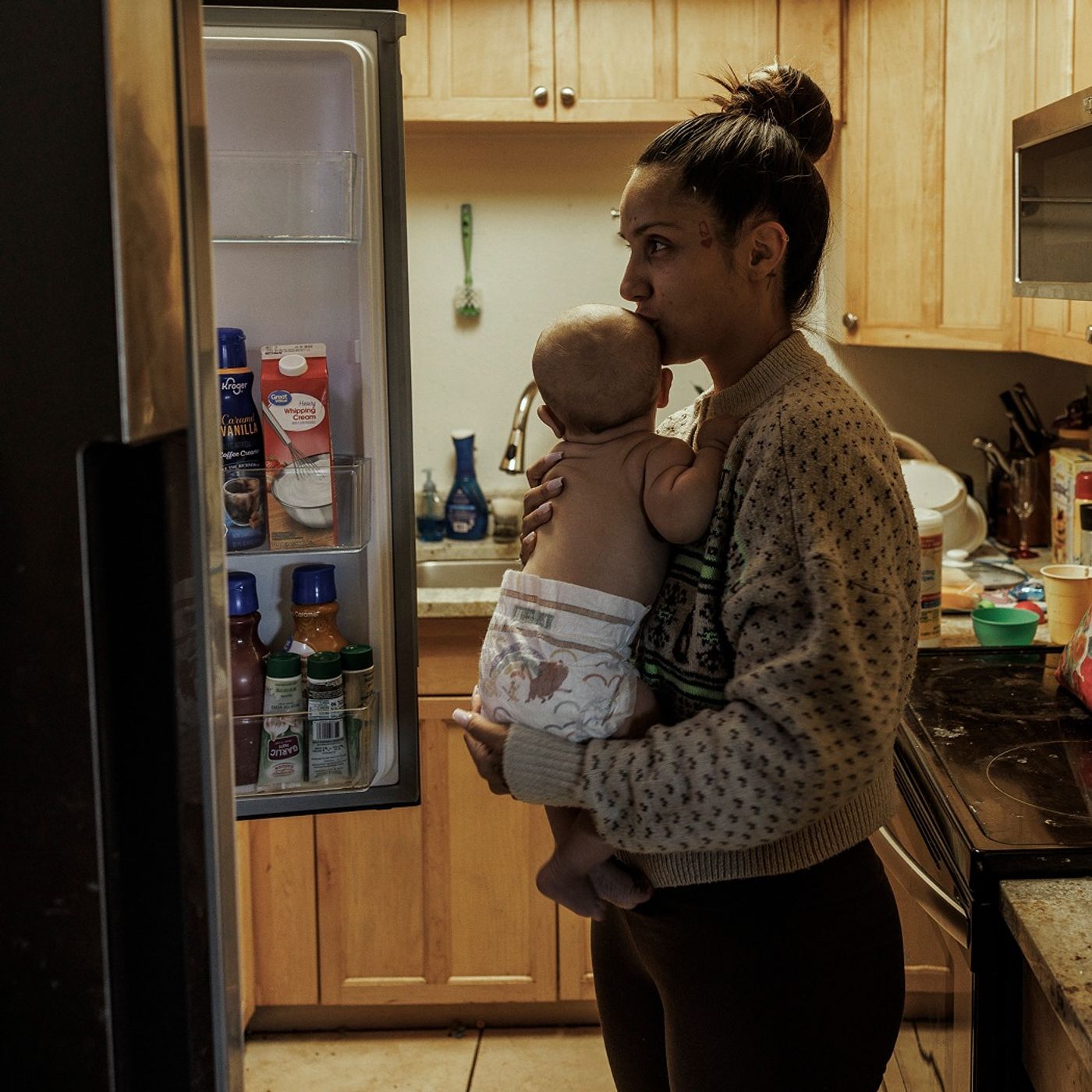
Arizona’s Food Stamp Crisis Is Coming for the Rest of the U.S.
Today00:30:22Summary readyThe United States is undergoing one of the biggest changes to its social safety net in recent history, with huge numbers of people getting dropped from the government’s food assistance program. Nowhere has this been more dramatic than in Arizona. Jason DeParle, who covers poverty for The New York Times, explains why so many people are suddenly losing access to this key benefit, and what implications it could have for the rest of the country. Guest: Jason DeParle, who writes about poverty in the United States for The New York Times. Background reading: Faced with piles of new paperwork, people are losing food stamps. Video: What Arizona reveals about the future of food stamps. Photo: Adriana Zehbrauskas for The New York Times For more information on today’s episode, visit nytimes.com/thedaily. Transcripts of each episode will be made available by the next workday. Subscribe today at nytimes.com/podcasts or on Apple Podcasts and Spotify. You can also subscribe via your favorite podcast app here https://www.nytimes.com/activate-access/audio?source=podcatcher. For more podcasts and narrated articles, download The New York Times app at nytimes.com/app. Hosted by Simplecast, an AdsWizz company. See pcm.adswizz.com for information about our collection and use of personal data for advertising.
Summary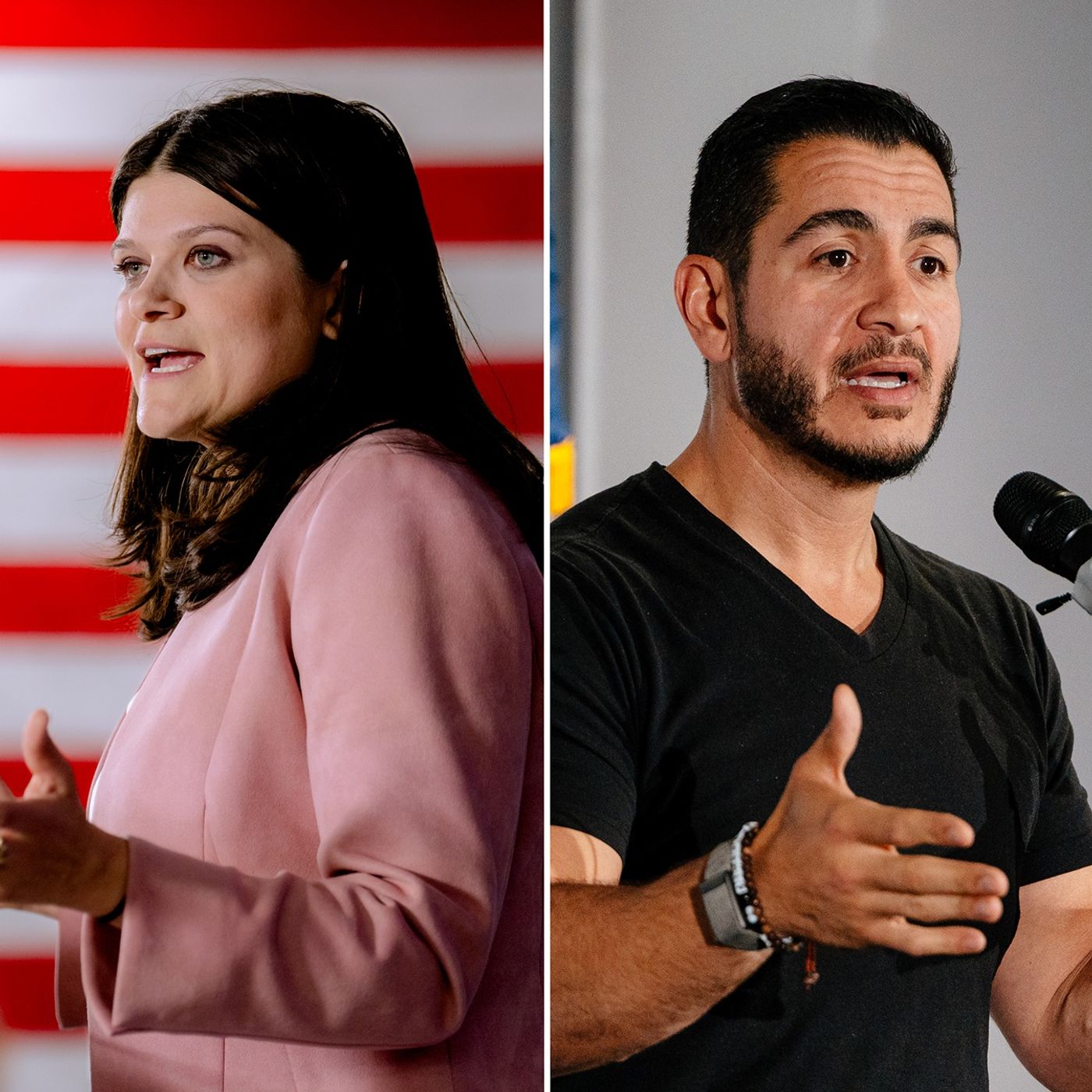
Will Michigan Rewrite the Rules of Democratic Politics?
Yesterday00:40:32Summary readyIn Michigan, a race for U.S. Senate is not only testing the growing appeal of left-wing populism. It could also be a turning point in a long-running debate among Democratic voters about the importance of electability. Michael Kruse, who writes about politics for The New York Times, traveled to Michigan with the producers Asthaa Chaturvedi and Anna Foley of “The Daily” to speak to voters and campaign volunteers. Guest: Michael Kruse, a politics reporter for The New York Times. Background reading: Michigan’s tense Democratic Senate race poses a big test for a divided party. Can a progressive win in a purple state? Abdul El-Sayed wants to find out. Photo: Nic Antaya for The New York Times For more information on today’s episode, visit nytimes.com/thedaily. Transcripts of each episode will be made available by the next workday. Subscribe today at nytimes.com/podcasts or on Apple Podcasts and Spotify. You can also subscribe via your favorite podcast app here https://www.nytimes.com/activate-access/audio?source=podcatcher. For more podcasts and narrated articles, download The New York Times app at nytimes.com/app. Hosted by Simplecast, an AdsWizz company. See pcm.adswizz.com for information about our collection and use of personal data for advertising.
Summary
The Tangled Tale of the Tate Brothers and the Trumps
2d ago00:39:41Summary readyWarning: This episode contains strong language. Over the past decade, the Tate brothers have built a global empire around pornography, hypermasculinity and overt misogyny. At the same time, they have been repeatedly accused of assaulting and trafficking women. A Times investigation found that as their legal troubles mounted, the Tates found powerful allies in the Trump family and administration. Megan Twohey, who has been covering the story, explains just how important those alliances became and why they are now starting to unravel. Guest: Megan Twohey, an investigative reporter for The New York Times. Background reading: How a manosphere star accused of rape and trafficking was freed last year. The Tate brothers were arrested in Miami last month as the British authorities filed new rape and trafficking charges. The brothers, in federal custody, are seeing their powerful backers go quiet. Photo: Eduard Vinatoru/Inquam Photos, via Reuters For more information on today’s episode, visit nytimes.com/thedaily. Transcripts of each episode will be made available by the next workday. Subscribe today at nytimes.com/podcasts or on Apple Podcasts and Spotify. You can also subscribe via your favorite podcast app here https://www.nytimes.com/activate-access/audio?source=podcatcher. For more podcasts and narrated articles, download The New York Times app at nytimes.com/app. Hosted by Simplecast, an AdsWizz company. See pcm.adswizz.com for information about our collection and use of personal data for advertising.
Summary
After Losing Her Limbs, Our Cooking Columnist Returns to the Kitchen
3d ago00:31:29Summary readyFor decades, the kitchen was the centerpiece of Yewande Komolafe’s life. She spent long hours there, first as a restaurant cook and later as a recipe developer. But though she loved the often-intense culinary world, she had to navigate it with certain limitations: She was born with sickle cell disease, an inherited blood disorder, which required her to carefully manage her working life. She did so successfully, becoming a celebrated cookbook author and food writer for The Times. A medical crisis in December 2023 changed all of that. Komolafe ended up in a coma for six weeks, and after emerging learned that both her legs and her fingers would need to be amputated. In this episode of “The Sunday Daily,” Komolafe tells Rachel Abrams about what happened and how, after everything, she made her way back into the kitchen. On Today’s Episode: Yewande Komolafe is a cooking columnist for The New York Times. Background Reading: How Losing My Limbs Turned Me Into a Different Kind of Cook The Chef Imagining a More Accessible World, One Meal at a Time Photo credit: Lanna Apisukh. Subscribe today at nytimes.com/podcasts or on Apple Podcasts and Spotify. You can also subscribe via your favorite podcast app here https://www.nytimes.com/activate-access/audio?source=podcatcher. For more podcasts and narrated articles, download The New York Times app at nytimes.com/app. Hosted by Simplecast, an AdsWizz company. See pcm.adswizz.com for information about our collection and use of personal data for advertising.
Summary
The Fight Tearing Apart Silicon Valley
5d ago00:26:51Summary readyFor years, a debate has been simmering in Silicon Valley over the right way to build artificial intelligence. Should it be open and free for anyone to use, or should we tightly control how it’s made and who can access it? Mike Isaac, who covers technology for The New York Times, explains why the release of two Chinese models pushed that debate to a boiling point this week, and how it could end up reshaping the future of A.I. Guest: Mike Isaac, a New York Times reporter based in the San Francisco Bay Area, covering tech companies and Silicon Valley. Background reading: Silicon Valley splits over closing the borders to Chinese A.I. What is open-weights A.I.? Photo: Hector Retamal/Agence France-Presse — Getty Images For more information on today’s episode, visit nytimes.com/thedaily. Transcripts of each episode will be made available by the next workday. Subscribe today at nytimes.com/podcasts or on Apple Podcasts and Spotify. You can also subscribe via your favorite podcast app here https://www.nytimes.com/activate-access/audio?source=podcatcher. For more podcasts and narrated articles, download The New York Times app at nytimes.com/app. Hosted by Simplecast, an AdsWizz company. See pcm.adswizz.com for information about our collection and use of personal data for advertising.
Summary
Europe Is Burning
6d ago00:29:49Summary readyThis summer, wildfires have been raging across Europe. France and Spain have been hit particularly badly, with hundreds of thousands of acres incinerated and entire communities devastated. Chico Harlan, the global climate correspondent for The New York Times, and Mark Landler, the Paris bureau chief, explain how much the continent may need to adapt to climate change. Guest: Chico Harlan, the global climate correspondent for The New York Times, covering the changing planet. Mark Landler, the Paris bureau chief of The New York Times, covering France, trans-Atlantic relations and the future of Europe. Background reading: Europe’s summer of reckoning is “just the beginning.” The fires in France and Spain have been breaking modern records. Photo: Baz Ratner/Agence France-Presse — Getty Images For more information on today’s episode, visit nytimes.com/thedaily. Transcripts of each episode will be made available by the next workday. Subscribe today at nytimes.com/podcasts or on Apple Podcasts and Spotify. You can also subscribe via your favorite podcast app here https://www.nytimes.com/activate-access/audio?source=podcatcher. For more podcasts and narrated articles, download The New York Times app at nytimes.com/app. Hosted by Simplecast, an AdsWizz company. See pcm.adswizz.com for information about our collection and use of personal data for advertising.
Summary
Israel, AIPAC and Difficult Questions for Democrats
1w ago00:39:30Summary readyThe American Israel Public Affairs Committee, a pro-Israel lobbying group known as AIPAC, has spent a record amount of money in this year’s midterm elections to either oust or support candidates based on their support of Israel. Jonathan Mahler, a writer for The New York Times Magazine, discusses the new litmus test for the left at a time when the United States’ relationship with Israel is under scrutiny. Guest: Jonathan Mahler, a staff writer for The New York Times Magazine covering a wide range of topics, including politics, entertainment, education, media, the law and sports. Background reading: AIPAC wants Democrats to back Israel. Instead, they’re turning on the group. Photo: Cheriss May/Sipa, via Associated Press Images For more information on today’s episode, visit nytimes.com/thedaily. Transcripts of each episode will be made available by the next workday. Subscribe today at nytimes.com/podcasts or on Apple Podcasts and Spotify. You can also subscribe via your favorite podcast app here https://www.nytimes.com/activate-access/audio?source=podcatcher. For more podcasts and narrated articles, download The New York Times app at nytimes.com/app. Hosted by Simplecast, an AdsWizz company. See pcm.adswizz.com for information about our collection and use of personal data for advertising.
Summary
The Iranians Who Want More War
1w ago00:29:18Summary readyFractures in Tehran are pitting a faction favoring negotiation with Washington against hard-liners who oppose making a deal with the United States. Guest: Abdi Latif Dahir, a Middle East correspondent for The New York Times, covering Lebanon and Syria. Farnaz Fassihi, the United Nations bureau chief for The New York Times. She also covers Iran and how countries around the world deal with conflicts in the Middle East. Background reading: What a journey through wartime Iran revealed. Divisions festered within Iran over talks with the United States. Photo: Agence France-Presse — Getty Images For more information on today’s episode, visit nytimes.com/thedaily. Transcripts of each episode will be made available by the next workday. Subscribe today at nytimes.com/podcasts or on Apple Podcasts and Spotify. You can also subscribe via your favorite podcast app here https://www.nytimes.com/activate-access/audio?source=podcatcher. For more podcasts and narrated articles, download The New York Times app at nytimes.com/app. Hosted by Simplecast, an AdsWizz company. See pcm.adswizz.com for information about our collection and use of personal data for advertising.
Summary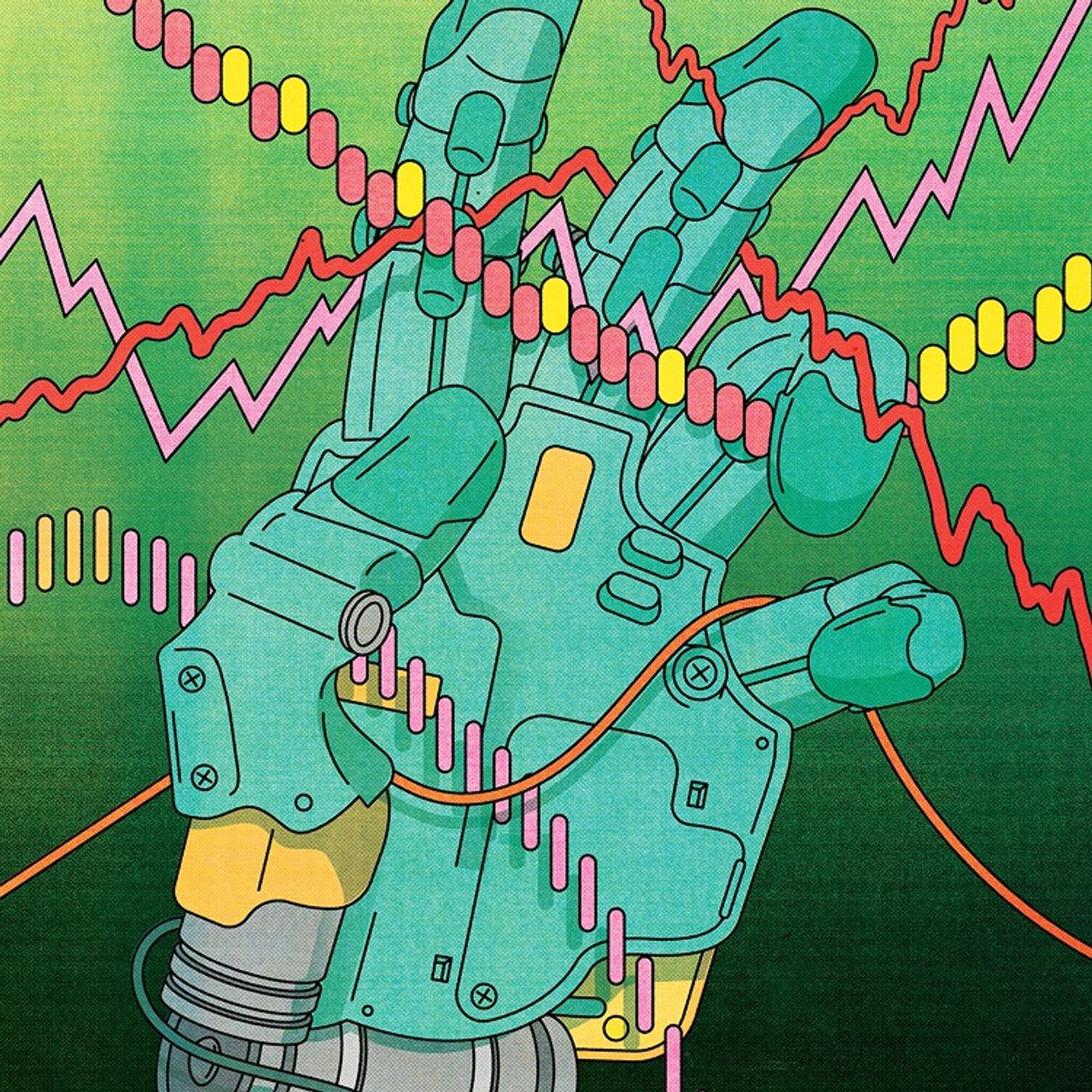
What A.I. Is Actually Doing to the Economy
1w ago00:34:17Summary readyAs artificial intelligence becomes more advanced, people are getting more nervous about how it could change the economy and their jobs. Ben Casselman, the chief economics correspondent for The New York Times, explains why A.I.’s impact is so hard to pin down and what we can learn from the tech disruptions of the past. Guest: Ben Casselman, the chief economics correspondent for The New York Times. Background reading: Ben Casselman, the chief economics correspondent for The New York Times. Photo: George Wylesol For more information on today’s episode, visit nytimes.com/thedaily. Transcripts of each episode will be made available by the next workday. Subscribe today at nytimes.com/podcasts or on Apple Podcasts and Spotify. You can also subscribe via your favorite podcast app here https://www.nytimes.com/activate-access/audio?source=podcatcher. For more podcasts and narrated articles, download The New York Times app at nytimes.com/app. Hosted by Simplecast, an AdsWizz company. See pcm.adswizz.com for information about our collection and use of personal data for advertising.
Summary
Why Do Some Memories Survive Dementia?
1w ago00:29:03Summary readyWhen the Times reporter Ellen Barry’s father developed dementia after a fall, her family spent years trying to manage his erratic behavior and confusion. They struggled to convince him that he was home, he was safe, and he shouldn’t try to leave. The experience was exasperating and impossible to understand. Today, Ellen tells the story of those years, and of how she discovered scientific research that helped explain everything her family had lived through — research that could potentially help to save precious memories from being lost forever. On Today’s Episode Ellen Barry, a mental health reporter for The New York Times Background Reading When My Father’s Canary Flew Away Subscribe today at nytimes.com/podcasts or on Apple Podcasts and Spotify. You can also subscribe via your favorite podcast app here https://www.nytimes.com/activate-access/audio?source=podcatcher. For more podcasts and narrated articles, download The New York Times app at nytimes.com/app. Hosted by Simplecast, an AdsWizz company. See pcm.adswizz.com for information about our collection and use of personal data for advertising.
Summary