
Podcast
The Daily
Hosted by The New York Times · EN
This is what the news should sound like. The biggest stories of our time, told by the best journalists in the world. Hosted by Michael Barbaro, Rachel Abrams and Natalie Kitroeff. Twenty minutes a day, six days a week, ready by 6 a.m.
Subscribe today at nytimes.com/podcasts or on Apple Podcasts and Spotify. You can also subscribe via your favorite podcast app here https://www.nytimes.com/activate-access/audio?source=podcatcher.
2,945episodes
Episodes
Newest firstAll episodes
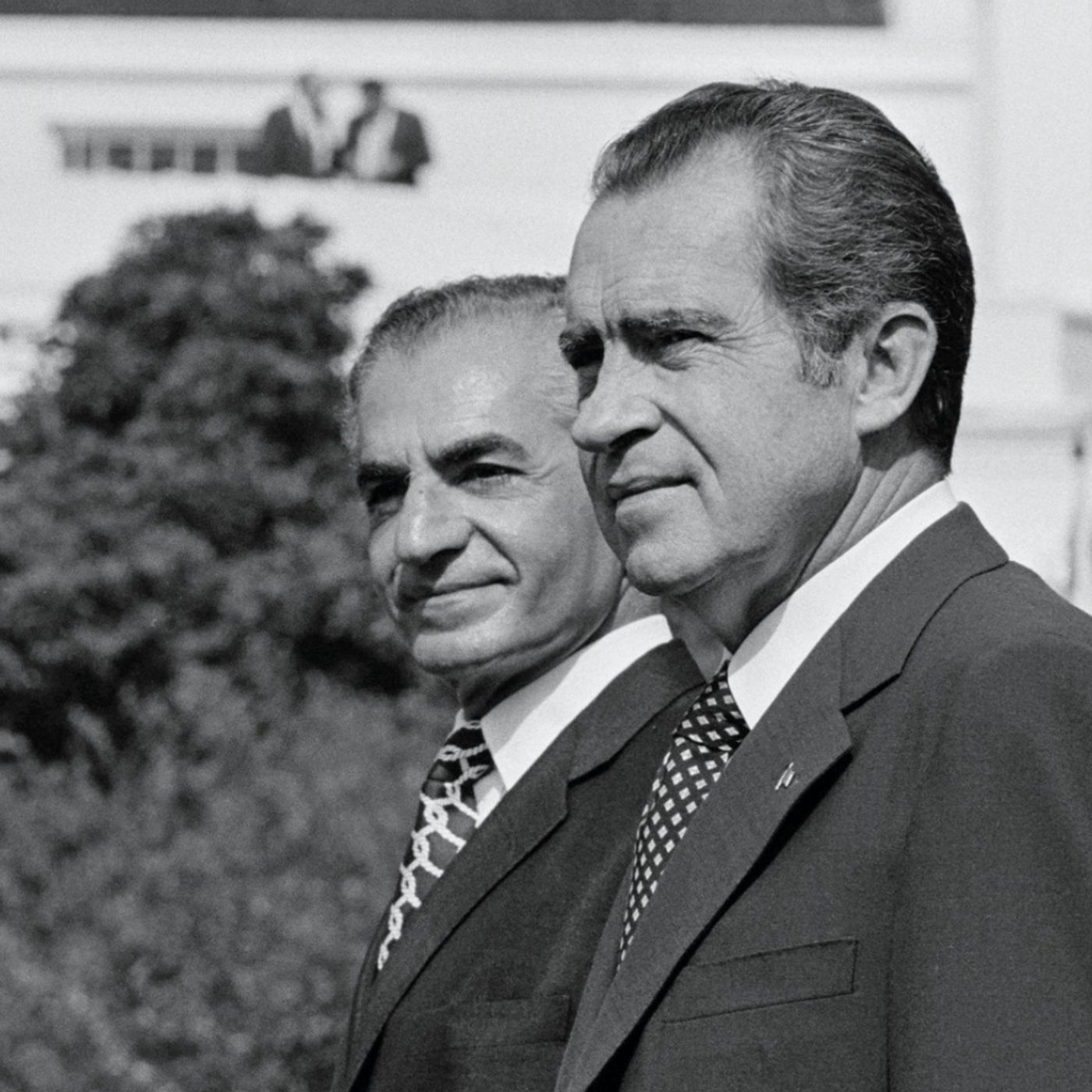
1979: How the U.S. and Iran Went From Allies to Enemies
Jun 1200:49:32Summary readyAt the heart of the current U.S. war against Iran is an inconvenient truth: that the United States is, in many ways, responsible for creating the very regime it now seeks to topple. Today, Scott Anderson, a New York Times Magazine contributor, tells the story of America’s outsize role in the Islamic Revolution, and why all these years later we’re still no closer to understanding Iran. Guest: Scott Anderson, a contributing writer for The New York Times Magazine. Background reading: It has been a trying time for the Islamic republic of Iran. Photo: George Tames/The New York Times For more information on today’s episode, visit nytimes.com/thedaily. Transcripts of each episode will be made available by the next workday. Subscribe today at nytimes.com/podcasts or on Apple Podcasts and Spotify. You can also subscribe via your favorite podcast app here https://www.nytimes.com/activate-access/audio?source=podcatcher. For more podcasts and narrated articles, download The New York Times app at nytimes.com/app. Hosted by Simplecast, an AdsWizz company. See pcm.adswizz.com for information about our collection and use of personal data for advertising.
Summary
The Young Economic Populists Reshaping the Left
Jun 1100:37:25Summary readyCollege graduates used to lean right politically, but over the past few decades, they have increasingly moved to the left. Today, Noam Scheiber, the author of “Mutiny: The Rise and Revolt of the College-Educated Working Class,” explains the economic forces that have left many college grads deeply indebted, underpaid and angry, and also how their unmet expectations are reshaping class politics in America. Guest: Noam Scheiber, a reporter for The New York Times based in the Chicago area who focuses on white-collar workers. Background reading: College graduates feel betrayed, and their anger goes far beyond the recent rise of unemployment and the looming threat of artificial intelligence. Photo: Camille Farrah Lenain for The New York Times For more information on today’s episode, visit nytimes.com/thedaily. Transcripts of each episode will be made available by the next workday. Subscribe today at nytimes.com/podcasts or on Apple Podcasts and Spotify. You can also subscribe via your favorite podcast app here https://www.nytimes.com/activate-access/audio?source=podcatcher. For more podcasts and narrated articles, download The New York Times app at nytimes.com/app. Hosted by Simplecast, an AdsWizz company. See pcm.adswizz.com for information about our collection and use of personal data for advertising.
Summary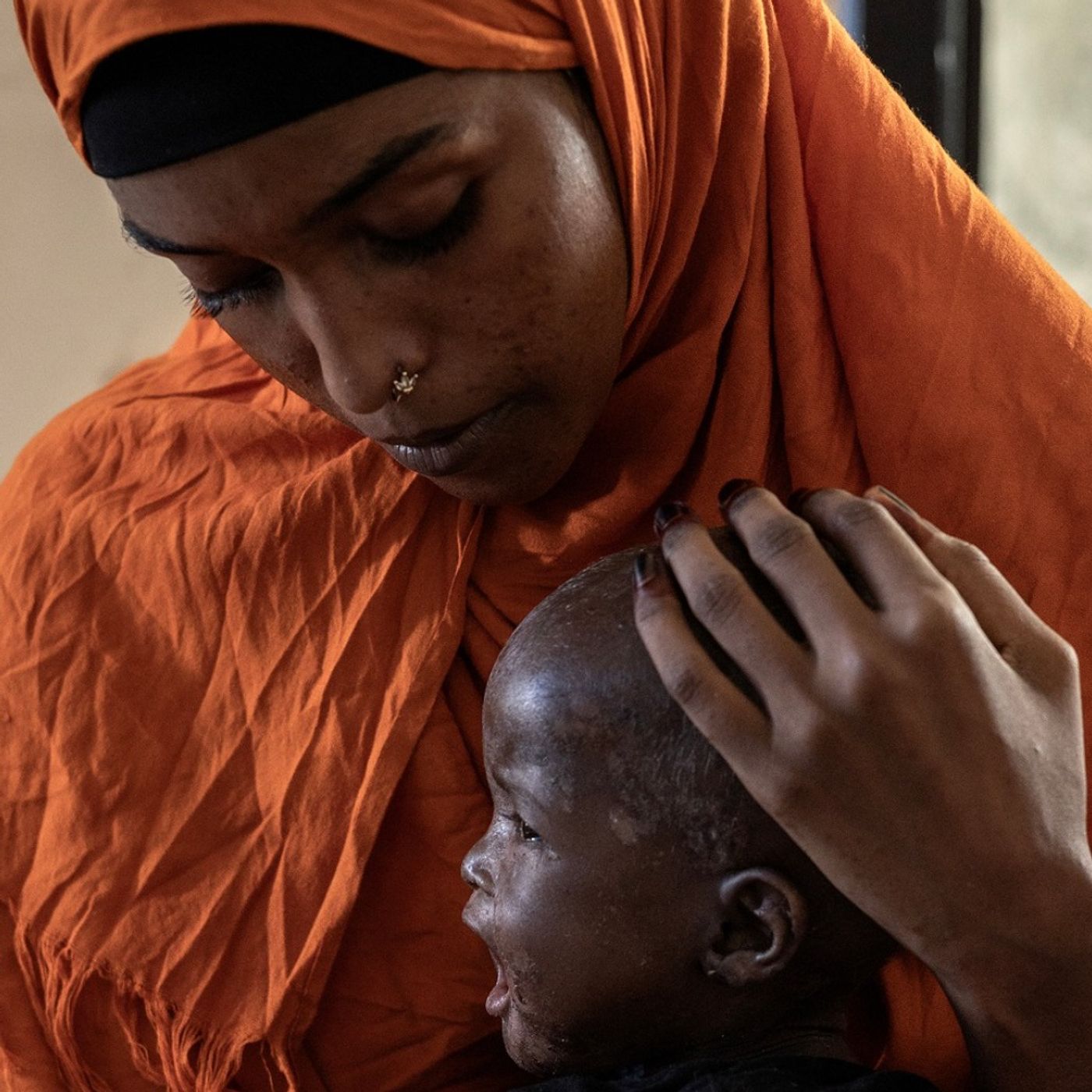
The Iran War's Devastating Butterfly Effect
Jun 1000:26:56Summary readyThe war in Iran has had some visible consequences, like skyrocketing energy costs and higher gas prices, but the effects of this war are often far less obvious and much more serious for the world’s most vulnerable people. Today, Peter S. Goodman tells us what he learned on a recent trip to Somalia, and why the system of global aid is no longer in a position to help. Guest: Peter S. Goodman covers the global economy for The New York Times. Background reading: Catastrophe is emerging in the world’s most vulnerable places as the war in Iran causes soaring costs for food, fuel and fertilizer. Photo: Finbarr O'Reilly for The New York Times For more information on today’s episode, visit nytimes.com/thedaily. Transcripts of each episode will be made available by the next workday. Subscribe today at nytimes.com/podcasts or on Apple Podcasts and Spotify. You can also subscribe via your favorite podcast app here https://www.nytimes.com/activate-access/audio?source=podcatcher. For more podcasts and narrated articles, download The New York Times app at nytimes.com/app. Hosted by Simplecast, an AdsWizz company. See pcm.adswizz.com for information about our collection and use of personal data for advertising.
Summary
Maine Votes as Graham Platner’s Past Poses New Conundrums
Jun 900:37:47Summary readyOn Tuesday, Maine will vote in a high-stakes primary contest for a Senate seat that Democrats think they can win back from Republicans for the first time in decades. Democrats are pinning their hopes on Graham Platner, a progressive who has faced a string of scandals. Today, Lisa Lerer and Katie Glueck discuss what this race means for Maine and for the prospects of the Democratic Party. Guest: Lisa Lerer, a national political correspondent for The New York Times. Katie Glueck, a political reporter at The New York Times. Background reading: Several women who dated Mr. Platner recall “unsettling” behavior. Politicians, officials and strategists have wrestled with how to respond to new reporting on Mr. Platner’s past behavior. Photo: Amanda Sabga/Reuters For more information on today’s episode, visit nytimes.com/thedaily. Transcripts of each episode will be made available by the next workday. Subscribe today at nytimes.com/podcasts or on Apple Podcasts and Spotify. You can also subscribe via your favorite podcast app here https://www.nytimes.com/activate-access/audio?source=podcatcher. For more podcasts and narrated articles, download The New York Times app at nytimes.com/app. Hosted by Simplecast, an AdsWizz company. See pcm.adswizz.com for information about our collection and use of personal data for advertising.
Summary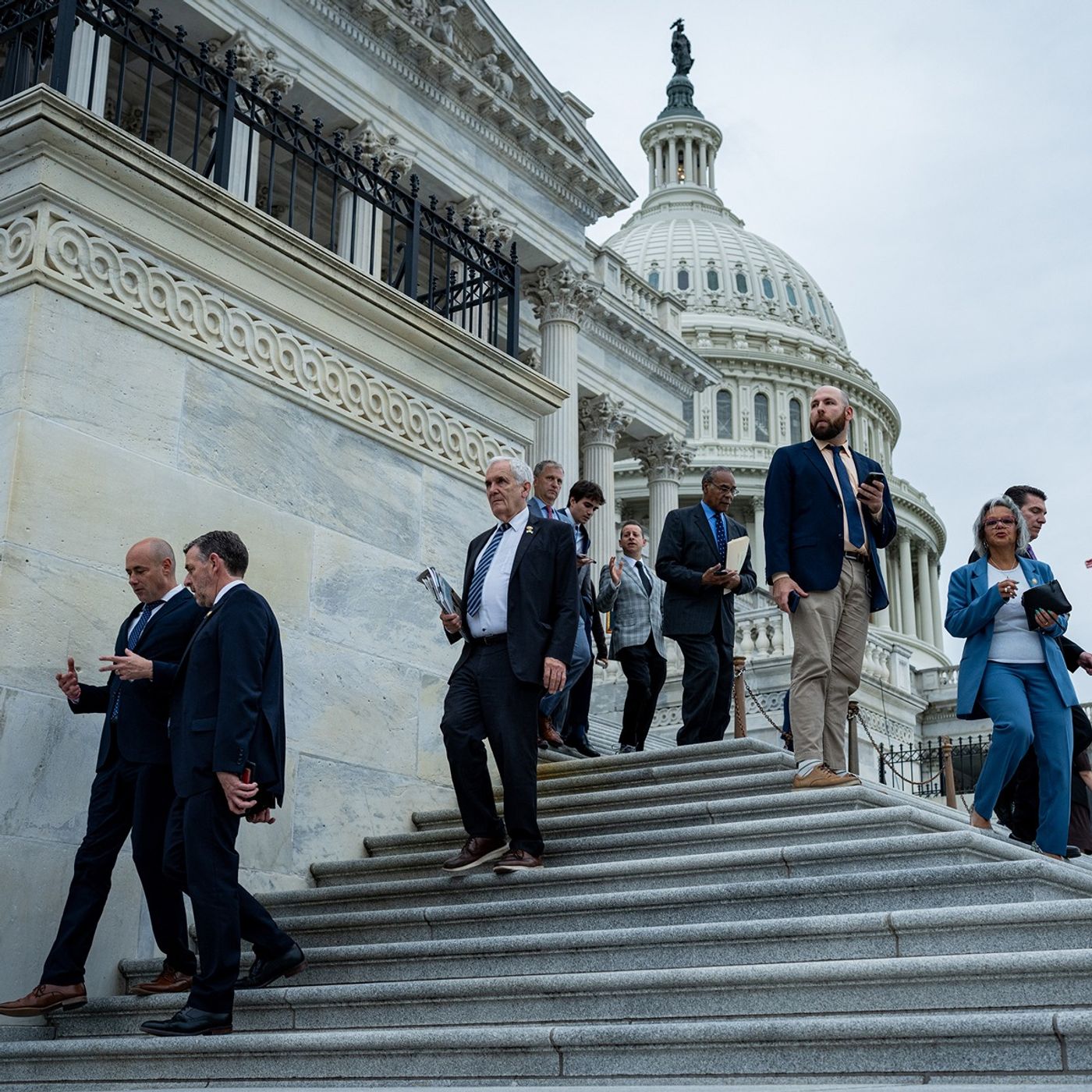
Congressional Republicans Try a New Approach: Telling Trump No
Jun 800:29:40Summary readyFrom the war in Iran to his plan to use taxpayer money to pay his allies, the Republican-controlled Congress has begun rebelling against President Trump. Today, Julie Hirschfeld Davis, a congressional editor at The New York Times, discusses whether this rebellion is a preview of a new dynamic in Washington, or a temporary show of independence that will vanish just as quickly as it arrived. Guest: Julie Hirschfield Davis, congressional editor at The New York Times. Background reading: Mr. Trump says he never promised no new wars and defends the compensation fund. Photo: Haiyun Jiang/The New York Times For more information on today’s episode, visit nytimes.com/thedaily. Transcripts of each episode will be made available by the next workday. Subscribe today at nytimes.com/podcasts or on Apple Podcasts and Spotify. You can also subscribe via your favorite podcast app here https://www.nytimes.com/activate-access/audio?source=podcatcher. For more podcasts and narrated articles, download The New York Times app at nytimes.com/app. Hosted by Simplecast, an AdsWizz company. See pcm.adswizz.com for information about our collection and use of personal data for advertising.
Summary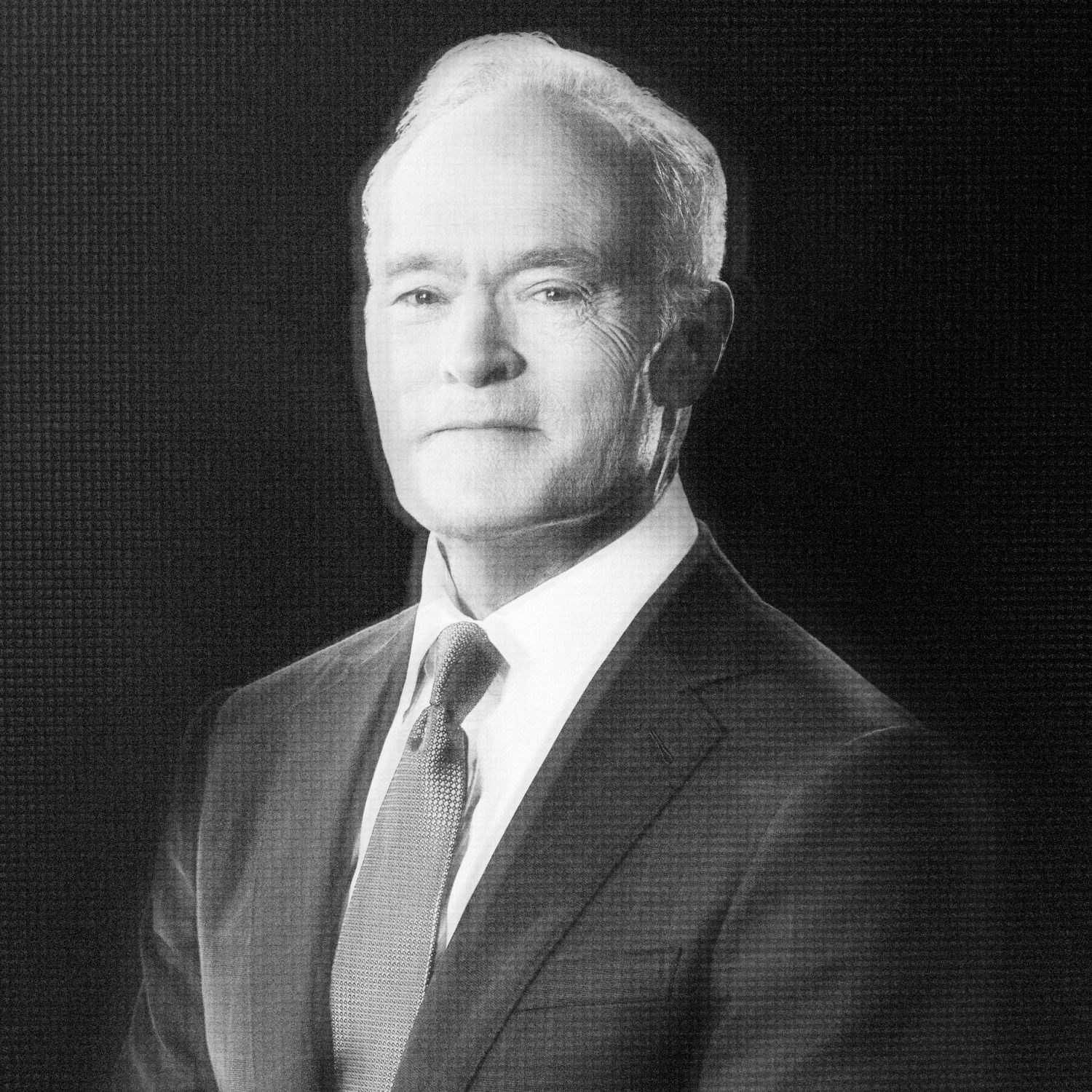
Scott Pelley on His Firing and the ‘Massacre’ at ’60 Minutes’
Jun 701:03:38Summary readyAn exclusive sit-down with the now-former CBS News correspondent. Thoughts? Email us at theinterview@nytimes.com Watch our show on YouTube: youtube.com/@TheInterviewPodcast For transcripts and more, visit: nytimes.com/theinterview Subscribe today at nytimes.com/podcasts or on Apple Podcasts and Spotify. You can also subscribe via your favorite podcast app here https://www.nytimes.com/activate-access/audio?source=podcatcher. For more podcasts and narrated articles, download The New York Times app at nytimes.com/app. Hosted by Simplecast, an AdsWizz company. See pcm.adswizz.com for information about our collection and use of personal data for advertising.
Summary
Everything You Need to Know About the World Cup
Jun 600:36:44Summary readyThe 2026 World Cup is about to descend on North America — spread across three countries, with 48 teams, and 104 games, and with billions of fans across the globe tuning in to watch the biggest sporting event on the planet. Today, Tariq Panja, global soccer correspondent for The New York Times, breaks down everything you need to know about this year’s tournament — the arrival of historic first-timers, like Curaçao, the aging legends like Lionel Messi and Cristiano Ronaldo, who are making their final appearances, and the eye-watering ticket prices that are driving fans to financial extremes just to book a seat. On Today’s Episode: Tariq Panja, is a global sports correspondent for the New York Times. Background Reading: The World Cup’s Forgotten Team World Cup or Bust: Going Into Debt, Sleeping 10 to a Room and Layovers for Days Photo credit: Hannah Mckay/Reuters. Subscribe today at nytimes.com/podcasts or on Apple Podcasts and Spotify. You can also subscribe via your favorite podcast app here https://www.nytimes.com/activate-access/audio?source=podcatcher. For more podcasts and narrated articles, download The New York Times app at nytimes.com/app. Hosted by Simplecast, an AdsWizz company. See pcm.adswizz.com for information about our collection and use of personal data for advertising.
Summary
One Town's Blueprint for Resegregating America
Jun 500:34:22Summary readyA real estate investor’s pursuit of cheap land has prompted a lawsuit against a compound in Arkansas that will test whether civil rights laws can stop a whites-only town from existing in America. Today, Debra Kamin, a New York Times investigative reporter, discusses the community and why its members are convinced that in this political climate, no one is going to stop them. Guest: Debra Kamin, an investigative reporter focusing on wealth, power and corruption for The The New York Times. Background reading: A whites-only community in Arkansas has been sued for discrimination. Photo: Whitten Sabbatini for The New York Times For more information on today’s episode, visit nytimes.com/thedaily. Transcripts of each episode will be made available by the next workday. Subscribe today at nytimes.com/podcasts or on Apple Podcasts and Spotify. You can also subscribe via your favorite podcast app here https://www.nytimes.com/activate-access/audio?source=podcatcher. For more podcasts and narrated articles, download The New York Times app at nytimes.com/app. Hosted by Simplecast, an AdsWizz company. See pcm.adswizz.com for information about our collection and use of personal data for advertising.
Summary
How Trump Was Persuaded to Regulate A.I.
Jun 400:34:13Summary readyPresident Trump has begrudgingly accepted that artificial intelligence requires oversight and on Tuesday signed an executive order asking companies to voluntarily give the government access to new models before they’re released to the public. Tripp Mickle, who covers Silicon Valley, discusses the battle in the White House over the issue and how it played out over the last few weeks. Guest: Tripp Mickle, who reports about Silicon Valley for The New York Times from San Francisco. Background reading: Mr. Trump signed an executive order seeking oversight of A.I. models. Here’s what’s driving Mr. Trump’s big A.I. pivot. Photo: Doug Mills/The New York Times For more information on today’s episode, visit nytimes.com/thedaily. Transcripts of each episode will be made available by the next workday. Subscribe today at nytimes.com/podcasts or on Apple Podcasts and Spotify. You can also subscribe via your favorite podcast app here https://www.nytimes.com/activate-access/audio?source=podcatcher. For more podcasts and narrated articles, download The New York Times app at nytimes.com/app. Hosted by Simplecast, an AdsWizz company. See pcm.adswizz.com for information about our collection and use of personal data for advertising.
Summary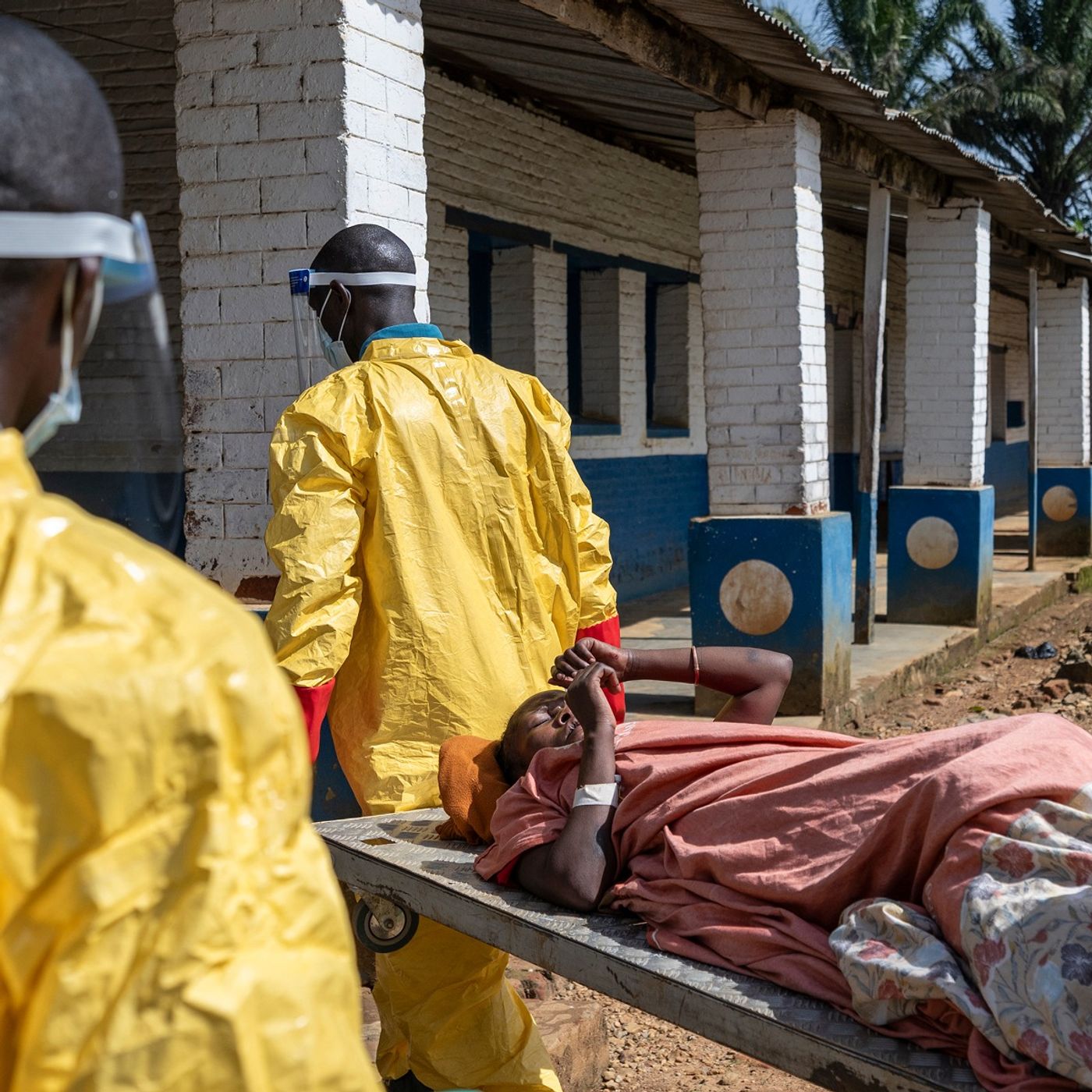
Why the Ebola Outbreak Has Been Nearly Impossible to Stop
Jun 300:30:32Summary readyAt the front lines of the Ebola crisis in Central Africa, badly equipped health workers with little outside support are losing the fight against one of the worst outbreaks in history. Declan Walsh, a New York Times correspondent covering the outbreak, takes us to the epicenter of the virus and explains why, so far, its spread has been so difficult to stop. Guest: Declan Walsh, the chief Africa correspondent for The New York Times. Background reading: Inside the Ebola epicenter, the virus rages with little to stop it. Here’s what to know about the Ebola outbreak. Photo: Arlette Bashizi for The New York Times For more information on today’s episode, visit nytimes.com/thedaily. Transcripts of each episode will be made available by the next workday. Subscribe today at nytimes.com/podcasts or on Apple Podcasts and Spotify. You can also subscribe via your favorite podcast app here https://www.nytimes.com/activate-access/audio?source=podcatcher. For more podcasts and narrated articles, download The New York Times app at nytimes.com/app. Hosted by Simplecast, an AdsWizz company. See pcm.adswizz.com for information about our collection and use of personal data for advertising.
Summary