Podcast
The Deep dive podcast
Hosted by Eric Demers · EN
Welcome to "The Deep Dive" podcast, your ultimate exploration into the most intriguing and thought-provoking topics of our time. Hosted by passionate storytellers and curious minds, we embark on a journey through the realms of science fiction and reality, bridging the gap between imagination and scientific possibility.
In each episode, we delve into the captivating world of science fiction literature, offering in-depth reviews and discussions on the latest and greatest books that transport you to otherworldly dimensions. From classic masterpieces to contemporary gems, we analyze the themes, characters, and futuristic technologies that fuel our imaginations.
But we don't stop there. "The Deep Dive" goes beyond fiction to explore real-life scientific phenomena that challenge our understanding of the universe. Join us as we unravel the mysteries of time travel, quantum mechanics, and the potential for parallel universes. We interview leading scientists, authors, and thinkers who share their insights and groundbreaking research, bringing you closer to the cutting edge of discovery.
With a perfect blend of storytelling and scientific inquiry, "The Deep Dive" is your go-to podcast for expanding your horizons and satisfying your intellectual curiosity. Whether you're a science fiction aficionado or a science enthusiast, our show promises to ignite your imagination and leave you pondering the possibilities. Tune in, and let's dive deep into the wonders of the unknown together.
16episodes
Episodes
Newest firstAll episodes

RAMageddon: The Global Memory Supply Crisis of 2025–2030
5d ago00:40:27Tap to summarizehe world didn’t expect memory — the most basic building block of modern computing — to become the defining choke point of the late 2020s. Yet by 2025, a perfect storm of AI acceleration, supply‑chain fragility, and geopolitical competition ignited what analysts now call RAMageddon, a global memory shortage reshaping every layer of the tech ecosystem.In this episode, we unravel how the explosive demand for High Bandwidth Memory (HBM) in AI datacenters triggered a massive reallocation of manufacturing capacity, leaving consumer DRAM and NAND flash in critically short supply. Prices spiked, inventories evaporated, and industries from smartphones to automotive found themselves forced into production delays, emergency redesigns, and in some cases, near‑shutdown scenarios.We explore the ripple effects:How memory compression and architectural redesign became survival strategies.Why Chinese manufacturers like YMTC and CXMT accelerated domestic fabrication to escape reliance on foreign suppliers.The legal storm brewing around alleged price manipulation and antitrust violations among the industry’s biggest players.And why experts warn that despite new fabs breaking ground worldwide, the supply imbalance may persist until 2028–2030.RAMageddon isn’t just a shortage — it’s a structural reckoning for global compute. This episode dives into the economics, the geopolitics, and the technological pivots defining one of the most consequential hardware crises of the decade.
Transcribe →
Canada's Modernization and Renewal of the Submarine Fleet
2w ago00:51:34Tap to summarizeIn this episode of The Deep Dive, we explore one of the most consequential military decisions Canada has made in decades: the full modernization and renewal of its submarine fleet. In July 2026, Ottawa selected Thyssenkrupp Marine Systems as the preferred builder for up to twelve next‑generation conventional submarines — a scale of ambition unmatched in Canadian naval history. These boats will be equipped with Air Independent Propulsion and lithium‑ion batteries, technologies that allow them to stay submerged for weeks, operating silently beneath the Atlantic, Pacific, and increasingly contested Arctic waters. We break down why stealthy, long‑endurance submarines have become essential for Canada’s sovereignty, intelligence gathering, and deterrence posture in a world defined by rising great‑power competition. The episode examines the strategic logic behind choosing advanced conventional submarines over nuclear‑powered alternatives — a debate that has divided experts for years. We look at how cost, timelines, industrial capacity, and Arctic operating realities shaped the government’s decision. Then we dive into the procurement process itself: a massive, multi‑year negotiation expected to conclude in 2027, with first deliveries slated for 2034. The project promises billions in industrial offsets, new shipyard activity, and a revitalized domestic maritime sector. But it also raises hard questions about Canada’s track record with defence procurement and whether this ambitious fleet can be delivered on time. We explore the geopolitical backdrop — from Russian under‑ice patrols to Chinese blue‑water expansion — that makes undersea capability more urgent than ever. And we unpack how these submarines fit into Canada’s broader defence transformation, from Arctic surveillance to continental security. This is more than a fleet replacement. It’s a generational bet on Canada’s role in the world’s oceans. Join us as we dive deep into the strategy, the technology, and the stakes behind the rebirth of Canada’s submarine force. Welcome to The Deep Dive
Transcribe →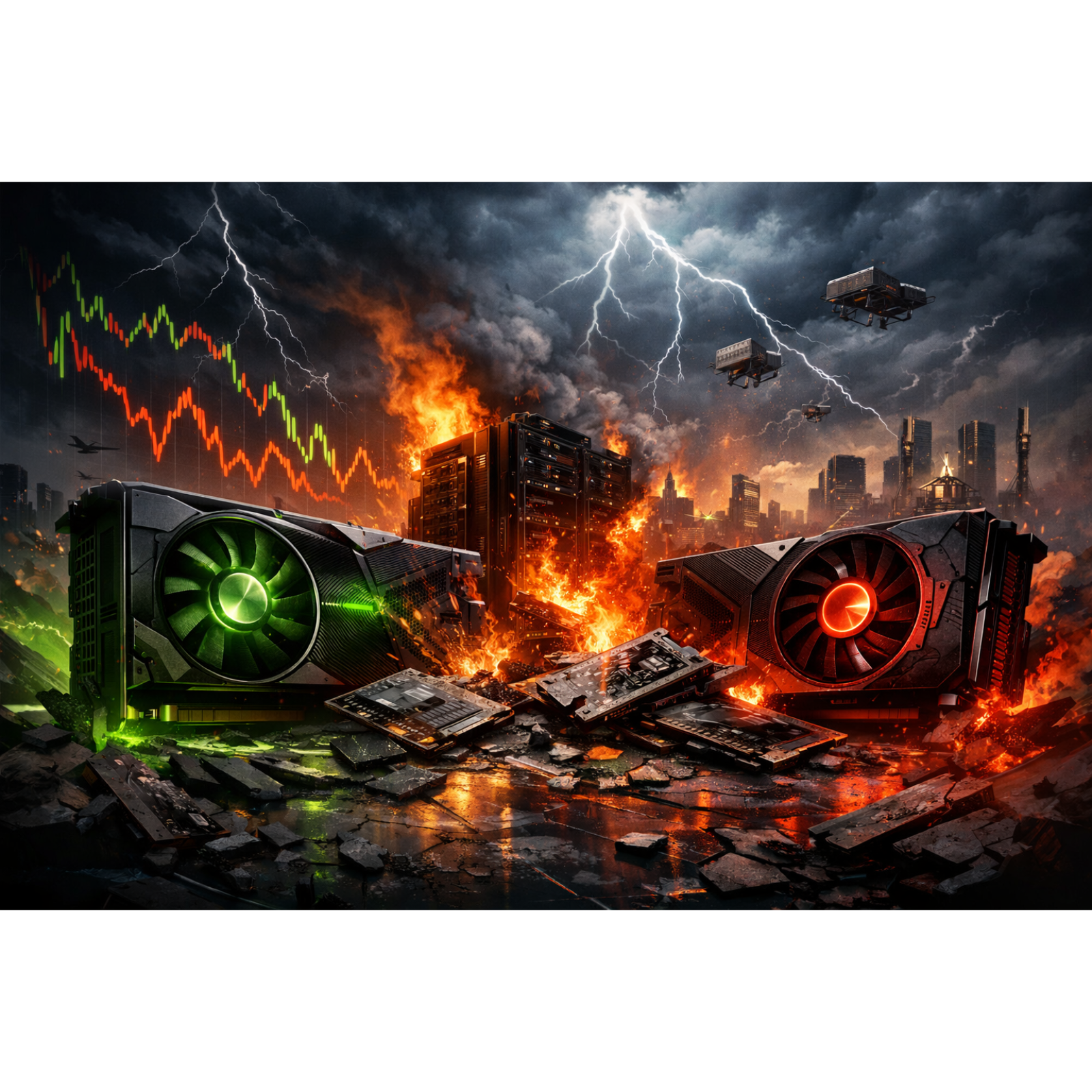
GPU Market 2026: Pricing, Benchmarks, and the New Performance Hierarchy
3w ago00:45:57Tap to summarizeThe 2026 GPU landscape isn’t just evolving — it’s under pressure. This episode unpacks a market reshaped by unprecedented hardware shortages, soaring prices, and a global scramble for compute capacity. With HBM production bottlenecks and packaging constraints pushing lead times for top‑tier accelerators like the NVIDIA H100 past the one‑year mark, enterprises are being forced into a new era of strategic agility. Cloud orchestration, spot‑instance hunting, and multi‑region workload shifting have become survival tactics rather than optimizations.We break down how NVIDIA maintains its commanding lead with Blackwell and the incoming Rubin architecture, while AMD sharpens its position as the value‑driven contender — dominating pure rasterization and doubling down on open‑source tooling. Benchmark data reveals a widening gap between theoretical peak performance and what organizations can actually deploy in production due to VRAM scarcity and inflated procurement cycles.This episode also explores the rise of model optimisation and quantization as essential techniques for reducing memory footprints and keeping AI workloads viable amid the supply crunch. As the industry pivots toward flexible procurement and dynamic cloud mobility, we map out the new performance hierarchy — not just which GPUs are fastest, but which ones are realistically attainable.A market defined by scarcity, innovation, and strategic adaptation. That’s the GPU story of 2026.
Transcribe →
The 2026 RAM Crisis: Surging Prices and Consumer Scams
4w ago00:25:53Tap to summarizeIn 2026, the world discovered that even the smallest component can trigger a global tech crisis. This episode plunges into the heart of the DRAM shockwave, where memory prices have exploded by nearly 90%, ripping through the PC market and reshaping the entire hardware ecosystem. Fueled by insatiable AI datacenter demand, the surge has left consumers stranded in a perfect storm of shortages, inflated costs, and a booming underground of hardware deception.We explore how desperate buyers and opportunistic scammers collided on platforms like Reddit and Wccftech, exposing a new breed of fraud: counterfeit DDR5 modules built from older sticks dressed up with fake heat sinks and forged labels. These aren’t amateur scams — they’re engineered to fool even seasoned enthusiasts. As trust erodes, the community turns to digital truth‑serum tools like Windows Task Manager and Command Prompt to verify what’s really inside their machines.Industry analysts warn that relief is nowhere in sight. With AI demand accelerating and supply chains stretched thin, normalised pricing may not return until 2028, leaving builders and gamers navigating a volatile, high‑risk marketplace where every purchase feels like a gamble.This episode unpacks the economics, the psychology, and the digital sleight‑of‑hand behind the 2026 memory crisis — and what it means for the future of personal computing.
Transcribe →
“Policing Under Pressure: Inside Canada’s Escalating Law‑Enforcement Crisis”
Jul 1100:53:36Tap to summarizeCanadian policing is standing at a crossroads. In this episode, we plunge into a growing storm of legal, operational, and human challenges reshaping the profession from the inside out. Drawing on recent reports from the Saskatoon Police Service, we examine why identifying hate‑motivated crimes has become more complex than ever — and how new investigative units are trying to rebuild trust in communities that feel unheard.But that’s only one side of the story. Across the country, police leaders and researchers warn of a sharp rise — nearly 50 per cent — in violence directed at officers. They argue that public discourse often overlooks a crucial fact: police‑caused harm remains statistically low compared to many other sectors. Meanwhile, legal experts outline the severe consequences tied to assault charges, revealing a justice system where both civilians and officers face life‑altering stakes.And then there’s the weight no statistic can capture: the names of fallen officers, the headlines of sudden shootings, the families left behind. These reminders of risk underscore a profession grappling with rising expectations, shrinking margins for error, and the relentless psychological toll of the job.This episode brings all of it together — the data, the debates, the human cost — to reveal a policing landscape under immense pressure and undergoing profound change. Dive with us into the realities behind the badge, and the future of public safety in Canada.
Transcribe →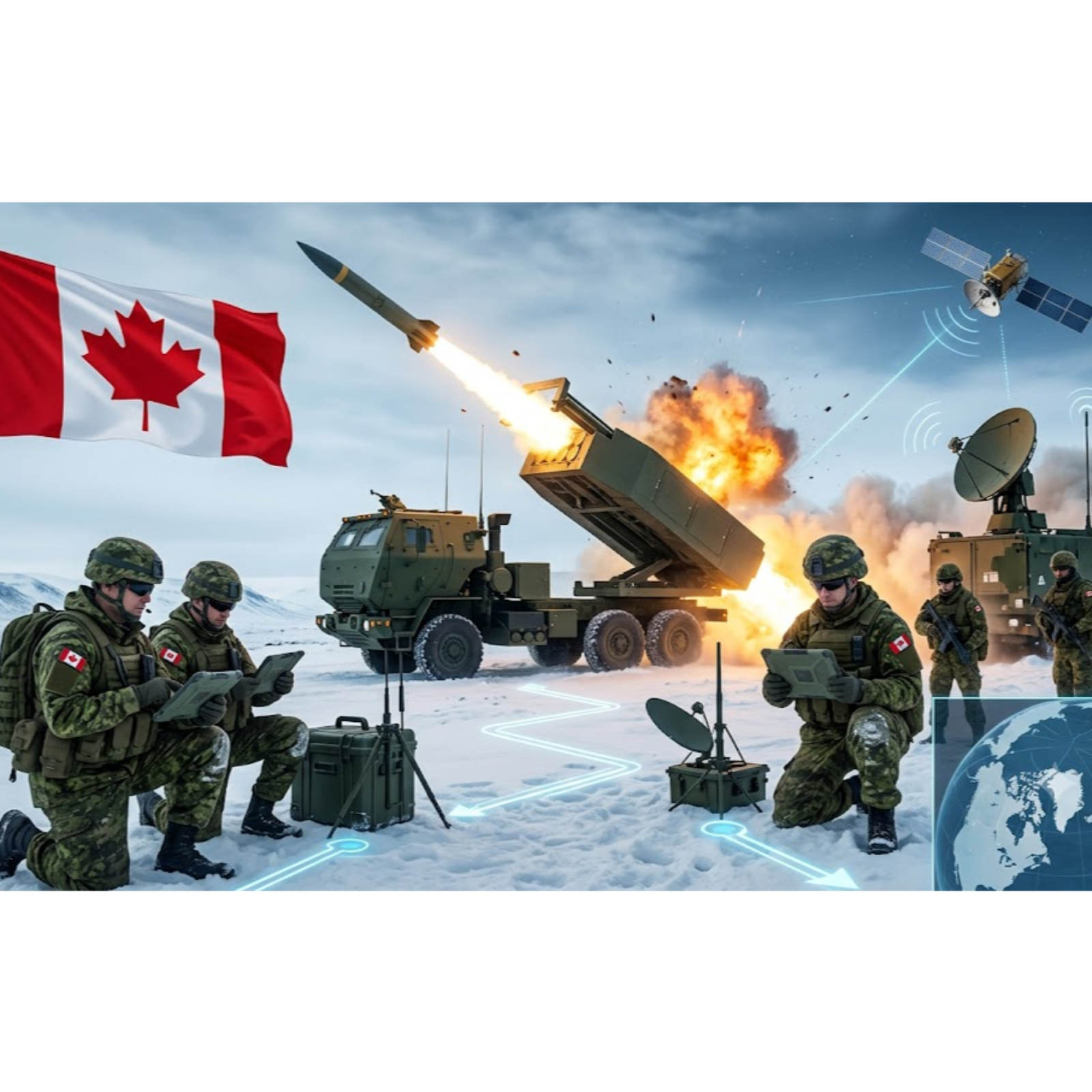
Northern Reach: Canada’s $2.6B Arctic Missile Makeover
Jul 400:46:26Tap to summarizeFor decades, Canada’s vast Arctic frontier has been protected more by its punishing geography than by heavy firepower. But as melting ice opens up strategic trade routes and geopolitical tensions heat up at the top of the world, Ottawa is making a massive, multi-billion-dollar play to defend its northern sovereignty.In this episode of The Deep Dive, we’re unpacking a massive shift in continental defense: Modernizing Joint Fires: Canadian Digitization and ATACMS Integration.We dive into Canada’s recent $2.6 billion acquisition of the battle-tested M142 HIMARS rocket systems and ATACMS missiles. We aren't just talking about bigger guns—this move instantly extends the Canadian Army’s precision strike capability to an unprecedented 300+ kilometers.But the real magic is happening under the hood. We break down the Joint Fires Modernization project, exploring how Canada is ditching old-school analog coordination for cutting-edge, Android-based digital software. This digital leap cuts response times from minutes to seconds and allows seamless, plug-and-play communication with global allies.What we’re covering today:The Arctic Blueprint: How Canada is borrowing a page from Australia’s coastal defense playbook to lock down its northern borders.The Digital Call for Fire: How tablet-based software is transforming how troops call in air and artillery support on the fly.The Horizon: Why the ATACMS is just step one, and how Canada is already prepping for the next-gen Precision Strike Missile (PrSM).The Homefront: What this means for Canadian defense tech industries and domestic manufacturing.From the snow-covered tundras to high-tech digital command centers, this is the story of how Canada is rewriting its national security roadmap for the 21st century.Turn up the volume—let's dive deep.
Transcribe →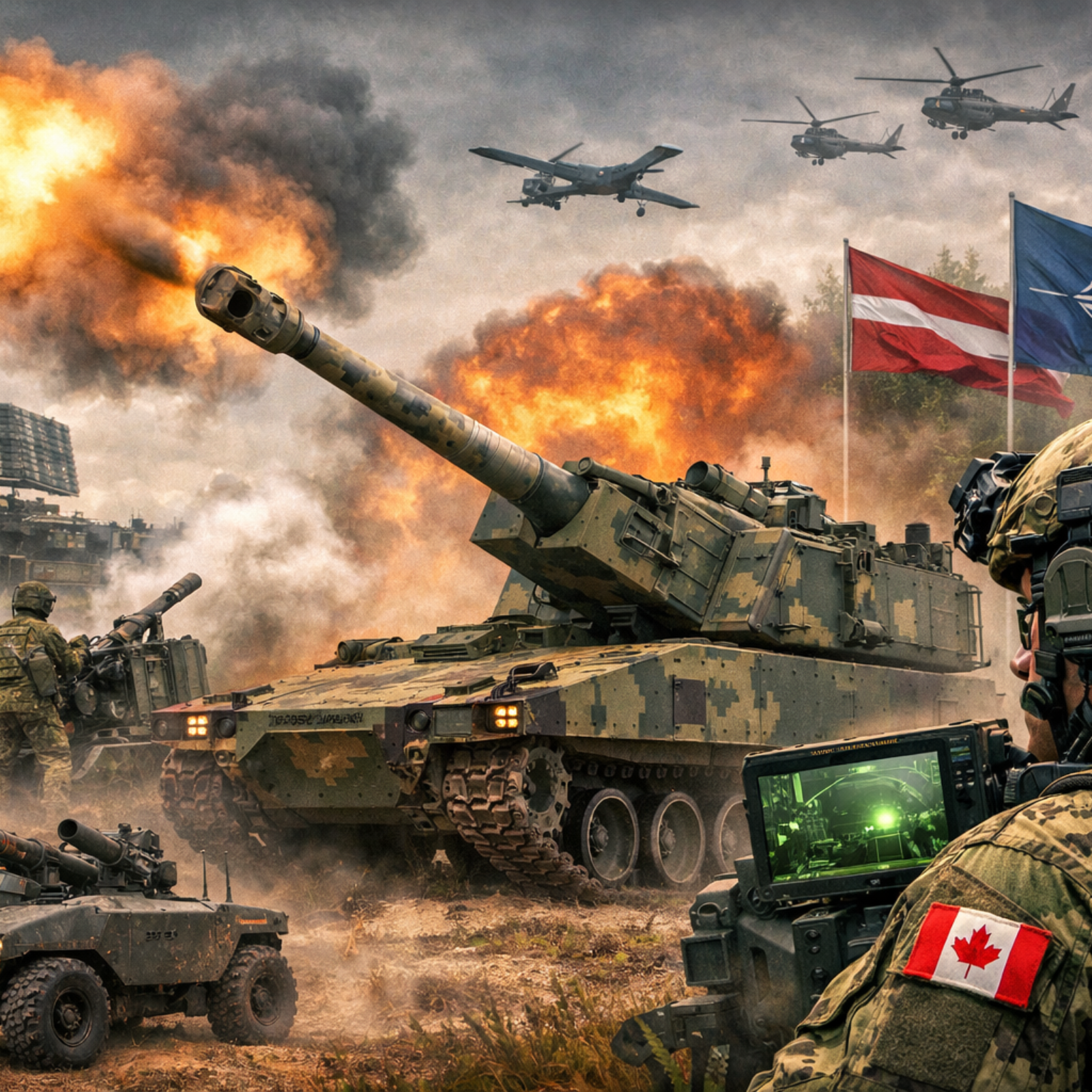
Death of canada towed artillery system
Jun 2700:44:32Tap to summarizeThe Indirect Fires Modernization and Joint Fires Modernization programmes mark the end of Canada’s reliance on slow, towed guns and the beginning of a fully automated, self‑propelled era. We explore how the Army is shifting toward high‑mobility howitzers, integrated mortar platforms, and digitally networked fire‑control systems designed to survive — and strike — in the age of drones and counter‑battery radars.You’ll hear how partnerships with global defence heavyweights like BAE Systems, Hanwha, and KNDS are reshaping Canada’s industrial landscape, and why Ottawa is expanding its military footprint in Latvia as part of a broader NATO transformation. We break down the rise of “shoot‑and‑scoot” tactics, the push to integrate uncrewed ground vehicles into artillery units, and the race to ensure full interoperability across the Alliance.Beneath the hardware lies a deeper story: a country diversifying its supply chain, adapting to shifting geopolitical fault lines, and preparing its forces for high‑intensity conflict where speed, automation, and survivability decide who fires first — and who fires last.This is the future of Canadian firepower, and it’s arriving faster than most people realize.
Transcribe →
The Rise of Uncensored Intelligence
Jun 2000:40:46Tap to summarizeIn 2026, a quiet revolution is reshaping the AI world — not in the cloud, but on your desk. This episode explores the explosive rise of uncensored and small language models (SLMs), a movement driven by privacy demands, cost pressures, and the quest for true digital sovereignty.We unpack how next‑generation open models like Llama 4 and Qwen 3.5 are being transformed through techniques such as abliteration, stripping away traditional guardrails to enable unrestricted research, creative exploration, and advanced automation. Technical guides reveal why organizations are abandoning cloud‑only strategies: local hardware now reaches cost parity in weeks, while offering full control, offline reliability, and regulatory compliance.We also examine the surge of multimodal SLMs capable of vision, speech, and reasoning — all running efficiently on consumer‑grade devices. These compact architectures, paired with RAG pipelines and vector databases, form the backbone of a new era of sovereign AI systems.Together, these insights paint a clear roadmap for the future: AI that is private, portable, customizable, and fully owned by its users. A shift not just in technology, but in power.
Transcribe →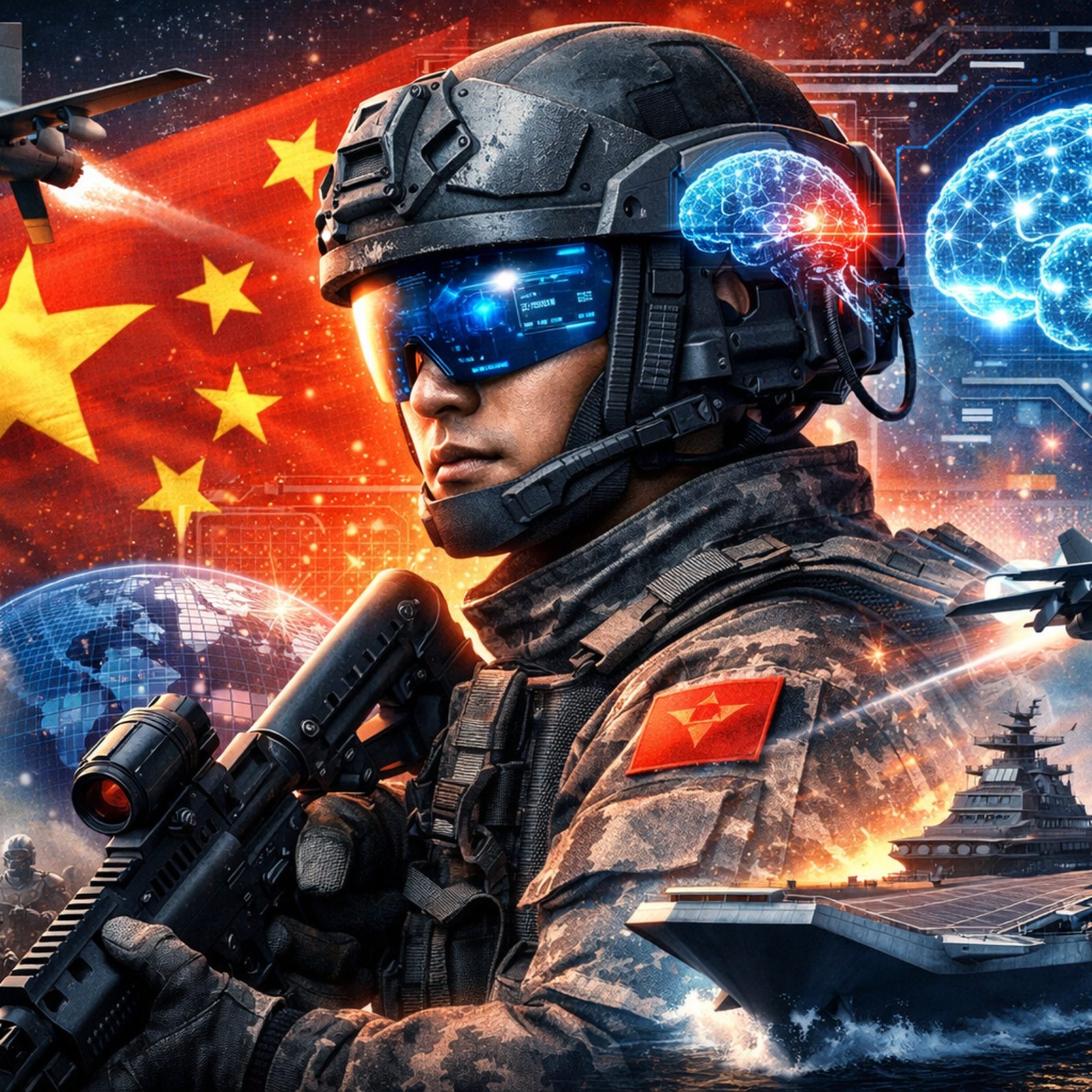
China's Strategic Frontier: Military Innovation and Intelligentized Warfare
Jun 1300:56:11Tap to summarizeIn this episode of The Deep Dive, we explore how the People’s Liberation Army is reinventing itself for the mid‑21st century — a transformation unlike anything in its modern history. China is moving from a mass infantry force to a technologically fused military machine built for global reach. Under Xi Jinping, the PLA is embracing artificial intelligence, biotechnology, and brain‑science research to pursue what Beijing calls “intelligentized warfare.” We break down the sweeping structural reforms that dissolved the old Strategic Support Force and replaced it with specialised Aerospace, Cyberspace, and Information Support arms designed for tighter central control and seamless joint operations. The documents reveal a rapidly expanding nuclear arsenal and the rise of a true blue‑water navy, complete with next‑generation electromagnetic aircraft carriers. But modernization comes with friction. Systemic corruption continues to hollow out key procurement programs. A force that hasn’t fought a major war in decades struggles to build real combat credibility. And China’s long‑term demographic decline threatens recruitment, readiness, and the sustainability of its ambitions. Together, these sources outline a strategic roadmap aimed at achieving military parity with the United States and securing regional dominance by 2027 — a deadline that shapes nearly every reform underway. Join us as we unpack the technologies, the politics, the vulnerabilities, and the global implications of a military racing toward the future. This is the PLA as you’ve never seen it: ambitious, experimental, and increasingly central to China’s vision of power. Welcome to The Deep Dive.
Transcribe →
Travelling in 2026
Jun 600:57:29Tap to summarize1n 2026, travel is no longer routine—it’s a stress test of global instability. This episode unpacks Canada’s sweeping new travel advisories, issued as Middle East tensions trigger a worldwide aviation fuel crunch that is driving up prices, grounding flights, and straining airline reliability. Ottawa is warning travellers that consular financial aid won’t be available and that many insurance policies now exclude fuel‑related cancellations, leaving citizens more exposed than ever.We explore why Mexico remains a top destination despite escalating cartel violence, sophisticated online scams, and deteriorating road safety. We also examine the United States’ rollout of strict biometric screening at land and air borders, reshaping the experience of millions of Canadian travellers.Beyond security, global health risks are rising: measles outbreaks, surging dengue fever, and an early, aggressive hurricane season across the Caribbean. Together, these pressures paint a picture of a world where mobility is increasingly fragile.In this episode, we break down what Canadians need to know—how to prepare financially, how to navigate shrinking insurance protections, and why registering with the government has become a critical step in international travel. The era of effortless movement is over; this is the new reality of global volatility.
Transcribe →