Podcast
The Digiday Podcast
Hosted by Digiday · EN
The Digiday Podcast is a weekly show on the big stories and issues that matter to brands, agencies and publishers as they transition to the digital age.
99episodes
Episodes
Newest firstAll episodes

Inside’s Stagwell’s AI media curation marketplace
6d ago00:42:04Summary readyInventory access has become a tug-of-war between agencies and ad tech companies. In this episode, Matt Adams, global CEO of Stagwell Media Platform, joins the Digiday Podcast to talk about why Stagwell is building its own inventory marketplace and what agencies hope to gain by moving closer to supply.
Summary
WTF is the IAB's Redefining Media Types standard?
2w ago00:34:41Summary readyThe IAB has a new acronym—the RTM, short for Redefining Media Types Standard. But this acronym could actually matter. In this episode of the Digiday Podcast, Jamie Finstein, vp of media center at the IAB, unpacks what the proposed framework means for advertisers, agencies and media buying.
Summary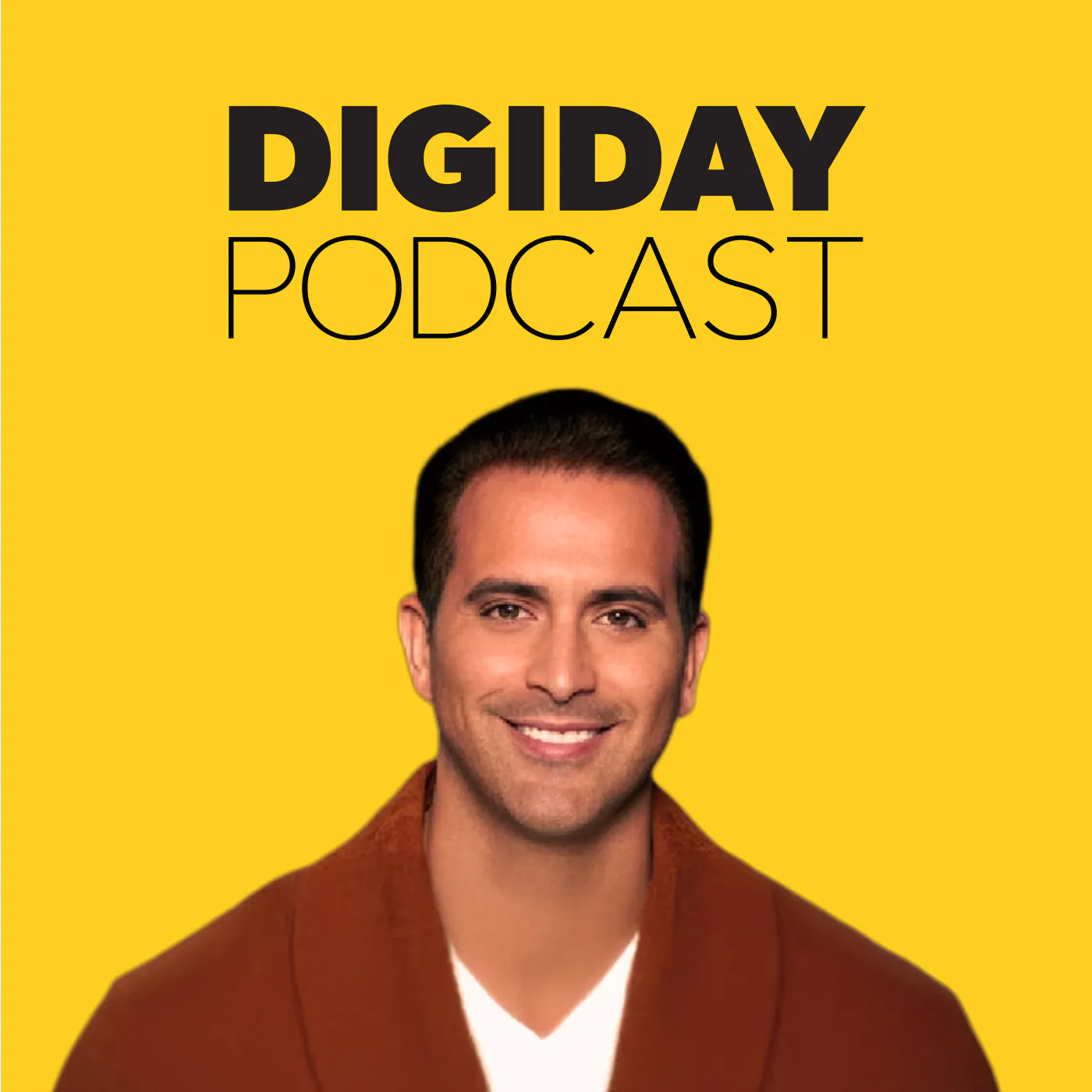
What happens to agencies when AI does the busywork?
3w ago00:27:56Summary readyAs AI takes on more repetitive marketing tasks, agencies are being forced to rethink what they’re selling. Omnicom Media Group North America CEO Ralph Pardo joins Digiday from the Cannes Lions International Festival of Creativity to talk about the future of agency talent, the rise of “capability companies” and why human judgment still matters.
Summary
The anatomy of a sports marketing deal with Ally CMO Andrea Brimmer
4w ago00:36:41Summary readyFor a channel expected to rake in $5.3 billion between 2026 and 2030, a logo on a jersey isn't enough anymore. On this episode of the Digiday Podcast, Ally Bank CMO Andrea Brimmer breaks down the anatomy of a sports marketing deal and why emerging media is Ally's next bet.
Summary
Creators vs. influencers: Inside the divide (RERUN)
Jun 3000:39:37Summary readyIs there a difference between a creator and an influencer. If so, what’s the difference and why does it matter to marketers? On this episode of the Digiday Podcast, Digiday staffers debate the topic.
Summary
Inside the infrastructure behind Unilever’s creator force
Jun 2600:30:50Summary readyCreators are no longer a media channel or transaction. It’s an entirely new marketing model, at least that’s what the infrastructure behind Unilever’s creator strategy indicates. In this episode, Digiday catches up with Selina Sykes, global vp of digital, social and Al transformation at Unilever’s Beauty and Wellbeing, to learn about its scale and automation.
Summary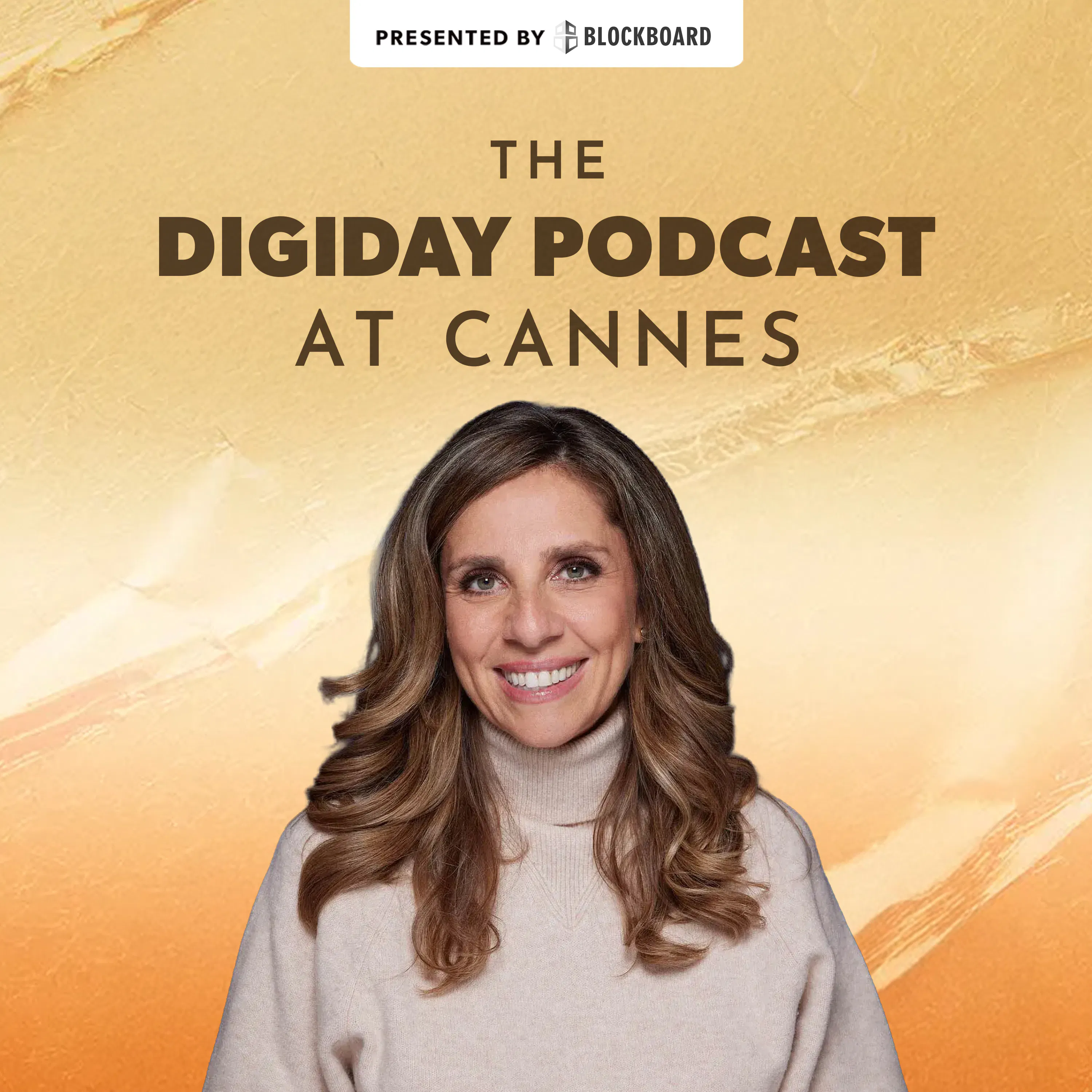
Meta courts agencies with expanded ad tools while AI reshapes the industry
Jun 2500:23:55Summary readyAt the Cannes Lions International Festival of Creativity this week, Meta announced a slew of even more automated marketing tools, further lowering the barrier to entry for advertisers to manage campaigns directly. Nicola Mendelsohn, Meta’s head of global business group, joins this episode of the Digiday podcast to talk about how that does and doesn't change the agency-platform relationship.
Summary
Spotify rebuilds ad business around automation, AI to win bigger media budgets
Jun 2400:35:21Summary readySpotify’s ad business is trying to evolve beyond audio. At this year's Cannes Lions, Digiday senior marketing reporter Kimeko McCoy catches up with Brian Berner, VP of advertising partnerships at Spotify, about automation, AI, video and Spotify’s push for bigger media budgets.
Summary
What happens when brands AI clone their talent?
Jun 1600:29:02Summary readyDigital twins are helping brands scale content and talent deals. Marketers are still navigating the tradeoffs. On this episode of the Digiday Podcast, hosts Kimeko McCoy and Tim Peterson unpack the rise of digital twins, AI sprawl and authenticity.
Summary
How automation and AI are rewriting the upfront marketplace
Jun 900:31:03Summary readyThe upfront marketplace has long been built on relationships and negotiation. Now, automation and AI are changing how deals get done.
Summary