Podcast
The Food Chain
Hosted by BBC World Service · EN
The Food Chain examines the business, science and cultural significance of food, and what it takes to put food on your plate.
43episodes
Episodes
Newest firstAll episodes
Crunch!
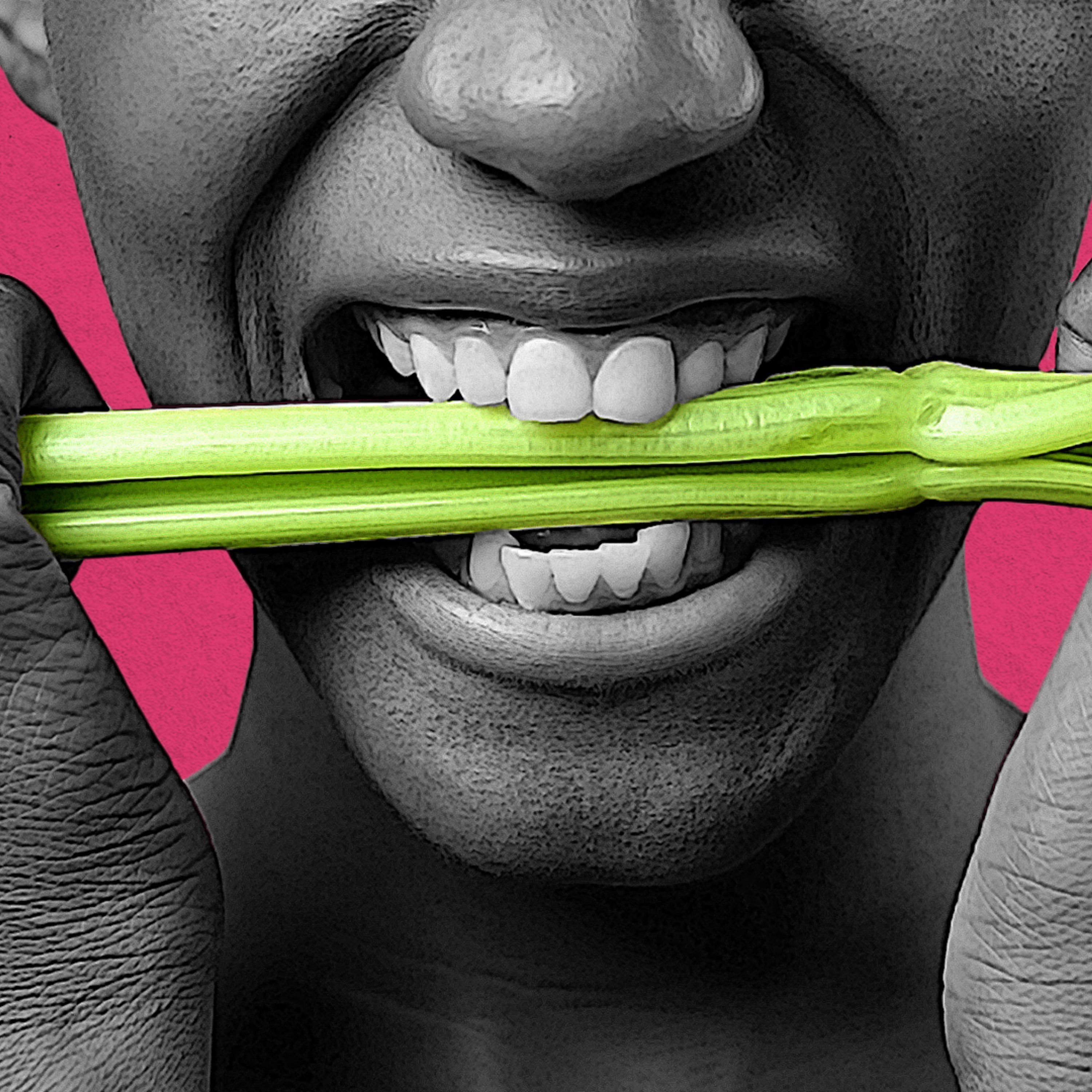
Jan 30, 202500:28:12Tap to summarizeWhy do we enjoy foods that crunch? Listener Sheila Harris contacted The Food Chain with that question and asked us to find out if the food texture has any benefits. Ruth Alexander speaks to Danielle Reed, Chief Science Officer at the Monell Chemical Senses Center in Philadelphia, US, who says that crunchy foods signal freshness and help our brains decide if a food is safe to eat. Paediatric dentist Ashley Lerman in New York, US says crunchy fruit and vegetables can act as a natural tooth cleaner. Anthropologist Professor Noreen von Cramon-Taubadel at the University at Buffalo in New York, US says that the texture of our diets can impact the shape of our faces. Her work has studied how jaw shape has changed as humans switched from hunter gatherer to farming diets. Ciarán Forde, Professor of Sensory Science and Eating Behaviour at Wageningen University in the Netherlands explains how crunchy and other hard textures could help us to eat more slowly and consume fewer calories. And could crunch make foods more palatable? Chef Dulsie Fadzai Mudekwa in Zimbabwe says the texture is key to convincing people to try edible insects. If you have a question for The Food Chain email thefoodchain@bbc.co.uk Produced by Beatrice Pickup. (Image: a woman biting a stick of celery. Credit: Getty Images/BBC)
Transcribe →Is anyone following dietary guidelines?
Jan 23, 202500:26:28Tap to summarizeAround 100 countries have official dietary guidelines, and more are on their way. But who is following them? Ruth Alexander asks how realistic healthy-eating advice is as she explores how official recommendations are developed, what they’re trying to achieve, and the obstacles standing in our way. We hear from Fatima Hachem, Senior Nutrition Officer at the United Nation’s Food and Agriculture Organisation, about how her team offers support to countries designing dietary guidelines.Chiza Kunwenda, senior lecturer in the Department of Food Science and Nutrition at the University of Zambia, tells us how he and a team of others drew up the latest dietary guidelines for Zambia and other countries in Africa.In Argentina, as well as advice, the government has issued black octagonal warning labels on foods high in salt sugar, saturated fats and calories. Are people taking notice? And can people around the world afford to eat according to guidelines? Dr Anna Herforth co-directed the Food prices for Nutrition project at Tufts University in the United States, tells us what she found. We also hear from shoppers at a community food outlet in the North West of England, about how cost is barrier to healthy eating.(Image: a plate of food showing suggested dietary guidelines. Credit: Getty Images/BBC)If you’d like to contact the programme, email thefoodchain@bbc.co.uk. Producers: Hannah Bewley and Izzy Greenfield.
Transcribe →The Cold Chain
Jan 30, 2015Tap to summarizeWhere does the food in your fridge come from and how did it get there? More than likely it made its way along the cold chain - the refrigerated transport of food and drink around the world. As part of the BBC World Service's special series called Fridgenomics, The Food Chain looks into the wider networks at play when it comes to getting fresh food to your plate. Manuela Saragosa experiences minus 24 degrees Celsius at the London Gateway port to see how chilled food coming in from abroad is stored and inspected. We also hear about one man's efforts to implement his own cold chain in Tanzania. Plus, refrigeration has come a long way, from Icelandic traders using salt, to compressing liquids into gas. But what effect does our demand for chilled or frozen out-of-season food have on our environment and our diets?
Transcribe →