
Podcast
The Morning Brief
Hosted by The Economic Times · EN
To make sense of the week’s hottest stories in business, economy, politics and markets, journalists from the Economic Times chat with reporters and industry leaders in this thrice-weekly (Tuesday, Thursday, Friday) podcast.
111episodes
Episodes
Newest firstAll episodes
RBI's Rupee Rx
Jun 1100:14:56Tap to summarizeThe rupee has been on a sharp slide, moving from 90 to nearly 97 in just a few months. On Friday, the RBI stepped in with two major measures a concessional FCNR deposit window for NRIs and a subsidised swap facility for ECB borrowings by PSUs effectively absorbing the hedging costs to pull in foreign capital. But how much of a difference will it make, and for how long? Host Rozebud Gonsalves speaks with Sakshi Gupta, Principal Economist at HDFC Bank, on the rupee's initial reaction, expected capital inflows and the forward book.You can follow Rozebud Gonsalves on his social media: X and LinkedinCheck out other interesting episodes like:ET Deep Dive: Swipe Left on Reality,India wants manufacturing at 25% of GDP — will AI in factories help?, Tanay Kothari Wants To Kill The Keyboard, From Doer to Director: The LinkedIn Playbook for the AI Agea, Semaglutide Goes Generic: Big Pharma’s Moat Breaks and much more. Catch the latest episode of ‘The Morning Brief’ on The Economic Times Online, Spotify, Apple Podcasts, JioSaavn, Amazon Music and Youtube.See omnystudio.com/listener for privacy information.
Transcribe →
The Gold That Wasn't There: Inside SEBI's Case Against Rajesh Exports
Jun 900:17:55Tap to summarizeSEBI has accused Rajesh Exports and its promoter Rajesh Mehta of one of India's most brazen alleged financial frauds — inflating revenues by fifteen lakh crore, claiming ownership of African gold mines that don't exist, and siphoning funds through a web of overseas entities while auditors looked the other way. On this episode of The Morning Brief, Anirban Chowdhury, N Sundaresha Subramanian, and JN Gupta of Stakeholders Empowerment Services break down how the alleged scheme worked, what investors actually stand to lose, and whether a company that has already shed eighty percent of its market cap has any reason left to come clean. You can follow Anirban Chowdhury on his social media: X and LinkedinCheck out other interesting episodes like:ET Deep Dive: Swipe Left on Reality,India wants manufacturing at 25% of GDP — will AI in factories help?, Tanay Kothari Wants To Kill The Keyboard, From Doer to Director: The LinkedIn Playbook for the AI Agea, Semaglutide Goes Generic: Big Pharma’s Moat Breaks and much more. Catch the latest episode of ‘The Morning Brief’ on The Economic Times Online, Spotify, Apple Podcasts, JioSaavn, Amazon Music and Youtube.See omnystudio.com/listener for privacy information.
Transcribe →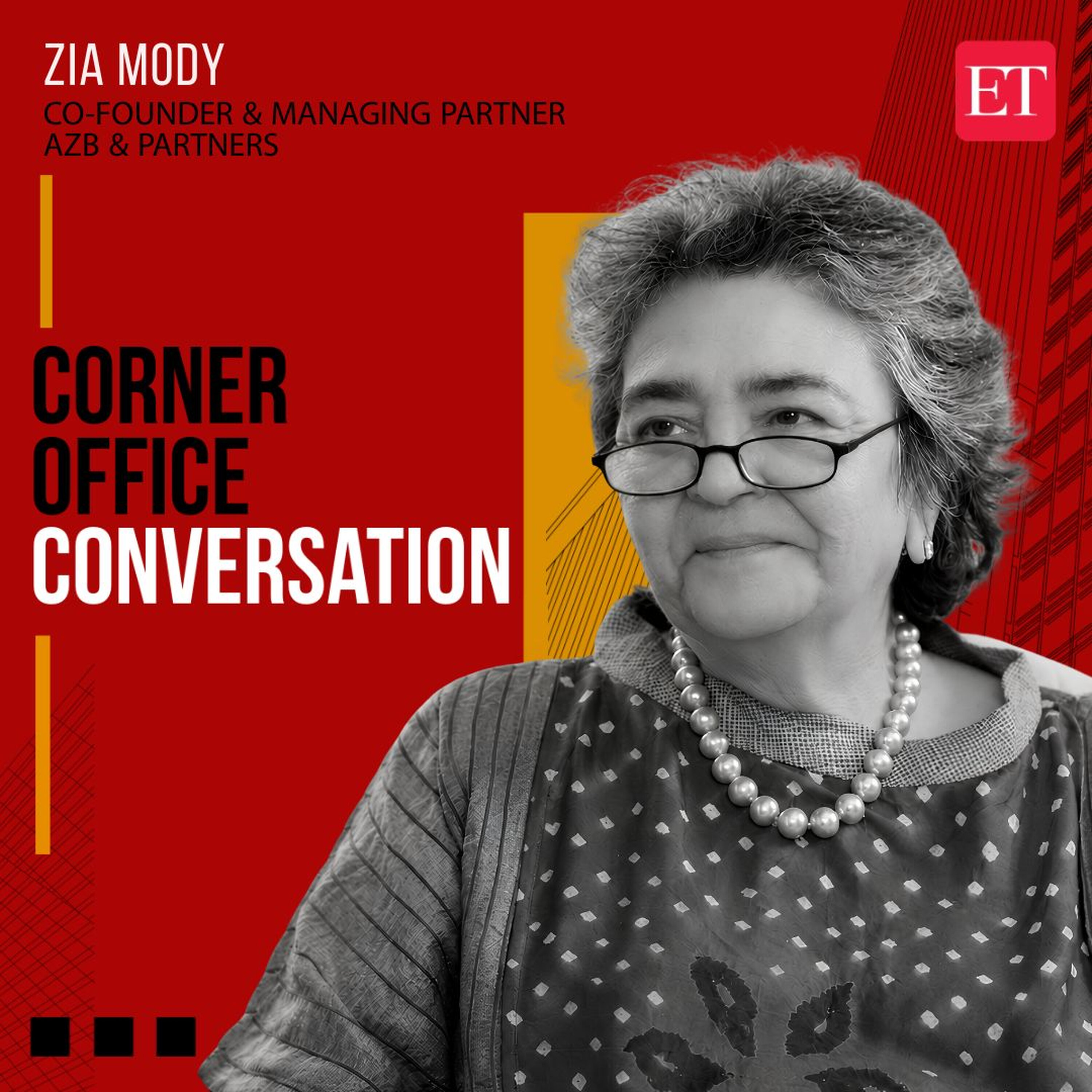
Zia Mody On Law, Legacy and Leadership
Jun 800:24:48Tap to summarizeShe walked into the courtroom with no playbook and built an empire anyway. Host Maulik Vyas talks to one of India's most formidable legal minds Co-Founder & Managing Partner of AZB & Partners, Zia Mody, who reflects on four decades at the forefront of corporate law, from the chaos of early liberalization to billion-dollar cross-border deals. She opens up about the cautious mood on deal street amid global uncertainty, why women in law still have ground to cover, the very real pressures of succession at a firm she helped build from 12 lawyers to over 700, and the one thing she believes separates good lawyers from great ones.You can follow Maulik Vyas on his social media: X or Linkedin Check out other interesting episodes like:ET Deep Dive: Swipe Left on Reality,India wants manufacturing at 25% of GDP — will AI in factories help?, Tanay Kothari Wants To Kill The Keyboard, From Doer to Director: The LinkedIn Playbook for the AI Agea, Semaglutide Goes Generic: Big Pharma’s Moat Breaks and much more. Catch the latest episode of ‘The Morning Brief’ on The Economic Times Online, Spotify, Apple Podcasts, JioSaavn, Amazon Music and Youtube.See omnystudio.com/listener for privacy information.
Transcribe →
ET Deep Dive: Lock, Stock and Worry
Jun 700:12:44Tap to summarizeIndia's locker economy is booming — and buckling. Bank vaults remain the default choice for storing gold, heirlooms and family documents, but chronic shortages, inheritance disputes and a trust deficit are cracking the system open. Private vault operators are muscling in with biometric access and extended hours. Home-safe manufacturers are selling the idea of keeping wealth closer. And regulators are struggling to keep pace. As gold prices soar and household wealth rises, the question of who safeguards India's physical assets has never been more urgent — or more contested. This is the story of India's locker economy, and the battle to control it. Lijee Philip reports, Anirban Chowdhury narrates. Listen in:See omnystudio.com/listener for privacy information.
Transcribe →
Anthropic Goes Public: Can Markets Justify a $1 Trillion Value?
Jun 500:16:40Tap to summarizeAs Anthropic files confidentially for an IPO with a reported valuation nearing $1 trillion, markets are watching closely. Host Anirban Chowdhury talks to Daniel Newman, CEO at data intellegince, research and advisory firm The Futurum Group to break down what investors should really scrutinise from enterprise attrition data to compute cost commitments. They unpack the revenue optics inflated by cloud credits, the profitability timeline that could stretch years, and why buying on Day One may be a risky bet. Newman also weighs in on whether going public will force Anthropic into a tension between quarterly expectations and long-horizon research and what OpenAI can learn from watching Anthropic go first.You can follow Anirban Chowdhury on his social media: X and LinkedinCheck out other interesting episodes like:ET Deep Dive: Swipe Left on Reality,India wants manufacturing at 25% of GDP — will AI in factories help?, Tanay Kothari Wants To Kill The Keyboard, From Doer to Director: The LinkedIn Playbook for the AI Agea, Semaglutide Goes Generic: Big Pharma’s Moat Breaks and much more. Catch the latest episode of ‘The Morning Brief’ on The Economic Times Online, Spotify, Apple Podcasts, JioSaavn, Amazon Music and Youtube.See omnystudio.com/listener for privacy information.
Transcribe →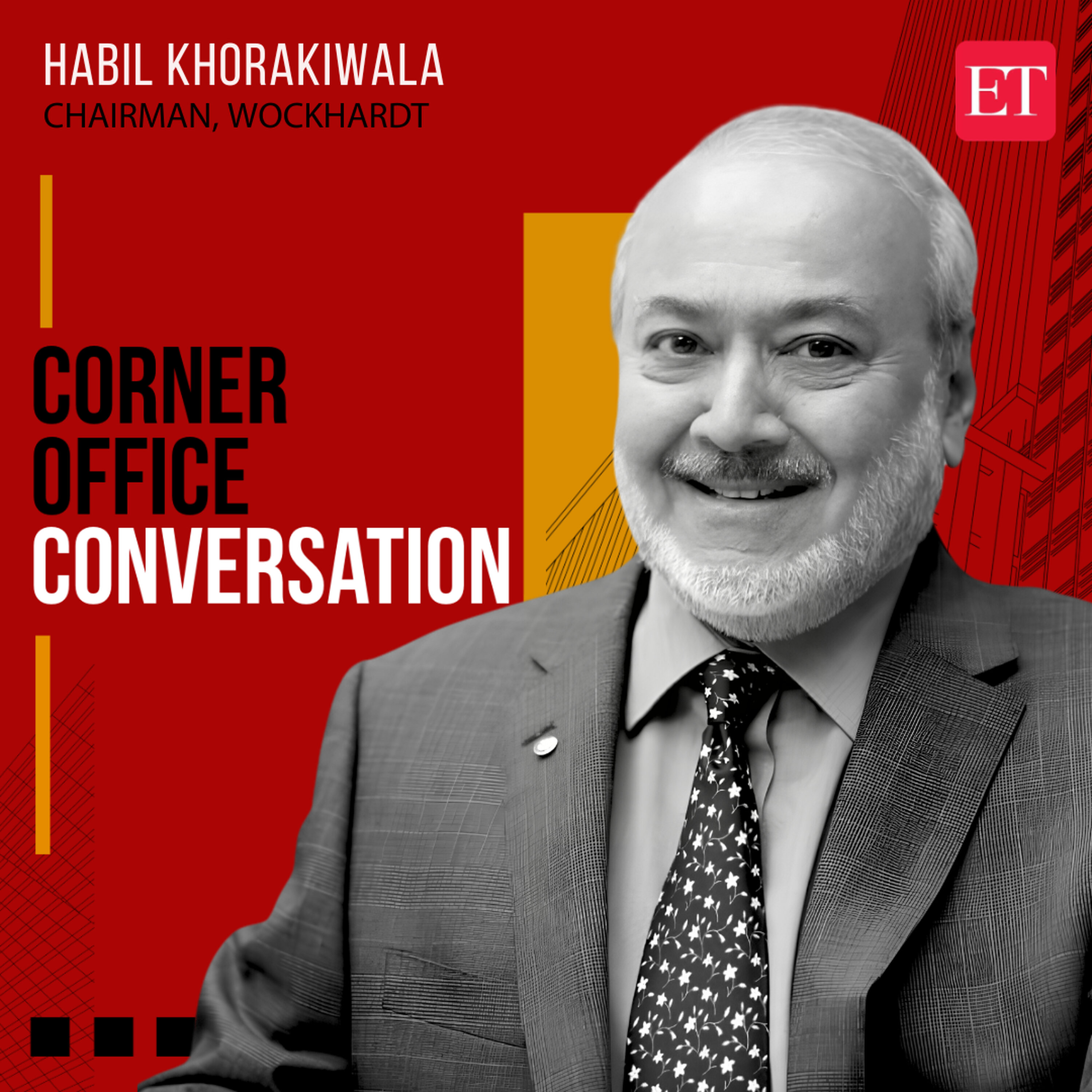
Habil Khorakiwala on India's First FDA-Approved Antibiotic.
Jun 400:29:59Tap to summarizeWockhardt's FDA approval of Zaynich marks a historic first, the only drug entirely discovered and developed by an Indian company to clear US-FDA scrutiny. ET’s pharma editor Vikas Dandekar and Rica Bhattacharyya talk to Habil Khorakiwala, Chairperson of Wockhardt who unpacks the 25-year innovation journey behind this milestone. From a deliberate pivot to antibiotics when big pharma was exiting the space, to navigating financial turbulence, asset sales, and regulatory hurdles, Khorakiwala reflects on strategic patience and scientific conviction. He also outlines peak sales projections of $1.5–2 billion, the US commercial roadmap led by daughter Zahabiya, and a robust pipeline of blockbusters ahead.You can follow Vikas Dandekar on his social media: X or Linkedin and Rica Bhattacharyya on her X and Linkedin Check out other interesting episodes like:ET Deep Dive: Swipe Left on Reality,India wants manufacturing at 25% of GDP — will AI in factories help?, Tanay Kothari Wants To Kill The Keyboard, From Doer to Director: The LinkedIn Playbook for the AI Agea, Semaglutide Goes Generic: Big Pharma’s Moat Breaks and much more. Catch the latest episode of ‘The Morning Brief’ on The Economic Times Online, Spotify, Apple Podcasts, JioSaavn, Amazon Music and Youtube.See omnystudio.com/listener for privacy information.
Transcribe →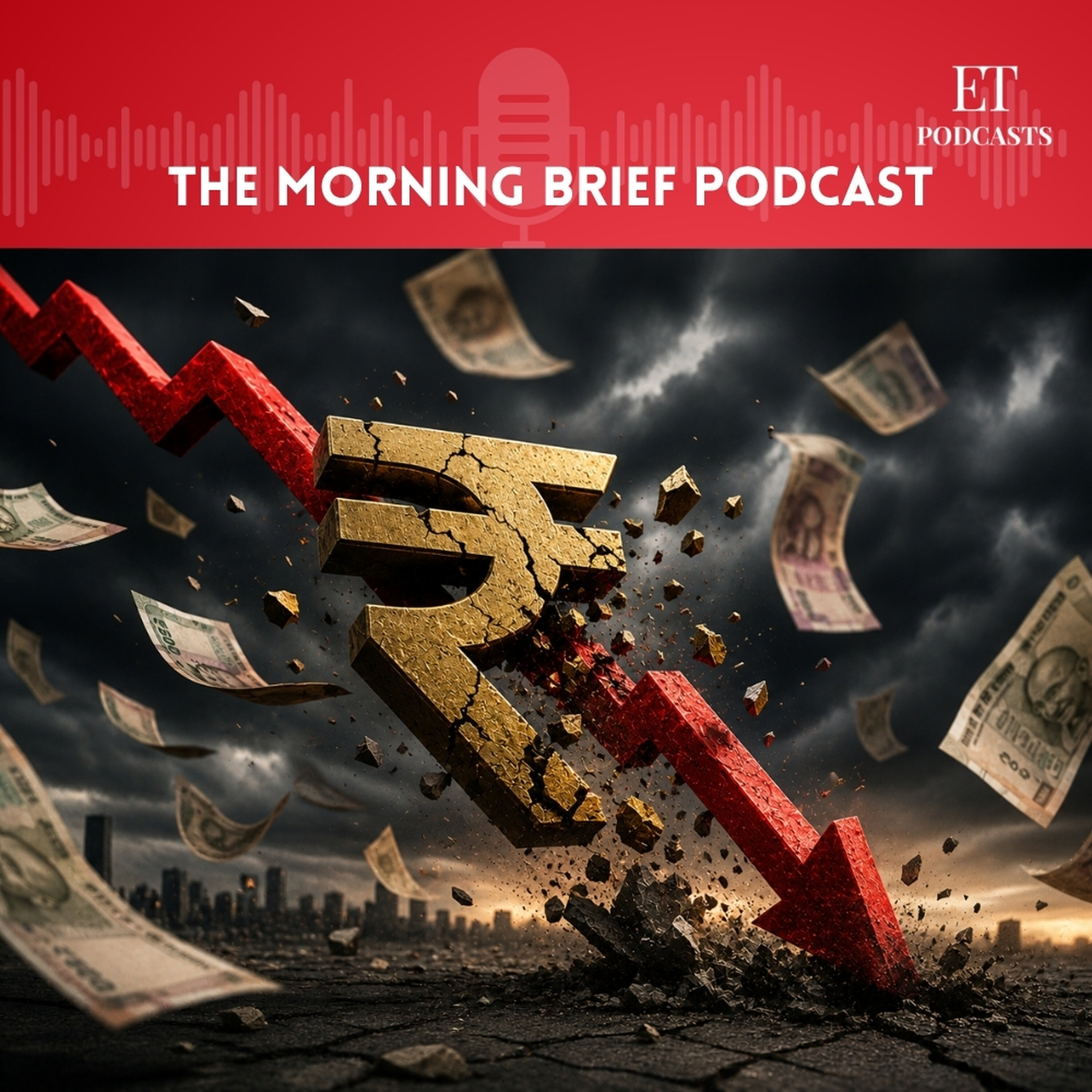
Four Economists on ‘Will The Rupee Cross 100 To The Dollar?
Jun 200:21:45Tap to summarizeThe rupee has briefly touched an all-time low of 96.96 in May. Is the psychological 100-to-the-dollar mark now inevitable? In this episode of The Morning Brief, Rozebud Gonsalves speaks to economists from leading financial institutions–Gaura Sengupta, chief economist at IDFC First Bank, Kanika Pasricha, chief economic advisor, Union Bank of India, Madhavi Arora, chief economist, Emkay Global Financial Services and Dhiraj Nim, economist and FX Strategist, ANZ–about where the rupee is headed, the role of oil prices, tariffs, geopolitics and capital flows, who benefits from a weaker currency, and whether the RBI can slow the slide. Most importantly, is this depreciation a warning sign or simply the cost of India's integration with a changing global economy? Listen in.You can follow Rozebud Gonsalves on his social media: X and LinkedinCheck out other interesting episodes like:ET Deep Dive: Swipe Left on Reality,India wants manufacturing at 25% of GDP — will AI in factories help?, Tanay Kothari Wants To Kill The Keyboard, From Doer to Director: The LinkedIn Playbook for the AI Agea, Semaglutide Goes Generic: Big Pharma’s Moat Breaks and much more. Catch the latest episode of ‘The Morning Brief’ on The Economic Times Online, Spotify, Apple Podcasts, JioSaavn, Amazon Music and Youtube.See omnystudio.com/listener for privacy information.
Transcribe →
Jio Studios’ Dream To Be Part of a Global $100B Industry
Jun 100:31:07Tap to summarizeWhat does it take to back India's highest-grossing films three years in a row? Host Anirban Chowdhury and ET’s film journalist and critic Rajesh N Naidu talk to Jyoti Deshpande, President - Jio Studios, Media & Content Business -Reliance Industries Ltd, who pulls back the curtain on how she green-lights films, why she rejects 98 out of every 100 ideas, and what Indian cinema needs to do to crack the global market. From Stree 1 to Stree 2, Laapataa Ladies to Dhurandhar Jyoti reveals the method behind the madness. She shares Mukesh Ambani's first principles that shaped JioStudios' rise, why she bets on the filmmaker's conviction over star power, and how Indian studios must think about vertical integration, regional crossover, and eventually competing with Hollywood.You can follow Anirban Chowdhury on his social media: X and LinkedinCheck out other interesting episodes like:ET Deep Dive: Swipe Left on Reality,India wants manufacturing at 25% of GDP — will AI in factories help?, Tanay Kothari Wants To Kill The Keyboard, From Doer to Director: The LinkedIn Playbook for the AI Agea, Semaglutide Goes Generic: Big Pharma’s Moat Breaks and much more. Catch the latest episode of ‘The Morning Brief’ on The Economic Times Online, Spotify, Apple Podcasts, JioSaavn, Amazon Music and Youtube.See omnystudio.com/listener for privacy information.
Transcribe →
ET Deep Dive: Operation Octopus
May 3100:15:42Tap to summarizeOperation Octopus is Hyderabad Police’s ambitious multi-phase crackdown on the infrastructure behind cyber fraud — not just the small fish, but the entire ecosystem. From mule accounts and rogue bank employees to ghost SIMs and crypto networks, each phase peels back a new layer of a sprawling criminal enterprise spanning multiple states and international actors. Commissioner VC Sajjanar estimates four hundred crore rupees is lost annually in Hyderabad alone. Yet kingpins remain at large. Based on Shilpa Ranipeta’s ground investigation, Anirban Chowdhury narrates how a single Facebook scam unravelled into one of India’s most complex cybercrime investigations.You can follow Anirban Chowdhury on his social media: X and LinkedinCheck out other interesting episodes like: ET Deep Dive: Swipe Left on Reality,India wants manufacturing at 25% of GDP — will AI in factories help?, Tanay Kothari Wants To Kill The Keyboard, From Doer to Director: The LinkedIn Playbook for the AI Agea, Semaglutide Goes Generic: Big Pharma’s Moat Breaks and much more. Catch the latest episode of ‘The Morning Brief’ on The Economic Times Online, Spotify, Apple Podcasts, JioSaavn, Amazon Music and Youtube.See omnystudio.com/listener for privacy information.
Transcribe →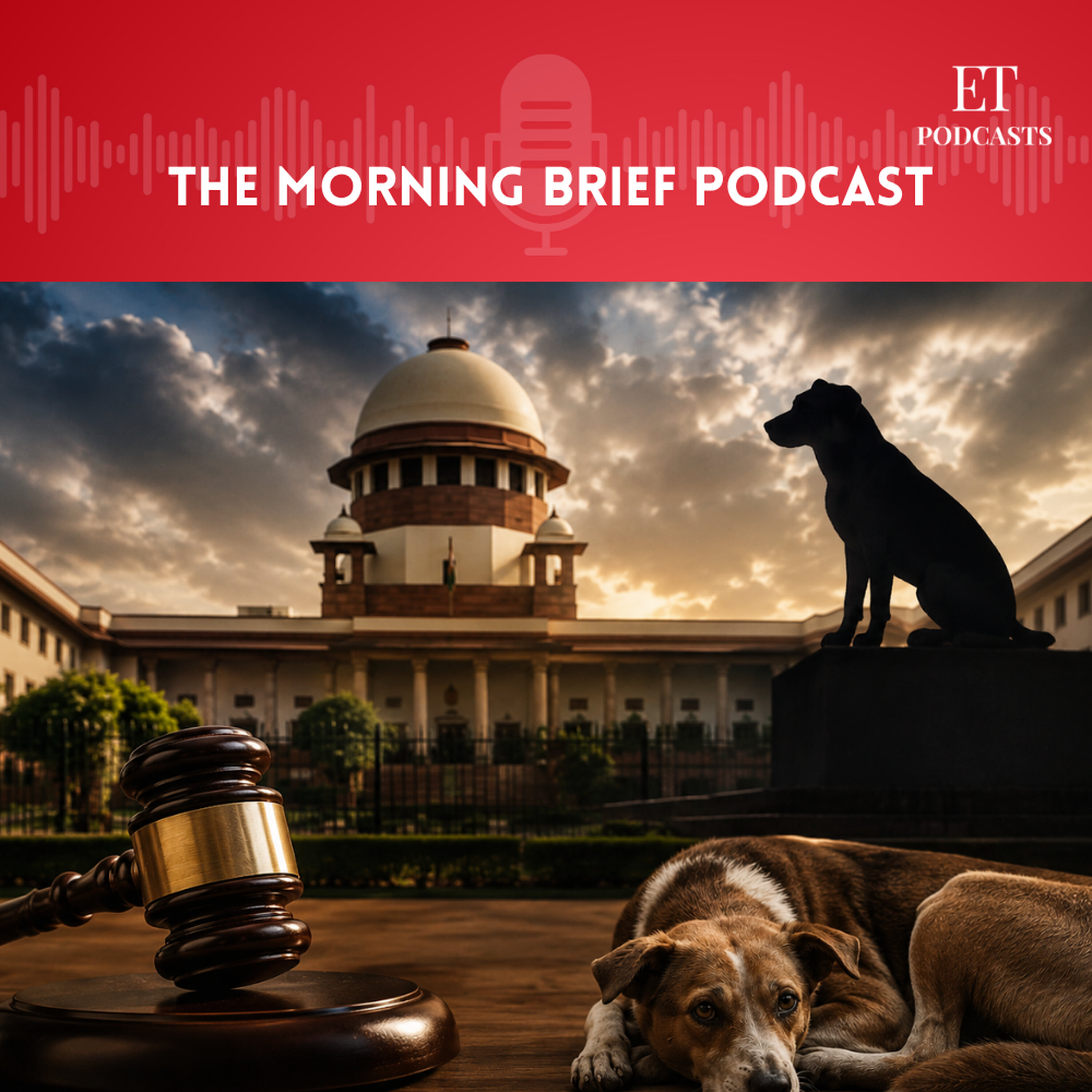
Why Doesn't India Know What To Do With Its Stray Dogs?
May 2900:34:47Tap to summarizeIndia has 80 million stray dogs and accounts for 30 percent of the world's rabies deaths. The Supreme Court's latest judgment proposes capturing and relocating strays from schools, hospitals, religious and tourism sites but the experts on this episode argue it may do more harm than the problem it set out to solve. Host Anirban Chowdhury sits down with Gauri Maulekhi, Trustee of People for Animals, Alokparna Sengupta, Managing Director of Humane World for Animals India, and Luke Gamble, Founder and CEO of Mission Rabies, on why India's animal birth control programme collapsed despite 25 years of policy, what Malawi's rabies elimination model teaches us about structural solutions, and whether a judgment meant to protect citizens is quietly pushing India toward a less humane future.See omnystudio.com/listener for privacy information.
Transcribe →