
Podcast
The Morning Brief
Hosted by The Economic Times · EN
To make sense of the week’s hottest stories in business, economy, politics and markets, journalists from the Economic Times chat with reporters and industry leaders in this thrice-weekly (Tuesday, Thursday, Friday) podcast.
111episodes
Episodes
Newest firstAll episodes
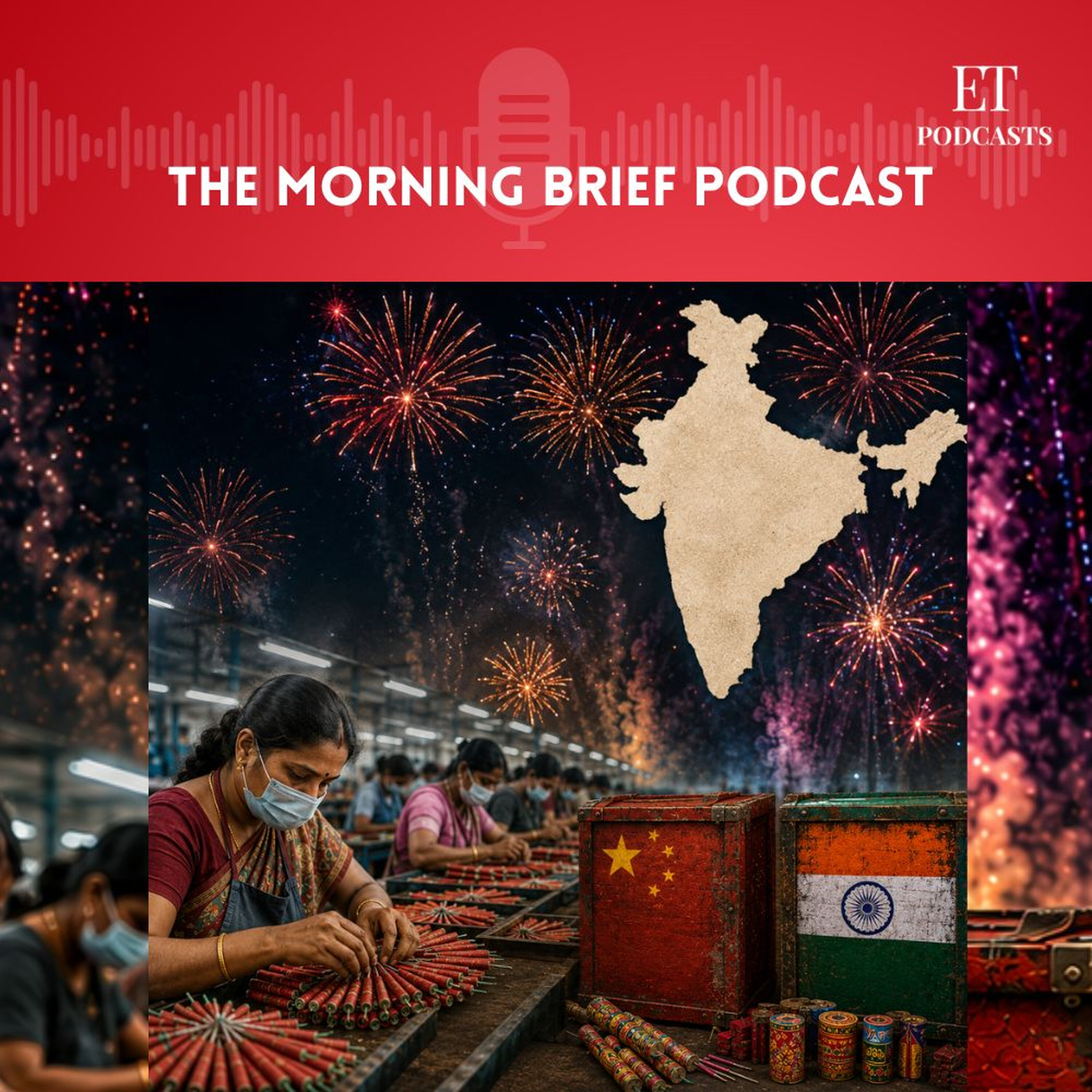
ET Deep Dive: Can India’s Firecracker Capital Go Global?
Jun 2800:14:34Tap to summarizeNestled in Virudhunagar district of Tamil Nadu, Sivakasi is India’s undisputed firecracker capital. What began as a humble cottage industry thrived in the region’s hot, dry climate — conditions too harsh for agriculture but perfect for manufacturing matches and firecrackers. Over decades, this unlikely desert town grew into a Rs 6,000 crore industry, supplying the bulk of India’s fireworks. Now, the newly elected Vijay government has set its sights higher, pushing Sivakasi to compete on the world stage and challenge China’s dominance in global fireworks. But transforming political ambition into industrial reality is a challenge that remains to be seen.Dia Rekhi reports and narrates for audio. You can follow Dia Rekhi on social media: Linkedin & XSee omnystudio.com/listener for privacy information.
Transcribe →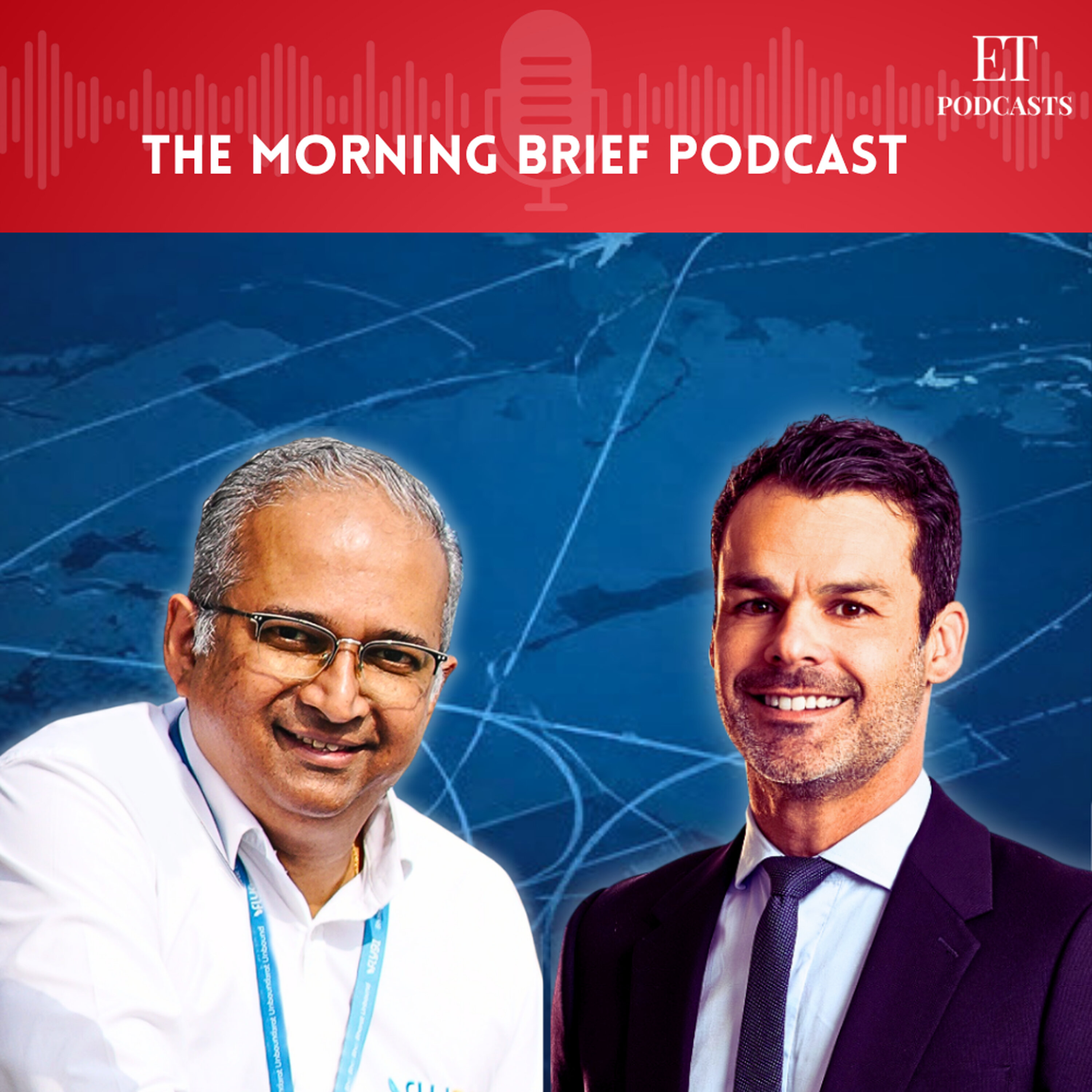
Can Regional Aviation Finally Take Off In India?
Jun 2600:30:00Tap to summarizeFor decades, regional aviation in India has been a story of false starts, grounded ambitions and struggling airlines. But that may finally be changing. India makes more than 4 billion intercity trips every year. Yet only 3% happen by air. That gap may be the single biggest untapped opportunity in Indian aviation — and airlines like Fly91 and aircraft maker ATR believe they are perfectly positioned to capture it. In this episode of The Morning Brief, Anirban Chowdhury and ET's Forum Gandhi speak with Alexis Vidal, Chief Commercial Officer of ATR, and Manoj Chacko, Managing Director of Fly91, about why regional aviation has historically failed to scale, what has changed in India's smaller cities, and whether the economics finally work. From eliminating check-in entirely and operating with fuel costs at just 22% of revenue, to filling flights with business travellers in places few expected, the conversation explores the opportunities, bottlenecks and big bets shaping India's next aviation frontier. You can follow Anirban Chowdhury on his social media: X and LinkedinCheck out other interesting episodes like:ET Deep Dive: Swipe Left on Reality,India wants manufacturing at 25% of GDP — will AI in factories help?, Tanay Kothari Wants To Kill The Keyboard, From Doer to Director: The LinkedIn Playbook for the AI Agea, Semaglutide Goes Generic: Big Pharma’s Moat Breaks and much more. Catch the latest episode of ‘The Morning Brief’ on The Economic Times Online, Spotify, Apple Podcasts, JioSaavn, Amazon Music and Youtube.See omnystudio.com/listener for privacy information.
Transcribe →
Dr Ramakanta Panda On Why Bankers, Techies Are Most Susceptible To Heart Disease
Jun 2500:28:33Tap to summarizeEighty percent of Dr Ramakanta Panda's young cardiac patients — below 35, below 40 — work in IT or finance. Late nights, processed food, 2 AM pizza, secondhand smoke, and a generation that doesn't sleep before midnight. The Padma Bhushan awardee and Chairman of Asian Heart Institute, Mumbai has performed over 30,000 cardiac surgeries with a 99.8% bypass success rate and zero MRSA in his ICU — all from one hospital he has refused to franchise, refused to debt-finance, and refused to sell to private equity. Every week, he says no. In this episode of The Morning Brief, ET's pharma editor Vikas Dandekar and Rica Bhattacharyya sit down with Dr. Panda on why India cannot fix its healthcare issues by solely relying on private healthcare — and whether one hospital built on culture can set standards an industry built on capital never will.You can follow Vikas Dandekar on his social media: X or Linkedin and Rica Bhattacharyya on her X and LinkedinCheck out other interesting episodes like:ET Deep Dive: Swipe Left on Reality,India wants manufacturing at 25% of GDP — will AI in factories help?, Tanay Kothari Wants To Kill The Keyboard, From Doer to Director: The LinkedIn Playbook for the AI Agea, Semaglutide Goes Generic: Big Pharma’s Moat Breaks and much more. Catch the latest episode of ‘The Morning Brief’ on The Economic Times Online, Spotify, Apple Podcasts, JioSaavn, Amazon Music and Youtube.See omnystudio.com/listener for privacy information.
Transcribe →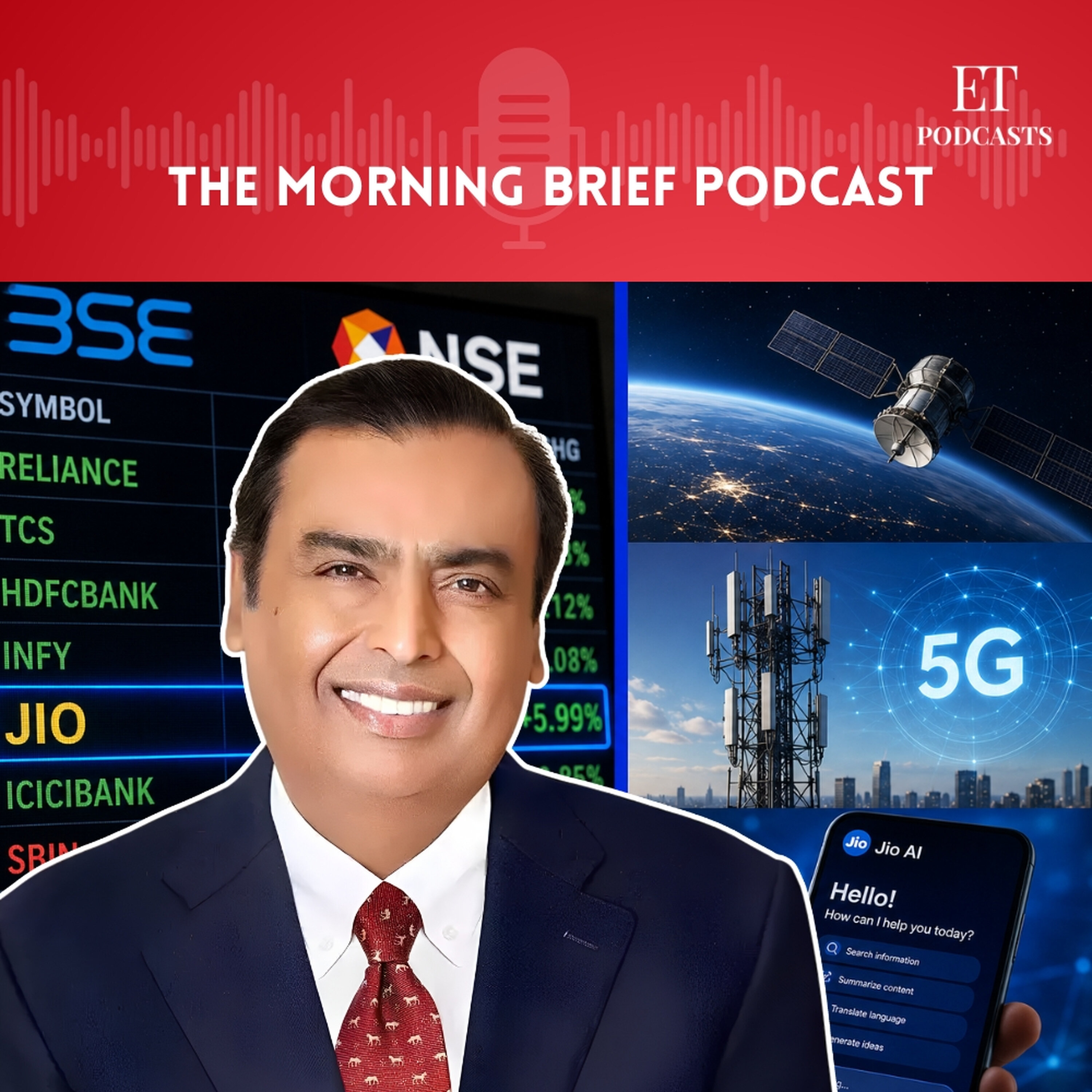
Jio’s Historic IPO and Next Act
Jun 2300:18:36Tap to summarizeJio Platforms is set to file what could be India's largest-ever IPO. But the story goes far beyond the listing. Senior telecom consultant Kalyan Parbat joins host Anirban Chowdhury to break down what the DRHP really signals. From prepaying debt to funding a sovereign LEO satellite constellation, building a homegrown AI agent called Hey Jio, and exporting its indigenous 5G stack to global operators, Jio's ambitions are staggering. But questions remain. Competition pressure, privacy concerns around AI on mobile networks, net neutrality risks from network slicing. This is a deep dive into what Jio's public market debut means for India's digital future.You can follow Anirban Chowdhury on his social media: X and LinkedinCheck out other interesting episodes like:ET Deep Dive: Swipe Left on Reality,India wants manufacturing at 25% of GDP — will AI in factories help?, Tanay Kothari Wants To Kill The Keyboard, From Doer to Director: The LinkedIn Playbook for the AI Agea, Semaglutide Goes Generic: Big Pharma’s Moat Breaks and much more. Catch the latest episode of ‘The Morning Brief’ on The Economic Times Online, Spotify, Apple Podcasts, JioSaavn, Amazon Music and Youtube.See omnystudio.com/listener for privacy information.
Transcribe →
ET Deep Dive: The DNA Fix
Jun 2100:21:09Tap to summarize A revolution is underway in cancer diagnosis. A gene-based test called next-generation sequencing can identify precise mutations in a patient’s DNA, which can then be treated with targeted therapies instead of painful chemotherapy. For an 80-year-old woman with stage 4 lung cancer, it meant walking again. For a 24-year-old with breast cancer, it meant a normal life. But since NGS tests can cost up to Rs 4 lakh, a unique collaboration called LuNGS Alliance is making it free for lung cancer patients across India — offering a glimpse of how medical breakthroughs can be made accessible and affordable for all. Vikas Dandekar and Arijit Barman report. Anirban Chowdhury narrates for audio Listen in.See omnystudio.com/listener for privacy information.
Transcribe →
AI Studios: The New Entertainment Frontier
Jun 1900:20:15Tap to summarizeIndia's media and entertainment industry is actively exploring new frontiers in AI. From JioHotstar's dedicated AI content division to Kishore Lulla's $150 million Eros Innovation play, the country's biggest streaming and production companies are building AI studios from the ground up. The economics are hard to ignore, production costs down 60-70%, delivery timelines cut by half. But beyond micro dramas, the ambition stretches to web series, animation, and films. Host Anirban Chowdhury, ET's in house entertainment journalist and film critic Rajesh N Naidu and JioHotstar's chief architect Vijay Seshadri explains the three pillars powering the platform's AI strategy.You can follow Anirban Chowdhury on his social media: X and LinkedinCheck out other interesting episodes like: Mythos Blocked: When AI Becomes a Weapon of State, India wants manufacturing at 25% of GDP — will AI in factories help?, The Gold That Wasn't There: Inside SEBI's Case Against Rajesh Exports, Hills of Brew, Semaglutide Goes Generic: Big Pharma’s Moat Breaks and much more. Catch the latest episode of ‘The Morning Brief’ on The Economic Times Online, Spotify, Apple Podcasts, JioSaavn, Amazon Music and Youtube.See omnystudio.com/listener for privacy information.
Transcribe →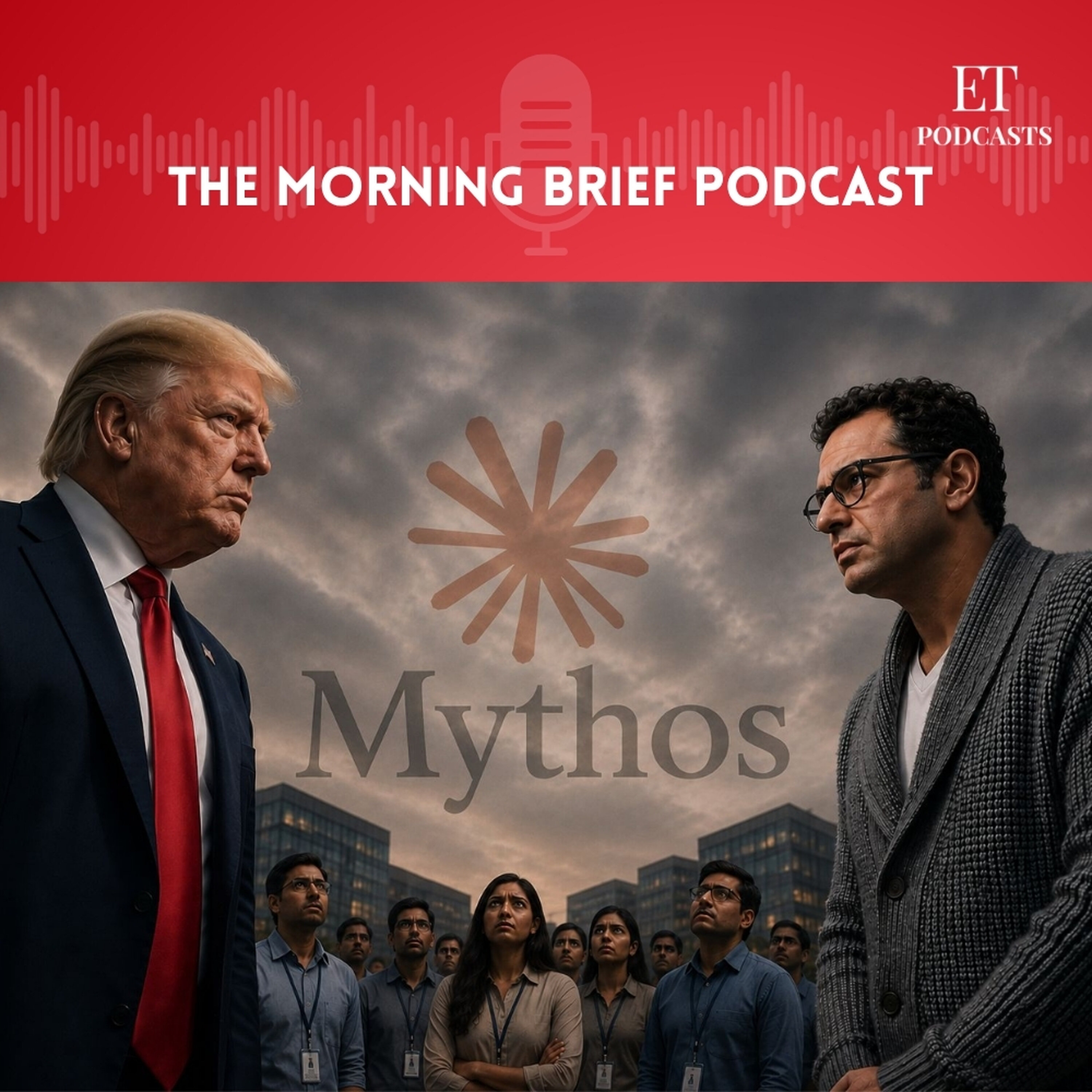
Mythos Blocked: When AI Becomes a Weapon of State
Jun 1800:27:03Tap to summarizeOn June 12, the US government forced Anthropic to shut off its most powerful AI models Fable 5 and Mythos 5 for every foreign national on earth, citing national security. The trigger was a claimed jailbreak. The fallout was immediate. India, which had only just gained access to Mythos through Project Glasswing, was suddenly cut off. Host Anirban Chowdhury talks to Dr Rumman Chowdhury, co-founder CEO of Humane Intelligence and Nikhil Narendran, partner at TMT Trilegal and president of ITechLaw Association about if AI access the new arms race? What does this mean for Indian startups, critical infrastructure and digital sovereignty? And when Indian data trained these models, but Indian users can't use them, who really owns artificial intelligence?Listen in.You can follow Anirban Chowdhury on his social media: X and LinkedinCheck out other interesting episodes like:ET Deep Dive: Swipe Left on Reality,India wants manufacturing at 25% of GDP — will AI in factories help?, Tanay Kothari Wants To Kill The Keyboard, From Doer to Director: The LinkedIn Playbook for the AI Agea, Semaglutide Goes Generic: Big Pharma’s Moat Breaks and much more. Catch the latest episode of ‘The Morning Brief’ on The Economic Times Online, Spotify, Apple Podcasts, JioSaavn, Amazon Music and Youtube.See omnystudio.com/listener for privacy information.
Transcribe →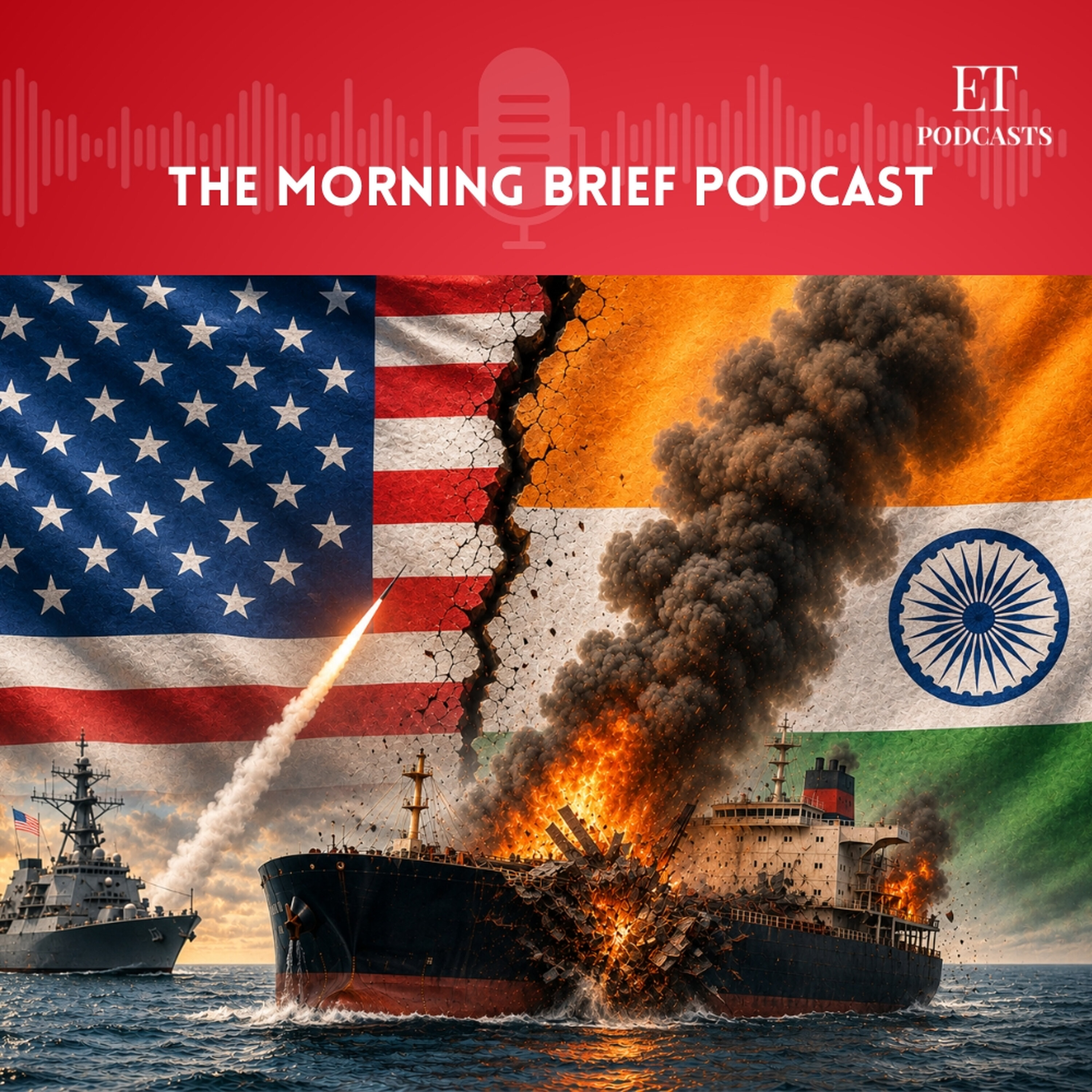
Killed in America’s War: The Indian Sailors Nobody Apologised For
Jun 1600:18:46Tap to summarizeThree Indian mariners are dead, killed by US Navy strikes on a commercial tanker in the Gulf of Oman. Host Anirban Chowdhury talks to Abhijit Singh, a retired naval officer and former head of the maritime policy initiative at ORF, to break down what we know and what remains contested about the MT Settebello incident. Was it a legitimate blockade enforcement or an unprovoked attack on a stationary vessel? And does the timing make it worse? A US-Iran truce and deal was reportedly already in the works when the precision strikes hit. Abhijit examines India's structural vulnerability in global shipping, the limits of diplomatic protests, and what New Delhi must demand now before this becomes just another forgotten episode. Listen in.You can follow Anirban Chowdhury on his social media: X and LinkedinCheck out other interesting episodes like:ET Deep Dive: Swipe Left on Reality,India wants manufacturing at 25% of GDP — will AI in factories help?, Tanay Kothari Wants To Kill The Keyboard, From Doer to Director: The LinkedIn Playbook for the AI Agea, Semaglutide Goes Generic: Big Pharma’s Moat Breaks and much more. Catch the latest episode of ‘The Morning Brief’ on The Economic Times Online, Spotify, Apple Podcasts, JioSaavn, Amazon Music and Youtube.See omnystudio.com/listener for privacy information.
Transcribe →
ET Deep Dive: Hills of Brew
Jun 1400:16:44Tap to summarizeFrom the hills of Nagaland, once rattled by insurgency, comes an unlikely revolution — specialty coffee. In this episode of ET Deep Dive, we trace how a state better known for decades of conflict is quietly reinventing itself, one arabica bean at a time. From smallholder farmers in the mist-covered hills of Wokha to young entrepreneurs who studied abroad and came home to build brands, Nagaland’s coffee story is as much about identity as it is about agriculture. With government backing, global ambitions and a target of fifty thousand hectares by 2047, could this be India’s next great coffee country? Shantanu Nandan Sharma reports, Anirban Chowdhury narrates You can follow Anirban Chowdhury on his social media: X and LinkedinSee omnystudio.com/listener for privacy information.
Transcribe →
How Long Should You Stay in an SIP?
Jun 1200:14:23Tap to summarizeEvery month, millions of Indians put money into mutual funds through SIPs without really knowing how long to stay invested or what happens when markets crash. ET Wealth's annual SIP study with Crisil Intelligence finally puts hard numbers to these questions. Host and editor ET Wealth Kayezad E Adajania talks to Piyush Gupta, Director at Crisil Intelligence about what 15 years of data across 120 schemes actually shows — the magic of a 10-year SIP, what the COVID crash revealed about short versus long-term investors, why higher returns and more predictable returns are not the same thing, and the basic housekeeping every SIP investor should be doing right now.You can follow Kayezad E Adajania on his social media: X and LinkedinCheck out other interesting episodes like:ET Deep Dive: Swipe Left on Reality,India wants manufacturing at 25% of GDP — will AI in factories help?, Tanay Kothari Wants To Kill The Keyboard, From Doer to Director: The LinkedIn Playbook for the AI Agea, Semaglutide Goes Generic: Big Pharma’s Moat Breaks and much more. Catch the latest episode of ‘The Morning Brief’ on The Economic Times Online, Spotify, Apple Podcasts, JioSaavn, Amazon Music and Youtube.See omnystudio.com/listener for privacy information.
Transcribe →