
Podcast
The Motherlands Podcast
Hosted by Keely Semler · EN
The Motherlands Podcast explores the poetics of kinship, the politics of care, and the layered terrain of women's studies and reproductive health. Through intimate conversations, it reimagines caregiving as a personal, collective, and ecological practice. Each episode invites reflection, where storytelling becomes a vessel for presence, connection, and remembering.
keelysemler.substack.com
keelysemler.substack.com
20episodes
Episodes
Newest firstAll episodes
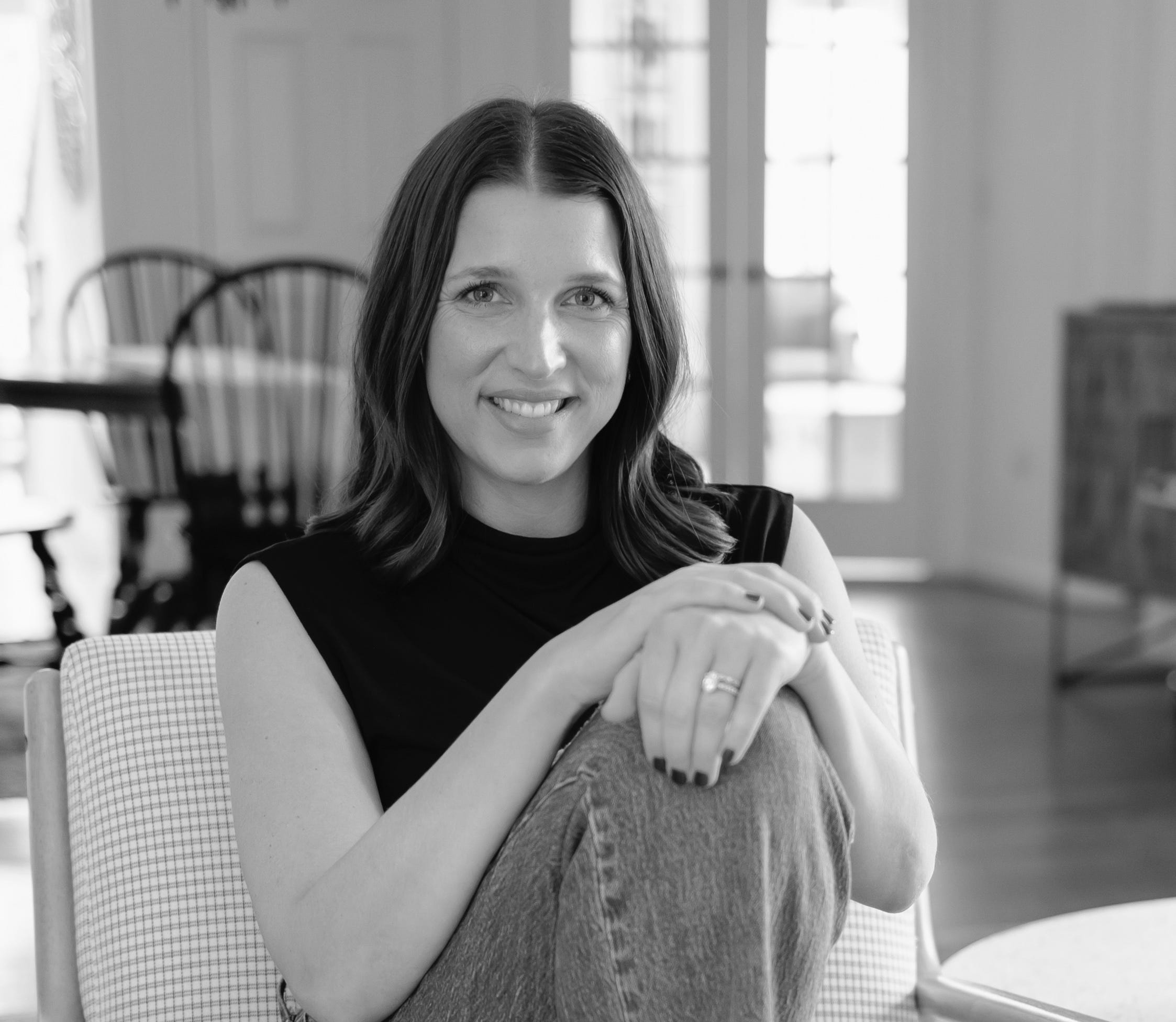
Demystifying the Mental Load with Paige Connell
Dec 700:35:08Tap to summarizeThis is a free preview of a paid episode. To hear the full conversation, visit keelysemler.substack.com.Today’s guest is Paige Connell, a working mother of four whose thoughtful online presence brings much needed honesty and clarity to conversations about contemporary family life. We explore the mental load, the unseen work of keeping a family running, and how it shapes our wellbeing, our relationships, and our sense of self. And importantly, the mental load isn’t limited to marriage or parenting; it shows up in all kinds of interpersonal relationships.We discuss how gender norms, the undervaluing of caregiving, and the “good mother” myth place disproportionate responsibility on women, often leading to loneliness, burnout, and tension in partnerships. We also examine the broader forces at play; rising childcare costs, the essential but invisible labor that makes paid work possible, the glamorization of trad wives on social media, and the need for stronger policies like affordable childcare and paid leave. In the extended interview, Paige gives her personal take on social media, both as an influencer and as a parent, and how she plans to navigate her own children’s exposure to it.This conversation looks at how making family life more equitable can strengthen the whole wellbeing of a household, improve the workplace, and shift the cultural expectations placed on women and families.Paige is a working mother who shares relatable content on TikTok and Instagram, highlighting the everyday experiences of women balancing motherhood, careers, and relationships. Known for her candid insights on the mental load of motherhood and the challenges of creating equity at home and work, Paige’s content resonates with millions. She also advocates for affordable childcare, paid leave, and reproductive rights, sparking important conversations about what families need to thrive. Her impactful voice and relatable storytelling have led to features in Scary Mommy, The Today Show, Good Morning America, and more.If you love the Motherlands Podcast, please help us keep it alive by becoming a paid subscriber at keelysemler.substack.com.2:26 Conversations for a fair life with your partner5:18 Mental load & the never ending to-do list8:27 Societal gender bias’ skew of the mental load12:09 How the lack of value placed on caregiving can shape identity & self-worth14:47 The good mother myth19:56 Loneliness and finding community in motherhood25:03 How the distribution of labor affects partnership & intimacy27:58 Therapy: the stigma for emotional unveiling for men30:22 Nobody can be at work without people providing care and labor at homeBehind Closed Doors Extended Interview for Paid Subscribers includes:33:43 The implications of rising childcare costs and monetizing care39:26 The vicious cycle and social media glamour fallacy of being a trad wife42:31 Social media literacy, drawbacks, possibilities, and algorithms47:28 How domestic labor impacts relationships of shared living50:26 Affordable childcare & paid leaveMOTHERLANDS Membership WaitlistConnect with Paige Connell:IGTiktokSubstackFree GuideWebsiteFollow The Motherlands PodcastYour support keeps The Motherlands alive. Paid subscriptions help me to keep doing this work full-time, offering real support to women through life’s biggest thresholds.Can’t subscribe right now? You can still– Leave a review on Apple Podcasts– Subscribe to Motherlands on Substack– Follow us on YouTube– Share an episode with a friend This is a public episode. If you'd like to discuss this with other subscribers or get access to bonus episodes, visit keelysemler.substack.com/subscribe
Transcribe →
Art as Medicine with Kristen Lee Gutoskie
Nov 2300:33:15Tap to summarizeThis is a free preview of a paid episode. To hear the full conversation, visit keelysemler.substack.com.Today’s guest is actress, singer, and mother Kristen Gutoskie, and we’re having an honest conversation about what motherhood really feels like once you’re in the thick of it. We explore how she’s learned to trust herself, stay creative and find her footing in parenthood.Kristen opens up about the mental load; the invisible emotional work of keeping a family moving, the vulnerability of sharing her creative projects, and the ongoing challenge of being both a present mom and a whole person with dreams of her own. This episode is a reminder that you’re not alone, and that there’s real beauty in figuring things out as you grow into this new version of yourself.Kristen Lee Gutoskie is a SAG nominated actor known for her roles in the Emmy winning show The Handmaid’s Tale, Chicago Fire, The Vampire Diaries, Narco’s Mexico, Containment, and Lethal Weapon. She is also a musician and has written and recorded music for projects she has starred in, including CW’s Containment and Hulu film The Dust Storm. Her first music single “Stardust” under her shortened name Lee Gutoskie was released earlier this year.If you love the Motherlands Podcast, please help us keep it alive by becoming a paid subscriber at keelysemler.substack.com.3:00 The expectations of motherhood vs the realities4:12 Gaining control of yourself and surrendering control of everything/everyone else7:56 Trusting your intuition and instincts9:28 Connecting parenthood to childhood10:53 Honesty in creativity and what it means to be seen14:56 Following joy and passion17:45 Creative process, intention, and the vulnerability of sharing something you have created21:11 Legacy and the remembering of art, family, and truth23:15 What really matters in parenthood25:18 Navigating comparison28:15 Holding both being a mom and being your own personBehind Closed Doors Extended Interview Includes:31:44 The responsibility of the artist in socially relevant work33:30 Media representation of intimacy, birth, and motherhood36:14 Navigating technology, privacy, and family40:13 The evolution of your connection with your partner44:41 Sharing the mental load47:24 Letting yourself flow in parenthood and creativityWork with KeelyMOTHERLANDS: Online Education Program20% off code MOTHERLANDSPODConnect with Kristen Gutoskie:MusicIMDBSocial: instagram: @kristenleegutoskie, tiktok: @leegutoskieRecent film:https://www.mylifetime.com/movies/i-was-octomom-the-natalie-suleman-storyNext film with Kristen to be released soon: https://takethemoneyandrunproduction.com/million/press/english/Follow our Host, Keely SemlerFollow The Motherlands PodcastYour support keeps The Motherlands alive. Paid subscriptions help me to keep doing this work full-time, offering real support to women through life’s biggest moments.Can’t subscribe right now? You can still– Leave a review on Apple Podcasts– Subscribe to Motherlands on Substack– Follow us on YouTube– Share an episode with a friend This is a public episode. If you'd like to discuss this with other subscribers or get access to bonus episodes, visit keelysemler.substack.com/subscribe
Transcribe →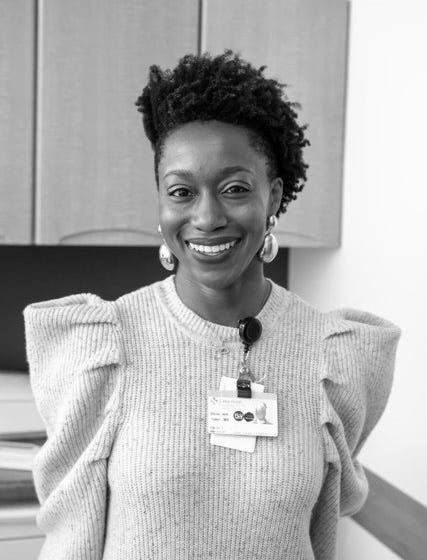
Practicing Care in an Imperfect System with Dr. Ono Nseyo
Nov 900:44:59Tap to summarizeThis is a free preview of a paid episode. To hear the full conversation, visit keelysemler.substack.com.Today’s guest is board-certified OB/GYN Dr. Ono Nseyo. We cover a wide range of women’s health topics, from birth control to the lack of women’s health research. We also talk about the gaps in prenatal nutrition education in medical training and the missed opportunities this creates for clinicians. We explore the importance of shared decision-making with patients, including how Dr. Nseyo navigates situations when a patient’s choice differs from her medical recommendation.One of the reasons I love this conversation is that Dr. Ono never pretends to have all the answers. Her honesty and humility are refreshing, especially in a field where overconfidence can overshadow curiosity and connection.In the extended interview, Dr. Nseyo speaks candidly about the pressures and limitations of modern medicine, the need to honor matrescence (the profound physical, psychological and emotional process of becoming a mother) and why postpartum care deserves more attention and support from clinicians.Resources from this episode:* For more on women’s health research, check out this episode with Katie Schubert from the Society for Women’s Health Research.* Read this article on how insurance companies are medicalizing the role of doulas to profit from them.* Join us for a roundtable discussion with Dr. Nseyo and midwife Nancy Beyda.Dr. Ono Nseyo is a board-certified OB/GYN and Medical Director of Women’s Health for Sutter East Bay Medical Group, where she leads efforts to expand access and equity in healthcare. Rooted in advocacy and compassion, her practice bridges clinical expertise with a deep commitment to maternal health and systemic change. She is also the host of Golden Hour.FM, a podcast that amplifies the many different voices and experiences of childbirth.If you love the Motherlands Podcast, please help us keep it alive by becoming a paid subscriber at keelysemler.substack.com.4:15 Birth control9:09 Keely’s experience of being pushed to take birth control for hormonal acne in adolescence & the need more women’s health research14:17 The black hole of nutrition in Western medical school20:13 Med school: from an algorithmic binary approach to patient-centered, shared decision-making care24:16 What is medical informed consent?27:09 Honoring patient autonomy43:27 The difficulties and frustrations of being a medical professionalBehind Closed Doors Extended Interview Includes:44:24 How medical insurance companies negatively impact the way doctors are able to care for their patients48:50 Matrescence & the need to invest resources in postpartum careWork with KeelyMOTHERLANDS: Online Education Program20% off code MOTHERLANDSPODConnect with Dr. Ono NseyoFollow our Host, Keely SemlerFollow The Motherlands PodcastYour support keeps The Motherlands alive. Paid subscriptions help me to keep doing this work full-time, offering real support to women through life’s biggest moments.Can’t subscribe right now? You can still– Leave a review on Apple Podcasts– Subscribe to Motherlands on Substack– Follow us on YouTube– Share an episode with a friend This is a public episode. If you'd like to discuss this with other subscribers or get access to bonus episodes, visit keelysemler.substack.com/subscribe
Transcribe →
Beauty as a Unifying Force with Nadine Artemis
Oct 2600:40:26Tap to summarizeThis is a free preview of a paid episode. To hear the full conversation, visit keelysemler.substack.com.Nadine Artemis, founder of Living Libations, reflects on how modern culture places our senses in a hierarchy, often prioritizing the visual while neglecting the richness of the others. She invites us to consider beauty not just as appearance, but as a full body experience; a harmony of scent, sound, touch, and presence. We talk about living in deeper relationship with nature, and how that connection can support a more vibrant, embodied life. Our conversation covers topics like the rise of “millennial menopause” in women who are currently in their 30s, how to embrace winter while still supporting vitamin D synthesis, and the relationship between circadian rhythm, mitochondrial health, and hormone balance. In the extended episode, we discuss heartbreak, love, babies, and the intimacy that shapes us.Nadine Artemis is the author of Renegade Beauty and Holistic Dental Care and the creator of Living Libations, a pure and luxurious line of organic oral care, botanical beauty care, and medicinal elixirs often called the “holy grail” of wholesome skincare. Artemis is an innovative aromacologist, and her healing formulations and her concept of renegade beauty encourage effortlessness and inspire people to rethink conventional notions of wellness and beauty.This podcast is only made possible by the support of this community. Show you support by becoming paid subscriber at keelysemler.substack.com.3:26 An ecosystem of nurturing4:14 Beauty as a union8:21 Being valued & valuing yourself internally10:21 Investing in your “is-ness” to release control13:57 Womanhood, mothering, body knowledge, and changes in societal family norms20:35 Getting to the root of health issues24:53 Self-discovery, hormones, and mitochondrial health32:01 Circadian rhythm as the foundation of our biologyBehind Closed Doors Extended Interview includes:38:53 Skin, melanin, and the need for Vitamin D sufficiency41:50 Making time and space for rest43:09 Building resilience46:48 Carrying forward the faith in life and your relationship with yourself47:23 Love, heartbreak, and intimacyWork with KeelyMOTHERLANDS: Online Education Program20% off code MOTHERLANDSPODConnect with Nadine ArtemisFollow our Host, Keely SemlerFollow The Motherlands PodcastYour support keeps The Motherlands alive. Paid subscriptions help me to keep doing this work full-time, offering real support to women through life’s biggest moments.Can’t subscribe right now? You can still– Leave a review on Apple Podcasts– Subscribe to Motherlands on Substack– Follow us on YouTube– Share an episode with a friend This is a public episode. If you'd like to discuss this with other subscribers or get access to bonus episodes, visit keelysemler.substack.com/subscribe
Transcribe →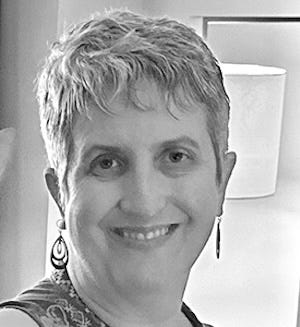
The Sleek Rebrand of the Sex Industry with Dr. Rebecca Whisnant
Oct 1200:38:50Tap to summarizeThis is a free preview of a paid episode. To hear the full conversation, visit keelysemler.substack.com.I have spent a great deal of time thinking about and honestly, grappling with, the sex industry and today’s narratives around sexual liberation. It’s often marketed as glamorous and empowering for women, but I’ve found myself questioning who it actually serves, and at what cost.In today’s episode, I’m joined by Dr. Rebecca Whisnant, a professor of philosophy at the University of Dayton. We talk about feminism, what it really means, and how the word has been misunderstood, misused, and in many ways stripped of its integrity. Instead of being a movement to end all forms of oppression, feminism is now often co-opted to sell capitalistic and patriarchal ideas.We also explore the language we use around the sex industry, like the term sex work, and how it can obscure the realities of systems built on exploitation. Dr. Whisnant shares insight on how pornography and prostitution are connected to broader public health issues, especially for young people who are growing up in a culture shaped by these influences.Rebecca Whisnant is a professor of philosophy at the University of Dayton, where her research and teaching focus on ethics and feminist social theory. She co-edited the anthology Not For Sale: Feminists Resisting Prostitution and Pornography, and her recent articles include “Pornography, humiliation, and consent” and “But what about feminist porn?: Examining the work of Tristan Taormino.” Dr. Whisnant is vice president of the board of directors for Culture Reframed, a national nonprofit organization addressing pornography as the public health crisis of the digital age.This podcast is only made possible by the support of this community. Show you support by becoming paid subscriber at keelysemler.substack.com.3:57 Defining feminism5:38 Contradictions in the connotations of “feminism”8:51 Are sexuality and pornography empowerment or exploitation?13:17 How to critique the sex industry without shaming someone who is forced to work in it16:07 The social costs of sexual commodification20:44 Informed consent & choice: Is agency truly possible in the porn industry?25:06 The impact of porn on intimacy & relationships30:16 How porn dictates women’s experience and removes pleasure, safety, and enjoyment33:43 Sex robots and porn: how they avoid the human elements of relationship and connection and don’t solve lonelinessBehind Closed Doors Extended Interview includes:37:21 Hyper-capitalism, fascism, pornography, and the patriarchy are fodder for our loss of human decency42:03 The competing demands of sexual visibility and “liberation”45:14 How the sex industry exists because of men and their choices, not women and their choices48:43 Culture Reframed and the plethora of feminist literature that remains relevant and urgentWork with KeelyMOTHERLANDS: Online Education Program20% off code MOTHERLANDSPODFree Practical Guide for Curious Minds: Demystifying Medical ResearchConnect with Dr. Rebecca WhisnantFollow our Host, Keely SemlerFollow The Motherlands PodcastYour support keeps The Motherlands alive. Paid subscriptions help me to keep doing this work full-time, offering real support to women through life’s biggest moments.Can’t subscribe right now? You can still help…– Leave a review on Apple Podcasts– Subscribe to Motherlands on Substack– Follow us on YouTube– Share an episode with a friendIf your brand aligns with empowering women, let’s partner! Reach out at hello@keelysemler.com. This is a public episode. If you'd like to discuss this with other subscribers or get access to bonus episodes, visit keelysemler.substack.com/subscribe
Transcribe →
Unlearning to Remember with Klara Hascakova
Sep 2800:41:59Tap to summarizeThis is a free preview of a paid episode. To hear the full conversation, visit keelysemler.substack.com.This week’s guest is Klara Hascakova, an Oxford educated systems designer whose work helps women reimagine the structures of their lives so they can live, lead, and create from a place of inner truth.I first encountered Klara through her appearance on the podcast In My Non-Expert Opinion with Chelsea Riffe. What initially drew me in was the way she spoke with humor and openness about her approach to “gamifying” life. At first, I wasn’t sure what to make of it. The world feels so heavy, why would we turn it into a game? But something in her tone felt like a gentle invitation. Perhaps, I thought, we are somehow capable holding complexity while still making room in our lives for creativity and play. Given how emotionally heavy my work in reproductive health and doula care can be, her perspective felt like a refreshing palette cleanser, something that brought a sense of lightness and clarity.I reached out to Klara, curious to learn more about who she is and what she offers and discovered that she was in the final months of her first pregnancy. It felt kismet that we were able to record this conversation while she stood at the threshold of motherhood.We explore the ways in which our cultural systems, especially those related to health, productivity, and identity, often overlook the needs, rhythms, and realities of women. While this can be disheartening, Klara offers an imaginative path forward: one in which we use intuition and play to re-design the ways we care for ourselves and one another. Her work gently asks: What would it look like to build systems that nourish rather than deplete, ones that support wholeness rather than demand performance?This conversation is for anyone seeking a more humane and liberated way of being, especially those who live and work within systems not built with them in mind.This podcast is only made possible by the support of this community. Please show you support by becoming paid subscriber at keelysemler.substack.com.3:28 Not fitting within systems4:51 Inner work to counteract external harmful systems6:38 Pregnancy as a transformation into the sensual feminine8:26 The duality of the “mother” archetype10:11 Unlearning myths and allowing for unpredictable experiences12:18 Name patterns, numerology, sounds, and our energetic identities22:53 Numbers, integration, and energetic maintenance work29:41 How to be powerful and loving in systems that don’t love30:30 Intuitive knowing and self-understanding through name patterns32:11 We need connection, not self-fixing and technology36:15 Shedding inherited roles & family systemsPaid Extended Interview (Behind Closed Doors, our subscriber community) includes:40:27 Money name patterns & wealth beyond money41:54 Pleasure and presence in pregnancy and motherhood47:03 Perceiving ourselves as the magical beings we really areMOTHERLANDS: Online Education Program20% off code MOTHERLANDSPODConnect with Klara & Book a SessionFollow our Host, Keely SemlerFollow The Motherlands PodcastYour support keeps The Motherlands alive. Paid subscriptions help me to keep doing this work full-time, offering real support to women through life’s biggest moments.Can’t subscribe right now? You can still help…– Leave a review on Apple Podcasts– Subscribe to Motherlands on Substack– Follow us on YouTube– Share an episode with a friendIf your brand aligns with empowering women, let’s collaborate! Reach out at hello@keelysemler.com. This is a public episode. If you'd like to discuss this with other subscribers or get access to bonus episodes, visit keelysemler.substack.com/subscribe
Transcribe →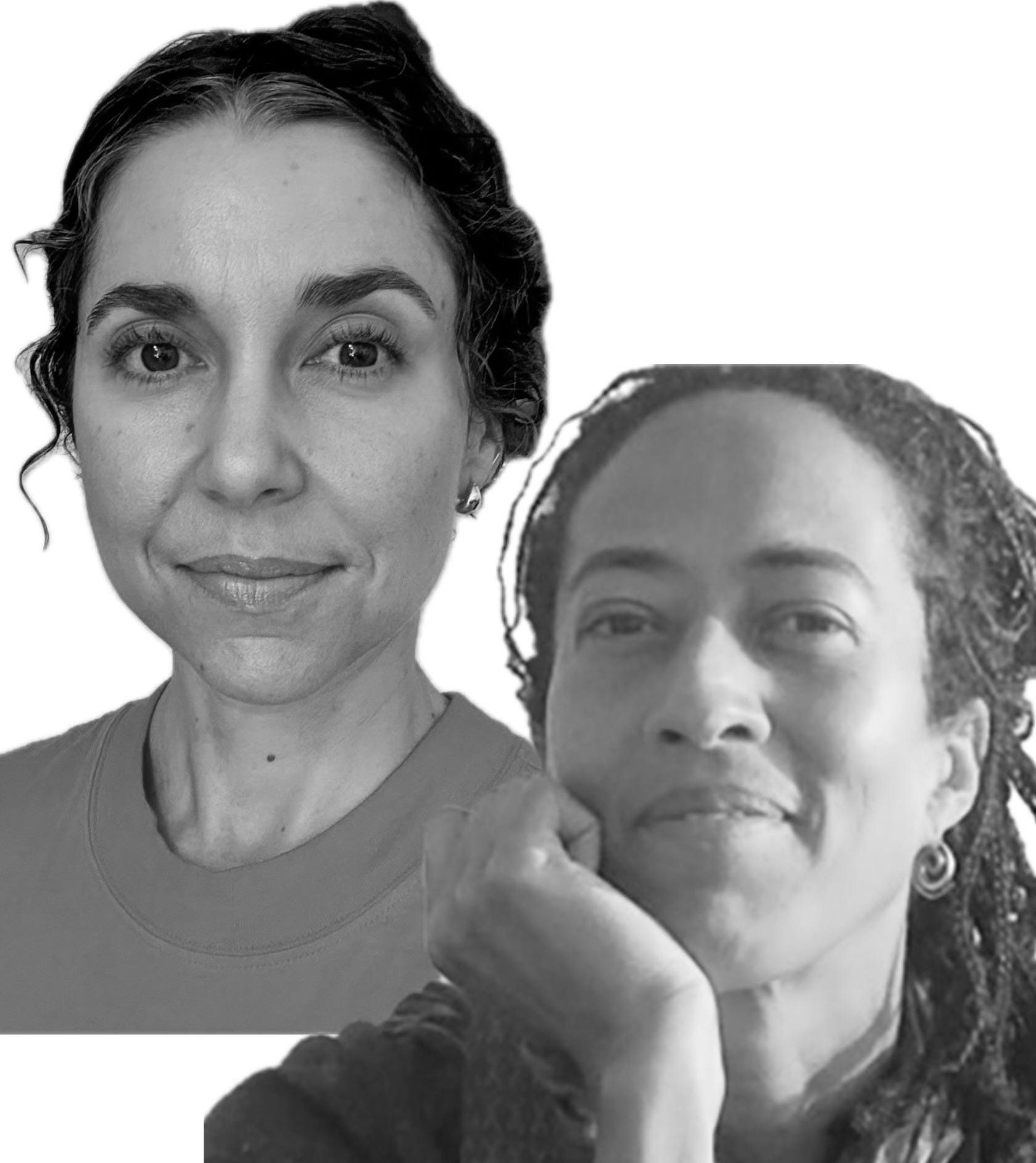
What Love Feels Like at the End with Sonya Dolan & Ladybird Morgan of Mettle Health
Sep 1400:45:24Tap to summarizeThis is a free preview of a paid episode. To hear the full conversation, visit keelysemler.substack.com.In this episode, I’m joined by Ladybird Morgan and Sonya Dolan of Mettle Health, where we explore what it means to accompany others through dying, grief, and the tender work of being human.You might be wondering why I recorded an episode on death and grief, and how that fits into Motherlands, which began as a resource for the families I support through pregnancy, birth, and postpartum.What I’ve slowly come to realize is that Motherlands has grown into a deeper calling to hold honest, sometimes uncomfortable, conversations on caregiving as a personal, collective, and ecological practice.As someone who has walked closely with death in my own life, I no longer want to meet it with fear. And the more I talk about it, the more I realize it’s something we need to discuss openly as a community. I know this episode might not be the easiest one to press play on. But sometimes the conversations we avoid are the ones we need the most. Because the truth is, death touches all of us. It doesn’t wait for the right moment.It doesn’t ask permission. It arrives suddenly, messy, and it changes everything.We talk about how to show up for someone in deep loss.How to comfort them, without trying to fix anything; by being a loving presence.How to support children in understanding what death means.How to be with people whose pain might look different than yours.These are the life skills that aren’t really taught but all of us will need.Sonya’s path into hospice and palliative care began with personal loss, shaped further by her own experience as a breast cancer survivor. With a background in hospice administration, she co-founded Mettle Health alongside BJ Miller, and brings a rare, heart-forward perspective on caregiving both professionally and personally.Ladybird is a nurse, social worker, and end of life care practitioner with over two decades of experience supporting people through profound life transitions. She’s worked with organizations like Mettle Health, Doctors Without Borders, Zen Hospice Project, and co-founded The Humane Prison Hospice Project. Her work is rooted in contemplative practice, psychedelic care, and deep presence.This podcast is only made possible by the support of this community. Please show you support by becoming paid subscriber at keelysemler.substack.com.3:22 The gap areas in end-of-life care10:25 Seeing people’s wholeness, both inside and outside of systems14:34 How to offer support to someone dealing with health issues21:16 Talking to children about death31:39 Cultural and moral understanding of death and its impact on care36:12 Embracing vs fearing or avoiding deathBehind Closed Doors Extended Interview includes:43:57 Creating space for conversations around suffering and pain50:05 How to allow for end-of-life conversations with clinicians and families56:15 Finding ways to connect through terminal illness1:01:18 Keeping a loved one alive after their deathWork with KeelyMOTHERLANDS: Online Education Program20% off code MOTHERLANDSPODFree Practical Guide for Curious Minds: Demystifying Medical ResearchConnect with Sonya & LadybirdMETTLE HEALTHFollow our Host, Keely SemlerFollow The Motherlands PodcastYour support keeps The Motherlands alive. Paid subscriptions help me to keep doing this work full-time, offering real support to women through life’s biggest moments.Can’t subscribe right now? You can still help…– Leave a review on Apple Podcasts– Subscribe to Motherlands on Substack– Follow us on YouTube– Share an episode with a friendIf your brand aligns with empowering women, let’s collaborate! Reach out at hello@keelysemler.com. This is a public episode. If you'd like to discuss this with other subscribers or get access to bonus episodes, visit keelysemler.substack.com/subscribe
Transcribe →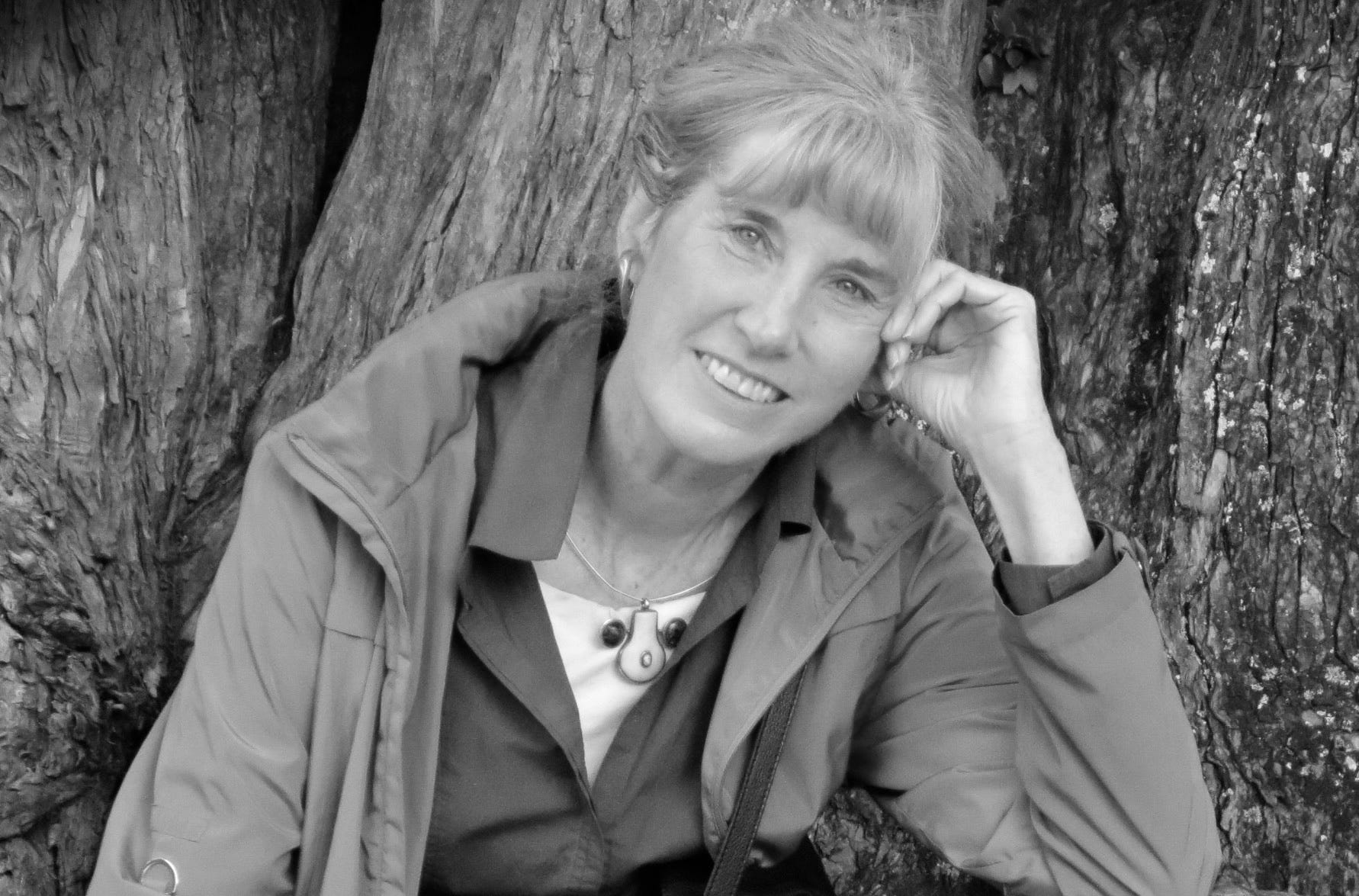
The Evolutionary Story of Kinship with Sarah Blaffer Hrdy
Aug 3100:42:54Tap to summarizeThis is a free preview of a paid episode. To hear the full conversation, visit keelysemler.substack.com.This week, I’m honored to share a conversation I had with Sarah Blaffer Hrdy, an evolutionary anthropologist and primatologist whose work has powerfully shifted the way we understand what it means to be human.Sarah invites us to look at the myths surrounding maternal instinct and what society deems "natural” and to imagine something more truthful and compassionate. We explore the lives of our hunter-gatherer ancestors, not as some primitive past, but as a mirror that reflects what we still need today, that is…connection, cooperation, and shared care.In this episode, we talk about the vital role of alloparents, those who care for children that aren’t their own. These relationships, Sarah reminds us, are not exceptions but part of an ancient, resilient design that helped our species survive.The insights she offers personally moved me deeply, like adoptive mothers produce the same love-anchored hormones as biological ones, and that today’s girls are reaching puberty far earlier than ever before, raising questions that touch both science and the heart of our culture.This conversation is a gentle unraveling of assumptions and a return to what’s most human in all of us. Perhaps the most striking takeaway from this discussion was that Sarah explains there was a time when only 12,000 breeding humans walked the Earth. Life was unimaginably harsh yet from that period of immense hardship, came our greatest strength as a species: flexibility, cooperation, and care. Her observations as a primatologist and anthropologist made me realize that the challenges we face today aren’t modern at all. And the solutions may not be found in using technology, but rather, in re-centering the social structures that have always sustained us as human beings.Sarah’s warmth, intellect, and fierce curiosity shine through every word she shares. Her work is a reminder that if we want families to thrive, then we really need support to be front and center within our culture. This conversation left me feeling more hopeful than I’ve felt in a long time… and I’m deeply grateful to share it with you here.*Correction: In the interview, Sarah Hrdy would like to clarify two points. First, the Pleistocene epoch is now widely recognized to have begun approximately 2.6 million years ago, not 1.8 million years ago as stated. Second, in reference to matrilineal societies, the correct figure is that approximately 15 percent of known societies worldwide have been matrilineal, not 15 individual societies. These matrilineal societies were also commonly matrilocal first, with women remaining in or near their natal communities.Sarah Blaffer Hrdy is an anthropologist and primatologist whose work has significantly influenced evolutionary psychology and maternal behavior. Her research on primate behavior and human evolution has provided profound insights into the biological and social underpinnings of maternal instincts, gender roles, and reproductive strategies. Hrdy’s theories have challenged traditional views and opened new avenues for understanding human behavior from an evolutionary standpoint. You can listen to Sarah’s TED Talk: Are we still human if robots help raise our babies?This podcast is only made possible by the support of this community. Becoming a paid subscriber helps me continue producing meaningful conversations. Join at keelysemler.substack.com.2:32 Maternal instinct and environmental factors6:53 Alloparenting and networks14:34 The costs and difficulty of birth, from apes to humans23:18 Bonding for humans versus animals26:38 Placentas: to eat or not to eat?31:24 Impact of environment on the autonomic nervous system and fertility rates35:19 The organizational structures that matrilineal and patrilineal societies create41:22 The costly nature of human brain development44:46 From a collective cmmunity of civic-mindedness to a community of domineering50:05 Citrona farms55:10 Leisure, play, and creativity in primates57:22 Men are fully capable of caring for babies safely and independently, and often do.Work with KeelyMOTHERLANDS: Independent Study in Reproductive Health20% off code MOTHERLANDSPODFree Practical Guide for Curious Minds: Demystifying Medical ResearchConnect with Sarah HrdyBuy One of Sarah’s BooksFollow our Host, Keely SemlerFollow The Motherlands PodcastYour support keeps The Motherlands alive. Paid subscriptions cover editing, production, and help me keep doing this work full-time, offering real support to women through life’s biggest moments.Can’t subscribe right now? You can still help…– Leave a review on Apple Podcasts– Subscribe to Motherlands on Substack– Follow us on YouTube– Share an episode with a friendIf your brand aligns with empowering women, let’s collaborate! Reach out at hello@keelysemler.com. This is a public episode. If you'd like to discuss this with other subscribers or get access to bonus episodes, visit keelysemler.substack.com/subscribe
Transcribe →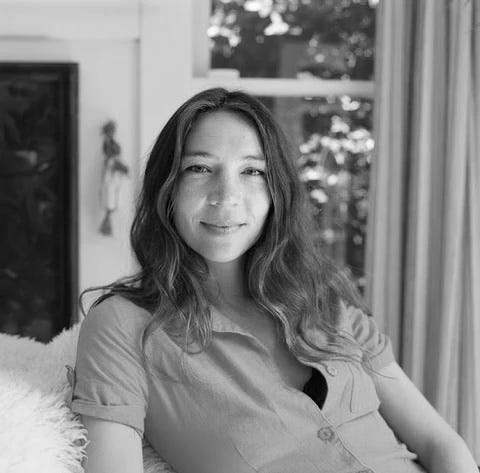
Underneath It All with Kiana Reeves
Aug 1700:47:17Tap to summarizeThis is a free preview of a paid episode. To hear the full conversation, visit keelysemler.substack.com.So many of us grew up learning how to take care of everyone but ourselves. We were taught to be helpful, selfless, polite… “good girls”. But no one ever pulled us aside to ask, “What brings you joy? What makes you feel good in your body and in your spirit?”This episode with Kiana Reeves is an invitation to pause and ask those questions.Because here’s the truth: pleasure isn’t a luxury. It’s not just about sex (though yes we’re going there too). Pleasure is about knowing yourself, your needs, boundaries and desires and refusing to apologize for them.If you’re new, thank you for being here. Motherlands is a space for women finding their way through life’s many thresholds. It’s about exploring what it means to take care of ourselves, to mother ourselves, even if it has nothing to do with becoming a mother, and everything to do with growing into who we’re meant to be.In this episode, we unpack the stories we’ve inherited about womanhood and sex and why so many men seem lost right now. We take a look at patriarchy’s impact on all of us and what that means for intimacy in modern culture. We talk about reclaiming pleasure, power, and sense of self. Big questions, real talk, zero judgment… just an honest conversation between women.In the bonus episode, I’ll share some old beliefs I’ve carried about who gets to feel good, to rest, and to simply enjoy life… and how I’m learning to release them. Maybe you’ll hear something that feels familiar. And maybe it’s time we both let a few things go together.Kiana Reeves has supported women in coming home to themselves through love, touch, healing, and deep connection. Her work blends heart, body, and spirit, offering down to earth, holistic support around sex, relationships, intimacy, and self trust. Kiana creates spaces where women can reconnect with their bodies, reclaim pleasure, and feel safe in their own skin. She’s trained as a Somatic Sex Educator, Sexological Bodyworker, Intimacy and Embodiment Teacher, Pelvic Health Practitioner, Full Spectrum Doula and she’s also a mama to two boys.This podcast is made possible by the support of this community. If the work speaks to you and you’re able, becoming a paid subscriber helps me keep going and gives you access to Behind Closed Doors, our private space for deeper, more honest conversations. You can join at keelysemler.substack.com.4:19 Myths about pleasure8:06 Pleasure, self-understanding, and safety12:29 Sensation is the language of the body15:53 Cultural conditioning, collective inheritance, and capitalized pleasure18:37 Pleasure needs support, and motherhood is not resourced23:05 Gendered differences in nervous systems and socialization28:27 Tracing the roots of the patriarchy: who and what is mine?34:29 Routine vs intentional intimacy39:40 Sex vs pleasure education42:07 Media and porn’s influence on how we perceive pleasure and relationships50:18 Finding pleasure after sexual assault54:26 Where to find Kiana’s work55:08 Letting go of the idea that only “good girls” deserve pleasure59:04 Communication and vulnerability1:00:29 Creative environments and lifestyles conducive with rest and pleasureWork with KeelyMOTHERLANDS: Independent Study in Reproductive Health20% off code MOTHERLANDSPODFree Practical Guide for Curious Minds: Demystifying Medical ResearchConnect with KianaLearn with KianaFollow our Host, Keely SemlerFollow The Motherlands PodcastYour support keeps The Motherlands alive. Paid subscriptions cover editing, production, and help me keep doing this work full-time, offering real support to women through life’s biggest moments.Can’t subscribe right now? No worries! You can still help by:– Leave a review on Apple Podcasts– Subscribe to Motherlands on Substack– Follow us on YouTube– Share an episode with a friendIf your brand aligns with empowering women, let’s collaborate! Reach out at hello@keelysemler.com. This is a public episode. If you'd like to discuss this with other subscribers or get access to bonus episodes, visit keelysemler.substack.com/subscribe
Transcribe →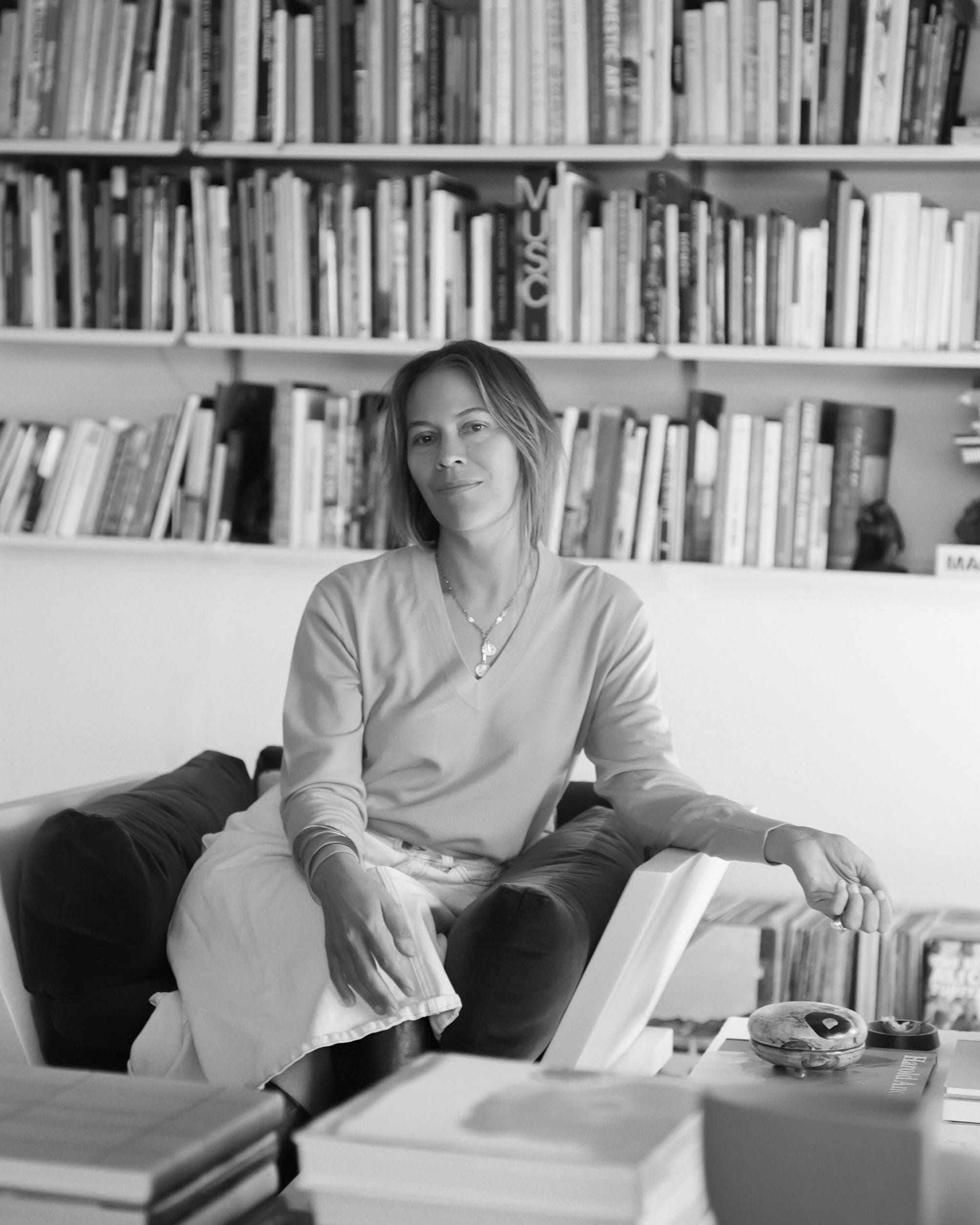
Even Here, There is Beauty with Kerrilynn Pamer
Aug 3, 202500:42:10Tap to summarizeThis is a free preview of a paid episode. To hear the full conversation, visit keelysemler.substack.com.Today we are joined by Kerrilynn Pamer, Founder of CAP Beauty, a compassionate humanitarian and activist, and evocative writer behind the Substack Coyote Swan.If you’re new, welcome and thank you for being here. Motherlands is a space for women navigating life’s many thresholds. It’s a place to explore the practice of mothering oneself, in ways that may have nothing to do with becoming a mother, yet everything to do with nurturing who we are becoming.In this deeply moving conversation, Kerrilynn shares her personal journey through conception, loss, and the unexpected path that followed.Kerrilynn speaks with striking vulnerability about conception, the heartbreak of two attempted adoptions, and what it means to be childless in a world that rarely makes space for or gives voice to that lived experience. With softness and grace, she draws us into a quiet, often unseen landscape of womanhood that isn’t defined by motherhood, yet is deeply shaped by the longing for it.We explore the emotional terrain so many women walk in silence; the nuance between being childless and childfree, the impermanence woven into every stage of a woman’s life, and the aching truth that life waits for no one. And still, even in the unexpected places we never imagined ourselves landing, beauty abounds.As women, I believe we are being called to hold other women’s experiences with deeper reverence and become more fluent in tender conversations… to sit with stories that don’t resolve easily, and to show up not with solutions, but with loving presence. When we listen, without needing to fix, we create room for connection and deeper understanding. In the bonus episode, we explore cultural movements like trad wives and MAHA, as well as chat about current tv shows, movies and other musings that are lighting us up right now.This conversation is unfiltered and deeply honest… the kind that reminds us we’re never truly alone. Kerrilynn’s story broadens the lens on reproductive health and identity, offering space for the complexities we don’t often name. She reminds us that there are many ways to carry love, loss, and meaning and that every path deserves to be seen, heard and held.Kerrilynn Pamer is the founder and CEO of CAP Beauty, which she opened in the West Village in 2015. With a background in interior design and a career that began at Martha Stewart Living, she has spent over two decades exploring the intersection of beauty, critical thinking, and self-care. Kerrilynn is deeply passionate about the complexities of this relationship, which continues to shape her work at CAP Beauty.This podcast is made possible by the support of listeners like you. I truly couldn’t continue this work without your help. If you believe in empowering and educating women and families through their reproductive journeys, I’d love for you to join our community as a paid subscriber. As a member, you'll get exclusive access to Behind Closed Doors, our private space where we go deeper into the unseen layers of what it means to be a woman. Join us keelysemler.substack.com.5:12 The difference between childfree vs childless8:44 Raising awareness & improving access to fertility options13:27 Thoughts on adoption1730 Navigating silent comparisons and isolation22:52 The toxicity and privilege behind “spiritual solutions”29:28 How fertility journey impacts relationship with partner30:47 Redirection of energy & purpose35:29 Family outside the traditional structure36:39 How to respond and support someone else’s grief37:24 Rituals for self nourishment & healing40:45 Art & hobbies that feel like a breath of fresh air45:01 Investigating trad wife movement & MAHAWork with KeelyMOTHERLANDS: Independent Study in Reproductive Health20% off code MOTHERLANDSPODFree Practical Guide for Curious Minds: Demystifying Medical ResearchConnect with Kerrilynn PamerCAP BEAUTYCoyote Swan on SubstackFollow our Host, Keely SemlerFollow The Motherlands PodcastSupport The Motherlands Podcast & Reproductive Health AdvocacyYour support keeps The Motherlands Podcast alive. Paid subscriptions help cover the cost of editing and production, and sustain my full-time work as a reproductive health educator and mentor. With your help, I can continue offering meaningful resources to women navigating life’s most tender thresholds.If a paid subscription isn’t possible right now, there are still beautiful ways to support this work:– Leave a review on Apple Podcasts– Subscribe to Motherlands on Substack– Follow us on YouTube– Share an episode with a friendIf your brand shares our mission to empower women and families, we’d love to collaborate. Get in touch hello@keelysemler.com This is a public episode. If you'd like to discuss this with other subscribers or get access to bonus episodes, visit keelysemler.substack.com/subscribe
Transcribe →