← The Neuro Experience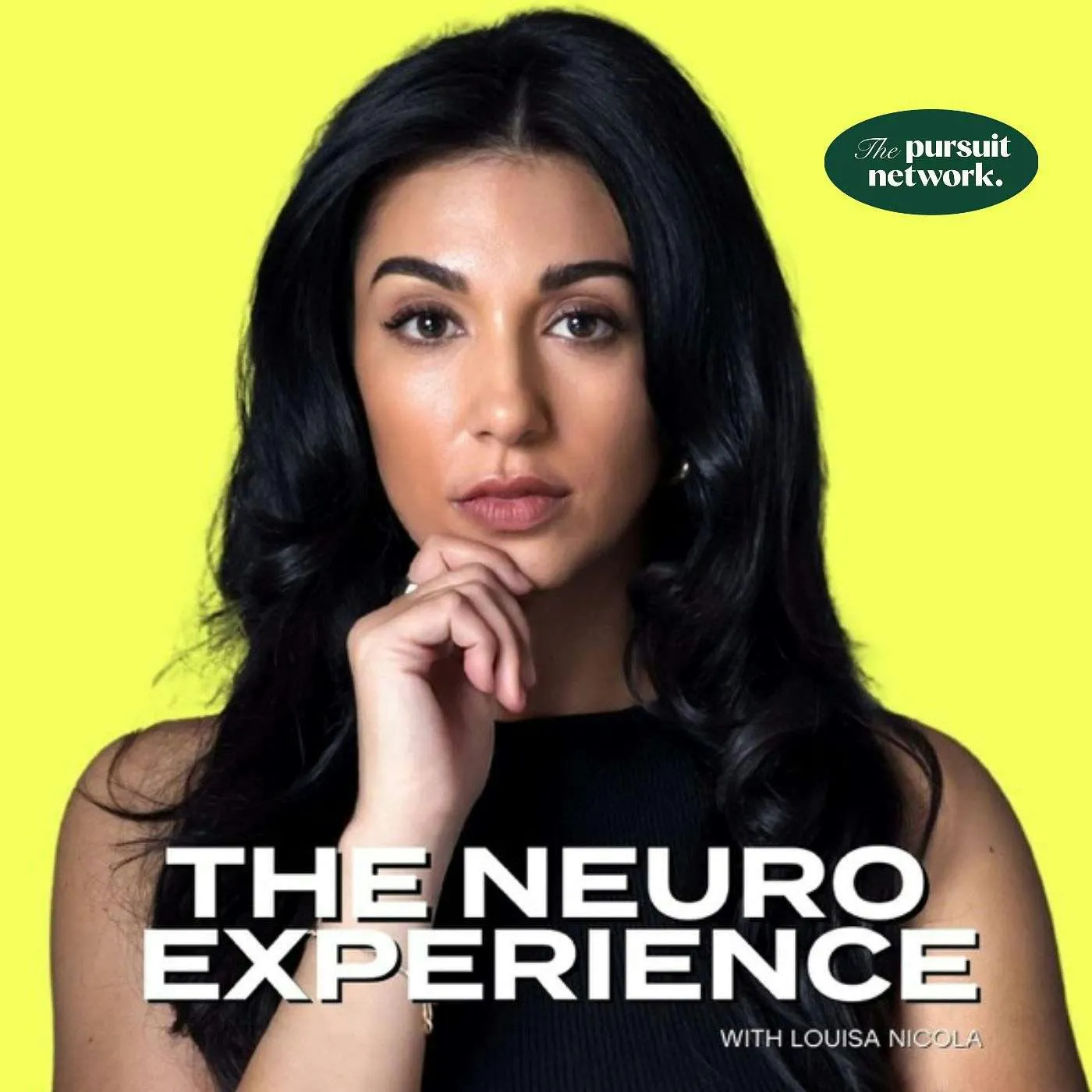
The Neuro Experience
#1 GUT HEALTH Doctor: The Shocking Truth About Gut Health (And What to Eat Instead)
00:52:25
Loading summary
Transcript61 lines
- [00:00]
A
Epidemiology studies have shown that if you take people in the worst diet category and move them to the best diet category, you reduce their risk of chronic disease by 70 to 80%. This is Professor Tim Spector, trained MD and rheumatologist from London, who spent decades in epidemiology before discovering why identical genetic twins get completely different diseases. Let's see what he discovered.
- [00:23]
B
How much we underestimate our internal ecosystem.
- [00:26]
A
We now understand on many key bits of our body, we can't really survive without them.
- [00:33]
B
Well, Professor Tim Spector, it's been a long time in the making. I'm so happy to have you here and because this is your first time, I think I was really excited by your background. It's vivid and it's vast. So why don't you give us a quick rundown on your background academically, professionally, and then we can go from there. Okay, give us the quick version.
- [01:00]
A
So I'll go as fast as I can. I'll go as fast as I can. So I trained as an MD doctor in London and ended up specializing as a physician in rheumatology, which is bones and joints, arthritis, and became a consultant in a hospital in a teaching hospital in London. And on the way, I'd taken some time out to do my thesis and spent three years doing epidemiology on the way. And I was always interested in research and I wanted to do something really interesting, different. So in 1993 I decided to change tack from doing standard epidemiology studies about arthritis to twin study. So I. There was no twin studies going on in the UK at the. @ that time they'd all emigrated because of the. They're under a bit of heat politically because they were saying IQ was genetic, which you couldn't say in the 1970s.
- [02:09]
B
There's a lot of things that you. You couldn't say back then that you apparently can say today maybe, but you.
- [02:15]
A
Will find out if we get canceled. But, you know. Yes. And then. So I set that up in 1993 and really that changed the course of my sort of career. So I got more and more interested in other diseases, nature v nurture for all kinds of common conditions. Really over 100 different conditions and diseases and psychology and behaviors and sexuality and even political views. So it was very broad indeed. And then I got interested in genetics, into finding genes, discovering genes for things like obesity and diabetes and heart disease, and then got a bit disillusioned with that because I couldn't. There were just too many genes, you know, I couldn't see what you're going to do with a thousand genes. It was quite tough. So I looked. Then I started looking why identical twins were different. These are genetic clones of each other and must have looked at hundreds of different blood tests and things to. And other physical tests. Couldn't find anything really different until I hit across something called the gut microbiome in 2011, which was quite early on. I'd only found out about it a couple of years before because I was always looking for the new, you know, what was going to be the, the new wave or trend. That's been my sort of M.O. as a scientist. I didn't want to just repeat what other people had done. So sometimes I, I took a high risk. It was, yeah, sometimes it failed. I'd been looking at epigenetics. If you.
- [04:00]
B
How the environment, that's how you kind of changes our genetic code a bit.
- [04:06]
A
Like a dimmer switch and how you can sort of pass that a few generations on. But I didn't think the technology was quite there yet to really make it useful for prime time. So that's why the microbiome grabbed me. And in 2011, I did this experiment with colleagues at Cornell who got the system up and running to test it using genetics and saw that the microbiome species in our gut, these are all the trillions of different species in there. Identical twins only shared about 20% of their species. So that was the first thing I'd found in about 20 years of studying that was really different in identical twins. So it's hard to imagine, but this really was a bit of an aha moment for me. And I said, well, if that's anything that's different, that could explain why one twin gets one disease, one gets cancer, one gets accelerated aging, one gets allergies, you know, one, one gets depression, one doesn't. So that to me was a real pivotal point. I said, this must be important. And although it was early days, it was hard to do the sequencing. You know, I thought this could change where we think about disease, but also how important food is. If food is feeding these guys, then suddenly nutrition goes from being the most.
- [05:36]
B
Boring subject in the world and the most controversial subject. I have to tell you, I don't even touch the nutrition space, especially on social media.
- [05:46]
A
But you've got to Remember back in 2011, it was actually wasn't that controversial. It was just boring. Right? There was, there was. People were just talking about, is low fat food good or bad for you? There wasn't really much backlash against the Mainstream big food companies then. And so it really was quite dull and no one was really pushing it as they are now. So you've got to remember how much it's changed in the last sort of 14, 15 years. It's massive. And of course, there were no social. Social influences then. It was just academics and a few pundits and a few journalists. So that. That happened at the same time, I got unwell as well. So I was doing some ski touring, backcountry skiing in Italy. I went to quite high. I was about 12,000 meters, 12,000ft. Got double vision. And so that was a scary moment when I thought I might have a brain tumor or multiple sclerosis. And I ended up having a mini stroke. And that. That really changed my view of nutrition and I wanted to find out what to eat myself rather than just writing papers about it. So for me, that was a pivotal moment as a scientist. You know, I'd written by that stage, about 700 papers, but hardly anyone reads them. And so.
- [07:16]
B
Well, now you're up to around a thousand, right?
- [07:19]
A
Yes, I lose count now. So. But I'm not as imp. I'm not as impressed by papers now as can I, you know, can I change the life of millions of people rather than impress a few other academics with another paper? And so that's much more so, you know, doing things like this, podcasts, doing, having millions of people see what I'm. I'm eating for breakfast on YouTube, sounds trivial, but actually, if you can move a million people a tiny bit, that's more important than completely convincing a few, well, thousand.
- [07:56]
B
This is. I'm so happy that we went through that because it's now presented me with so many inquiries, because the gut microbiome, I have to tell you, is not something that I'm extremely well versed in for some reason. I mean, you just mentioned changing your diet because of a stroke. Now, I've spent many years in a stroke ward. I'm in neurosurgery around two to three days a week. And we never. I gotta tell you, we. I don't hear any physician, leading physician in the stroke wards talk about changing your diet to help, you know, a TIA or to help a mini stroke. We don't really touch that. So that's interesting. And just. I really want to just talk about the gut microbiome, because I know that you've said our gut microbiome is like a garden, it needs diversity to thrive. And that was a really vivid metaphor for me. And it got me thinking about how Much we underestimate our internal ecosystem. So the gut microbiome, let's just talk about what that is and how it influences even brain health outcomes, because that's my primary area of interest.
- [09:09]
A
Okay, so the gut microbiome, it's a community of trillions, hundreds of trillions of microbes, roughly the same number as we have cells in our body, maybe more, that are made up of different species of bacteria, related species called archaea. Then you've got things like viruses, which are 10 times the number. You've got fungi, you've got parasites. It's all a big melting pot in there. And essentially 99% of them are in the lower part of your intestine, your colon, and they're all over your body. But the vast majority of them are packed in there in the dark. And they've evolved to be there over millions of years because they are chemical factories. They produce the chemicals and vitamins that we've been unable to produce or have given up producing because they're there, because we've evolved together. And they have an absolute critical role, we now understand, on many key bits of our body. We can't really survive without them. The two main interactions they have, I would say, are with, firstly with the immune system. 70% of the immune system is in the gut. So they are key to regulating that immune system so that it knows whether it's, you know, in fighting infection mode or it's calm and relaxed. Is it, you know, is it worried or is it calm? And that's the difference between allergy and autoimmune disease and normal life. It lets you know whether you should be producing inflammation or not. So when you have a stroke or a mini stroke, your immune system normally gets switched on to produce inflammation because it's trying to heal the body. And your gut microbes will send signals to switch it off again, if they're working correctly. If they're not working correctly, they won't. So the immune system is really key to aging, cancer, autoimmune disease, allergies. Virtually every system in our body and the nervous system is the other one that is our second brain is in our gut. As you know, it's been someone, someone crazy worked out that if you put all the, all the neurons together, you'd get a cat's brain. But I don't know how they experimented with. But that one of those ones you don't forget, you know, it's a sort of silly medical fact. But the key bit is that our nerves and our gut are absolutely locked Together in evolution and everything that happens there is sensed by our nerves which goes, which goes up to our brain and the rest of our body. Really important for pain perception. Again they pick up inflammation, they drive energy levels in things like the mitochondria, which are absolutely key for nerve cells and brain cells. And they also produce key neurochemicals that the body needs to function normally. So the whole serotonin pathways, dopamine pathways, they even produce something called Gaba which sure you know about, but it's in things like Valium so it's. They can have calming influences. They also produce GLP1 which is the anti hunger hormone if you like. So they can do so much and we're only just, you know, it's only really the last 20 years we've discovered them. So that's why your colleagues in neurosurgery weren't have been taught it in medical school. There aren't many people around teaching it. There isn't really a specialty that's grabbed it and endorsed it. So that's why it's still a very fast moving area. But it's something that everybody, whether you're a doctor or member of the public absolutely need to know because it's like we've discovered a new organ in your body and everyone needs to know and it's just as important as your liver or your heart. And you need to know how to keep it healthy, how to feed it well. And I think that's the key message we need to get out there is that everything else Palestine insignificance and this has been a lot of my thoughts when writing my books challenging the old state of affairs which is obsessed with food as fuel, into thinking of it in a totally new way about if you, you know, if you look after your gut, the rest, you know, the rest it will.
- [14:06]
B
So are you saying that the leading causes of death today, whether it's cardiovascular disease, cancer and Alzheimer's disease, can be brought back to the gut microbiome and if we change the diversity of our gut microbiota, we can offset some of these diseases?
- [14:31]
A
Yes, indirectly because Obviously it's only 20 years old. No one's done the 50 year studies to show what happens over time. So you've got to extrapolate from other research, but epidemiology studies have shown that if you take people in the worst diet category and move them to the best diet category, you reduce their risk of chronic disease by about 70 to 80%. So you're deferring those diseases, reducing the burden of them and increasing healthy lifespan by about 10 years. So it's a much bigger effect than, you know, even if you just cured cancer, which would only give you like an extra two years of healthy life. So it's massive is the answer. And it, and it's not just digestive disease, it's not just diabetes, not just obesity, it's because of these brain connections, it's mental health disorders, it's depression, it's anxiety, it's adhd, it's has a key role in dementia and in a recovery after.
- [15:46]
B
Well, I'd actually love to focus on that last part, dementia. So my primary area of research is Alzheimer's disease disease. And a lot of the community knows about it because every week I bring it up on the podcast. Now, 55 million people worldwide have this disease. And what we're learning more and more about as the research goes on is that probably at the root of it, I have to say, is an inflammatory cascade. You know, inflammation triggers amyloid, amyloid is released. And if we don't. An amyloid is not the demon here. We know that we have substantial evidence to show that this peptide isn't the demon. But what happens is if we don't clear it out, evidently it causes us a whole range of issues after that. So if we're talking about inflammation, is that where we're talking about the gut microbiome and the correlation between Alzheimer's disease is the root cause inflammation and if we can fix inflammation via the gut microbiome, then we can lower the risk of Alzheimer's disease?
- [16:57]
A
I think it's the major pathway, is how I would say it. I mean, I've been in medicine too long to say there's only one answer or solution to anything. So apologize the academic professor in me, but. But yes, your gut microbes are crucial in producing inflammation and sending signals through all these immune cells lining the gut to the rest of the body to keep producing it. And so we know that through lots of experiments, particularly in mouse models and other animals, that you can turn inflammation on and off by changing the gut microbes. So this is well known. And in dementia and other mental health disorders, there are increasing studies that anti inflammatory approaches do work as well. So there's a clear link, as you said, between inflammation being the main driver of what's going on, but it's being driven primarily from the gut, or at least once it started, the gut is keeping it going. And that's why attempts to alter your gut, improve your gut can, we now know, can quite quickly reduce inflammation levels in other bits of the body. So, yeah, it's really important, I think, you know, there is this other metabolic aspect to dementia, the fact that diabetic patients have a three or four fold increased risk of Alzheimer's and some of those don't have major inflammation levels, but I think they're all combined. If you've got some sort of metabolic overload or you've got inflammation, that leads to really high chances of having dementia. And I know this personally because my mother unfortunately had a stroke and then ended up with dementia and she's suffering. So it's something very personal to me as well. And, you know, I worry about it a lot. So again, there's nothing quite like personal interest to keep you really motivated. Most people do know someone with dementia and, and my mom, when she was having her stroke, she was never offered any. She had the most terrible hospital food and, and I actually, you know, this was a while ago, so I didn't know enough about, you know, these links because, you know, this science is all quite new. I'd have been giving her fermented foods and other things. I think, you know, if I, if I'd know now that, you know, it would play such a, a big role. And I think this is why it is really important. But yes, I'm agreeing with you and I think manipulating your gut microbes through either diet or pro or prebiotics is definitely the future. This should be part of everybody's journey, both in prevention and in.
- [20:21]
B
Yeah, I've actually heard you say that inflammation isn't just a symptom, it's often the root cause, which I think that flips. How many of us think about chronic diseases entirely? I don't know though. That I believe. And maybe you can change my mind. I just hear so many differing opinions from physicians and PhDs around taking a probiotic and a prebiotic. I've heard that. I've had a gastroenterologist on the podcast and she mentioned that most probiotics on the market are just full of nonsense. So I would love to be able to take a probiotic every morning or love to be able to take something that increases my fiber intake or diversity of plants because I feel like I don't get enough plants in my diet. Are we just buying nonsense in a bottle or is there something to it?
- [21:15]
A
It's a nuanced answer. So a lot of the products on sale in the US are not fully regulated in the way there's a loss. Isn't that worldwide regulate them? It's worse in the US than other, other countries. Other ones have more quality control on what they're allowed to put in it. Is it alive, you know, does it have so many billion units, etc. So the US consumer is, has a tougher job than most, but it's, it's not great anywhere, I would say. And probiotics in general have been shown to work, but we don't know which ones work in which cases. And there's also, you have to match up your own very individual gut microbiome. We discussed how we only share 20% with each other. And that's the reason that probiotics, when you're just taking a few strains, may not work in you because your environment is going to be different to mine. So it's a bit of a gamble whether they're going to work in you. So I, so if we talk about probiotics, I prefer people taking fermented foods. Yeah, because. And we're, and I'm going for my new book, I just did a survey of about 100 foods and some of them have over 80 species of microbe in them. So you can have some of these kimchis, for example, or water kefirs. They, you know, getting 70, 80 different species. So you're getting much more of a blanket approach that is likely to have an impact on everybody rather than just by taking a few specific probiotics. And there is now evidence that fermented foods do better than probiotics on reducing inflammation. So there was a Stanford study a couple of years ago now that compared taking just fiber with fermented food and found that within two weeks you could reduce virtually all the markers of inflammation and cytokines. So, you know, the science has changed recently. And I think fermented foods, you know, unfortunately, you know, it's hard to make money out of them. So you don't get the big support, the big marketing campaigns that you do with those green.
- [23:46]
B
That's a whole other issue. That's a whole other issue, the green powders.
- [23:50]
A
So my point is, you know, I'm a big believer in probiotics, but generally as part of foods, complex foods, caffeirs, kombuchas, kimchi, sauerkrauts, misos, all of these type of foods taken. But you've got to take small amounts regularly. You can't just take one bucket a week and hope it's going to do that. When you, with your kfc, you've got to take these regularly. And this is what the studies show. And when you do that, you get a Significant drop in inflammation straight away within a few weeks. Now another study we did because we haven't mentioned the company Zoe that I've, I co founded in 2017 now, which is very much based around gut health and personalized nutrition. We wanted to give people who find it hard to eat lots of diverse plants or traveling a lot something that they could take and add to their food. So we, we developed a prebiotic, it's called Daily 30 and you can, for the last couple of weeks you've been able to get it in the US and it's essentially freeze dried plants including fungi and strange ones like baobab, plus some regular ones and nuts and seeds. And we tested it in a randomized control trial. So again the reason I formed Zoe is it's not a marketing led science company as virtually all of them are. We do actually a randomized controlled trial.
- [25:23]
B
Which as you know, gold standard of academic medicine. How many people were in the trial?
- [25:28]
A
There were nearly 400. So it was, and there were three arms. So one was a placebo where we just ground up some essentially breadcrumbs and so they sprinkled that on their food every day. And we gave another group a probiotic, a leading probiotic, Lactobacillus rhamnosus, which as you know has actually had most effect on psychiatric diseases. So it's been shown to be really good for a number of conditions like anxiety and depression and some metabolic conditions as well. And then we had our product, the daily 30, this high fiber prebiotic with diverse fibers, but again not a powder. It looks like a, you know, it looks like a granola. And we, the truck, the results are really interesting. So the placebo had no effect? Well, a slight, a slight effect on subjective measures. The probiotic had a minor effect on the gut microbiome. It affected about four out of the top hundred microbes that we know are important. But the prebiotic affected 41 out of 100 of microbes just in two weeks. So they significantly changed. So we were able to increase the good microbes and reduce the bad ones. And this would have a, we didn't test it in these people, but it highly likely to have an anti inflammatory effect based on the function of those microbes. So and we also, you know, we, we asked people their subjective symptoms so they had better concentration, they had reduced hunger levels, they had less bloating and they had more energy which is a major neuropsychiatric sign that of inflammation. So you know, I think that that has changed my view that prebiotic fibers generally are going to have a more, more success than very targeted probiotics, mainly because we're all very different. And so you need to give people a wide variety of things. So either fermented foods or these prebiotics, I think is the way I think people should go.
- [27:55]
B
Plus eat the rainbow. Well, eating a guy, I'm actually, I'm, I'm often confused by prebiotic and probiotic. What's the difference?
- [28:03]
A
A prebiotic is a fertilizer for your microbes. So these are like, they're, they're dead and they're usually bits of fiber or plants, something that microbes can live, live off once they're inside your gut. And they're called biotic because it's implied that by eating them you're going to get healthier and make, you know, in this case, make your gut microbes healthier. A probiotic is something that's already alive and it's a live microbe that you put into your gut and it has an effect somewhere on the other gut microbes in your intestine. We don't know quite where that is, whether it's in the small intestine or the large intestine, but you then have to show that it has a beneficial action. So that, and there's, there's a mixture of the two is called a synbiotic, which you sometimes see. And that's, that's essentially what things like a kimchi is, or a sauerkraut, where you've got some fiber for the microbes to eat, but you've also got some live microbes on there. And there's a new class which I think is quite exciting, called postbiotics, which are dead microbes. And these are still having some effect after death. So they're like the zombie microbes that just from their cell wall or from the chemicals they've put out into a soup can have an effect, particularly on your immune system. And there's really good evidence now they do work. People didn't believe it at first, but we've got 10 years now, lots of trials showing that sometimes you kill these guys with pasteurization or whatever, you know, they can't be alive, but they're still having some benefits. I think we're going to see many more of those types of foods.
- [30:01]
B
So you also mentioned that we've all got a different variety of gut microbiota. How. And we, we have to feed it accordingly. Does this matter if I take the, the Zoe probiotic, no matter who I.
- [30:16]
A
Am, doesn't seem to prebiotic Zoe? Prebiotic. Yeah. From what we saw, we couldn't see a difference between individuals in the 150 or so that were taking it. You obviously get a better, more benefit the worse your gut microbes are. So the people who were worse at the starting point got the biggest benefits, but it didn't seem to have this. Yes, no effect like the probiotic did. Which makes sense if you think about it, if you've got thousands of species and if you only give them, you know, one type of fiber. So put in this context, there were some other fiber studies 10 years ago using things like inulin, which is you find in chicory root. So it's a good fibre, nothing wrong with it, but we give massive amounts of it and you do see supplements with this in. We thought that would do the trick, but it turned out that your gut diversity actually dropped when you went on that, because it only fed one group of microbes and the others died off. They couldn't survive, these overfed, overexcited microbes. So it's all about giving balance. Just in the same way you want to eat foods, you know, we eating a diversity of plants yourself. That's because your gut microbes really need a whole variety of chemicals to optimize their function so they can produce the best chemicals. That's the way to think about it. So that's, that's why we've come up with these sort of mantras, you know, that's why the 30 plants a week. Yeah, look, came from.
- [32:03]
B
As you mentioned earlier, I live in the us. A lot of things are highly unregulated here, I think, including the foods that we eat. It's really hard to find something, whether it's, it's, it's plants or, or fruits and vegetables. It's very hard to actually get. Actually know what you're eating. Right. We've got something here. I know you, you're familiar with whole foods and probably that's the, the safest option, I think, for all of us. But we're constantly bombarded on social media with organic vs non organic fruits and vegetables. Are we doing more harm by eating non organic? Can we still get all the benefits you just mentioned?
- [32:43]
A
Just so people know, if you have non organic produce, you are going to be ingesting some herbicides that might have.
- [32:50]
B
A negative effect on your health, like glyphosate, for example.
- [32:53]
A
Now, glyphosate Roundup is the commonest one, you know, and it's very hard to avoid even if you have organic produce and you Have a lot of your fruit and veg, you'll have glyphosate in your blood. You just have less of it than someone else. So living in the US you're surrounded by it. You can't escape it even in the UK as well. So it's not like it's. It's pretty worldwide. So my view is that if you can afford it and you've got, you know, you can get organic products because you'll have a fifth, you know, reduced by a factor of four or five, these pesticides. But don't go crazy about it. I don't. When I'm traveling, I don't, you know, if there's nothing else, I'll eat my fruit and veg without knowing where it comes from. There are a few exceptions. There are some plants that have excessive amounts of glyphosate on them. Things like oats. I've never eaten non organic oats, for example. Other ones are berries. Things like strawberries have really high amounts. Most children's cereal has very high amounts of glyphosate in it. So these are, these are things to avoid. But in general, it's better to eat any plant, any plant, any fruit and veg, then avoid it and have, you know, some starchy or meat instead. So, yes, it's a question of balance with. I'd love to see a world where we're not using this glyphosate everywhere. But at the same time, I don't want people to be so obsessed they stop enjoying eating fresh fruit and veg because I think, you know, and you just wash it when you can. That takes a little bit out of it and realize that, you know, glyphosate, you know, may not be good for you, but it's not so obvious because we would have seen major cancers and heart disease and other problems. We're not seeing anything major. It's got an effect that if it.
- [35:02]
B
Is, well, the dose makes the poison.
- [35:04]
A
Right. I guess that's true. And there might be some people more susceptible than others as well. So there's a. And some people might absorb it more and it stays in their body more. And so it is confusing. We've got to. Interestingly, for those listening in the US We've got a free app that you can download that does help you in stores to take a picture of food and work out whether it's risky or not in terms of its additives and processing. And we think this is a major advance on all the other ones out there because it doesn't demonize all foods. We realize that 60% or so of the American diet is made up of processed foods to some extent. You can't cut them all out. It's really too tough. But the consumer is completely fooled by food labels, which are totally misleading, saying, it's healthy, it's got these vitamins, all this nonsense. So I think we need to get educated. And the only way to do this is with technology because the amount of different chemicals and foods is just so vast. You need help. So this is so you can download this, the Zoe app. If you go on the App store and it's free, and you go into your store and you could just look at a barcode and scan it and it'll tell you your the risk of that food causing your harm based not just on the additives, which some apps already do, but it's also on some other aspects. So how much they've consumed, changed it so that it's calorie dense. So you know, you just absorb it instantly, you don't have to chew it.
- [36:47]
B
Yes.
- [36:48]
A
You know what I'm talking about. That feel in your mouth, it just sort of explodes when there's nothing left and you feel, oh, I'm still hungry, you know, so eat more. And then how they add sugars and fats and sugar in combinations to get this, what they call the bliss point, this hyper palatability. So we sort of penalize all these foods into different extents and give you a choice because, you know, I don't think any of these should be banned, but I think they should be transparent in what their risk is. And I don't think we should be giving them to children.
- [37:22]
B
Yeah, it's definitely an interesting take the glyphosate saga. I see it constantly displayed and there's still a lot of, I would say, misinformation and myths around that as well. But what I'm really interested in lately is the realm of mental health and psychiatry. I would say in the last month or two, we've had two psychiatrists on the podcast, one discussing how we can change. We can change mental health, specifically schizophrenia, through the diet, through a ketogenic diet. And that was with Dr. Chris Palmer. And just yesterday I was talking about the latest research around creatine and depression. And you've famously said that your gut might influence your mood more than your mind does. Could our mental health be as simple and complex as what's going on in our gut? I know you've mentioned it before, but how far along are we in the research? Around the correlation between gut microbiome and depression, for example.
- [38:36]
A
Great question. And this is something I'm really intensively studying now. I actually just finished reading Chris Palmer's book.
- [38:45]
B
Oh, how did you like it?
- [38:46]
A
Yeah, no, really, really interesting. And there are these, these two parallel worlds really where, you know, one, one aspect is inflammation on mental health and the other is metabolic syndromes and mental health. And I think they come together when you think of the gut microbiome because controls both of those pathways and you know, I, I absolutely believe that mental health is, they are part of metabolic syndromes. So people who don't know, you know, in medicine we talk about type 2 diabetes, obesity, high cholesterol, high blood pressure as a suite of groups of these metabolic diseases. And some people have recently sometimes adding in Alzheimer's into that. But I think we need to broaden that to depression, anxiety, ADHD spectrum disorders, you name it, and probably even some forms of schizophrenia because obviously the psychiatric disease don't have any pathology and they don't have any blood tests or anything else you can use. So they're only using symptoms. So if these symptoms can be tripped by changes in inflammation and metabolic syndrome, then yeah, you can say they are manipulated by your gut microbes. Now most of the good research is in mice which in most areas of medicines is a problem. It's slightly better in the microbiome because you can make mice sterile and bring them up sterile and then you introduce microbes from one mouse to another. So you can take say a depressed mouse is microbes and put it into a sterile mice and make that mouse depressed. So they've shown that the chemicals in those microbes or the ones they're producing can actually induce mental health conditions in another mouse. So that's, in a way they've shown some causality in that and they've done that in a. Taking it from depressed humans as well and using their microbes and putting them into mice. So it's as much as we can do it. We've shown there's not only a very strong correlation, but there's a likely causal pathway. We also know it works the other way around, that if you are a depressed human, your microbes will suffer as a consequence. So it's a two way, it's a two way street. So in virtually all the studies done, there must be about 20 or so human studies where they've looked at the gut microbes of patients with depression against controls. They always have poorly functioning gut microbes, increased inflammation and nothing specific. There isn't like one microbe that causes it, but this general situation where it's an environment that is just producing lots of inflammation, it's just sending off signals of alert all the time to the body, even when, you know, probably it doesn't need to. So it seems to be in this, in this feeling, this state that it is really problematic. And so that, that evidence is pretty consistent across all the mental health conditions that I've come across. And again, when, you know, there are these trials using ketogenic diets etc, where a proportion of people will go into remission because we've totally changed their metabolism, but you also change their gut microbes at the same time, so you can't really separate them. So I'm trying to think about how I can pull these, these different strands of research together because in the end of the day, you know, the way to deal with it is mainly through the gut. It's mainly through changing diet or medicines that impact gut health or impact your metabolism directly. So, yeah, I'm a real big believer. The other, the other thing that we, we've noticed through these studies of Zoe, because what's quite nice, most of the studies in the literature are based on about 20 people, if you get into it. Right. So it's quite, and often they're young, they're male, they're not very representative of the general public. But luckily with these studies at Zoe, we've got now quarter of a million people that we've done mainly in the UK, but about 50,000 in the US who have given us stool samples, microbiome, and we know lots about them and we're showing links between the gut microbiome and their mental state. And those that went on the ZOE personalized nutrition program and stuck with it, we see within a few days mental health improvements. So I was talking to you earlier about energy levels. Now doctors, I was never taught to ever ask about energy levels. It was like the thing you don't do because you say, well, if you do that, the patient's going to talk forever. You know, you never get them out. Exactly, you'll never get them out of the clinic. But we did actually ask on the app for them to record it. And energy and mood were the first things that improved. When people upped, you know, their gut friendly diets, they stopped having sugar spikes, they got their lipid levels cleared and their gut microbes in order. So that happened way before even gut symptoms improved. Or the microbiome. We could see changes in the microbiome or blood levels, you know, before blood Fats or we got changed inflammation. So that happened in both the diet study. It also happened in our daily 30 prebiotic study. We didn't expect it, but again the first thing, about 55% of people got an improvement in their mental health self reported, which is always is. But that was pretty impressive for me. I wasn't expecting anything like that level. So I think we underestimate diet massively and that there have been some small trials that are all pointing in the right direction. But you know, they're all small so that's why they're not taken seriously yet by mainstream medicine.
- [45:44]
B
Oh, maybe in the next 20 years. Right.
- [45:47]
A
It always takes 20 years to change medicine, sadly.
- [45:51]
B
So Tim, then what, where do we sit then with menopause? Okay. What we see is that women will inevitably go through a decline in estrogen and progesterone and testosterone which introduces a range of, I wouldn't say mental health disorders, but you do get fluctuations in mood and I guess this is a hormonal factor. How do we tie in hormones to the story of the gut microbiome?
- [46:23]
A
The reason the women don't get studied much is because they're complicated. Right.
- [46:29]
B
In every aspect.
- [46:31]
A
In every aspect. A marvelous way, of course. But that's why, you know, researchers, you have a certain amount of money, they go for the 18 year old student males that are just very boring, athletic.
- [46:45]
B
Yeah.
- [46:46]
A
They've only got a bit of testosterone to worry about. That's it. Don't have to worry about menstrual cycles, don't worry about different times of estrogen, you know, dropping off at the perimenopause. But so there haven't been. And also you can't keep sampling every, the microbiome, sampling every day. No one's really done that because obviously your stool sample is you know, delayed from when you're producing it. So there are a number of practical reasons. We don't have great data on the menopause but we did have 50,000 of these women I was talking about in the Zoe program who are perimenopausal. And what we did see was comparing them to people the same age who weren't going through menopause. We saw a deterioration in the gut microbes. So they, they were losing different species for reasons unclear. They had a more pro inflammatory looking gut microbiome. And when they, we get them all, they all had the same set meal. So everyone in the study, these quarter million all get the same cookie to eat. And we saw the blood sugar rises, was always bigger and the Blood fat rises and the inflammation level was always bigger in the women going through menopause than those age matched who weren't. And that was really interesting. So it means that eating exactly the same food as you were perhaps a couple of years before, but with dropping estrogen levels, your body reacts differently metabolically to exactly the same food. I think, and a lot of this is driven by, we did some other analysis driven by the microbiome. So it's not a longitudinal study, but it's very large. And I think it gives us some insight into why women do report not only changes in mood, but also changes in their metabolism, their weight, energy levels, etc at perimenopause. And it's because they need to change what they're eating much more at that time than they do in their 30s, for example, where you might be able to cope with bad food much more. And suddenly you realize you can't deal with it. I think that that's the insights we've learned, you know, and there's lots of stories about what you should eat and are soybeans deadly and all this stuff. There was nothing to suggest that. And it's, you know, the rules are pretty much the same. It's just, you know, you need to be, if you're going through perimenopause, you need to be tighter on your, your gut health diet than anyone else. And that will explain why you're getting to try and reduce these big sugar spikes and, and fat spikes which we know lead to inflammation spikes as well. They are all linked and there, and there's no magic bullet, but it at least is explaining some of these previously unexplained findings, that it's not about fine tuning your hormone levels. I think it's about working out what to feed your gut microbes best at that particular time in life. And that suits you getting your lifestyle.
- [50:09]
B
Sorted well before we wrap up. Because to be honest, I could, I could learn from you all day. What's one simple gut friendly habit you believe everyone listening today should adopt immediately?
- [50:21]
A
Well, I've got six in my cookbook which you can buy now in the.
- [50:27]
B
Us The Food for Life cookbook. Okay, give us.
- [50:30]
A
So it's a nice introduction there. So if people don't read a whole book, you've got a nice easy way with lots of nice pictures to do it. But I'll very quickly give you the six. My number one is to eat 30 plants a week.
- [50:41]
B
Okay, 30 plants a week and nuts.
- [50:43]
A
Seeds, herbs and spices. Second is eat the rainbow because you're getting polyphenol chemicals. Third is eat fermented foods regularly. Fourth is do the protein pivot. So have less meat, more lentils and beans and pulses. Fifth is to try time restricted eating. So trying to not eat for 14 hours overnight. Give it a go. You know, we did a big study of it. A third of people absolutely loved it. Third of people hated it. Give it a try. All right.
- [51:21]
B
Okay.
- [51:21]
A
And finally, really cut down on those nasty high risk processed foods and download the app so you can have all the tools you need to spot them and avoid them and do that and everyone's gut health will improve, guarantee.
- [51:37]
B
Well, I'm going to do that and I'm going to report back to you. We're filming this on the 3rd of June. I'll report back to you on the 4th of July.
- [51:45]
A
Fantastic. For our celebration fireworks.
- [51:49]
B
Yeah. Professor Tim Spector, thank you so much for being part of the Neuro Experience podcast.
- [51:54]
A
It's been great. Thank you.