Podcast
The Nick Taylor Horror Show
Hosted by American Nightmare Studios · EN
Exploring the techniques, strategies, and key pieces of advice for aspiring horror directors, straight from the minds of some of the greatest filmmakers and creators in horror. Host Nick Taylor engages in one-on-one conversations with directors, producers, writers, actors and artists to uncover the keys to their creative and professional success in the horror business.
27episodes
Episodes
Newest firstAll episodes

NO ME SIGAS | Directors Eduardo Lecuona & Ximena García Lecuona
Feb 2000:25:36Tap to summarizeEduardo Lecuona and Ximena García Lecuona are the writer/director duo behind the Blumhouse found footage/narrative hybrid film No Me Sigas, which translates to Do Not Follow Me.No Me Sigas is Blumhouse's first original Spanish-language horror film, a Mexican supernatural thriller that follows Carla, an aspiring influencer, who fakes hauntings in her apartment for viral fame, only to accidentally summon a real malevolent entity that blurs the line between staged content and genuine terror. The film blends narrative filmmaking with a found footage–style mixed media approach, including social media footage, security cams, and iPhone footage, among more. No Me Sigas is now streaming exclusively on Hulu.In this episode, Eduardo and Ximena talk about their approach to analog horror and modern found footage, as well as their extensive and fascinating process for paranormal research, which included attending live witchcraft rituals.On today’s episode of The Nick Taylor Horror Show, here, without further ado, are Eduardo Lecuona and Ximena García Lecuona.Key TakeawaysResearch isn’t just facts—it’s proximity.Ximena didn’t just watch videos and read books about the paranormal. She went to rituals, talked with real witches, met shamans, and witnessed a ceremony involving a possessed doll. That lived exposure helped her build lore with details that feel internalized instead of invented. When your film touches a subculture or belief system, respectful proximity (conversations, observation, participation when appropriate) often yields better story texture than Wikipedia.Scares are designed three times: pre-pro, production, and post.The team literally named their scares in the shot list (“closet scare,” “phone scare”), and on set they gave those moments extra priority and extra time. But in the edit, they realized everything could change, as sound and music can entirely reshape how a scare lands. As a horror filmmaker, scares are one of the most important elements to get right, so you should take extra care to plan them out as thoroughly as possible.In matters of the occult, set culture matters.The filmmakers both come from spiritual families and, as a result, did lengthy protection rituals before shooting in famously haunted buildings in Mexico City. Regardless of anyone’s personal beliefs, this kind of practice can unify a crew psychologically by reinforcing the idea that “we’re protected, we’re intentional, we’re respectful.”Spirituality and the supernatural can be highly charged subject matter, and crew members will likely have a mixture of beliefs. It’s important to establish rituals of care—spiritual, practical, or both—whether denominational or not. Managing spiritual morale can be just as important as managing physical well-being.Show NotesMovies and Shows MentionedParanormal Caught on CameraThe Texas Chain Saw MassacreThe Blair Witch ProjectParanormal ActivityCannibal HolocaustMan Finds TapeDream EaterShelby OaksAnnabelleChuckyThe ConjuringNinja ScrollPaprikaAkiraPerfect BlueGrave of the FirefliesMexican influencer Carlos Na, referenced as a real-world inspiration point for paranormal fakingFollow Eduardo Lecuona at:IMBd: https://www.imdb.com/name/nm5280326/Instagram: https://www.instagram.com/pollolec/Follow Ximena García Lecuona at:IMBd: https://www.imdb.com/name/nm8581206/Instagram: https://instagram.com/ximenena_/X (Twitter): https://x.com/xime_lecuona
Transcribe →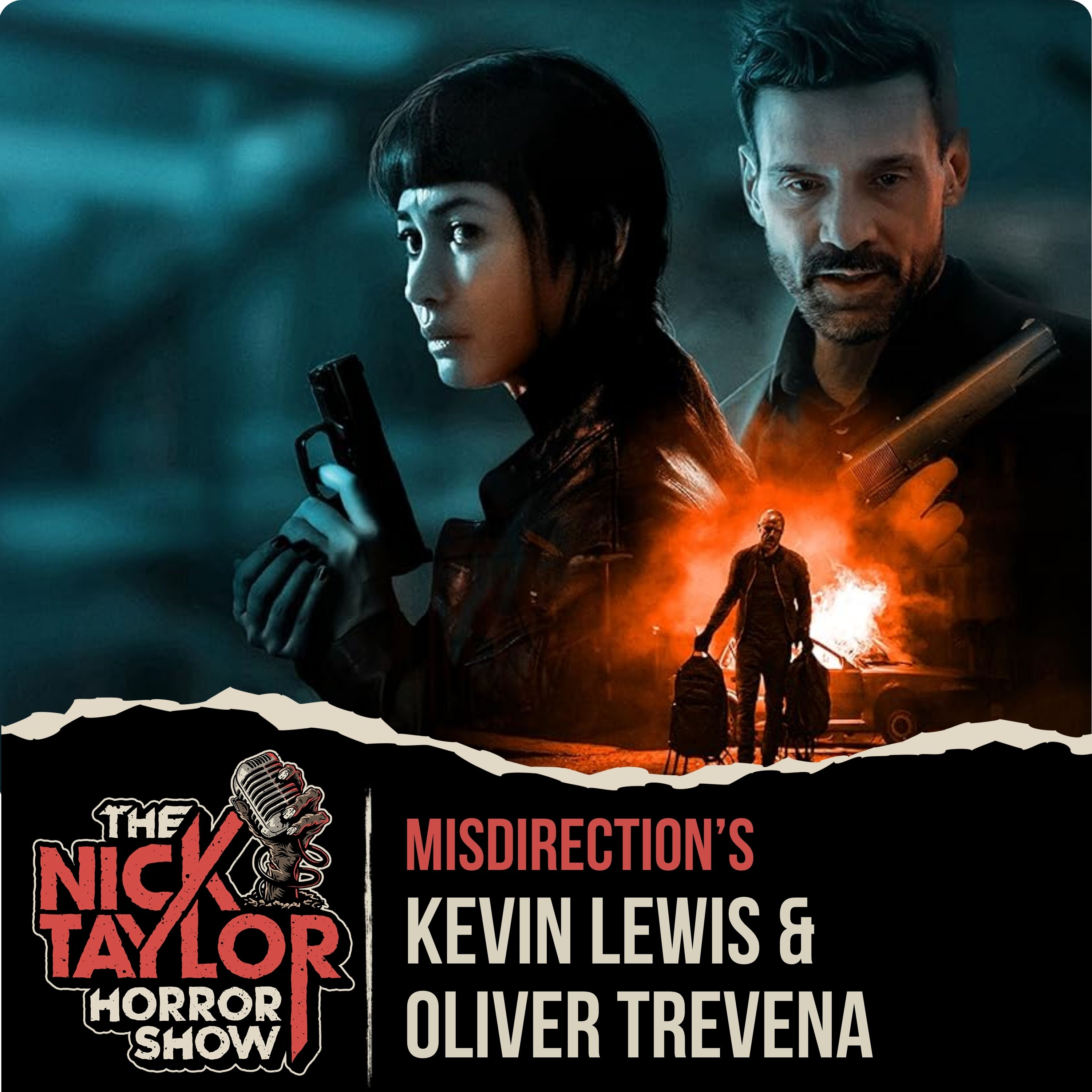
MISDIRECTION’S Kevin Lewis & Oliver Trevena
Feb 1300:48:45Tap to summarizeKevin Lewis and Oliver Trevena are the director and producer duo behind Misdirection, a contained neo noir thriller with Frank Grillo that builds a surprisingly big world inside a single location. Misdirection follows a couple driven to carry out a series of high-end heists to pay off a dangerous mob debt. When their latest break-in spirals out of control, the pair find themselves caught in a web of secrets, deception, and deadly consequences. Misdirection is now available on Digital from Cineverse. Shot in Serbia over fifteen nights on a small budget, the film is a case study in fast prep, actor focused directing, and the kind of persistence it takes to pull an indie feature across the finish line.Here, without further ado, are Kevin Lewis and Oliver Trevena.Key TakeawaysRelentlessness is a producing skill, not a personality trait. Misdirection went through consistent bouts of turbulence. Funding gaps, broken promises, Murphy’s Law persisted all the way up to roughly five days before shooting. Oliver was told by multiple people to forget about the project and let it go, but he didn’t. The takeaway is that persistence isn’t just motivational jargon, it’s a core production competency. If the producer stops pushing, the movie collapses. Misdirection took years to get off the ground, and the film only exists because Oliver and Kevin refused to let it die. Many people think movies are bought and sold based on the market itself, but that’s not always the case. Sometimes beating a movie into production through sheer will and force is the only path forward.Speed unlocks instinct. Shooting in fifteen nights removed hesitation. With no time to overthink, decisions became intuitive and committed. That urgency created momentum and helped performances and directorial choices feel alive rather than labored. It’s always ideal to have more time, but there’s creativity in limitations, and some casts and crews work better under pressure.Prep is freedom: obsess early so you can adapt fast later. Thrillers demand airtight logic. Kevin mapped character movement, information reveals, and physical continuity in advance so nothing unraveled under pressure. Thorough prep made the fast pace possible. Kevin calls himself a “big prepper”—months of notes, multiple contingency plans (A/B/C/D), then recalibrating once they were on set. He also describes basically hermitting in his hotel room instead of socializing because every hour on set equals money. The lesson isn’t to “be rigid”—it’s the opposite: deep prep lets you pivot without breaking story logic when the location or constraints change. As Churchill said, plans can be useless but the act of planning can be priceless.Show NotesMovies and Projects MentionedMisdirectionParadox EffectJohn WickWick Is Pain (John Wick documentary)Who’s Afraid of Virginia Woolf?DriveWerewolvesFollow Kevin Lewis at:IMBd: https://www.imdb.com/name/nm0507425/Instagram: https://www.instagram.com/kevinlewisofficialFollow Oliver Trevena at:IMBd: https://www.imdb.com/name/nm3165541/Instagram: https://www.instagram.com/olivertrevena/Website: ollywoodmedia.com
Transcribe →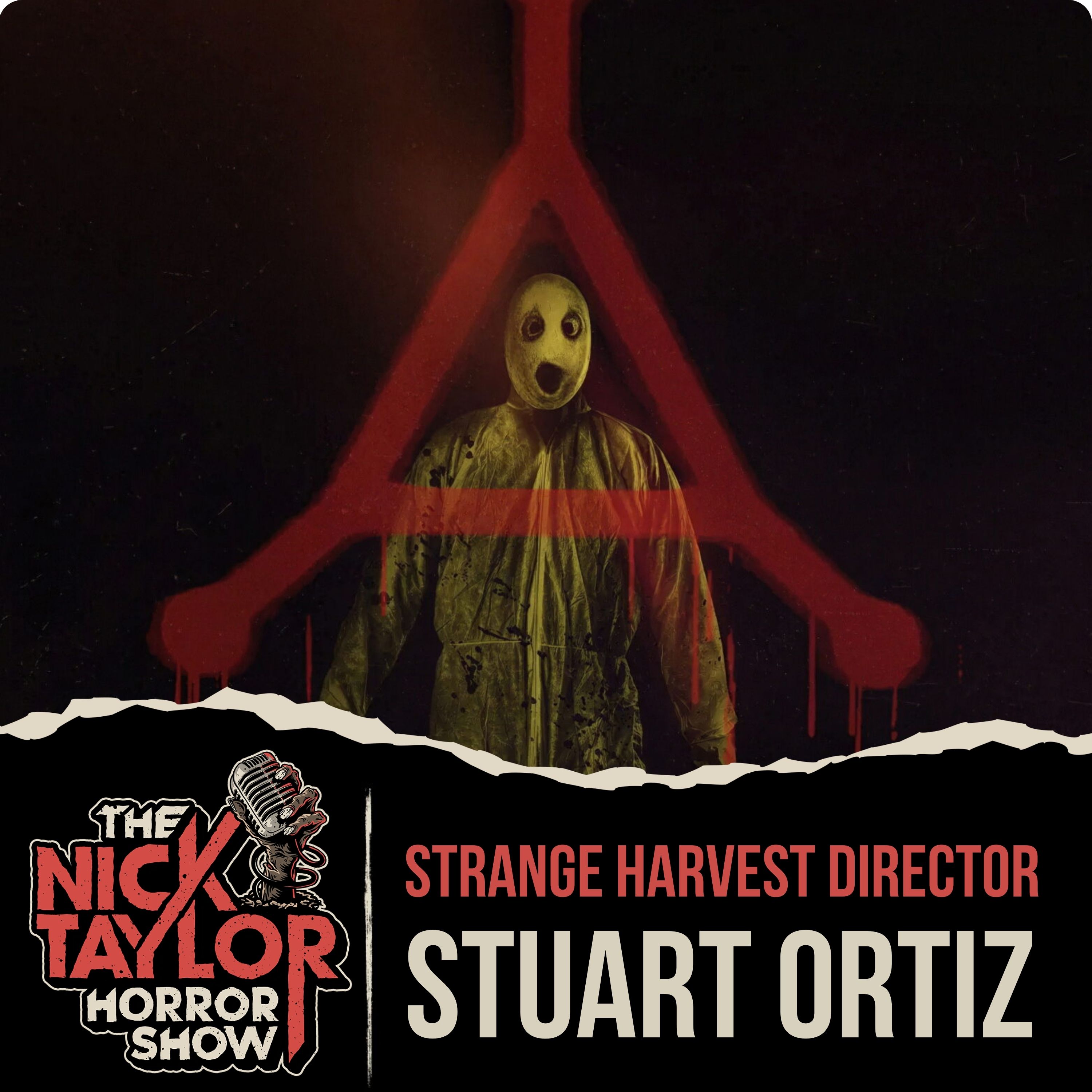
STRANGE HARVEST Director, Stuart Ortiz
Feb 600:55:04Tap to summarizeStuart Ortiz is a film director, writer, producer and one of the founding members of The Vicious Brothers, the filmmaking duo behind Grave Encounters 1 and 2.Stuart’s most recent feature is Strange Harvest, a true-crime–styled, found footage film he wrote and directed.Strange harvest is a serial-killer faux documentary that effectively weaponizes the aesthetics of Netflix true-crime docs by luring you into a false reality with a familiar documentary style then turning up the horror with deeply unsettling imagery that looks and most importantly, feels very real.It’s certainly one of the most unflinching and innovative found footage movies in recent years and has earned plenty of special praise for its naturalistic performances, grisly practical effects and overall dread.In this conversation, Stuart and I get into his career history, the making of Strange Harvest and how to execute modern found footage with high impact and a low budget, on today’s episode of The Nick Taylor Horror Show.Without further ado, here is Strange Harvest Director, Stuart Ortiz.Key TakeawaysEmbrace CGI strategically as a problem solver. A lot of purist horror cinephiles grumble at the use of CGI, and I agree that it shouldn’t be overused—but it also shouldn’t be avoided, because it can solve colossal problems. The pool scene is a perfect case study: filling an Olympic-sized pool would have required roughly 35,000 gallons of water, which was both budget-killing and ethically questionable during a drought. Instead, Stuart used VFX to build the water and environment, and it wasn’t even all that expensive. Use CGI where it’s the cleanest solution to a real-world constraint, and save practical effects for what sells the tactile reality.Indie budgeting is often about where you don’t spend. Stuart minimized spending on a large crew, expensive cameras, and elaborate lighting because the format called for rough, archival-style imagery and on-the-fly filmmaking. Instead, he spent heavily where failure would be fatal: special FX makeup, which made up about 15–20% of the budget. He knew horror audiences would be especially scrutinizing when it came to effects (and he was right), so he spent disproportionately in that area—and it clearly paid off. Budgeting a movie can be complicated, but Strange Harvest proves that it’s important to spend where you’ll get the highest return on your investment.Wear more hats than you’re used to. Stuart states that it’s unrealistic for directors to “just” direct nowadays, especially on micro-budgets. Strange Harvest exists largely because Stuart didn’t just direct—he also wrote, edited, and produced the film. On top of that, much of the crew wore multiple hats across the board, which is ultimately how the movie was able to get made. It may not be glamorous, but it’s how movies actually get finished.Show NotesMovies and Shows MentionedStrange HarvestGrave EncountersLake MungoThe Poughkeepsie TapesTiger KingThe Blair Witch ProjectGhostbustersGhostbusters 2True Detective Season 1The Wall (Pink Floyd film)The RitualHellraiser (newer entry referenced via makeup artist credits)The Dark Knight (referenced via production design work)The VaultThe Black Phone (mask design reference)Heart Eyes (mask design reference)PodcastsMy Favorite MurderFollow Stuart Ortiz at:IMBd: https://www.imdb.com/name/nm3425513/Instagram: https://www.instagram.com/stuart_ortizX (Twitter): https://x.com/StuartLOrtizWebsite: https://stuartortiz.com/
Transcribe →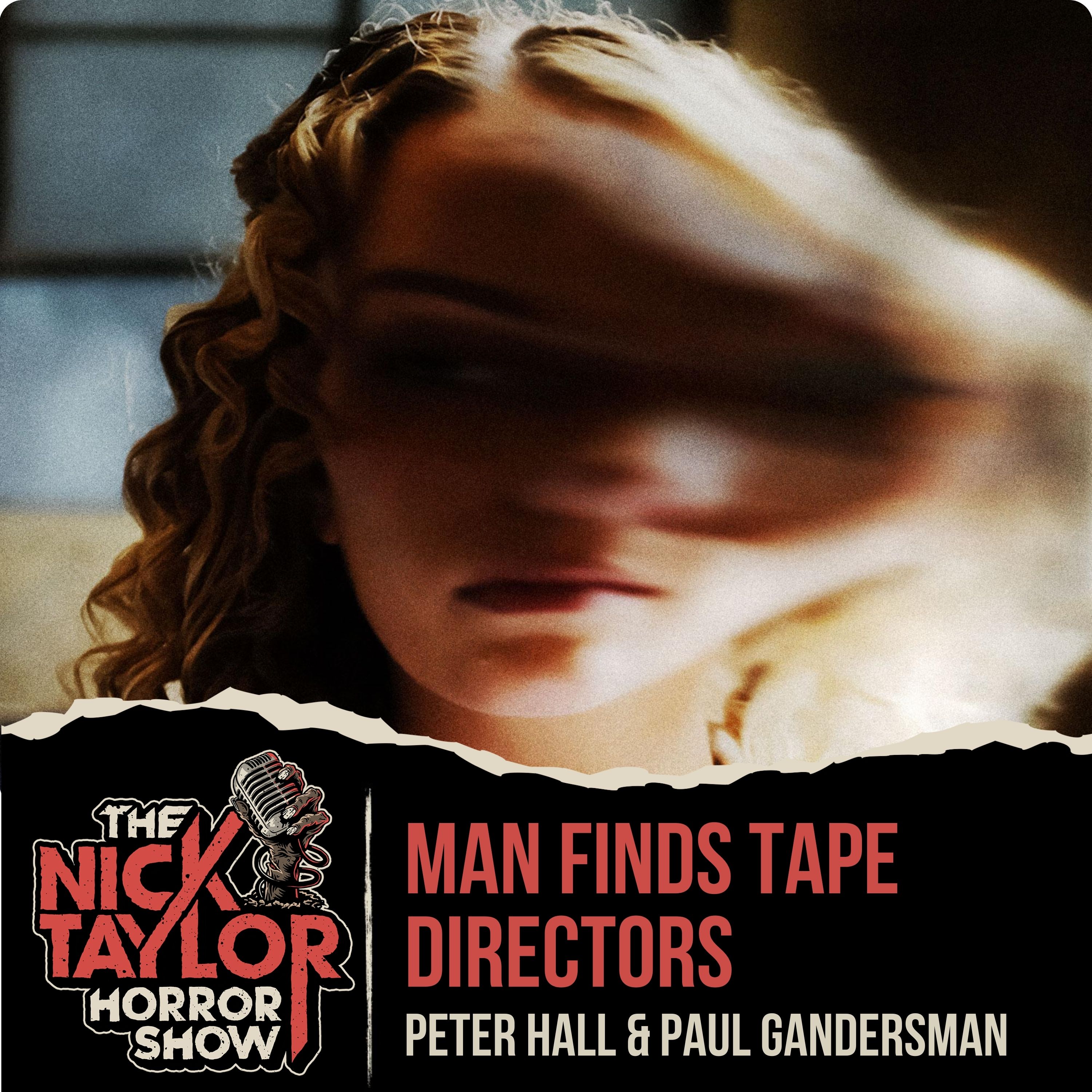
MAN FINDS TAPE Directors, Peter Hall and Paul Gandersman
Jan 2301:12:58Tap to summarizePeter Hall and Paul Gandersman are the writer/directors behind Man Finds Tape, a faux documentary horror film that uses mixed media, curated “evidence,” and found footage logic to tell a cosmic horror story about a malevolent force that overtakes a small town. In this episode, Peter and Paul break down how the making of Man Finds Tape, including how they approached the cinematic language of using a multitude of different types of cameras and filmmaking styles to achieve their signature blend of found footage and cinematic surrealism. On today’s episode of The Nick Taylor Horror Show, here, without further ado, are Peter Hall and Paul Gandersman.Key TakeawaysTake what your actors give you.Paul and Peter discuss a situation where their actors came to a character meeting so well prepared that they as directors were able to sit back and let the actors figure out all of the backstory themselves. The actors braistormed without their involvement for about an hour and did a ton of heavy lifting. More egotistical directors would have stepped in and asserted themselves but Paul and Peter had the good sense to realize that their actors were locked into their characters to such a high degree and they let them drive. When this happens it’s magic, but so many people ruin it by being precious. This is a two part lesson, one, hire actors who can also be collaborators and 2, when they start figuring things out on their own, give them ownership and get the fuck out of their way.Target personal fears, over generic scares.Peter and Paul mentioned a term I’d never heard before, trypophobia which is an intense, irrational fear or disgust triggered by looking at clusters of small holes, bumps, or intricate, repetitive patterns. They integrated this fear and unease into their body horror effects and even though I didn’t have this phobia before, I think I might it after watching this movie. There’s something very effective about tapping into irrational and obscure fears because they’re more common than you think. Human beings have all kinds of evolutionary neurosis that you can explore and exploit as a filmmaker to give your movies a surgical level of unease. This is a fascinating and fertile ground to harvest and worth studying.Tone and vibe over exposition.The movie has a masterfully constructed tone of dread that is very singular to Man Finds Tape. Constructing a frequency for your movie that’s this sharp and affecting is one of the most challenging aspects of filmmaking, and it’s on full display here. Peter and Paul discussed how when they were editing the movie, they focused more on the feeling the movie would evoke, rather than getting bogged down in plot specifics or exposition. Ultimately, your audience will reflect on how the movie made them feel instead of what the plot revealed. David Lynch is a master of doing this; evoking feeling without having much concern for exposition.Show NotesMovies MentionedMan Finds TapeLake MungoThe Blair Witch ProjectV/H/SShelby OaksDream EaterStrange Harvest28 Years LaterSomething in the DirtPsychoThe ShiningHarry and the HendersonsBest in ShowThis Is Spinal TapNinja ScrollBooks and ResourcesJunji ItoH. P. LovecraftTim Ehl’s liminal videos on InstagramSouth by Southwest documentary reference: Capturing BigfootFollow Peter Hall at:IMBd: https://www.imdb.com/name/nm4296678/Instagram: https://www.instagram.com/peterhallhumanX (Twitter): https://x.com/PeterHallHumanFollow Paul Gandersman at:IMBd: https://www.imdb.com/name/nm2821596/Instagram: https://www.instagram.com/paulgandersman/X (Twitter): https://x.com/Paul_Gandersman
Transcribe →
GOOD BOY Director, Ben Leonberg
Jan 900:51:09Tap to summarizeBen Leonberg is the writer and director of Good Boy, the breakout indie horror film told entirely from the point of view of a dog. Shot over three years with a crew of three people and made for under seventy thousand dollars, Good Boy became a theatrical and streaming success, earning over $8 million at the box office, mostly due to its inventiveness, emotional depth, and commitment to a single, bold idea.In this episode, Ben tells us the whole story behind Good Boy, from humble beginnings to box office breakout. He also gets into the details behind shooting horror from a dog’s point of view, the critical importance of sound design in horror, and the practical lessons he learned while shooting more than four hundred days with his dog Indie.Here are some key takeaways from this conversation with Ben Leonberg.Limitations can be a feature, not a bugBen’s process making Good Boy was a masterclass in embracing creative limitations. From directing a dog who couldn’t take cues, to shooting without a traditional crew, all while working within a $70,000 budget, Ben built the film around his constraints instead of fighting them. He followed the classic Robert Rodriguez rule: write the movie around what you already have. In Ben’s case, that meant a dog and an old cabin.He and his wife shot most of the movie themselves, structuring the entire production around their available resources. The mindset of designing a film around what you can uniquely do is a powerful model for indie filmmakers. In Ben’s case, those constraints led to a strikingly original idea: a horror movie told entirely from the perspective of a dog. That single choice shaped every creative decision; camera height, lensing, blocking, editing, sound, and pacing. What began as a limitation became the film’s identity.Sound is vital for horrorAs we’ve covered many times, in horror, sound goes a long way, and Jennifer Kent, Director of The Babadook, even says it’s just as important as your visuals. In Good Boy, which had minimal traditional exposition or visual cues, sound became essential—not just for scares, but for tone, tension, and atmosphere. Composer Sam Boutilier went so far as to build a custom instrument to create the film’s signature eerie, otherworldly tones that had never been heard before. For horror filmmakers working with limited budgets, sound design isn’t just a finishing touch but an opportunity to elevate the entire film.A long production timeline can be an advantageThe film was shot over three years, across more than 400 shoot days. With such a small team and total control over gear and scheduling, Ben was able to work slowly and deliberately, testing ideas, reshooting scenes, refining edits, and evolving the movie over the course of years. In most productions, time is the scarcest and most expensive resource. But when you own the entire timeline, time becomes your biggest asset because it gives you the space to problem-solve creatively, discover better choices, and polish your film beyond the limits of its budget.Show NotesMovies MentionedGood BoyPoltergeistThe ShiningPsychoJawsRaiders of the Lost ArkDuelDrag Me to HellThe InnocentsSmileOne BedroomIn a Violent Nature101 DalmatiansFollow Ben Leonberg at:IMBd: https://www.imdb.com/name/nm3828044/Instagram: https://www.instagram.com/ben_leonberg/LinkedIn: https://www.linkedin.com/in/ben-leonberg-ab797556/Website: https://www.benleonberg.com/
Transcribe →
NIGHT OF THE REAPER Director, Brandon Christensen
Dec 1200:52:30Tap to summarizeBrandon Christensen is a Canadian filmmaker and VFX artist whose directorial work includes Night of the Reaper, Superhost, Puppet Man, and VFX work on multiple films with a particularly close collaboration with Joe Begos on VFW, Bliss, Jimmy and Stiggs, and Christmas Bloody Christmas.In this conversation, Brandon walks through the making of Night of the Reaper, his latest film, which is a nostalgic 80’s style slasher with very heavy Halloween vibes. Brandon also gets into how to consistently make films with limited resources, why he takes on editing and VFX himself, and how to achieve compelling period production design on a budget.Key TakeawaysDesign period detail around what exists.To create an authentic 1980s vibe without a big period budget, Brandon’s team scouted unchanged locations, bought used furniture and TVs, and leaned on production people who could find pockets of the past. When money is limited, good location scouting and clever prop reuse do most of the heavy lifting.Wearing many hats saves money and shapes the film.Brandon edits and does VFX on his films because it keeps the money on screen and lets him really control everything from tone to pacing. This equation means lower overhead and a highly personal imprint on every frame, but be cautious because it also makes criticism sting even more because much more of the work has been done by you. So if you take on multiple roles, expect both the creative control and the emotional cost.Make the movie you can actually make.Brandon survived multiple financing setbacks by refusing to let the project die. When previous investors walked, he scaled down the project according to the money that existed. The result was a finished film rather than a stalled ambition. Practical lesson: prioritize completion over perfection because careers are contingent on forward momentum and experience. His repeated, practical advice to creators: do not overcomplicate your first projects. Shoot small, fail quietly, learn fast. The path deepens by doing, not by waiting for the perfect package or deal.Show NotesMovies MentionedNight of the ReaperSuperhostPuppet ManStillbornIt Stains the Sands RedVFWBlissJimmy and STIGsChristmas Bloody ChristmasHouse of the DevilStranger ThingsWhen a Stranger CallsScreamRosemary’s BabyDonnie DarkoPulp FictionAvengers: Infinity WarWeaponsFollow Brandon Christensen at:IMBd: https://www.imdb.com/name/nm3417134/Instagram: https://www.instagram.com/thebrandonchristensen/X (Twitter): https://x.com/thebrandonc85Facebook: https://www.facebook.com/brandonchristensendirector/Website: http://thebrandonchristensen.com/
Transcribe →
The Science of Horror: Recreational Fear Lab
Nov 2000:52:07Tap to summarizeShow NotesMovies MentionedGet OutPsychoCarrieFriday the 13th (franchise)SharknadoThe ExorcistHereditaryContagionThe Evil DeadAn American Werewolf in LondonThe FlyWeaponsBooks and StoriesGrimm’s Fairy Tales (Brothers Grimm)Follow Marc Malmdorf Andersen at:LinkedIn: https://www.linkedin.com/in/marc-malmdorf-andersen-b2a67826a/Website: https://pure.au.dk/portal/da/persons/mana%40cas.au.dkBluesky: https://bsky.app/profile/ndersen.bsky.socialFollow Mathias Clasen at:Website: https://www.au.dk/en/mc@cc.au.dkYouTube: https://www.youtube.com/user/mathiasclasenX (Twitter): https://x.com/mathiasclasenFollow Recreational Fear Lab at:Website: fear.au.dkX (Twitter): https://x.com/recfearlab
Transcribe →
WEREWOLVES Director, Steven C. Miller
Dec 5, 202400:41:12Tap to summarizeToday we’re joined by action-horror filmmaker Steven C. Miller to discuss his latest barn-burner of a movie, Werewolves. Werewolves is an unapologetically fun and hydraulic creature feature packed with practical effects, action, and a whole lot of Frank Grillo. Steven dives into his experiences directing Werewolves, his focus on practical effects and full creature suits crafted by Alec Gillis and Tom Woodruff Jr., and his collaboration with star Frank Grillo.Steven also shares his compelling origin story, which included living in his car in Los Angeles before going on to direct multiple action features and collaborating with legends like Bruce Willis, Nicolas Cage, and Sylvester Stallone. This episode was a real blast and is packed with advice and insights for all you horror filmmakers out there. I hope you enjoy this conversation with Steven C. Miller, director of Werewolves.Here are some key takeaways from this conversation with Steven C. MillerGet a rallyerOne of the standout perks Steven shared about working with Frank Grillo is that Frank is a natural rallyer on set. He possesses an authoritative and trusted presence that helps elevate the cast and crew, motivating them to back Steven’s decisions and rise to the challenges of production. Having someone like this on set is invaluable. On any film shoot, there will be moments when morale dips, fatigue sets in, or tensions arise. A rallyer—someone who can inspire and energize the team—can make all the difference.However, this kind of relationship hinges on trust. Frank Grillo has been on a lot of sets, worked with a lot of directors and has a pretty sharp bullshit detector. During Werewolves, Frank would ask Steven pointed questions, and because Steven always had solid answers, Frank trusted him. This mutual respect allowed Frank to step into a quarterback-like role on set, helping to unify and inspire the team. As a filmmaker, seek out cast members who possess this quality—but understand that it’s your responsibility to earn their trust and respect first.Keep it movingSteven’s action-oriented directorial style thrives on momentum. Anyone will tell you that filmmaking is largely waiting around, but Steven counters this with a fast-paced, dynamic approach. By minimizing downtime, he keeps actors engaged, energized, and ready to deliver their best, especially during action-heavy scenes. This efficiency comes from Steven’s deep understanding of set logistics, a skill he honed through hands-on experience in his early days. His ability to streamline production and avoid stagnation creates an environment where both creativity and productivity flourish. Filmmaker Robert Rodriguez has expressed similar ideas, highlighting that actors appreciate the pace, and it allows productions to run more smoothly and on schedule and budget.Say yesSteven has directed an impressive number of films, and if you look at his IMDB page, he seems to constantly be working. This is a testament to his “say yes to everything” philosophy. He believes that filmmakers should view every project as a learning opportunity, regardless of whether it’s a passion project. Rather than being overly selective, Steven advocates for gaining as much experience as possible by consistently working and completing projects. This mindset is especially important in an industry where opportunities are scarce. While some directors, like Quentin Tarantino, can afford to be hyper-selective about their filmography, Steven stresses that this is the exception, not the rule. For most filmmakers, success comes from viewing the craft as a career, where consistency and experience are key. By saying yes, Steven not only became a better and more reliable filmmaker but also built relationships and gained opportunities to work with legends like Nicolas Cage, Bruce Willis, Sylvester Stallone, and Aaron Eckhart. His willingness to tackle all kinds of projects and have a track record of profitability ultimately led him to direct his ultimate dream project, Werewolves.Show NotesMovies DiscussedWerewolvesAutomaton TransfusionDog SoldiersThe HowlingAmerican Werewolf in LondonGinger SnapsLate PhasesUnderworldSilver BulletBad MoonMisc Resources:American Cinematographer MagazinePanavision StoresFollow Steven C. Miller at:IMBd: https://www.imdb.com/name/nm1921345/Instagram: https://www.instagram.com/stevencmiller/X (Twitter): https://x.com/stevencmillerFacebook: https://www.facebook.com/stevencmiller/
Transcribe →
DON’T MOVE Directors Brian Netto and Adam Schindler
Nov 27, 202401:08:13Tap to summarizeToday we’re joined by directing duo Adam Schindler and Brian Netto, the creative minds behind the new horror thriller Don’t Move. The guys share how they transformed the universal fear of immobility into a gripping narrative that they ultimately sold to Netflix and discuss what it was like shooting in the Bulgarian wilderness, working with legendary producer Sam Raimi, and how they developed a hauntingly charismatic serial killer played by Finn Wittrock, alongside a powerful and emotionally charged performance by lead actress Kelsey Asbille. Don’t Move is now streaming on Netflix.Here are some key takeaways from this conversation with Brian and Adam:Take Breaks.Early drafts of their script didn’t work—there was a disconnect between the concept of paralysis and the main character’s emotional journey. Rather than forcing a solution, they decided to put the project aside for a while and focus on other things. When they returned to the script with fresh perspectives, they were able to see the story’s missing elements more clearly and reapproach it with renewed energy.The takeaway here is don't be afraid to pause: when creativity stalls, putting your project down for a short period can provide the mental clarity and distance needed to spot problems and find solutions. Even if you're not directly working on a project, your brain will subconsciously work on a solution in the background. Patience leads to stronger work: Rushing to force solutions can lead to uninspired results. Instead, embrace the process and trust that time away can lead to breakthroughs.Write a Scalable Script.Brian and Adam intentionally crafted a story that could be produced at varying budget levels, making it adaptable for different production scenarios. This strategy proved invaluable when pitching the project. Whether it became a $1M indie film shot in a handful of locations or a larger studio-backed production with expanded scope, the story’s essence and emotional core remained intact and gave them the flexibility to pitch to a wide array of producers.They compared their approach to Beck and Woods who wrote A Quiet Place. When pitching A Quiet Place, Beck and Woods famously intended to shoot their high-concept horror story for $75,000 in their hometown if it didn’t sell. By ensuring their script could be executed with minimal resources, the Don’t Move team gave themselves the flexibility to proceed regardless of the budgetary constraints. For Don't Move, the scalability made the film an easier sell to partners, such as producer Sam Raimi and Netflix, while also leaving room for creative adjustments based on the final budget.Safety First.One of the most critical lessons the directors learned from Sam Raimi was the importance of prioritizing safety on set. Raimi repeatedly emphasized that it was their responsibility as directors to ensure the well-being of every cast and crew member, whether during stunt work or handling environmental hazards like shooting scenes on a 200-foot cliff or filming complex car stunts. No shot or sequence is worth compromising the safety of cast or crew, and it’s the directors’ job to uphold this standard at all times.This commitment to safety extended beyond stunts. Through their leadership, the directors fostered an environment where every crew member felt valued and secure, which in turn contributed to a more collaborative and focused set. By prioritizing safety, they set the tone for a productive and respectful creative process.Show NotesMovies Discussed:GravityThe Vanishing (1988)BarbarianSmileFollow Brian Netto at:IMBd: https://www.imdb.com/name/nm1826621/Instagram: https://www.instagram.com/nettworxx/Facebook: https://www.facebook.com/brian.netto.9/Follow Adam Schindler at:IMBd: https://www.imdb.com/name/nm2040169/Instagram: https://www.instagram.com/adampatrickschindler/Facebook: https://www.facebook.com/adam.schindler30/
Transcribe →
LOVE BOMB Director, David Guglielmo
Nov 15, 202400:55:16Tap to summarizeToday we’re joined by indie filmmaker and casting director David Guglielmo, who recently wrapped his latest film, Love Bomb. David shares his journey of directing a script written specifically for him by friend and screenwriter Kathy Charles. We explore the creative challenges of transforming an erotic thriller into a dark comedy with shades of Scorsese's After Hours, and how he crafted surreal, Lynchian tones to set the film apart.David also dives into the real-world setbacks he faced on set, from revoked permits to floods, and how quick thinking and flexibility helped keep the production afloat. With insights on casting, creating a cohesive tone, and making the most of ultra-low budgets, David gives us a masterclass on indie filmmaking survival. This is David’s second time on the show so if you want more of his origin story be sure and check out Episode 11.Here are some key takeaways from this conversation with David Guglielmo.Flexibility on Set is Crucial:David emphasized the importance of adaptability because he was forced to embody this to an extreme degree. When a neighbor caused their permit to be revoked, the production team had to pivot from a night shoot to a day shoot. Instead of panicking, David calmly rewrote scenes and embraced the changes, which ultimately added an interesting surreal vibe to the film. David has been on a lot of sets and faced a lot of setbacks, so his adaptability is very fluid—to the point where not only does he roll with the punches, but he also finds ways to make the setbacks work in his favor. This is like black belt-level directing. Best laid plans can come crashing down at any moment, which is why it’s critical to not only be resilient in the face of obstacles but to embrace them.Stay Tuned In:David noted that when directing, it’s important to remain tuned into the frequency of the project. This may sound metaphysical, but well-crafted movies have a specific frequency—whether you want to call it a tone, a spirit, or an energy, it’s foundational to the movie. As you go through the inevitable setbacks and sacrifices that come with filmmaking, it’s critical to remain tuned into that frequency because it can guide your decisions in favor of the movie. David also recommends making films that reflect your distinct sensibilities and experiences rather than chasing trends or formulas.Invest in Crew Happiness:Having made several ultra-low-budget films, when asked where filmmakers can afford to cut costs and where they should invest, David stresses that the well-being of the crew should never be compromised. A happy, motivated crew can make a significant difference in the film’s final outcome and your overall experience directing. The key to this is building a strong sense of camaraderie on set, which starts with transparency: letting the crew know exactly what they’re signing up for and setting realistic expectations from the jump. By doing so, you attract team members who are passionate about the project rather than just in it for the paycheck. David also believes in giving less experienced but talented crew members their first major opportunities, creating a collective enthusiasm and a willingness to go the extra mile.Show NotesMovies & InspirationsLove Bomb (David Guglielmo’s latest film)Castle Freak (remake, written by Kathy Charles)Jacob’s WifeAfter HoursGone GirlThe Hand That Rocks the CradleDressed to KillBlow OutBody DoubleDeath ProofIt FollowsUnder the Silver LakeBooksCatching the Big Fish by David LynchFollow David Guglielmo at:IMBd: https://www.imdb.com/name/nm0961027/Instagram: https://www.instagram.com/davidaguglielmo/X (Twitter): https://x.com/DavidAGuglielmo
Transcribe →