Loading summary
Transcript456 lines
- [00:00]
A
WNSP. You're listening to the Darkness of the Night, WNSP's overnight programming. DC here with you for our third hour on this cool starless night. During that last break, I stepped outside for some fresh air. I heard a loud barking which startled me until I realized it was Buster Mildred Potter's German shepherd. Oh, he's a sweetheart when he knows you. Not gonna lie though. That bark made me panic for a second because I thought the Michigan Dogman had migrated to the Cryptid Valley area. The Dogman is a werewolf like creature first reported in 1887 in Wexford County, Michigan. I'm told that in 1987, the legend of the Michigan Dogman gained pop when a disc jockey at WTCM recorded a song about the creature and its reported sightings. Now, I'll be honest, since I've been doing this show in cryptid valley since 1965, I think the idea of a radio DJ making cryptids popular is. Well, it's kind of my thing. Ah, well, I suppose I don't mind. Maybe I'll write a song about Cryptids one day, and if I do, you'll be the first to hear it. And when it comes to hearing things that will rattle your ears with horror, it's time for our regular segment here on the Darkness of the Night, a new episode of the no Sleep Podcast. A rustle of the leaves, a fleeting movement at the edge of your vision. How often have you walked a forest trail at DUS only to feel the unmistakable sensation that something unseen is watching you? For centuries, humans have populated the darkness with creatures of legend whose existence remains unproven, yet whose presence is undeniable in the whispered tales of those who dare venture too deep into the wild. Wild. Brace yourself for the no Sleep Podcast. Welcome to the no Sleep Podcast. I'm your host, David Cummings. I'm always excited when one of our longtime regular authors releases a new book. And I know many of you are fans of Laselle Jones. Her stories are often featured on not only our regular episodes, but also on many of our Christmas and Halloween specials. Her new collection is called from the Dark Observatory. And yes, the Bleakest Terrors can only be seen on Starless Nights from the Dark Observatory. This collection of short stories, microfictions and scripts includes Lassell's Most Horrific Tales from Our podcast in print for the first time, along with new works. Brace yourself because this collection holds only darkness, no horizon, no light, no stars. Check the show notes for a link to where you can learn more about from the Dark Observatory and get Your own copy. Highly recommended. Now, if you'll allow me, I'd like to talk to you alone. Just you and me alone. No one else around. And while the thought of that might make you feel creeped out or even possibly aroused, you naughty people, for most people, the thought of being isolated with themselves or one other person might feel like a good thing. We all know how our online connected world these days can make us feel even more alone. There are anxieties which make people want to limit interactions with others. But we humans are social creatures. We're not meant for solitary confinement, are we? So on this episode we have tales which present you with the idea of people who find themselves alone or with one other person. And they find themselves in places that aren't exactly ideal. Let's listen to how they deal with situations that aren't quite so social. Alright, I'll release you. It's no longer just you and me alone. Enjoy some time to yourself where you can tune in, turn on and brace yourself for our sleepless tales. In our first tale, we join a reality TV show. You know, the kind where contestants have segments when they're in a confessional, sharing their thoughts and feelings. But in this tale shared with us by author Liz Argall, the contestant is quite anxious to get out of the booth. If only his story editor would allow that. Performing this tale are David Ault, Erica Sanderson and Andy Cresswell. So gather your thoughts and have something interesting to say when you're in the 10 minute confess.
- [06:16]
B
I mean, this is what we, we got. It was like enormous splinters. I mean, that was like a week four trick, not week 30. It's just so. Oh, like, like really? Look, I. I guess what I'm really saying is I just can't believe I lost the drinks challenge.
- [06:42]
C
Can you say that again? But shorter. Fewer ums, more energy.
- [06:48]
B
Look, can I go to the bathroom? No, I need to shit. I can't just go in a bottle. My guts are on fire.
- [06:56]
C
Then shit yourself. Make it funny or photogenic enough and it might be in tonight's show.
- [07:01]
B
I don't want that on the show.
- [07:03]
C
Then give me something better. And I promise I won't use anything like that if it happens.
- [07:07]
B
Yeah, and why should I trust you? I won't even know what's private and what's broadcast. You could break every promise and I'll never know.
- [07:15]
C
Reality television can get manipulative. But if I abuse your trust too hard, then when you leave and watch it, you could raise bloody hell.
- [07:23]
B
That's assuming I ever Leave the show. Look, please. I need to use the bathroom.
- [07:31]
C
The confessional is locked from the outside. It's just you, me and my camera for the next 10 minutes.
- [07:37]
D
What?
- [07:38]
E
Why?
- [07:39]
C
Surely a plot twist doesn't surprise you.
- [07:45]
B
You're meaner and realer than the last one.
- [07:48]
C
Realer?
- [07:50]
B
My last story editor was such a pathetic faker.
- [07:54]
C
You sound pretty angry.
- [07:55]
B
I have every right to be. Their performance is part of my performance, and they. They sabotaged me.
- [08:02]
C
Sabotaged you?
- [08:04]
B
I literally crawled over broken glass. And then my story editor was too upset to give me a good interview.
- [08:12]
C
Too upset?
- [08:13]
D
Yeah.
- [08:13]
B
The producer said my interview footage was unusable.
- [08:17]
C
Unusable?
- [08:18]
B
My bloody story editor didn't help the actual bloody person create good sound bites. The audio was ruined by their sniffling. Talk about selfish.
- [08:30]
C
You sound pretty frustrated.
- [08:33]
B
How could they do that? Timmy? I went through all that, and most of my challenge footage was cut.
- [08:40]
C
How do you know that? Are you watching the show?
- [08:44]
B
How could I? The compound has way too much security. The producers told me I had a right to know that there was no point featuring me without good narration. Putting her in the show was more than she deserved.
- [08:59]
C
More than she deserved?
- [09:01]
B
She got a chance, didn't she? She got her 10 minutes of fame.
- [09:04]
C
Is it a chance? If you don't know you've been turned into a contestant?
- [09:10]
B
A challenge is a challenge. She signed the waivers. We're all supposed to be on our toes and ready for plot twists.
- [09:17]
C
Were you ready for the plot twist?
- [09:20]
D
Shut up.
- [09:21]
C
How deeply the plot twisted.
- [09:24]
B
It's the choice I had to make, okay? Someone had to throw the first stone.
- [09:29]
C
You seem pretty upset.
- [09:31]
B
Yeah, I'm upset.
- [09:33]
C
Seems to me that some of your anger might be sadness.
- [09:37]
B
I didn't want her to die. We were all just so angry.
- [09:41]
C
What made you so angry? You know, tell it to the camera.
- [09:47]
B
You already have that footage.
- [09:49]
C
You know the importance of narration.
- [09:52]
B
I don't want to go over this again.
- [09:55]
A
Five minutes until doors open.
- [09:58]
B
Five minutes. Hold it.
- [10:02]
D
Hold it.
- [10:03]
B
Five minutes. Five minutes. You can do anything if it's just five minutes.
- [10:10]
C
I'm really sorry about this.
- [10:13]
B
Don't get sentimental.
- [10:15]
C
If you can't hold it, I'll ruin the footage, put half my head in shot, bump the camera.
- [10:21]
B
You'd do that for me?
- [10:23]
C
I would. If you feel it coming, shake your shirt, wreck the audio.
- [10:29]
B
You just gave me a to protect myself. That doesn't depend on you.
- [10:33]
C
Yeah, I did. Could you tell me how your story editor made you so angry?
- [10:38]
B
Well, we're doing something important and she.
- [10:40]
C
Fucked with it fucked with it.
- [10:43]
B
She tried to undermine the truth and beauty of what we're doing.
- [10:47]
C
Because she got upset after the Broken Glass challenge.
- [10:50]
B
Not just that. It was a lot of little things.
- [10:54]
C
That made you storm up to the producers. And what did you say?
- [10:59]
B
That our story editor was a fake and something needed to be done.
- [11:03]
C
The producers say it was your idea to put her in the show.
- [11:06]
B
It's true. There was an emergency meeting. We were all so upset.
- [11:10]
C
All of you?
- [11:11]
B
All the contestants she managed.
- [11:14]
C
What were you all so upset about?
- [11:17]
B
She kept asking us why we're here. Over and over again.
- [11:23]
C
Why are you here?
- [11:24]
B
You know why. Who wouldn't want to be on the show?
- [11:28]
C
Yeah, but why are you really here?
- [11:32]
B
Are you a fake, too?
- [11:34]
C
Why are you here?
- [11:35]
B
Do you hate how special our project is?
- [11:39]
C
Why are you here?
- [11:41]
B
I could report you. The producers listened to me.
- [11:44]
C
Why are you here?
- [11:46]
B
I've won more challenges than anyone else. The host loves me.
- [11:50]
C
Why are you here?
- [11:52]
B
Stop it. You're just a story editor. I could kill you with a word.
- [12:01]
C
A word. Why are you here?
- [12:05]
B
Because crucibles create better people. And I have never been good enough.
- [12:12]
E
Wow.
- [12:13]
C
That's a powerful thing you just shared with me. Thank you.
- [12:17]
B
Are you happy now?
- [12:19]
C
Here. I'm turning the camera off. Any gut troubles are off the record.
- [12:25]
B
You don't have to.
- [12:26]
C
I want to.
- [12:28]
B
What's going on?
- [12:31]
C
I want you to understand. All that questioning, that was me being a real story editor.
- [12:38]
B
No, that's not.
- [12:39]
C
We'll ask you the same question 50 times if we have to. If we smell a better story or even just better dialogue.
- [12:46]
B
You're saying it's not fake to beat someone down?
- [12:50]
C
That sounds more like a description of the show.
- [12:54]
B
Her questions weren't the same as. Pain is a necessary part of growth.
- [12:58]
C
She was just a person doing her job and asking you to think, really think about what you were doing and why.
- [13:07]
B
When I said she was a fake, the producers did a background check. They said I was right.
- [13:13]
C
Take a look at this.
- [13:15]
B
We're not allowed to look at phones.
- [13:17]
E
Look.
- [13:19]
D
What is this?
- [13:21]
C
It's behind the scenes footage from her old shows.
- [13:24]
B
Oh, my God. Is that.
- [13:26]
E
Yep.
- [13:27]
C
Said she was one of the best people he ever worked with.
- [13:30]
B
Why are you showing me this?
- [13:32]
C
Because the producers lied to you and got blood on your hands instead of theirs.
- [13:38]
B
They wouldn't lie to us like that.
- [13:40]
C
Have the producers lied to you at other times?
- [13:43]
B
No. Not about big stuff. Only if they had to.
- [13:49]
C
Only if they had to to get what they want.
- [13:54]
B
Oh, God.
- [13:57]
D
Oh, God.
- [14:00]
B
I Need to go. I need to.
- [14:01]
C
We're both locked in here.
- [14:04]
E
I just.
- [14:05]
B
I just. I just don't. I don't feel well. I need. I need to go.
- [14:09]
C
I have a bucket. Will that help?
- [14:11]
B
Yes.
- [14:22]
E
Thank you.
- [14:23]
B
Even just holding it helps.
- [14:25]
E
Oh.
- [14:26]
B
Oh, my guts.
- [14:27]
E
Ah.
- [14:28]
C
Your last story editor had 15 years experience in reality TV, more than anyone else on the show.
- [14:37]
B
Only someone who was that fake would go on and on about the other shows they've done.
- [14:41]
C
You sound like someone trying to convince themselves. You saw the footage.
- [14:46]
B
She kept talking about how this show wasn't like other shows. Overcompensating. Isn't that what liars do?
- [14:54]
C
She kept talking about what?
- [14:56]
B
About how what we were doing was obscene and inhumane.
- [15:02]
C
Obscene and inhumane?
- [15:04]
B
You love the show, right? You see what it gives to us. The. The structure, the mission. I have purpose for once in my miserable life.
- [15:13]
C
Purpose.
- [15:15]
B
I'm seen. I'm real. I'm winning. And for once, I get to feel like somebody.
- [15:21]
C
Do you feel like somebody?
- [15:23]
B
I feel like someone trying not to shit their pants.
- [15:26]
C
You've already taken a dump three times today.
- [15:29]
B
Oh, of course. You know that.
- [15:31]
C
It's like her whole body is revolting.
- [15:35]
B
I threw the first stone.
- [15:38]
C
Do you think the producers might want you to carry the guilt of something they wanted?
- [15:43]
B
I did it. It doesn't matter if I get a villain, Edit. I did it. I have to live with that.
- [15:49]
C
You don't seem happy about it.
- [15:52]
B
Well, I'll learn to be. I don't have a choice.
- [15:56]
A
2 minutes until doors open.
- [16:00]
C
What if you did have a choice?
- [16:02]
B
What, are you testing me so I can be stoned next? How could I ever leave now?
- [16:08]
C
Because I'm not a hostage negotiator. But I have one talking in my ear. We can get you out.
- [16:15]
B
If I leave the show, I'll be charged with murder the moment I break free.
- [16:19]
C
They can cut you a deal. You could be a powerful witness.
- [16:23]
B
This show is above the law. Everyone knows that.
- [16:26]
C
Because they get away with it. Because they have hostages. Hostages like you.
- [16:31]
B
I'm not a hostage.
- [16:33]
C
Are you sure about that?
- [16:35]
B
I've won 17 challenges.
- [16:38]
C
And how did that last win feel? We can get you out. We can cut you a deal.
- [16:45]
B
Why should I believe you?
- [16:47]
C
You don't have to believe anything. You can think I'm the worst manipulative scumbag on earth. You can think I helped create an addictive system of abuse and fear, and now I'm desperately trying to write a redemption arc, but please, I just took a leap of faith and risked my life telling you this.
- [17:05]
B
Why would you trust me of all people?
- [17:09]
C
Because I've seen the footage. I can see you're a good person.
- [17:14]
B
I'm not.
- [17:15]
E
You are.
- [17:16]
C
And you've had to face, deeply face how much this show can cost people.
- [17:22]
B
I'm in this deep. I can't go back. And maybe some things can get easier with practice.
- [17:30]
C
I know how much your family misses you.
- [17:35]
B
They don't miss me.
- [17:36]
C
They do. And they're sorry. And if you stay here, you'll never get to hear them apologize.
- [17:44]
B
They do that?
- [17:45]
C
Yes.
- [17:47]
B
That person they hurt is gone. I killed him. I'm better now.
- [17:54]
C
Better now.
- [17:58]
B
I can't leave. I just can't.
- [18:01]
C
I don't think you'll want to stone me to death.
- [18:04]
B
I wouldn't.
- [18:05]
C
How could you not do that? Eventually they'll get suspicious of the holes in my confessional footage.
- [18:11]
B
I just wouldn't. I.
- [18:14]
D
30 seconds.
- [18:17]
C
If you get out, you can make sure no one else has to do what you've done. Do you not want a redemption edit?
- [18:24]
B
There's no way out.
- [18:26]
C
There is. Please trust me. I can get you out. But you know, it's only a matter of time before. Before I'm on the block.
- [18:36]
B
I'll think about it.
- [18:38]
C
My life is in your hands.
- [18:41]
B
I. I just really need the toilet.
- [18:50]
C
Stay.
- [19:03]
E
Foreign.
- [19:16]
A
SP will return after a word from our sponsors. You want longer episodes, no ads and lots of bonus content? Find out more at sleepless.the no Sleep podcast.com well folks, Labor Day has come and gone and with school starting again and schedules filling fast, preparing dinner for the family can feel overwhelming. Home Chef simplifies meal time with over 35 tasty meals and 18 delightful extras each week including kid friendly options your little ones will actually enjoy. Make dinner effortless, nutritious and family approved. No matter how busy the season gets. And let me hit you with this fact. Users of leading meal kits have rated Home Chef 1 in Quality, Convenience, value, taste and recipe ease. Home Chef delivers fresh ingredients and Chef designed recipes conveniently to your doorstep to simplify your cooking experience. Whether you prefer classic meal kits with pre portioned ingredients, quick 30 minute recipes, oven ready options, microwave meals or a dedicated family menu, Home Chef has everything you and your family need for hassle. Free delicious dinners plus it's economical. Home Chef customers save an average of $86 per month on groceries. We love Home Chef. For a limited time, Home Chef is offering no sleep listeners, 50% off and free shipping on your first box plus free dessert for life. Just go to homechef.com nosleep that's homechef.com no sleep for 50 off your first box and free dessert for life homechef.com no sleep must be an active subscriber to receive free dessert. Thanks for your support, Home Chef. Now back to WNSP's presentation of the no Sleep podcast.
- [21:23]
E
Ah.
- [21:24]
A
A couple of women in their 20s heading uptown for brunch. Living life to the fullest. All they have to do is jump on the subway and get to the restaurant. But in this tale shared with us by author Carlos Po, Michelle and Jane are embarking on a journey that will find them experiencing things that definitely can't be called crowded. Performing this tale are Nicole. Goodnight, Catabel Ansari, Nicole Doolin, Danzapula, and Mike Delgadio. So check the map and make sure you know where to get off. You don't want to wait until the last stop?
- [22:14]
E
Yes, yes. I'll be back by two. Love you. Bye.
- [22:19]
F
Damn, she sounds mad. What happened?
- [22:23]
E
She's still mad. I had to cancel our movie date a few days ago.
- [22:26]
F
So why is she so pissed? The movie was bad, apparently.
- [22:31]
E
Like really bad. Wanda was excited all week to go on a cute date, but I got okay really bad panic attack an hour before, so we had to cancel. She didn't say she was mad, but she's been acting colder.
- [22:44]
F
Panic attack, huh?
- [22:46]
E
Yeah. I felt like if we made it there, I'd explode. I took a Benzo. I did find out later that the theater's roof leaked onto the audience the whole day. So it's not all bad.
- [22:56]
F
See, you saved both of you the trouble.
- [22:59]
E
It's nothing like that. I just get this feeling sometimes that everybody. Everything's getting worse. The world. And it gets overwhelming and I need to lie down.
- [23:09]
F
You know, it's the best time to be alive ever. Girly, Modern Medicine, hbo, legal weed on every corner. What else do you need? It's the news, is what it is. Trying to scare you, so you keep watching it. If news is important, you'll hear about it eventually.
- [23:28]
E
I guess that makes sense. Maybe I'm overreacting.
- [23:32]
F
No, babe, mental health is real. Take care of yourself. And if this Wanda can't understand my Michelle, maybe.
- [23:41]
E
Jane, let's not do this now, okay? Okay.
- [23:46]
F
I'm just saying I can hook you up. Lots of guys looking for a smart numbers girl like you. Even other girls. Forget I said that. Which line are we taking?
- [24:00]
E
The U. Up town. It's a short ride. We could even just walk.
- [24:03]
F
No, let's take the subway. I love the subway. Don't you, babe? It's just so authentic. Like a real slice of the city. All kinds of people.
- [24:14]
E
I'm not following.
- [24:15]
F
At the end of the day, the janitors and the deli owners take the same train as people with jobs like us. That sounds bad, doesn't it?
- [24:24]
E
Yeah. Makes us sound like.
- [24:26]
F
Hey, Jane Blackman is many things, A thinker, a stunner. But she's no. Oh, man.
- [24:37]
E
Everything okay?
- [24:38]
F
Yeah, just. Work. I didn't think it'd be that fast.
- [24:42]
E
What's up? Office calling. You back in?
- [24:44]
F
No, I just got some news if.
- [24:46]
E
You need to leave.
- [24:47]
F
I'm not supposed to tell you this, but what the hell? 15 million went through to block the Davenport deal. Social media, protesters, the whole nine yards. They're not getting any construction on the community center done. At least not this year. And as the chief orchestrator, I'm taking a pretty little 20% cut.
- [25:07]
E
15 million? Damn. Imagine what all that money could be. Do.
- [25:12]
F
Yeah, get us a three course meal and a bottle of wine at this place we're heading to. Not the tip, of course.
- [25:19]
E
Speaking of which, aren't we late for the brunch reservation? Worried? Cuz I know tables there go fast.
- [25:25]
F
I'm sure it's okay if we're a bit late. They'll hold it for like an extra 15 minutes. If anything, I can call you.
- [25:33]
E
Sure?
- [25:33]
F
Yeah, babe, no need to rush. There's the turnstile. Want to jump it?
- [25:40]
E
No, no, no. You didn't hear? They have plane clothes at the stations now. Someone got shot a few months ago for that. You can do that yourself.
- [25:49]
F
Boring. Suit yourself.
- [25:53]
A
The time is 11:23am an uptown bound U train has arrived at this station.
- [26:04]
E
Hey, that's us. Let's go. Quick. Nice. I'm just hungry.
- [26:20]
F
Whoa, this is a bumpy one. Balancing is giving my core a workout.
- [26:25]
E
Jane, I think something's up.
- [26:27]
F
What is it?
- [26:28]
E
We've been here for 10 minutes. This train goes to from 55th to 61st. It doesn't take that long. Like it's faster to walk.
- [26:35]
F
Then where have we been going?
- [26:37]
A
This stop is 61st street and 12th Avenue.
- [26:44]
F
See there?
- [26:45]
E
Let's get a seat. Facing the map. There's two seats open there.
- [26:48]
F
Huh. They work fast.
- [26:51]
E
What?
- [26:52]
F
It's nothing. It's just the tiles here were red. They must have renovated since Monday.
- [27:00]
E
So that's why we still have so many potholes. Priorities.
- [27:04]
D
Yeah.
- [27:05]
A
Up.
- [27:08]
F
Michelle?
- [27:10]
E
Yeah?
- [27:11]
F
The dude behind you is staring at us. Just dead ahead. Eyes huge.
- [27:17]
E
So maybe he's higher. Just A creep? Let it go, babe.
- [27:22]
F
We can. I can't keep letting these creeps win. I'm going to say something.
- [27:27]
E
Jane. I don't want to get stabbed. Please don't.
- [27:29]
F
Hey, what are you looking at?
- [27:31]
A
Huh?
- [27:34]
F
Hey, asshole. I'm talking to you. Quit staring at my friend.
- [27:39]
E
Jane, everyone's looking at us now. I sorry, everyone. She's just cranky, huh?
- [27:52]
F
Should have just shut up. See, now everyone's looking at us. What's wrong? Keep staring it out. What?
- [28:02]
E
Jane, please. You're so embarrassing. Let's just get off at the next stop. Take the next U.
- [28:07]
F
Train's full of weirdos anyway.
- [28:10]
A
Yeah, this stop is 69th street and 12th Avenue.
- [28:20]
E
That was weird. You don't need to do that stuff for me, Jane.
- [28:24]
F
No, but like, was everyone on that train high? Was there some kind of crazy secret musical festival we missed?
- [28:32]
E
Jane, you should call the Resto. Let them know we'll be a bit late. Platform's empty anyway, so we're not going to be annoying.
- [28:48]
F
No response It. Let's just wait it out.
- [28:52]
E
What if they give away our table?
- [28:54]
F
Then we'll get a new one. Relax.
- [28:57]
E
How can you be so sure?
- [28:59]
F
The owner's son is my buddy from Stern. The gotten into you, babe? The universe will provide. What stops this 69th right here.
- [29:11]
E
Just asking cuz this feels weird. I've never gotten off at this stop.
- [29:15]
F
Me neither. I'm glad. It's kind of creepy.
- [29:19]
E
Hope the train comes on time.
- [29:21]
F
Look, Michelle, if you're so eager to get there on time, why don't you ask someone like her? She looks like she's here a lot.
- [29:29]
E
Chain, don't point. She's looking at you.
- [29:33]
F
Hello, ma'.
- [29:33]
E
Am. Excuse me. I'm sorry for my friend over there. Do you know when the next train is coming?
- [29:39]
D
Let me give you a word of advice.
- [29:42]
E
You're in the subway. There's nothing else to know. What? The subway is such a beautiful thing. It's like the circulatory system of a city. Yes, but without a subway. How would the heart of a city pump? A city is the subway. And the subway is the city. The city is also the people. So the people are the subway. Don't you agree? Sure. Thanks. Ms.
- [30:18]
F
Anything?
- [30:20]
E
Just a weird person. Maybe high too. Yeah.
- [30:25]
F
See? Just chill. The universe will provide to us. Yeah, to us.
- [30:31]
E
What about all the people it doesn't provide to? Huh? Like all the people sleeping in the station we passed a while ago?
- [30:37]
F
We're good people. Not saying they're bad people, but we're good.
- [30:41]
E
People define literally anything you just said.
- [30:45]
F
Well, my parents donate a fuck ton of enviro stuff every year. I give away all my old clothes. I stay fit. And you. You're like the nicest person I know. Maybe too nice even.
- [31:00]
E
What's that mean?
- [31:01]
F
Look, I love getting lunch with you. I wanted to do this today to tell you that I think you need to rethink your relationship with Wanda.
- [31:12]
E
What? Why?
- [31:13]
F
It just seems, I don't know, kind of pushy and one sided. Unhealthy even. She clearly doesn't get you.
- [31:21]
E
And you do? She's good for me and I'm good for her. What do you know about me? We haven't gotten lunch in weeks.
- [31:29]
F
There's plenty of fish in the sea, babe. I don't think she's good for you. Get out of this now before it gets worse.
- [31:36]
E
Okay, whatever. I'll try to find a board of arrivals, one of those electronic things.
- [31:44]
F
I'm sorry, I should have phrased that better.
- [31:47]
E
Don't bother. We'll talk this out over lunch. Let's not cause a scene. Empty concourse. Huh? Hello, Jane. No board. Also, the station is totally empty except for us. And. Wait, did a train go by?
- [32:06]
F
No.
- [32:07]
E
Oh, asking because that lady from a while ago is gone. So maybe she got on a train we didn't notice. Maybe there's another track.
- [32:15]
F
Maybe she went to take a piss. Just sit down and take a deep breath.
- [32:23]
E
Ah.
- [32:24]
F
Signal Jane.
- [32:25]
E
Check the train map. I feel like something's wrong.
- [32:28]
F
Fine, if you chill out a little. Huh? I think my app's broken.
- [32:35]
E
Why?
- [32:36]
F
The map says there's no 69th stop on the U line. The U runs from 61 to 73.
- [32:43]
E
Then where the are we? Jane? Where are we? The map's not showing it.
- [32:51]
F
Relax, it's probably just a bug. Let's get out of here. Get onto the street and cab it. Cash out me half later.
- [32:59]
E
Yeah, let's get out of here. I feel really weird about this place.
- [33:04]
F
Look, about what I said.
- [33:06]
E
Let's drop it for now.
- [33:07]
F
I love you, babe. You know I'm just trying to look out for you.
- [33:11]
E
Yeah? Yeah. You see any exit signs?
- [33:17]
F
I. Nope. Nothing.
- [33:22]
E
You're right.
- [33:23]
F
This place is creepy as I don't hear any trains at all.
- [33:27]
E
Let's just keep going this way. Wait, look. There's an intercom.
- [33:32]
F
What? Like a phone?
- [33:34]
E
Those buttons you can press to speak to someone for help.
- [33:36]
F
H, I don't know. Don't want to let everyone know we got lost on the subway. Not very city girly of us.
- [33:44]
E
Whatever. I'll do it. Hello?
- [33:49]
D
Yes, hello? Is someone there?
- [33:54]
E
Hi, I'm at the 69th street station. When's the next uptown? You coming?
- [34:01]
D
I'm sorry. I don't think the U is running there anymore.
- [34:04]
E
It just dropped us off here.
- [34:07]
D
Sorry. I don't know what to tell you.
- [34:09]
E
Well, what trains do run here?
- [34:14]
D
Let me see. Sorry, ma', am, but I don't think any trains run in that direction.
- [34:23]
E
What? Then how are we supposed to get out of here?
- [34:26]
D
Who says you're getting out? Michelle, wait.
- [34:29]
E
How do you.
- [34:31]
F
What was that all about?
- [34:33]
E
Jane, we need to get out of here. Let's split up and look for exit signs. Meet back here.
- [34:37]
F
Okay. I always trust you with this freaky stuff, babe. This place is huge. Anything?
- [34:46]
E
Nothing. You?
- [34:48]
F
Nothing. You know, in Paris, tourists sometimes get lost in the underground catacombs and starve to death.
- [34:56]
E
We got signal once, so let's just wait here until we get it again.
- [34:59]
F
Maybe the clouds are in the way.
- [35:01]
E
Yeah.
- [35:04]
F
We'Re not making lunch, so now that we have some time, let's talk. Like, really talk.
- [35:11]
E
Okay, fine. Say whatever.
- [35:14]
F
Promise you won't get mad?
- [35:17]
E
Promise.
- [35:18]
F
You are worth so much more than you think, babe. Don't trick yourself into a relationship with the first person who thinks you're attractive.
- [35:27]
E
Okay, I take back what I said. Stop talking.
- [35:29]
F
Like, what are your plans for the future you need to think about.
- [35:32]
E
Stop.
- [35:34]
F
Also, no offense, but you're scared of commitment.
- [35:37]
E
Stop it.
- [35:39]
F
Is it getting any hotter in here? Michelle, chill, please. I don't want to fight and ruin our brunch.
- [36:00]
E
How is it so hot?
- [36:02]
F
Fighting is going to get us to nowhere. Let's relax.
- [36:06]
E
Sorry. I don't know. It came over me.
- [36:09]
F
It's okay.
- [36:11]
E
I guess I'm not taking your advice. But when we get out, we're not getting lunch. Ever. Hey. Hello.
- [36:25]
F
Our Father, who art in heaven, hallowed be thy name.
- [36:33]
E
What's that?
- [36:35]
F
Only prayer I remember.
- [36:37]
E
Why this sudden religiousness?
- [36:39]
F
Honestly, babe, I think we're in hell. We're dead and we're in hell.
- [36:44]
E
No, we're not dead. I know what it feels like, and it's not this.
- [36:49]
F
Do I want to know?
- [36:52]
E
When my fish died in fourth grade, I got a feeling. Same feeling when my grandpa passed away. This isn't it. I am getting something, though. Like, I'm outside the principal's office, a knot in my stomach.
- [37:03]
F
Okay, let's work with that. How do we get out? Exorcise the demons?
- [37:09]
E
Exercise, do you mean. No, that's not what we need to do. I Don't think so. We should find that lady again.
- [37:17]
F
So we follow the laughing. Which tunnel?
- [37:21]
E
That one.
- [37:22]
F
Lead the way. You know, I take everything back about it being a shithole. There's some trash here and there, but it doesn't smell like pee. This one is on the cleaner side, too. As far as stations go, no cheesy ads anywhere either.
- [37:40]
E
It's pretty clean here for a train station.
- [37:43]
F
Who knew train stations in hell were more tolerable than the ones in New York City? When I get out of here, I'm doing buses only. From now on, I'm gonna.
- [37:53]
E
Hey, Jane.
- [37:55]
F
Yeah?
- [37:56]
E
Do you see that poster? Is that you?
- [37:58]
F
Huh? Let me see. Tired of the children and elderly of Davenport leading Happy lives. Call 347. Hey, that's my number. And how did they get that picture?
- [38:12]
E
Okay, you have to admit, that's kind of funny. What? It is. Look. It's that picture of you the day after the New Year's Eve party on Tim's roof. Remember how you puked on the house plant and it died?
- [38:27]
F
No.
- [38:28]
E
Of course you don't.
- [38:31]
F
Okay, you got me there. That was one hell of a night.
- [38:40]
E
Oh.
- [38:40]
F
Who are you?
- [38:42]
E
I used to be someone. Now I'm just the Subway Jane. She's the lady I saw a while ago. Hey, how do we get out of here? This is the subway. As in way, way, way down. Be nice to the subway and she'll be nice to you.
- [39:07]
F
What's that supposed to mean? Observe.
- [39:17]
E
Whoa.
- [39:18]
F
Michelle, you still there? Can you hear me? What's going on?
- [39:22]
E
Yeah, I'm still here. It's a pile of trash. This is disgusting. Why is some of this wet?
- [39:32]
F
Hello? You in there? Ms. Subway? Hello? Michelle?
- [39:38]
E
I don't believe it. What do we do? I think the subway. She wants us to pick up the trash. Take care of her. Seriously?
- [39:47]
F
So this is some kind of more morality exercise? Fine. We can play that game. Hey, Ms. Subway. I'm gonna clean the shit out of the station, you hear?
- [39:57]
E
You'll be able to eat off the.
- [39:59]
F
Ground when I'm done.
- [40:01]
E
This is definitely punishment for the janitor thing you said a while ago.
- [40:05]
F
Yeah, that was stupid. You better never let me live that down.
- [40:10]
E
Don't worry. I won't.
- [40:14]
F
You know what? Maybe this is what my. I need to, you know, cleanse myself.
- [40:19]
E
Am I hearing you correctly? Are you possessed by the subway?
- [40:23]
F
No, I'm serious. There's something really relaxing about it. Michelle, could you hand me that pile? I'm going to go sort it out.
- [40:34]
E
Can I be honest?
- [40:35]
F
Yeah.
- [40:36]
E
This Is way more fun than brunch. Like, when was the last time we did something together that wasn't eating and complaining?
- [40:42]
F
Yeah. Yeah, that reminds me. There's this art class going on near my place every Thursday.
- [40:47]
E
We should go.
- [40:49]
F
I've always wanted to get back into painting. I have all the supplies in my closet, but I just never got around to it.
- [40:55]
E
Who needs to wait for Thursday? Let's stop by an art store and do it ourselves. Wine and painting night.
- [41:01]
F
Oh my God. That actually sounds so fun if. When we get out of here.
- [41:09]
E
Jane, we're gonna get out of here. We just need to pick up all this trash.
- [41:14]
F
Oh, Michelle, what is it?
- [41:17]
E
Oh, God. There's a huge dead rot in here.
- [41:20]
F
Lump it in with the compostables, baby. Last of that pile.
- [41:35]
E
That's 11 dead rats, two cats, and some kind of large fish, I think.
- [41:41]
F
Hey, we're done. Hello? We finished sorting the trash. So are we cool now? No, no, no, no.
- [41:57]
E
Wait. Jane. Don't you see it?
- [41:58]
F
I see all of our hard work. All over the floor is what I see.
- [42:03]
E
I think it's a path.
- [42:05]
A
The time is irrelevant. An uptown bound U train is approaching the station. This stop is 69th street and 12th Avenue. Thank you for riding with us. We hope to see you again soon.
- [42:24]
E
Jane. We did it.
- [42:25]
F
Oh, nice. Let's go.
- [42:28]
E
Huh. This tunnel wasn't here a while ago.
- [42:31]
F
Huh?
- [42:32]
E
Never mind. Look. There's the turnstile.
- [42:34]
F
Never thought I'd be so happy to see one of those since Tim's New Year's Eve party, I guess.
- [42:41]
E
Wait. Something's wrong. It's facing the other way. You're not supposed to be pay with your card to leave the station.
- [42:49]
F
Huh? Wanna jump it?
- [42:51]
E
Hell no. Be my guest.
- [42:53]
F
I'm kidding.
- [42:56]
E
Jane, try your card.
- [42:59]
F
Huh. That's never happened to me before. This is a ticket for one ride.
- [43:06]
E
So you want to try jumping this one?
- [43:10]
F
I'm good.
- [43:11]
E
Let's try the intercom. It was back there. Hello?
- [43:18]
D
Hello, Michelle?
- [43:19]
E
Hi. There's a problem. You only gave us one ticket.
- [43:22]
D
Sorry, ma', am, we're out of tickets for the day. This is the last one we have. Try again some other time.
- [43:29]
E
How are we supposed to leave?
- [43:31]
D
I suppose one of you could leave.
- [43:33]
E
What about the other person?
- [43:35]
D
Ma', am, here at the subway, we are very strict about our fares. No ticket means no entry or exit. These trains run on people like you.
- [43:47]
E
Hey, we played your games, picked up and sorted your trash. Now let us out.
- [43:52]
D
Ma', am, please lower your voice or I will call security. You don't want to meet security.
- [44:00]
A
Have a nice day.
- [44:03]
E
Fuck.
- [44:04]
F
Michelle, I.
- [44:06]
E
You keep it.
- [44:08]
F
What?
- [44:09]
E
You hold on to it, and I'll find another way.
- [44:11]
F
Are you sure you can do that? Babe, we literally only have this ticket. Because this place will let us have it. Who says they'll be that generous again? Ever.
- [44:21]
E
No, it's fine. I just.
- [44:24]
F
You just what?
- [44:25]
E
It's just. I don't really feel like leaving anymore. What?
- [44:30]
F
We've been trapped in literal subway hell for hours. Are you serious?
- [44:36]
E
Shane, you're a great friend. You're right about everything. You saw how easily I figured this place out. Maybe I'm supposed to be here as a subway goblin forever. I sure as hell know there's nothing for me up there.
- [44:51]
F
Michelle?
- [44:52]
E
Yeah. Oh. What was that for?
- [44:55]
F
Michelle Ramirez, you are the best person I know. You're leaving the station. But they were right about Davenport. I did an awful thing that's gonna make people's lives worse. And I always knew I was just blinded by the commission. Maybe staying here is how I can work it off. Besides, I know you don't actually believe anything you just said. You're just trying to martyr yourself again, just like you always do.
- [45:24]
E
See, Jane?
- [45:27]
F
Don't worry about me, babe. I'll be fine. I'm tough. I'll find a way out eventually. Just take care of my houseplant, okay? It needs water once a week. The doorman should know you by now. And give you a key. I'll keep mine for when I get out.
- [45:43]
E
Are you sure about this?
- [45:45]
F
I'm not asking you. I'm telling you. Now go make this count. Okay, babe?
- [45:54]
E
Go. Go.
- [45:55]
F
Don't make me push you.
- [45:59]
E
Okay. I did it. Jane. Jane. Oh, God. Where did you go? Jane? 11:29am Wanda. Hi, babe. We need to talk. Taxi. Hey, taxi. Foreign.
- [46:46]
A
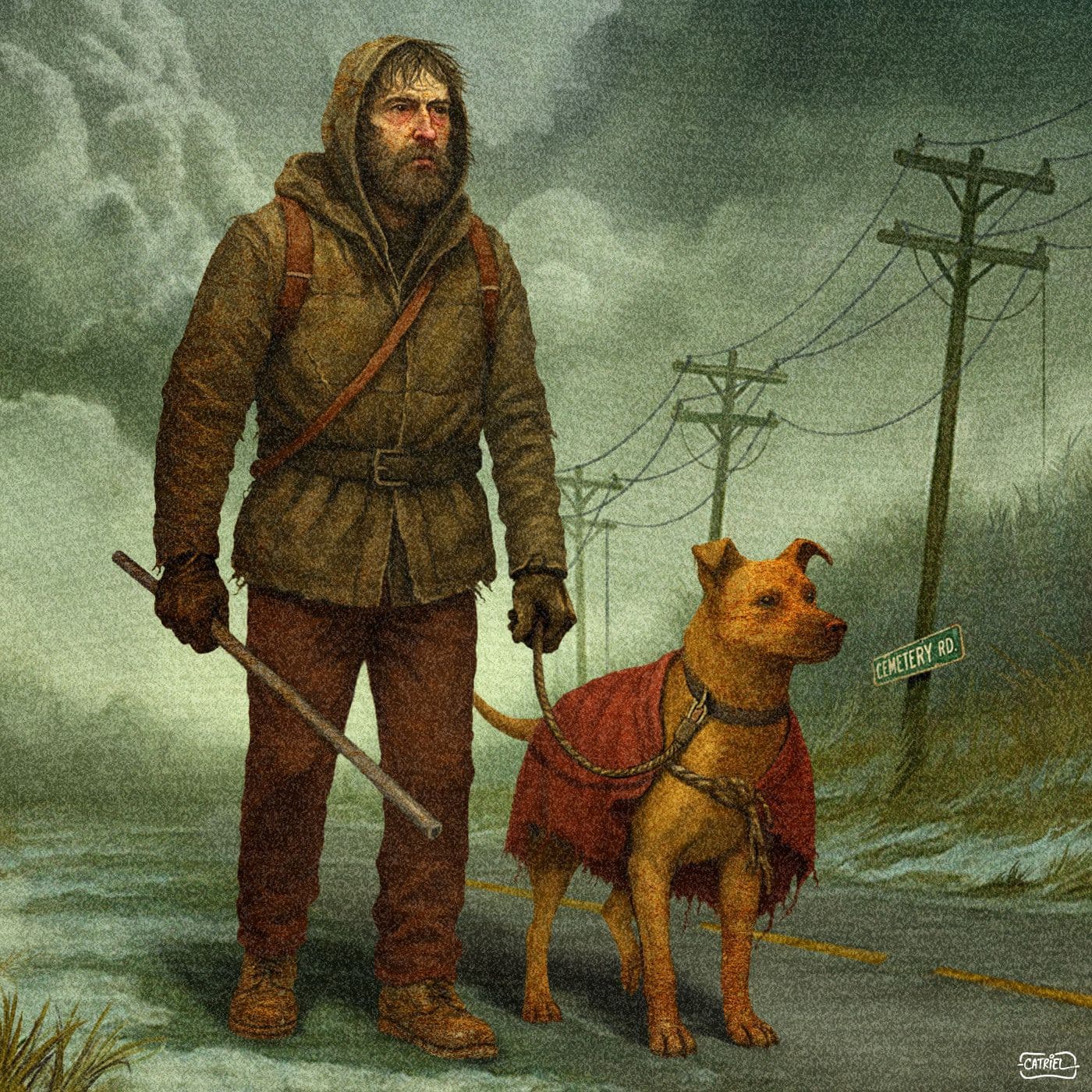
SP will return after a word from our sponsors. You want longer episodes, no ads, and lots of bonus content? Find out more@sleepless.the no Sleep podcast.com. you're sleepless for horror. And I'll bet a bunch of you are true crime fanatics. Well, listen up. Have you ever stopped to wonder just how close you've come to danger without even realizing it? Every single day, we encounter people on the street, in the grocery store, never truly knowing who they are or what they're capable of. But what if one of those seemingly ordinary people was hiding a dark secret? What if they had done something unthinkable? Or were planning to? There's some. Some good horror for you. The Minds of Madness is a weekly true crime podcast that dives deep into the criminal psyche, covering the most shocking and disturbing cases you've ever heard of from all over the world. And I know our no Sleep listeners want more than the surface details of the crimes. The Minds of Madness examines the psychology of the perpetrators, trying to understand what makes them tick, while interviewing experts in forensic psychology and criminology as well as survivors who fought for justice. Whether you're listening on your morning commute or during your evening jog, the Minds of Madness will completely immerse you in the world of true crime. With gripping stories, insightful analysis, and unforgettable survivors accounts, the Minds of Madness has everything you need to satisfy your darkest cravings. The Minds of Madness is available wherever you get your podcasts or visit mindsofmadnesspodcast.com for more information. Now back to WNSP's presentation of the no Sleep podcast When it comes to being alone, sometimes you have no choice in the matter. Like when other people are nowhere to be found, practically anywhere, like the man in this tale shared with us by author Henrik von Wolfcastle. Alone, with only his trusty dog Larry to keep him company, the man is struggling to remain alive. Yet despite the circumstances, he seems to remain hopeful. Performing this tale is Graham Rowett, so if you're hoping for better days, grab one side and make a wish while you crack the wishbone.
- [49:41]
D
Rain patters against a tin street sign, and somewhere in the distance an organization wails a dissonant chord. This is Cemetery Road. Even if I can't find it on my map. I walk with a long metal rod, its tip sharpened into an effective, albeit blunt, point. The irony is not lost on me that mankind began with such primitive tools, and the whole of human history will be buried with them, too. The spring rains Rain is cold and heavy as it soaks into my jacket. I don't mind, so long as it doesn't ruin the map. There's not much I mind anymore, but if it were just a few degrees cooler, the ground would have been blanketed in clean, virginal snow again, and I'd have liked that. The browns and reds of earth mixed with organic remains dampens morale over time. I watch my dog's hind legs as he walks. His rear left has a wobble to it that continues to grow more pronounced as the day drags on. He lifts it when he steps on a patch of fading snow or wet grass. The cold is unkind to his joints. He never shows it on his face, but I know. Huddled together over long, frigid nights, I see his breath catch in his stomach, the labor of the day yanking at his nerves in streaking echoes. And yet we march on. Sitting still is not an answer, but sometimes I don't really know what we're moving towards. The next meal I consider before the hopelessness can take hold. I raise my hand to the horizon. The sun sits on my index finger, about three fingers distance from the ground. That gives us about 45 minutes until sundown. We should stop here and make our shelter. I know that, but I don't want to. If this rain ever stops, we'll have ourselves a nice little rainbow. Larry. Larry's ears are peeled back, hearing something in the distance that I should be wary of, probably whatever it was that led them to sound the order. Morgan. But part of me wonders if he's just waiting for me to signal that we're setting up camp and that he has permission to lie down for the night. I give him that. I whistle, letting him know we're bringing it in. His ears stay glued to the sides of his head. Whatever he's following out there has him upset. He yawns and studies my face for reassurance. I pull a blanket from my bag so he can rest while I get a situated. He circles it a few times in that same puzzled way he started doing a few weeks ago, where he pauses and starts over again and again, trying to find the right angle to lie down without angering the leg. He whines, and I tell myself it's because of the threat in the distance, not the one building in his knee. Come on, big guy. I gently pick him up and place him on his side. He sniffs the air after me as I leave to hang the totems. I can hardly tell you what they are, and I can tell you even less about why they work. But they do work, and that's all that really matters. They're symbols painted on patches of leather that you hang from stakes about a foot off the ground. I guess when you string them together it makes something like a fence. I don't know if they can't cross the barrier or if they just can't see past it, but whatever it does, it keeps them away. It takes me a good half hour to get our tent set and to build a fire. Larry watches on anxiously as I finish the process. I see him shivering, licking at the sides of his mouth, trying to comfort himself through his pain. I pretend not to see it. He gets nervous when I focus too much attention on him, but I do see it. I take out a small clear Orange bottle with one rattling pill in it. The label is wrong, but it's clonazepam, an anti anxiety drug. I don't really know what it'll do for Larry, but I imagine it can help. I take my knife and press it into the pill, cutting it in half. Then I wrap it in a slice of dried meat. Larry's dinner, and he seems grateful for it. An owl hoots in the distance while the fire crackles. I'm thankful the rain stopped. I drift off to sleep, imagining that we're on a boat gently rolling over ocean waves. A guttural groan jars me awake. I turn to find a shadow falling over the side of our tent. I dart through the open flap and find a half rotted corpse stumbling towards us. Its dislocated jaw rattles with each staggering step. Its eyes lock onto mine. Motherfucker. I reach for my metal rod, but my hand is coated in sweat, making it difficult to grasp. I look for Larry and find him still asleep, drugged and snoring loudly. The thing moans again as it closes in on our camp and I notice that our talismans are gone. I hoist the metal rod over my shoulder and swing it like a baseball bat, shattering the thing's head. Blood sprays back at me and I retreat with my breath still stuck in my neck while it writhes on the ground. Larry. Slowly, Larry's eyes open, but he can barely pick his head up to see through the window of the tent. I look around and find a solitary trail of footprints faintly pressed into what remains of the snow. They lead my eyes out into the darkness, where they disappear into the night. Back to the church, I'm sure. A murderous rage boils in my gut, urging me to track down the man who calls himself the Reverend. I imagine impaling him on my spike, wanting to see the blunted edge of the metal rod leaping through the top of his head. But I know I can't leave Larry behind, not unguarded. Even so, I play mental games, calculating the odds that I could follow the footprints and retrieve the totems and return to Larry before sunup. But can I do it before another corpse crosses our camp? I can't be sure, and so I glare off into the distance, biting my lip as Larry's snoring evens out my temper. I let Larry sleep through the night while I sit against my backpack and keep watch. I'm mindful of the temperature, grateful that the footprints should stay visible for at least another day. The Reverend and his group won't stay close for Long. I realized it during our trade. It wasn't just food for medicine. He was sizing me up. I looked the other way to get what I needed for Larry. A rush of heat churns in my chest and I have to remind myself to maintain my patience. But if I'm honest, it feels good to have something to do. I awake to the slurping sound of Larry licking his leg. That's enough, Larry. Last spring, he licked his paws and legs raw from his allergies and ended up cracking the skin all over his body. He wags his tail nervously, still groggy from the drugs. I suddenly become aware that I'd fallen back asleep. Despite my better intentions. We're lucky to have survived the night. But I don't pause to count our blessings. We've got plans today. The Reverend stole our totems and we're gonna get them back. Larry shuffles in the tent from his prone position, working his way to stand. I watch him for a moment before I decide to intervene. I gather him from the tent and place him on his feet. He hobbles, favoring one rear leg and then the other. A sharp whistle sings out with his exhalations. I pause, waiting for him to find his footing, but it never really happens. Come on, handsome, let's have breakfast. I take out a small can of cat food I had stashed as a treat from a house we explored a while back. My heart sinks as I consider how long I've held onto that can for him and what it means that I'm giving it to him for breakfast. Suddenly I have no interest in food for myself, but Larry eats his happily. I pack up our tent and fire kit under a blanket of clouds crawling across the sky. There's a small hole in their formation where the sun bursts through, highlighting the last patches of snow on the ground. Mackerel sky, mackerel sky. Never long wet, never long dry. I tie a leash onto Larry's neck. He kisses me with a tongue that smells like fish, and I grimace in a way that pleases him. He wags his tail in a quick circle to show his approval. Alright, Mr. Cheer Up Committee, let's roll out. We follow the remnants of footsteps, footprints over soggy ground. Larry does a decent job of keeping his gait steady. At the onset of our trek, I watch his spine to look for how the asymmetry of his stance might affect the rest of his body. But it's not helpful to think about that. A gentle drizzle falls from the sky, making us both cold again. It adds urgency to our pace.
- [59:24]
F
Whoa.
- [59:25]
D
Slow down. Larry tugs on the leash, but I see it's not the rain that's driving him off track. There's a dark and oblong shape out in the distance that he wants to run to. Something like a human leg. Whatever that is, you can't eat it. Larry continues tugging, and I watch on with frustration, worrying about his legs as they strain to pull me. I yank back on the leash with a sharp tug. Cut it out. Finally he gives it up, content to sniff in the direction of the severed leg. Work with me. When we get going again, the wobble is back and bigger than ever. Eventually, the trail leads us through a pocket of mud and into a forest. Careful, I encourage, as we make our way over a thin patch of ice. Larry's legs skid briefly as I slow him down with tension on the leash. He starts panting as we continue. Are you nervous or are you hurt? He licks his lips and we continue. Behind us, I hear the organ cry out. Another discordant sound. Oh, I'm coming for you. I hope that they're sounding the alarm for me. I'm the threat. Larry jerks his head up and freezes. I hold my breath, listening with him. There's something we're missing. A twig snaps behind us and we both whirl our heads around. It's a large, swollen corpse with yellowed skin and blue veins. Its stomach is stretched by bloat and is on the verge of bursting. It waddles towards us and Larry begins barking angrily. Finally shaking off the grogginess of the drugs, I drop my bag and raise my weapon, simultaneously letting go of Larry's leash As I grasp the metal staff with both hands. I charge at the thing and drive the rod into its stomach, bursting it like an infected cyst. But the corpse's size and weight are too much for me, and it crushes me as it collapses forward. My head is sandwiched between its breasts, fortunately protecting me from its biting mouth. I squirm and wriggle my way out from beneath it. The thing flails, its arms slapping at me as it struggles to stand. As I get to my feet, I see that it's pinned to the ground like a giant, squirming starfish. Larry, no. He's biting the corpse's leg, practically ripping it off the body. It's done. Let it go. Larry's muscled frame convulses as he tugs and heaves at the body, trying to kill the thing. Finally, I hear a snap, like the cracking of A wishbone. Larry leaps off the corpse with a howling whine, holding his left hind leg in the air as he paces in a circle. Fuck. My hands grab at my head. My face goes numb. Okay, okay, let's see you. I approach him slowly, tenderly, using only the pressure of one finger at a time to examine his leg while the corpse behind us breathlessly pounds at the ground. Larry stares off into the distance, licking his lips, lips and whistling with every breath as he waits for me to finish my assessment. He hobbles forward to get away from me while I try to pull his leg down from beside his body. I pick him up and gently place him on his side and he cries out in pain. His leg is unmovable and he won't let me touch it. Okay, big guy. We're gonna be okay. Past him, I see more corpses approaching. There's a whole pack of them shuffling towards us. Fuck, Larry, we have to go. I reach for my bag and strap it across my back, leaving the rod behind so I can place Larry back on his feet. He won't move. He looks at me helplessly again, licking at the sides of his mouth between panting breaths. We have to go, Larry. There's no point in being quiet now. The corpses stand in a wide line, preparing to flank our sides. Alright, let's go. I relent, hoisting his bulky body up in my arms. He wiggles as I lift him into the air and it almost causes me to drop him. Come on, we're going. We lurch forward, stumbling towards the sound of running water. I make my way toward a wooden bridge. Let's just get to the other side of the. For now. My body bows back and forth between Larry's weight and my backpack until I roll my ankle in a divot and fall. Goddammit. Larry collapses next to me with the wind knocked out of him. He glares at me in a panic, flopping along the ground, trying to find a way to his feet as he breathlessly heaves. I rip my backpack off and go to scoop him up again. But a searing pain in my ankle sends me sprawling forward, collapsing next to him. I drop my head next to his. It's okay, big guy. It's okay. Finally he stops flailing against the ground. His whimper slows to a soft whistle under his breath. We look at each other, keeping our eyes fixed on one another. As I rise to my knees, my ankle is bent in a God awful direction. The pain will set in later. For now, it's numb. Everything is numb. Past Larry, a gang of wobbling bodies with reaching arms close in on us. Part of me stays with him, curled up around him, shielding him from their wailing, scathing hands and biting mouths. But my body is falling backwards, crawling, scrambling away over the bridge. He lifts his head one last time to look at me before he rests it on the ground again, licking his lips a final time. From across the bridge, I notice a burst of sunlight pouring through the cascade of clouds. It highlights a mist of wet, humid air. This should be a rainbow, but instead there is nothing.
- [65:40]
A
Sa Our tales may be over, but they are still out there. Be sure to join us next week so you can stay safe, stay secure and stay Sleepless the no Sleep Podcast is presented by Creative Reason Media. The musical score was composed by Brandon Boone. Our production team is Phil Mikulski, Jeff Clement, Jesse Cornett and Claudius Moore. Our editorial team is Jessica McAvoy, Ashley McInally, Ollie A. White, and Kristen Samido. To discover how you you can get even more sleepless horror stories from us, just visit sleepless.thenosleeppodcast.com to learn about the Sleepless Sanctuary. Ad free extended episodes each week and lots of bonus content for the dark hours. All for one low monthly price. On behalf of everyone at the no Sleep Podcast, we thank you. Thank you for joining us and seeking safety from the things that stalk us in the night. This audio program is copyright 2025 by Creative Reason Media, Inc. All rights reserved. The copyrights for each story are held by the respective authors. No duplication or reproduction of this audio program is permitted without the written consent of creators of Reason Media, Inc.
- [68:01]
E
This is the story of the One As a custodial supervisor at a high school, he knows that during cold and flu season, germs spread fast. It's why he partners with Granger to stay fully stocked on the products and supplies he needs, from tissues to disinfectants to floor scrubbers, all so that he can help students, staff and teachers stay healthy and focused. Call 1-800-GRAINGER Click grainger.com or just stop by Grainger for the ones who get it done.