
Podcast
The Ontic Connected Intelligence Podcast
Hosted by Ontic · EN
Welcome to the Ontic Connected Intelligence Podcast, the show for corporate security professionals who are elevating the practice and perception of security. Whether you’re a seasoned professional or new to the field, our podcast offers valuable insights and practical advice to help you navigate the complexities of modern corporate security. Hosted by Fred Burton and Manish Mehta, our episodes are packed with real-world examples and forward-thinking solutions to help you secure your organization effectively. Whether you're looking to enhance your intelligence-gathering capabilities, build a robust security team, or stay updated on the latest industry trends, this podcast empowers you to make informed decisions and lead with confidence.
Tune in and join us on our mission to keep people safe and make organizations stronger. Subscribe now and never miss an episode.
28episodes
Episodes
Newest firstAll episodes
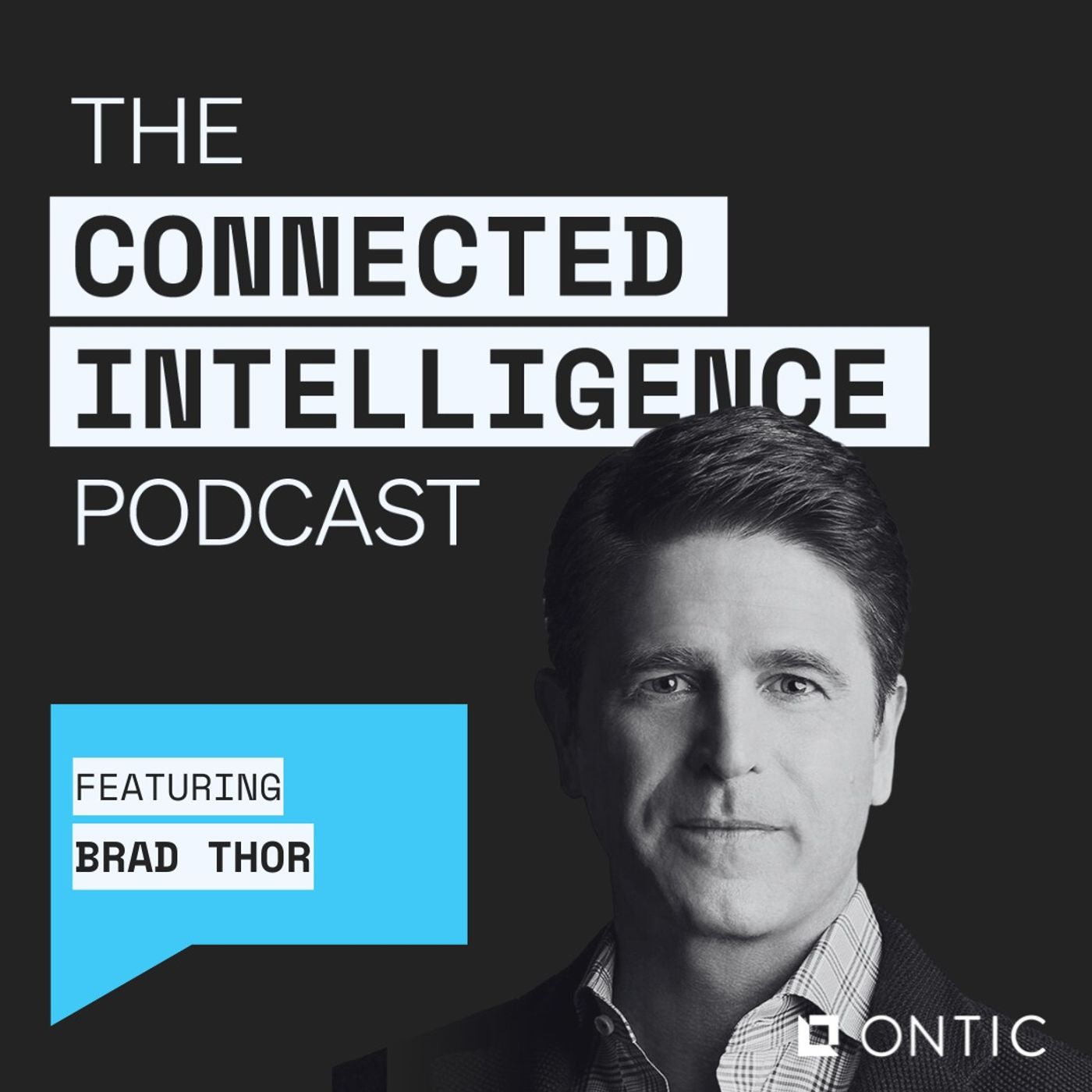
Inside Cold Zero: Brad Thor on Intelligence Operations Gone Wrong
Feb 1800:20:29Tap to summarizeFred Burton sits down with #1 New York Times bestselling author Brad Thor to discuss his latest thriller, Cold Zero. Centered on a CIA extraction gone wrong in the Arctic Circle, the novel explores the realities of modern intelligence operations, global competition, and high-stakes decision-making under extreme pressure. Thor shares the real-world inspiration behind the book, his collaboration with former fighter pilot Ward Larson to ensure operational accuracy, and how today’s fragmented threat environment shaped the story’s geopolitical tensions. The conversation also examines the human element of intelligence work — from trust between allies to making critical calls without complete information.You'll learn:How real-world intelligence tradecraft and CIA extraction operations inspired Cold ZeroWhat happens when intelligence operations go wrong — and how leaders make decisions with incomplete informationWhy trust between partners is the foundation of effective connected intelligence in today’s threat landscapeSign up for our monthly newsletter here.If you’re enjoying this episode, please take a moment to rate and review the show.
Transcribe →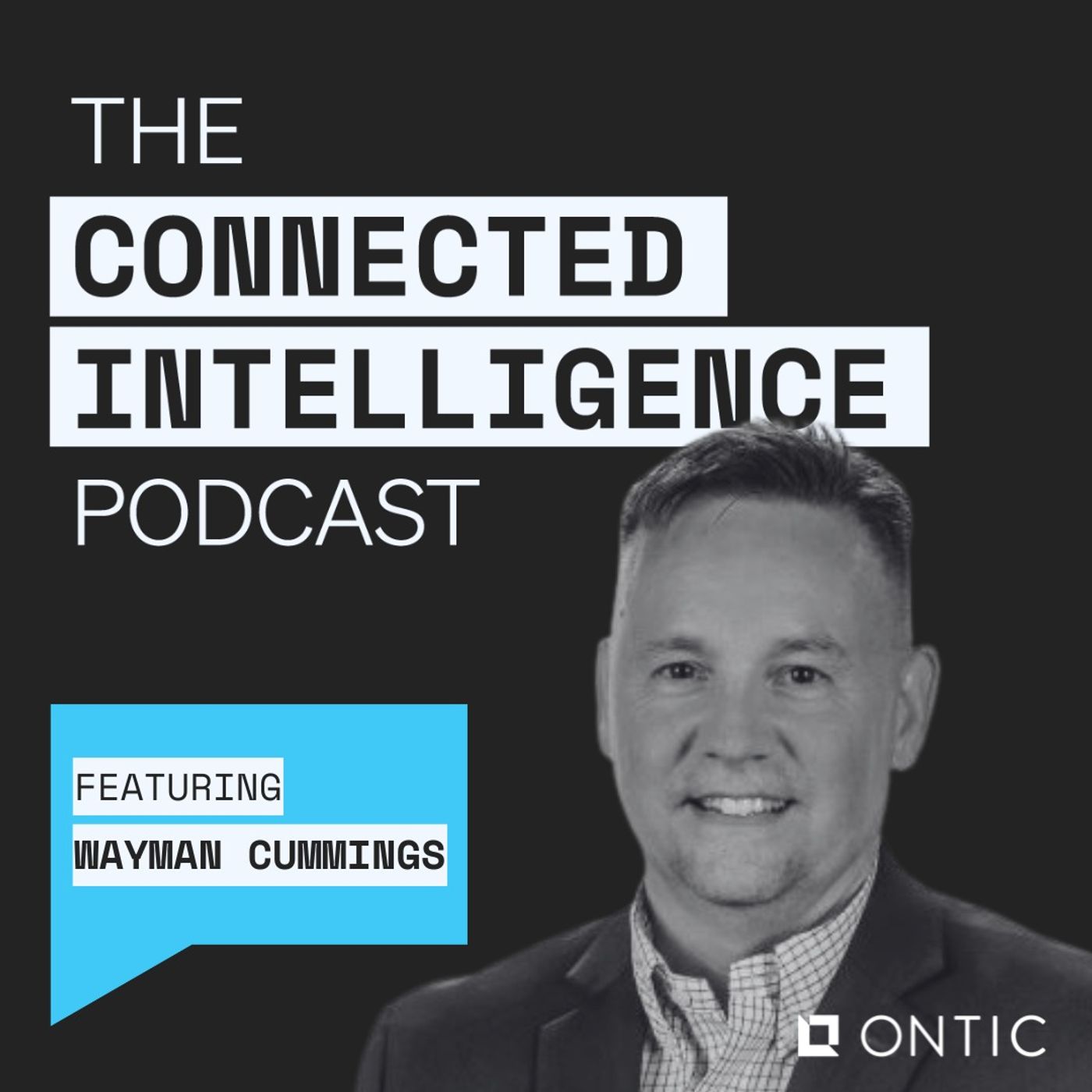
Bridging Cyber and Physical Security in High-Risk Environments with Wayman Cummings
Feb 400:29:14Tap to summarizeManish Mehta sits down with Wayman Cummings, Chief Information Security Officer at Ochsner Health, to explore what cyber-physical security convergence really looks like in practice. Wayman shares how his unconventional path into cybersecurity shaped his leadership style and his perspective on risk in high-stakes environments like healthcare. The conversation dives into insider risk, the role of AI as augmented intelligence, and why most physical threats today begin with digital reconnaissance. Wayman also challenges the idea that convergence is a myth, offering real-world examples of how teams, technology, and trust must come together to make it work. You'll learn: Why convergence fails without people and process alignment Why AI should augment human judgment, not replace it, in security operations How leaders can build credibility, break down silos, and scale security impact in high-risk environments If you’re enjoying this episode, please take a moment to rate and review the show.
Transcribe →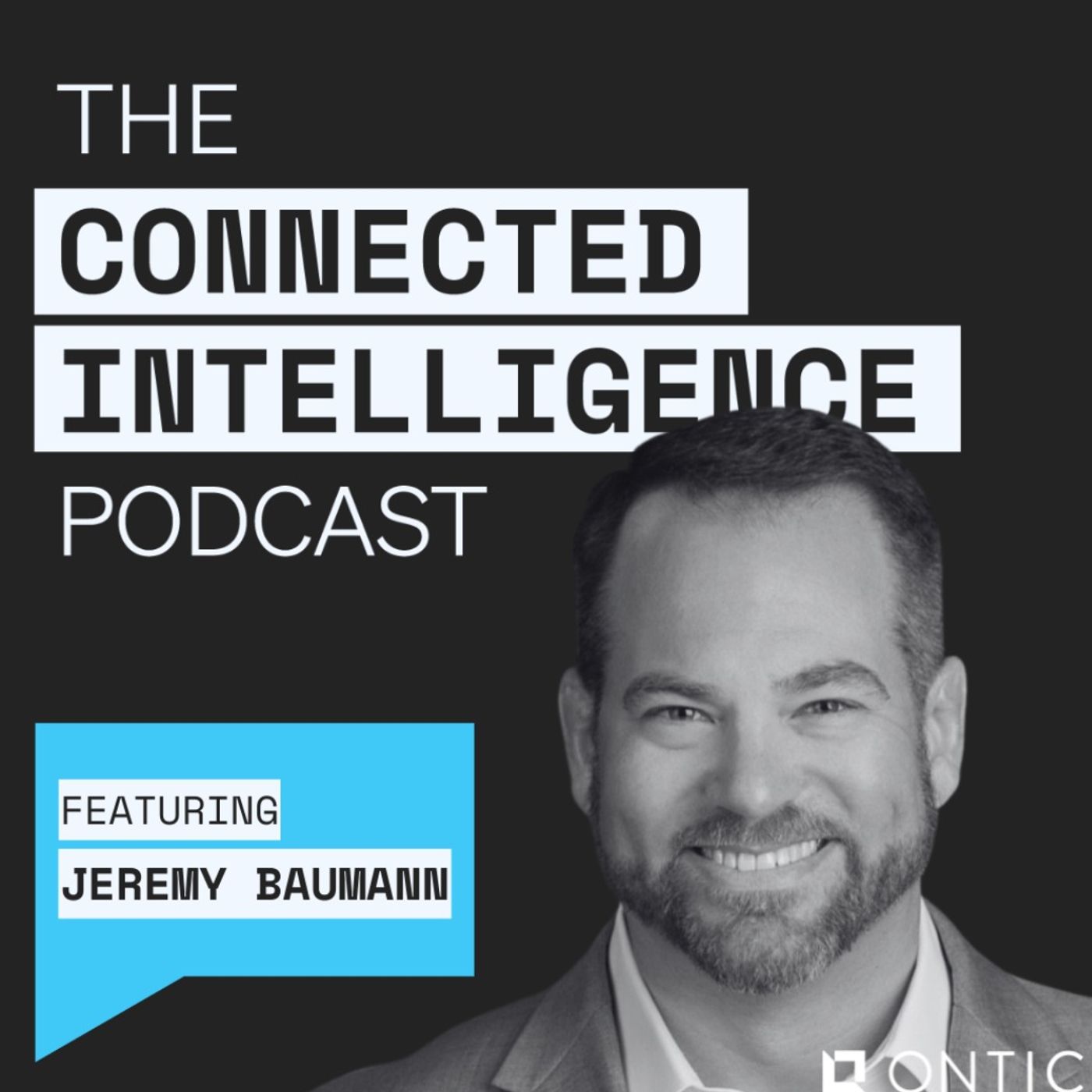
Positioning Security as a Business Enabler: Strategies for Success with Jeremy Baumann
Jan 2100:25:57Tap to summarizeHost Fred Burton sits down with Jeremy Baumann, CEO and founder of Corporate Security Advisors, to explore what it truly means to build high-performing, business-aligned security programs. Drawing on three decades of experience across law enforcement, corporate security, and consulting, Jeremy shares how security leaders can move beyond being seen as a cost center and instead become trusted enablers of business success. Their conversation dives into intelligence-led security, crisis readiness, resilience, and the business acumen today’s CSOs need to thrive in an increasingly complex risk environment.What you'll learn:How to position corporate security as a business enabler that reduces risk while minimizing frictionWhat separates “paper plans” from truly crisis-ready and resilient organizationsWhy intelligence, business fluency, and learning to say yes are critical skills for the next generation of security leadersSign up for our newsletter here.If you’re enjoying this episode, please take a moment to rate and review the show.
Transcribe →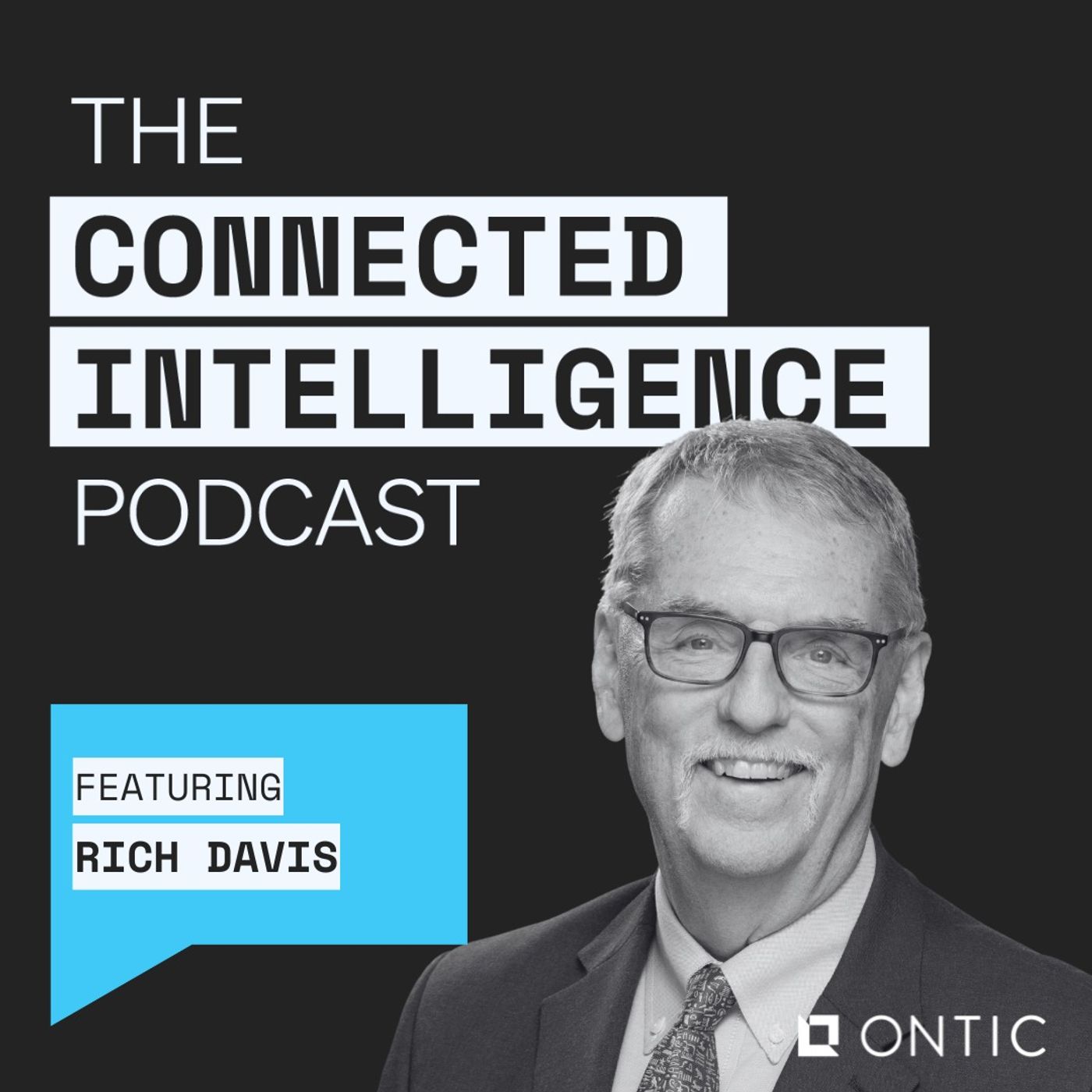
The Evolution of Aviation Security: Managing Risk at a Global Scale with Rich Davis
Jan 700:35:25Tap to summarizeIn this episode, Fred Burton sits down with Rich Davis, former Chief Security Officer of United Airlines, to explore the evolution of aviation security and what it takes to manage risk at a truly global scale. Drawing on decades of leadership experience, Rich shares how collaboration, intelligence sharing, and a strong duty of care mindset have reshaped airline security—and why relationships across the private sector and government remain critical to preventing the next crisis.You'll Learn:How aviation security has evolved in response to global threats and regulatory changeWhy collaboration and trusted relationships are foundational to effective risk managementWhat “duty of care” looks like in practice for organizations with globally mobile workforcesSign up for our newsletter here.If you’re enjoying this episode, please take a moment to rate and review the show.
Transcribe →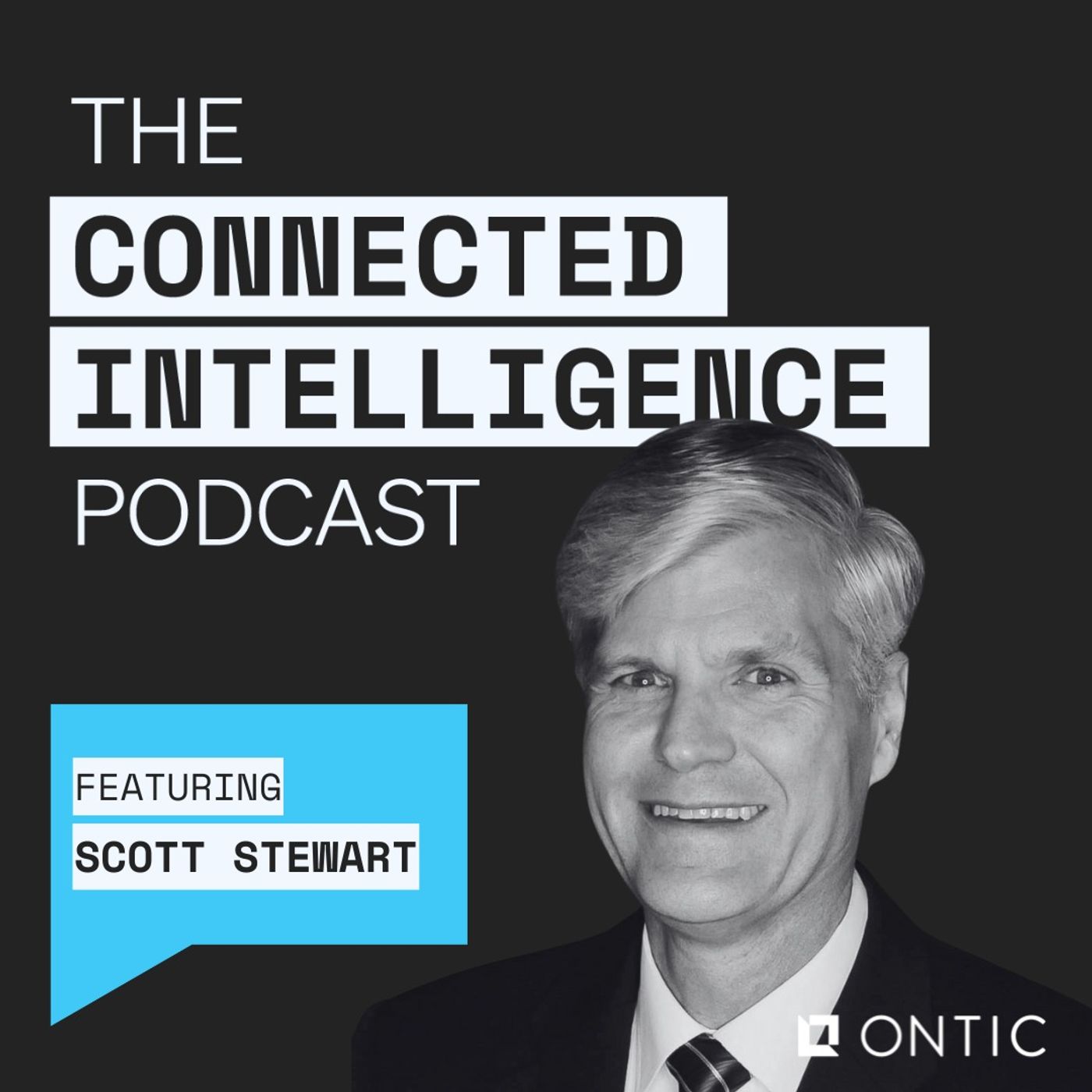
Inside the Surge of Targeted Attacks: What It Means for Executive Protection
Dec 1000:25:33Tap to summarizeHost Fred Burton reunites with longtime colleague Scott Stewart, Vice President of Protective Intelligence at Torchstone Global, to unpack the evolving landscape of executive protection. Drawing on recent high-profile attacks and their own book, The Protective Intelligence Advantage, they explore how threat actors operate, what today’s organizations often overlook, and why simple, time-tested security fundamentals still matter in a technology-driven world. Scott highlights the critical gaps in understanding pre-operational surveillance, digital exhaust, and target selection. Together, they unravel the growing need for protective intelligence programs that blend human expertise with modern tools. What You’ll Learn:Why recent attacks signal a shift in executive protection and the rising importance of protective intelligenceHow pre-operational surveillance, behavioral cues, and digital exhaust reveal attackers’ methodsWhy simple, foundational security practices remain essential even as new technologies transform the fieldLearn more in Ontic Resources here.If you’re enjoying this episode, please take a moment to rate and review the show.
Transcribe →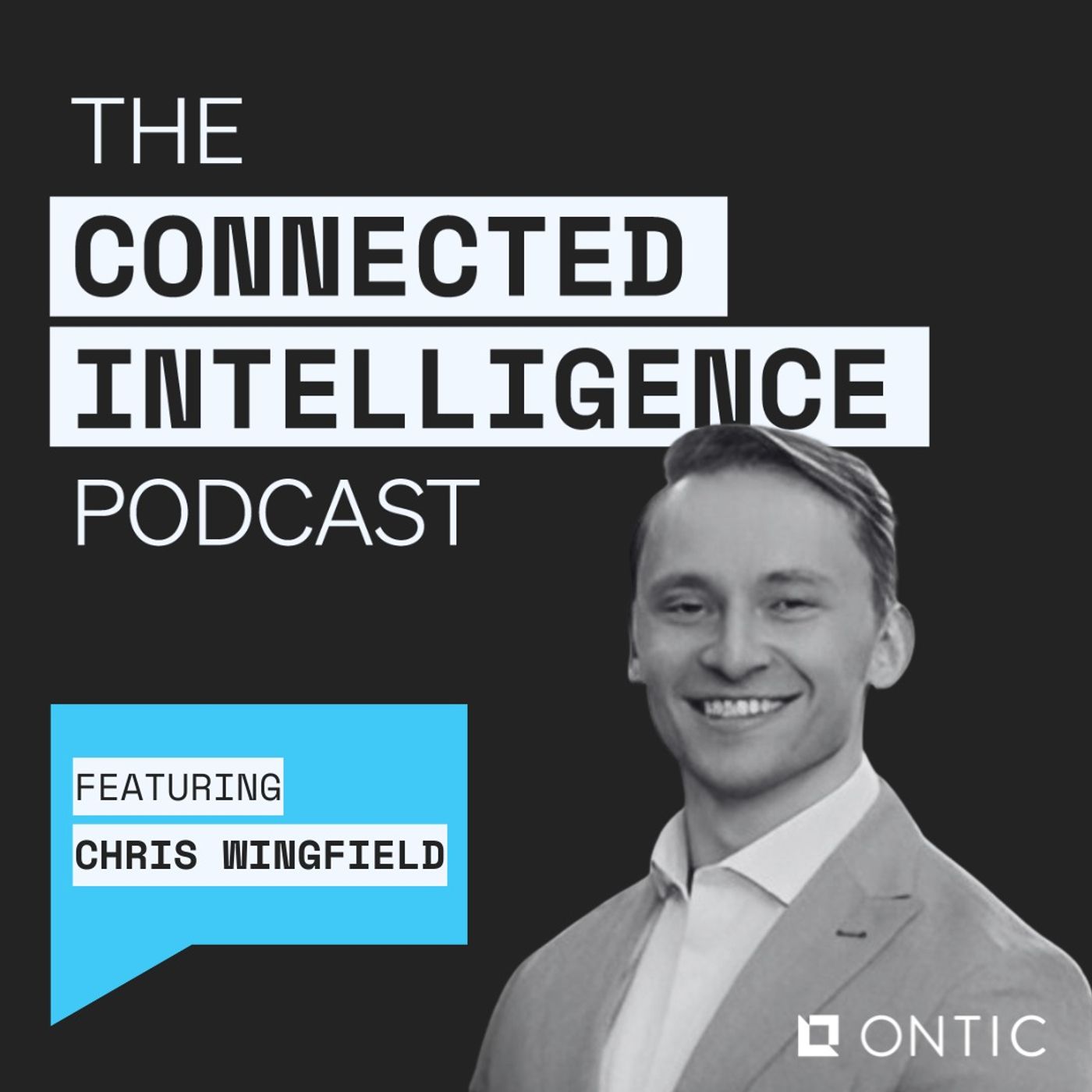
Inside the Adversary Mindset: Building Smarter Protection in a Connected World
Nov 2600:28:24Tap to summarizeOn this episode of the Connected Intelligence Podcast, Manish Mehta sits down with Chris Wingfield, SVP of Innovations at 360Privacy, to explore the evolving landscape of digital targeting and executive protection. Chris shares how his background in intelligence and signals analysis informs his approach to building proactive, AI-driven cyber threat programs that reduce attack surfaces for high-risk individuals and organizations. Together, they unpack the convergence of physical, digital, and cyber security—and why understanding attacker playbooks is essential to getting ahead of modern threats. You'll Learn:How adversaries use AI and publicly available data to rapidly map a target’s digital footprintWhy convergence across physical, cyber, and digital security functions is critical to reducing overall riskReal-world examples of everyday behaviors that unintentionally expose executives and how teams can build proactive, scalable programs to mitigate themTo learn more about our partner program, please contact partners@ontic.co.If you’re enjoying this episode, please take a moment to rate and review the show.
Transcribe →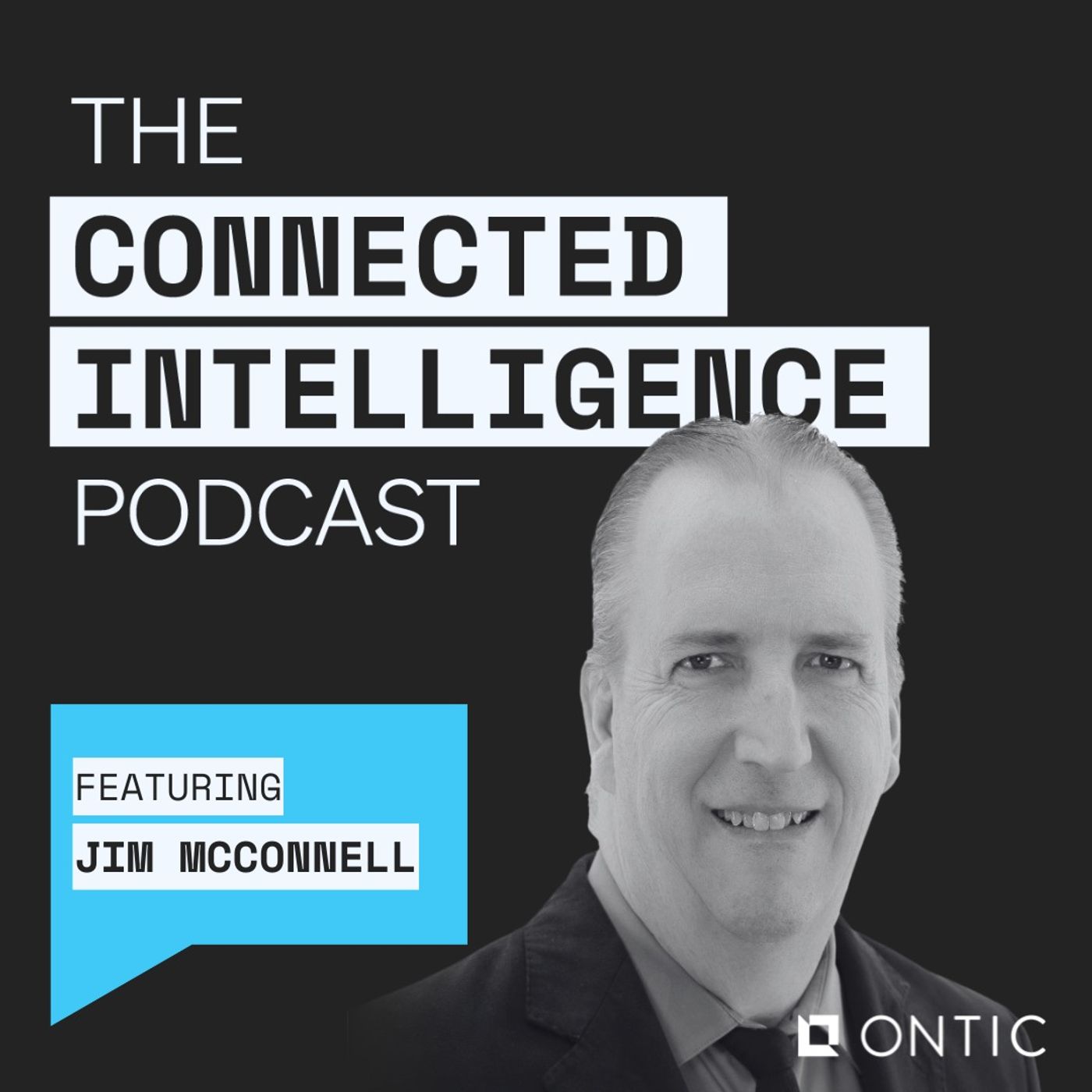
From Statistics to Metrics: Jim McConnell's Guide to Measuring Security's Effectiveness
Nov 1200:31:13Tap to summarizeIn this episode of the Connected Intelligence Podcast, Jim McConnell shares insights from more than three decades in corporate and critical infrastructure security, exploring the evolution of converged security and safety metrics. Together with Manish, he discusses how organizations can move beyond silos to create unified, data-driven security strategies that strengthen both safety and operational resilience. The conversation also dives into the cultural and practical aspects of launching effective metrics programs and how AI will influence the future of security measurement and decision-making.You'll learn:The difference between security and safety metrics—and why both are essential for creating environments where people truly feel safeHow to build a culture of accountability around data by focusing on ownership, simplicity, and readiness before launching a metrics programWays AI can serve as a force multiplier for security professionals, enhancing situational awareness and decision-making across converged environmentsLearn more in Ontic Resources.If you’re enjoying this episode, please take a moment to rate and review the show.
Transcribe →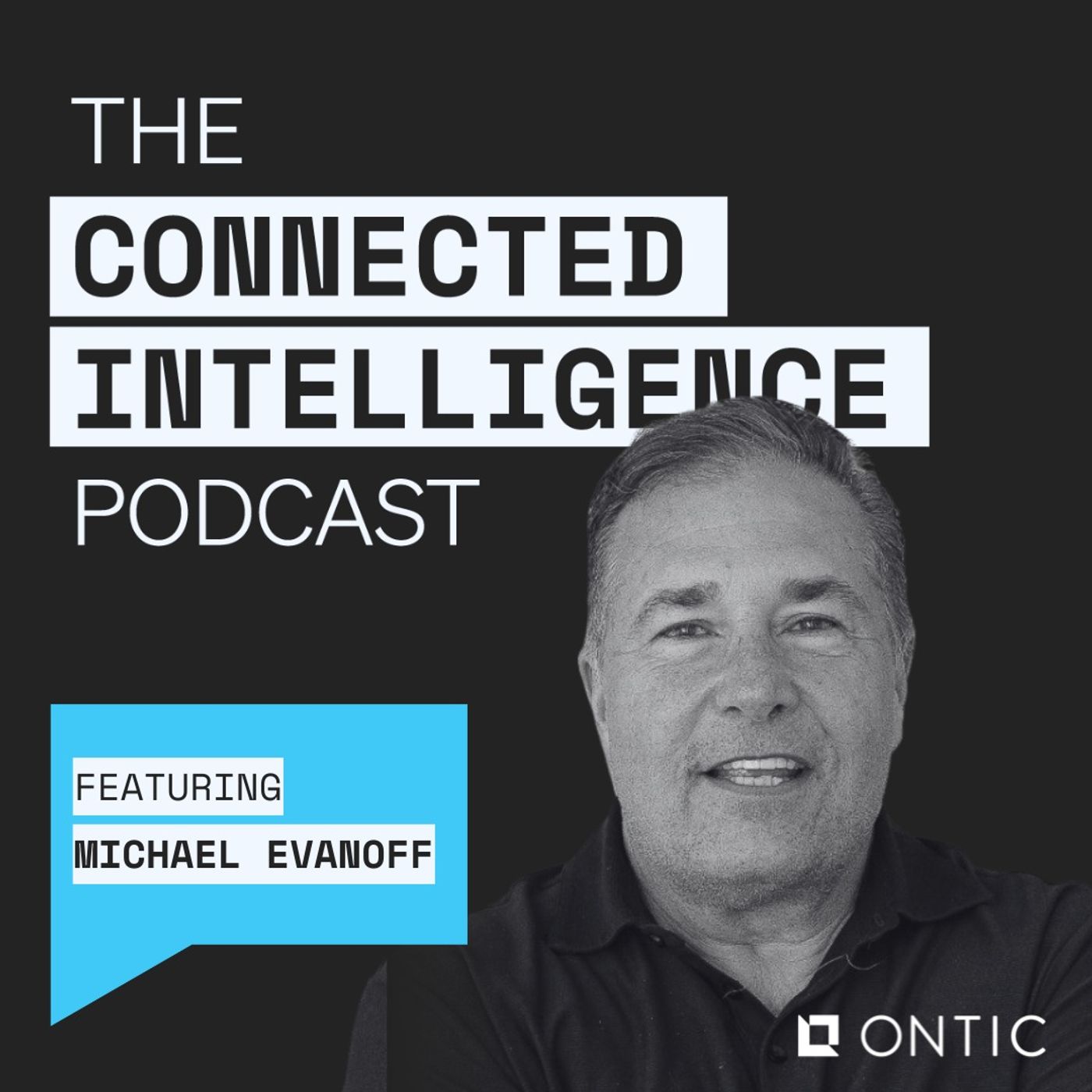
Where Public Meets Private: How Technology Is Shaping the New Era of Protective Intelligence
Oct 2900:31:24Tap to summarizeIn this episode, host Fred Burton and co-host Cindy Marble sit down with Michael Evanoff, CSO at Verkada, to discuss his remarkable career spanning corporate security and diplomatic protection. Evanoff reflects on his experiences at the U.S. Department of State and in the private sector, sharing lessons on leadership, collaboration, and adapting protective strategies across diverse environments. The conversation also explores how modern technologies like AI and cloud-based video systems are revolutionizing threat detection and proactive protection across industries. You'll learn:How Evanoff applied lessons from decades in diplomatic and corporate security to improve collaboration and risk management across organizationsWhy technologies like cloud-based surveillance and AI-driven analytics are game changers for identifying pre-incident behaviors and enhancing real-time situational awarenessWhat the concept of Connected Intelligence means in today’s world of integrated securityLearn more in Ontic Resources.If you’re enjoying this episode, please take a moment to rate and review the show.
Transcribe →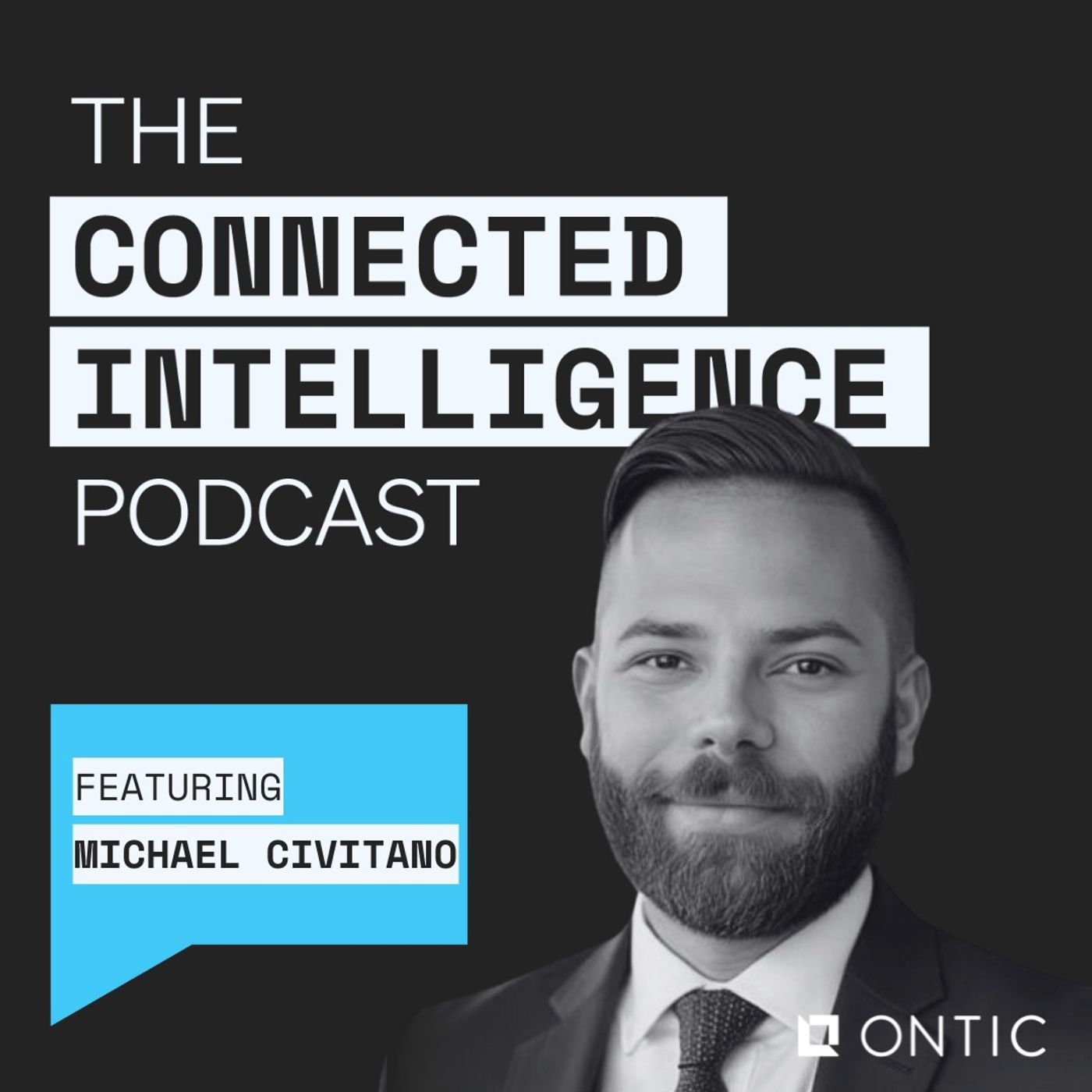
From Reaction to Resilience: Evolving Incident Management with Michael Civitano
Oct 1500:26:02Tap to summarizeIn this episode, Manish speaks with Michael Civitano, Senior Security Manager of Intelligence and GSOC at ServiceNow, about transforming incident management from reactive firefighting to proactive resilience. They unpack how modern GSOCs can streamline incident detection and response through simplified processes, empowered teams, and the strategic use of AI. The discussion also explores how collaboration, adaptability, and data-driven forecasting elevate incident management from an operational function to a vital business enabler.What you'll learn:How to reimagine incident management as an enterprise-wide risk strategy rather than a siloed security processPractical ways to enhance response speed and decision-making through automation, clear playbooks, and human-centered leadershipLessons from real-world crises on staying flexible, maintaining communication, and building trusted cross-functional relationships that drive resilienceLearn more about Ontic's Incident Management solution here.If you’re enjoying this episode, please take a moment to rate and review the show.
Transcribe →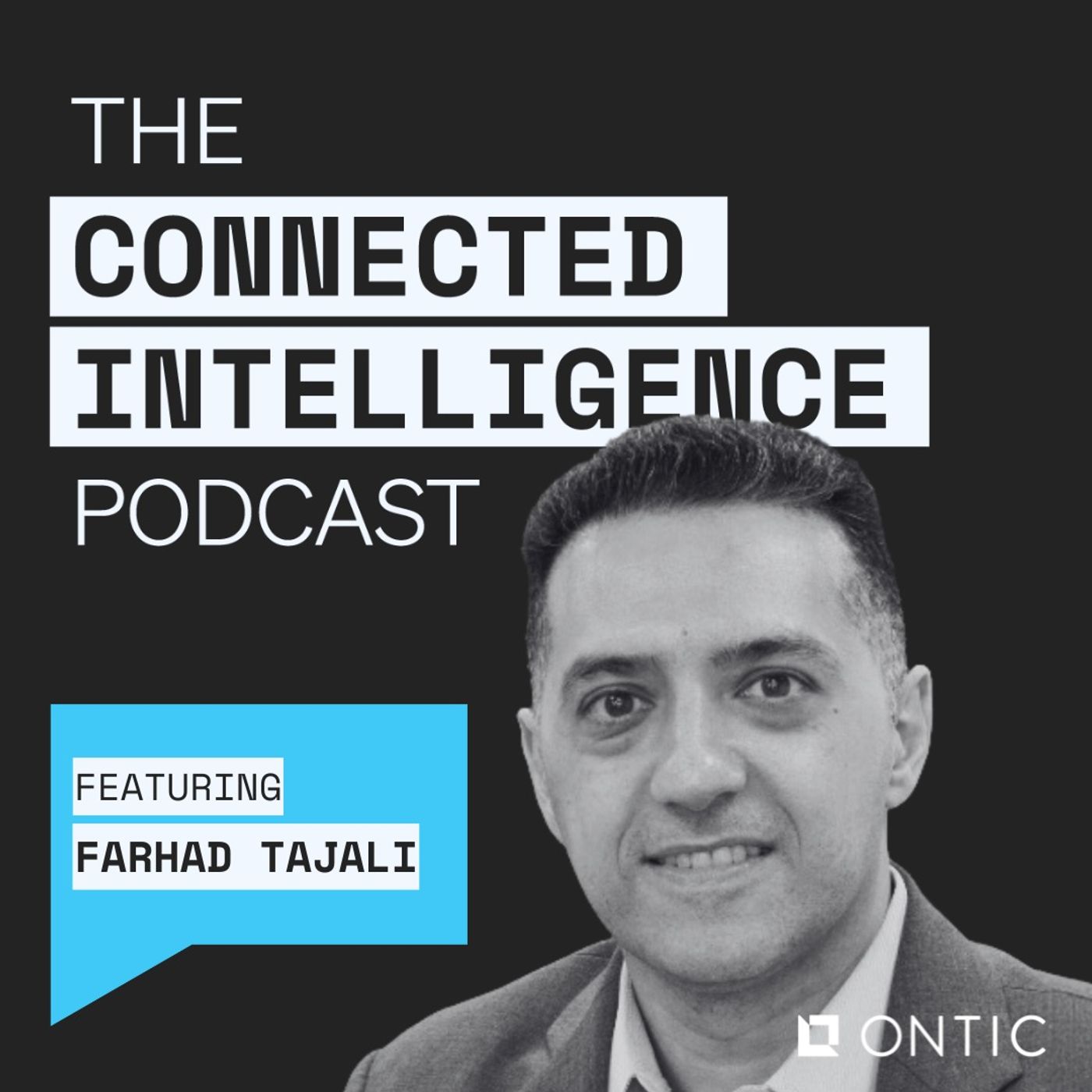
The Role of AI and Data Analytics in Modern Risk Management with Dr. Farhad Tajali
Oct 100:31:50Tap to summarizeIn this episode of the Connected Intelligence Podcast, Dr. Farhad Tajali joins host Manish to explore how AI and data analytics are transforming the future of security. From video analytics that can detect weapons and suspicious behavior to uncovering hidden patterns in access control and incident data, Dr. Tajali explains why these tools are now mission-critical. The conversation also digs into the cultural and knowledge gaps that keep teams from using data effectively — and how leaders can build confidence, create a metrics-driven mindset, and prepare their organizations for a future where technology and human judgment work hand in hand.You'll learn:How Dr. Tajali applies AI and data analytics to strengthen security programs and uncover threat patternsWhy confidence, training, and leadership expectations are essential for building data-driven security teamsPractical steps security professionals can take today to integrate metrics and technology into their daily operationsTake the survey, The State of Data Analytics in Physical Security: Adoption, Challenges & Opportunities, here: https://bit.ly/3WiPpCM
Transcribe →