
Podcast
The Ontic Connected Intelligence Podcast
Hosted by Ontic · EN
Welcome to the Ontic Connected Intelligence Podcast, the show for corporate security professionals who are elevating the practice and perception of security. Whether you’re a seasoned professional or new to the field, our podcast offers valuable insights and practical advice to help you navigate the complexities of modern corporate security. Hosted by Fred Burton and Manish Mehta, our episodes are packed with real-world examples and forward-thinking solutions to help you secure your organization effectively. Whether you're looking to enhance your intelligence-gathering capabilities, build a robust security team, or stay updated on the latest industry trends, this podcast empowers you to make informed decisions and lead with confidence.
Tune in and join us on our mission to keep people safe and make organizations stronger. Subscribe now and never miss an episode.
28episodes
Episodes
Newest firstAll episodes
From Monitoring Hub to Enterprise Nerve Center: Building a Business-First GSOC with Nick Saroka
4w ago00:29:17Tap to summarizeA mature GSOC does far more than monitor alarms. Manish speaks with Nick Saroka, Vice President of Operations at Exlog Global, about turning the GSOC into an enterprise nerve center that supports decisions across the business. Nick explains how teams can connect threat monitoring to organizational objectives, determine when to escalate with incomplete information, and earn credibility through relationships and repeated performance. He also explores AI’s role as a force multiplier for intelligence collection and dissemination while keeping human validation and judgment in the loop. The conversation closes with practical career advice for analysts who want to understand the businesses they protect and create greater organizational value. You'll learn: How to align GSOC intelligence with business objectives and operational decisions What to weigh when moving from monitoring to escalation and action Where AI can accelerate intelligence workflows without replacing human judgment Similar episodes: Building Next-Gen GSOCs with Visa’s Niall Herlehy A Modern Approach to Managing GSOCs with Jesse Leeds Fail Forward: Lessons in Leadership and Innovation with Jacob Valdez Embracing Change in Corporate Security: Strategies for Modernization with Ryan Schonfeld of HiveWatch If you're enjoying this episode, please take a minute to rate and review the show.
Transcribe →
Turning Fragments Into Context: Frank Rodman on Event Security and Protective Intelligence
Jul 100:24:14Tap to summarizeFrank Rodman, CEO and co-founder of Torchstone Global, joins Fred Burton to discuss what it takes to protect people, events, and organizations in an increasingly complex threat environment. Drawing on more than 30 years of experience across the Diplomatic Security Service, corporate security, executive protection, GSOC operations, and major global events, Frank shares lessons from the 1993 World Trade Center bombing investigation, the Tokyo subway sarin attack, Olympic Games, and Super Bowls. The conversation explores why private-sector security depends on influence, coordination, and clear communication, not just authority. Frank also explains how Connected Intelligence helps teams turn fragmented information into the context needed to make better security decisions before risk becomes crisis. You'll learn: How protective intelligence helps teams connect weak signals before a crisis Why major event security requires coordination, red teaming, and thoughtful trade-offs How security leaders can build stronger teams by combining expertise, communication, and business acumen Subscribe to our monthly newsletter here. If you're enjoying this episode, please take a minute to rate and review the show.
Transcribe →
The Physics of Protection: Human Behavior, Risk, and Readiness with Bryan Niederhelm
Jun 1700:40:54Tap to summarizeModern executive protection requires far more than a physical presence. In this episode, Fred Burton speaks with Bryan Niederhelm, Senior Vice President of Threat Assessment and Management at Gavin de Becker & Associates, about the evolving landscape of protective intelligence, threat assessment, and violence prevention. Bryan shares why the fundamentals of human behavior, preparation, and disciplined observation remain critical, even as AI and emerging technologies reshape the security conversation. The discussion also explores how protectors can avoid over-reliance on tools, build curiosity into their work, and better communicate risk to the people they protect. What you'll learn: Why modern protection depends on preparation, mindset, and understanding human behavior How AI, drones, and emerging technologies may influence protective intelligence Why curiosity and humility are essential skills for the next generation of protectors Learn more in Ontic Resources. If you're enjoying this episode, please take a minute to rate and review the show.
Transcribe →
The New Executive Protection Playbook: Why Security Must Converge with Ken Senser
Jun 300:22:38Tap to summarizeThe risk landscape facing corporate leaders has changed dramatically. In this episode, Fred Burton sits down with longtime security executive Ken Senser to discuss how threats have evolved from large-scale physical attacks to today's digitally enabled, grievance-driven risks. Drawing on decades of experience with the CIA, FBI, Walmart, and Corporate Security Advisors, Ken shares his perspective on executive protection, protective intelligence, AI, and the growing convergence of cyber and physical security. The conversation explores what security leaders must do to protect executives, strengthen organizational resilience, and prepare for the future of risk. You'll learn: How executive protection has evolved from physical security to a converged risk discipline Why doxing, swatting, and online radicalization are reshaping threat landscapes How AI will transform both protective intelligence programs and attacker capabilities Subscribe to our monthly newsletter here.
Transcribe →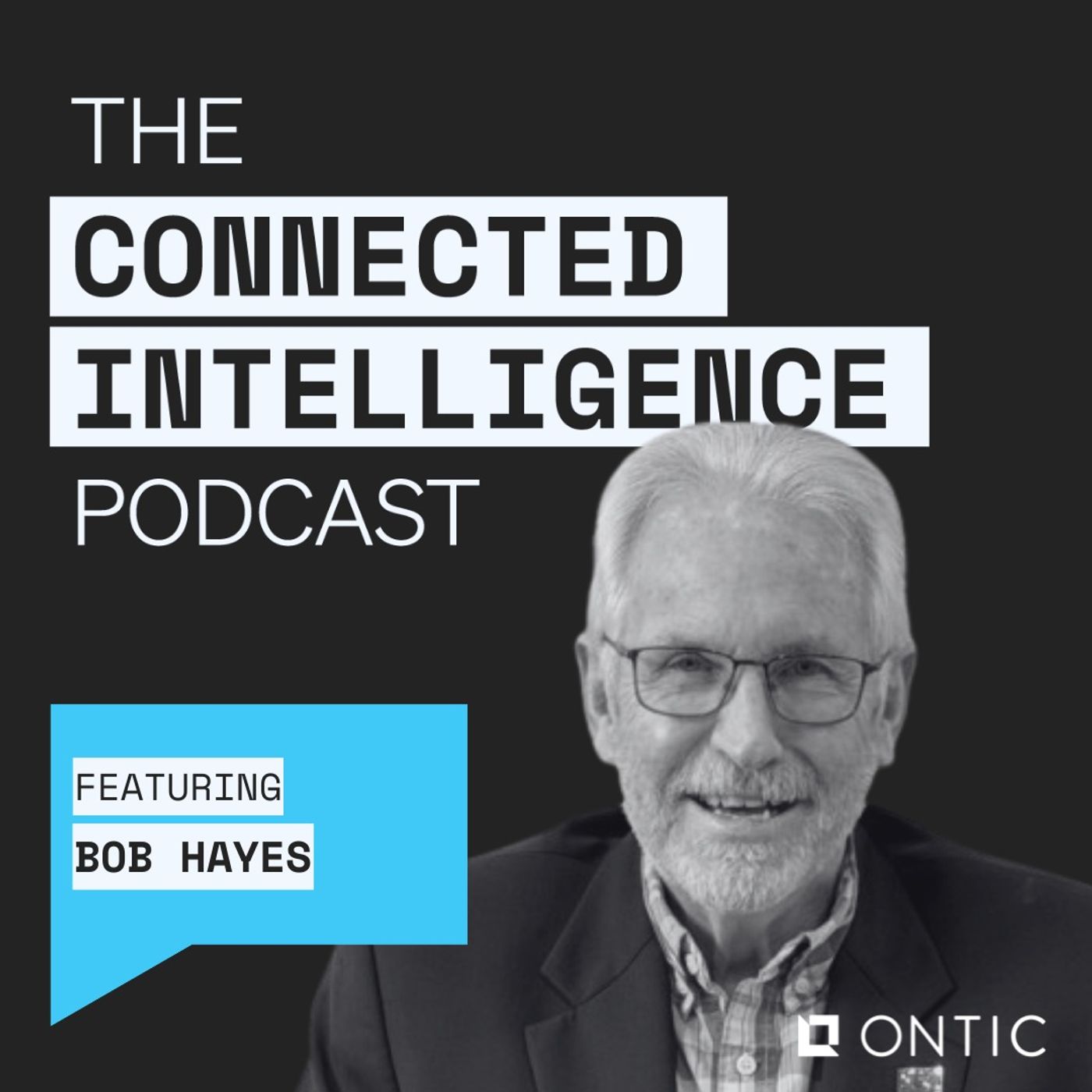
Incivility to Targeting: Bob Hayes on the New Era of Executive Risk
May 1300:26:07Tap to summarizeA growing culture of incivility is reshaping the corporate risk landscape, and security leaders are being forced to adapt quickly. In this episode of the Connected Intelligence Podcast, Fred Burton sits down with Security Executive Council founder Bob Hayes to discuss the research behind rising workplace aggression, executive targeting, activist-driven threats, and the long-term implications for corporate security programs. Bob shares lessons drawn from decades of research and leadership experience, including why organizations often overlook their most probable risks and how security teams can better align intelligence with business action. The conversation also explores the evolution of executive protection and the importance of actionable intelligence in today’s environment. You'll learn: Why workplace incivility is becoming a growing corporate security concern How executive targeting trends are shifting toward activist-driven threats What organizations often miss when assessing executive risk Subscribe to our monthly newsletter here. Resources mentioned in this episode: Beyond Incivility: The Soaring Business Cost of America’s Deteriorating Civility Executive Targeting Report: Analysis of Attacks on Corporate Executives from 2003-2025 If you're enjoying this episode, please take a minute to rate and review the show.
Transcribe →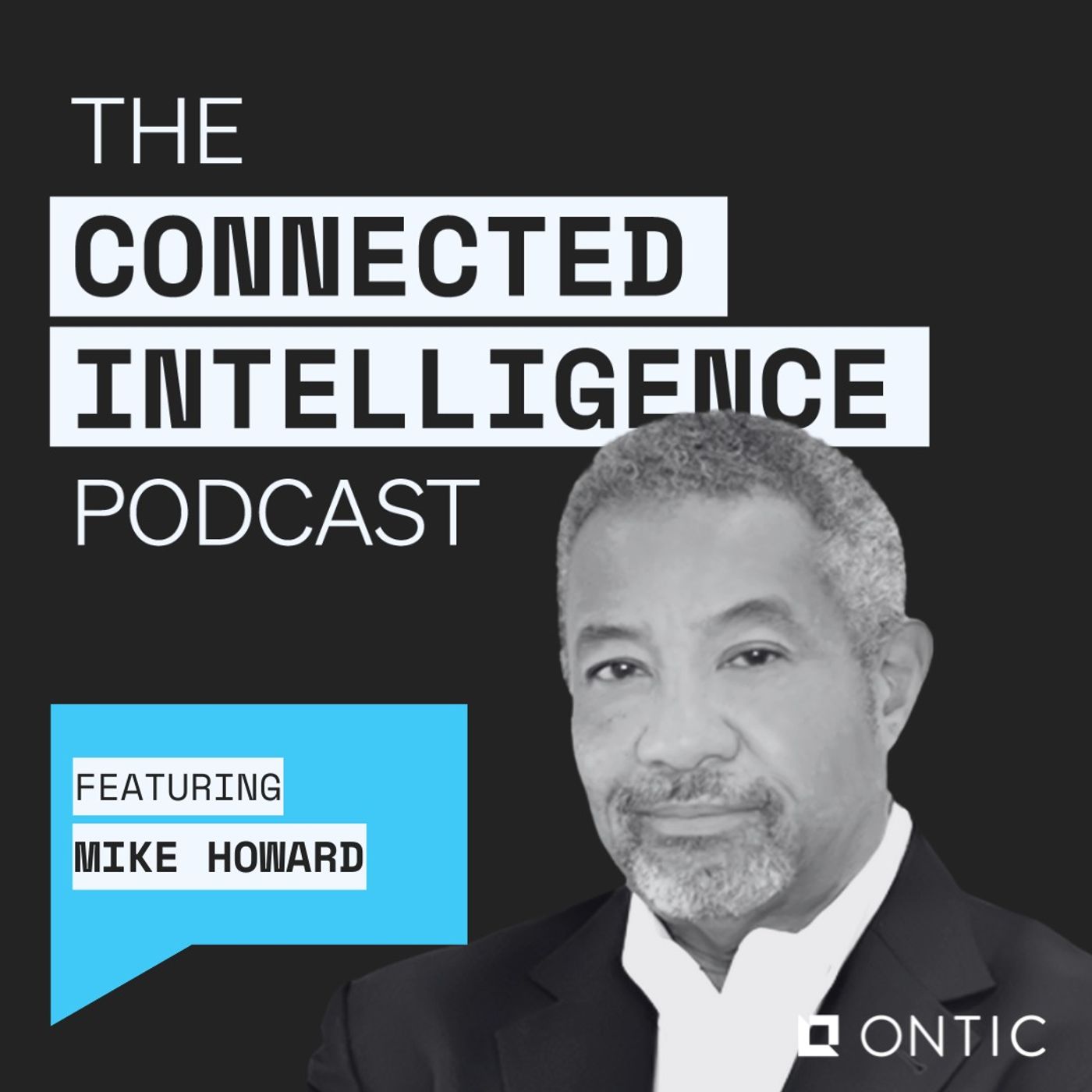
Influence Without Authority: Mike Howard’s Playbook for Modern Security Leaders
Apr 2900:24:37Tap to summarizeTransitioning from the CIA to leading global security at Microsoft is no small leap. Mike Howard shares how he navigated that shift, rebuilt a security program at scale, and learned to influence without authority in the private sector. He reflects on the importance of aligning security with business strategy, building diverse teams to tackle emerging threats, and continuously evolving as a leader. The conversation also explores how security leaders can think more broadly about risk in an increasingly interconnected world. You'll learn: Why influence, not authority, is the most critical skill in corporate security How aligning with business strategy unlocks buy-in and resources The importance of diverse talent in addressing emerging and complex threats Sign up for our monthly newsletter here.
Transcribe →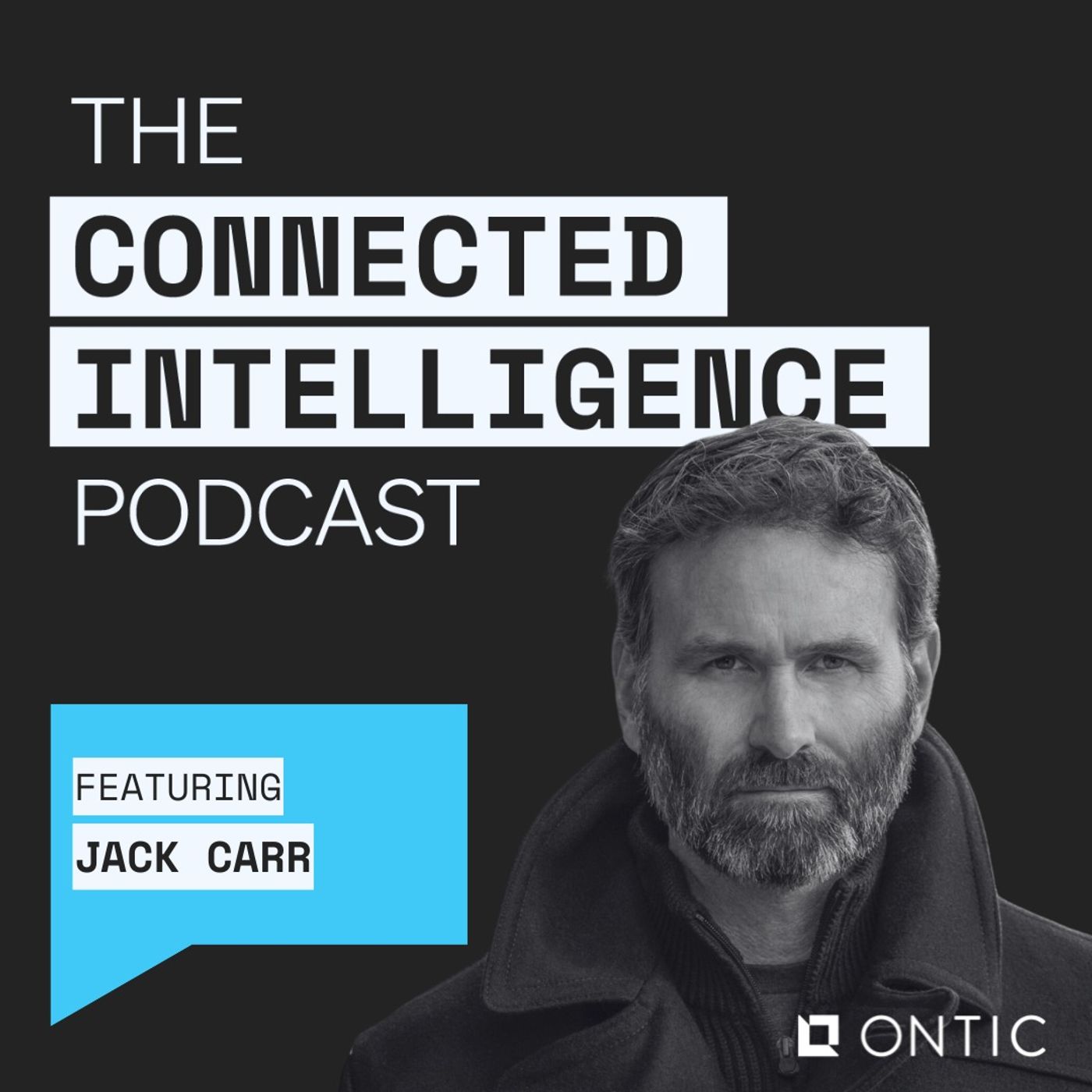
From SEAL Teams to Storytelling: Jack Carr on His Latest Thriller, The Fourth Option
Apr 1500:28:01Tap to summarizeJack Carr returns to the show to discuss his latest novel, The Fourth Option, and the creative journey behind expanding beyond the James Reese universe. Drawing from his experience as a Navy SEAL and his deep passion for storytelling, Jack shares how authenticity, discipline, and relentless curiosity shape his writing. The conversation explores collaboration, the evolution of modern audiences, and the balance between technical accuracy and compelling narrative. Along the way, Jack reflects on the importance of reading, the influence of history, and how stories can build empathy in an increasingly distracted world. You'll learn: How real-world experience informs authentic and compelling storytelling Why reading is foundational to creativity, empathy, and leadership The evolving challenge of capturing attention in a distracted digital world If you're enjoying this episode, please take a minute to rate and review the show.
Transcribe →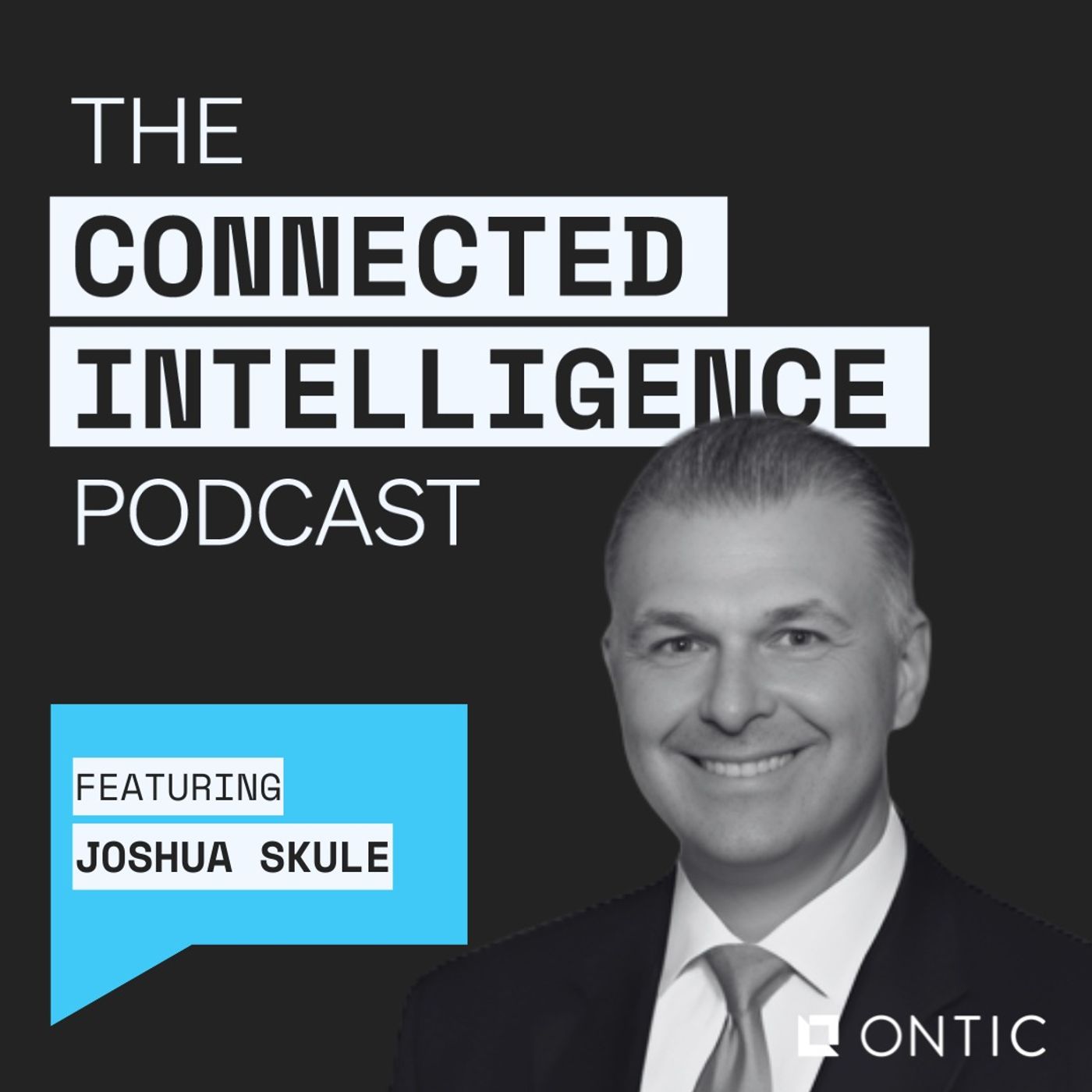
Bridging Government and Private Sector Intelligence with Josh Skule
Apr 100:24:25Tap to summarizeAfter more than two decades in the FBI, including leading its global intelligence program, Josh Skule has seen firsthand how intelligence shapes national security and business risk. In this conversation, he shares lessons from the Bureau, the challenges of transitioning into the private sector, and why collaboration across government and industry is more critical than ever. The discussion explores how organizations can better balance tactical demands with long-term strategy, navigate evolving threats, and build smarter, intelligence-led security programs. It’s a candid look at what it takes to lead in today’s complex risk environment. You'll learn: How to balance immediate threats with long-term intelligence strategy Why information sharing between government and private sector remains challenging How to build a modern, intelligence-led corporate security program If you're enjoying this episode, please take a minute to rate and review the show.
Transcribe →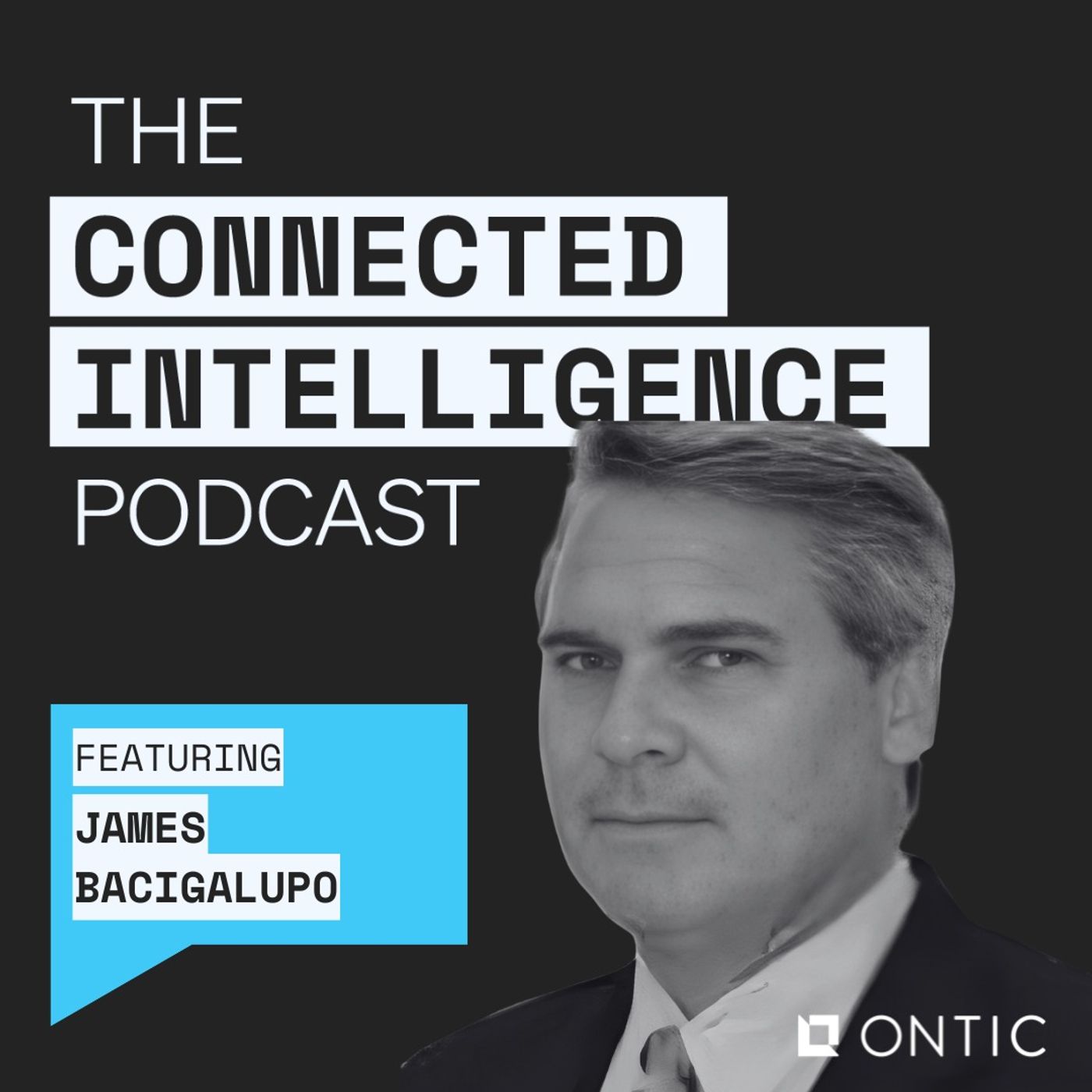
How Intelligence Shapes Modern Corporate Risk Management with Jim Bacigalupo
Mar 1800:22:06Tap to summarizeWhat does it take to lead security operations at the highest levels—from protecting U.S. diplomats overseas to safeguarding a global financial institution? In this episode, Fred Burton sits down with Jim Bacigalupo, former Diplomatic Security Service leader and current corporate security executive, to discuss the transition from government security operations to the private sector. Jim shares lessons from managing large-scale embassy security programs, building modern GSOCs, and navigating the evolving risk landscape inside global financial institutions. The conversation explores the role of intelligence, technology, and leadership in proactive security programs—and why the human factor still matters most. You'll learn: • How government security experience translates into corporate security leadership • What “good” looks like in a modern GSOC and intelligence program • Why effective security programs combine technology with strong human analysis Learn more in Ontic Resources. If you're enjoying the show, take a minute to rate and review.
Transcribe →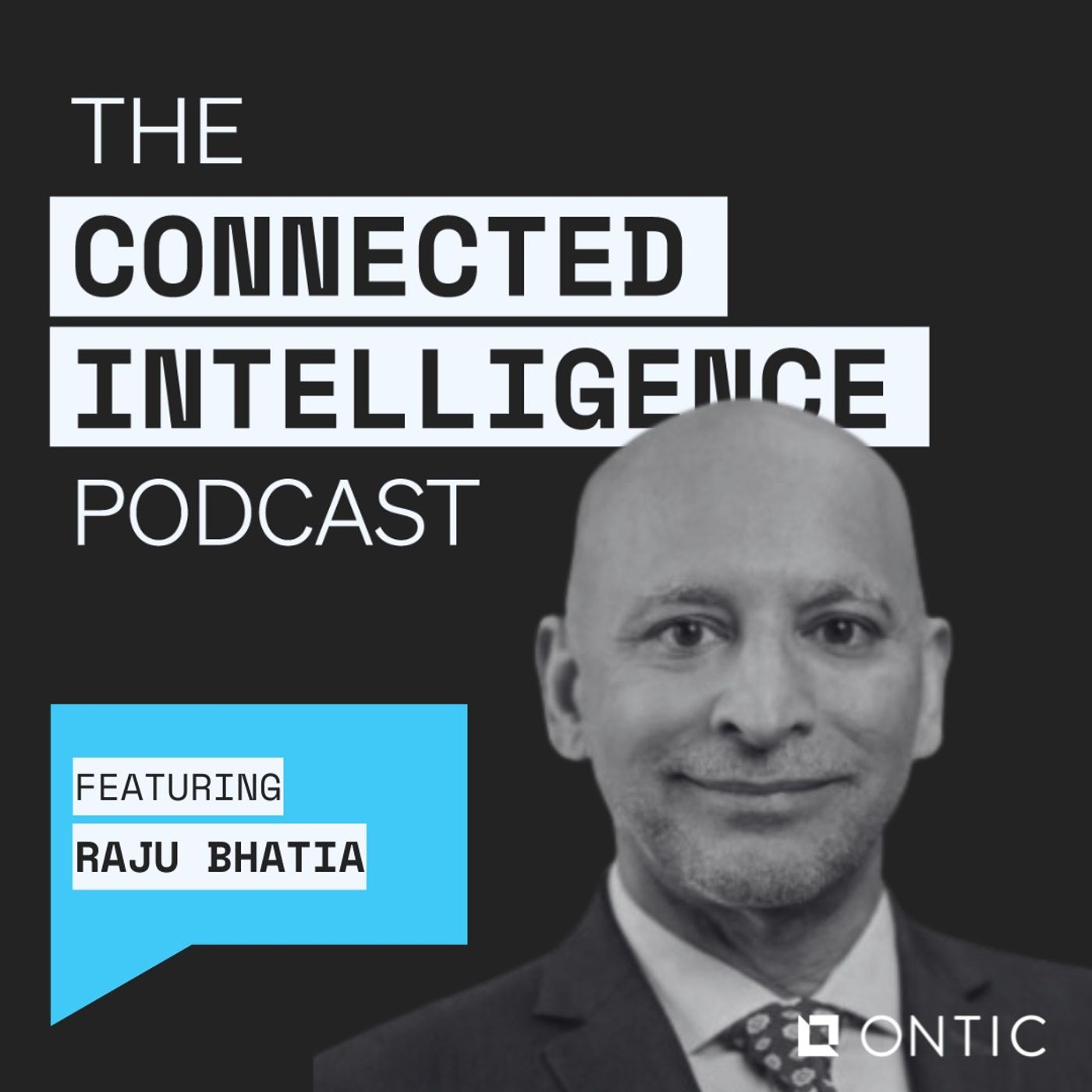
Leading with Intelligence: A CSO’s Playbook for Proactive Security
Mar 400:33:19Tap to summarizeIn this episode, Manish sits down with Raju Bhatia, Chief Security Officer at Regions Bank. With more than 25 years of experience — including two decades with the FBI and senior corporate security leadership at Bank of America — Raj shares how his career evolved from federal investigations to leading intelligence-driven security programs in the private sector. He unpacks what it takes to move from reactive response to proactive prevention, how to break down silos in large organizations, and why duty of care must be embedded into business strategy — not treated as a standalone function. You’ll learn: How to transition from reactive security to an intelligence-led, proactive model that mitigates incidents before they escalate What it takes to influence up, across, and down — and speak the language of the business as a modern CSO How to build a culture of safety and duty of care that protects people, brand, and enterprise value in today’s dynamic threat environment Similar episodes: Strengthening Financial Services Against Evolving Threats: Insights from Bert Oliveira Positioning Security as a Business Enabler: Strategies for Success with Jeremy Baumann Inside the Adversary Mindset: Building Smarter Protection in a Connected World If you're enjoying this episode, please take a moment to rate and review the show.
Transcribe →