
Podcast
The Peterman Pod
Hosted by Ryan Peterman · EN
Sharing the transparent career stories of technical people. Hosted by an ex-Staff engineer at Instagram
24episodes
Episodes
Newest firstAll episodes
Creator of Lua: Scripting, Programming Languages, Predictions | Roberto Ierusalimschy
5d ago01:05:16Tap to summarizeRoberto Ierusalimschy is the creator of the Lua programming language. I interviewed him about Lua's unique strengths, programming language design and predictions for how AI will impact programming languages.• My ergonomic keyboard project I mentioned, you can follow along here: https://read.compose.llc/• The Kickstarter page for it: https://www.kickstarter.com/projects/ryanlpeterman/compose-simple-ergonomics-beautifully-donePodcast links:• YouTube: https://youtu.be/jCZnFKk6M9A• Apple: https://podcasts.apple.com/us/podcast/the-peterman-pod/id1777363835• Transcript: https://www.developing.dev/p/creator-of-lua-scripting-programmingThank you to this episode's sponsor for supporting my work:• WorkOS: makes your app Enterprise Ready with easy to use APIs to add SSO, SCIM, RBAC, and more in just a few lines of code, check them out at https://workos.com/Timestamps:(00:00) Intro(00:43) What sets Lua apart(08:35) Comparing Lua with Python(13:04) Top book recommendation on language design(14:20) How JIT works and why it is hard(23:21) Compiling Python and interpreting C(30:31) How cross language calls work(36:58) Lua unique design decisions(51:17) Predictions for AIs impact on languages(01:00:10) Top 3 languages to learn to become a better engineer(01:03:21) Advice for his younger self(01:04:19) OutroWhere to find Roberto:• Website: https://www.inf.puc-rio.br/~roberto/• Wikipedia: https://en.wikipedia.org/wiki/Roberto_IerusalimschyWhere to find Ryan:• Newsletter: https://www.developing.dev/• X/Twitter: https://x.com/ryanlpeterman• LinkedIn: https://www.linkedin.com/in/ryanlpeterman/• Threads: https://www.threads.com/@ryanlpeterman• Instagram: https://www.instagram.com/ryanlpeterman• TikTok: https://www.tiktok.com/@ryanlpetermanReferenced in this episode:• The Evolution of Lua: https://www.lua.org/doc/hopl.pdf• LuaJIT: https://luajit.org/• How much does it cost: https://www.youtube.com/watch?v=EUvgoxBm7uc• JavaScript: The Good Parts (not an affiliate link): https://www.amazon.com/dp/0596517742
Transcribe →
Turing Award Winner: Early AI, LLM Predictions, Causality | Judea Pearl
2w ago01:27:33Tap to summarizeJudea Pearl is a Turing Award winner and a pioneer in artificial intelligence and causal reasoning. We talked about how he got into science, his major breakthroughs and his predictions for AI today.• My ergonomic keyboard project I mentioned, you can follow along here: https://read.compose.llc/• The Kickstarter page for it: https://www.kickstarter.com/projects/ryanlpeterman/compose-simple-ergonomics-beautifully-donePodcast links:• YouTube: https://youtu.be/FleTXB1fAcQ• Apple: https://podcasts.apple.com/us/podcast/the-peterman-pod/id1777363835• Transcript: https://www.developing.dev/p/turing-award-winner-early-ai-llmThank you to this episode's sponsor for supporting my work:• WorkOS: makes your app Enterprise Ready with easy to use APIs to add SSO, SCIM, RBAC, and more in just a few lines of code, check them out at https://workos.com/Timestamps:(00:00) Intro(00:54) How he got into AI(11:17) Greatest scientist of all time(20:15) What people thought of AI in the 80s(26:23) Entering academia and researching AI(34:52) The invention of Bayesian networks(46:28) Pioneering work in causality(55:38) The causal hierarchy(59:34) LLMs and predictions(01:20:12) A restless mind pays(01:24:36) Advice for his younger self(01:26:37) OutroWhere to find Judea:• X/Twitter: https://twitter.com/yudapearl• Website: https://bayes.cs.ucla.edu/jp_home.html• Wikipedia: https://en.wikipedia.org/wiki/Judea_PearlWhere to find Ryan:• Newsletter: https://www.developing.dev/• X/Twitter: https://x.com/ryanlpeterman• LinkedIn: https://www.linkedin.com/in/ryanlpeterman/• Threads: https://www.threads.com/@ryanlpeterman• Instagram: https://www.instagram.com/ryanlpeterman• TikTok: https://www.tiktok.com/@ryanlpetermanReferenced in this episode:• The Book of Why: https://en.wikipedia.org/wiki/The_Book_of_Why• Bayesian networks: https://en.wikipedia.org/wiki/Bayesian_network• Alpha-beta pruning: https://en.wikipedia.org/wiki/Alpha%E2%80%93beta_pruning• Pearl vortex: https://en.wikipedia.org/wiki/Pearl_vortex• Graphoid: https://en.wikipedia.org/wiki/Graphoid• Causality: Models, Reasoning, and Inference: https://en.wikipedia.org/wiki/Causality_(book)• Coexistence and Other Fighting Words: Selected Writings of Judea Pearl, 2002–2025: https://bayes.cs.ucla.edu/COEXISTENCE/
Transcribe →
Creator of OCaml: Functional Programming, Formal Verification, Programming Languages | Xavier Leroy
3w ago01:24:27Tap to summarizeXavier Leroy (creator of OCaml) is an expert in compilers, formal verification of software and functional programming. This interview should be an approachable resource if you're curious about formal verification of software since I was learning that on the fly during it.• My ergonomic keyboard project I mentioned, you can follow along here: https://read.compose.llc/• The Kickstarter page for it: https://www.kickstarter.com/projects/ryanlpeterman/compose-simple-ergonomics-beautifully-donePodcast links:• YouTube: https://youtu.be/9Cswiqrq6So• Apple: https://podcasts.apple.com/us/podcast/the-peterman-pod/id1777363835• Transcript: https://www.developing.dev/p/creator-of-ocaml-functional-programmingThank you to this episode's sponsor for supporting my work:• WorkOS: makes your app Enterprise Ready with easy to use APIs to add SSO, SCIM, RBAC, and more in just a few lines of code, check them out at https://workos.com/Timestamps:(00:00) Intro(00:43) What sets OCaml apart(04:39) OCaml vs Rust(07:57) Why is manual memory management more performant(11:21) Javascript vs OCaml(14:00) Famous Rob Pike quote(16:05) Type inference and how it works(22:12) What is formal verification and how does it work(40:07) What made multicore support difficult for OCaml(50:17) How programming languages interface and call each other(57:41) The danger of almost-correct LLM code(01:05:39) How LLMs will change programming languages(01:10:26) Industry vs academia(01:15:05) Most interesting unsolved problems(01:18:30) Top book recommendations for engineers(01:21:17) Advice for his younger self(01:23:31) OutroWhere to find Xavier:• Wikipedia: https://en.wikipedia.org/wiki/Xavier_Leroy• Website: https://xavierleroy.org/Where to find Ryan:• Newsletter: https://www.developing.dev/• X/Twitter: https://x.com/ryanlpeterman• LinkedIn: https://www.linkedin.com/in/ryanlpeterman/• Threads: https://www.threads.com/@ryanlpeterman• Instagram: https://www.instagram.com/ryanlpeterman• TikTok: https://www.tiktok.com/@ryanlpetermanReferenced in this episode:• CompCert verified C compiler: https://compcert.org/• seL4 microkernel: https://sel4.systems/• Programming Pearls (book, not an affiliate link): https://www.amazon.com/dp/0201657880• How to Design Programs (book): https://htdp.org/
Transcribe →
Turing Award Winner: TPU vs GPU vs CPU, Computer Architecture, RISC vs CISC | David Patterson
4w ago00:59:11Tap to summarizeDavid Patterson is a Turing Award winner famous for his contributions to computer architecture. I interviewed him about his past work, thoughts on GPU/TPUs and career advice from half a century of experience.• My ergonomic keyboard project I mentioned, you can follow along here: https://read.compose.llc/• The Kickstarter page for it: https://www.kickstarter.com/projects/ryanlpeterman/compose-simple-ergonomics-beautifully-donePodcast links:• YouTube: https://youtu.be/Pn4ZwlEh5nw• Apple: https://podcasts.apple.com/us/podcast/the-peterman-pod/id1777363835• Transcript: https://www.developing.dev/p/turing-award-winner-tpu-vs-gpu-vs?r=n49kyTimestamps:(00:00) Intro(00:42) RISC vs CISC(12:51) Compilers(17:38) GPUs(23:07) GPU vs TPU vs CPU(32:12) Is Moores law dead?(38:04) GPU benchmarks(41:40) How to have a bad career(49:59) Courage and optimism(55:56) Advice for his younger self(58:15) OutroWhere to find David:• Wikipedia: https://en.wikipedia.org/wiki/David_Patterson_(computer_scientist)Where to find Ryan:• Newsletter: https://www.developing.dev/• X/Twitter: https://x.com/ryanlpeterman• LinkedIn: https://www.linkedin.com/in/ryanlpeterman/• Threads: https://www.threads.com/@ryanlpeterman• Instagram: https://www.instagram.com/ryanlpeterman• TikTok: https://www.tiktok.com/@ryanlpetermanReferenced in this episode:• AlexNet paper: https://proceedings.neurips.cc/paper_files/paper/2012/file/c399862d3b9d6b76c8436e924a68c45b-Paper.pdf• David Patterson's “How to Have a Bad Career” talk: https://www.youtube.com/watch?v=Rn1w4MRHIhc• “Life Lessons from the First Half-Century of My Career”: https://cacm.acm.org/opinion/life-lessons-from-the-first-half-century-of-my-career/• The 7 Habits of Highly Effective People (book): https://en.wikipedia.org/wiki/The_7_Habits_of_Highly_Effective_People• Working (book): https://en.wikipedia.org/wiki/Working_(Terkel_book)
Transcribe →
Turing Award Winner: NSA, Public Key Cryptography, Crypto Wars | Martin Hellman
Jul 601:01:41Tap to summarizeMartin Hellman is a Turing Award winner who helped to invent public-key cryptography against the NSA's wishes. I interviewed him all about his work and why it broke the law at the time.• My ergonomic keyboard project I mentioned, you can follow along here: https://read.compose.llc/• The Kickstarter page for it: https://www.kickstarter.com/projects/ryanlpeterman/compose-simple-ergonomics-beautifully-donePodcast links:• YouTube: https://youtu.be/AZLOETBCQM4• Apple: https://podcasts.apple.com/us/podcast/the-peterman-pod/id1777363835• Transcript: https://www.developing.dev/p/turing-award-winner-nsa-public-keyThank you to this episode's sponsor for supporting my work:• WorkOS: makes your app Enterprise Ready with easy to use APIs to add SSO, SCIM, RBAC, and more in just a few lines of code, check them out at https://workos.com/Timestamps:(00:00) Intro(00:34) Why his work broke the law(08:39) How people did encryption before(18:51) The crypto wars(26:22) The story behind Diffie Hellman key exchange(36:48) Signatures vs key exchange(43:05) RSA patent wars(48:08) Why inventions happen at similar times(50:29) What he worked on after cryptography(57:31) His thoughts on death(59:40) Advice for his younger self(01:00:45) OutroWhere to find Martin:• Wikipedia: https://en.wikipedia.org/wiki/Martin_Hellman• Website: https://ee.stanford.edu/~hellman/Where to find Ryan:• Newsletter: https://www.developing.dev/• X/Twitter: https://x.com/ryanlpeterman• LinkedIn: https://www.linkedin.com/in/ryanlpeterman/• Threads: https://www.threads.com/@ryanlpeterman• Instagram: https://www.instagram.com/ryanlpeterman• TikTok: https://www.tiktok.com/@ryanlpetermanReferenced in this episode:• Martin Hellman's “The Evolution of Public Key Cryptography”: https://www.youtube.com/watch?v=Tev3tVzH91s• Keys Under Doormats: https://cacm.acm.org/opinion/keys-under-doormats/• Cryptography's Role in Securing the Information Society (CRISIS report): https://nap.nationalacademies.org/catalog/5131/cryptographys-role-in-securing-the-information-society• Secure Communications Over Insecure Channels: https://doi.org/10.1145/359460.359473• New Directions in Cryptography: https://doi.org/10.1109/TIT.1976.1055638
Transcribe →
MIT Complexity Theorist: Why You Can Do Better Than “Optimal” On Leetcode & SAT | Ryan Williams
Jun 2901:12:52Tap to summarizeRyan Williams is a professor at MIT and the winner of the Gödel Prize in theoretical computer science. I interviewed him all about his work starting by asking him a popular Leetcode question (3 SUM).Correction: In this podcast I say "lower bound" when I mean "upper bound" and vice versa. Was speaking using the intuition that lower is better for running time. In reality, the accurate usage is:"Lower bound" = A proven floor for a problem e.g. "no algorithm can possibly be faster""Upper bound" = A proven ceiling for a specific solution e.g. "there exists an algorithm this fast"Professor Williams answers as if I spoke accurately so the error didn't impact the flow of conversation. Just a correction for the record• My ergonomic keyboard project I mentioned, you can follow along here: https://read.compose.llc/• The Kickstarter page for it: https://www.kickstarter.com/projects/ryanlpeterman/compose-simple-ergonomics-beautifully-donePodcast links:• YouTube: https://youtu.be/AaK1SL2i_4Y• Apple: https://podcasts.apple.com/us/podcast/the-peterman-pod/id1777363835• Transcript: https://www.developing.dev/p/mit-complexity-theorist-on-leetcodeThank you to this episode's sponsor for supporting my work:• WorkOS: makes your app Enterprise Ready with easy to use APIs to add SSO, SCIM, RBAC, and more in just a few lines of code, check them out at https://workos.com/Timestamps:(00:00) Intro(00:41) Asking him a popular Leetcode question(03:54) Doing better than the popular optimal solution(08:26) Fine grained complexity(17:00) A severe strengthening of P vs NP(24:38) SAT problems and solvers(34:51) Hot takes on famous open questions(46:57) Simulating space with time(01:01:02) Why he solves hard problems(01:02:35) How to pick good research direction(01:07:14) Technical book recommendations(01:08:31) Advice for his younger self(01:11:56) OutroWhere to find Ryan:• Wikipedia: https://en.wikipedia.org/wiki/Ryan_Williams_(computer_scientist)• Website: https://people.csail.mit.edu/rrw/• LinkedIn: https://www.linkedin.com/in/r-ryan-williams-a1b534a/• X/Twitter: https://twitter.com/rrwilliamsWhere to find Ryan:• Newsletter: https://www.developing.dev/• X/Twitter: https://x.com/ryanlpeterman• LinkedIn: https://www.linkedin.com/in/ryanlpeterman/• Threads: https://www.threads.com/@ryanlpeterman• Instagram: https://www.instagram.com/ryanlpeterman• TikTok: https://www.tiktok.com/@ryanlpetermanReferenced in this episode:• Some Estimated Likelihoods for Computational Complexity: https://people.csail.mit.edu/rrw/likelihoods.pdf• Simulating Time with Square-Root Space: https://arxiv.org/abs/2502.17779• Cook and Mertz's tree evaluation paper: https://dl.acm.org/doi/10.1145/3618260.3649664
Transcribe →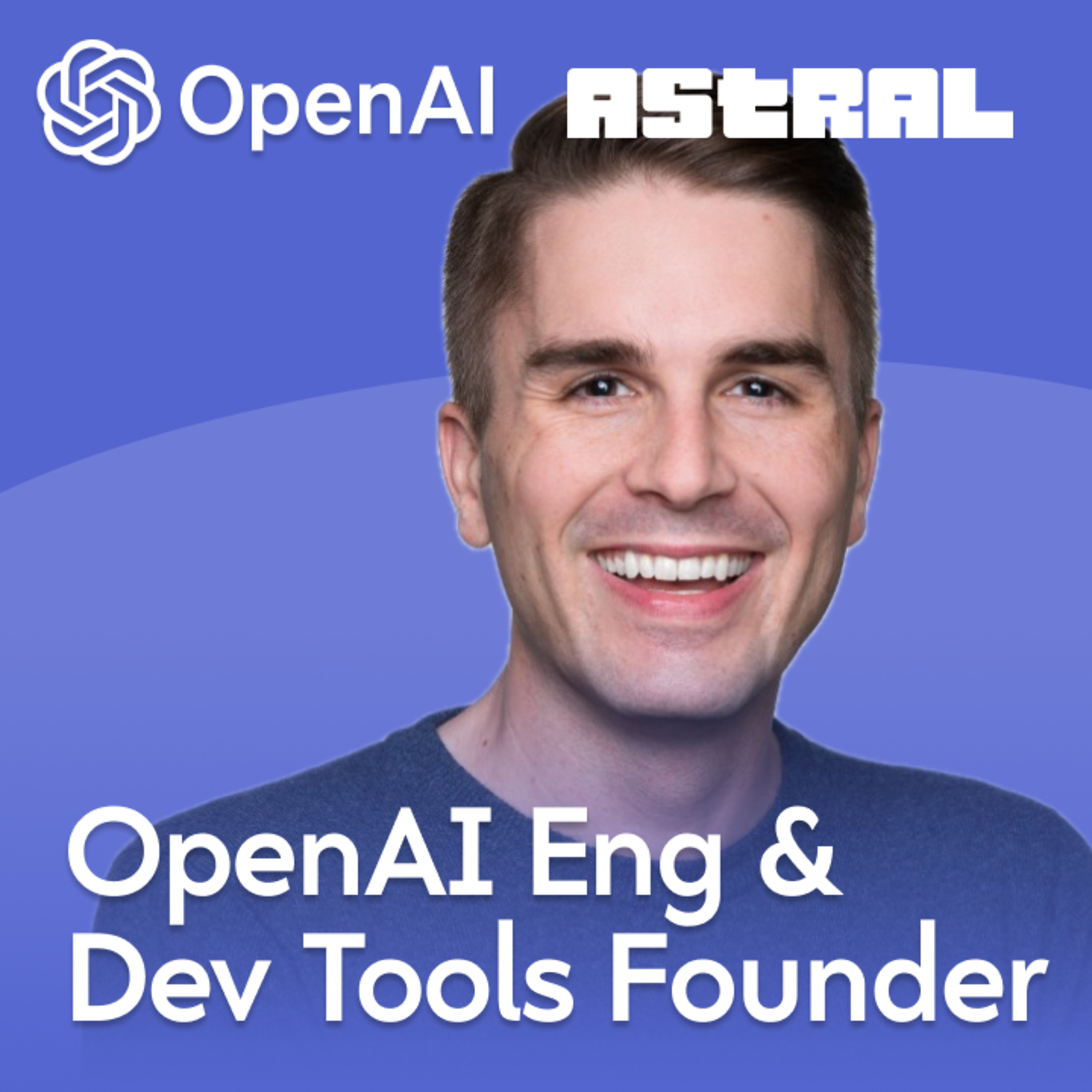
OpenAI Eng & Dev Tools Founder: How Software Engineering Is Changing | Charlie Marsh
Jun 2201:22:56Tap to summarizeCharlie Marsh is the founder of Astral, the Python devtool startup that was acquired by OpenAI. I inteviewed him about how software engineering is changing and learnings from starting his own company as an engineer.• My ergonomic keyboard project I mentioned, you can follow along here: https://read.compose.llc/• The Kickstarter page for it: https://www.kickstarter.com/projects/ryanlpeterman/compose-simple-ergonomics-beautifully-donePodcast links:• YouTube: https://youtu.be/Iw65FD4MGgs• Apple: https://podcasts.apple.com/us/podcast/the-peterman-pod/id1777363835• Transcript: https://www.developing.dev/p/openai-eng-and-dev-tools-founderThank you to this episode's sponsor for supporting my work:• WorkOS: makes your app Enterprise Ready with easy to use APIs to add SSO, SCIM, RBAC, and more in just a few lines of code, check them out at https://workos.com/Timestamps:(00:00) Intro(00:40) Origin story(06:04) The front page of Hacker News(14:35) Why he chose Rust(20:10) Full codebase migration from Zig to Rust(28:40) LLM generated code and open source(35:34) Performance optimizations(44:54) Optimization with AI and combating slop(01:02:08) Learnings as an eng starting a company(01:17:55) Top technical talk recommendation(01:18:56) Advice for his younger self(01:22:00) OutroWhere to find Charlie:• LinkedIn: https://www.linkedin.com/in/marshcharles/• GitHub: https://github.com/charliermarsh• X/Twitter: https://x.com/charliermarshWhere to find Ryan:• Newsletter: https://www.developing.dev/• X/Twitter: https://x.com/ryanlpeterman• LinkedIn: https://www.linkedin.com/in/ryanlpeterman/• Threads: https://www.threads.com/@ryanlpeterman• Instagram: https://www.instagram.com/ryanlpeterman• TikTok: https://www.tiktok.com/@ryanlpetermanReferenced in this episode:• Python tooling could be much, much faster: https://notes.crmarsh.com/python-tooling-could-be-much-much-faster• The coolest PR he's ever seen: https://github.com/astral-sh/uv/pull/789• Andrew Kelley’s data-oriented design talk: https://www.youtube.com/watch?v=IroPQ150F6c• Ruff: https://github.com/astral-sh/ruff• uv: https://github.com/astral-sh/uv• ty: https://github.com/astral-sh/ty• Salsa: https://github.com/salsa-rs/salsa
Transcribe →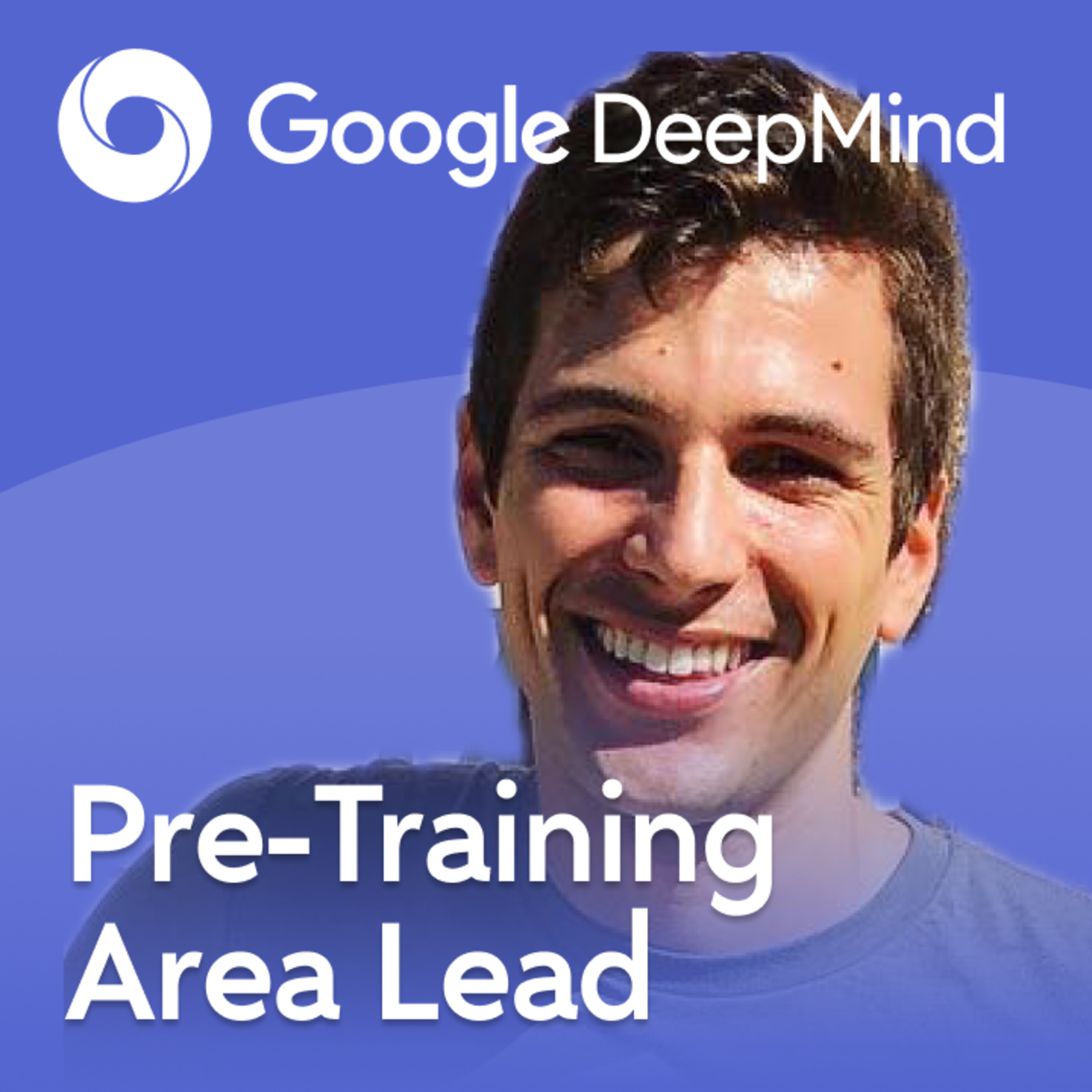
Google DeepMind Pre-Training Lead: How To Land a Job at a Frontier Lab | Vlad Feinberg
Jun 1501:04:03Tap to summarizeVlad Feinberg is Google DeepMind’s pre-training area lead and I asked him all about how to land a job at a frontier lab like Google DeepMind, Anthropic or OpenAI.• My ergonomic keyboard project I mentioned, you can follow along here: https://read.compose.llc/• The Kickstarter page for it: https://www.kickstarter.com/projects/ryanlpeterman/compose-simple-ergonomics-beautifully-donePodcast links:• YouTube: https://youtu.be/cDyi91onoJ8• Apple: https://podcasts.apple.com/us/podcast/the-peterman-pod/id1777363835• Transcript: https://www.developing.dev/p/google-deepmind-pre-training-leadThank you to this episode's sponsor for supporting my work:• WorkOS: makes your app Enterprise Ready with easy to use APIs to add SSO, SCIM, RBAC, and more in just a few lines of code, check them out at https://workos.com/Timestamps:(00:00) Intro(00:33) Skills frontier labs need(08:45) The difference between AI research and engineering(21:41) Domains that matter for the frontier(30:50) Marketing yourself to frontier labs(35:13) Concrete steps engineers can take(38:29) Overview of pre-training areas(47:23) Jeff Dean spot bonus story(50:14) Favorite Gemini war story(58:59) Advice for his younger self(01:03:07) OutroWhere to find Vlad:• Personal Website: https://vladfeinberg.com/• Twitter/X: https://x.com/FeinbergVlad• LinkedIn: https://www.linkedin.com/in/vladimirfeinberg/Where to find Ryan:• Newsletter: https://www.developing.dev/• X/Twitter: https://x.com/ryanlpeterman• LinkedIn: https://www.linkedin.com/in/ryanlpeterman/• Threads: https://www.threads.com/@ryanlpeterman• Instagram: https://www.instagram.com/ryanlpeterman• TikTok: https://www.tiktok.com/@ryanlpetermanReferenced in this episode:• How to Land a Job at a Frontier Lab: https://vladfeinberg.com/2026/05/10/how-to-land-a-job-at-a-frontier-lab.html• ThunderKittens: https://github.com/HazyResearch/ThunderKittens• Deedy's doomer Tweet: https://x.com/FeinbergVlad/status/2056383124829872466?s=20• Jacob Steinhardt's "Research as a Stochastic Decision Process": https://cs.stanford.edu/~jsteinhardt/ResearchasaStochasticDecisionProcess.html• The Scaling Book: https://jax-ml.github.io/scaling-book/• Dwarkesh and Reiner's video: https://www.youtube.com/watch?v=xmkSf5IS-zw
Transcribe →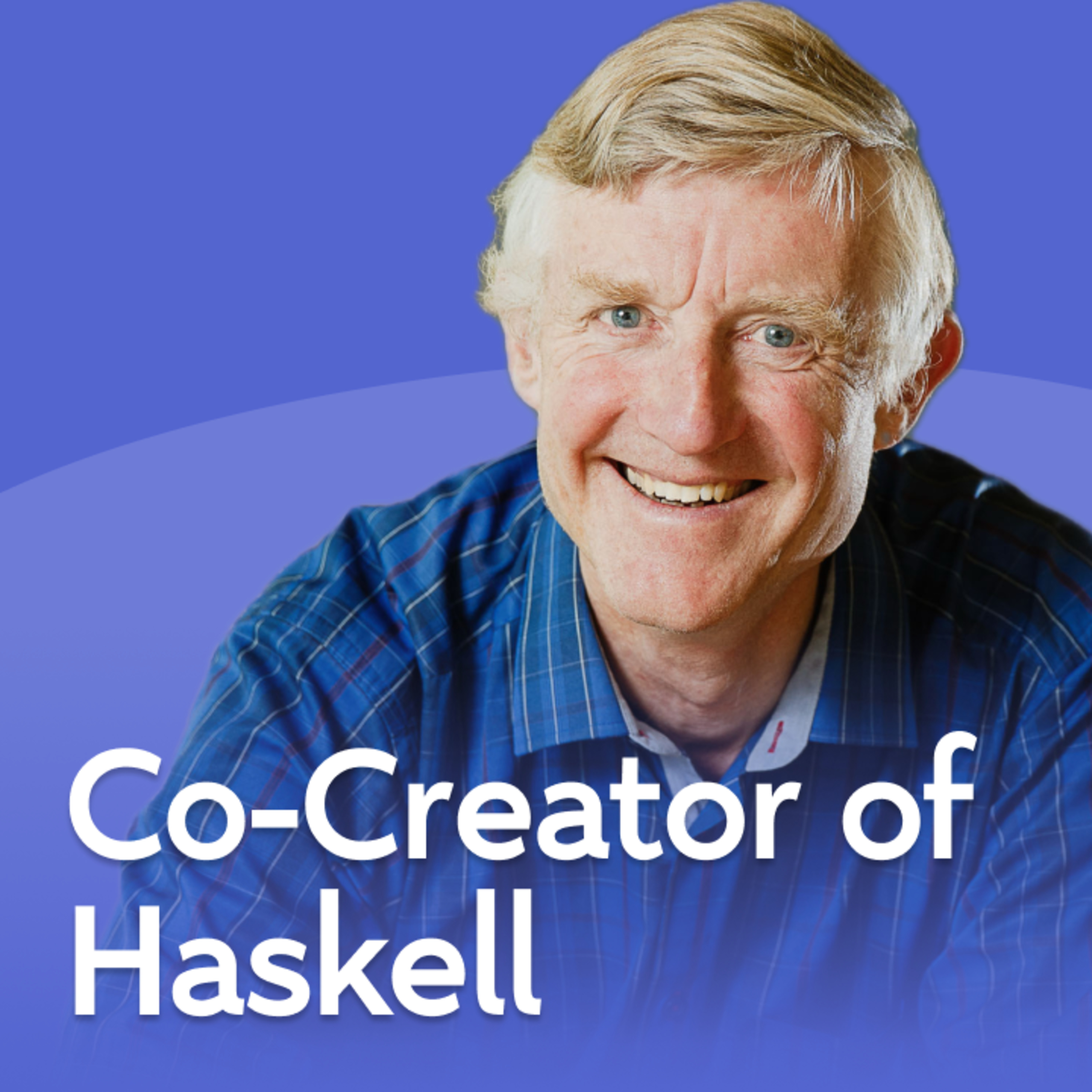
Co-Creator of Haskell: Functional Programming, Thinking in Types, Useless Languages | Simon Jones
Jun 801:27:52Tap to summarizeSimon Peyton Jones is the co-creator of Haskell (pure functional programming language) and I interviewed him about functional programming, why it matters, and his thoughts on other programming languages.• My ergonomic keyboard project I mentioned, you can follow along here: https://read.compose.llc/Podcast links:• YouTube: https://youtu.be/xcB_LF3cdqw• Apple: https://podcasts.apple.com/us/podcast/the-peterman-pod/id1777363835• Transcript: https://www.developing.dev/p/co-creator-of-haskell-functionalThank you to this episode's sponsor for supporting my work:• WorkOS: makes your app Enterprise Ready with easy to use APIs to add SSO, SCIM, RBAC, and more in just a few lines of code, check them out at https://workos.com/Timestamps:(00:00) Intro(00:39) What functional programming is(09:18) Downsides of functional programming(10:53) Specialized hardware for functional programming(21:47) Haskell is useless(25:59) Rust vs C(28:26) Haskell vs OCaml(35:26) Side effects in Haskell(44:26) Type systems(57:30) How the Haskell compiler works(01:04:35) Why Haskell is talked about more than used(01:09:07) Avoiding success at all costs(01:11:12) LLMs and programming languages(01:13:57) New programming language design(01:15:59) Should students continue to learn programming(01:22:33) Why Excel is his 2nd favorite programming language(01:25:04) Advice for his younger selfWhere to find Simon:• LinkedIn: https://www.linkedin.com/in/simonpj/• Wikipedia: https://en.wikipedia.org/wiki/Simon_Peyton_Jones• Personal Website: https://simon.peytonjones.org/Where to find Ryan:• Newsletter: https://www.developing.dev/• X/Twitter: https://x.com/ryanlpeterman• LinkedIn: https://www.linkedin.com/in/ryanlpeterman/• Threads: https://www.threads.com/@ryanlpeterman• Instagram: https://www.instagram.com/ryanlpeterman• TikTok: https://www.tiktok.com/@ryanlpetermanReferenced in this episode:• Haskell is useless: https://www.youtube.com/watch?v=iSmkqocn0oQ• John Backus Turing Award lecture: https://worrydream.com/refs/Backus_1978_-_Can_Programming_Be_Liberated_from_the_von_Neumann_Style.pdf• Why functional programming matters: https://www.cs.kent.ac.uk/people/staff/dat/miranda/whyfp90.pdf• Excel is his 2nd favorite programming language: https://www.youtube.com/watch?v=_M4P5M85KO8
Transcribe →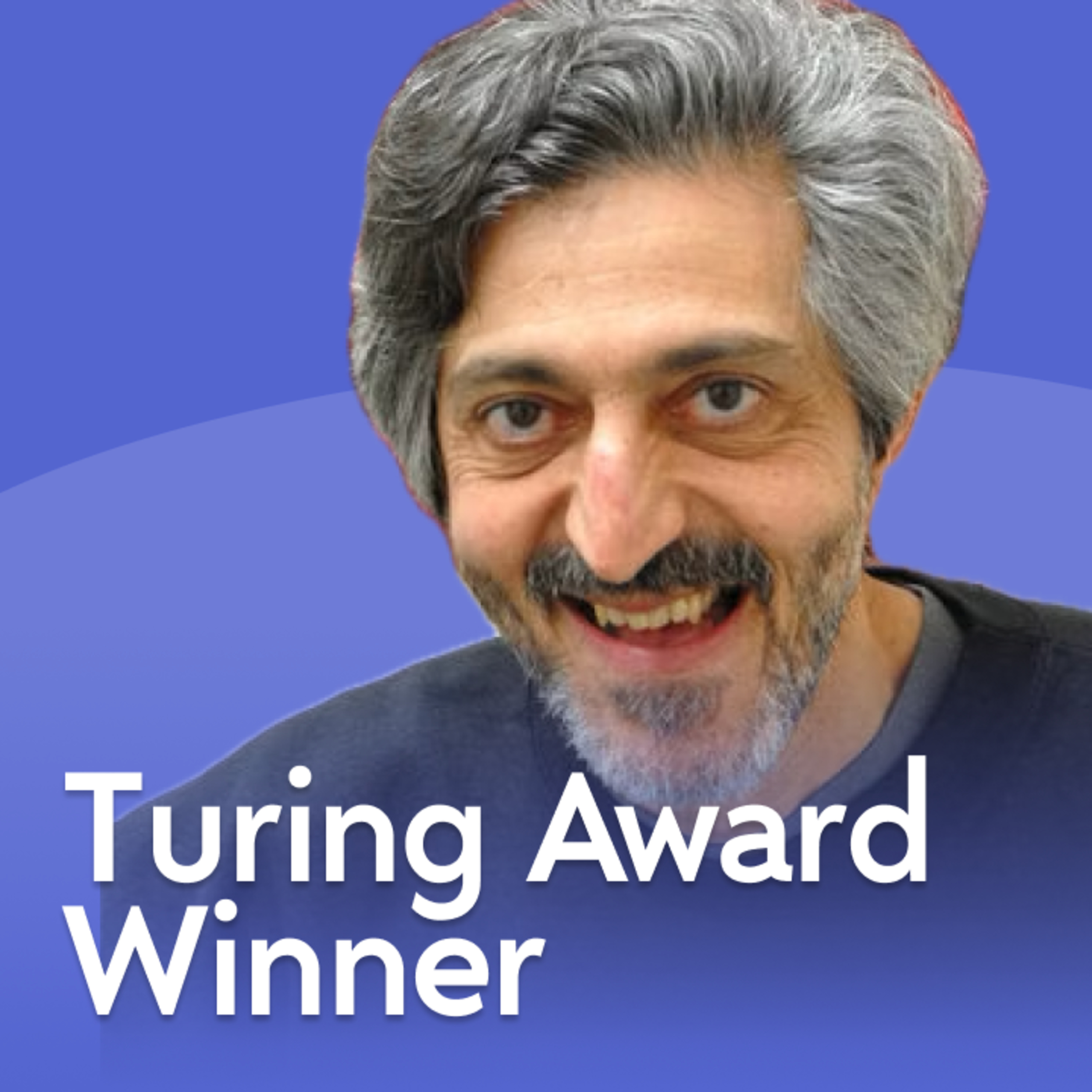
Turing Award Winner: P vs NP, Zero-Knowledge Proofs, Quantum Computation | Avi Wigderson
Jun 102:15:47Tap to summarizeAvi Wigderson is the only person in history to have won both a Turing Award (computer science) and Abel Prize (math). I interviewed him all about his field.• My ergonomic keyboard project I mentioned, you can follow along here: https://read.compose.llc/Podcast links:• YouTube: https://youtu.be/5GUcvSAJcJw• Apple: https://podcasts.apple.com/us/podcast/the-peterman-pod/id1777363835• Transcript: https://www.developing.dev/p/turing-award-winner-p-vs-np-zeroThank you to this episode's sponsor for supporting my work:• WorkOS: makes your app Enterprise Ready with easy to use APIs to add SSO, SCIM, RBAC, and more in just a few lines of code, check them out at https://workos.com/Timestamps:(00:00) Intro(01:08) P vs NP(14:51) What if you relaxed correctness(25:38) Why NP complete problems are equivalent(30:33) Space vs time complexity(43:06) Why people use SAT solvers(45:53) Randomness is a resource(55:48) Randomness depends on computational power(01:21:20) Zero knowledge proofs and their significance(01:38:30) Quantum computation and why it matters(01:56:24) Math vs computer science(02:08:16) Major breakthroughs and his experience(02:12:31) Advice for his younger self(02:14:48) OutroWhere to find Avi:• Wikipedia: https://en.wikipedia.org/wiki/Avi_Wigderson• Personal Website: https://www.math.ias.edu/avi/homeWhere to find Ryan:• Newsletter: https://www.developing.dev/• X/Twitter: https://x.com/ryanlpeterman• LinkedIn: https://www.linkedin.com/in/ryanlpeterman/• Threads: https://www.threads.com/@ryanlpeterman• Instagram: https://www.instagram.com/ryanlpeterman• TikTok: https://www.tiktok.com/@ryanlpetermanReferenced in this episode:• PCP Theorem paper: https://www.cs.umd.edu/~gasarch/TOPICS/pcp/AS.pdf• Paper on SAT approximation hardness: https://www.cs.umd.edu/~gasarch/BLOGPAPERS/max3satl.pdf• Turing's paper: https://www.cs.virginia.edu/~robins/Turing_Paper_1936.pdf• Original paper on NP completeness: https://www.cs.toronto.edu/~sacook/homepage/1971.pdf• Ryan William's breakthrough result on space vs time: https://people.csail.mit.edu/rrw/time-vs-space.pdf• Old result on space vs time: https://www-wjp.cs.uni-saarland.de/publikationen/HPV75.pdf• Paper describing constant space majority solution: https://people.cs.umass.edu/~barring/publications/bwbp.pdf• Fast primality test paper: https://www.sciencedirect.com/science/article/pii/0022314X80900840/pdf?md5=6f748cd82fa8efa1a637efab5f632baa&pid=1-s2.0-0022314X80900840-main.pdf• Deterministic primality test paper: https://www.cse.iitk.ac.in/users/manindra/algebra/primality_v6.pdf• Randomness vs observer paper: https://people.csail.mit.edu/silvio/Selected%20Scientific%20Papers/Pseudo%20Randomness/How_To_Generate_Cryptographically_Strong_Sequences_Of_Pseudo-Random_Bits.pdf• Hardness vs randomness paper: https://www.math.ias.edu/~avi/PUBLICATIONS/MYPAPERS/NOAM/HARDNESS/final.pdf• Erdos original sum vs product paper: https://users.renyi.hu/~p_erdos/1983-18.pdf• Terrence Tao sum vs product paper: https://arxiv.org/pdf/math/0301343• Seminal interactive proof paper: https://www.cs.miami.edu/home/burt/learning/csc609.221/goldwasser-micali-rackoff-knoweldge-complexity.pdf• Zero knowledge proof paper: https://www.math.ias.edu/~avi/PUBLICATIONS/MYPAPERS/GMW86/GMW86.pdf• Shor's algorithm original paper: https://arxiv.org/pdf/quant-ph/9508027• Lattice paper (new hard problems): https://dl.acm.org/doi/epdf/10.1145/258533.258604• MIP* vs RE paper: https://arxiv.org/pdf/2001.04383• Zero knowledge non-interactive proofs: https://eprint.iacr.org/2025/1296.pdf
Transcribe →