Podcast
The POZCAST: Decoding Success with Adam Posner
Hosted by NHP Talent Group, Adam Posner · EN
Career & Life Journeys: Hosted by Adam Posner, he interviews top experts, entrepreneurs, and thought leaders from the world of Entrepreneurship, Talent Acquisition, Personal Growth, and other world-class amazing humans to decode their success via their insights into their own career journeys and personal growth.
The goal of #thePOZcast is to showcase amazing humans who share their stories to inspire you to harness your inner tenacity to drive your life and career forward.
Adam Posner is the Founder and Managing Director @ NHP Talent Group- a boutique NYC-based staffing agency with expertise in marketing, media and advertising.
69episodes
Episodes
Newest firstAll episodes
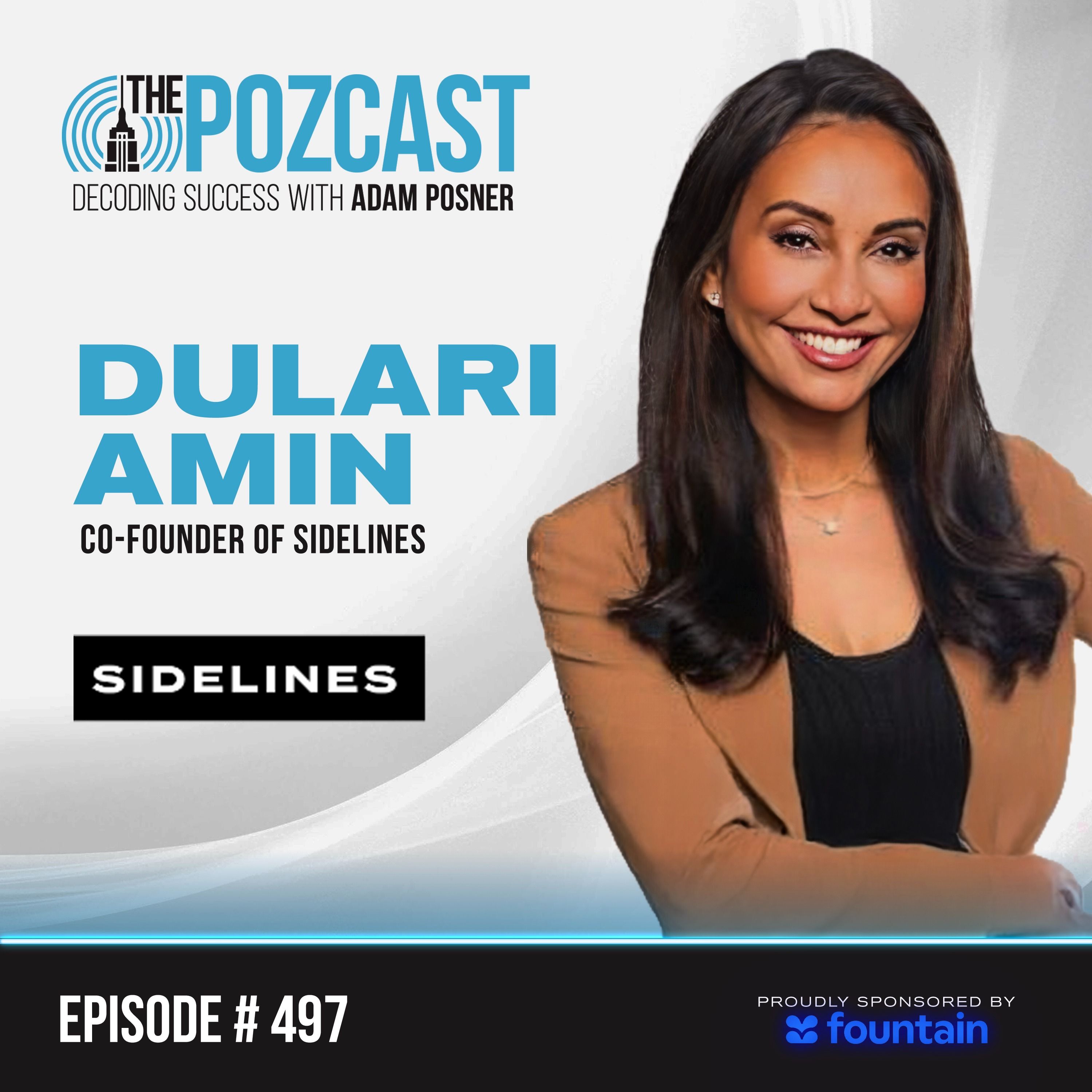
Dulari Amin: From Fashion Dreams to Entrepreneurial Success
Apr 1000:42:44Tap to summarize#thePOZcast is proudly brought to you by Fountain - the leading enterprise platform for workforce management. Our platform enables companies to support their frontline workers from job application to departure. Fountain elevates the hiring, management, and retention of frontline workers at scale. To learn more, please visit: https://www.fountain.com/?utm_source=shrm-2024&utm_medium=event&utm_campaign=shrm-2024-podcast-adam-posner. Thanks for listening, and please follow us on Insta @NHPTalent and www.youtube.com/thePOZcast For all episodes, please check out www.thePOZcast.com Takeaways - Dularii's entrepreneurial roots were influenced by her parents' businesses. - She transitioned from a desire to be a fashion designer to a career in advertising. - Launching Phenomenon was driven by a desire for independence and creativity. - Navigating business partnerships requires alignment on vision and respect for each other's strengths. - Exits are emotionally complex and often involve difficult decisions. - Transitioning to venture capital allowed Delari to support founders with operational advice. - Common mistakes in startups include poor cash management and hiring the wrong people. - Scaling challenges were highlighted through Delari's experience with Q Health. - Hiring should focus on cultural fit and the ability to adapt to change. - Diversity in leadership leads to better decision-making and risk management. Chapters 00:00 Introduction to Delari Amin 01:29 Delari's Entrepreneurial Roots 03:12 The Journey from Fashion to Advertising 05:33 Launching Phenomenon: The Birth of an Agency 11:07 Navigating Business Partnerships 12:16 The Emotional Complexity of Exits 15:50 Transitioning to Venture Capital 18:23 Common Operational Mistakes in Startups 20:18 Scaling Challenges: Lessons from Q Health 23:25 Hiring vs. Systems: Balancing Growth 26:54 Interviewing for Culture and Fit 30:02 Diversity and Inclusion in Leadership 34:37 Investor Insights: Identifying Founders Built for Scale 37:10 Future Trends in CPG and Health 40:01 Defining Success: A Personal Perspective
Transcribe →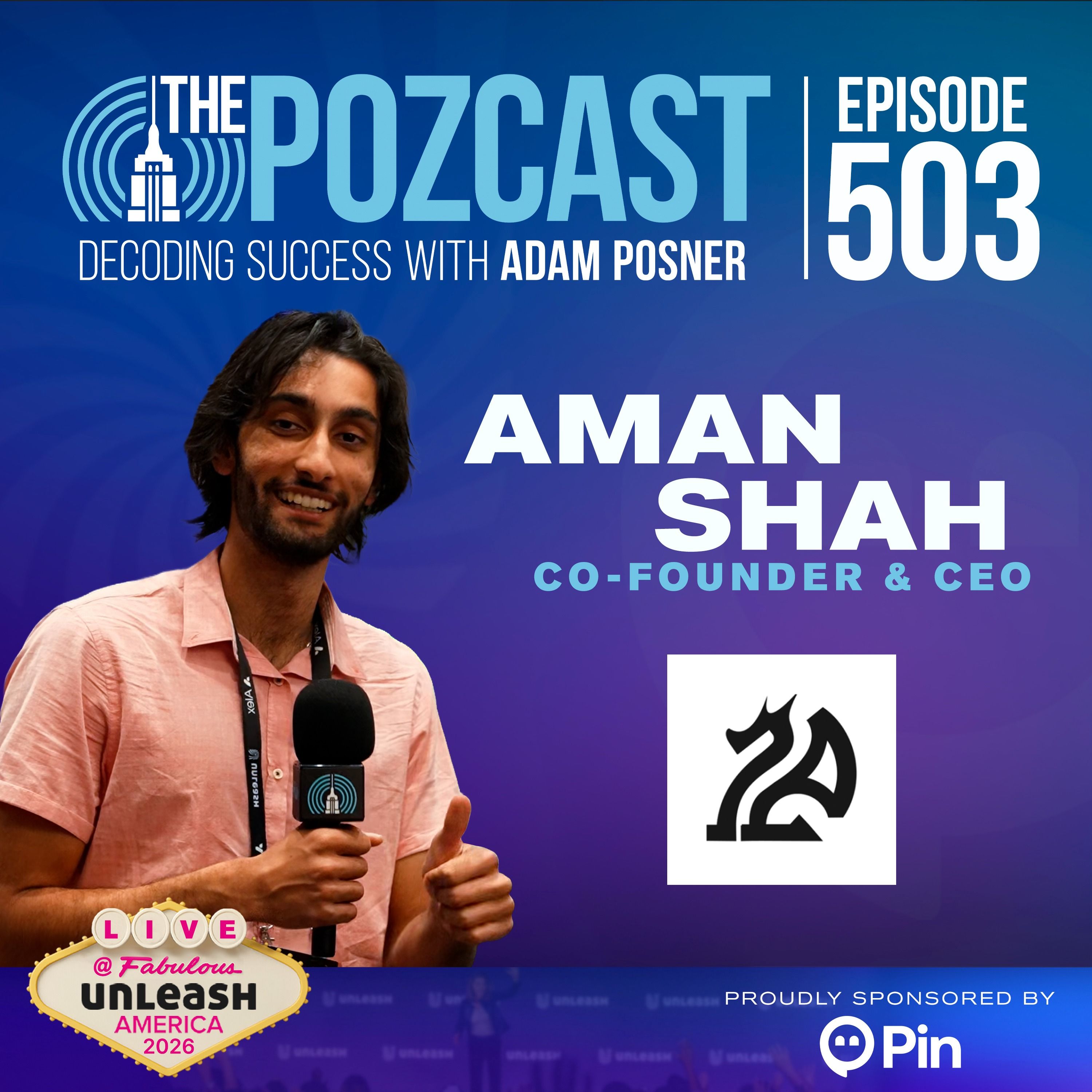
How AI Is Fixing the Most Broken Part of Hiring: Aman Shah- Safira (Live @ Unleash 2026)
Apr 900:09:34Tap to summarizeThese episodes of #thePOZcast, live from Unleash 2026 in Las Vegas, are proudly brought to you by our friends at PIN. AI recruiting tools that automate candidate sourcing, screening, and scheduling across 850M+ profiles. Built for recruiters, agencies, and hiring teams. Learn more and check out a demo: https://www.pin.com/book-a-demo?via=adam-posner Thanks for listening, and please follow us on Insta @NHPTalent and www.youtube.com/thePOZcast For all episodes, please check out www.thePOZcast.com Here’s a clean, podcast-ready package you can drop into your show notes, plus chapters and sharp takeaways. 🎙️ Episode Summary At UNLEASH 2026, Adam sits down with Safira CEO Aman Shah, a young founder taking a fresh swing at one of talent acquisition’s biggest bottlenecks: the broken application and screening process. Aman shares the origin story behind Safira—born out of the frustrating reality new grads face today, where thousands of applications meet overwhelmed recruiters, creating what he calls an “AI slop cycle.” Instead of adding another tool to the stack, Safira flips the model by embedding AI interviewing directly into existing ATS platforms through lightweight APIs, enabling companies to screen candidates at scale without adding friction. The conversation dives into what actually differentiates companies in a crowded AI hiring space (hint: it’s not the tech), why bias testing and explainability are mission-critical, and what it’s like building a company as a first-time founder navigating an ecosystem full of seasoned operators. This is a candid, forward-looking discussion on the future of hiring—where AI doesn’t replace human judgment, but reshapes the front door of how talent gets seen, heard, and evaluated. Chapters 00:00 – Cold open from the UNLEASH show floor01:05 – Meet Aman Shah and the Safira origin story02:10 – The “AI slop cycle” in modern hiring03:30 – Why conversations beat resumes at scale04:30 – What makes Safira different in a crowded AI market06:00 – API-first approach and white-label ATS integration07:15 – The real importance of bias testing in AI hiring09:00 – Explainability, defensibility, and legal risk in AI decisions10:30 – Challenges of being a first-time founder in HR tech12:00 – Navigating industry events and learning the ecosystem fast13:30 – Growth challenge: getting in more rooms, more conversations15:00 – Building in a non-traditional, emerging tech category16:30 – “Time capsule moment” and future vision for Safira17:30 – Where to find Aman and Safira Key Takeaways 1. The hiring funnel is fundamentally broken at the top Thousands of applications + overwhelmed recruiters = low signal, high noise. AI isn’t just optimization—it’s filtration and intention. 2. The real opportunity is replacing resumes with conversations A resume tells you what someone did. A conversation tells you who they are. AI enables that shift at scale. 3. Most AI hiring tech is not differentiated by the tech itself The real differentiation is in distribution, integration, and workflow fit—not who has the “better model.” 4. Less tech, not more, is the winning strategy Safira’s thesis is embedding into existing ATS platforms instead of becoming another standalone tool. 5. Bias and explainability aren’t features—they’re table stakes If AI is making hiring decisions, companies need defensibility, transparency, and trust baked in from day one. 6. New founders have an advantage: fresh perspective Not being deeply entrenched in HR/TA can actually unlock new ways of thinking about old problems. 7. Distribution is the hardest problem early-stage The product resonates—but getting in front of the right people consistently is the real growth unlock. 8. Industry immersion accelerates learning exponentially Aman highlights that a few conferences taught him more than months of solo research—proximity matters.
Transcribe →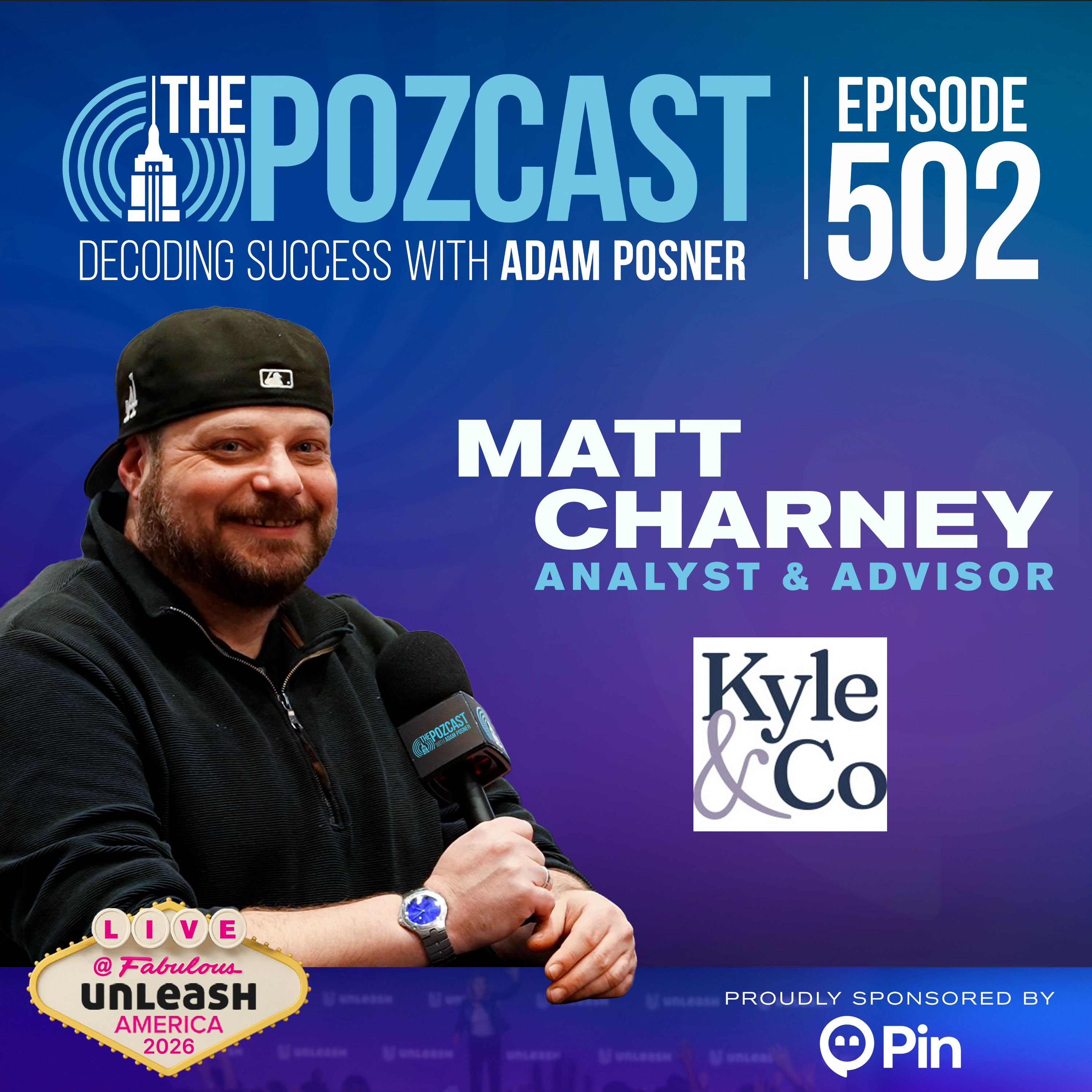
The AI Arms Race (That No One’s Winning): Matt Charney (Live @ Unleash 2026)
Apr 700:20:03Tap to summarizeThese episodes of #thePOZcast, live from Unleash 2026 in Las Vegas, are proudly brought to you by our friends at PIN. AI recruiting tools that automate candidate sourcing, screening, and scheduling across 850M+ profiles. Built for recruiters, agencies, and hiring teams. Learn more and check out a demo: https://www.pin.com/book-a-demo?via=adam-posner Thanks for listening, and please follow us on Insta @NHPTalent and www.youtube.com/thePOZcast For all episodes, please check out www.thePOZcast.com Matt Charney is a prominent voice in the recruiting, talent acquisition, and HR technology space. As Principal Analyst for Industry and Markets at Kyle & Co, he covers startups, M&A, the TA ecosystem, strategic partnerships, and capital markets, providing deep analysis on HR tech funding, market strategy, and industry dynamics. He also serves as Executive Editor at Mediabistro and as an Editor at ERE Media, where he produces sharp, insightful content on the future of work, AI in hiring, recruitment marketing, and emerging trends, served with a side of snark. With over 15 years of experience, Matt has held leadership roles including Editor in Chief and CMO at Recruiter.com, partner and Managing Editor at Recruiting Daily (which he helped grow into a leading HR media brand), Chief Content Officer at Allegis Global Solutions, and Head of Industry & Product Marketing at SmartRecruiters. He began his career as a corporate recruiter for companies like Walt Disney and Warner Bros. A graduate of the George Lucas School for Cinematic Arts at the University of Southern California, Matt also advises a variety of high growth HR Technology companies, including Humanly, Joveo, Dalia, Hiring Branch, HeyHire, Perfect Hire, Boon, Textio and Noota. ⏱️ Chapters 00:00 – Vegas banter & setting the stage Light opening, personality, and rapport—setting the tone for an unfiltered conversation. 02:00 – “What do you actually do?” Charney on connecting startups with capital—and “trolling” the industry as a side effect. 04:30 – From screenwriting to recruiting A non-traditional path from Hollywood to corporate recruiting leadership. 08:00 – Why recruiting is still the best job in the world The overlooked impact: changing lives through employment. 11:00 – Has recruiting actually changed? Spoiler: not really. The goal is still making hires—everything else is layered complexity. 14:00 – The truth about AI in TA tech AI as the latest buzzword cycle, echoing past trends like social recruiting and big data. 18:00 – The “AI anxiety” problem in HR Why TA leaders feel behind—and why no one is actually ahead. 21:00 – Should recruiters become AI experts? Charney pushes back: focus on business outcomes, not technical cosplay. 25:00 – Where AI actually works today High-volume hiring as the strongest real-world use case. 28:00 – Where AI breaks down Knowledge work, personalization, and the limits of automation. 31:00 – Tools that actually impress (Gamma, workflows, experimentation) Practical use cases that genuinely save time and effort. 35:00 – LinkedIn, data control, and the real business model Why LinkedIn doesn’t need to “win” recruiting—and why it won’t disappear. 40:00 – Why most new HR tech ideas fail Recycled concepts, inherent bias, and “Chatroulette for jobs.” 44:00 – The next disruption: consolidation & enterprise integration The future isn’t more tools—it’s fewer, integrated systems. 48:00 – VC, PE, and the business of HR tech Private equity driving consolidation while startups chase valuation. 52:00 – Buzzword bingo & industry frustrations AI, “human-centered,” and the marketing clichés that need to die. 55:00 – The 3 questions every vendor must answer How do you make recruiting easier? What do you do differently? How do you make money? 58:00 – Final thoughts: stop chasing trends Focus on outcomes, not tools. Recruiting is still about people. 🔑 Key Takeaways 1. Recruiting hasn’t fundamentally changed Despite all the tech, the job is still about one thing: making hires. Everything else is noise layered on top. 2. AI is overhyped—but not useless It’s real, but it’s being sold like every previous trend. The strongest use case today is high-volume hiring, not complex knowledge work. 3. No one is actually “ahead” in AI The industry-wide anxiety about falling behind is misplaced. Most people are still figuring it out. 4. Stop trying to be a technical expert Recruiters win by understanding the business and careers—not by pretending to be AI engineers. 5. The real problem isn’t time—it’s priorities AI promises efficiency, but recruiters aren’t reinvesting that time into better hiring practices. 6. Most HR tech “innovation” is recycled New tools often repackage old ideas with new buzzwords. 7. LinkedIn isn’t going anywhere It’s not about recruiting tools—it’s about attention, content, and ad revenue. 8. The future is consolidation, not expansion The fragmented HR tech stack will collapse into broader enterprise systems. 9. Private equity is shaping the space PE firms are driving consolidation and determining which companies survive. 10. Focus on outcomes, not tools The only question that matters: does this help make better hires, faster?
Transcribe →
Inside Enterprise HR & Talent Strategy with Toshiba CHRO Jason Desentz (Live @ Unleash 2026)
Apr 700:24:11Tap to summarizeThese episodes of #thePOZcast, live from Unleash 2026 in Las Vegas, are proudly brought to you by our friends at PIN. AI recruiting tools that automate candidate sourcing, screening, and scheduling across 850M+ profiles. Built for recruiters, agencies, and hiring teams. Learn more and check out a demo: https://www.pin.com/book-a-demo?via=adam-posner Thanks for listening, and please follow us on Insta @NHPTalent and www.youtube.com/thePOZcast For all episodes, please check out www.thePOZcast.com What You’ll Learn * How enterprise HR leaders think about hiring, structure, and strategy at scale * Why most hiring challenges are actually business alignment problems * How to build proactive talent pipelines instead of reacting to openings * Where AI is actually delivering value in recruiting today * What separates average recruiters from truly impactful ones Chapters: 00:00 Opening + UNLEASH 2026 floor energy01:15 Intro to Jason Desentz (CHRO, Toshiba Americas)02:10 Scale of Toshiba: 6,000 employees + HR org structure03:30 From automotive to CHRO: Jason’s career journey05:00 Blimp hiring story (and why niche recruiting matters)07:10 Should Talent Acquisition sit under HR?09:00 Why HR leaders must understand the business10:30 The rise of the HR Business Partner mindset12:00 How to train HR teams to think like the business13:45 Why most companies fail at role intake & calibration16:00 Small talent pools & “purple squirrel” expectations18:00 Workforce planning: why hiring starts before the role opens20:30 Retention risk, succession planning & talent intelligence23:00 The compensation gap problem (champagne taste, beer budget)25:00 Creative comp strategies to close candidates26:30 What candidates actually value today (and what’s losing impact)28:30 Toshiba’s sourcing strategy: where hiring really starts30:00 The power of elite sourcers (and why networks win)32:00 AI in recruiting: what actually matters vs hype34:00 Automation vs human connection in hiring36:00 Why scheduling is the biggest bottleneck in recruiting37:30 Adaptability: the #1 trait in great recruiters39:00 Fraudulent candidates, AI cheating & interview risks41:30 Protecting IP in a high-risk hiring environment43:00 Metrics that matter (and ones that don’t)45:00 Candidate experience & onboarding accountability47:00 Advice for job seekers in a competitive market49:00 “Always Be Hustling” mindset for career growth51:00 Final advice: Listen, Learn, Lead52:00 Closing + Vegas survival tips I
Transcribe →
From Streetwear to Gaming: The Evolution of Greg Selkoe
Apr 300:41:10Tap to summarize#thePOZcast is proudly brought to you by Fountain - the leading enterprise platform for workforce management. Our platform enables companies to support their frontline workers from job application to departure. Fountain elevates the hiring, management, and retention of frontline workers at scale. To learn more, please visit: https://www.fountain.com/?utm_source=shrm-2024&utm_medium=event&utm_campaign=shrm-2024-podcast-adam-posner. Thanks for listening, and please follow us on Insta @NHPTalent and www.youtube.com/thePOZcast For all episodes, please check out www.thePOZcast.com Takeaways - Greg Selkoe's journey reflects the highs and lows of entrepreneurship. - Cultural influences play a significant role in shaping business ideas. - Karma Loop was a pioneer in streetwear and e-commerce. - Navigating growth requires learning from mistakes and adapting. - The collapse of Karma Loop taught valuable lessons about resilience. - XSET aims to redefine gaming culture and community engagement. - Authenticity in branding is crucial in today's market. - Hiring for cultural fit is as important as skills and experience. - Success is defined by happiness and meaningful experiences, not just money. - The importance of self-awareness and managing stress in business. It's important to balance personal commitments with professional responsibilities. - Financial strategies are crucial when dealing with large investments. - Effective event planning requires clear communication and coordination. - Marketing partnerships can significantly enhance brand visibility. - Live streaming offers unique opportunities for audience engagement. - Collaboration within a team is essential for success. - Final preparations are critical to ensure a smooth launch. - Understanding audience dynamics can drive attendance and participation. - Post-event reflections can inform future strategies. - Maintaining strong relationships with partners is key to ongoing success. Chapters 00:00 Introduction to Greg Selkoe and His Journey 09:21 The Birth of Karma Loop 18:07 The Collapse of Karma Loop and Personal Reflection 25:25 Building XSET: A New Era in Gaming and Culture 33:40 Hiring for Values and Culture
Transcribe →
BEST OF: Julia Menez: How to Hack and Maximize Airline Points
Mar 2000:47:40Tap to summarizeThanks for listening, and please follow us on Insta @NHPTalent and www.youtube.com/thePOZcast For all episodes, please check out www.thePOZcast.com Chapters: 2:48 - Life and Career before becoming a professional 4:06 - High School era and Tattoo inspiration 4:51 - Travel Experience 8:06 - Stay in China and culture difference 9:45 - First taste of Exotic Food 10:51 - Understanding the travel moments / The Aha Moment 12:51 - GeoBreeze - the origin 13:04 - Learning from Corporate America 13:56 - Overall Point Strategy 15:42 - Travel points Hack 16:54 - Value of points and transfers 18:25 - Earning vs Burning Ratio 19:36 - Getting a Better Deal 22:32 - Common Traveling Mistakes 24:17 - Favorite transfer sites 25:27 - Hidden fees 26:18 - Best Airline with Status update potential 27:49 - Airport Lounge situation 28:41 - Secret Auxiliary benefits 31:09 - Secret Reservations 31:57 - Wrong Information out there 33:37 - Massive Brilliant point redemption experience 36:10 - Exciting challenges in business 38:30 - Percentage Savings / Pragmatic Approach 39:45 - Next Travel destination on wishlist 41:03 - Best and Worst Airlines 42:39 - Message for people stuck in 9-5 jobs 44:00 - Julia's Super power 45:00 - Julia's North Star
Transcribe →
Neal Tricarico: Transforming Grief into Purpose
Mar 1301:07:54Tap to summarize#thePOZcast is proudly brought to you by Fountain - the leading enterprise platform for workforce management. Our platform enables companies to support their frontline workers from job application to departure. Fountain elevates the hiring, management, and retention of frontline workers at scale. To learn more, please visit: https://www.fountain.com/?utm_source=shrm-2024&utm_medium=event&utm_campaign=shrm-2024-podcast-adam-posner. Thanks for listening, and please follow us on Insta @NHPTalent and www.youtube.com/thePOZcast For all episodes, please check out www.thePOZcast.com Takeaways - Grief is a universal experience that transcends individual circumstances. - Love and connection are essential in navigating loss and grief. - Vulnerability is a strength, not a weakness, especially for men. - Community support plays a crucial role in healing and resilience. - Awareness and open conversations about mental health can save lives. - The journey of grief can lead to profound personal growth and transformation. - Finding purpose in pain can create a legacy that honors lost loved ones. - It's important to recognize and address the signs of mental health struggles in others. - Creating safe spaces for dialogue about mental health is vital for youth. - The power of storytelling can foster connection and understanding in communities. Chapters 00:00 Introduction to Grief and Purpose 01:14 Navigating Loss and Finding Grace 05:52 The Complexity of Grief 09:56 Living with Duality: Joy and Pain 12:49 The Role of Community in Healing 18:09 Faith and the Power of Connection 23:46 The Journey of Giving and Receiving 30:20 Creating a Legacy from Loss 32:58 Navigating Parenthood Through Adversity 40:51 The Birth of a Movement: Endurance 47:41 Sacred Transformation: Beyond Survival 50:30 Enduring with Love: Finding Strength in Vulnerability 56:31 Understanding the Signs: Preventing Tragedy 01:00:16 Messages of Hope: Honoring Anthony's Legacy
Transcribe →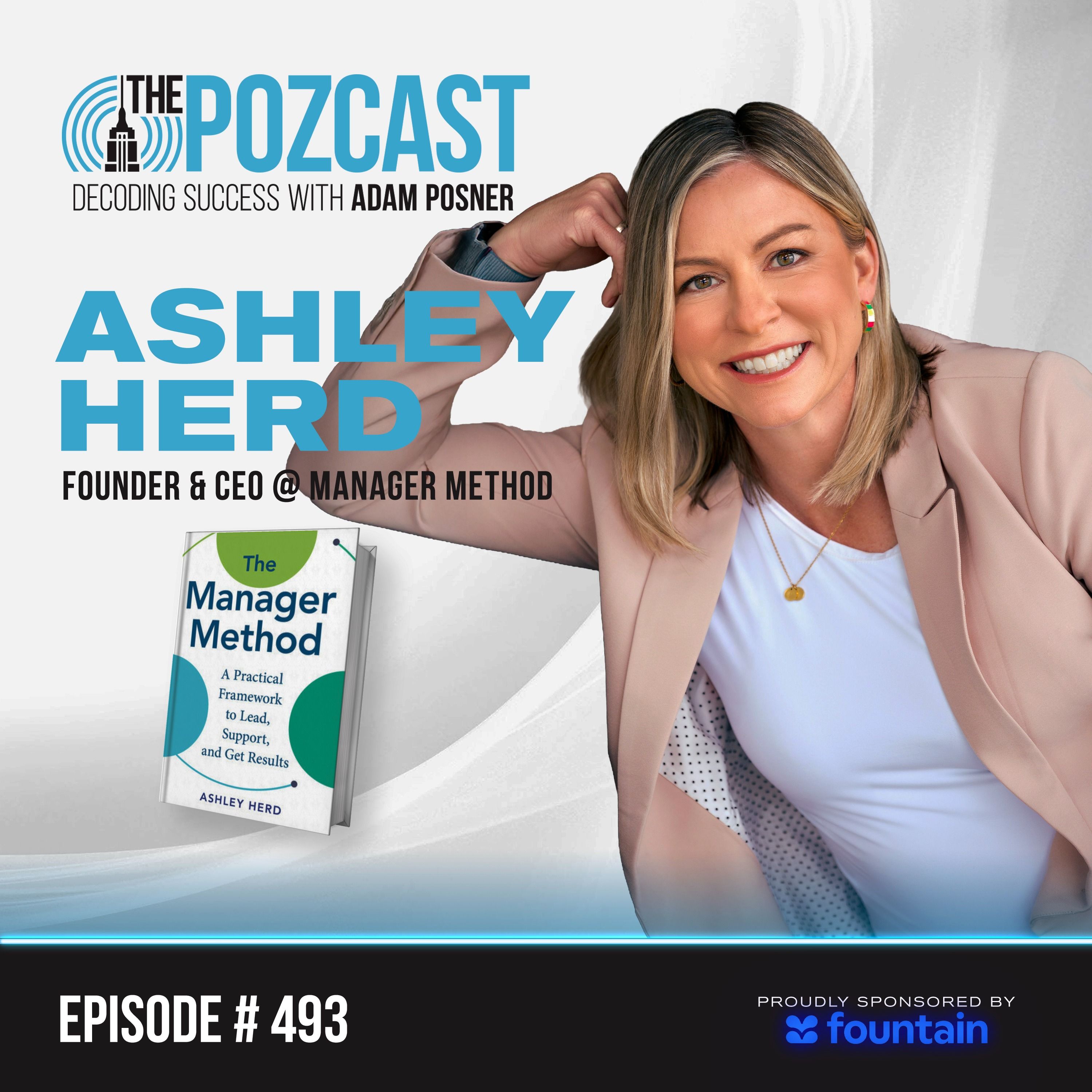
Ashley Herd: The Manager Method: A Practical Framework to Lead, Support & Get Results
Mar 600:41:41Tap to summarize#thePOZcast is proudly brought to you by Fountain - the leading enterprise platform for workforce management. Our platform enables companies to support their frontline workers from job application to departure. Fountain elevates the hiring, management, and retention of frontline workers at scale. To learn more, please visit: https://www.fountain.com/?utm_source=shrm-2024&utm_medium=event&utm_campaign=shrm-2024-podcast-adam-posner. Thanks for listening, and please follow us on Insta @NHPTalent and www.youtube.com/thePOZcast For all episodes, please check out www.thePOZcast.com Takeaways - Ashley Heard emphasizes the importance of proper training for first-time managers. - Promoting strong individual contributors to management roles can lead to failure without support. - Management styles can be categorized into 'tight jeans' and 'cozy joggers' to illustrate different approaches. - The Pause, Consider, Act framework helps managers make thoughtful decisions under pressure. - Intentional leadership is crucial for fostering a positive team environment. - Leadership development should be an ongoing process, not a one-time event. - AI can enhance leadership by providing tools for better decision-making and communication. - Cultural sensitivity is essential for effective management in diverse teams. - Success in leadership is defined by passion for work and a balanced life. - The Manager Method book provides practical frameworks for effective management. Chapters 00:00 Introduction to Leadership Development 02:54 The Journey to Law and Corporate Life 05:59 The Challenges of Promoting Managers 09:00 Management Styles: Tight Jeans vs. Cozy Joggers 11:46 The Pause, Consider, Act Framework 15:02 Navigating Toxic Management 18:02 The Manager Method Book Launch 20:36 Self-Discovery Through Writing 22:22 The Importance of Continuous Leadership Development 23:38 AI: A Tool for Human Connection 26:57 Using AI to Enhance Team Dynamics 29:14 The Human Element in Performance Reviews 32:07 Evolving as a People Leader 34:44 The Positive Side of HR 35:54 Navigating the Future of Work 37:43 The Journey of Entrepreneurship 39:16 Defining Success in Work and Life
Transcribe →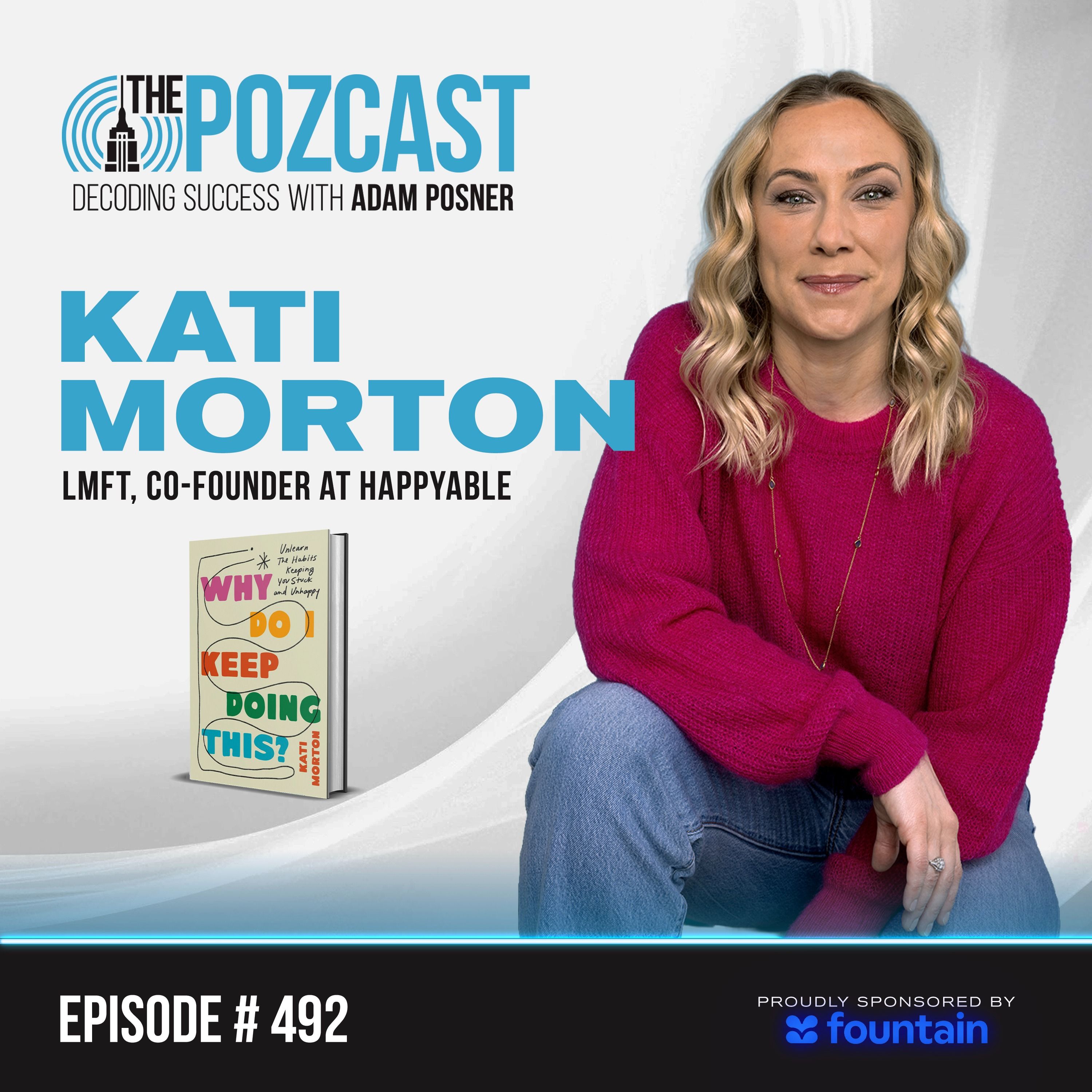
Why Do We Repeat Our Mistakes? Insights from Kati Morton
Feb 2700:50:09Tap to summarize#thePOZcast is proudly brought to you by Fountain - the leading enterprise platform for workforce management. Our platform enables companies to support their frontline workers from job application to departure. Fountain elevates the hiring, management, and retention of frontline workers at scale. To learn more, please visit: https://www.fountain.com/?utm_source=shrm-2024&utm_medium=event&utm_campaign=shrm-2024-podcast-adam-posner. Thanks for listening, and please follow us on Insta @NHPTalent and www.youtube.com/thePOZcast For all episodes, please check out www.thePOZcast.com Takeaways "We don't take the time to think about if we like our therapist." "Words have power; we speak them into existence." "You should feel like you like them; it's pretty comfortable." "We often give our partners the least energy, love, and support." "You have to consider whether you'd go to them for advice; if not, don't take their feedback." "Control gives us a sense of safety, but we can only control ourselves." "Healing is not a straight line; it's two steps forward, one step back." "Be curious, not judgmental, about your process." "Relationships are everything to me; if I'm not supporting them, something's wrong." "You have to unlearn the patterns that are no longer serving you." Chapters 00:00 Introduction to Kati Morton 01:07 The Importance of Mental Health 06:59 Navigating Therapy: Finding the Right Fit 10:06 The Power of Language in Mental Health 16:39 Understanding Eldest Daughter Syndrome 20:39 Patterns in Love and Attraction 28:39 Recognizing Love Bombing and Red Flags 32:38 Control, Anxiety, and Burnout 38:05 The Journey of Healing and Self-Trust 39:48 Kati's New Book: Why Do I Keep Doing This? 46:00 Kati's North Star: The Importance of Connection
Transcribe →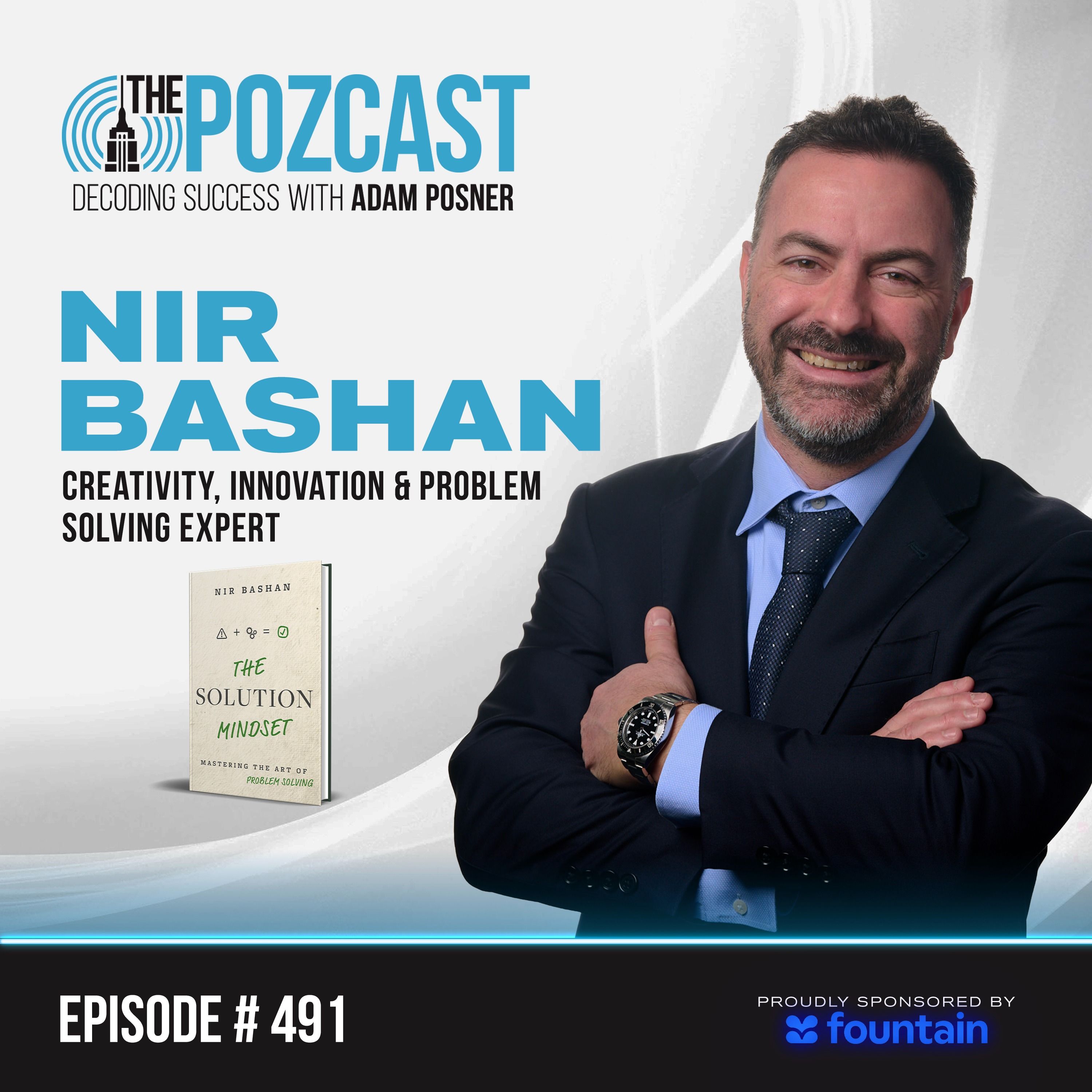
Nir Bashan: Unlocking Creativity: The Key to Workplace Innovation
Feb 2000:31:41Tap to summarize#thePOZcast is proudly brought to you by Fountain - the leading enterprise platform for workforce management. Our platform enables companies to support their frontline workers from job application to departure. Fountain elevates the hiring, management, and retention of frontline workers at scale.To learn more, please visit: https://www.fountain.com/?utm_source=shrm-2024&utm_medium=event&utm_campaign=shrm-2024-podcast-adam-posner.Thanks for listening, and please follow us on Insta @NHPTalent and www.youtube.com/thePOZcastFor all episodes, please check out www.thePOZcast.com Takeaways- Creativity is a skill, not a personality trait.- In-person collaboration enhances creativity and problem-solving.- Complaining is seductive but unproductive; focus on solutions instead.- The fear of being wrong stifles innovation; embrace mistakes as learning opportunities.- Old-school skills are becoming the new techniques for success.Chapters00:00 Introduction to Nir Bashan and His Journey05:08 The State of Creativity in Advertising10:07 The Importance of In-Person Collaboration15:00 Reframing Creativity as a Skill19:47 Shifting from Complaining to Creating24:56 The Cost of Ignoring Creativity
Transcribe →