
Podcast
Live Like a Girl with Dr. Mindy Pelz
Hosted by Dr. Mindy Pelz · EN
We were taught that doing anything "like a girl" was a weakness. Dr. Mindy Pelz is here to prove it's your greatest strength.
A renowned advocate for women's health, Dr. Mindy is passionately committed to helping women embrace and trust their body's natural healing processes. Drawing on an extensive background in women's health, she's developed groundbreaking, science-backed approaches that help women work with their hormones, not against them, through every stage of life, from cycling to perimenopause to the wisdom of the years beyond.
On Live Like a Girl, Dr. Mindy helps you come home to your own body. Every Monday, she sits down with some of the brightest minds in health and wellness for honest, meaningful conversations that hand you the knowledge, tools, and science to do health your way. No more pushing through, gaslighting yourself, or shrinking to fit. Just permission to live in rhythm with the body you were designed to have and to finally feel at home in it.
Press play, and let's live like a girl.
51episodes
Episodes
Newest firstAll episodes
The 5 Weight-Loss Lies Keeping Women Stuck
2w ago00:24:43Tap to summarizeFor decades, women have been taught to lose weight by eating less, doing more cardio, and watching the number on the scale.But losing weight is not always the same as becoming healthier.In this solo episode, Dr. Mindy breaks down a recent meta-analysis showing that adults between 60 and 75 years old were able to lose body fat, gain lean muscle, improve blood pressure, and build functional strength through resistance training.She also challenges five of the most persistent weight-loss myths women have been taught, including the idea that cardio is the best way to burn fat, hunger is a willpower problem, and the scale is the most important measure of progress.You’ll learn how protein, resistance training, sleep, blood-sugar tracking, and progressive challenge can help you improve body composition without sacrificing your muscle or metabolic health.Weight loss is not a character test. It is a strategy, and most women were simply given the wrong one.Resources MentionedContinuous Glucose MonitorKetone MonitorFast Like a GirlFor more resources related to today’s episode, visit the podcast episode page: drmindypelz.com/ep358Connect with Dr. Mindy:Join Reset AcademyWatch the episodes on YouTubeFollow Dr. Mindy on InstagramSubscribe to Dr. Mindy’s newsletterDisclaimer: This podcast is intended for educational and informational purposes only and is not a substitute for professional medical advice. Always consult a qualified healthcare professional before making changes to your diet, fasting routine, or lifestyle.
Transcribe →
Why Creativity Belongs in Your Health Routine with Dr. Daisy Fancourt
2w ago01:05:35Tap to summarizeMost women know they should move their bodies, eat well, and protect their sleep. But creativity rarely makes the list.In this conversation, Dr. Mindy sits down with Dr. Daisy Fancourt to explore the growing body of research showing that art is far more than entertainment or decoration. Music, reading, dancing, crafting, storytelling, and even spending time with a painting can affect stress, mood, cognition, connection, and the nervous system.Daisy explains why creative activities can help the brain enter a state of flow, how music can slow the heart rate, and why reading fiction may strengthen empathy by allowing us to experience the world through another person’s perspective. She also shares why knitting, singing, dancing, and other so-called “grandmother hobbies” are finding their way back into modern life.In this episode you'll learn:Why creativity became separated from everyday lifeHow to choose music that meets your nervous system where it is How regular creative activity may support healthier cortisol patterns Why book clubs provide more than a reason to read What the research suggests about art, brain fog, and cognitive reserve Whether online creative classes offer the same benefits as meeting in person Simple ways to bring more creativity into everyday lifeResources MentionedArt Cure by Daisy FancourtInstagram: @daisy.fancourtMore on Daisy FancourtDr. Daisy Fancourt is a researcher and author whose work examines the effects of arts and cultural engagement on health and well-being.Her research explores how activities such as music, reading, crafting, dancing, and visiting cultural spaces may influence mental health, stress, cognition, social connection, and physical health. She has published extensively in the field and works on projects examining the biological, psychological, and social effects of creative participation.For more resources related to today’s episode, visit the podcast episode page: drmindypelz.com/ep357Connect with Dr. Mindy:Join Reset AcademyWatch the episodes on YouTubeFollow Dr. Mindy on InstagramSubscribe to Dr. Mindy’s newsletterDisclaimer: This podcast is intended for educational and informational purposes only and is not a substitute for professional medical advice. Always consult a qualified healthcare professional before making changes to your diet, fasting routine, or lifestyle.
Transcribe →
40% of Us are Constantly Hungry & Exhausted – What Your Body is Trying to Tell You
3w ago00:28:57Tap to summarizeIf you are hungry all the time, exhausted after meals, craving sugar, or suddenly gaining weight around your middle, your body may be signaling something deeper than a need to eat less.In this solo episode, Dr. Mindy explains why nearly four in ten American adults now meet the criteria for metabolic syndrome—a collection of warning signs that can include elevated blood sugar, high blood pressure, abnormal cholesterol, increased waist circumference, and changes in liver health.She breaks down four common drivers that can quietly push the body toward metabolic dysfunction: unstable blood sugar, chronic stress, poor sleep, and inflammation associated with excess body fat.You will also learn why crash dieting, excessive cardio, and relying on appetite-suppressing supplements rarely address the real problem. Instead, Dr. Mindy shares five practical ways to support your metabolism through food order, walking after meals, resistance training, better sleep, and a more flexible approach to fasting.Your body is not working against you. It may simply need a different strategy.In This Episode What metabolic syndrome is and why it is better understood as a group of warning signs The role insulin plays in deciding whether glucose is used for energy or stored Why crash dieting and aggressive calorie restriction may make matters worse Why cardio alone is not the best strategy for improving metabolic health How to build a blood-sugar-stabilizing plate Why resistance training is especially important for women How muscle acts as a storage site for glucose Practical ways to build strength without spending hours in the gym What “flex fasting” means Resources MentionedFREE Nervous System Questionnaire Fast Like a GirlMin-Chex by Standard ProcessQualia Magnesium+ Berberine BreakthroughFor more resources related to today’s episode, visit the podcast episode page: drmindypelz.com/ep356Connect with Dr. Mindy:Join Reset AcademyWatch the episodes on YouTubeFollow Dr. Mindy on InstagramSubscribe to Dr. Mindy’s newsletterDisclaimer: This podcast is intended for educational and informational purposes only and is not a substitute for professional medical advice. Always consult a qualified healthcare professional before making changes to your diet, fasting routine, or lifestyle.
Transcribe →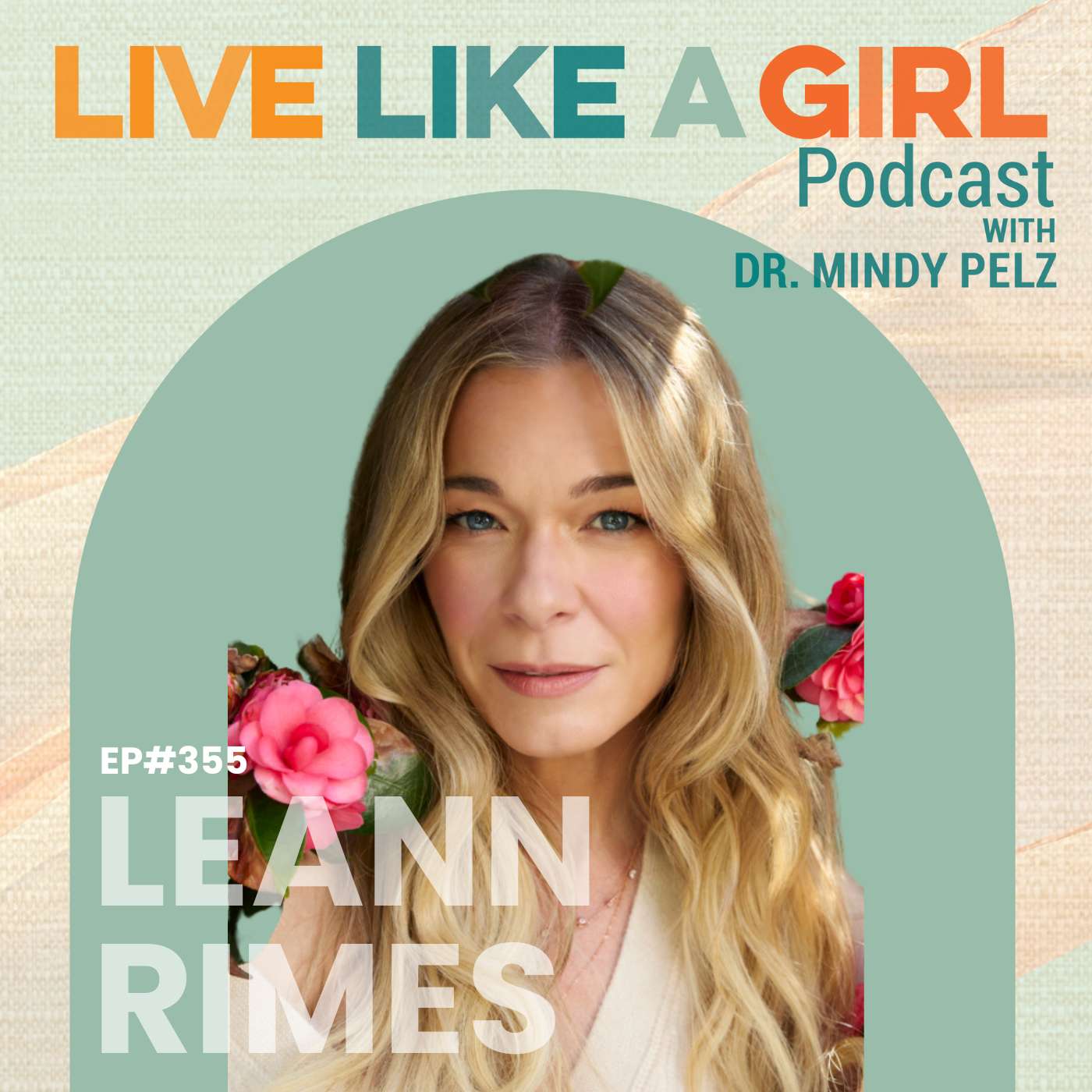
LeAnn Rimes on Perimenopause, Rage, Grief, and Starting Over
3w ago01:17:26Tap to summarizeLeAnn Rimes joins Dr. Mindy for a deeply honest conversation about what perimenopause has brought to the surface in her life.She opens up about the unpredictability of her hormones, the exhaustion of trying to maintain the same pace she has carried for decades, and the difference between anxious thoughts and anxiety that lives in the body. Together, LeAnn and Dr. Mindy explore why perimenopause can make old wounds feel louder, why hormone therapy can help without solving everything, and what it looks like to slow down when your identity has always been tied to performing, producing, and pushing through.This is a conversation about hormones, but it is also about identity, capacity, anger, rest, and the question so many women begin asking in midlife: who do I want to be now?In this episode you'll learn:The difference between mental anxiety and physical “body anxiety” Why LeAnn has had to change her relationship with rest What happens when your life still demands more than your body can give The grief women may experience around motherhood, identity, and missed choices Why hormone replacement therapy is not always a simple fix How perimenopause can force women to reconsider who they have always beenMore on LeAnn RimesLeAnn Rimes is a 2x Grammy Award-winning singer, songwriter, performer, and actress whose career has spanned more than 30 years. She rose to fame as a teenager and has since built a career across music, television, writing, and live performance. In recent years, LeAnn has also spoken openly about mental health, trauma, psoriasis, anxiety, and the realities of growing up in the public eye. She currently stars in 9-1-1: Nashville and is touring in celebration of the 30th anniversary of her album Blue.Website: leannrimes.comLeAnn's Tour DatesLeAnn's Substack: @leannrimescibrianInstagram: @leannrimesSoul of EverLe CandlesFor more resources related to today’s episode, visit the podcast episode page: drmindypelz.com/ep355 Connect with Dr. Mindy:Join Reset AcademyWatch the episodes on YouTubeFollow Dr. Mindy on InstagramSubscribe to Dr. Mindy’s newsletterDisclaimer: This podcast is intended for educational and informational purposes only and is not a substitute for professional medical advice. Always consult a qualified healthcare professional before making changes to your diet, fasting routine, or lifestyle.
Transcribe →
Why Your Nervous System Is Blocking Weight Loss with Dr. Mindy Pelz
4w ago00:26:06Tap to summarizeWhy are so many women doing everything "right" and still struggling to lose weight?In this solo episode, Dr. Mindy explains why the missing piece may not be your diet or workout routine, it may be your nervous system. When your body is stuck in chronic fight-or-flight, it prioritizes survival over fat burning, making weight loss feel impossible despite your best efforts.You'll learn how chronic stress impacts cortisol, cravings, digestion, sleep, and metabolism, the five signs your nervous system may be keeping you stuck, and practical ways to help your body shift back into a state where healing and sustainable weight loss become possible. From fasting and food to movement, sleep, and simple daily habits, Dr. Mindy shares actionable strategies to help your body feel safe enough to finally let go of stubborn weight.Resources MentionedFree Nervous System GuideFast Like a GirlBurn Fat Like a Girl ResetFor more resources related to today’s episode, visit the podcast episode page: drmindypelz.com/ep354Connect with Dr. Mindy:Join Reset AcademyWatch the episodes on YouTubeFollow Dr. Mindy on InstagramSubscribe to Dr. Mindy’s newsletterDisclaimer: This podcast is intended for educational and informational purposes only and is not a substitute for professional medical advice. Always consult a qualified healthcare professional before making changes to your diet, fasting routine, or lifestyle.
Transcribe →
Why PCOS Was Just Renamed (And What It Means for Women’s Health Globally)
4w ago01:05:37Tap to summarizeMillions of women have been told they have PCOS. Millions more have been told nothing is wrong at all.Now, one of the most common hormonal conditions affecting women has a new name: PMOS, Polyendocrine Metabolic Ovarian Syndrome. The change reflects what experts have long understood, this condition is about far more than the ovaries. It's deeply connected to metabolism, insulin resistance, inflammation, and hormone balance.In this episode, Dr. Mindy is joined by Dr. Thaïs Aliabadi, renowned OB-GYN and co-host of the She MD podcast, along with entrepreneur and women's health advocate Mary Alice Haney. Together, they unpack why so many women go undiagnosed, why insulin resistance isn't always visible on the outside, and how lifestyle, nutrition, and early intervention can dramatically change a woman's health trajectory.They also discuss the growing impact of environmental toxins, breast cancer risk, fertility, metabolic dysfunction, and what every woman should know before walking into her next doctor's appointment.In this episode you'll learn: Why PCOS was renamed to PMOS and what the change means The three criteria used to diagnose PMOS Why up to 80% of women with PMOS remain undiagnosed How insulin resistance affects both lean and overweight women Why birth control alone doesn't address the root cause of PMOS Practical nutrition, lifestyle, and medical approaches to improving insulin sensitivity How to become a stronger advocate for your own healthcare More on Dr. Thaïs Aliabadi & Mary Alice Haney:IG: @shemdpodcastIG: @drthaisaliabadiIG: @haneyofficialIG: @oviihealthshemdpodcast.comdraliabadi.comovii.comFor more resources related to today’s episode, visit the podcast episode page: drmindypelz.com/ep353Connect with Dr. Mindy:Join Reset AcademyWatch the episodes on YouTubeFollow Dr. Mindy on InstagramSubscribe to Dr. Mindy’s newsletterDisclaimer: This podcast is intended for educational and informational purposes only and is not a substitute for professional medical advice. Always consult a qualified healthcare professional before making changes to your diet, fasting routine, or lifestyle.
Transcribe →
The Truth About Keeping Weight Off (No One Talks About This)
Jul 1500:20:47Tap to summarizeLosing weight is one challenge. Keeping it off is another.Research shows that most people regain the weight they've lost within a few years, not because they lack willpower, but because they were never taught what comes after weight loss.In this episode, Dr. Mindy breaks down the science behind weight regain and shares the eight most common reasons people struggle to maintain their results. From metabolic flexibility and hormone balance to muscle, stress, and sleep, she explains why lasting success requires a different approach than simply losing weight.You'll also learn five practical steps to help your body adapt to its new weight, support a healthy metabolism, and build habits that last long after the scale changes.If you've ever lost weight only to gain it back, this episode will help you understand why and show you a different path forward.Key Takeaways Why losing weight and maintaining weight loss require different strategies What "catch-up fat" is and how it influences weight regain How your fat cells develop a "memory" after weight loss How flexible fasting supports maintenance better than chronic fasting The role hormones play in preventing weight regain Five daily habits that support healthy weight maintenance Resources MentionedFree Nervous System QuestionnaireDr. Mindy's BooksReset AcademyBurn Fat Like a Girl ResetFor more resources related to today’s episode, visit the podcast episode page: drmindypelz.com/ep352Connect with Dr. Mindy:Join Reset AcademyWatch the episodes on YouTubeFollow Dr. Mindy on InstagramSubscribe to Dr. Mindy’s newsletterDisclaimer: This podcast is intended for educational and informational purposes only and is not a substitute for professional medical advice. Always consult a qualified healthcare professional before making changes to your diet, fasting routine, or lifestyle.
Transcribe →
Perfectionism is Sabotaging Your Weight Loss (Why You Can't Keep It Off) with Dr. Nicole LePera
Jul 1301:23:38Tap to summarizeWhat if the biggest thing standing between you and better health isn't your diet, your workout routine, or your hormones?What if it's the relationship you've built with yourself?In this conversation, I sit down with psychologist and bestselling author Dr. Nicole LePera to explore how our earliest experiences shape the way we move through adulthood. From emotional eating and food noise to perfectionism, people pleasing, burnout, and the struggle to trust ourselves, so many of the habits we think are personality traits are actually learned survival strategies.We also explore why healing isn't about becoming someone new. It's about reconnecting with the parts of yourself that have always been there.If you've ever wondered why you know what to do for your health but still struggle to follow through, this conversation offers a completely different way to understand yourself.In this episode, you'll learn:Why the first five years of life shape the way your nervous system responds to stressWhy food noise and emotional eating often point to deeper unmet needsHow small daily promises help rewire your brain and build confidenceThe difference between guilt and shame, and how each affects your decisionsWhy learning to rest can feel uncomfortable for so many womenPractical ways to reconnect with your body and begin healing old patterns_More on Dr. Nicole LePeraDr. Nicole LePera is a holistic psychologist, trained at Cornell University, The New School for Social Research and The Philadelphia School of Psychoanalysis. She is the founder of the global community healing membership SelfHealers Circle and the author of #1 NY Times Bestseller "How to Do the Work" "How To Meet Your Self" and "How To Be The Love You Seek"Website: theholisticpsychologist.com Instagram: @the.holistic.psychologistTikTok: @theholisticpsychologistReparenting Your Inner Child SelfHealers CircleFor more resources related to today's episode, visit the podcast episode page: drmindypelz.com/ep351_Connect with Dr. Mindy:Join Reset AcademyWatch the episodes on YouTubeFollow Dr. Mindy on InstagramSubscribe to Dr. Mindy’s newsletterDisclaimer: This podcast is intended for educational and informational purposes only and is not a substitute for professional medical advice. Always consult a qualified healthcare professional before making changes to your diet, fasting routine, or lifestyle.
Transcribe →
Fasting Isn't Always the Answer. Here's How to Know When It Is.
Jul 800:31:15Tap to summarizeFor years we've been told that if fasting is good, then fasting longer must be better.That simply isn't true.Fasting is one of the most powerful healing tools we have, but it's also a stressor. Like exercise, the benefits don't come from the stress itself. They come from how well your body recovers afterward.In this solo episode, Dr. Mindy explains how to tell whether fasting is supporting your metabolism or pushing your nervous system beyond its limits. You'll learn the five green lights that signal your body is adapting well, the five red flags that tell you it's time to pull back, and simple ways to adjust your fasting practice based on your hormones, stress levels, and stage of life.Whether you're new to fasting or you've been doing it for years, this episode will help you stop guessing and start working with your body instead of against it.In this episode you'll learn:Why fasting is a beneficial stressor, but only in the right doseThe difference between metabolic stress and chronic stressHow your nervous system influences your fasting resultsFive signs fasting is working with your bodyFive red flags that indicate your fasting routine needs to changeWhy sleep, energy, hormones, and muscle are powerful feedback systemsHow to adjust your fasting practice based on your cycle and life stageThe importance of recovery, refeeding, and metabolic flexibilityWhy fasting should always be personalizedResources MentionedDr. Mindy's BooksReset AcademyBurn Fat Like a Girl: Your Natural GLP-1 ResetNervous System Free ResourceLMNTBEAM MineralsStandard Process EZ MagFor more resources related to today’s episode, visit the podcast episode page: drmindypelz.com/ep350Connect with Dr. Mindy:Join Reset AcademyWatch the episodes on YouTubeFollow Dr. Mindy on InstagramSubscribe to Dr. Mindy’s newsletterDisclaimer: This podcast is intended for educational and informational purposes only and is not a substitute for professional medical advice. Always consult a qualified healthcare professional before making changes to your diet, fasting routine, or lifestyle.
Transcribe →
The Scale is LYING to You (& Destroying Your Self-Worth) with Dr. Rachel Goldman
Jul 601:18:41Tap to summarizeWhat if the biggest obstacle to better health isn't your diet and instead it's the relationship you've built with your body?In this conversation, I sit down with psychologist Dr. Rachel Goldman to unpack why so many women struggle with body image, emotional eating, food noise, and self-worth, especially during midlife.We explore why lasting health isn't built through shame or punishment. It's built through curiosity, compassion, and learning to work with your body instead of constantly fighting against it.We also discuss the psychology behind food noise, body neutrality, GLP-1 medications, menopause, emotional eating, and why your relationship with yourself influences every health decision you make.If you've ever felt like your body has betrayed you, this episode offers a different perspective.In this episode, you'll learn:Why body image goes far beyond what you see in the mirrorThe difference between body positivity and body neutralityWhy food noise develops and how to begin quieting it naturallyHow emotional eating becomes a learned coping strategyWhy your self-worth should never depend on the number on the scaleHow menopause changes the emotional relationship women have with their bodiesWhy slowing down at meals changes more than digestionResources MentionedWhen Life HappensThe Body Keeps the ScoreCognitive Behavioral Therapy (CBT)The Reset AcademyNervous System Reset GuideMore on Dr. Rachel GoldmanDr. Rachel Goldman is a licensed psychologist, clinical assistant professor, media health expert, and nationally recognized speaker specializing in health behavior change, obesity, eating behaviors, stress management, and cognitive behavioral therapy. She is the author of When Life Happens, a practical guide for navigating life's challenges with evidence-based psychological tools.Website: https://drrachelnyc.com Instagram: @drrachelnycWhen Life Happens by Dr. Rachel GoldmanFor more resources related to today’s episode, visit the podcast episode page: https://www.drmindypelz.com/ep349/ Connect with Dr. Mindy:Join Reset AcademyWatch the episodes on YouTubeFollow Dr. Mindy on InstagramSubscribe to Dr. Mindy’s newsletter for tools and research on fasting, hormones, and metabolic healthDisclaimer: This podcast is intended for educational and informational purposes only and is not a substitute for professional medical advice. Always consult a qualified healthcare professional before making changes to your diet, fasting routine, or lifestyle.
Transcribe →