Podcast
The Root of It Podcast
Hosted by Olivia Rohll · EN
Farm-curious? Join me as I delve into the big topics in agriculture, nature and the countryside, and bring you the stories of people who shape our landscape everyday.
oliviarohll.substack.com
oliviarohll.substack.com
14episodes
Episodes
Newest firstAll episodes
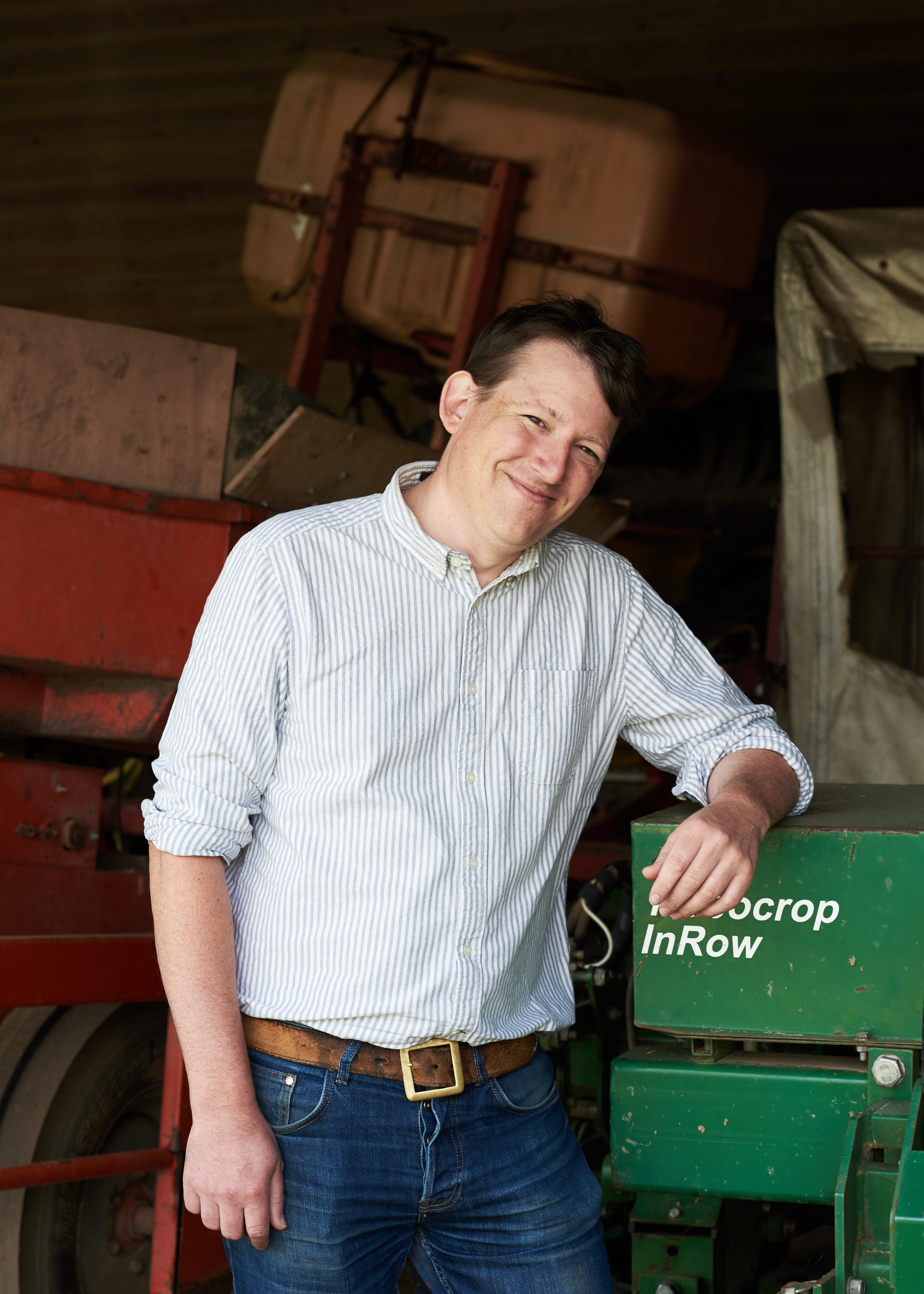
Building a better food system - with Josiah Meldrum
Dec 10, 202400:57:16Tap to summarizeMy guest today is Josiah Meldrum, co-founder and director at Hodmedod, the retailer and wholesaler of British-grown beans, pulses, grains and seeds.For over a decade, Hodmedod has been championing the long-forgotten British staple, the fava bean, as well as supporting farmers to experiment with new crops including lentils and chickpeas.While these are mostly niche crops today, Josiah and Hodmedod believe they have huge potential to add diversity to traditional arable rotations, bring farmers closer to their end customers, improve soil health and make the UK diet healthier and more sustainable. In this brilliant conversation Josiah discusses these many benefits, as well as telling the story of how Hodmedod came to be (and what the name means!), and sharing his insights on what a fairer, more sustainable food system could look like.Josiah is an incredible source of wisdom on these issues, and I certainly learnt a huge amount from talking to him.Enjoy!* Hodmedod website* Hodmedod Instagram* Ultra Processed People, by Chris van Tulleken* Using Emergence to Take Social Innovation to ScaleMusic by RomanSenykMusic via Pixabay This is a public episode. If you would like to discuss this with other subscribers or get access to bonus episodes, visit oliviarohll.substack.com
Transcribe →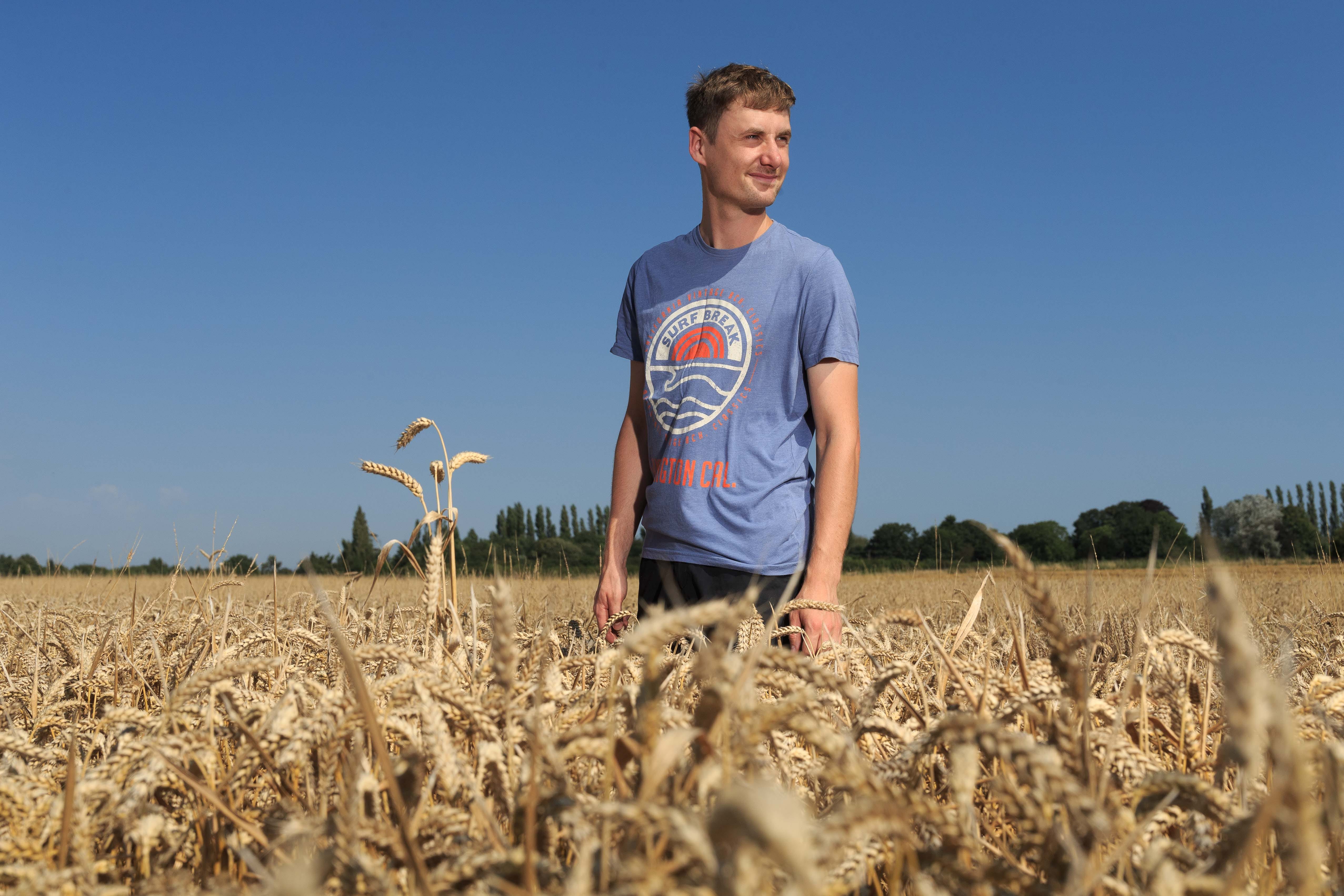
The business of regeneration - with Thomas Gent
Nov 26, 202400:47:56Tap to summarizeMy guest today is Thomas Gent, who farms regeneratively on 800 hectares in South Lincolnshire alongside his father and grandfather. The Gents were earlier adopters of practices we now call regenerative, having implemented minimum tillage 16 years ago, in an attempt to keep costs down, and step away from the race towards ever bigger and more expensive farm machinery.Today Thomas promotes their regenerative practices via the Gentle Farming brand, which exists to bring the farm closer to its customers, through talks and farm walks, and sales of crops direct to businesses interested in sustainable supply chains.As well as working on the farm Thomas is UK Country Lead at Agreena, the largest soil carbon credit programme in Europe, which he has worked with since their inception.Our conversation is really entertaining and far reaching, covering everything from what a regenerative farm looks like, to opportunities for farmers in soil carbon credits, and the challenges of developing a market for regeneratively produced food.Thomas was a fantastic guest, who clearly loves diving in to the thorny issues around food, the environment and farm business models. I’m sure you’re going to enjoy hearing his take on all these issues.* Gentle Farming website* Thomas’ LinkedIn* Thomas’ Instagram* Agreena website* Unpicking Food Prices report* Nutrient density could disrupt the entire food industry! Deep Seed podcast* Regenified website* Wildfarmed website* Six Inches of Soil film* Ravenous, by Henry Dimbleby and Jemima Lewis* Kiss the Ground filmMusic by RomanSenykMusic via Pixabay This is a public episode. If you would like to discuss this with other subscribers or get access to bonus episodes, visit oliviarohll.substack.com
Transcribe →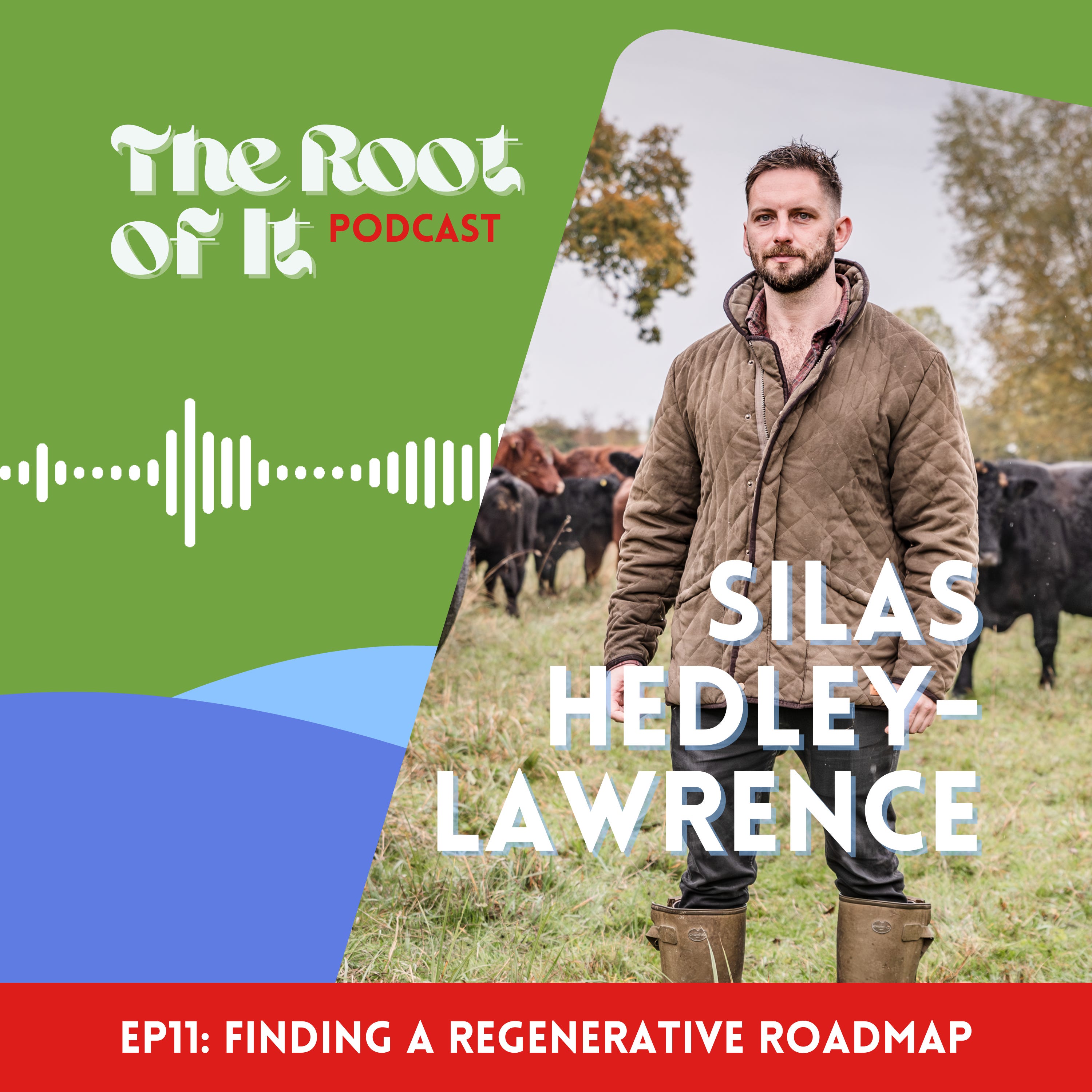
Finding a regenerative roadmap - with Silas Hedley-Lawrence
Nov 12, 202400:50:02Tap to summarizeMy guest today is Silas Hedley-Lawrence, an experienced farm manager who has recently struck out on his own as a regenerative coach and consultant, supporting farmers and land managers to build resilient, low-input systems.In this conversation we talk about Silas’ path into farming and the decision to start his own business, his experience farming in New Zealand as a teenager, and, of course, about his approach to supporting farms looking to build a more regenerative future.We go into why understanding a farm’s context is all important when it comes to charting a path forwards, as well as some of the key management techniques that Silas has seen implemented on livestock farms which contribute to better soil biology, and - more broadly, to farming systems which work better for both farmers and the planet.Enjoy!* Grassfed Farmer website* Grassfed Farmer Instagram* Kiss the Ground film* Roots so Deep documentary* Dirt to Soil, by Gabe Brown* For the Love of Soil, by Nicole MastersMusic by RomanSenykMusic via Pixabay This is a public episode. If you would like to discuss this with other subscribers or get access to bonus episodes, visit oliviarohll.substack.com
Transcribe →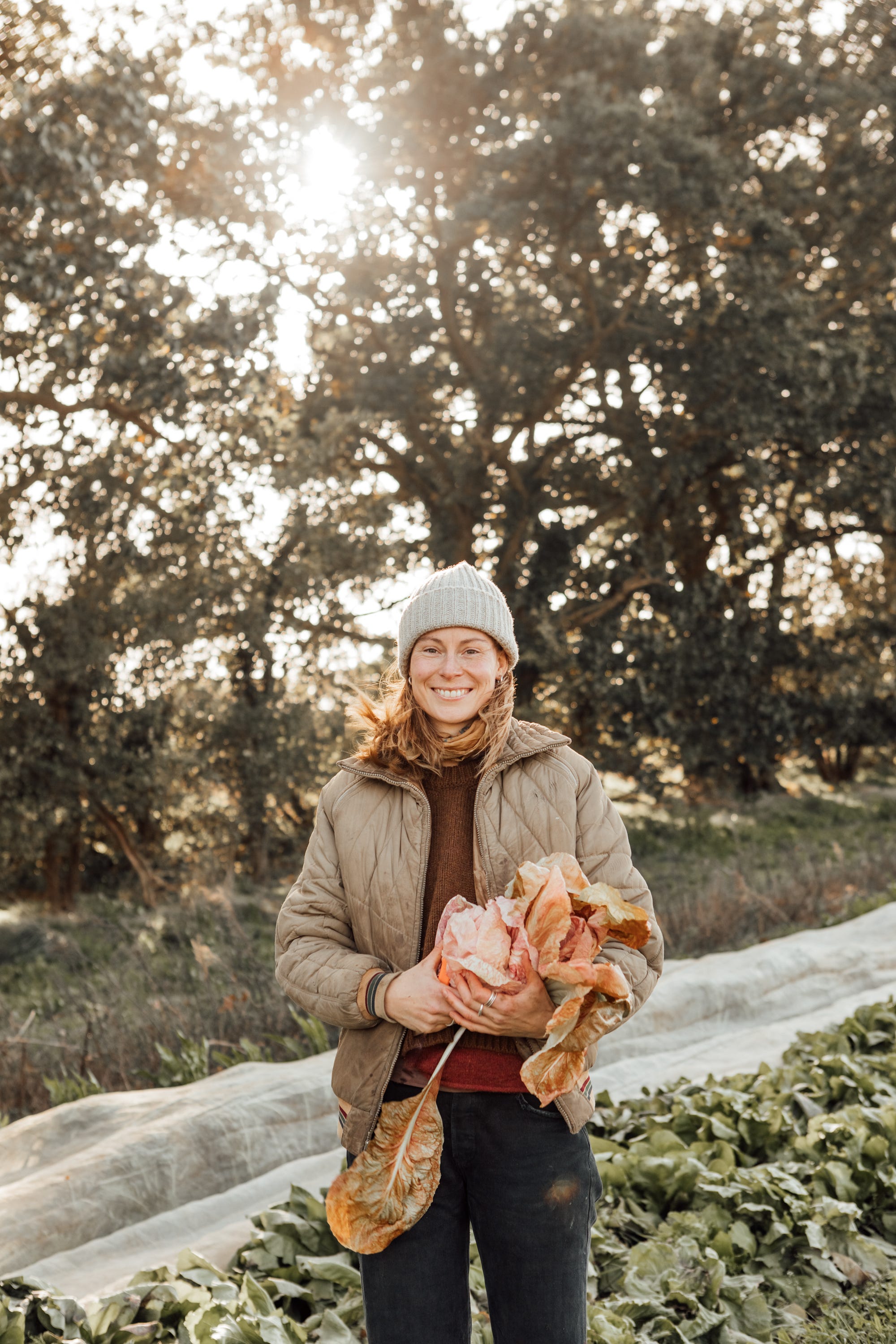
Called to grow - with Calixta Killander
Oct 29, 202400:51:33Tap to summarizeMy guest today is Calixta Killander, founder of Flourish Produce in Cambridgeshire.Flourish is a producer of vegetables, salads, cut flowers and heritage grains which has grown over seven years to occupy an 80 acre site – a significant size for a producer of such a diverse range of produce, where much of the work is done by hand.Diversity is key at Flourish, which is organic and working towards biodynamic certification. Calixta tells me they grow around 700 varieties, which is absolutely incredible, and includes all sorts of weird and wonderful veg I certainly hadn’t heard of.Calixta’s passion for ecological farming, and for inspiring and educating people through amazing food comes through so clearly in this episode, as does her resilience in the face of some real challenges.If you ever worry that you don’t get enough done in your week be prepared, because Calixta is very much a force of nature.Enjoy!* Flourish Produce website* Flourish Produce Instagram* Flourish Farm shop website* Flourish Farm shop Instagram* Chelsea Green Publishing* Farmer to Farmer with Chris BlanchardMusic by RomanSenykMusic via Pixabay This is a public episode. If you would like to discuss this with other subscribers or get access to bonus episodes, visit oliviarohll.substack.com
Transcribe →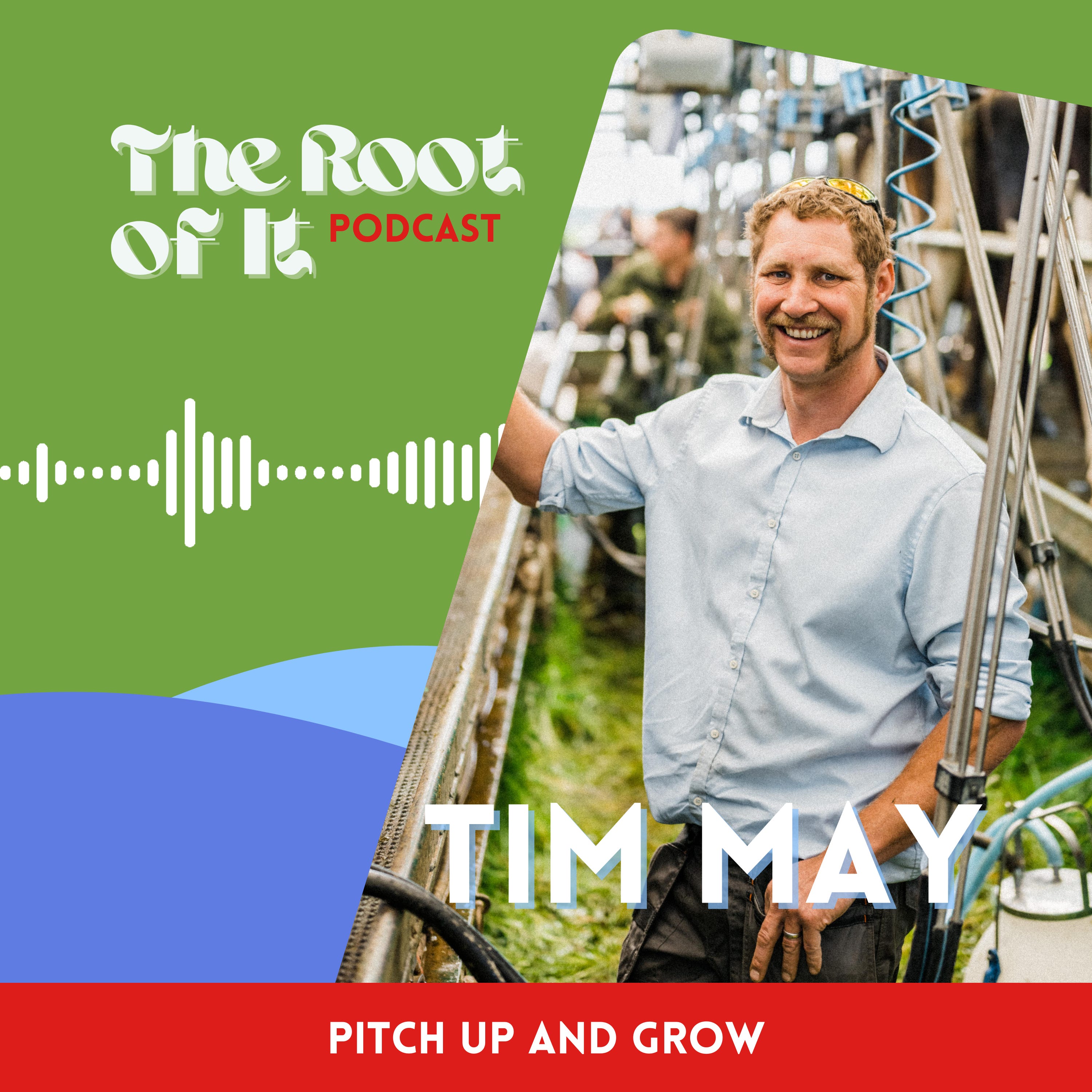
Pitch Up and Grow - with Tim May
Oct 15, 202400:47:28Tap to summarizeMy guest today is Tim May, Managing Director of Kingsclere Estates, a 1000ha organic and regenerative farm in Hampshire.After completing a Nuffield Scholarship on sustainability in 2011, Tim set about transforming the estate to better align with the principles of personal, social, financial and of course, environmental sustainability. Today the estate produces organic cereals, and grazes a dairy herd on its biodiverse pastures, using an innovative mobile milking system. Tim now wants to get more people and more enterprises onto the farm, to make better use of its natural abundance, and start to build a circular community of businesses. To do this, Kingsclere has developed the Pitch Up and Grow programme, which invites food and farming entrepreneurs to explain how their business fits in with the commercial and sustainability goals of the estate. This year’s Pitch Up, which launches in November (2024), will see seven farms come together to offers access to land, and a wide range of other support to relevant startups. Enjoy!* Olivia’s Substack* Olivia’s Instagram* Kingsclere Estates website* Nuffield Farming Scholarship website* The Omnivore’s Dilemma, by Michael Pollan* Polyface Farms website* Pitch Up and Grow website* Kingsclere Estates farm walks* Clarkson’s Farm* Regenerative Agriculture Podcast, with John KempfMusic by RomanSenykMusic via Pixabay This is a public episode. If you would like to discuss this with other subscribers or get access to bonus episodes, visit oliviarohll.substack.com
Transcribe →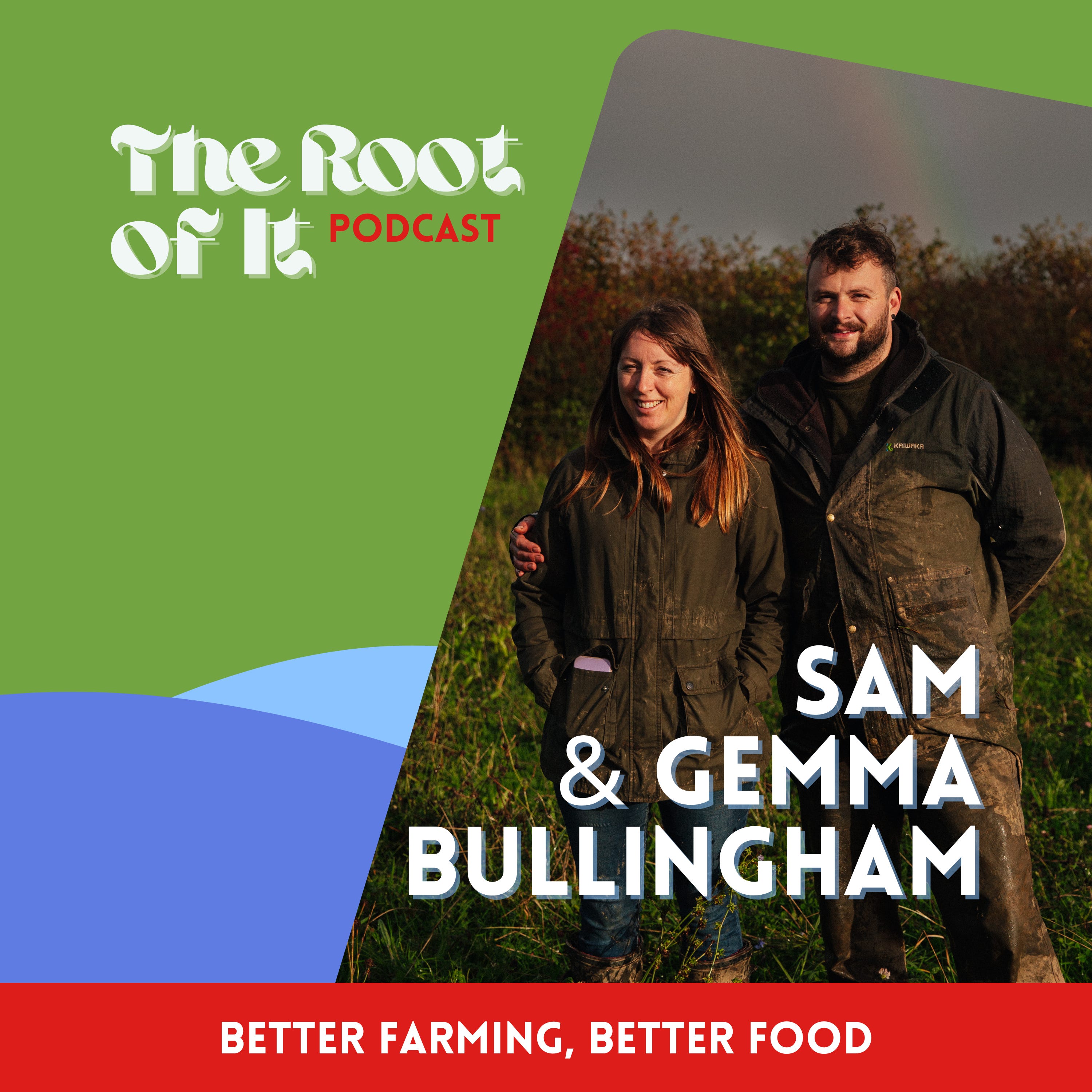
Better farming, better food - with Sam & Gemma Bullingham
Oct 1, 202400:59:10Tap to summarizeMy guests today are Sam and Gemma Bullingham of Taw River Dairy, Devon. Unusually for dairy systems, Taw River keeps calves with mothers to be reared and weaned naturally, and milks cows just once a day.They believe this is better for their animals, but it is also part of a broader philosophy around farming in a way that is beneficial to nature and the environment, produces nutrient dense products for sale in the local community, and builds a business that works for them and their family. As well as outlining their farming system, in this conversation we go in to issues such as how post-Brexit subsidies are working for farmers, how land might be optimally used in the UK and how Sam and Gemma would like to see more transparency and education around where food comes from.Sam and Gemma were very clear and candid in their answers to my questions here, and it was an absolute pleasure to speak to them.Enjoy!* Taw River’s Instagram profile* Taw River’s Facebook page* Ultra Processed People, by Chris van Tulleken* Eating to Extinction, by Dan Saladino* What Your Food Ate, by David Montgomery and Anne Biklé* The High Performance Podcast* A Greener World CertificationsMusic by RomanSenykMusic via Pixabay This is a public episode. If you would like to discuss this with other subscribers or get access to bonus episodes, visit oliviarohll.substack.com
Transcribe →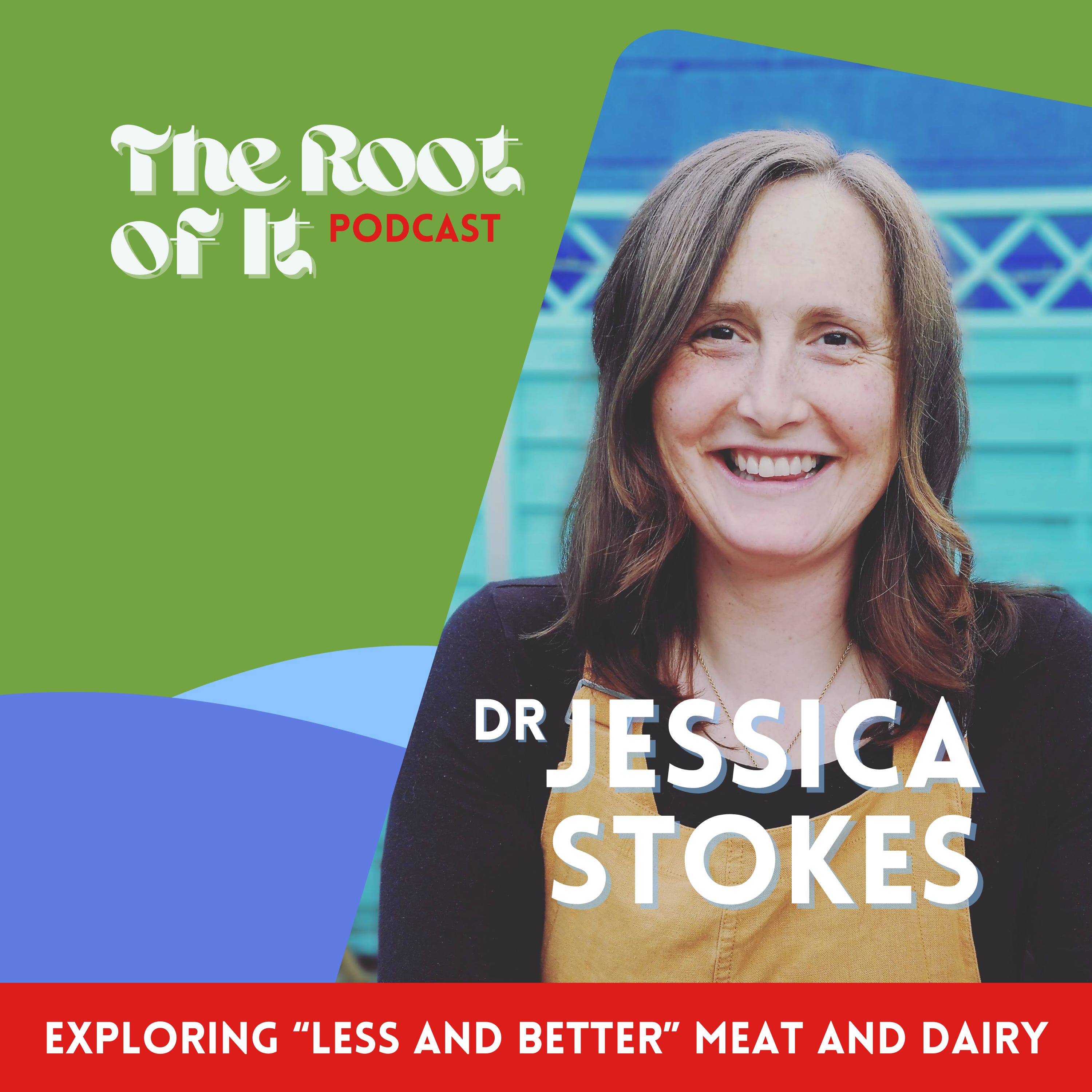
Exploring "less and better" meat and dairy - with Dr Jessica Stokes
Sep 17, 202400:56:24Tap to summarizeMy guest today is Dr Jessica Stokes, Associate Professor in Farm Animal Welfare Science and Policy at the Royal Agricultural University. Jessica is passionate about her subject, and more broadly about creating a just and sustainable food system which is good for people, animals and the planet.The goal of this conversation is to enable you to make more informed decisions when shopping, especially in the context of a move towards “less and better” meat and dairy consumption. We go through some basics of how farm animals are actually raised in the UK, delve into the research on animal intelligence and, critically, discuss what high welfare labelling and certifications to look out for in supermarkets.Enjoy!* Jessica’s LinkedIn profile* BBFAW 2023 report* CiWF standards analysis* British Veterinary Association scheme comparison* RSPCA Assured* Pasture For Life* Soil Association Certification* Directory of Cow Calf Dairies* The Ethical Dairy* The Meat Paradox, by Rob Percival* A Dairy Story, by David and Wilma Finlay* PIG: Tales from and Organic Farm, by Helen Browning and Tim FinneyMusic by RomanSenykMusic via Pixabay This is a public episode. If you would like to discuss this with other subscribers or get access to bonus episodes, visit oliviarohll.substack.com
Transcribe →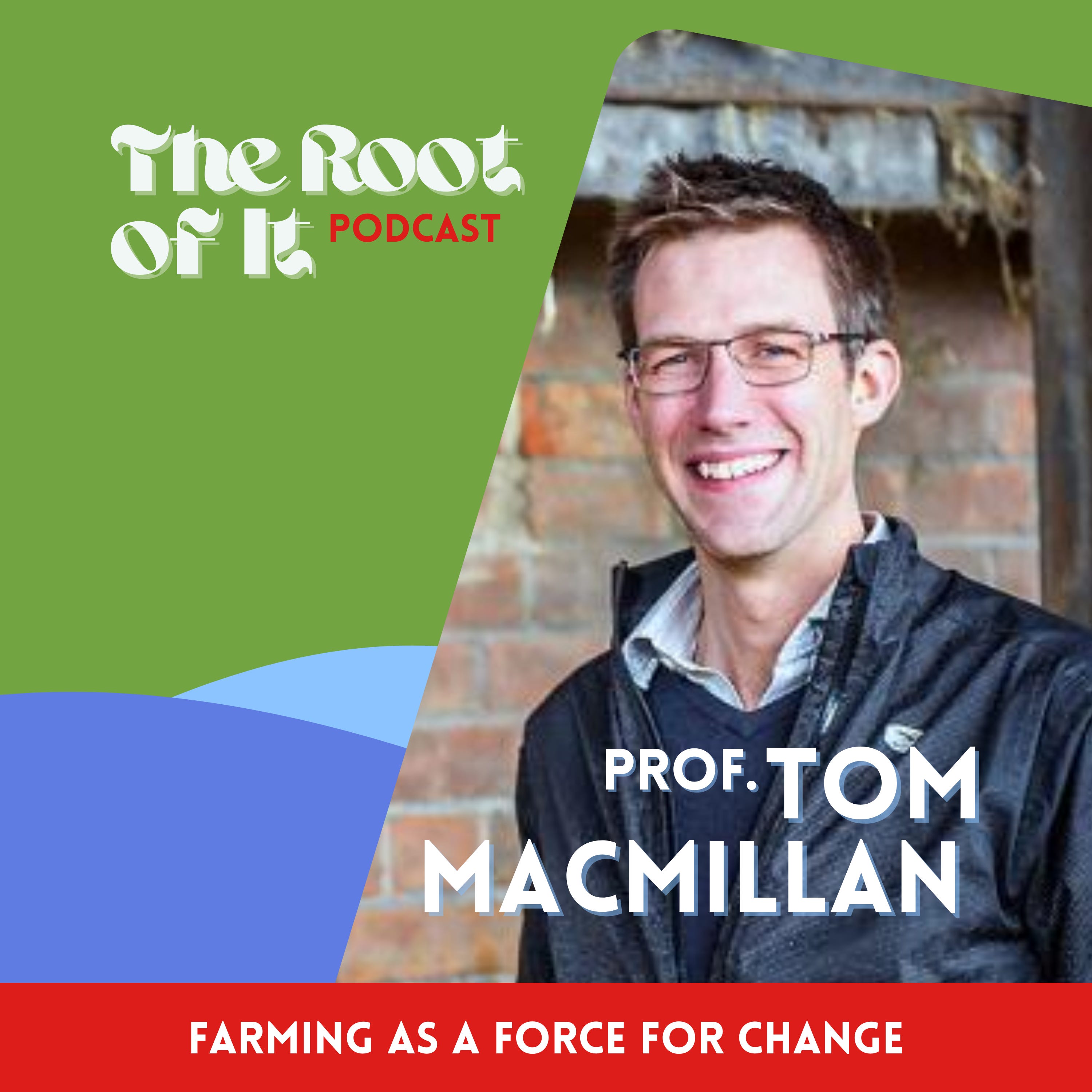
Farming as a force for change - with Professor Tom MacMillan
Sep 3, 202400:40:31Tap to summarizeMy guest today is Professor Tom MacMillan, Elizabeth Creak Chair in Rural Policy and Strategy at the Royal Agricultural University. As his job title suggests Tom is deeply involved in organisations dedicated to engaging with farmers and with government to help create a vibrant and sustainable farming sector, fit for the future.In this conversation we cover policy changes Tom would like to see happen under the new Labour government, the political barriers (real and perceived) to making change, and why Tom believes farming is such an important part of the answer to climate, nature and health crises.Enjoy!* https://www.linkedin.com/in/tom-macmillan/?originalSubdomain=uk* https://www.rau.ac.uk/about-rau/our-staff/professor-tom-macmillan* https://ffcc.co.uk/* https://www.ceiagri.org/* https://www.innovativefarmers.org/* https://nicre.co.uk/* https://www.nationalfoodstrategy.org/* https://www.amazon.co.uk/The-Ministry-for-the-Future/dp/0316300136Music by RomanSenykMusic via Pixabay This is a public episode. If you would like to discuss this with other subscribers or get access to bonus episodes, visit oliviarohll.substack.com
Transcribe →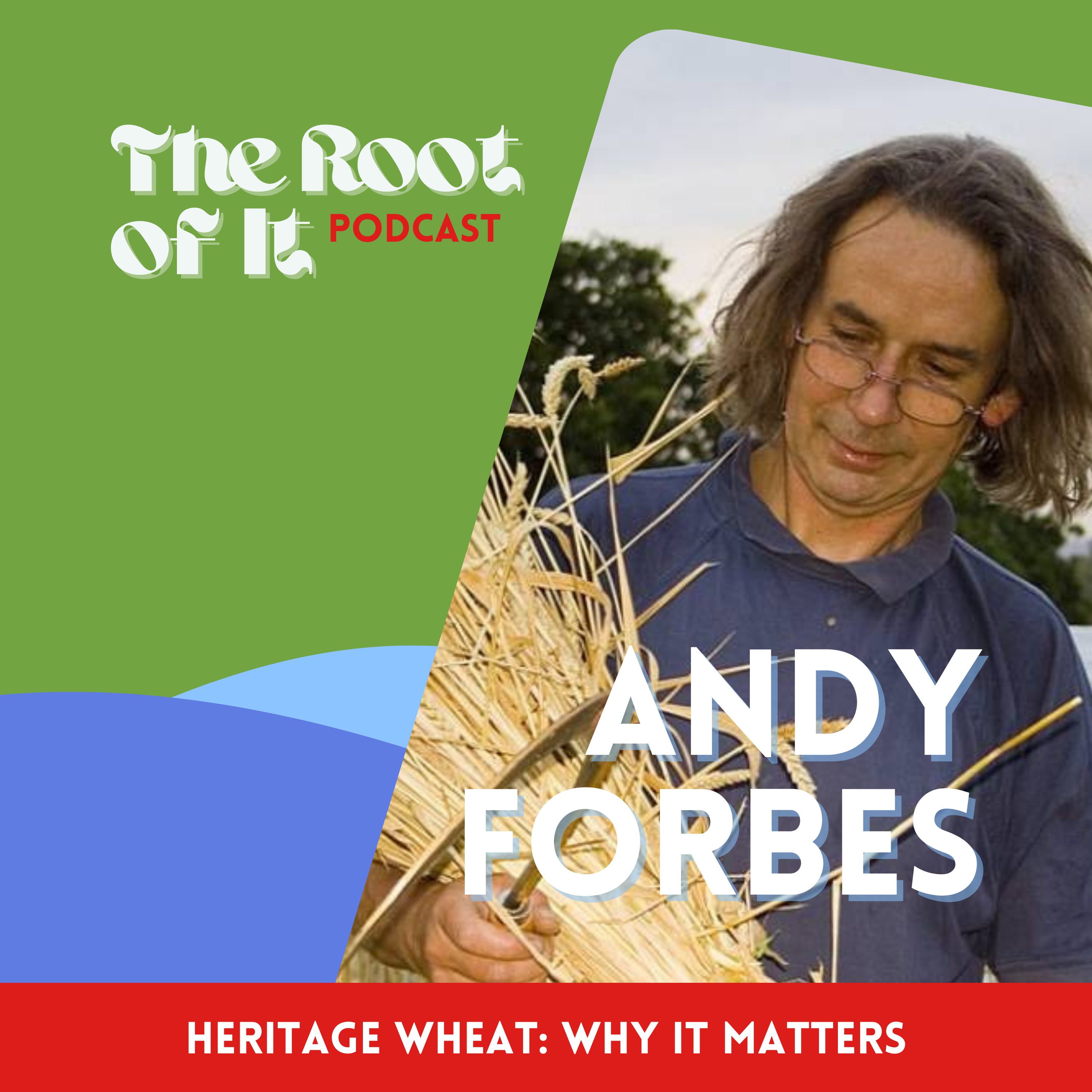
Heritage wheat: why it matters - with Andy Forbes
Aug 20, 202400:45:33Tap to summarizeMy guest today is Andy Forbes, founder of Brockwell Bake Association. Having started out with a love of baking his own sourdough bread, over several decades Andy has become an expert on heritage wheat (broadly, wheat that was in cultivation before the Second World War), which he now grows on his London allotment, as well as in collaboration with farmers around the country.In this conversation Andy explains how modern wheat was developed in the 20th century, and we discuss the reasons he believes heritage wheat varieties are still relevant today, the role gene banks play in preserving genetic diversity, and what it is about heritage wheat that makes such delicious and nutritious bread.Enjoy!* http://www.brockwell-bake.org.uk/* https://www.instagram.com/brockwell_bake/* https://farmerama.co/about/cereal/* https://www.ukgrainlab.com/* http://www.brockwell-bake.org.uk/docs/* http://www.wheat-gateway.org.uk/* http://www.bicga.org.uk/grain_map.phpMusic by RomanSenykMusic via Pixabay This is a public episode. If you would like to discuss this with other subscribers or get access to bonus episodes, visit oliviarohll.substack.com
Transcribe →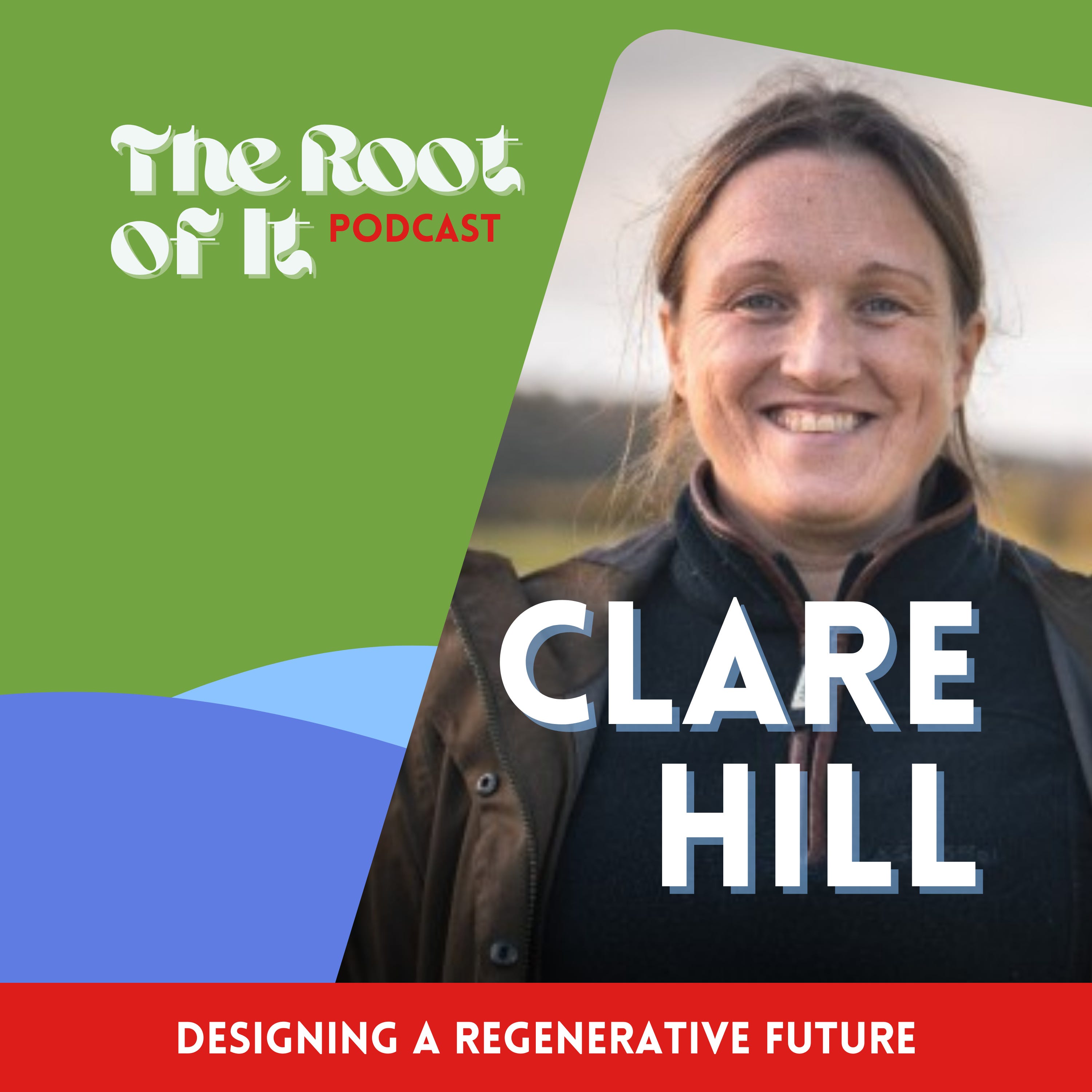
Designing a regenerative future - with Clare Hill
Aug 6, 202400:48:35Tap to summarizeMy guest today is Clare Hill, Co-founder of Planton Farm in Shropshire. Clare is a farmer, consultant, coach and long-time advocate for regenerative farming, and has a broad perspective on the challenges facing the food system, combined with an infectious energy for taking action.In this conversation we dig into the barriers holding farmers back from adopting more sustainable methods - financial, social and otherwise, the challenge of food security, and the impact of regenerative initiatives by big corporates.Enjoy!* https://plantonfarm.co.uk/* https://rootsofnature.co.uk/farmers-guide-transition-regenerative-agriculture/* https://www.faifarms.com/* https://www.regenben.com/* https://www.riverford.co.uk/* https://www.waterstones.com/book/eating-to-extinction/dan-saladino/9781784709686* https://www.gov.uk/government/statistics/farm-business-income/farm-business-income-by-type-of-farm-in-england-202223--2* https://www.fairr.org/themes/biodiversity/regenerative-agriculture* https://agreenerworld.org.uk/certifications/certified-regenerative/* https://www.ooooby.com/* https://www.myriad-organics.co.uk/* https://www.primalmeats.co.uk/planton-farm/* https://www.linkedin.com/company/planton-farm/* https://www.linkedin.com/in/clare-hill-28510a14/* https://www.instagram.com/planton_farm/?hl=en* https://www.waterstones.com/book/dirt-to-soil/gabe-brown/9781603587631* https://www.waterstones.com/book/restoration-agriculture/mark-shepard/9781601730350* https://www.waterstones.com/book/ultra-processed-people/chris-van-tulleken/9781529160222Music by RomanSenykMusic via Pixabay This is a public episode. If you would like to discuss this with other subscribers or get access to bonus episodes, visit oliviarohll.substack.com
Transcribe →