Podcast
The Skillful Art Of Manipulation | Mastering Psychology & Influence
Hosted by Joe & Ryan · EN
In the realm of true crime, dark psychology, and mind manipulation, The Skillful Art of Manipulation is your immersive gateway into the chilling world of psychological thrillers, real-world mind games, and behavioral control. Hosted by Joe & Ryan, this gripping podcast and audiobook series dissects the tactics of emotional coercion, deception, and influence used in romance, business, politics, and beyond. Each episode unpacks how modern manipulators — from con artists and cult leaders to toxic partners and corporate strategists — exploit psychological triggers, communication tools, and power dynamics. Through real-life stories, psychological breakdowns, and expert insights, we decode body language, decision-making behavior, and NLP techniques that reveal the hidden rules of persuasion. Whether you’re obsessed with unsolved mysteries, studying human behavior, or protecting yourself from covert psychological abuse, this thriller series exposes the mechanics of control — and equips you with...
62episodes
Episodes
Newest firstAll episodes
He Was Hot. Then Cold. Then Warm Again. I Spent a Year Learning the Pattern. | The Intermittent Reinforcement Trap
May 2100:08:27Tap to summarizeHe was warm one week and gone the next. No explanation. No pattern she could predict. And she spent a year trying to calibrate her availability to produce his warmth. This is the full first-person account of intermittent reinforcement — the psychological mechanism B.F. Skinner documented in the 1950s, applied to human relationships, and the reason it is one of the most difficult manipulation patterns to recognize and exit. The Skillful Art of Manipulation.
Transcribe →
I Brought Him Evidence. He Made Me Apologize For Finding It. | DARVO
May 1900:08:53Tap to summarizeDARVO — Deny, Attack, Reverse Victim and Offender — is a manipulation pattern documented by psychologist Jennifer Freyd in 1997. This episode tells one first-person story of what it looks like from inside: a woman who comes to her partner with verifiable evidence, and leaves the conversation apologizing. Three times. The mechanism described is not shouting or cruelty — it is the quiet redirection of empathy, the transformation of confrontation into betrayal, the reframing of evidence as a character flaw. The episode covers the full arc: the denial, the attack, the reversal, and the exit — and ends with the question of whether recognizing the pattern earlier would have changed anything. The Skillful Art of Manipulation — psychology, coercive control, and manipulation awareness, fully documented.
Transcribe →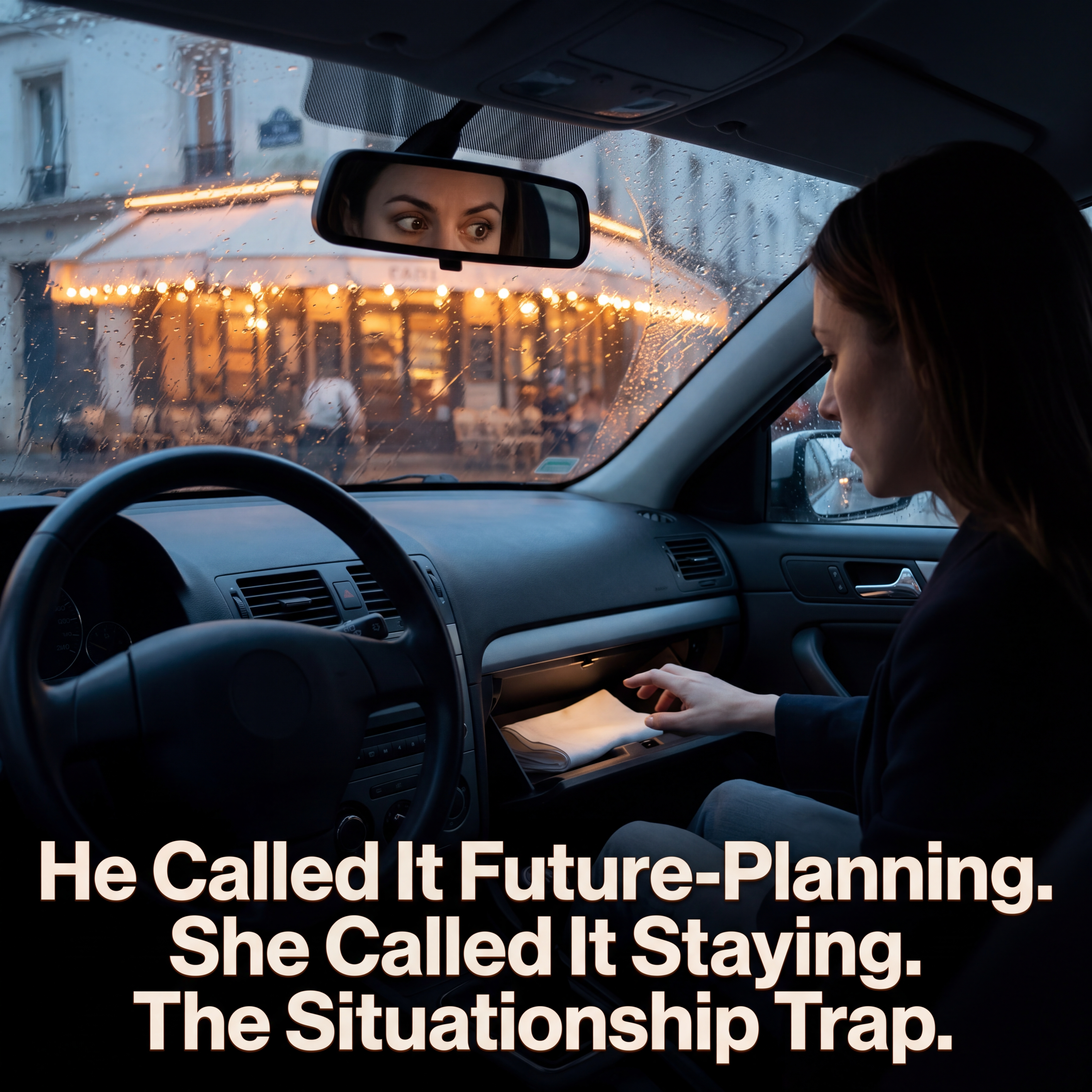
He Called It Future-Planning. She Called It Staying. The Situationship Trap.
May 1400:12:33Tap to summarizeFuture faking is one of the most sophisticated forms of relational manipulation — the sustained use of implied future commitment to sustain a relationship in the present without the commitment ever materializing. In this first-person episode of The Skillful Art of Manipulation, a woman reconstructs the eighteen months during which her hope was precisely managed, her schedule reorganized, her relationships deprioritized, and her direct questions dissolved into laughter or deflection. The anchor: a cloth napkin left in a glove compartment for three months. The pivot point: a restaurant reservation in his Favorites, three years old, table for two, Valentine's Day, another name.
Transcribe →
He Moved Into My Space. Then He Moved Into My Account.
May 1000:07:12Tap to summarizeHe started with six weeks on the couch. Then he was on the utilities, the internet account, the gym membership. By the time the relationship ended, three months of logistics and two hundred dollars in break fees separated them. This episode of The Skillful Art of Manipulation breaks down the financial cohabitation trap: how a manipulator inserts themselves into your expenses one reasonable step at a time until removing them becomes its own project. The lock clicks when you try to open the door from the inside. New episodes weekly on Spotify and Apple Podcasts.
Transcribe →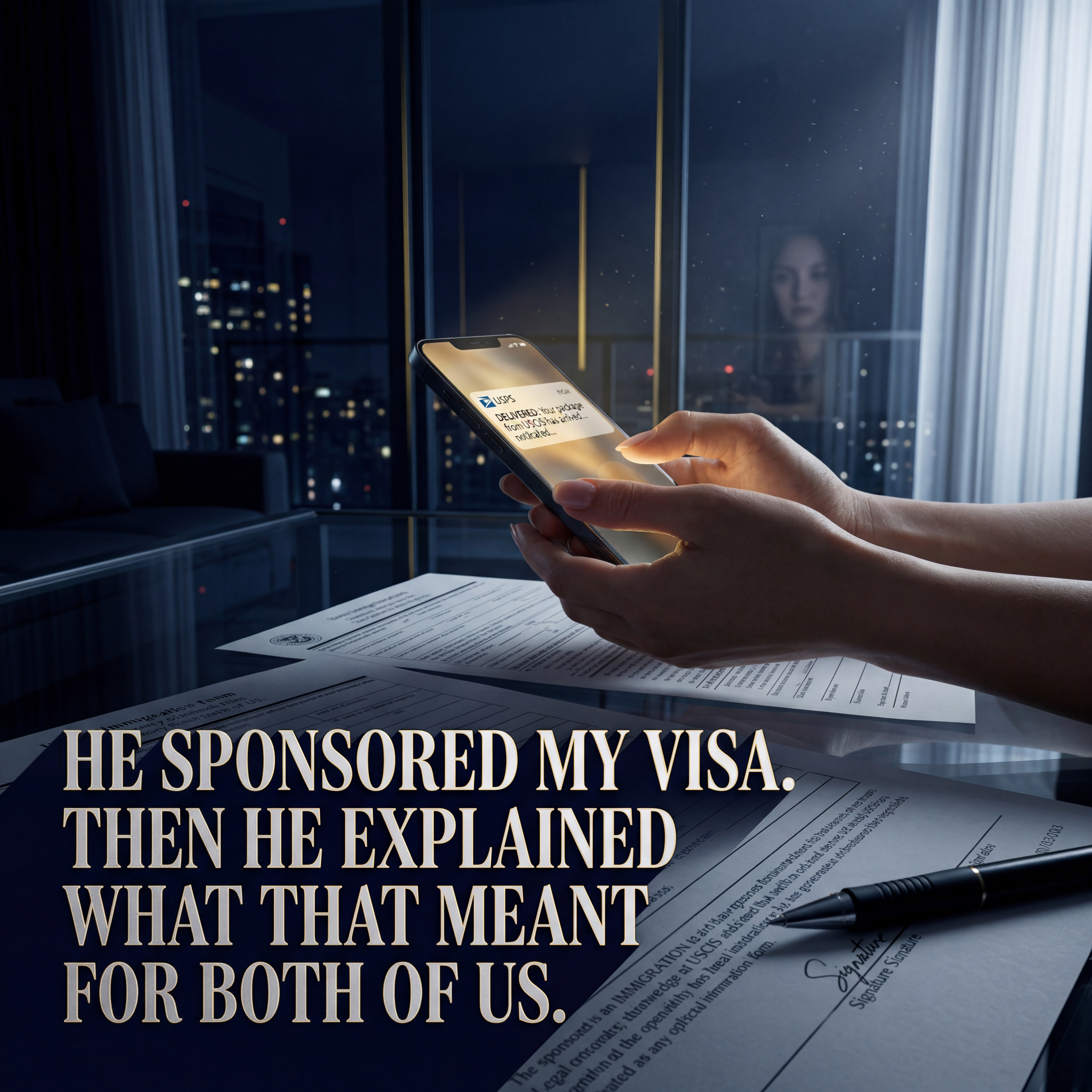
He Sponsored My Visa. Then He Explained What That Meant for Both of Us. | Skillful Art of Manipulation
May 700:11:24Tap to summarizeShe agreed to let him sponsor her work visa through his consulting firm. It sounded like a partnership. It became something else. This episode traces the architecture of immigration-based coercive control — the way gratitude creates unnamed obligation, the way joint finances become a structure one person manages, the way a USPS notification sound becomes part of your nervous system when your immigration status depends on someone else's goodwill. First-person psychological truth. No cartoon villains. Just the structure that builds itself from individually reasonable decisions. The Skillful Art of Manipulation — new episodes weekly.
Transcribe →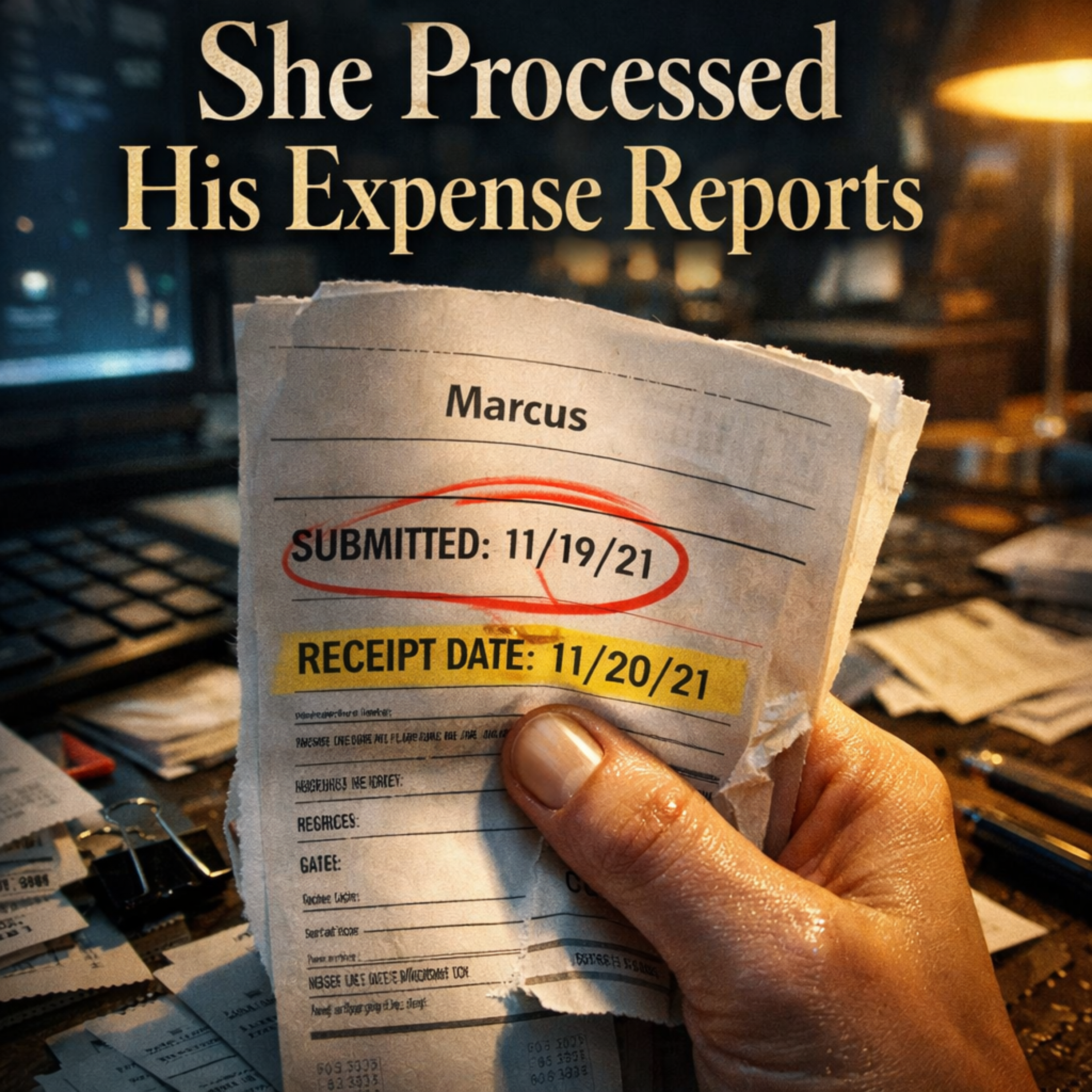
She Processed His Expense Reports. Then She Read Them.
May 500:08:45Tap to summarizeA 29-year-old junior financial analyst discovers, during a routine year-end reconciliation, that her direct supervisor has been submitting expense reports with wrong client codes, inactive account charges, and a timestamp that was filed before the receipt existed. With her boss as her professional reference, the HR director as his university connection, and her own name in the workflow history of every fraudulent submission, she faces a decision that has no clean outcome. Workplace Entanglement — subscribe on Spotify and Apple Podcasts.
Transcribe →
He Made Me Feel Like the Exception. That Was the Whole Point.
May 300:08:28Tap to summarizeHe always had her coffee waiting. The exact right order, at the exact right spot. She called it intimacy. This episode of The Skillful Art of Manipulation follows a 31-year-old project manager through a first-person account of romantic manipulation: love bombing, social orbit building, variable reward scheduling, manufactured vulnerability, and the Christmas that closed the trap. Told from inside the pattern — before the narrator has the vocabulary to name what's happening. Subscribe on Spotify and Apple Podcasts.
Transcribe →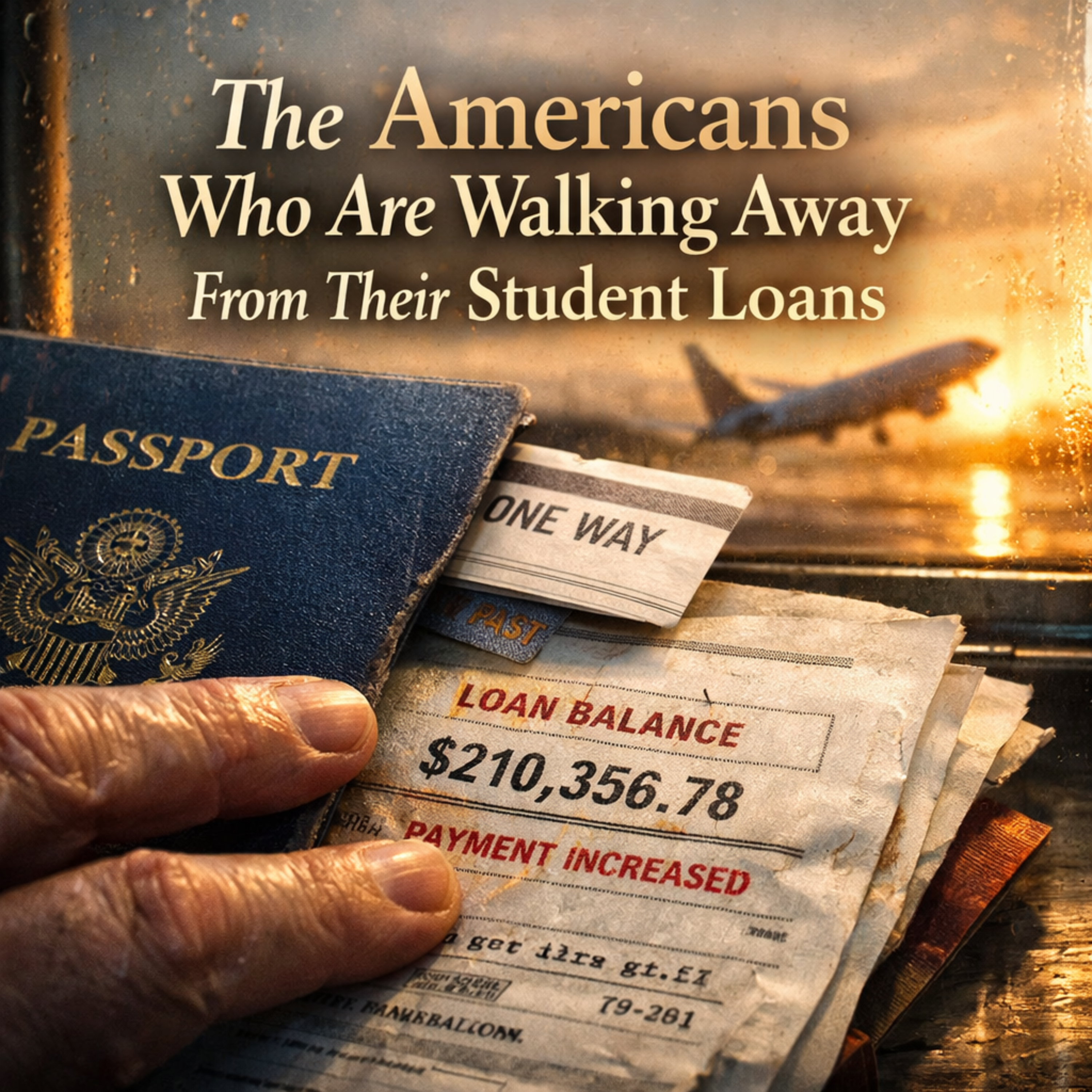
The Americans Who Are Walking Away From Their Student Loans
Apr 3000:07:49Tap to summarizeA record number of American student loan borrowers are in default — and some are making a calculated decision to leave the country entirely. This episode examines the real math: why the US federal loan apparatus cannot effectively reach borrowers living and earning abroad, the professional cost of carrying six-figure debt through every career decision you make, and what it means when the system produces record-level abandonment not from deadbeats but from employed professionals with degrees they used. The structural failure behind the numbers. Workplace Entanglement — weekly episodes on professional dynamics, financial power, and the invisible rules of working life.
Transcribe →
The Attorney General Who Stayed Loyal Until It Didn't Matter
Apr 2800:07:34Tap to summarizeShe protected him on the Epstein files. She controlled the DOJ through his worst weeks. Then he fired her without a conversation. Here is what the calculation actually cost.
Transcribe →
The Briefing She Never Missed: How Power Uses Loyalty As a Leash
Apr 2800:08:19Tap to summarizeShe never missed a briefing. She stayed loyal when others left. Then one morning, the call came from someone else. Here is how institutional power turns devotion into a trap.
Transcribe →