Podcast
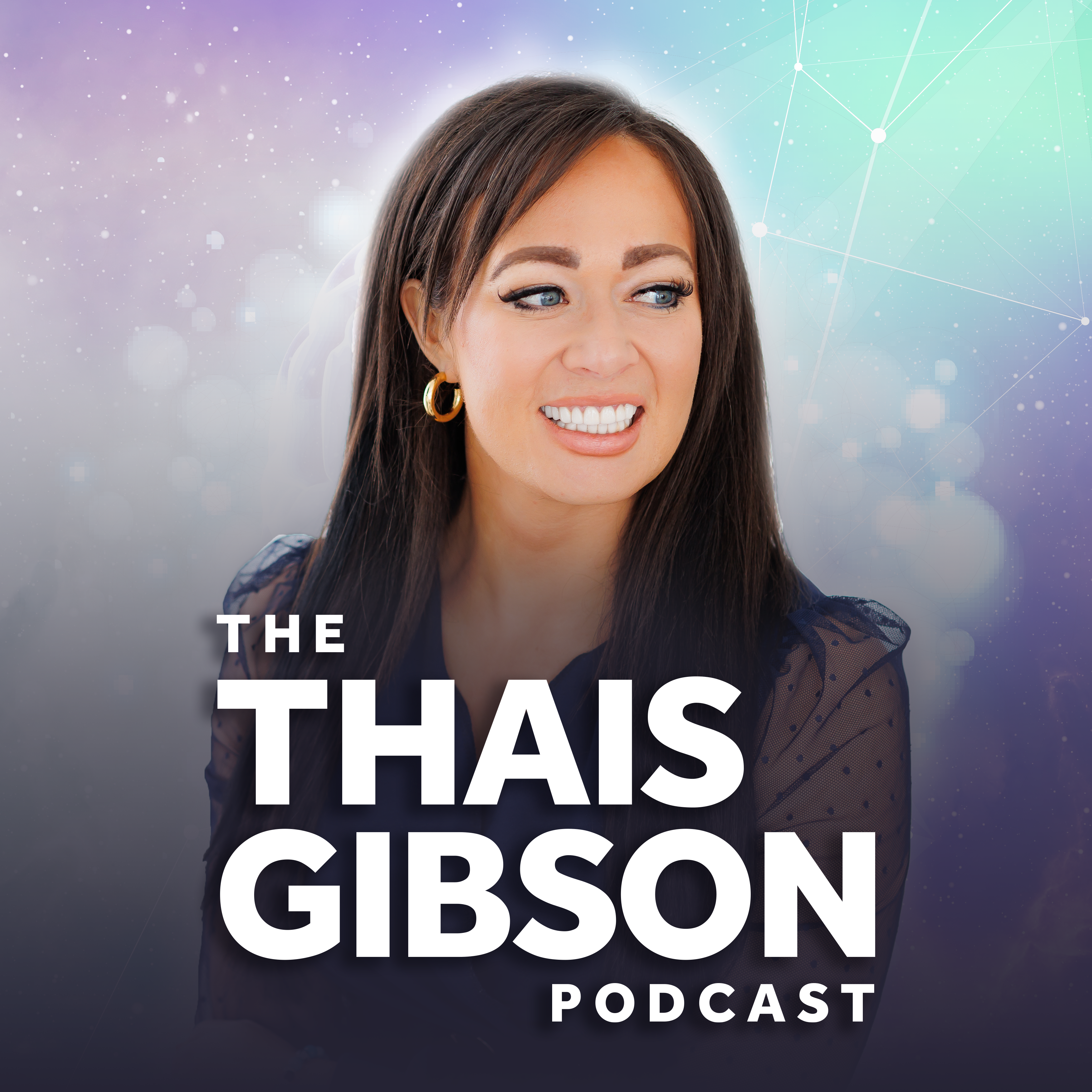
The Thais Gibson Podcast
Hosted by Thais Gibson · EN
Welcome to The Thais Gibson Podcast, where transformation happens fast and lasts a lifetime. Tune in for expert insights on breaking free from repetitive patterns, practical steps for reprogramming your subconscious mind, and empowering conversations that will inspire you to evolve into your best self across all aspects of life!
184episodes
Episodes
Newest firstAll episodes
Want to Permanently Move On From an Avoidant? THIS Is the Only Shift That Works
Yesterday00:15:03Summary readyHeal From Heartbreak at the Root. Try the Breakup Course Free With Your 7-day Trial. Start Here: https://attachment.personaldevelopmentschool.com/dream-life?utm_source=podcast&utm_campaign=7-day-trial&utm_medium=organic&utm_content=pod-08-14-26&el=podcast Are you still struggling to move on from your Avoidant ex? If you're stuck replaying the relationship, questioning what happened, or wondering why you can't let go, this video will help you find real closure and show you how to rebuild your sense of self from the inside out. Episode Summary In this episode, Thais Gibson explains why healing after a relationship with a Dismissive Avoidant requires more than simply waiting for time to pass. She explores the difference between someone moving at a slower emotional pace versus someone who is unwilling to grow or reciprocate, helping you gain clarity about what really happened in your relationship. You'll learn how outsourcing your self-esteem, validation, and emotional needs can keep you attached long after the relationship has ended. Through powerful analogies including The Mastery of Love's "Magical Kitchen" and practical exercises, Thais demonstrates how learning to meet your own emotional needs builds healthier boundaries, stronger self-worth, and greater emotional resilience. Most importantly, she reminds us that true healing begins when we stop searching for someone else to complete us and instead build a relationship with ourselves that is rooted in self-respect, emotional security, and genuine self-love. Key Takeaways ✔️ Moving slowly in a relationship is different from showing no meaningful progress ✔️ Healing begins by recognizing whether someone was truly willing to grow ✔️ Outsourcing your self-worth makes it easier to accept unhealthy relationship patterns ✔️ Meeting your own emotional needs strengthens your boundaries and self-esteem ✔️ Self-love is built through consistent daily actions, not abstract ideas ✔️ New emotional habits become easier as they are repeated and reinforced ✔️ Lasting healing comes from creating security within yourself rather than seeking it from others Timestamps 00:00 – Moving on From an Avoidant Ex 00:33 – 1. Dismissive Avoidants Set the Pace in Relationships 02:06 – Slow Pace With Clear Progress ≠ No Progress 03:57 – How to Heal From a Breakup Course Promo 04:17 – 2. Reclaim Your Self-Esteem, Needs, and Everything That Makes You Feel Good 05:32 – The Mastery of Love: The Magical Kitchen 08:28 – 3. This Relates to Your Ability to Meet Your Own Needs Within a Relationship 09:21 – Steps for Healing 12:27 – Habituation: Meeting Your Own Needs 13:37 – Ancient Wisdom on Self-Love Meet the Host Thais Gibson is the founder of The Personal Development School and a world leader in attachment theory. With a Ph.D. and over a dozen certifications, she’s helped more than 70,000 people reprogram their subconscious and build thriving relationships. Helpful Resources: 🧠 Take the Free Attachment Style Quiz https://attachment.personaldevelopmentschool.com/?utm_source=podcast&utm_campaign=attachment-quiz&utm_medium=organic&el=podcast 📘 Become an IAT Relationship Coach https://attachment.personaldevelopmentschool.com/iat?utm_source=podcast&utm_campaign=iat&utm_medium=organic&el=podcast 📚 Read the New Attachment Theory Book https://attachment.personaldevelopmentschool.com/book/the-new-attachment-theory?utm_source=podcast&utm_campaign=the-new-attachment-theory&utm_medium=organic&el=podcast 🎧 Discover Podcast Episodes https://attachment.personaldevelopmentschool.com/podcast?utm_source=podcast&utm_campaign=podcast-page&utm_medium=organic&el=podcast 📝 Read the PDS Blog https://blog.personaldevelopmentschool.com/ Let’s Connect on Socials: 📸 Instagram: https://www.instagram.com/thepersonaldevelopmentschool/ 📘 Facebook: https://www.facebook.com/ThePersonalDevelopmentSchool 🎵 TikTok: https://www.tiktok.com/@thaisgibson 💼 LinkedIn: https://www.linkedin.com/company/thepersonaldevelopmentschool/
SummaryHow I (Fearful Avoidant) & My Husband (Dismissive Avoidant) Became Secure Together - 7 Steps
3d ago00:16:15Summary readyFree Live Masterclass: Why Your Avoidant Pulls Away & How to Reconnect. Save Your Seat. Start Here: https://attachment.personaldevelopmentschool.com/masterclass/da/join?utm_source=podcast&utm_campaign=da-masterclass&utm_medium=organic&utm_content=pod-08-12-26&el=podcast Can a Fearful Avoidant and a Dismissive Avoidant build a truly secure relationship together? The answer is yes, but it requires intentional healing, communication, and a willingness from both partners to grow. Episode Summary In this episode, Thais Gibson shares the personal story of how she and her husband transformed their relationship from Fearful Avoidant and Dismissive Avoidant attachment patterns into a secure, deeply connected partnership. You'll learn the seven key practices that made the biggest difference, including healing core wounds, communicating needs openly, practicing co-regulation, becoming more flexible, asking meaningful questions, protecting the relationship, and regularly expressing appreciation. Thais explains how secure relationships aren't built through perfection—they're built through consistent effort, emotional safety, and both partners showing up for one another. Most importantly, she offers hope that lasting change is possible when both people are committed to healing and creating healthier relationship patterns together. Key Takeaways ✔️ Healing core wounds creates stronger relationships ✔️ Communicating needs prevents resentment and misunderstanding ✔️ Co-regulation strengthens emotional safety ✔️ Flexibility and compromise build trust ✔️ Meaningful conversations deepen intimacy ✔️ Protecting the relationship creates long-term security ✔️ Appreciation keeps connection strong over time Timestamps 00:00 – Becoming Secure With My Husband 01:24 – Happy Relationships Are Possible 02:47 – 1. Start Core Wound Reprogramming 05:52 – 2. Communicate Your Needs 08:03 – 3. Practice Coregulation 08:52 – 4. Practice Flexibility and Compromise 10:32 – 5. Ask Each Other Meaningful Questions 11:55 – Masterclass Promo: The Psychology of the Avoidant Partner 12:23 – 6. Have Each Other's Backs and Be Protective of the Relationship 14:30 – 7. Show Acts of Appreciation Meet the Host Thais Gibson is the founder of The Personal Development School and a world leader in attachment theory. With a Ph.D. and over a dozen certifications, she’s helped more than 70,000 people reprogram their subconscious and build thriving relationships. Helpful Resources: 🧠 Take the Free Attachment Style Quiz https://attachment.personaldevelopmentschool.com/?utm_source=podcast&utm_campaign=attachment-quiz&utm_medium=organic&el=podcast 📘 Become an IAT Relationship Coach https://attachment.personaldevelopmentschool.com/iat?utm_source=podcast&utm_campaign=iat&utm_medium=organic&el=podcast 📚 Read the New Attachment Theory Book https://attachment.personaldevelopmentschool.com/book/the-new-attachment-theory?utm_source=podcast&utm_campaign=the-new-attachment-theory&utm_medium=organic&el=podcast 🎧 Discover Podcast Episodes https://attachment.personaldevelopmentschool.com/podcast?utm_source=podcast&utm_campaign=podcast-page&utm_medium=organic&el=podcast 📝 Read the PDS Blog https://blog.personaldevelopmentschool.com/ Let’s Connect on Socials: 📸 Instagram: https://www.instagram.com/thepersonaldevelopmentschool/ 📘 Facebook: https://www.facebook.com/ThePersonalDevelopmentSchool 🎵 TikTok: https://www.tiktok.com/@thaisgibson 💼 LinkedIn: https://www.linkedin.com/company/thepersonaldevelopmentschool/
SummaryGet Over Your Avoidant Ex Immediately with THESE Steps
5d ago00:12:28Summary readyHeal From Heartbreak at the Root. Try the Breakup Course Free With Your 7-day Trial. Start Here: https://attachment.personaldevelopmentschool.com/dream-life?utm_source=podcast&utm_campaign=7-day-trial&utm_medium=organic&utm_content=pod-08-10-26&el=podcast Are you struggling to move on from an Avoidant ex? Whether it was a long-term relationship, a situationship, or a marriage, breakups can leave you feeling stuck, constantly replaying the past and wondering why you can't let go. The good news is that healing isn't about forgetting them, it's about understanding what your subconscious mind is actually grieving. Episode Summary In this episode, Thais Gibson explains why breakups with Avoidant partners can feel especially painful and shares practical steps to help you move forward. She explores how the subconscious mind identifies with a partner, becomes dependent on having certain emotional needs met through the relationship, and often grieves the fantasy of what could have been just as much as the person themselves. You'll learn why painful stories after a breakup keep you emotionally stuck, how unmet needs make it harder to let go, and why healing begins by identifying what you were truly seeking from the relationship. Thais also walks through actionable exercises that help you reconnect with your own needs, evaluate how well your former partner actually met them, and create healthier ways to meet those needs moving forward. Most importantly, she reminds us that moving on isn't about suppressing grief; it's about rewiring the subconscious patterns that keep us attached to pain. Key Takeaways ✔️ Your subconscious mind often identifies with your partner after emotional attachment ✔️ Breakups create grief by disrupting both identity and unmet emotional needs ✔️ Painful stories about the breakup can prolong emotional suffering ✔️ We often grieve the fantasy of a relationship as much as the reality ✔️ Identifying the needs your ex fulfilled creates clarity and accelerates healing ✔️ Learning to meet your own needs reduces emotional dependency ✔️ Comparing your relationship to your actual standards helps you move forward with confidence Timestamps 00:00 – Moving On From Your Avoidant Ex 00:45 – The Subconscious Mind 00:45 – 1. We Start to Identify Ourselves With That Person 03:01 – 2. We Get Used to Having Our Needs Met 04:48 – 3. We Tell Painful Stories After a Breakup 06:05 – 4. We Grieve the Fantasy of the Person 07:05 – 7-Day Trial + Skyrocket Your Self-Esteem Course Promo 07:27 – Step 1: Make a List of the Needs You Think This Person Met 08:24 – Step 2: How Much Do You Feel Like Your Needs Met? 10:16 – What Can You Do to Meet the Needs You’re Hungering For? 11:16 – Make a List of the Things You Want in a Partner 11:44 – Write Down How Much the Person Showed Up to Meet Those Needs Meet the Host Thais Gibson is the founder of The Personal Development School and a world leader in attachment theory. With a Ph.D. and over a dozen certifications, she’s helped more than 70,000 people reprogram their subconscious and build thriving relationships. Helpful Resources: 🧠 Take the Free Attachment Style Quiz https://attachment.personaldevelopmentschool.com/?utm_source=podcast&utm_campaign=attachment-quiz&utm_medium=organic&el=podcast 📘 Become an IAT Relationship Coach https://attachment.personaldevelopmentschool.com/iat?utm_source=podcast&utm_campaign=iat&utm_medium=organic&el=podcast 📚 Read the New Attachment Theory Book https://attachment.personaldevelopmentschool.com/book/the-new-attachment-theory?utm_source=podcast&utm_campaign=the-new-attachment-theory&utm_medium=organic&el=podcast 🎧 Discover Podcast Episodes https://attachment.personaldevelopmentschool.com/podcast?utm_source=podcast&utm_campaign=podcast-page&utm_medium=organic&el=podcast 📝 Read the PDS Blog https://blog.personaldevelopmentschool.com/ Let’s Connect on Socials: 📸 Instagram: https://www.instagram.com/thepersonaldevelopmentschool/ 📘 Facebook: https://www.facebook.com/ThePersonalDevelopmentSchool 🎵 TikTok: https://www.tiktok.com/@thaisgibson 💼 LinkedIn: https://www.linkedin.com/company/thepersonaldevelopmentschool/
SummaryThe REAL Reason You're Still Stuck As A Fearful Avoidant
5d ago00:08:28Summary readyGet the Core Wound Healing Bundle Free. Start Your 7-Day Trial to the All-Access Pass Today https://attachment.personaldevelopmentschool.com/core-wound-bundle?utm_source=podcast&utm_campaign=core-wound-bundle&utm_medium=organic&utm_content=pod-08-09-26&el=podcast Why aren't you becoming Securely Attached even after learning communication skills and nervous system regulation? The missing piece may not be your behaviors at all. It may be the subconscious beliefs driving them. Episode Summary In this episode, Thais Gibson explains why becoming securely attached requires more than learning communication techniques or regulating your nervous system. While both are essential, she reveals that core wounds, the subconscious beliefs formed through past experiences, are often the deepest drivers of attachment patterns and relationship behaviors. Using the analogy of "the bear in the woods," Thais illustrates how the subconscious stores threatening experiences and then projects those expectations into future relationships. She introduces the BTEA framework (Beliefs → Thoughts → Emotions → Actions) to demonstrate how core beliefs trigger automatic thoughts, emotional reactions, nervous system activation, and ultimately the behaviors that keep unhealthy relationship cycles repeating. Most importantly, she emphasizes that lasting healing comes from reprogramming these subconscious core wounds not simply managing their symptoms. By changing the beliefs beneath the surface, you can naturally transform your emotions, behaviors, and relationships, making secure attachment not only possible but sustainable. Key Takeaways ✔️ Secure attachment requires more than communication skills and nervous system regulation ✔️ Core wounds shape how you interpret and experience relationships ✔️ The subconscious projects past pain into present situations ✔️ The BTEA framework (Beliefs → Thoughts → Emotions → Actions) explains how attachment patterns develop ✔️ Nervous system regulation helps manage symptoms but does not replace subconscious reprogramming ✔️ Rewiring core beliefs creates lasting behavioral and emotional change ✔️ Healing is possible through consistent subconscious transformation Timestamps 00:00 – The Key to Secure Attachment 00:50 – Core Wounds 03:11 – BTEA 04:54 – Reprogramming Your Core Wounds 06:55 – Core Wound Healing Bundle Promo 07:14 – Healing is Possible Meet the Host Thais Gibson is the founder of The Personal Development School and a world leader in attachment theory. With a Ph.D. and over a dozen certifications, she’s helped more than 70,000 people reprogram their subconscious and build thriving relationships. Helpful Resources: 🧠 Take the Free Attachment Style Quiz https://attachment.personaldevelopmentschool.com/?utm_source=podcast&utm_campaign=attachment-quiz&utm_medium=organic&el=podcast 📘 Become an IAT Relationship Coach https://attachment.personaldevelopmentschool.com/iat?utm_source=podcast&utm_campaign=iat&utm_medium=organic&el=podcast 📚 Read the New Attachment Theory Book https://attachment.personaldevelopmentschool.com/book/the-new-attachment-theory?utm_source=podcast&utm_campaign=the-new-attachment-theory&utm_medium=organic&el=podcast 🎧 Discover Podcast Episodes https://attachment.personaldevelopmentschool.com/podcast?utm_source=v&utm_campaign=podcast-page&utm_medium=organic&el=podcast 📝 Read the PDS Blog https://blog.personaldevelopmentschool.com/ Let’s Connect on Socials: 📸 Instagram: https://www.instagram.com/thepersonaldevelopmentschool/ 📘 Facebook: https://www.facebook.com/ThePersonalDevelopmentSchool 🎵 TikTok: https://www.tiktok.com/@thaisgibson 💼 LinkedIn: https://www.linkedin.com/company/thepersonaldevelopmentschool/
SummaryIf You Could Read an Avoidant’s Mind, THIS Is the First Thing You’d See
1w ago00:07:59Summary readyStop Hinting, Start Connecting. Try Our Expressing Your Needs Course With a Trial to the Personal Development School. Start Here: https://attachment.personaldevelopmentschool.com/dream-life?utm_source=podcast&utm_campaign=7-day-trial&utm_medium=organic&utm_content=pod-08-07-26&el=podcast Have you ever wished you could read a Dismissive Avoidant's mind? While they may appear emotionally distant or unaffected, there's often far more happening beneath the surface than they let others see. Episode Summary In this episode, Thais Gibson reveals three important truths about what's happening inside the mind of a Dismissive Avoidant Attachment Style. She explains why they often suppress their emotions, why criticism can feel especially painful, and why communicating their feelings through words can feel overwhelming, even when they deeply care about someone. You'll learn how Dismissive Avoidants frequently cope by repressing vulnerable emotions rather than expressing them, how childhood experiences can create a fear of emotional communication, and why criticism often lands much harder than it appears on the outside. Thais also shares why expressing needs instead of criticism creates healthier conversations and stronger emotional connection. Most importantly, she explains that many Avoidants genuinely long to be understood, they simply need to feel emotionally safe enough to share what they're experiencing. Key Takeaways ✔️ Dismissive Avoidants experience deep emotions even if they don't express them outwardly ✔️ Emotional suppression is often an automatic subconscious coping strategy ✔️ Criticism can feel especially painful because of underlying attachment wounds ✔️ Unexpressed needs are often hidden beneath relationship conflict ✔️ Childhood experiences can make verbal vulnerability feel unsafe ✔️ Expressing needs clearly is more effective than criticizing behaviors ✔️ Emotional safety creates the foundation for open communication Timestamps 00:00 – What is Happening in the Dismissive Avoidant’s Mind? 00:31 – 1. They Don't Express Their Feelings Outwardly 03:43 – 2. They Are Very Sensitive to Criticism 05:35 – Master Healthy Communication Course Promo 05:59 – 3. They Are Afraid to Communicate Through Words Meet the Host Thais Gibson is the founder of The Personal Development School and a world leader in attachment theory. With a Ph.D. and over a dozen certifications, she’s helped more than 70,000 people reprogram their subconscious and build thriving relationships. Helpful Resources: 🧠 Take the Free Attachment Style Quiz https://attachment.personaldevelopmentschool.com/?utm_source=podcast&utm_campaign=attachment-quiz&utm_medium=organic&el=podcast 📘 Become an IAT Relationship Coach https://attachment.personaldevelopmentschool.com/iat?utm_source=podcast&utm_campaign=iat&utm_medium=organic&el=podcast 📚 Read the New Attachment Theory Book https://attachment.personaldevelopmentschool.com/book/the-new-attachment-theory?utm_source=podcast&utm_campaign=the-new-attachment-theory&utm_medium=organic&el=podcast 🎧 Discover Podcast Episodes https://attachment.personaldevelopmentschool.com/podcast?utm_source=podcast&utm_campaign=podcast-page&utm_medium=organic&el=podcast 📝 Read the PDS Blog https://blog.personaldevelopmentschool.com/ Let’s Connect on Socials: 📸 Instagram: https://www.instagram.com/thepersonaldevelopmentschool/ 📘 Facebook: https://www.facebook.com/ThePersonalDevelopmentSchool 🎵 TikTok: https://www.tiktok.com/@thaisgibson 💼 LinkedIn: https://www.linkedin.com/company/thepersonaldevelopmentschool/
SummaryThe Male Fearful Avoidant | Top 20 MUST KNOWS
1w ago00:12:12Summary readyFree Masterclass: Discover the Core Wounds Keeping You Stuck in Painful Patterns. Join Now. Start Here: https://go.personaldevelopmentschool.com/attachment-blueprint?utm_source=podcast&utm_campaign=attachment-blueprint&utm_medium=organic&utm_content=pod-08-06-26&el=podcast What makes the Male Fearful Avoidant different? While people with a Fearful Avoidant Attachment Style share many of the same core wounds, the way those wounds are expressed can look very different in relationships. Episode Summary In this episode, Thais Gibson explores the defining characteristics of the Male Fearful Avoidant Attachment Style, explaining why they often crave deep emotional intimacy while simultaneously fearing it. She uncovers the subconscious beliefs, childhood experiences, and relationship patterns that create the familiar push-pull dynamic so many partners experience. You'll learn why Male Fearful Avoidants often pursue relationships intensely in the beginning before retreating as intimacy grows, how childhood parentification and enmeshment contribute to their fear of vulnerability, and why they frequently struggle with shame, hypervigilance, anger, and emotional regulation. Thais also explains why they may seek physical closeness more easily than emotional openness, why they send mixed signals, and how unresolved core wounds keep these cycles repeating. Most importantly, she shares that these behaviors are not fixed personality traits; they are subconscious survival strategies that can be understood, healed, and transformed through intentional inner work. Key Takeaways ✔️ Male Fearful Avoidants deeply crave intimacy but often fear it when it becomes real ✔️ They may pursue relationships intensely before withdrawing as commitment increases ✔️ Childhood parentification and enmeshment commonly shape their attachment patterns ✔️ Hypervigilance and difficulty trusting make it hard to fully receive love ✔️ Emotional depth is often hidden behind a controlled exterior ✔️ Shame, self-criticism, and fear of vulnerability influence many relationship behaviors ✔️ Healing core wounds is the key to breaking recurring push-pull relationship cycles Timestamps 00:00 – The Male Fearful Avoidant 01:03 – 1. They Crave Depth of Closeness but Fear When It Comes to Fruition 01:34 – 2. They Pursue Intensely at the Start of Relationships 02:08 – 3. They Are Present When They're With You 03:18 – Relationship Sabotage 04:31 – Core Wounds 05:22 – 11. In Childhood, They Were Often Parentified or Enmeshed 06:21 – 12. They Face Difficulty Letting Their Guard Down and Receiving From Others 07:17 – 13. They Have Intense Emotional Depth and Intensity Masked by a Controlled Exterior 07:52 – 14. They Struggle With Their Own Anger and Irritability 08:12 – 15. They Pursue Physical and Sexual Closeness Rather Than Emotional Vulnerability 08:34 – 16. They Are Good at Being Vulnerable About Small Things 09:08 – 17. They Have an Internalized Sense of Shame 09:35 – 18. They Are Mean, Harsh, and Critical in Their Internal Dialogue 09:48 – 19. Behavioral Patterns Include Mixed Signals, Protest Behaviors, and Conflict Repair 10:24 – 20. They Are Attracted to Intensity 10:43 – Masterclass Promo: The Attachment Blueprint Meet the Host Thais Gibson is the founder of The Personal Development School and a world leader in attachment theory. With a Ph.D. and over a dozen certifications, she’s helped more than 70,000 people reprogram their subconscious and build thriving relationships. Helpful Resources: 🧠 Take the Free Attachment Style Quiz https://attachment.personaldevelopmentschool.com/?utm_source=podcast&utm_campaign=attachment-quiz&utm_medium=organic&el=podcast 📘 Become an IAT Relationship Coach https://attachment.personaldevelopmentschool.com/iat?utm_source=podcast&utm_campaign=iat&utm_medium=organic&el=podcast 📚 Read the New Attachment Theory Book https://attachment.personaldevelopmentschool.com/book/the-new-attachment-theory?utm_source=podcast&utm_campaign=the-new-attachment-theory&utm_medium=organic&el=podcast 🎧 Discover Podcast Episodes https://attachment.personaldevelopmentschool.com/podcast?utm_source=podcast&utm_campaign=podcast-page&utm_medium=organic&el=podcast 📝 Read the PDS Blog https://blog.personaldevelopmentschool.com/ Let’s Connect on Socials: 📸 Instagram: https://www.instagram.com/thepersonaldevelopmentschool/ 📘 Facebook: https://www.facebook.com/ThePersonalDevelopmentSchool 🎵 TikTok: https://www.tiktok.com/@thaisgibson 💼 LinkedIn: https://www.linkedin.com/company/thepersonaldevelopmentschool/
Summary20 Shocking Traits of Dismissive Avoidant & The Only Way They Heal
1w ago00:09:46Summary readyFinally Understand Why Your Dismissive Avoidant Shuts Down. Try the Dismissive Avoidant Intro Course For Free With a Trial to the Personal Development School. Start Here: https://attachment.personaldevelopmentschool.com/dream-life?utm_source=podcast&utm_campaign=7-day-trial&utm_medium=organic&utm_content=pod-08-05-26&el=podcast How can you tell if someone is a Dismissive Avoidant? While they often appear independent, calm, or emotionally self-sufficient, there are subtle patterns that can reveal their attachment style long before the relationship becomes serious. Episode Summary In this episode, Thais Gibson breaks down the key traits of the Dismissive Avoidant Attachment Style and explains the subconscious patterns that drive their behavior in relationships. You'll learn why Dismissive Avoidants often seem slow to warm up, reject bids for connection, retreat into their own world, and become highly sensitive to criticism despite appearing unaffected. Thais also explains how emotional neglect can shape these coping mechanisms, why many Avoidants avoid conflict, and how escapism, emotional suppression, and a desire for peace influence their relationships. Most importantly, she highlights that these patterns are not permanent. With self-awareness and the right tools, Dismissive Avoidants can heal their attachment style while preserving the strengths that make them thoughtful, grounded, and dependable partners. Key Takeaways ✔️ Dismissive Avoidants often appear independent but deeply value emotional safety ✔️ They typically take longer to trust and open up ✔️ Emotional neglect often shapes their attachment patterns ✔️ Criticism can trigger withdrawal and emotional shutdown ✔️ Conflict avoidance is usually a learned protective strategy ✔️ Escapism often serves as a way to suppress difficult emotions ✔️ Healing allows Dismissive Avoidants to build secure, emotionally connected relationships Timestamps 00:00 – Are They a Dismissive Avoidant? 00:56 – They Can Be Slow To Warm Up 01:21 – They Can Be Social But A Little Standoffish 01:52 – They Tend To Reject Bids 02:36 – They Can Live In Their Own World And Space 02:58 – They Can Experience Emotions Like Irritability, Frustration, And Restlessness 03:20 – They Tend To Be Much More Sensitive To Criticism Than They Let On 03:42 – They Tend To React To Criticism By Shutting Down And Stonewalling In Arguments 05:30 – They Are Conflict-Avoidant 05:53 – Dismissive Avoidant Intro Course Promo 06:27 – They Constantly Escape Into Things 06:58 – They Tend To Escape Into Magical Worlds 06:58 – They Value Harmony, Ease, Peace, Lightness, And Simplicity In Relationships 06:58 – They May Fear Relationships If The Ball Moves Too Fast 06:58 – They Can Be Sarcastic, Blunt, And Passive Aggressive 06:58 – They Can Be Thoughtful, Pragmatic, Intellectual, And Can Deal With Pressure Meet the Host Thais Gibson is the founder of The Personal Development School and a world leader in attachment theory. With a Ph.D. and over a dozen certifications, she’s helped more than 70,000 people reprogram their subconscious and build thriving relationships. Helpful Resources: 🧠 Take the Free Attachment Style Quiz https://attachment.personaldevelopmentschool.com/?utm_source=podcast&utm_campaign=attachment-quiz&utm_medium=organic&el=podcast 📘 Become an IAT Relationship Coach https://attachment.personaldevelopmentschool.com/iat?utm_source=podcast&utm_campaign=iat&utm_medium=organic&el=podcast 📚 Read the New Attachment Theory Book https://attachment.personaldevelopmentschool.com/book/the-new-attachment-theory?utm_source=podcast&utm_campaign=the-new-attachment-theory&utm_medium=organic&el=podcast 🎧 Discover Podcast Episodes https://attachment.personaldevelopmentschool.com/podcast?utm_source=podcast&utm_campaign=podcast-page&utm_medium=organic&el=podcast 📝 Read the PDS Blog https://blog.personaldevelopmentschool.com/ Let’s Connect on Socials: 📸 Instagram: https://www.instagram.com/thepersonaldevelopmentschool/ 📘 Facebook: https://www.facebook.com/ThePersonalDevelopmentSchool 🎵 TikTok: https://www.tiktok.com/@thaisgibson 💼 LinkedIn: https://www.linkedin.com/company/thepersonaldevelopmentschool/
SummaryWhy Happy Moments Trigger Panic | The Fearful Avoidant Trauma Response
2w ago00:10:05Summary readyGet the Core Wound Healing Bundle FREE + Start Your 7-Day Trial to the All-Access Pass Today: https://attachment.personaldevelopmentschool.com/core-wound-bundle?utm_source=podcast&utm_campaign=core-wound-bundle&utm_medium=organic&utm_term=4hkYBR7dAvs&utm_content=yt-08-01-26&el=podcast Have you ever experienced a beautiful, deeply connected moment in a relationship, only to feel anxiety, panic, or the urge to pull away moments later? If you have a Fearful Avoidant attachment style, this isn't random. It's often your nervous system responding to deeply rooted subconscious beliefs that associate love with pain. In this episode, Thais Gibson explains why moments of happiness can actually activate fear for fearful avoidants, explores the core wounds driving this pattern, and shares practical insights to help you begin rewiring these responses so you can experience love with greater safety, security, and peace. The explanation centers on five key dynamics, including expecting love to end in pain, identifying core beliefs, understanding subconscious projection, recognizing the need to earn love, and learning why healthy boundaries are essential for lasting relationships. In This Video, You'll Learn: ✔️ Why deeper love can trigger fear instead of security for fearful avoidants ✔️ The subconscious core wounds that fuel relationship anxiety ✔️ How painful past experiences become projected onto present relationships ✔️ Why feeling like you must earn love creates overwhelming pressure ✔️ How boundary struggles contribute to panic during happy moments ✔️ A simple mindset shift to begin healing attachment trauma Timestamps: 00:00 – The Fearful Avoidant Trauma Response 00:44 – Fearful Avoidants Carry the Expectation That Love Ends in Pain 01:43 – 1. They Believe That the More Love They Feel, the More Pain is Going to Come 02:47 – 2. Find What That Core Belief Is 04:34 – 3. Our Core Wounds Are Like the "Bear in the Woods" 06:20 – 4. They Believe They Have to Earn Love 07:58 – Core Wound Healing Bundle Promo 08:30 – They Believe They Can't Have Boundaries With Someone Who Makes Them Happy 10:09 – You Can't Witness Something and Be Consumed by It at the Same Time 12:48 – Self-Regulation Practice Meet the Host Thais Gibson is the founder of The Personal Development School and a world leader in attachment theory. With a Ph.D. and over a dozen certifications, she’s helped more than 70,000 people reprogram their subconscious and build thriving relationships. Helpful Resources: 🧠 Take the Free Attachment Style Quiz https://attachment.personaldevelopmentschool.com/?utm_source=podcast&utm_campaign=attachment-quiz&utm_medium=organic&el=podcast 📘 Become an IAT Relationship Coach https://attachment.personaldevelopmentschool.com/iat?utm_source=podcast&utm_campaign=iat&utm_medium=organic&el=podcast 📚 Read the New Attachment Theory Book https://attachment.personaldevelopmentschool.com/book/the-new-attachment-theory?utm_source=podcast&utm_campaign=the-new-attachment-theory&utm_medium=organic&el=podcast 🎧 Discover Podcast Episodes https://attachment.personaldevelopmentschool.com/podcast?utm_source=podcast&utm_campaign=podcast-page&utm_medium=organic&el=podcast 📝 Read the PDS Blog https://blog.personaldevelopmentschool.com/ Let’s Connect on Socials: 📸 Instagram: https://www.instagram.com/thepersonaldevelopmentschool/ 📘 Facebook: https://www.facebook.com/ThePersonalDevelopmentSchool 🎵 TikTok: https://www.tiktok.com/@thaisgibson 💼 LinkedIn: https://www.linkedin.com/company/thepersonaldevelopmentschool/
SummaryThe Fastest Healing Strategies for Survivors of Narcissistic Relationships
2w ago00:17:30Summary readyClaim Your Free Healing from Narcissistic Relationships Course With a 7-Day Free Trial, Keep for Life https://offer.personaldevelopmentschool.com/narcissistic-relationships?utm_source=podcast&utm_campaign=narcissistic-relationships&utm_content=pod-07-31-26&el=podcast In this episode, Thais Gibson provides healing strategies for survivors of narcissistic relationships. Discover the steps you can take on your healing journey to relearn your unmet needs, set healthy boundaries, regulate your nervous system, repair core wounds and limiting beliefs as Thais offers up some guidance and helpful insight. For more information check out the relevant course above on how to learn techniques that will help you release emotions with somatic processing. Meet the Host Thais Gibson is the founder of The Personal Development School and a world leader in attachment theory. With a Ph.D. and over a dozen certifications, she’s helped more than 70,000 people reprogram their subconscious and build thriving relationships. Helpful Resources: 🧠 Take the Free Attachment Style Quiz https://attachment.personaldevelopmentschool.com/?utm_source=podcast&utm_campaign=attachment-quiz&utm_medium=organic&el=podcast 📚 Read the Learning Love Book https://attachment.personaldevelopmentschool.com/learning-love?utm_source=podcast&utm_campaign=learning-love&utm_medium=organic&el=podcast 🎧 Discover Podcast Episodes https://attachment.personaldevelopmentschool.com/podcast?page=1 📝 Read the PDS Blog https://blog.personaldevelopmentschool.com/ Let’s Connect on Socials: 📸 Instagram: https://www.instagram.com/thepersonaldevelopmentschool/ 📘 Facebook: https://www.facebook.com/ThePersonalDevelopmentSchool 🎵 TikTok: https://www.tiktok.com/@thaisgibson 💼 LinkedIn: https://www.linkedin.com/company/thepersonaldevelopmentschool/
Summary4 Early Stages of Narcissistic Relationships and How to Recognize The Red Flags
2w ago00:13:35Summary readyClaim Your Free Healing from Narcissistic Relationships Course With a 7-Day Free Trial, Keep for Life https://offer.personaldevelopmentschool.com/narcissistic-relationships?utm_source=podcast&utm_campaign=narcissistic-relationships&utm_content=pod-07-29-26&el=podcast In this episode, Thais Gibson delves into the early stages of narcissistic relationships. Watch now to learn how to recognize the red flags, such as love-bombing, isolation, and intermittent reinforcement, as Thais offers up some guidance and tips. Meet the Host Thais Gibson is the founder of The Personal Development School and a world leader in attachment theory. With a Ph.D. and over a dozen certifications, she’s helped more than 70,000 people reprogram their subconscious and build thriving relationships. Helpful Resources: 🧠 Take the Free Attachment Style Quiz https://attachment.personaldevelopmentschool.com/?utm_source=podcast&utm_campaign=attachment-quiz&utm_medium=organic&el=podcast 📚 Read the Learning Love Book https://attachment.personaldevelopmentschool.com/learning-love?utm_source=podcast&utm_campaign=learning-love&utm_medium=organic&el=podcast 🎧 Discover Podcast Episodes https://attachment.personaldevelopmentschool.com/podcast?page=1 📝 Read the PDS Blog https://blog.personaldevelopmentschool.com/ Let’s Connect on Socials: 📸 Instagram: https://www.instagram.com/thepersonaldevelopmentschool/ 📘 Facebook: https://www.facebook.com/ThePersonalDevelopmentSchool 🎵 TikTok: https://www.tiktok.com/@thaisgibson 💼 LinkedIn: https://www.linkedin.com/company/thepersonaldevelopmentschool/
Summary