Podcast
There's More to That
Hosted by Smithsonian Magazine · EN
Smithsonian magazine covers history, science and culture in the way only it can — through a lens on the world that is insightful and grounded in richly reported stories. On There's More to That, meet the magazine's journalists and hear how they discover the forces behind the biggest issues of our time. Every two weeks, There’s More to That will give curious listeners a fresh understanding of the world we all inhabit.
Host Ari Daniel is an independent science journalist who has reported across six continents and contributes regularly to National Public Radio among other outlets. In a previous life, he trained grey seal pups and studied wild Norwegian killer whales. In the fifth grade, Ari won the "Most Contagious Smile" award.
32episodes
Episodes
Newest firstAll episodes

How Americans Got Hooked on Counting Calories More Than A Century Ago
May 30, 202400:36:42Tap to summarizeIn 1918, Lulu Hunt Peters—one of the first women in America to earn a medical doctorate—published the best seller Diet and Health With Key to the Calories, making a name for herself as an apostle for weight reduction in an era when malnutrition was a far greater public health threat than obesity. She pioneered the idea of measuring food intake via the calorie, which at the time was an obscure unit of measurement familiar only to chemists. A century later, the Centers for Disease Control and Prevention reports that 42 percent of American adults are clinically obese and that Type 2 diabetes is on the rise. With those who can afford it now turning to pharmaceuticals to help them lose weight, we’ll examine why and how calorie counting has failed to help Americans maintain a “healthy” weight. In this episode of “There’s More to That,” we hear from food historian Michelle Stacey about Peters’ legacy—and from Ronald Young Jr., creator and host of the critically acclaimed podcast “Weight For It,” about how American society continues to stigmatize what he calls “fat folks” for reasons that have nothing to do with public, or even individual, health.A transcript is below. To subscribe to “There’s More to That,” and to listen to past episodes on the complex legacy of Sojourner Truth, how Joan Baez opened the door for Taylor Swift, how machine learning is helping archeologists to read scrolls buried by the eruption of Mount Vesuvius nearly 2,000 years ago and more, find us on Apple Podcasts, Spotify or wherever you get your podcasts.Read Michelle Stacey's story about Dr. Lulu Hunt Peters in the June 2024 issue of Smithsonian here.Listen to Ronald Young, Jr.'s podcast "Weight For It" here.Find prior episodes of our show here.There’s More to That is a production of Smithsonian magazine and PRX Productions.From the magazine, our team is Chris Klimek, Debra Rosenberg and Brian Wolly.From PRX, our team is Jessica Miller, Adriana Rosas Rivera, Genevieve Sponsler, Rye Dorsey, and Edwin Ochoa. The Executive Producer of PRX Productions is Jocelyn Gonzales.Fact-checking by Stephanie Abramson.Episode artwork by Emily Lankiewicz.Music by APM Music.
Transcribe →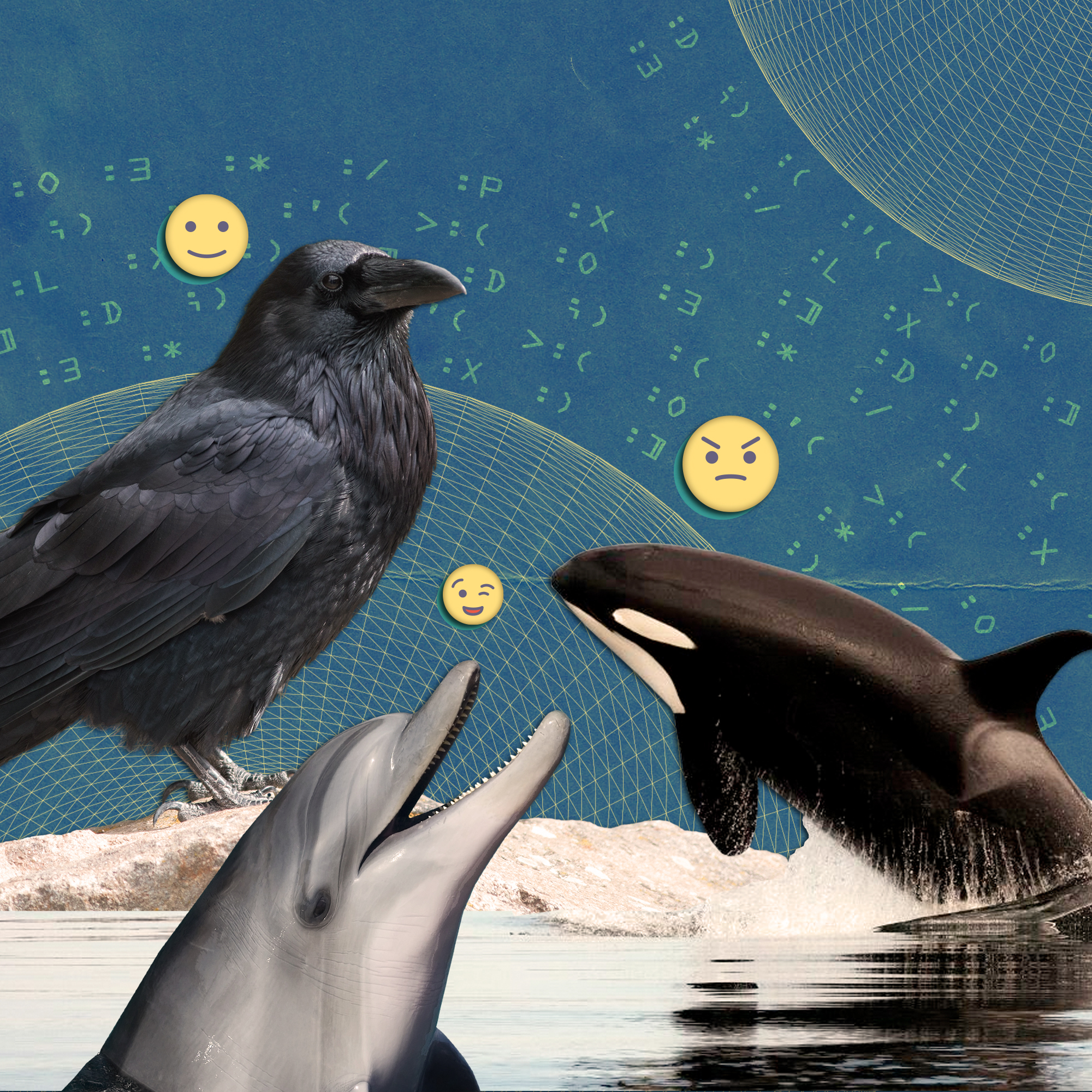
ENCORE: Those Orcas (Still) Aren't Doing What You Think
May 20, 202400:28:52Tap to summarizeLast summer, news reports of orcas deliberately tearing the propellers off of yachts in the Strait of Gibraltar thrilled observers who were eager to cast these intelligent and social pack hunters as class warriors striking a blow for the “common mammals” against the one percent. That turned out to be wishful thinking, according to guest Lori Marino, a biopsychologist who studies whale and dolphin intelligence. She told us that these six-ton whales were just having fun—if they wanted to harm the occupants of those boats, we’d know it. Even so, these encounters are becoming a predictable seasonal occurrence between the months of May and August: A 50-foot charter vessel sank after its hull and rudder were damaged in an orca encounter near the Strait of Gibraltar on May 12. So here again is our episode on the perils of assigning human motives to wild animals, featuring Marino and Smithsonian assistant digital science editor Carlyn Kranking. This episode was originally released in September 2023. Dr. Marino invites you to learn more about The Whale Sanctuary Project at their site. You can also see Dr. Marino in the documentary films Blackfish (2013), Unlocking the Cage (2016), and Long Gone Wild (2019).Find prior episodes of our show here. And read the transcript of this episode here.There’s More to That is a production of Smithsonian magazine and PRX Productions.From the magazine, our team is Chris Klimek, Debra Rosenberg and Brian Wolly.From PRX, our team is Jessica Miller, Adriana Rosas Rivera, Genevieve Sponsler, Rye Dorsey, and Edwin Ochoa. The Executive Producer of PRX Productions is Jocelyn Gonzales.Fact-checking by Stephanie Abramson.Episode artwork by Emily Lankiewicz.Music by APM Music.
Transcribe →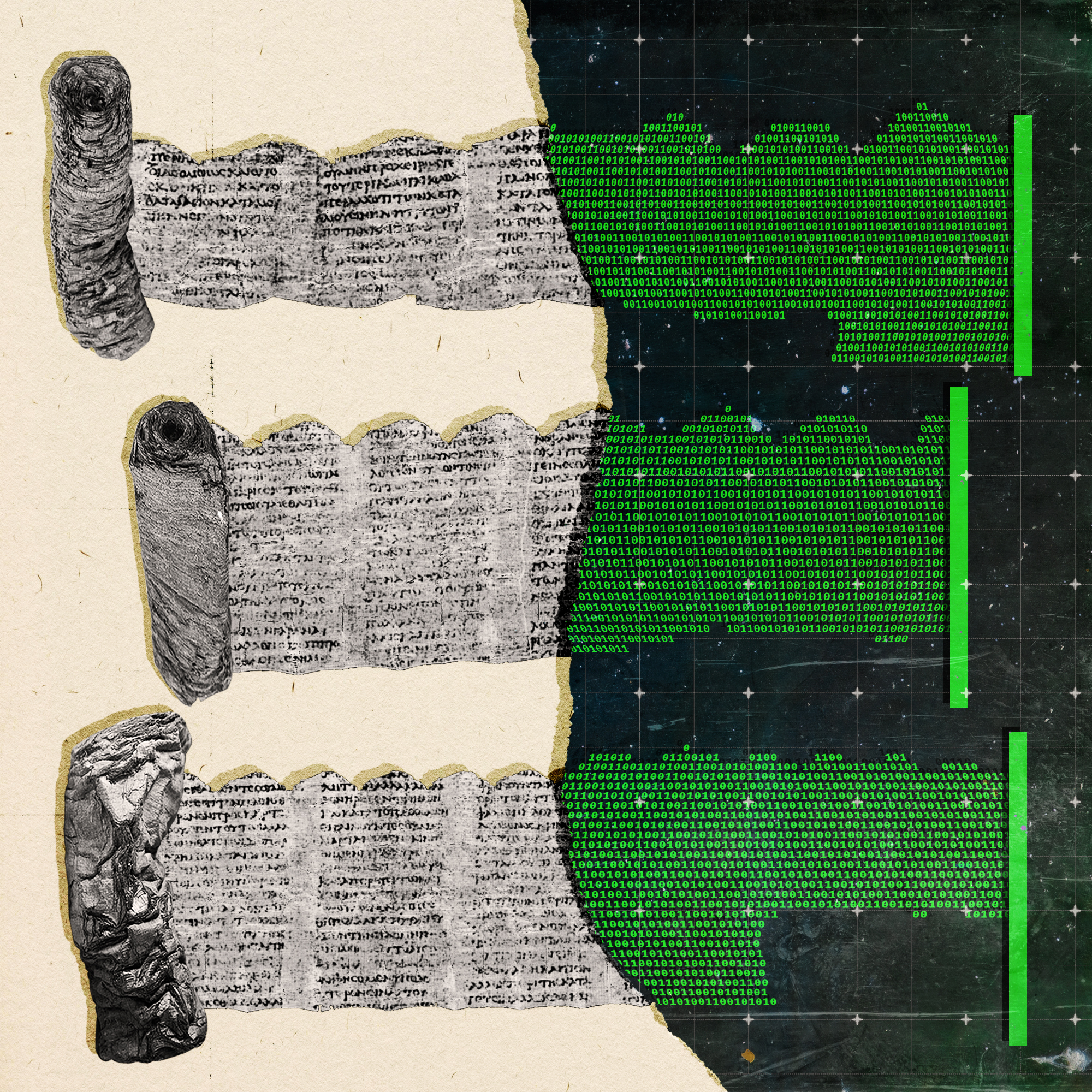
How Artificial Intelligence Is Making 2,000-Year-Old Scrolls Readable Again
May 2, 202400:35:53Tap to summarizeWhen Mount Vesuvius erupted in 79 C.E., it covered the ancient cities of Pompeii and Herculaneum under tons of ash. Millennia later, in the mid-18th century, archeologists began to unearth the city, including its famed libraries, but the scrolls they found were too fragile to be unrolled and read; their contents were thought to be lost forever. Only now, thanks to the advent of artificial intelligence and machine learning, scholars of the ancient world have partnered with computer programmers to unlock the contents of these priceless documents. In this episode of “There’s More to That,” science journalist and Smithsonian contributor Jo Marchant tells us about the yearslong campaign to read these scrolls. And Youssef Nader—one of the three winners of last year’s “Vesuvius Challenge” to make these clumps of vulcanized ash readable—tells us how he and his teammates achieved their historic breakthrough. Read Smithsonian’s coverage of the Vesuvius Challenge and the Herculaneum scrolls here, here, and here. Find prior episodes of our show here. There’s More to That is a production of Smithsonian magazine and PRX Productions. From the magazine, our team is Chris Klimek, Debra Rosenberg and Brian Wolly. From PRX, our team is Jessica Miller, Adriana Rosas Rivera, Genevieve Sponsler, Rye Dorsey, and Edwin Ochoa. The Executive Producer of PRX Productions is Jocelyn Gonzales. Fact-checking by Stephanie Abramson. Episode artwork by Emily Lankiewicz. Music by APM Music.
Transcribe →
Roads Scholars
Apr 18, 202400:25:38Tap to summarizeAs highways encroach ever further into animal habitats, drivers and wildlife are in greater danger than ever. And off the beaten path, decaying old forest roads are inflicting damage as well. “Roads are this incredibly disruptive force all over the planet that are truly changing wild animals’ lives and our own lives in almost unfathomable, unaccountable ways,” says science journalist Ben Goldfarb, author of the 2023 book Crossings: How Road Ecology Is Shaping the Future of Our Planet. Ben wrote about this problem for the March 2024 issue of Smithsonian. For Earth Day, we’ll talk to Ben about what’s being done to make the relationship between roads and lands more harmonious, and we’ll meet Fraser Shilling — a scientist at UC Davis who’ll tell us what he’s learned from his rigorous scholarly examination of… roadkill. Meep meep! Learn more about Ben and his work at his site. Learn more about Fraser and the UC Davis Road Ecology Center here. Find prior episodes of our show here. There’s More to That is a production of Smithsonian magazine and PRX Productions. From the magazine, our team is Chris Klimek, Debra Rosenberg and Brian Wolly. From PRX, our team is Jessica Miller, Adriana Rosas Rivera, Genevieve Sponsler, Rye Dorsey, and Edwin Ochoa. The Executive Producer of PRX Productions is Jocelyn Gonzales. Fact-checking by Stephanie Abramson. Episode artwork by Emily Lankiewicz. Music by APM Music.
Transcribe →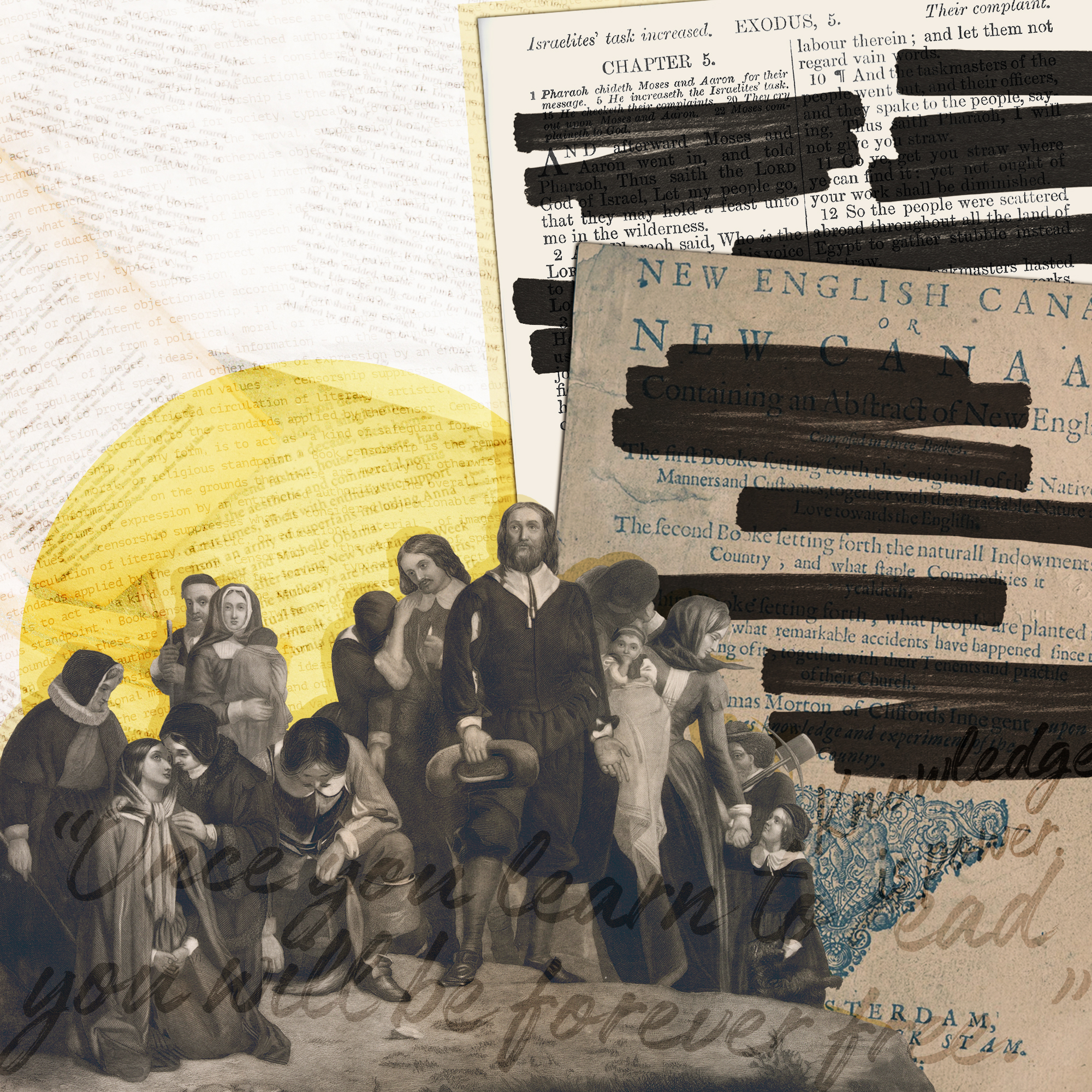
A Brief History of Book Banning in America
Oct 5, 202300:26:16Tap to summarizeBook-banning might seem like a relic of less enlightened times, but the practice is back in a big way. The American Library Association reports that 2022 saw more attempts to have books removed from public libraries than in any prior year this century — indeed, it documented more than twice as many attempted bans in 2022 than in 2021. In schools, attempts to keep certain books out of the hands of students have been even more aggressive and draconian. What’s new about these efforts is the subject that binds the most-challenged titles: Most of them address themes of LGBT+ identity or gender expression. In this episode, we talk with journalist Colleen Connolly about Thomas Morton’s New English Canaan, the first book ever to be suppressed in North America. What did the Puritans find so threatening about it, and how has this book echoed through subsequent centuries? Then we’re joined by Dr. Carla Hayden, Librarian of Congress, for a wide-ranging conversation about the history of book bans in the United States, how a resurgent wave of book bans in many states differs from those of prior eras, and why organized attempts to prevent specific people from reading specific books usually fail. A transcript of this episode can be found here. Read Colleen’s Smithsonian story about New English Canaan here. Find prior episodes of our show here. There’s More to That is a production of Smithsonian magazine and PRX Productions. From the magazine, our team is Chris Klimek, Debra Rosenberg and Brian Wolly. From PRX, our team is Jessica Miller, Adriana Rosas Rivera, Genevieve Sponsler, Rye Dorsey, and Edwin Ochoa. The Executive Producer of PRX Productions is Jocelyn Gonzales. Fact-checking by Stephanie Abramson. Episode artwork by Emily Lankiewicz. Music by APM Music.
Transcribe →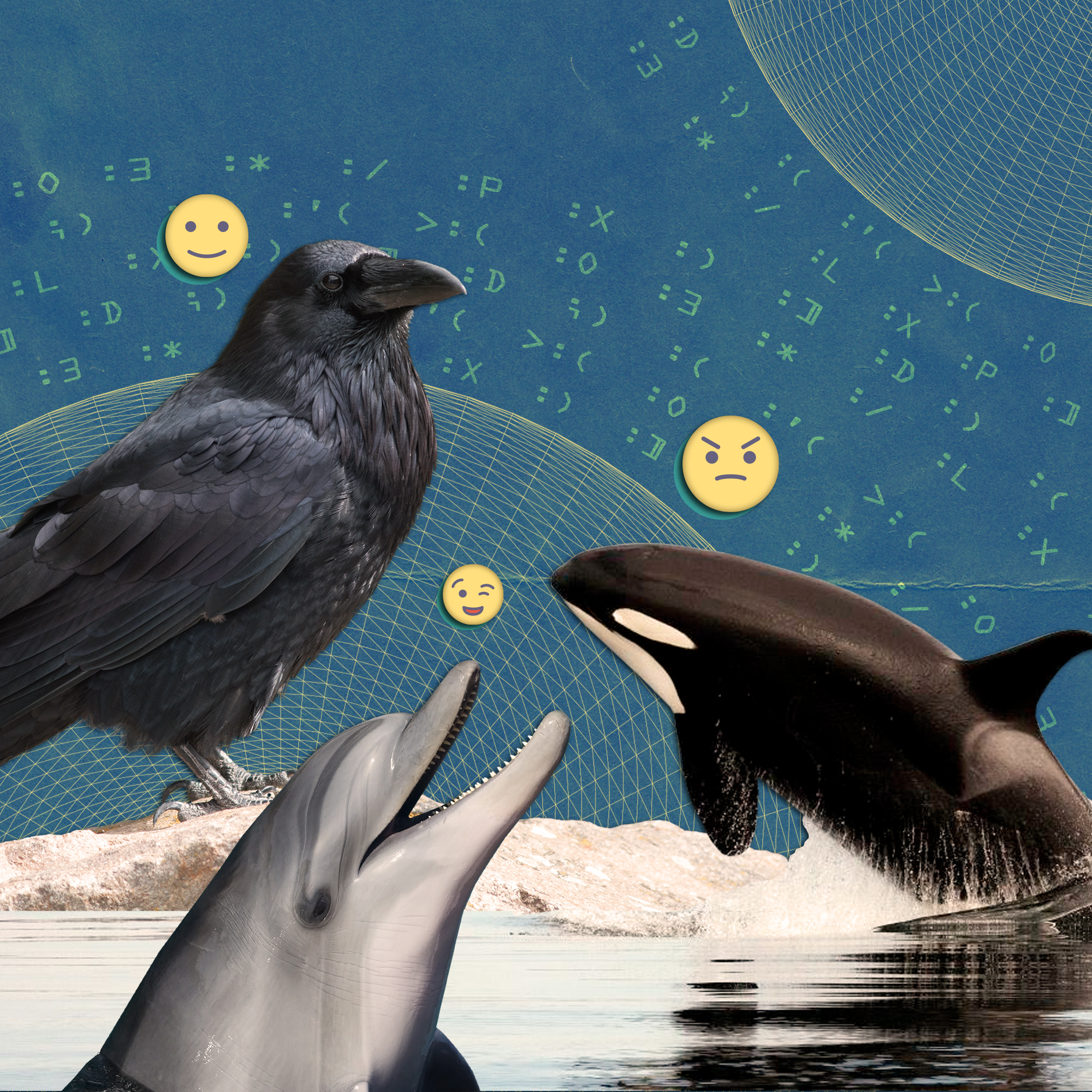
Those Orcas Aren't Doing What You Think
Sep 21, 202300:28:52Tap to summarizeIt’s not the most urgent news story that’s gripped the world since 2020, but it might be the weirdest: The last three years have seen more 400 “encounters”— many reports have used the word “attacks”—between orca whales and boats in the Strait of Gibraltar. Because the orcas are particularly fond of tearing the propellers off of yachts, the temptation to characterize these six-ton, pack-hunting, demonstrably intelligent mammals as class warriors fighting back against the 1 percent is strong, and the memes have been fun. But trying to understand animal behavior in human terms is a mistake. In this episode, we speak with Carlyn Kranking, Smithsonian’s assistant digital science editor, about why stories about animal behavior are so popular with our readers, and how she decides which ones deserve more scrutiny. Then, I speak with Lori Marino, a biopsychologist with a specific focus on whale and dolphin intelligence, about what’s really happening between the orcas and the yacht set. Dr. Marino invites you to learn more about The Whale Sanctuary Project at their site. You can also see Dr. Marino in the documentary films Blackfish (2013), Unlocking the Cage (2016), and Long Gone Wild (2019). Find prior episodes of our show here. And read the transcript of this episode here. There’s More to That is a production of Smithsonian magazine and PRX Productions. From the magazine, our team is Chris Klimek, Debra Rosenberg and Brian Wolly. From PRX, our team is Jessica Miller, Adriana Rosas Rivera, Genevieve Sponsler, Rye Dorsey, and Edwin Ochoa. The Executive Producer of PRX Productions is Jocelyn Gonzales. Fact-checking by Stephanie Abramson. Episode artwork by Emily Lankiewicz. Music by APM Music.
Transcribe →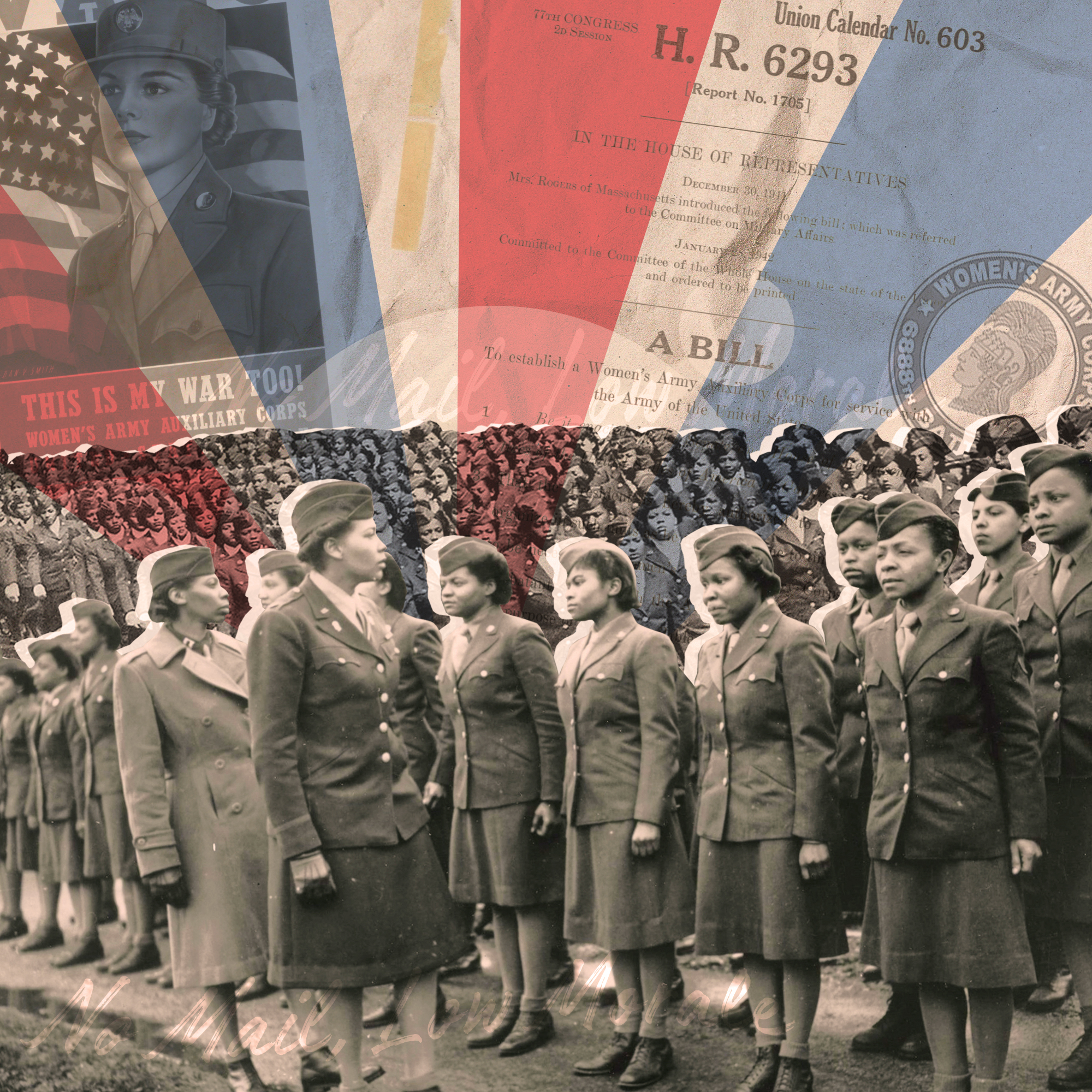
Meet the WWII Battalion of Black Women That Inspired an Army Base’s New Name
Sep 7, 202300:37:07Tap to summarizeThe 6888th Central Postal Directory Battalion was the only unit comprised entirely of Black women to have been deployed overseas during World War II, and it had served a critical function: clearing the backlog of mail that marked the only line of communication between American soldiers in Europe and their loved ones back home. In this episode, we speak with retired Army Colonel Edna Cummings, who made it her business to get the 6888 their belated recognition, and with Smithsonian magazine senior writer Jennie Rothenberg Gritz, who wrote about Col. Cummings' quest for the March 2023 issue of Smithsonian. NOTE: In the interval since we recorded our interview with Col. Cummings, another veteran from the 6888 has died. With the passing of Crescencia J. Garcia last month at the age of 103, there are now five women who served in the 6888 during World War II who remain alive. Learn more about the women of the 6888th Central Postal Battalion at the Women of the 6888th site. Find prior episodes of our show here. There’s More to That is a production of Smithsonian magazine and PRX Productions. From the magazine, our team is Chris Klimek, Debra Rosenberg and Brian Wolly. From PRX, our team is Jessica Miller, Adriana Rosas Rivera, Genevieve Sponsler, Rye Dorsey, and Edwin Ochoa. The Executive Producer of PRX Productions is Jocelyn Gonzales. Episode artwork by Emily Lankiewicz. Music by APM Music.
Transcribe →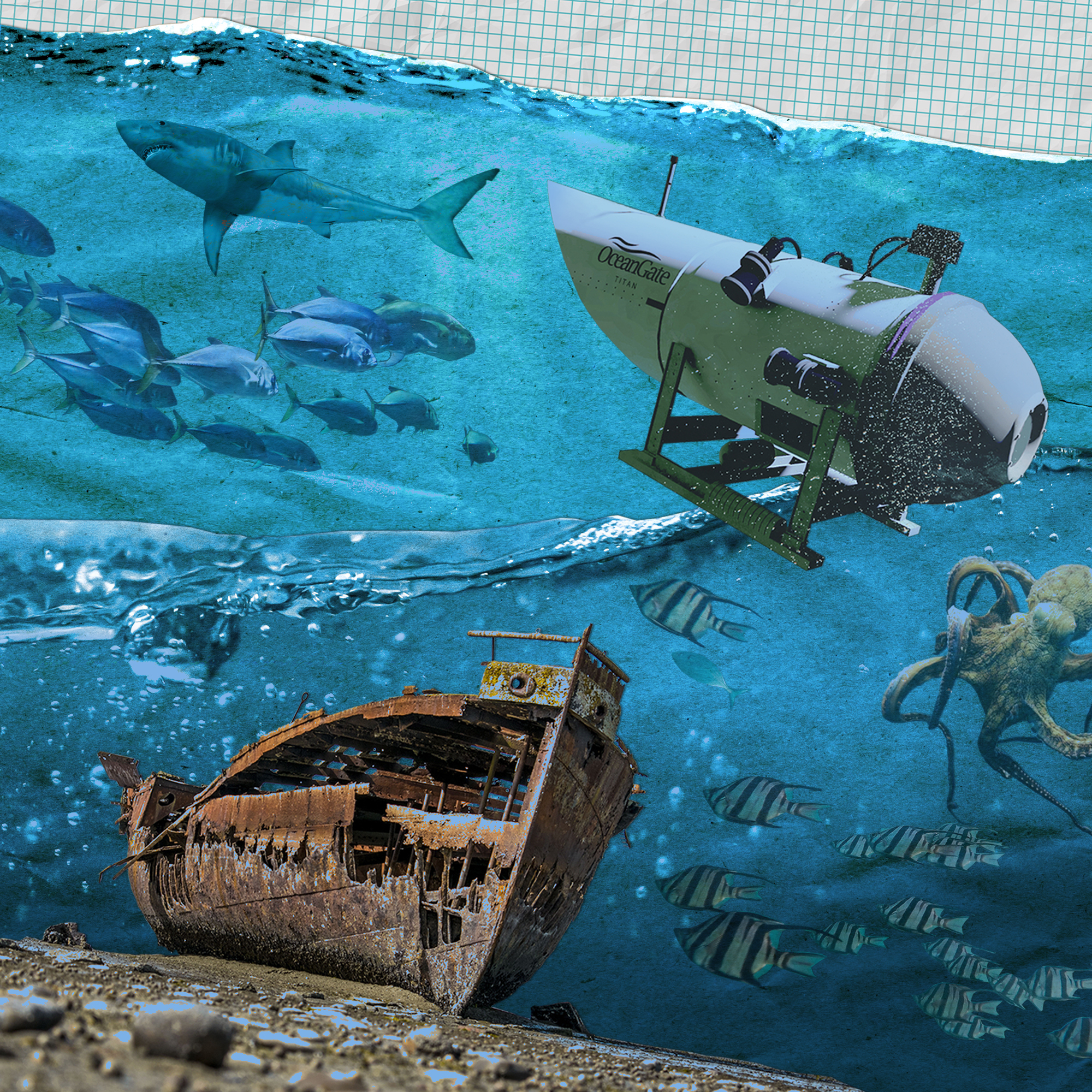
Beyond the Titanic: The Real Science of Deep Sea Exploration
Aug 24, 202300:34:35Tap to summarizeAfter five people perished on a controversial submersible dive to the wreckage of the Titanic in June, we got to thinking about what genuine undersea exploration looks like. In this episode, we speak with Tony Perrottet, who profiled the late OceanGate CEO Stockton Rush for Smithsonian magazine in 2019, about our ancient fascination with exploring hostile environments. Then we’re joined by Susan Casey, who has written four best-selling books about the ocean and its creatures, the newest of which is The Underworld: Journeys to the Depths of the Ocean. Susan tells us why understanding the ocean is key to humanity’s survival, and how, while serious research and shipwreck tourism may have some overlap, they remain two very different things. Read Tony Perrottet’s June 2019 Smithsonian profile of Stockton Rush. Learn more about Tony and his work at his site. Read an excerpt from Susan Casey’s new book, The Underworld: Journeys to the Depths of the Ocean. Learn more about Susan and her work at her site. There’s More to That is a production of Smithsonian magazine and PRX Productions. From the magazine, our team is Chris Klimek, Debra Rosenberg and Brian Wolly. From PRX, our team is Jessica Miller, Adriana Rosas Rivera, Genevieve Sponsler, Terence Bernardo, and Edwin Ochoa. The Executive Producer of PRX Productions is Jocelyn Gonzales. Episode artwork by Emily Lankiewicz (contains elements by Madelgarius, via Wikimedia Commons under CC BY-SA 4.0) Music by APM Music.
Transcribe →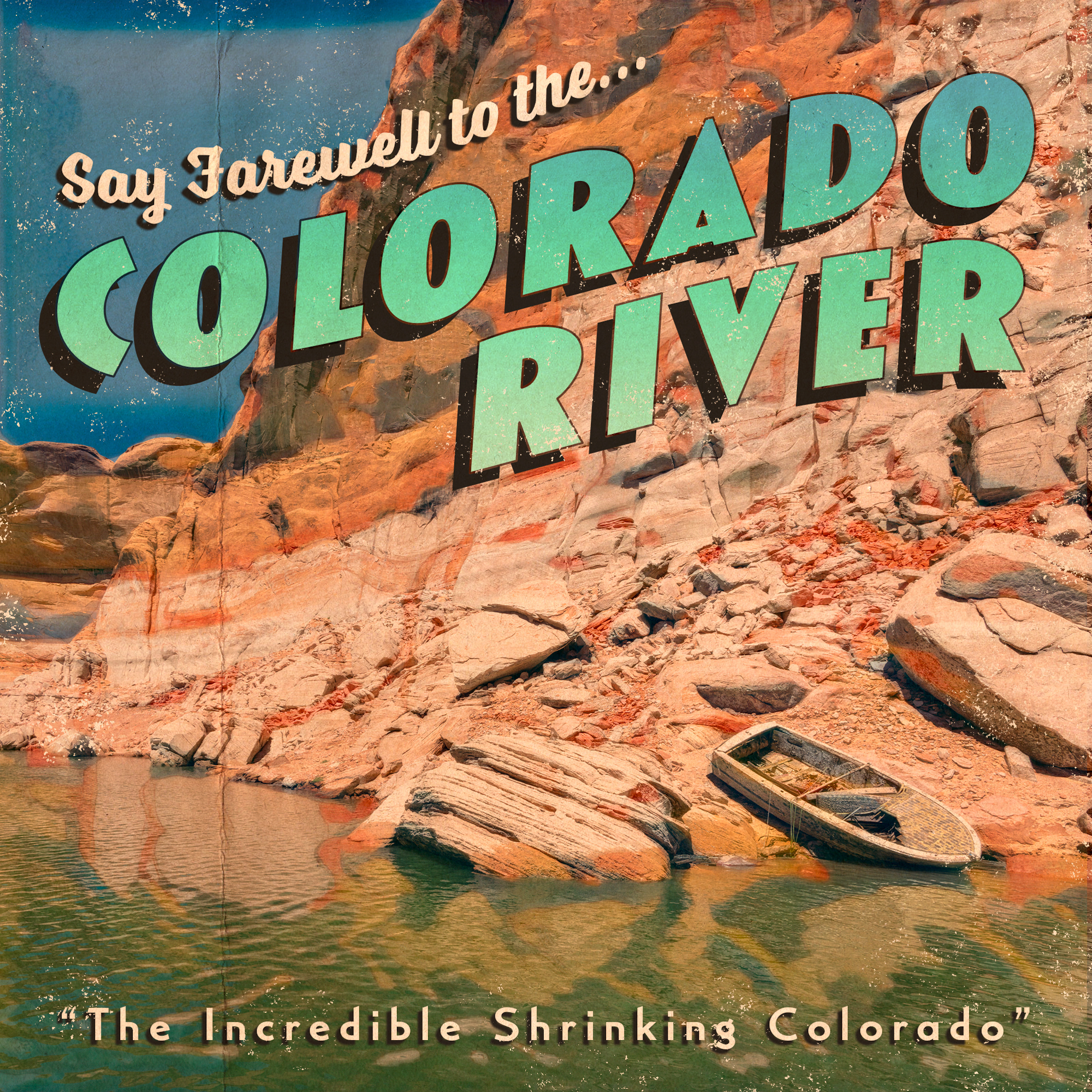
What Happens When the Colorado River Dries Up?
Aug 10, 202300:23:49Tap to summarizeWhat happens when one of the nation's largest rivers dries up? Photojournalist Pete McBride tells us about the consequences of a prolonged drought in the Colorado River, which provides drinking water and electricity to millions of Americans, and shares his experience walking the river from end to end. What can we learn from the landscape revealed by the historically low water levels, and will they become the new normal? Read “The Breathtaking Glen Canyon Reveals Its Secrets,” photographs & text by Pete McBride, Smithsonian, October 2022. Learn more about Pete and his work at his site. There’s More to That is a production of Smithsonian magazine and PRX Productions. From the magazine, our team is Chris Klimek, Debra Rosenberg and Brian Wolly. From PRX, our team is Jessica Miller, Adriana Rosas Rivera, Genevieve Sponsler, Terence Bernardo, and Edwin Ochoa. The Executive Producer of PRX Productions is Jocelyn Gonzales. Episode artwork by Emily Lankiewicz. Music by APM Music.
Transcribe →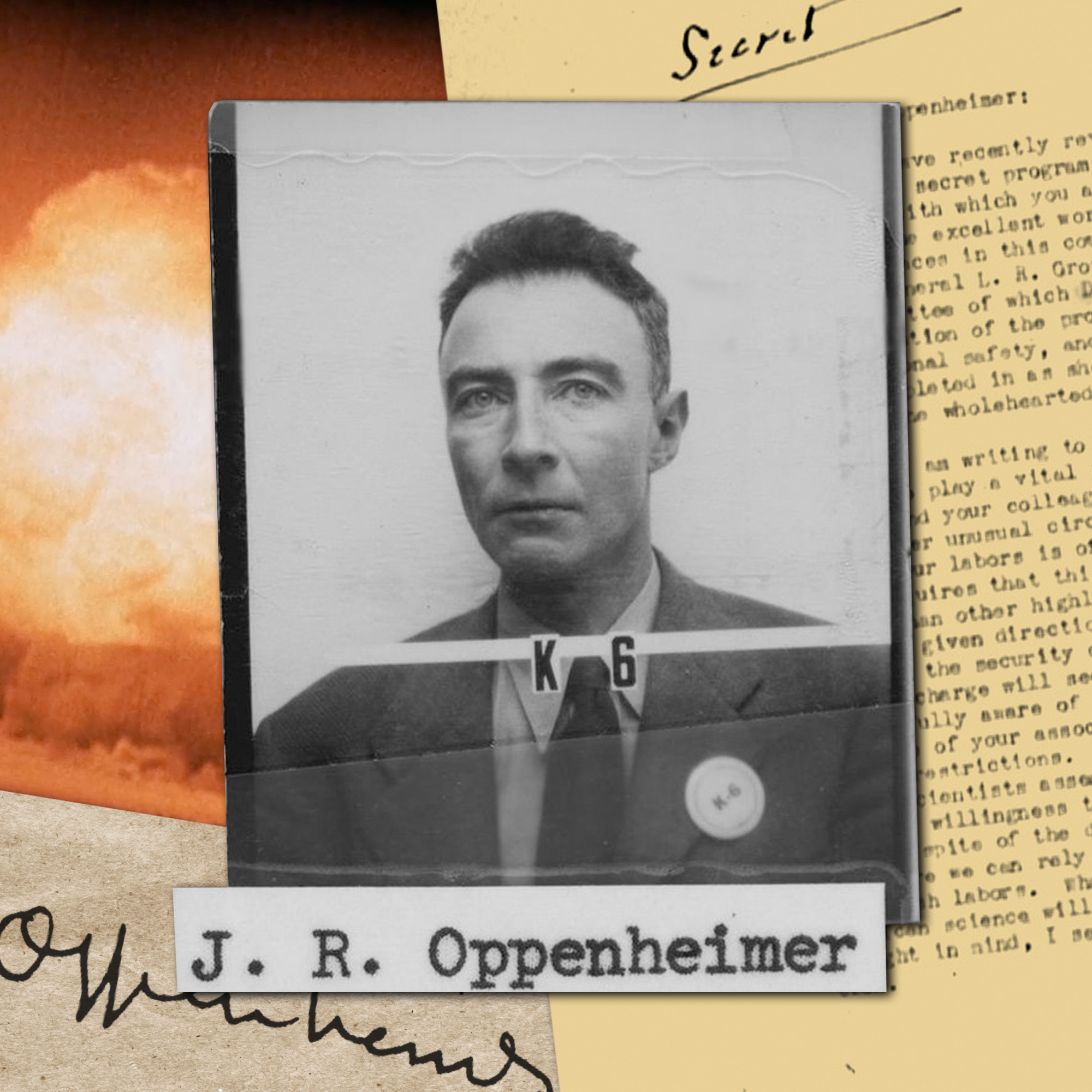
How We See Oppenheimer. Plus: Smithsonian’s Inside Look at the Top-Secret Los Alamos Site
Jul 27, 202300:17:42Tap to summarizeChristopher Nolan's epic new film "Oppenheimer" is no mere biopic… nor is it the first attempt to capture the father of the atomic bomb in fiction. We look at prior dramatizations of this very complicated man—including one wherein J. Robert Oppenheimer played himself!—and examine why they worked or didn't. In the episode: Physicist-turned-photographer Minesh Bacrania shares his experience photographing inside the top-secret labs at Los Alamos National Laboratory, where J. Robert Oppenheimer and other scientists created the first nuclear weapon. Next, with Christopher Nolan’s film Oppenheimer exceeding commercial expectations, Smithsonian magazine writer Andy Kifer discusses the complexities of Oppenheimer's genius and how prior attempts to depict him in film and television and on stage have fared. Read Andy Kifer’s “The Real Story Behind Christopher Nolan’s Oppenheimer” here. See Minesh Bacrania’s photographs of Los Alamos and read Smithsonian senior editor Jennie Rothenberg Gritz’s text here or in the July/August 2023 issue of Smithsonian. There’s More to That is a production of Smithsonian magazine and PRX Productions. From the magazine, our team is Chris Klimek, Debra Rosenberg and Brian Wolly. From PRX, our team is Jessica Miller, Genevieve Sponsler, Adriana Rozas Rivera, Terence Bernardo, and Edwin Ochoa. The Executive Producer of PRX Productions is Jocelyn Gonzales. Episode artwork by Emily Lankiewicz. Music by APM Music.
Transcribe →