Podcast
There's More to That
Hosted by Smithsonian Magazine · EN
Smithsonian magazine covers history, science and culture in the way only it can — through a lens on the world that is insightful and grounded in richly reported stories. On There's More to That, meet the magazine's journalists and hear how they discover the forces behind the biggest issues of our time. Every two weeks, There’s More to That will give curious listeners a fresh understanding of the world we all inhabit.
Host Ari Daniel is an independent science journalist who has reported across six continents and contributes regularly to National Public Radio among other outlets. In a previous life, he trained grey seal pups and studied wild Norwegian killer whales. In the fifth grade, Ari won the "Most Contagious Smile" award.
32episodes
Episodes
Newest firstAll episodes
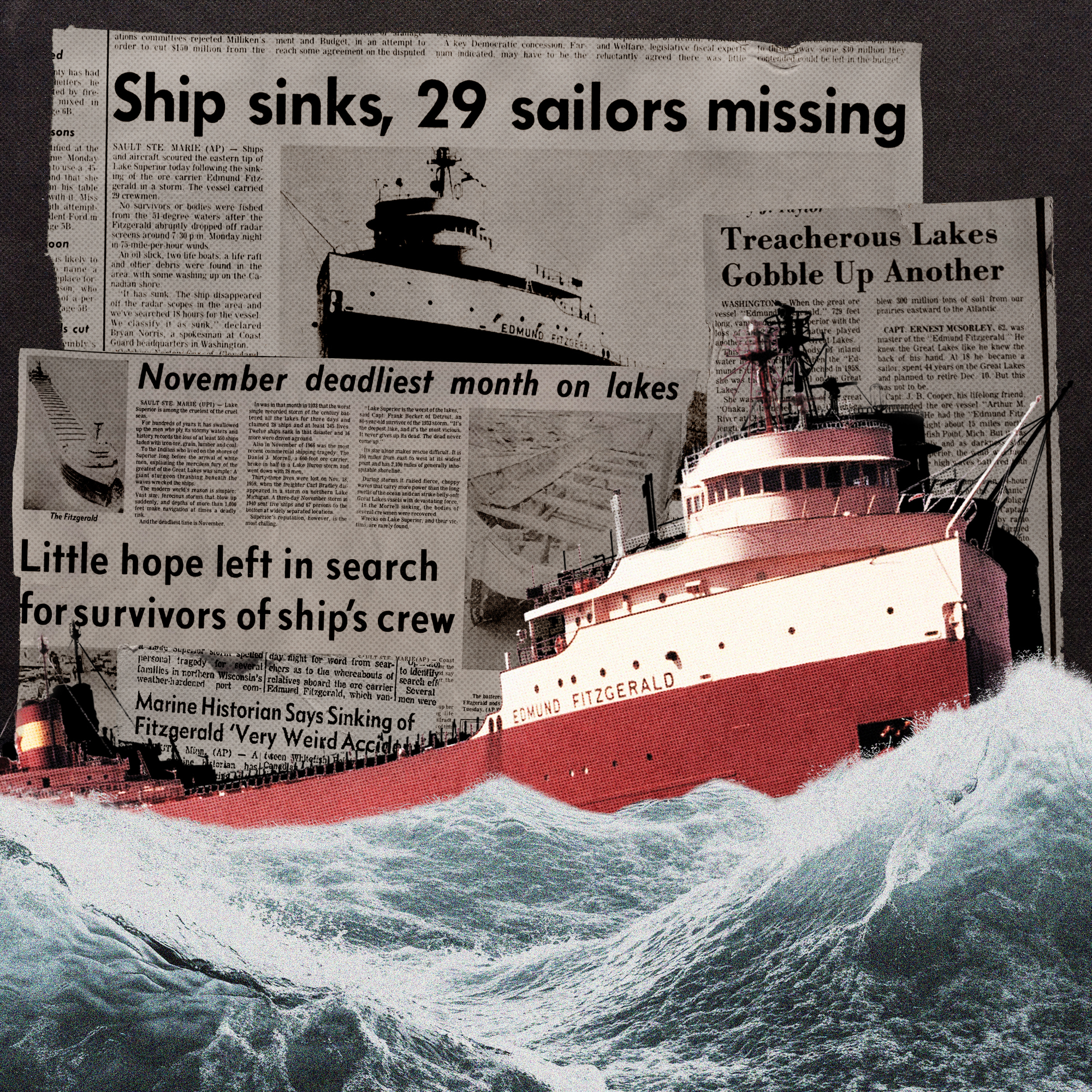
The ‘Edmund Fitzgerald’ Sank Half a Century Ago. We’re Still Fascinated.
Nov 600:28:36Tap to summarizeHalf a century ago, on an unseasonably warm fall day, the freighter SS Edmund Fitzgerald set off from the western edge of Lake Superior with a cargo full of iron ore. Within hours, a ferocious storm gathered in strength, ultimately producing 50-foot waves and sinking the prized vessel. There were no survivors. The exact cause of its demise remains unknown.Over the decades, many ships have faced a similar fate on the Great Lakes, a part of the world that some say is more dangerous than the open ocean. But the tragedy of the Edmund Fitzgerald looms the largest in our collective national memory — and it led to changes in the maritime industry that dramatically improved the safety of shipping.In this episode, host Ari Daniel speaks with author John U. Bacon about what made the Edmund Fitzgerald famous even before it sank, what we know and don’t know about the crew’s final moments, and the ship’s lasting legacy.Read more coverage of the sinking of the Fitzgerald here.To subscribe to “There’s More to That,” and to listen to past episodes about the return of a set of important belongings to the Lakota community, the search for the remains of three fallen World War II airmen, and the role that enslaved Africans and Southern colonists played in launching the American Revolution, find us on Apple Podcasts, Spotify, iHeartRadio or wherever you get your podcasts.“There’s More to That” is a production of Smithsonian magazine and PRX Productions. From the magazine, our team is Ari Daniel, Debra Rosenberg and Brian Wolly. From PRX, our team is Ali Budner, Cleo Levin, Genevieve Sponsler, Sandra Lopez Monsalve and Edwin Ochoa. The executive producer of PRX Productions is Jocelyn Gonzales.Fact-checking by Stephanie Abramson.Episode artwork by Emily Lankiewicz. Illustration by Emily Lankiewicz / Photo by Lake Superior Maritime Collection at the University of Wisconsin-Superior Special Collections and Archives, Bob Campbell / Images by mdnahidkha23 via Adobe Stock, Newspapers.com and public domain
Transcribe →
Birds, Bats and Bugs: The Teeming World Above Our Heads
Oct 2300:31:33Tap to summarizeThe skies above us are filled with legions of migrating birds, bats, bugs and microbes. And yet we know little about their movements and intentions, mostly because this ethereal world has largely been inaccessible for research. But new technologies are providing a window into how animals use their aerial habitat to travel and hunt.The burgeoning field is called “aeroecology,” and researchers are revealing just how substantially humans are altering the world overhead—with deadly consequences for flying animals. The new insights are giving us ways to make the air safer for these creatures.In this episode, host Ari Daniel speaks with Dustin Partridge of the New York City Bird Alliance as he directs the intermittent shutdown of the iconic Tribute in Light to protect disoriented birds during 9/11 this year. And we hear from Smithsonian contributing writer Jim Robbins about what aeroecology is telling us about the ecosystem above.To subscribe to “There’s More to That,” and to listen to past episodes about the army of people devoted to saving native bees, the prehistoric cave that entombed animals for millennia and the sex lives of dinosaurs, find us on Apple Podcasts, Spotify, iHeartRadio or wherever you get your podcasts.“There’s More to That” is a production of Smithsonian magazine and PRX Productions. From the magazine, our team is Ari Daniel, Debra Rosenberg and Brian Wolly. From PRX, our team is Jessica Miller, Genevieve Sponsler, Adriana Rosas Rivera, Cleo Levin, Sandra Lopez Monsalve and Edwin Ochoa. The executive producer of PRX Productions is Jocelyn Gonzales.Fact-checking by Stephanie Abramson. Our music is from APM Music.Episode artwork by Emily Lankiewicz. Illustration by Emily Lankiewicz / Photos by malik / Jim via Adobe Stock / Dina Litovsky and public domain.
Transcribe →
A Chance for Healing, 170 Years After a Lakota Massacre
Oct 900:39:43Tap to summarizeThis fall, 69 belongings made their way home to the Rosebud Reservation in South Dakota from the Smithsonian’s National Museum of Natural History in Washington, D.C. These items, which included buffalo robes, blankets, moccasins and a doll, had been taken from the Lakota community after the Blue Water Massacre in 1855, the first major ambush on a Native American community by the U.S. Army. It would become the start of a decades-long campaign against the Plains tribes that would end with the death and displacement of numerous Native Americans.The return of the belongings offers a modicum of closure, but the pain of the massacre lives on among those on the reservation today. In this episode of Smithsonian magazine’s podcast “There’s More to That,” host Ari Daniel speaks with Ione Quigley and Karen Little Thunder, two members of the Rosebud Sioux tribe, and Smithsonian contributing writer Tim Madigan about the journey of these belongings from their birthplace to a museum and back.To subscribe to “There’s More to That,” and to listen to past episodes about the search for the remains of fallen airmen from World War II, a baseball field resurrected in a Japanese internment camp and a deeper look at lesser known stories of the American Revolution, find us on Apple Podcasts, Spotify, iHeartRadio or wherever you get your podcasts.“There’s More to That” is a production of Smithsonian magazine and PRX Productions. From the magazine, our team is Ari Daniel, Debra Rosenberg and Brian Wolly. From PRX, our team is Jessica Miller, Genevieve Sponsler, Adriana Rosas Rivera, Cleo Levin, Sandra Lopez Monsalve, Pedro Rafael Rosado and Edwin Ochoa. The executive producer of PRX Productions is Jocelyn Gonzales.Fact-checking by Stephanie Abramson. Our music is from APM Music.Episode artwork by Emily Lankiewicz. Photos by Gary Whitton / Nawaphon via Adobe Stock and public domain.
Transcribe →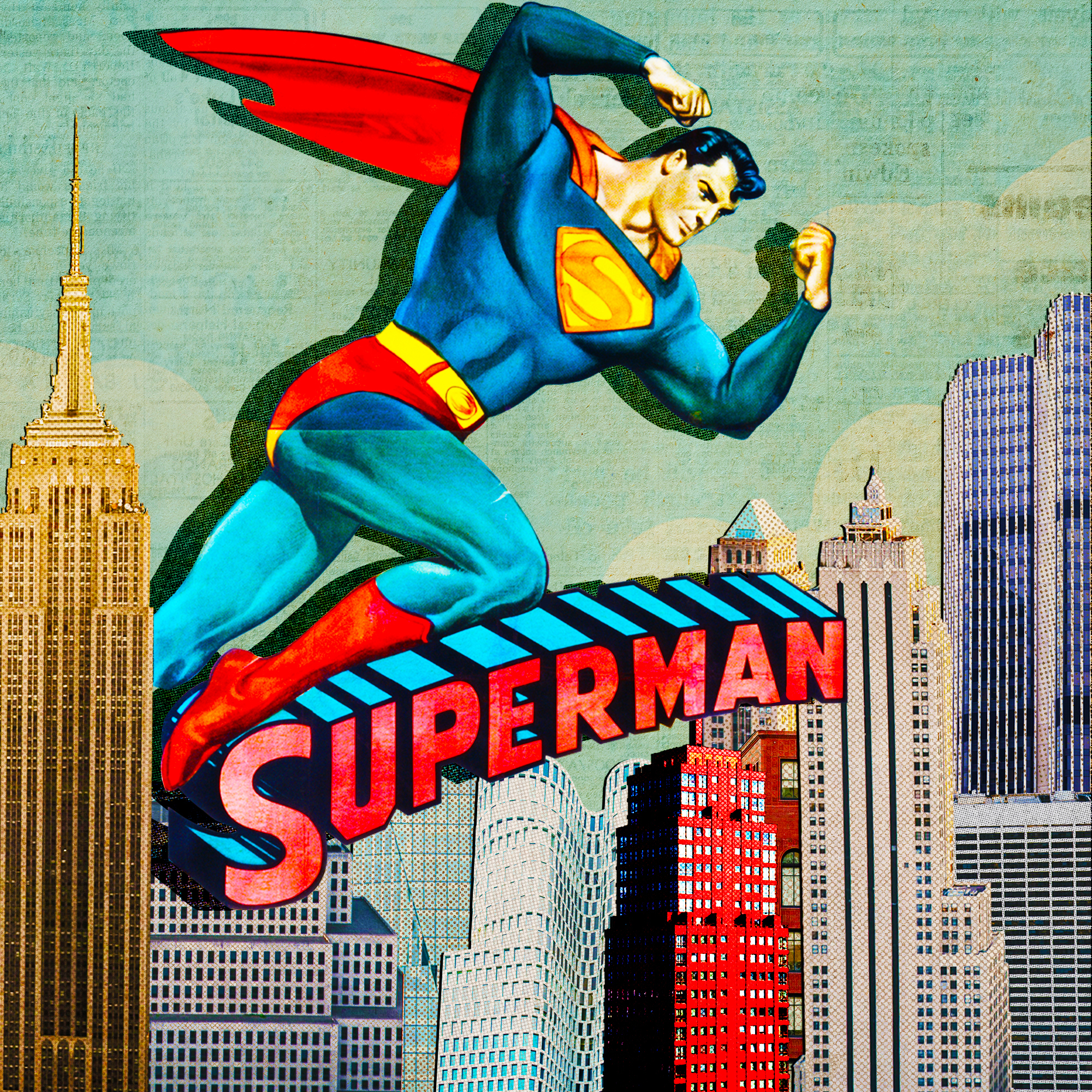
How Superman Became a Character for the Ages
Jul 10, 202500:27:15Tap to summarizeThis summer’s big blockbuster, Superman, marks the latest installment of the Man of Steel — a character whose identity has evolved over the decades, connecting with the concerns and ideas of the day. Even the phrase he may be best known for — “Truth, Justice, and the American Way” — has changed to suit new vibes and new markets. Superman’s persona transcends any one classification. He is Kal-El, an alien sent to Earth by parents with hopes of a better life for their child. He is Clark Kent, a good ole boy from Kansas who moves to the big city and works a 9 to 5. Completing the trifecta is his identity as a formidable superhero who battles fictional enemies including Lex Luthor and real-life villains like Hitler and Stalin.Because Superman has alternated between being the mouthpiece of American power and that of the disenfranchised and oppressed, he has often been misunderstood. In this episode, host Ari Daniel speaks with Smithsonian contributing writer Samantha Baskind about what these different “Supermen” have meant throughout history and what it means for his legacy today.To subscribe to “There’s More to That,” and to listen to past episodes about the search for the remains of fallen airmen from World War II, the magic of what lies beneath the city of Rome, and a deeper look at lesser-known stories of the American Revolution, find us on Apple Podcasts, Spotify, iHeartRadio or wherever you get your podcasts.“There’s More to That” is a production of Smithsonian magazine and PRX Productions. From the magazine, our team is Ari Daniel, Debra Rosenberg and Brian Wolly. From PRX, our team is Jessica Miller, Genevieve Sponsler, Adriana Rosas Rivera, Sandra Lopez Monsalve and Edwin Ochoa. The executive producer of PRX Productions is Jocelyn Gonzales.Fact-checking by Stephanie Abramson. Our music is from APM Music.Episode artwork by Emily Lankiewicz. Illustration by Emily Lankiewicz / Photos: Swim Ink 2, LLC / Corbis via Getty Images and public domain.
Transcribe →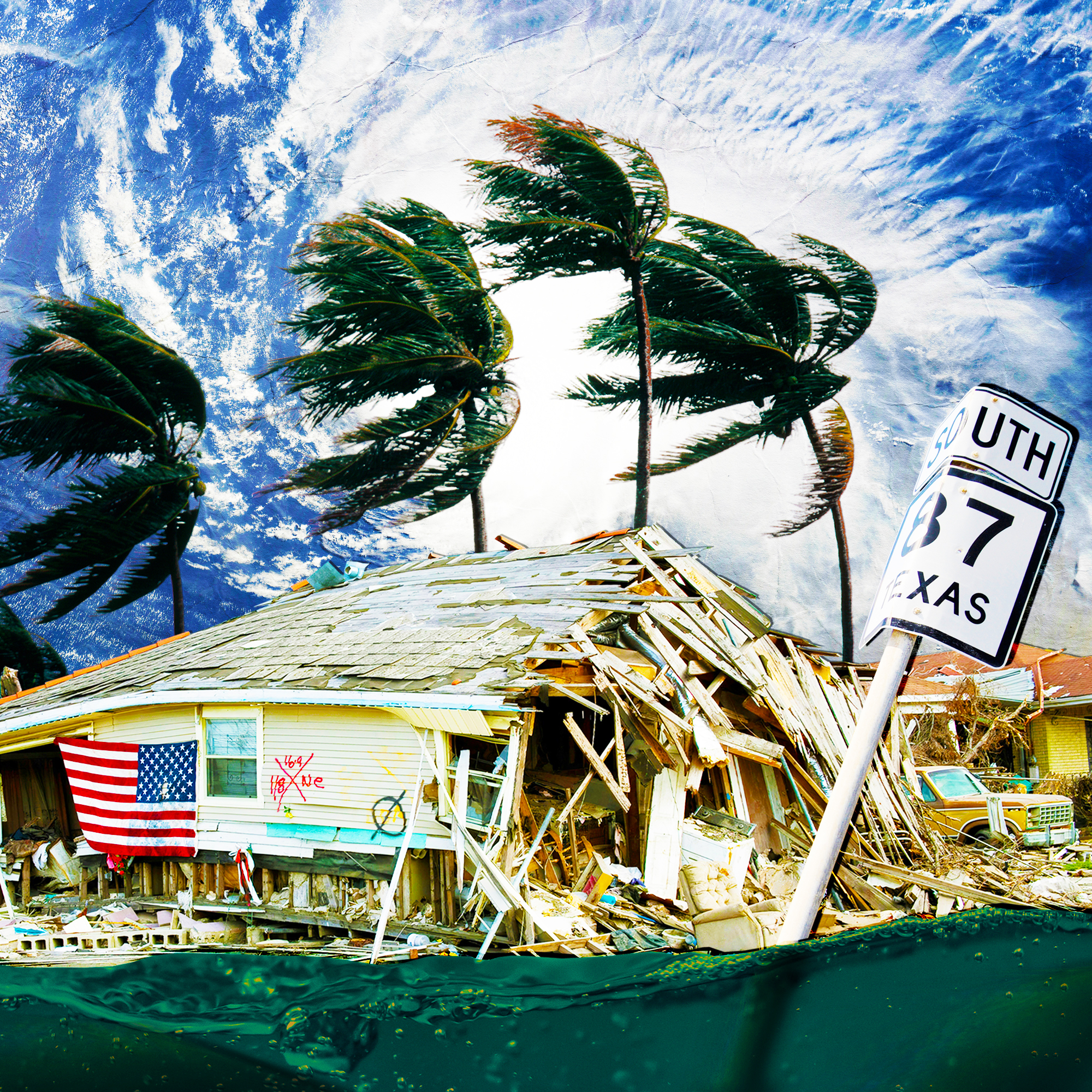
As Hurricanes Get Stronger, Can a $34 Billion Plan Save Texas?
Aug 8, 202400:32:36Tap to summarizeAfter Hurricane Ike destroyed thousands of homes and inflicted an estimated $30 billion in damages in 2008, engineers hatched an ambitious plan to protect southeast Texas and its coastal refineries and shipping routes from violent storms. The $34 billion collaboration spearheaded by the U.S. Army Corps of Engineers is a harbinger of the type of massive public works projects that could be required to protect coastal cities like New York and Miami as sea levels rise and hurricanes become less predictable and more severe due to climate change.Smithsonian magazine contributor and Texas native Xander Peters reflects on his experiences growing up in a hurricane corridor and tells us how the wildly ambitious effort came together. Then, Eric Sanderson, an ecological historian, tells us how the project could be applied to other low-lying coastal cities.Read Xander Peters' Smithsonian magazine story about the Ike Dike here.Let us know what you think of our show, and how we can make it better, by completing our There's More to That listener survey here.Find prior episodes of our show here.Listen to the New York Botanical Garden podcast "Plant People" here.There’s More to That is a production of Smithsonian magazine and PRX Productions.From the magazine, our team is Chris Klimek, Debra Rosenberg and Brian Wolly.From PRX, our team is Jessica Miller, Adriana Rosas Rivera, Genevieve Sponsler, Rye Dorsey, and Edwin Ochoa. The Executive Producer of PRX Productions is Jocelyn Gonzales.Fact-checking by Stephanie Abramson.Episode artwork by Emily Lankiewicz Music by APM Music.
Transcribe →
How to Sweat Like an Olympian
Jul 25, 202400:30:22Tap to summarizeHave you ever felt embarrassed by the need to carry a towel, or even a fresh shirt, with you during the most sweltering months of the year? You shouldn’t. Sweating is one of the most remarkable ways our bodies protect themselves when the mercury heads north.With summer temperatures spiking around the world as the sweat-filled Olympic Games begin in Paris, we’re joined by Sarah Everts, a Smithsonian contributor and the author a marvelous book called The Joy of Sweat: The Strange Science of Perspiration. She explains why the body’s thermostat is so ingenious, and how it cools athletes—and the rest of us. Plus: A series of snack-sized anecdotes about the Olympics!Let us know what you think of our show, and how we can make it better, by completing our There's More to That listener survey here.Find prior episodes of our show here.Read Smithsonian magazine's coverage of the Olympics, past and present, here, here, here, and here.There’s More to That is a production of Smithsonian magazine and PRX Productions.From the magazine, our team is Chris Klimek, Debra Rosenberg and Brian Wolly.From PRX, our team is Jessica Miller, Adriana Rosas Rivera, Genevieve Sponsler, Rye Dorsey, and Edwin Ochoa. The Executive Producer of PRX Productions is Jocelyn Gonzales.Fact-checking by Stephanie Abramson.Episode artwork by Emily Lankiewicz Music by APM Music.
Transcribe →Survey: Help Us Design Our Future Season
Jul 15, 202400:00:34Tap to summarizeWe're over here making podcasts, and you're over there listening. Let's bridge that gap! We want to know more about you, like: why you're listening, what your favorite topics are, and what Smithsonian magazine can do to make "There's More to That" even better. Tell us what you think at smithsonianmag.com/podcastsurvey.
Transcribe →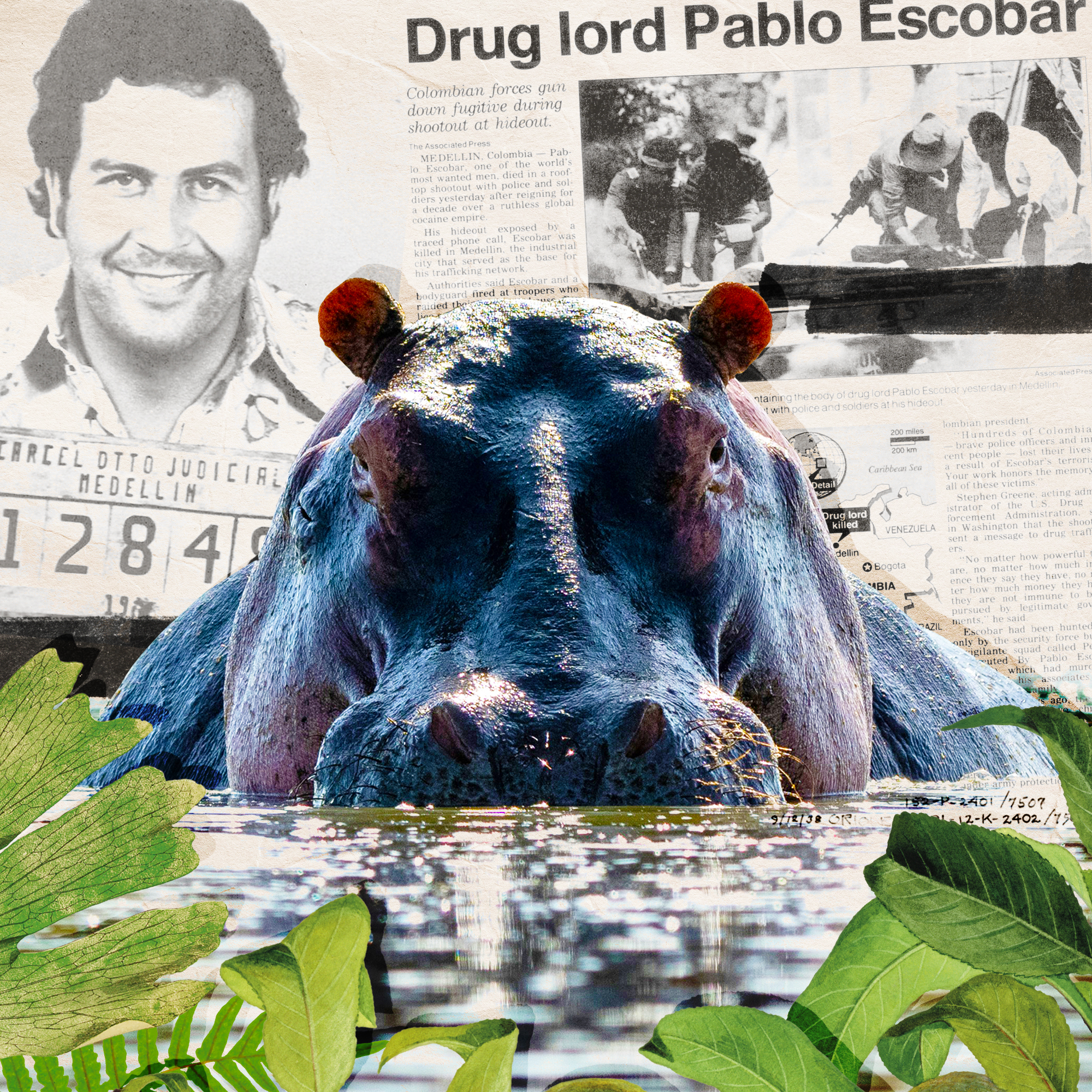
The Wild Story of What Happened to Pablo Escobar’s Hungry, Hungry Hippos
Jul 11, 202400:29:31Tap to summarizeFour decades ago, Pablo Escobar brought to his Medellín hideaway four hippopotamuses, the centerpieces of a menagerie that included llamas, cheetahs, lions, tigers, ostriches and other exotic fauna. After Colombian police shot Escobar dead in December 1993, veterinarians removed the animals—except the hippos, which were deemed too dangerous to approach. The hippos fled to the nearby Magdalena River and multiplied. Today, the descendants of Escobar’s hippos are believed to number nearly 200. Their uncontrolled growth threatens the region’s fragile waterways. Smithsonian contributor Joshua Hammer joins us to recount this strange history and explain why Colombian conservationists have embarked upon an unusual program to sterilize these hippos in the wild via “invasive surgical castration,” a procedure that is, as he has written for Smithsonian magazine, “medically complicated, expensive and sometimes dangerous for hippos as well as for the people performing it.” Then, ecologist Rebecca Lewison tells us how her long-term study of hippo populations in Africa offers hints of how these creatures will continue to alter the Colombian ecosystem—and what authorities can do about it.Let us know what you think of our show, and how we can make it better, by completing our There's More to That listener survey here.Read Josh Hammer's Smithsonian story about Escobar's hippos and their descendants here.Learn more about Rebecca Lewison and her work here.Find prior episodes of our show here.There’s More to That is a production of Smithsonian magazine and PRX Productions.From the magazine, our team is Chris Klimek, Debra Rosenberg and Brian Wolly.From PRX, our team is Jessica Miller, Adriana Rosas Rivera, Genevieve Sponsler, Rye Dorsey, and Edwin Ochoa. The Executive Producer of PRX Productions is Jocelyn Gonzales.Fact-checking by Stephanie Abramson.Episode artwork by Emily Lankiewicz Music by APM Music.
Transcribe →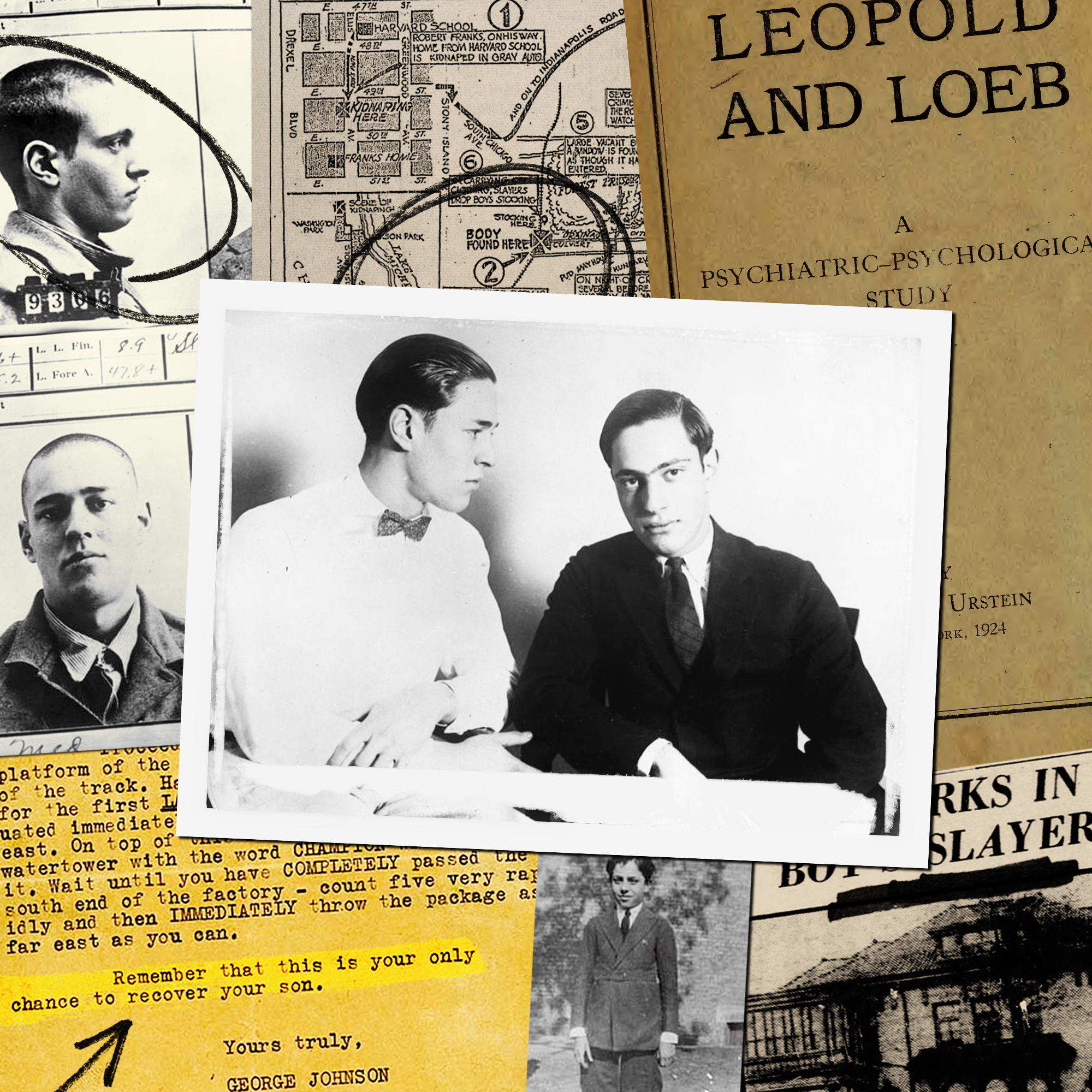
‘The Crime of the Century,’ a Century Later
Jun 27, 202400:35:06Tap to summarizeThe past hundred years have seen more than one high-profile prosecution branded as the “crime of the century.” The shocking 1924 crime that was among the first to carry the title turned out to be a harbinger of how public mania around criminal cases could influence the legal system, and how psychiatry would be used and abused by prosecutors and defense attorneys alike as the 20th century wore on and gave way to the 21st.Smithsonian editor Meilan Solly introduces us to teens Nathan Leopold and Richard Loeb and their botched, but still deadly, effort to perpetrate “the perfect crime.” What happened next was also surprising: After confessing to the abduction and murder of 14-year-old Bobby Franks, they were spared capital punishment thanks to their famed attorney Clarence Darrow. True-crime historian Kate Winkler Dawson then tells us how public interest in Leopold and Loeb’s fate helped solidify true crime as a durable subject of fascination. She also tells us about the tools used by the prosecution that were in their infancy during the famed case.Read Meilan Solly's Smithsonian story about Leopold and Loeb here.Learn more about Kate Winkler Dawson, her books, her podcasts, and her work at her site.Find prior episodes of our show here.There’s More to That is a production of Smithsonian magazine and PRX Productions.From the magazine, our team is Chris Klimek, Debra Rosenberg and Brian Wolly.From PRX, our team is Jessica Miller, Adriana Rosas Rivera, Genevieve Sponsler, Rye Dorsey, and Edwin Ochoa. The Executive Producer of PRX Productions is Jocelyn Gonzales.Fact-checking by Stephanie Abramson.Episode artwork by Emily Lankiewicz / photography by Katherine Kimball, Joshua Brasted, and Jeremy TauriacMusic by APM Music.
Transcribe →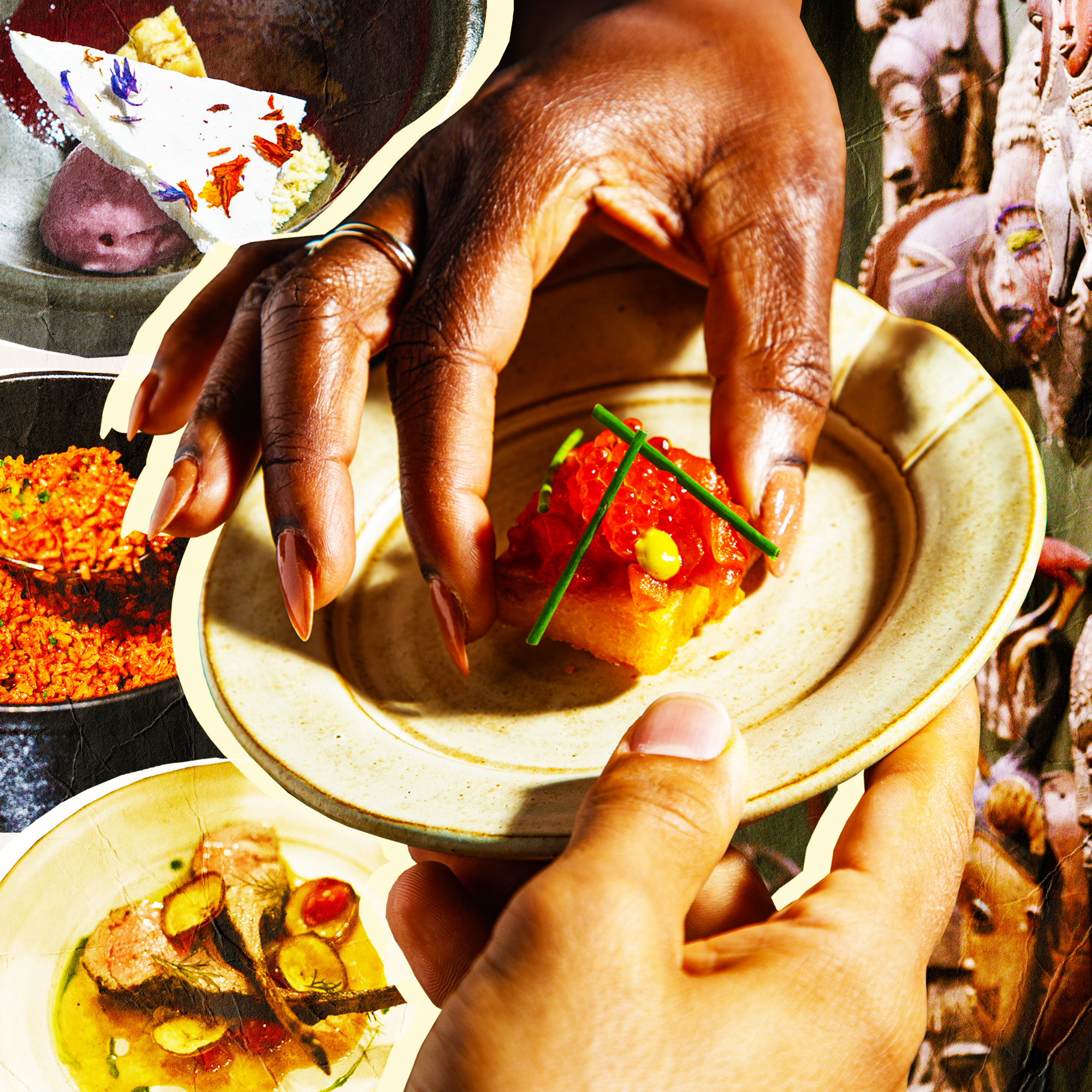
America’s Best New Restaurant Celebrates the Flavors of West Africa
Jun 13, 202400:27:18Tap to summarizeAfrican cuisine has always been well represented in the United States, particularly in dishes characterized as “Southern” in origin, like gumbo or hoppin’ john. But even before chef Serigne Mbaye’s New Orleans eatery Dakar NOLA was named the Best New Restaurant of 2024 at the James Beard Awards this week, the contributions of the African diaspora to the American diet had at last begun to enjoy a long-overdue reappraisal via reality television, Netflix docuseries and, most important, a number of widely praised dining establishments: If you want to book a table at Tatiana in Manhattan, Dept of Culture in Brooklyn or Kann in Portland, you’d better plan ahead, because their tables are often booked up well in advance.In this episode, Smithsonian contributor Rosalind Cummings-Yeates explains how the ascendancy of pan-African cuisine from “auntie” restaurants into the rarefied fine dining sphere is part of a larger and more meaningful campaign of cultural reclamation. And Mbaye tells us why it was so important to him to make Dakar NOLA a showcase of the distinctive flavors of Senegal, where he spent his formative years.Read Rosalind's Smithsonian story about the rise of West African fine dining in the U.S. here.See the full list of 2024's James Beard Award winners here.Find prior episodes of our show here.There’s More to That is a production of Smithsonian magazine and PRX Productions.From the magazine, our team is Chris Klimek, Debra Rosenberg and Brian Wolly.From PRX, our team is Jessica Miller, Adriana Rosas Rivera, Genevieve Sponsler, Rye Dorsey, and Edwin Ochoa. The Executive Producer of PRX Productions is Jocelyn Gonzales.Fact-checking by Stephanie Abramson.Episode artwork by Emily Lankiewicz / photography by Katherine Kimball, Joshua Brasted, and Jeremy TauriacMusic by APM Music.
Transcribe →