Loading summary
Transcript86 lines
- [00:00]
Dr. Claire Aubin
A list of sensitive themes and topics covered in this episode can be found in the episode description. Welcome to this Guy Sucked, the show where we prove that it's never too late to have haters and you can't libel the dead. I'm your host, Dr. Claire Aubin, and I'm a historian, writer, and most importantly, certified hater. On this show, we talk about people from throughout history with legacies that need a little updating. Whether it's because of their politics, their behavior, or their impact on society and culture, these guys actually kind of sucked. And we bring in a new scholar every week to tell us why. With me today is Dr. Neil J. Young, who is a writer and historian of the American right. You might have seen him in any number of illustrious publications, including like Huffington Post, Washington Post, the Atlantic, CNN Slate, the New York Times, Vox. You might also know him as one of the hosts of the incredible political and contemporary history podcast Past, Present. He's a co creator and producer of the excellent show welcome to youo Fantasy. And on top of all of this, he's written two books on the right and American Political Culture, one of which was published last year and which we are going to be talking about today. Specifically coming out Republican A History of the Gay Right. I could go on, but I won't because this is already an extremely long intro. Welcome to the show.
- [01:28]
Dr. Neil J. Young
NE hey, Claire. Thank you. That was such a nice intro. I almost didn't recognize myself.
- [01:33]
Dr. Claire Aubin
You're like, who's that guy?
- [01:34]
Dr. Neil J. Young
Yeah, exactly.
- [01:35]
Dr. Claire Aubin
Incredible accomplishments. I asked Lauren LeSabre this on a recent episode. It's one of my current favorite questions for historians. If you didn't study the kind of history that you currently research or had chosen a different field or time period or whatever, what would you have picked?
- [01:54]
Dr. Neil J. Young
I love this question. So staying in history or whichever, I.
- [01:57]
Dr. Claire Aubin
Mean, she said sociology. You could, you could do anything.
- [02:01]
Dr. Neil J. Young
I have this joke with my husband that I'm going to go back to school and do a PhD in art history and focus on architecture. I love design. I'm a total, like, that's my favorite thing is the day that the Architectural Digest shows up. So I might do an art history PhD focusing on design and architecture. 20th century still would be my jam, but if we had to move to a different time period, I really would love to do like early modern European history, which I have no background in. Like, literally didn't take one course in college when I was a history major, but I don't know, just find myself like constantly on Wikipedia pages reading different things and thinking like, I wish I knew more about this.
- [02:40]
Dr. Claire Aubin
That's a very good answer. I said to Lauren that I would do weird Medieval Girls because I think that that's something that over the course of my Ph.D. i started being like, man, I missed out on something. Like, I could have studied something totally different. But I also have no qualifications to study that whatsoever. Although lately I've been also thinking 20th century, like cold war sports history. Very interesting.
- [03:04]
Dr. Neil J. Young
Very. And yeah, I mean, there's also some. Been some great stuff around that right now, but it feels like a field that could really burge in and maybe it needs you.
- [03:13]
Dr. Claire Aubin
Yeah, I mean, I think sports history, this is my prediction because, you know, as a historian, my job is obviously to predict the future.
- [03:19]
Dr. Neil J. Young
Yes.
- [03:21]
Dr. Claire Aubin
Not the exact opposite, but my prediction is that sports history is going to be one of the fields that really takes off. Like right now we're in the American right moment just based on even, just all the people coming on the podcast right now. But I think sports history is on its way into sort of like really taking off, particularly like sports and politics, because people are starting to actually take sports seriously as a vector for like, political ideas. But who knows? That also might just be wishful thinking on my part.
- [03:52]
Dr. Neil J. Young
Well, I think that's a good thesis.
- [03:53]
Dr. Claire Aubin
That's my guess. Who knows? I don't know anything. Okay, maybe we should talk about what we're supposed to talk about, which is who are we talking about today?
- [04:03]
Dr. Neil J. Young
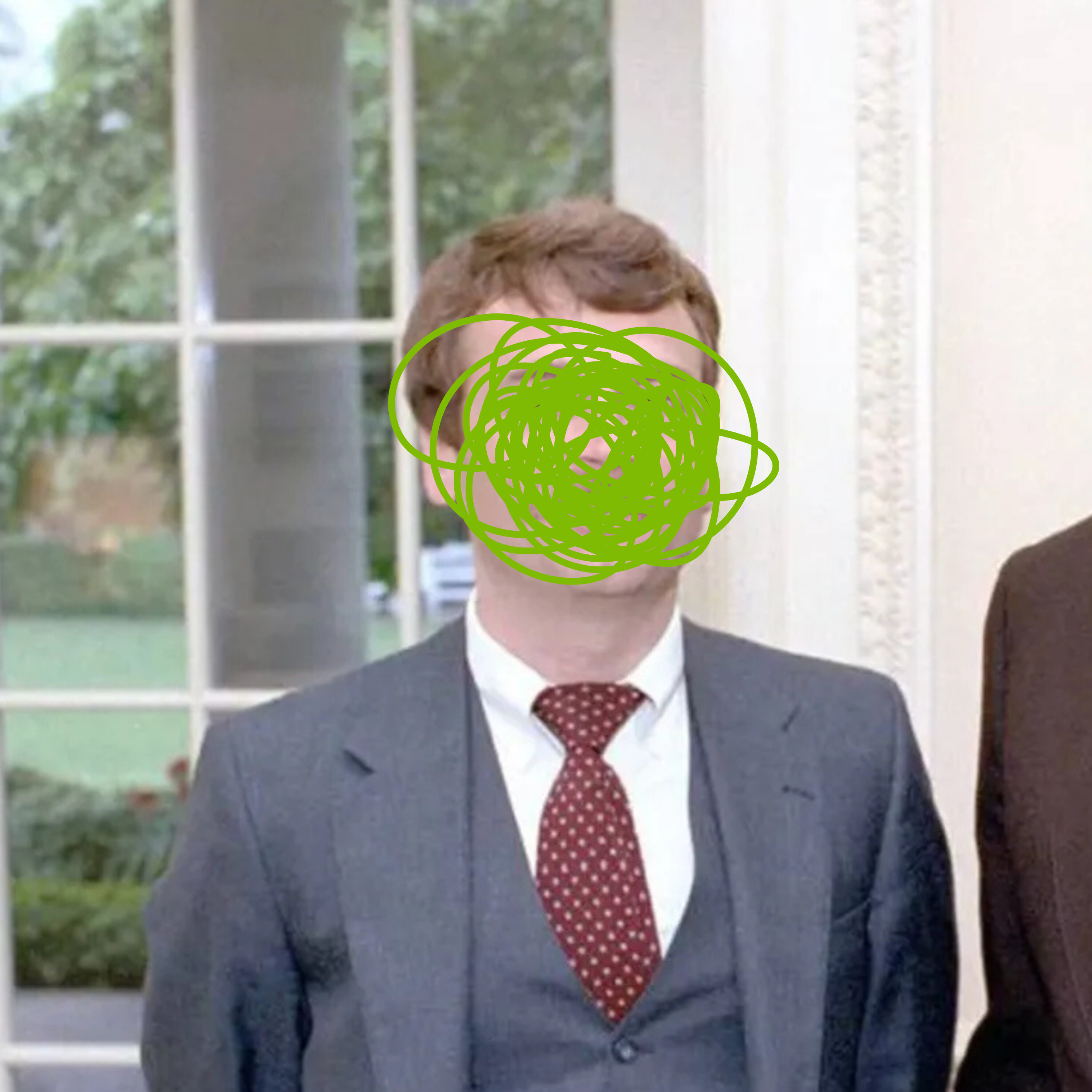
We are talking about a man named Terry Dolan, someone who maybe most listeners don't know who that is, or they've heard his name, but can't really put a finger on it. But I think Dolan is really important for lots of reasons, and in a lot of ways the folks and the institutions he's associated with probably will be very recognizable to listeners. So he is the founder of, in 1975, of the National Conservative Political Action Committee, NCPAC, which if you follow the right, if you follow modern conservatism, you've probably heard of ncpac. It's one of the most important conservative organizations that really brings about the rise of Reagan. And that is a huge organization that helps fuel the sort of culture wars of the 80s and the 90s and especially the Republican Party's rightward movement in those decades. He's close associates with the likes of Jesse Helms, Newt Gingrich and Ronald Reagan. So he's around, you know, lots of big important figures that again, will be highly recognizable to folks. And he's someone that has a really behind the scenes Legacy and sort of life in terms of. He's an organizer of grassroots activists and someone who's, you know, making other people's political ambitions and political agendas come to be. He's also a closeted homosexual who dies of HIV AIDS in 1981. So at the age of 36. So he doesn't have a long life, but he has one that's highly impactful, especially in these years in which modern American politics is changing so much and the Republican Party is coming to be much more recognizable to how we know it today, even as it continues to transform itself.
- [05:46]
Dr. Claire Aubin
I was kind of struck by how short his life was and how. You're right, like, what an outsized impact he has on American politics given this sort of, like, how brief his tenure on the planet is and also his relationship to the right. Part of that is that he starts being interested in political thinking and conservative thinking in particular as a child, which you talk about in your book. He starts at age nine, being particularly interested in this, which at age nine.
- [06:14]
Dr. Neil J. Young
I was not what you were following.
- [06:16]
Dr. Claire Aubin
I was not politically active. I will be honest.
- [06:20]
Dr. Neil J. Young
You.
- [06:20]
Dr. Claire Aubin
That was not a significant feature of my life. But, I mean, I think that goes to show that this is something he's really dedicated to for his entire teenage and adult years. But he's a prominent figure in the New Right movement particularly, which is a very powerful political coalition that emerges in the United states during the 70s and 80s and really reshapes the Republican Party and American conservatism as a sort of New Right overview. So people kind of understand what we're working with here. They combine economic libertarianism, social conservatism, anti communism, and this sort of renewed focus on what we would now call traditional values, or what they were calling traditional values in quotes. You can't see this, but I'm doing the little quote fingers thing. And this is really as a reaction to the relative political liberalism of the 60s and the cultural shift that both precipitate this liberalism and accompany this liberalism, there are some other sort of features of the New Right that I think are important for people to understand, because I think that sets up some of his political views. Before we get into what some of the issues here are, which is that there are very into what we would call moral traditionalism. So they oppose abortion, feminism, secularism, as well as eventually gay rights, which is going to pose a problem for Dolan. And this is what we would consider social conservatism. They're also, as I said, into free market economics. So they want deregulation tax cuts, reduced government, including things like reduced research money and limitations on spending. Around these socially conservative bits that I just mentioned. They're also into hyper militarism. There's a good Dolan quote that I will mention later on this. They also get involved in the Christian Right alliance, so they partner with evangelical and fundamentalist Christians, for example, Jerry Falwell's Moral Majority, although their sort of Christian voice Moral Majority relationship happens, I think, after Dolan leaves.
- [08:19]
Dr. Neil J. Young
Yeah.
- [08:20]
Dr. Claire Aubin
What will be his leadership position in Christian Voice? Is this a good rundown?
- [08:25]
Dr. Neil J. Young
Yeah. And I think the only thing that I would add to that's a terrific overview. I think, you know, it's important to think about the New Right as, you know, focus as much on defeating liberalism as it is on attacking moderate Republicanism. And Dolan and other New Right leaders are especially dedicated to driving out, to purging the moderates. And you know, they would say even the liberals within the Republican Party who had quite a lot of presence and prominence at mid century and into the 1960s and 1970s, driving them out of the party and making it a thoroughly conservative political organization. And so thinking about how the New Right is galvanized to both attack and oppose and defeat Democrats and liberals and also to reform, as they would say, the Republican Party itself into a thoroughly conservative organization, I think is really important to think about the changes that are happening in this period and how someone like Dolan figures in that transformation inside the Republican Party and across the American political spectrum.
- [09:31]
Dr. Claire Aubin
It's interesting because listening to this, I'm certain listeners will be thinking, thinking that that sounds very familiar to them now, particularly even if someone's not familiar with the New Right as a movement of the latter half of the 20th century, looking at this sort of like new, New Right, this new alt right, all of that, it does sort of show that there is a blueprint for that that actually happens and begins much earlier. It's interesting hearing that there is an attempt in the 70s and 80s to push the Overton Window further to the right. Right. Like there's an active attempt to say we need to purge this party of liberal Republicans or people who are even sort of closer to the center and move the general public consensus regarding conservatism even further to the right. Because I feel like we're also seeing that happen now too, or have been seeing that happen now.
- [10:21]
Dr. Neil J. Young
Yeah, I think so. And I think that obviously there's some differences, but like, there's, there's also a lot of parallels. And I think, you know, one of the things that strikes me about this period is that maybe a real point of difference now is that, like, partisanship just doesn't operate in the same way that I think it does now. So they are happy to defeat Republicans because they don't have a strong identity of themselves necessarily as Republicans so much as they do as conservatives. It's a ideological commitment. I don't want to sort of romanticize this and say that that's, you know, only like a pure sort of intellectual project for them because, of course, it was also a project for power. But I think that, like, the sort of the conservative identity is so much more the thing that people adhere to and sort of carry with them as opposed to a Republican identity in this period. And I'm not sure I would say that about actors today. I'm not really even sure how I would think about how identity functions in our current political moment. But it does seem like a sort of devotion to Trump. And Trumpism isn't the same thing as this question of partisan affiliation or ideological commitment that you have, you know, these folks wrestling with the 1960s and the 1970s.
- [11:45]
Dr. Claire Aubin
Yeah, absolutely. That makes total sense. Perhaps what we're seeing now is more of an not evolution in the sense of like, growing better or something, but another version or a next step in this where you coalesce around a singular figure rather than just around ideas.
- [11:59]
Dr. Neil J. Young
Yeah, that seems right.
- [12:01]
Dr. Claire Aubin
I mean, who knows all of these things? That's just what I'm seeing right now. I also want to talk. So you mentioned Nick pac, and I think they're also very key to understanding what's going on with Terry Dolan. You said in the moments before we started recording that maybe we would talk about some broader contexts around, like, gay Republicans more generally or gay conservatives more generally. But I think it's important to understand what Nick Pack is, this organization that he co founds. So you can tell me if my characterization of it is right or wrong. This is based on what is sort of publicly accessible around it. So it's one of the first political action committees or PACs you mentioned. It's founded in 1975, and it's one of the first to harness independent expenditure campaigns. So they target liberal Democrats without directly coordinating with Republican candidates. So they have this sort of, like, maintain this air of independence where they do whatever, target whoever they want to, and they aren't sort of beholden to the Republican organization writ large as it stands in terms of, like, the institution. Their sort of major strategy is around running very brutal. Often I would say, misleading attack ads against liberal incumbents, which also includes people on ostensibly their side of the aisle who they feel are not far enough to the right, are not conservative enough. These are ads that smear political opponents and it's controversial even within some conservative circles. So they're not afraid of, of making a splash and making controversial statements and running these really intense political campaigns. And Dolan is a very big part of this. He gets called as a compliment, the attack dog of the right because those are their tactics. Am I characterizing them right?
- [13:49]
Dr. Neil J. Young
Yeah, I think absolutely. And you know, maybe it's helpful to think about the history of this organization from sort of a biographical background of Dolan, because I think that those things, I mean. Well, first of all, Dolan is 25 years old when he founds Nick Pack. It is his adult life is working for this organization. So he's born in 1950 in Norwalk, Connecticut. His parents are Democrats, but they're conservative Democrats and devout Catholics. And they eventually make their way to the Republican party in the 1980s because of the abortion issue. But as you sort of mentioned earlier, he is a full on conservative and a Republican activist. At the age of nine, he's knocking on doors for Richard Nixon. Then he becomes an early Reagan acolyte and is working for him as well as working for Goldwater's campaign in 1964 when he's barely a teenager, but especially with Nixon, he becomes disillusioned by the second administration of Nixon and what he sees as Nixon's sort of leftward turn. And again, this is what's happening for a lot of conservative activists who've had different issues with Republican leadership. And whether it's Eisenhower or the sort of blue bloods who are northeastern establishment figures who are running the party in the 60s and 70s. And he becomes part of the movement to pull the Republican Party in a rightward direction. And he does so through NCPAC and through the Political Action Committee that really comes about because of this Supreme Court case and congressional reforms in the 1970s and the Supreme Court case that changes how candidates can spend their money and especially how activists can donate to political causes they care about. And I think the sort of nasty tactics that Dolan develops are really, really important here because in a lot of ways, sitting in 2025, we just take that as standard practice of American politics. But it wasn't. It was pushing a new development in how politics is done in this country. And he has this famous quote where he says, the shriller you are, the easier it is to raise money. And he believes that this is the key to both fundraising and to winning elections. You say outrageous things. Some of them aren't all that true, but they sort of get at a deeper truth. But you can say whatever you want in the world of politics. And the shriller, the more alarmist, the more inflammatory it is, the more it scares people and pisses them off, the better, because it'll both raise money and it'll get people elected. And so this is a huge transformation that's happening in the 70s that really, I think becomes sort of standard practice by the 1980s. He's certainly not the only figure that's developing this, but he's front and center. And Nick PAC becomes pretty much the most important organization in the 1970s. It's shaping the political field and certainly the way that candidates run for office and elections are shaped by activist groups.
- [16:55]
Dr. Claire Aubin
I think what's also interesting about this is that during these campaigns, during these attack ads, this sort of like nastier approach to politics, they also really assert that there is no part of a person's life, particularly a person life, who's in the political sphere that's supposed to be off limits like that. Everything is available for scrutiny, for attack, for criticism, like everything about a politician, a political party. All of that should be available as fodder for these attacks. Which I think gets us into what's wrong with Terry Dolan or what your. One of your personal sort of problems with him as a historian is. Hi, it's Claire. I'm here to quickly say that this episode is free for everybody, but the next one won't be. That's because we switch off between free weeks and Patreon weeks. So if you're a fan of public history made by actual experts, consider supporting our Patreon. It's only one tier, which means everyone who subscribes gets access to the same perks across the board. Because we're not trying to get rich, we're just trying to make good history that is engaging and accessible at the same time. For the price of a fancy muffin, you'll get access to a new episode every week instead of just the bi weekly free ones. And they'll all be ad free for you. You'll also get access to the full episode archive, bonus content, early access to merch, and lots of other fun Patreon exclusives to sweeten the deal, just head over to patreon.com thisguysucked and join the honorary haters club. What would you say your main issue with Terry and with the sort of people around him is.
- [18:35]
Dr. Neil J. Young
Well, I think it's sort of twofold, right. Because like on one level it's just sort of the politics that he represents and the political agenda that he's bringing into the mainstream of the right and of American politics of the sort of anti era, anti feminism, anti civil rights, anti, you know, anti gay by association, though we can talk about his sort of complicated relationship to that. You know, all this sort of ugly culture war stuff that becomes de rigueur in Republican politics in this period. I don't like that stuff. Right. But then there's like what you suggest right now, which I think is actually much more interesting and much more what makes him much more a character to think about and what makes him complicated. Although I think this is something that also makes him really easy to hate on, which is that he's a hypocrite, right? I mean, like in the sense that he believes and he's part of a political development which anyone running for office, their entire life is up for grabs and can be exposed and can be used against them. And I think that, you know, we see this developing through this period and it really becomes, it sort of fully blooms in the way in which the right attacks Clinton during his presidency in the 90s, which of course Dolan doesn't live to see. But he put all of that in motion and yet he's living this absolutely closeted life where he's sitting in his office in Arlington, Virginia, raising millions of dollars with these anti feminist, anti gay, anti liberal screeds and then going to gay bars at night and having sexual relations with men all on the down low. And that he doesn't see. From what we can tell from his sort of biographical record, there's no wrestling with that. I mean, one imagines that at some level it must have been gnawing at him or consuming him, but it's not apparent from the archives, the record he left behind, that he's in sort of any moral quandary about what I think all of us would say is hypocrisy. And you know, this question of hypocrisy was a big theme in my book about gay Republicans because I think that's people's knee jerk reaction to gay Republicans. And in a lot of ways I came to sort of be surprised by not feeling like hypocrisy was like the dominant theme through which to see most of my actors. And actually in a lot of ways they had lived very reconciled lives and sort of consistent lives, especially as out gay men but there is a good component of my book that involves closeted gay men, many of whom come out of the closet over time. And so their sort of life trajectory has this interesting set of transformations or sort of interesting ways in which their life sort of resolves. I think a lot of the hypocrisies, but that's not the case at all for Dolan. And so I think he stands out as a particularly unique figure in my book because. And maybe if he lived longer, all of this would have played out differently. But he didn't. And so it's hard not to see him as a hypocrite. And I think that's something that's, like, really odious, given what he was doing. Right.
- [21:53]
Dr. Claire Aubin
Yeah, for sure. And I think you're right that perhaps if he'd lived longer, things would have been different. And maybe he could have lived that reconciled life that. That you're talking about. Maybe there could have been a way for him to integrate this into his politics, into himself. But he didn't live long enough for that, and he didn't live long enough for that, in part because of policies that he wanted to be in place in political groups that he wanted to be in place who were denying things like research funding for hiv, aids, and all of the things that could have helped him to live longer. So one of the things I wrote down here when I was doing prep on this, I wrote, this is kind of a Pyrrhic victory, honestly, where he gets what he wants, basically, or what he's worked his entire but short life working for, in terms of setting a course for the future of American values and American conservatism. But what he wanted also ends up killing him, or if it doesn't directly kill him, it certainly does not prolong his life. It denies the dignity of him and all of these other people who are in the same circumstances as him, in part because that's what he worked for.
- [22:58]
Dr. Neil J. Young
Right.
- [22:59]
Dr. Claire Aubin
I said this before we recorded, but I wanted to make sure I said it on the show itself. This is the first person we've talked about on the show who has a personal story that I feel really mixed about in terms of the response to it.
- [23:12]
Dr. Neil J. Young
Interesting.
- [23:13]
Dr. Claire Aubin
The reason for that being that on a personal level, I feel bad for him in the way that I would feel bad for anyone who feels they have to stay in the closet. Like that, to me, always feels like a space for empathy and feeling bad. But I also honestly despise what he stood for and ushered in. And on a broad social level, so On a personal level, I have feel this kind of mixed way. And on a broad social level, I only dislike him and find him odious. But it's the only one where I've going through this. I haven't said, like, okay, well, maybe there are some good things, maybe there's some bad things. But then I felt this real sort of like, man, that really sucks for him. Also, he wasn't really doing anything to help the situation. So it's a kind of a strange thing. Like, how do you study this and feel empty empathy for people like Dolan who are closeted, while also feeling great antipathy for the fact that they're forcing other people to stay in the closet? Like, how do you reconcile that while researching this?
- [24:08]
Dr. Neil J. Young
Well, I, to my surprise, in writing this book, I found myself far more empathetic for almost everyone in this book than I expected going into it now. You know, I'm someone who's written a lot about conservatives and conservatism. My first book is about the religious right. Like, I don't. I would not want to begin long book projects if I thought the only way I could see my subjects was through a highly critical lens and hating them, essentially. So I think empathy is not necessarily necessary to the work, but is often a byproduct of it, of spending time with them. And if empathy is not the right word, I certainly think as a scholar, you know, seeking to understand is its own form of empathy that often sort of complicates how we feel about our subjects as we write over them over time. And I was really surprised, even more so in this book, to find myself having empathy towards these folks than I did to sort of religious conservatives I was writing about in the first book. In a lot of ways, I think that makes sense. I mean, well, first of all, they were working in a political system which for much of the periods I'm covering, isn't all that better in the Democratic Party. Right. So, like, for a good chunk of the history I'm writing about, neither political party represents much of a safe space or a good home for them. So I think that makes it easier, too. They were also really brave. I mean, these folks, especially for half of the book, are coming out at a time in which very few people were out, period, let alone out on the right and in conservative circles and in order to, like, change the Republican Party. So. And that also was admirable to me, even if I didn't necessarily agree with their, like, tax policy ideas or, you know, their, their, their positions on national security. Issues or whatever. And then so many of them were ravaged by hiv, AIDS and really transformed by that experience in ways that I think is consistent with how the disease changed, you know, millions of Americans, but also that had its own sort of variation in how it shaped their politics. That's not the case, again, for Dolan, from what we can tell. Right. Like, it doesn't soften him. It doesn't cause him to question or to change his mind about things. He's also not honest about it. Right. Like, he's never honest about any of the things. So he stands out, again, as this figure that I think I had. I mean, when this opportunity came to be on your show, it was so clear to me that, like, he was the guy that sucked out of all the folks in my book. But I still do have a sort of sadness towards him because. And I feel sorry for him because I think his life is really sad. And I think there's a way in which I do try to show that, especially in when I write about his dying and the way his family and those around him treated him really horribly in that death. I do think I show a sort of sympathy towards him in that sort of last moment of his life and the end of his life that I won't say colored the rest of the way I wrote about him or how I think about him. But I think one can sort of appreciate or understand someone like this that has sort of been a bad actor in every way. And also the sad life they're living, I think, as a human, just. It generates some empathy on my part.
- [27:29]
Dr. Claire Aubin
Yeah, absolutely. I think. I'm not sure if you used this in your book or if this was just in an article that I read, but someone writes that he had his life as this sort of tragic irony. And I think the tragedy is very real there when you're looking at this, because had he lived longer, had he been a part of a different movement or had moved his movements in a different direction, that might have made room for him somewhere, this would have been probably different because he did have outsized power for someone who's a singular individual and is, you know, doing all this so young. So I think there is sort of a sort of tragedy to it. And I think we can acknowledge that without being like, I'm a fan of him or something. You know, I. I spend a lot of time, because I work on Holocaust perpetrators, I spend a lot of time trying to explain to people that wanting to understand someone's thought processes, wanting to understand why they do things, wanting to understand the context around that. Seeing them as individual people with individual desires, motivations, experiences, requires a level of empathy. And that doesn't mean that you think the things they're doing are okay or anything. At least in my case, anything other than kind of like, overtly villainous and bad. But, like, you have to understand why they're doing those things. And in order to do that, you have to understand that they are a human to begin with.
- [28:49]
Dr. Neil J. Young
That's right.
- [28:49]
Dr. Claire Aubin
And it can be really uncomfortable for people to realize when they're reading your work that you are acknowledging the person that you're talking about as a human being who makes, in my case, like, really quite evil decisions. But you have to get that they're a person in order to write it in the first place. Otherwise, you're just writing based off of anger and frustration, which is not a real historical exploration of a person.
- [29:13]
Dr. Neil J. Young
That's right. That's right. I think as a historian, we do things differently. Like, we can read a lot of, say, journalistic accounts of some of the same things we're interested in writing about that come off as sort of screeds, you know, that are. Just have that energy behind it and, like, not. There's nothing wrong with that. And I think there's an audience for that, and there's value in that sort of approach. But I don't think that that is at all what we, as historians and scholars should and can do through our disciplinary and methodological processes. Like, it just. It brings about a whole different way, I think, of exploring, of understanding and of, you know, translating that to an audience. And, you know, again, I. It was a lot easier to summon empathy. I didn't have to summon. It was just an easier thing to find myself empathetic towards the folks I'm writing about on this book than, say, my first book, right When I'm writing about Jerry Falwell or Pat Robertson or, you know, it's like, Falwell's dad was a raging alcoholic. It's like, okay, well, you know, it still doesn't lead me to have a lot of sympathy towards him in the way that everyone I'm writing about here is under a huge amount of American homophobia, just by virtue of who they are. And obviously that changes over time. But it's a consistent component of their life. And as a gay man, like, I just connect to another gay person, period, because of that. Even if our life diverges in multiple ways after that. Just that starting point of understanding the historical oppression that all my subjects are under and the real ways in which they're victimized by American politics, American culture, American life, even as they shape those things and even as the folks here are, I think, accommodating to and helping advance a political party that has been more the leader in that history of oppression than, say, a different political party. But all that to say is, I just think by the nature of what this topic was, there was sort of a built in empathy in it in a way that wasn't necessarily the case for my first book or for other folks I would write about. On the Right.
- [31:25]
Dr. Claire Aubin
Sure.
- [31:25]
Dr. Neil J. Young
And maybe that's a blind spot on my part, but I did feel like, sort of impossible to write about these guys who were doing things that were felt brave and bold, and it involved a lot of risk and a lot of personal sacrifice. Even again, if I disagreed with what the sort of ultimate goal was for a lot of the things they were.
- [31:46]
Dr. Claire Aubin
Setting out to do, I really recommend to people at home, if this is of interest to you, like, absolutely, read Neil's book. It's so fascinating because some of the people that you talk about, even in these sort of very closeted people who don't really come out or don't come out until they're forced out of the closet later in life, like Bauman, you talk about, there are people that you're talking about who. Do you still pursue these relationships at great, great personal risk, who are getting arrested, who are dying. Like, to just be gay is incredibly dangerous, especially in places like Washington, where it can have this enormous impact on the rest of your career, on your politics, all of that. So it is worth reiterating that. Yeah, part of this sort of empathy that we're feeling, which, by the way, I am getting lots of mean comments about the podcast saying that we're too mean to the men that I talk about on this. And this is a whole episode where we're talking about having empathy for someone. But I think that, yeah, there is a huge amount of risk and sacrifice. So even when we're saying we're frustrated that someone harms all these other people, I'm not mad that he's in the closet still. Like in one of the chapters that Dolan features heavily, and you talk about a cinema burning down, like a. Like a gay cinema burning down and everyone but four people inside of it dying.
- [33:06]
Dr. Neil J. Young
Yeah.
- [33:06]
Dr. Claire Aubin
In part because of the sort of, like, secrecy around having that, like, even spaces to be in a space where gayness is allowed, is dangerous, is physically dangerous, can endanger your life. So, yeah, I mean, I think That's a big part of the empathy here.
- [33:22]
Dr. Neil J. Young
Yeah. And one of the four who survives that fire, the reason I write about it, is because one of the four men who survived it was called the Cinema Follies Fire. It was a. A gay adult movie theater in Washington, D.C. that burned down in 1977. And lots of men die in it, almost all of whom are married to women. The reading the newspaper accounts of this fire are wild because basically the reporters were going to their wives of the men who died. And a lot of women found out that, I mean, obviously found out that their husbands were involved in this whole other life because they had been burned to death and this horrific tragedy at a gay cinema. But one of the four men who survives it is a man named John Henson, who a year later runs for Congress as a Republican from Mississippi and wins. He doesn't run as an out gay man. He runs as a heterosexual man who has a fiance and all the rest. And he's ultimately outed in a. A really wild story that I'll just tease for people to read in the book.
- [34:28]
Dr. Claire Aubin
Read the book.
- [34:29]
Dr. Neil J. Young
It's crazy. It is completely crazy. His twists and turns that his life takes, but then on the other side of that, he becomes this really prominent gay rights activist, and particularly around HIV aids, in part because he becomes infected and ultimately dies in 1995. But, like, he has this sort of arc of a personal transformation that I think, again, inspires a lot more sympathy and empathy than someone like Dolan's does, because there's that change on the other side. And again, you know, maybe Dolan's life would have played out differently if he'd lived longer. I mean, you know, he's cut short really early. I don't think there's anything to suggest in his life, or rather, one could read the life as it exists in those 36 years, and to imagine that actually he wouldn't be a different person. But of course, that's sort of a counter narrative or something, so we don't know. There's so many other figures in the book that for multiple reasons, generate a much more complicated response or maybe even an unexpected response than someone like Dolan does. But Dolan's important to think about because of all of these themes that I think he contains in the book that almost, in a way, are unresolved.
- [35:45]
Dr. Claire Aubin
Yeah, I mean, one of the things that I found really interesting when prepping for this episode is how Dolan's way, it seems like his way of getting around the homosexuality part of all this.
- [35:58]
Dr. Neil J. Young
Yeah.
- [35:58]
Dr. Claire Aubin
Was by really pushing everything else and kind of ignoring that, or as often as possible, ignoring homosexuality as part of the agenda or sort of homophobia as part of the agenda of the new and Christian right. It seemed like, at least to me, it seemed like he was kind of hoping that if he was conservative enough on everything else and push the political envelope on everything else, that homosexuality in general and his feelings would just sort of fly under the radar and not take center stage for the right, which obviously was just never going to happen. Like, it was never. It was not possible for that to get ignored forever.
- [36:35]
Dr. Neil J. Young
Yeah. I mean, it was so wild to me in reading about him and, like, writing about him like that. He seemed to have this blind spot about what his own political work was going to bring about. Right. Like, he's not a libertarian, you know, he's not like a national security hawk who only. Like, he's trying to get the Republican Party to move far to the right via social issues, but doesn't want gay rights and homosexuality to be one of those issues like, that you could pull this one thread out of as what I say in the book, this interlocking politics of sexuality and gender that, like, for the folks he was mobilizing were all connected together. Right. That was like, all part of a consistent worldview and a consistent, for most of them, theological position. And I think in some ways he's sort of hoping that, like, homosexuality just is, like, low enough on the to do list that, like, you know what? They'll never get around to it. Right. Like, we can sort of. Let's just foreground abortion. Let's foreground busing and gun rights and the ERA and, like, lots and lots of things. I mean, it's a long list, right. And that maybe I'll be safe if we can just keep, like, homosexuality and gay rights, like, really, really low down and it just will never get to it. But that was never going to work, given what all was happening in those years, especially once HIV AIDS comes on the scene in the 1980s. But it just seemed really naive on his part to imagine that he could mobilize this politics and sort of keep one of the issues at bay. It does sort of strike me. I mean, obviously I was not aware of this at all as I was writing this book and finishing it up in what, you know, 2023 for it to come out in 2024. You know, all this was tied up before Trump's reelection. But it does make me think now of the sort of daily feature on. On social media of, like, The Trump voter who's surprised that, like, Trump is coming after them. Right. Like, and that we've heard this, like, time and time again in excess right now of like, oh, I didn't think he meant that.
- [38:46]
Dr. Claire Aubin
Yeah.
- [38:47]
Dr. Neil J. Young
Like, and I voted for him for all these things, but not for this one, like, core issue of my life or my existence.
- [38:53]
Dr. Claire Aubin
Yeah.
- [38:54]
Dr. Neil J. Young
You know, and so that seems like a feature of American politics and maybe just of people and the way in which they imagine themselves as safe as they pursue things that, you know, we would say you should recognize that you're going to be in the crosshairs too. But, like, he's not alone in that sort of imagination.
- [39:18]
Dr. Claire Aubin
Yeah, absolutely. I mean, it is interesting how often people will say, I thought they were serious about nine out of 10 things, but not the 10th one. And it's like, well, someone who's serious about 90% of things is probably serious about much closer to 100% of them. Or it's an enormous gamble to take to think that you will not be that your one issue is the one that they're not that serious about. And so I think this has been kind of a big wake up call for a lot of people. Hi Hayders, it's Claire again with my regular shout out to tell you about other multitude shows you might want to listen to this week. I want to talk about spirits. The first ever multitude show to invite me to be a guest on. Spirits is a history and comedy podcast focused on everything folklore, mythology and the occult. Sick told through the lens of feminism, queerness and modern adulthood. Every week, mythology buffs and childhood best friends Julia and Amanda get together to learn about a different story from mythology and folklore over drinks. That's everything from the mythological origins of major franchises like Lord of the Rings and Wonder Woman to modern urban legends to a roundup of werewolf stories from around the world. Like I said, they had me on the show a couple of years ago to talk about Nazi zombies and it was flipping delightful. So delightful, in fact, that I assigned to my students as extra credit last year. So sorry. If you are one of those students who have listened to that and now me talking about that, you can start listening to spirits with any of the 400 plus episodes they've released over the last seven years. There's so much to enjoy. Whether you're here for analyses of mental health and mythology or creepy modern ghost stories, you can dive in@spirits podcast.com or search for spirits in the same app you're using right now to listen to me yap at You. One of the things that I kept sort of being struck by in terms of Dolan is he very, you know, publicly supports people who publicly oppose the. The rights that, that he's personally affected by. He contributes to a political environment that marginalizes LGBTQ+ individuals. He dies of HIV AIDS during the Reagan administration, an administration famous for essentially leaving people with HIV AIDS out to dry.
- [41:37]
Dr. Neil J. Young
Yeah.
- [41:37]
Dr. Claire Aubin
And interestingly, Dolan and Nick PAC were initially a little bit frustrated with Reagan's election because although it was preferable to a Democratic presidency and they had, you know, helped him his ascent enormously, they wanted him to be more openly socially conservative. They help engineer this sort of political climate that enables Reagan's ascent. And then Dolan is a victim of one of its crueler policies, which comes about because they push him to be more socially conservative. Yeah, I mean, and when I say that, when I say a crueler policy, I mean the refusal to fund significant research programs into a literal epidemic that killed a hundred thousand people during Reagan's presidency, or maybe just under a hundred thousand people during Reagan's presidency. All of these policies are guided by the behind the scenes maneuvering of people like Dolan and his fellow Nick Pack members, not to mention Dolan's brother, who is Reagan's speechwriter at this point.
- [42:33]
Dr. Neil J. Young
That's right.
- [42:34]
Dr. Claire Aubin
So he has a very strong connection to Reagan and the Reagan administration, and he is a victim of one of the policies that he and the people around him are trying to get it, to institute it, meaning the administration generally, which is just like, how do you not see that coming, to be honest? Like, how do you not see that your group will not be immune to the criticism and the official policies that target everyone else? Like, why would you imagine that your marginalized group is. Is the one that's going to escape that? I don't. Yeah, it's frustrating to read.
- [43:11]
Dr. Neil J. Young
That's so well said on your part. I write about this scene in the book that takes place two weeks after Reagan is inaugurated in 1981, where this sort of coalition of conservative activists and organizations come together and they're like, pissed off. Like, it's two weeks into the Reagan presidency and they're like, he's betrayed us already.
- [43:31]
Dr. Claire Aubin
Right.
- [43:32]
Dr. Neil J. Young
Because, like, he's not staffing up the administration with the social conservatives that they expected him to, and they're already feeling, like, really disgruntled. And, you know, and I know this especially from my first book, like the first Reagan administration, there are like thousands of letters pouring into the White House from social conservatives about how upset they are with him that he's not right. Like, they thought you talked about school prayer and abortion and all these things. And, like, we haven't heard a peep about those now that you're president. And all of them are threatening to not vote for him in reelection. And I mean, literally, the Reagan archives are just filled with these letters. And also the organizations like Nick PAC and others are putting lots and lots of pressure on the Reagan White House to move to the right to do so in the second administration. And a lot of them convince themselves, and this becomes like a huge mobilizing message for the 1984 election, is we have to reelect him in order for him to really bring about the full conservative agenda. Like, he has to get a second administration for us to do this. But again, it's so interesting, as you point out with Dolan, that he didn't imagine, from what we can tell, that the easiest place for them to do that is around gay people. Right. Is around gay rights. There is a. A lot of division and disagreement, not just in American politics, but even within the Republican party in the 1980s about abortion. There is not when it comes to homosexuality amidst a health crisis. Right. Like, it's so easy to go after gay men when there's a public health emergency. And they do that. And that's the way in which they show their sort of conservative credentials through the two administrations, but particularly into the second administration when the health crisis is really dominating news. And so his inability to see that or his refusal to see that is really, really interesting. But it's also part of what I think makes him, again, such a sad figure, but absolutely caught in the very sort of political consequences that his own efforts were pushing.
- [45:38]
Dr. Claire Aubin
I wanted to make sure that we talk a little bit about his outing because it happens in two parts, which I found very interesting. And the part around his death also, I want to make sure we talk about. So he's first outed against his will in a 1982 book about the Christian right, which he vehemently denies.
- [45:57]
Dr. Neil J. Young
Yes.
- [45:57]
Dr. Claire Aubin
And it basically doesn't really make any waves, and people kind of ignore it, and they move on. He's invited back into the fold or retained within the sort of fold of the New Right. And it does. Nothing really happens from that. But his second outing, or the outing that kind of sticks publicly, is that he gets publicly outed, or at least outed as having died from complications of hiv, aids in his obituary by the Washington Post, with which he had a notably adversarial relationship so he's famously was incredibly critical of the Washington Post. And when he dies, they are where he gets outed in an obituary. There are other obituaries where it's not even mentioned. End. Especially because I think the quote from his family was that. I think it's in the New York Times. They say that he's an illness. Or maybe it's not in the New York Times, but his quote is somewhere else that they say his family felt his illness was a source of embarrassment for them, so they wanted to ensure that it's not mentioned. But because he has this adversarial relationship with the Post, they're like, whatever. We can just say this because this guy was horrible to us for so long. So they're picking up on the sort of hypocrisy here too, and trying to. I just thought it was so interesting. I feel like you don't hear about this sort of like double outing happening. And the circumstances around his death and his outing are also pretty baffling. So I was wondering, like, what did you think when you were looking into that?
- [47:22]
Dr. Neil J. Young
Well, I think on one hand it just. All of this, you know, reminds us of a very different media ecosystem. Right. That was operating then like ours today. Right. That, you know, he could be sort of outed in this book. But it doesn't really catch. Right. Like, it doesn't go viral. Right. Yeah, it's easy to sort of dismiss. And like, it's also worth remembering this was happening a good amount in this period. And so there were several folks who were able to sort of say, like, that's not true. I mean, again, John Henson, who we just mentioned, he's arrested. He's not known to have survived the Cinema Follies fire until much later. His name was never publicly released around the fire. But a year later he's arrested for indecent activities in a public park and then runs for office. So there's folks who are getting caught up in gay scandals and continually saying, I'm not gay. This is explaining it away. So that's sort of not surprising for the era. But I think the stuff when he dies, he dies at the end of 1986, and the Washington Post says he dies from the virus. And they also go and they interview all these gay Republican folks who they've basically figured out he was behind the scenes, even as his public role. And this again, I think speaks to hypocrisy here as his public role is leading NCPAC and moving the social conservative movement forward. He's also privately advising These different gay Republican organizations that are developing in this period whose whole project is to make the Republican Party much more libertarian, much more socially moderate, even progressive. And so that's like. Seems like a blatant hypocrisy. But they go and interview those folks because they've traced out those relationships and associations. And these gay Republican folks, not all of them even speak that sort of sympathetically about Dolan. And that really strikes me. I mean, one of the figures who's really prominent, who I read about a lot of A lot in the book, this guy, Duke Armstrong, he says basically that he had known Dolan had AIDS for several years, but he was never going to. To publicly speak about it. But he says, after he has died, I feel no compunction whatsoever about saying he died of A's. And I feel like that quotation is so interesting to me because on one hand, I think it's like him being like he's died. These are facts, and I'm going to speak about them. I also read it as a little bit. There must have been some resentment towards him, even from his sort of gay Republican allies, if they were allies. But right, like, you've lived this closeted life. You've been in service of, like, the far right that we are trying to, like, push out of the party, not see, become the entire party. And you didn't live this open and honest life that we have at great expense. And you've benefited from the closet in terms of your visibility and your power and your influence and even your, you know, the way that you profited from it financially. And we refuse to go along with the charade any longer. And at the same time, his family and even Nick Pac. So Nick Pac, a spokesperson from Nick Pac, announces that he, Dolan, died from congestive heart failure following a long struggle with diabetes and anemia. So they're like, you know, blatantly lying. His family has a little bit of a back and forth in terms of, like, how open and honest they are about it. They use it as sort of an opportunity to promote sort of religious conversion. His brother Anthony says, like, yes, he did have sex with men, but on his deathbed he rejected his homosexuality, confessed his sin, and, you know, experienced a religious conversion. So they sort of take it in a different direction, although only after it. I think the overwhelming evidence is, like, presented of what Terry Dolan's life was, but it's just also ugly and really. Oh, and there's two different funerals.
- [51:09]
Dr. Claire Aubin
Oh, I did. Yeah, I wrote that down. That is wild.
- [51:12]
Dr. Neil J. Young
I don't mention this in the book because there's only so much room, but his family has a funeral in which, like, none of this is acknowledged. It's like, you know, Catholic mass, like, basically, like, you know, he's barely even acknowledged as an individual person, let alone, like, all this complicated biography. And then, like, there's a gay funeral, essentially, that his gay friends hold for him and really sort of wrestle with and, you know, obviously make clear that he was a gay man who had died from this disease. And so that alone is just evocative, I think, of just this really, really difficult or really just sort of terrible, you know, ending moment of his life.
- [51:53]
Dr. Claire Aubin
Yeah, I mean, one of the things that I came across also, or that that really struck me with a lot of this is it's not as though he was doing this, was closeted and was not in any way engaging with gay culture and gay cultural life or something like that. Like, he wasn't living some sort of hermetic monk existence, struggling with his sexuality that way. That is not what was happening. There's a quote from a Rolling Stone article by James Kirchik, who writes about book, wrote a book called Hidden City, which is about gay Washington.
- [52:24]
Dr. Neil J. Young
Secret City.
- [52:25]
Dr. Claire Aubin
Secret City. That's what? Secret City. The hidden something of gay Washington. That's what it is.
- [52:29]
Dr. Neil J. Young
Yes. Yeah, great book.
- [52:30]
Dr. Claire Aubin
But he has an article on Dolan and Dolan's life, and there's a quote that I thought was really like, summed a lot of this up and a lot of the difficulty up, which is one evening, after addressing a business trade association at a Denver hotel, Dolan descended into the lobby for a night of prowling the local leather bar scene, decked out in the era's gay clone uniform, tight jeans, leather cowboy boots, flannel shirt and studded leather wristband. The attendees, to whom he had just moments earlier served up a generous helping of right wing rhetorical red meat, none the wiser. Dolan's organization, meanwhile, sent out fundraising letters like the one signed by far right Republican Congressman Dan Crane, declaring, our nation's moral fiber is being weakened by the growing homosexual movement and the fanatical era pushers, many of whom publicly brag they are lesbian. So this is someone who is very comfortable being part of an organization that is saying that he and the people he's spending his nights and his evenings and his partying is partying with, all of these people are bad, fanatical. They're weakening the moral fiber of the nation. And he doesn't seem to see Some sort of like disjunction between these two things and is very comfortable engaging with this sort of cultural scene around, around gayness at this period. And so it's reading that is kind of like, yeah, the hypocrisy compared to everyone else really, really stands out for him.
- [53:53]
Dr. Neil J. Young
Yeah. It also makes me think like Dolan would have been perfect for this moment that we are in now.
- [53:58]
Dr. Claire Aubin
Yes, right.
- [53:59]
Dr. Neil J. Young
Like he stands out in the book because he doesn't. The folks I'm writing about at the time, I mean, this is. There are also other closeted figures in the book who sort of look at and act a lot like him. But like the out gay Republicans I'm writing about who are forming these organizations who are pushing the Republican Party to be something different, who imagining a different like political future, they are trying to reform and change the Republican Party. Like they are organizing to defeat the far right, to make it gay friendly, to have some sort of semblance of gay rights that they support, become something that the, the party organizes around. And so for most of the period, he wouldn't fit within that story at all. But it does strike me that he might really be perfect for our mom. Because once Trump comes on the scene, the folks I'm writing about in this book, all of it changes really dramatically. Right. Like the major organization I'm writing about, Log Cabin Republicans, which is the oldest and largest gay Republican organization that grows out of these grassroots groups in California in the 1970s, becomes a national organization in 1990, and really in a lot of ways is sort of the bulk of the book's focus. They exist for like 30 plus years as the thorn in the side of the Republican Party. Right. That they are there to hold the Republican Party's feet to the fire, to defeat the Pat Buchana Cannon types and the Terry Dolan types, the Nick Pack backed folks, and to push the party in different direction. That energy all goes away once Trump comes on the scene. And longtime Republicans and gay Republicans and gay supporters of Trump operate in a completely different way as inside power players who are there to buttress the party and to shore up Trump. And so, so it feels like Dolan, no matter what his own relationship to his identity and his, you know, how he lived his life would look like in 2025, his sort of politics and the way that he compartmentalizes all this stuff feels like what we see from the folks on the scene today. But isn't it all, I think in keeping with the out gay activists I'm writing about from the 1950s up until 2016.
- [56:14]
Dr. Claire Aubin
Yeah, I completely agree. That makes complete sense to me. I think there's a move before now to say that one can be gay but still maintain all of these other sort of semblances of respectability. One can still have this sort of family. You can still have all these other, you know, shared conservative values. And now there's a lot more like you can just do whatever you want as long as you believe in what Trump wants. And. And Dolan is doing that where he's saying, I can do. He really is trying to have his cake and eat it too. At this point where he says, I can compartmentalize these things. I can go to the leather bar, which is not like some. I'm not. That's not him going to like, you know, a log cabin Republican meeting.
- [56:54]
Dr. Neil J. Young
Right.
- [56:54]
Dr. Claire Aubin
That's him really partaking in, in the parts of the gay scene that conservatives are saying are, like, morally repugnant. That's him participating really in the parts that people are finding particularly or are arguing are particularly dangerous to the moral fibers of America. He's doing that and then going and signing let letters about how people like him are weakening the moral fibers of the U.S. it's a hard one. But I think you're right. Maybe it's just him kind of being before his time a little bit in all of this. I think you have convinced me that he sucks, but I think he sucks with an asterisk. Not in the sense that he didn't suck and the things he did didn't suck, because they certainly did, but that we're saying he sucks. And we can also say that the milieu and the context in which he was living was also incredibly difficult to navigate for him and people around him. We're just saying he chose to navigate it in a way that we think sucks. Like it's a difficult, difficult waters to navigate. He could have made different choices in how he navigated them, basically because there are other people who showed that there were other options and he didn't take those options. So, yeah, I think he. I think he sucks. Thank you so much for coming on. Neil can be found on Blue sky at Neil J. Young. His website is neiljayoung.com you can get yourself a copy of Coming Out Republican at the link in our episode description as well. Is there anywhere else you want people to come find you? Oh, and you should listen to Past, Present, also all the other things that you do.
- [58:25]
Dr. Neil J. Young
That's right. We've been on pause for a while, but there's over five, I think, 450 episodes there that, you know, ready for you to listen to. And thanks for this wonderful conversation. I certainly have never said empathy that many times in one setting, especially talking about this book. But I mean, I really just appreciate the way in which this conversation even sharpened my own and pushed my own thinking about this topic and this book that I spent obviously a lot of time thinking about. But it's always fun to approach it with a new angle and to think about what it might mean, especially given the wild times we find ourselves in right now.
- [59:01]
Dr. Claire Aubin
Yeah. And it really is a very good book. I say this about all the books because in part I only invite people on whose books I think are interesting. So I always say they're good. But this is a very good book. I think it taught me an enormous amount about something that a lot of people misinterpret or mischaracterize just based on what I would say is like assumptions about how people work and why they do things. And so I think this, this book is very useful for anyone who wants to understand what gay culture, what gay politics can look like outside of what you are imagining them to look like. So I think it's, it's a really, really incredible for that. As a side note, even if past present is on pause, one thing that people need to know about podcasts that they might not realize is we still make money if you go back and listen to old episodes because we have ads and stuff on them and so it's always good to listen to a podcast back catalog. Thanks for tuning in to this episode of this Guy Sucked. A member of the Multitude Podcast Collection Collective, this episode was Hosted by me, Dr. Claire Aubin, featuring special guest Dr. Neil J. Young, and edited by Julia Sheffini. All of our theme music was written and produced by professional card shuffler Marshall Dean Williams. If you'd like to support the show and get access to all episodes, including two extra episodes per month, and access to our full archive of episodes, you can subscribe@patreon.com thisguysucked hear you, see you whatever next week.
- [60:30]
Dr. Neil J. Young
Sam.