← What Your Therapist Thinks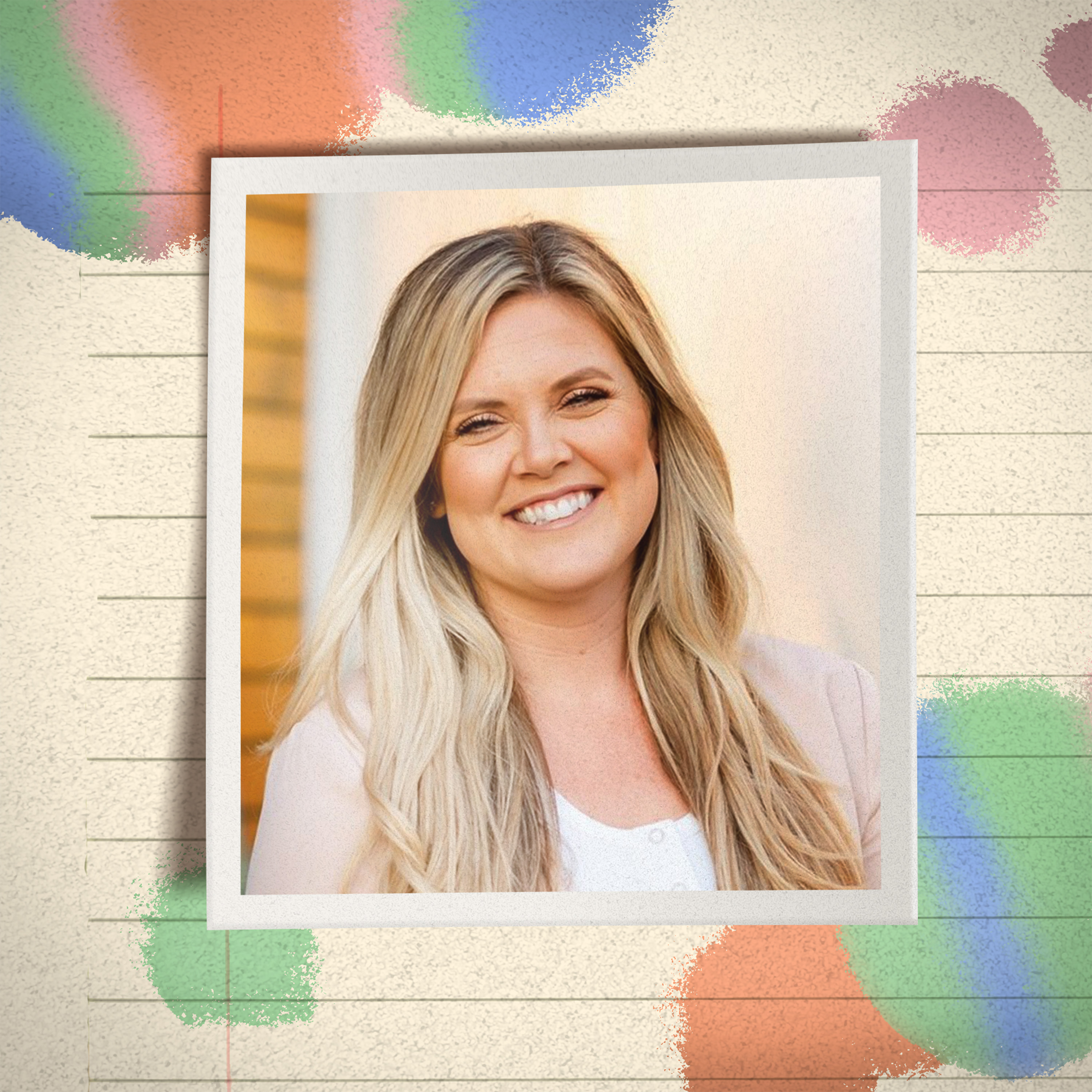
What Your Therapist Thinks
Are My Parents Emotionally Abusive? Signs You've Been Abused & What To Do
01:06:54
Loading summary
Transcript274 lines
- [00:00]
A
They're like, nope, I rather be in this toxic friend group because being left being alone, that's worse.
- [00:08]
B
With a lot of trauma. The big question is just why? Like, why did that happen to me?
- [00:14]
A
They can't blame their mom or dad because they have to survive, right? So then something must be wrong with me. And guess what? I can control me.
- [00:24]
C
One of the things that will never be a reason why it happened to you is that you deserved it.
- [00:28]
A
If you identify your needs, you're also gonna ident what you didn't get. And that is really painful.
- [00:35]
C
Something that hit me recently about this.
- [00:38]
A
Is.
- [00:42]
B
I'm your host, Kristy Plantinga. I've been in a lot of therapy and I am a huge advocate for mental health. I'm joined by my co host, Felicia Keller Boyle.
- [00:52]
C
Hey everyone, I'm Felicia, licensed somatic therapist in the state of California.
- [00:58]
B
On today's episode, we are exploring parental emotional abuse. What is it? Are you experiencing it? We're going to discuss some real life examples from Reddit and today we are joined by Ashley Hudson. Ashley is a licensed therapist in California and she specializes working with teens and their parents. Ashley also offers coaching to parents who want to reconnect with their teenage children and she helps teens and young adults with sports performance anxiety. Welcome to the show, Ashley.
- [01:31]
A
Thank you for having me here. I'm excited to be here and talk with you.
- [01:35]
C
Talk with you.
- [01:36]
B
You are the perfect person to get into this since I think you work on the child side but also the parent side. I think having that perspective on this topic is going to be really, really helpful. So let's start there. What is both of your, as the licensed therapist in the room, your clinical connections to this topic of parental emotional abuse?
- [02:01]
A
Like I, I've been working with teenagers for gosh, like 12 years now and specifically anxiety, depression, grief, loss, a lot of relationship skills that I work with teenagers. One of the biggest things, the reasons why I started working with teenagers is because I myself, you know, back in the, when I was a teenager, I was pretty lonely and wish I had someone to talk to that could really understand me, see me just have a space to actually talk about all the stuff I wanted to talk about. I didn't really have that with my parents. My parents, they tried their hardest and they had limited skills. So I became a therapist to provide that space, space for teens. I've worked with a lot of teenagers who have been in my office angry, sad, anxious, scared. And a lot of it too, I see is a big disruption in their relationship with their Parents, a disconnect, disruption, a gap. Parents show the motivation. They like, hey, I want them to get better. I love them very much. You know, there's just a really big gap on whether or not parents are motivated to get better or some parents I see are very motivated. What can I do to save this relationship and help support them? So I've seen a mix of all of that. And so I do really enjoy, after 12 years of spending with teens, I really enjoy working with parents who are motivated to connect and build that closeness with their teenager because it's really important to their progress with mental health and managing their mental health.
- [03:47]
B
Yeah, yeah. And part of me thinks, you know, a parent sending their child to therapy, kind of a leg up on the potential maybe accidental emotional abuse side of things. Or is it kind of like, my teenager is acting up, fix them, it's not me. So they need therapy. You know, I feel like it could. You've probably seen it go either way. That's how I imagine that potentially going.
- [04:12]
A
Oh, definitely. You know, we have times where parents like, hey, please fix them. They're the problems. Our household is in shambles because of them. You know, I'm not feeling good as a parent because of them. And then we also have the other side where we have parents of like, hey, I'm in my own therapy and I know my kid needs it. Can you please help them as well? I know that they need the space for them to digest this and process this kind of stuff, and I'm willing to support that. So we definitely get the array of different parents and their motivation to change.
- [04:46]
B
Round of applause for those parents who are wanting to, you know, have that. It's almost like a humility that I'm kind of out of my depth here and I might accidentally be doing some kind of harm. I think is just incredible. And I wish more parents did that. But what about you, Felicia? What's your clinical connection to parental emotional abuse?
- [05:08]
C
I think one of the tricky things about emotional abuse is it may not be as obvious as some of the other forms of abuse that children and young people can experience. You know, it's more cut and dry to identify physical abuse or sexual abuse. But emotional abuse can get called a lot of other things. Right? It can be called punishing, you know, oh, I'm just disciplining, or I'm just punishing my child. You know, I'm just. I'm just telling them how they need to do things or it doesn't leave a physical mark or like the other forms of abuse. Do. And so it can be very easy to just see it as like, oh, I'm just correcting them or I'm just being honest with them. And I think because of that, it's also harder for people who've experienced it to identify. Right. It's hard to know am I, am I being emotionally abused or am I just a bad kid? Right. Am I just a bad person? And when you don't know that abuse is abuse. Like one of the common ways of making sense of what's happening is to just think, well, I just must deserve this, I must be a bad person. There must be something wrong with me. And that's why this is happening.
- [06:19]
B
Yeah. I think that is a perfect transition to actually defining what is emotional abuse before we even getting into the, like, the parental side of it. But if you two were to define what is emotional abuse, what's your best stab at a definition?
- [06:38]
C
I like to look at it from.
- [06:39]
A
A whole perspective because I think too is, you know, working with parents, they could be really stressed out. They have their own trauma, they have their own mental health. And there's gonna be times where, you know, parents aren't, aren't perfect.
- [06:53]
C
Right.
- [06:53]
A
And did this just happen like one time or once in a while? Or is this like a pattern in chronic over time?
- [07:02]
C
Right.
- [07:02]
A
And emotional abuse too? I like how you said that, Felicia. It's, it's not as obvious and it could be sometimes. And I've seen this where parents excuse it. Well, I didn't hit my kids like my parents hit me.
- [07:15]
B
Yes.
- [07:15]
A
Right.
- [07:16]
C
Yes.
- [07:17]
A
And, and then two is verbal and it's verbal and it could be body language. It could be non verbal as well. So it's a lot of like the, the, the body and verbal, non verbal cues. I guess you would say if it's manipulation, if it's, you know, the silent treatment, if it's being verbally aggressive towards.
- [07:40]
C
Their kids, insulting the child, name calling, things like that, I would say are some of the more obvious things that could happen. Yeah.
- [07:49]
A
I mean, I'd even come across parents who, you know, threatened to like, I won't talk to you if you don't do that. Right. This is this attempt to control their children, but it comes out of anger and this intention to harm instead of like, oh, I'm just, I'm so frustrated. I don't know what to do in this situation right now.
- [08:16]
B
I know this is probably the question that every person who has experienced this or suspects they have would ask, but what are some reasons that parents do this? I mean, I know you could be like, well, what's their story? And what are the a thousand and factors that are playing into this? But, you know, I think with a lot of trauma, a lot, like, the big question is just why? Like, why did that happen to me? And especially when it's, they're my parents, they're supposed to love me. No, they didn't hit me, but why did they say that to me? Or why was that kind of the norm in my house? What are some just general patterns that you two have seen?
- [08:56]
C
Something that hit me recently about this is, I think sometimes when parents are emotionally abusing their children, they're saying and doing things that were done to them, and they're saying to their child how they actually feel about themselves. When I think about some of these stories that folks share of their emotional abuse, you don't have to scratch the surface very deep to find out, oh, that's actually how this parent was talking to themselves. Like, these are their worst fears. And they're instead projecting that onto their child. The other thing that I want to say about, like, the reasons why parents might be doing this, if you're, you know, if you're a young person and this happened to you, or if you're an adult and you're looking back on the past, one of the things that will never be a reason why it happened to you is that you deserved it. Right. Again, one of those big questions, do I deserve this or not?
- [09:49]
B
And that's, was I just a bad kid?
- [09:51]
C
Right, right. Exactly right. And of course, like, parenting is hard. Growing up is hard. Like, were there times you were probably difficult? Yes. But did you ever deserv to be abused? No. Like, by definition, people don't ever deserve to be abused. So that. That's not one of the reasons why you were abused. So I just wanna, like, clear that up before we get any deeper. Cause I feel like if someone's hearing this and they're really, really questioning, like, am I a bad person? Is that why this happened to me? That is not why this happened to you.
- [10:24]
B
Hmm.
- [10:26]
A
I agree. When I do hear of and know of parents who have been emotionally abusive, there's a lot of deep that they have within themselves that they're not in touch with, they don't want to be in touch with. They have literally put that part of them away, like, stuffed it away, where they're almost like they don't want to be aware of it. And so it's so easily when you're not aware of that and you Stuff it. Like you put that box away so far deep that it just, it comes out with their kids. They get triggered with their kids. They see something in their kids that they're so, you know, angry and yucky about themselves and they don't have the skills. They were never taught the skills. And then to what you just said, Christy, is they don't have the humility to go, like, okay, wait a minute, I'm learning. Right? They don't sit back and go, okay, I'm learning. I need to learn more about myself. There, there's something here. So instead they don't have that either. So when you have that just deep resentment, that highly self criticism, probably self loathing at that point, to project it on their kids, and then they just keep doing it without the wanting to learn, knowing how to learn, and it just keeps going. It's quite sad.
- [11:51]
B
Yeah. So very. I think unconscious is kind of what I'm picking up. Are there instances in which maybe it's intentional because they think it's good parenting? Does that kind of occur? Have you two seen that?
- [12:08]
C
I think in some cases they are, you know, they may have been raised in quote, unquote, strict homes. Right. Some of this emotional abuse can be like, well, I have a strict parent. Right. And depending on your background, that could also be a factor. Like, different communities have different parenting styles. And in some cases it's. Yeah, I can think of a lot of different groups where if you get hit or name called or whatever, it's like, oh, I'm just being punished. Like, I remember being in groups of kids where, like, that was just a given and kind of would get laughed.
- [12:43]
B
Off of, like, oh, your parents don't hear you.
- [12:45]
C
Right, Right, exactly. It's like, that's kind of crazy. It seems crazy now, but, like, there are some communities where this is actually just really normalized. Like things that we might consider abuse, like, are not considered abuse. And so I think that can be really hard, especially if you came from a community where this was normalized and now you're an adult looking back on what happened and you're like, well, wait a minute, was that really bad? Because, like, literally everyone I know was being told these things by their parents and being quote, unquote, disciplined in these ways. So was it bad or is it not bad? Right.
- [13:21]
B
Can normal be bad?
- [13:23]
C
Can normal be bad? That's a great point.
- [13:25]
A
Right?
- [13:25]
C
Can normal be bad? So I think folks are asking themselves that question.
- [13:29]
A
Yeah, I completely agree with that. I think too is like, sometimes parents utilize that to make Themselves feel better. So either, you know, there's the shame in the room that might come out with parents that if they're hitting their kids or calling their kids names or taking something away indefinitely or using the silent treatment. Right. Then sometimes I'll hear them excuse it. Well, I mean, this is what my parents did. And, hey, this is good parenting. And if someone tells me otherwise, then bullshit, like, whatever. And I think sometimes they utilize that because, you know, they feel shameful for what they're doing and they don't want to be in touch with the shame, so they just go like, oh, yeah, it is good parenting. Yeah.
- [14:18]
B
Well, I think I've seen that with some people in my life who I suspect respect, have some of this going on. Because the kids are good, right? Because they're afraid of, like, they're, like, upsetting their parents. So, yeah, they're, you know, they might be really disciplined or they're. They don't speak their mind. So it's like, oh, look, they're so good in a restaurant. Or, you know, just like that kind of stuff where. But they're such good kids. Like, look how well this turned out.
- [14:46]
C
Yeah.
- [14:47]
B
And I. Because it's just. The kid is just afraid, you know, to get any of the terrible stuff that comes with emotional abuse. I don't know if that's something you've seen with your clients, but I think with some of my friends, I've noticed that they're. They're the good kids.
- [15:01]
A
You know, I know someone really close.
- [15:04]
B
To me, really, I think we're all, like, thinking of, like, that's the one.
- [15:11]
C
Yeah.
- [15:11]
B
Yeah. Someone really close to me that was.
- [15:14]
A
Just like, oh, I was like, such, you know, the greatest kid. And. And that really close person is struggling with even understanding their feelings. They don't even know how they feel. And guess what?
- [15:28]
C
They're.
- [15:28]
A
I just know what frustration is like with the one emotion that I have because, you know, this really close person shuts down and shuts off and dissociates and freezes, right? Because they just had to be that good person. I couldn't get mad. I couldn't feel all these emot. Or else this would happen, right? Mom or dad would get really mad.
- [15:53]
C
Nope.
- [15:54]
A
Don't rock the boat. Gotta be this good person. Gotta be this good kid, right? So when you kind of ask yourself, was this parental abuse and you're. And you're thinking about it later on in life, why it comes up later on in life is probably because, like, you. You're. How are you interacting in your own relationships and being a mom or dad yourself. Right. And some things are popping up. Like, wait a second. Why am I only feeling one emotion? You know, why. Why am I getting shut off when my kids start, you know, having a meltdown or something like that?
- [16:29]
C
Hmm.
- [16:29]
A
What happened to me?
- [16:32]
C
Absolutely. That can really trigger reflecting. Like, people often say that when you have children as they grow up, you're often kind of being brought back to that moment in your own life. Right. And so you might be looking at things maybe for the first time in a long time and reflecting on them. And if you don't have kids, this can still come up because maybe you're navigating other intimate relationships, whether that's partnership or friendships or even, like, navigating work, and you might have a reaction to something where you have a very strong reaction.
- [17:05]
B
Big reaction.
- [17:06]
C
A big reaction. And part of you knows, like, you can. You can think through it, and you're like, oh, I know I'm, like, technically safe and. But I do not feel safe right now. Like, I feel very afraid. I am really, really activated. And so when that's coming up in relationships, we can start to be curious about, like, where did that come from? What could be going on? That this feels like I'm literally on the precipice of destruction when I'm just waiting for a text back and it's taking a bit longer than I expected. Right. What's happening there?
- [17:41]
B
Yeah. Or like, is someone mad at me?
- [17:43]
C
Someone mad at me kind of thing?
- [17:44]
B
That. Yeah, just. Just the classic. But just internally, how can someone tell that this is happening? Like, what's. What's some of the. The thoughts that someone might be having or some of the, you know, physical or emotional side of things when they're, you know, actively experiencing abuse or again, maybe they're out of the house and they're still kind of feeling some of those. What. What does that look like? What do your clients tell you that that feels like for them, for me.
- [18:16]
A
Especially, just like teenagers and young adults, they feel worthless. They feel like they don't matter. They don't know where they belong. So it's definitely, I think, a good combination of some of this stuff. But definitely they feel worthless. They don't feel worthy of love. They don't feel like they're worthy of someone apologizing to them and repairing with them. They don't feel like they're worthy of, you know, their parents being interested in them and having fun with them and being around them. They feel like a burden to their parents.
- [18:56]
B
Life.
- [18:57]
C
Yeah, I agree with all of that. Another thing that can happen is preoccupation. You know, preoccupied thoughts about what you're doing, how you're doing it, how others are perceiving you, whether or not you did it right or wrong. You know, going to bed at night and kind of reliving your day and moments of your day and analyzing, getting stuck on something that didn't go well, that maybe you messed up how a person responded to you. Were they mad at you? Were they not mad at you? Like that sort of thinking can be really emblematic of having experienced abuse. Fear of other people's reactions. And then, yeah, I would say that despondency, the first thing that folks will do is try to create connection, usually. Right. I mean, listeners may or may not know about this, but there's these kind of famous studies where infants are with their caregiver and the caregiver is interacting with them and looking at them and they're kind of playing. And then the caregiver is instructed to just have a blank face. And infants reliably go through a few different stages. At first they try to re engage their parents. They look at them, they smile, they're trying to do different things to get their attention. And then when that's not working, the parent is still just, they're not looking upset, they're just neutral. If they stay that way, then the child starts to become agitated, they start to cry, they start to decompensate. And then if that doesn't get their parents attention, then they just also go still faced, they stop trying. And so this is a normal, very, very basic human reaction to being connected to people. Like, we are wired to be deeply connected to other people. And when that's threatened, we try to get the attention back, you know, and maybe we start by smiling and giggling and making jokes and hey, look at me. We might start with like, I'm gonna do something that you're not gonna like, so I get your attention. Right. But either way, we're trying to get that connection back. Right, that quote unquote, acting out. Yeah, exactly. It's like I'm trying to get your attention and then if I don't get that attention, then I'm really, really angry because we're not connected. And that's like painful as a human. And I'm not, I'm not saying like we always, always want to be connected with people. Yeah, we like our alone time. Like I like my alone time.
- [21:23]
A
Right.
- [21:23]
B
But in general, yeah, yeah.
- [21:26]
C
If you see me on the street, you know what I mean? But, yeah, we want that connection. It's hardwired into our biology. We literally need it to survive in our earliest moments. And so that doesn't stop. Right. And when we don't get that sense of connection, we often will have a negative response. And then if we still don't get it, we'll give up. Because it's painful.
- [21:47]
B
It's vulnerable. It's so vulnerable.
- [21:49]
C
Imagine like, that little baby who's like.
- [21:51]
A
Hey, Mom, I'm here.
- [21:52]
B
Something gets sad. Those.
- [21:54]
C
And then it's so heartbreaking. Those videos are so heartbreaking.
- [21:58]
B
I'm not going to watch.
- [21:59]
C
Don't.
- [21:59]
B
I'm not going to.
- [21:59]
C
Don't want. They are on the Internet. If you did want to watch them, you could, but they are absolutely heartbreaking. And it's interesting that we know that that's how we're wired. And so that comes to mind, Ashley, as we're talking about this, like, the different stages a young person might go through if they're experiencing that emotional abuse.
- [22:18]
A
Yeah. I mean, I was just literally thinking about one stage right now where just again, the lens of a teenager is where they're in toxic friendships. And they're in toxic friendships because one, it's familiar too. And the other thing is, like, I rather be in this toxic friendship and get this kind of attention because it is scarier than being alone, right? They're like, nope, I rather be in this toxic friend group, toxic relationship because being left being alone, that's worse. I felt that before. That is worse. So I won't do that.
- [22:59]
B
And by toxic, you kind of mean like a little. Just kind of too involved, you know. How would you define that kind of toxicity? Because I think that gets thrown around a lot. But what it actually, I think really means is why, again, I love having therapists comment on stuff because, yeah, I've been called toxic. And I'm like, I like to think I'm not toxic. But, you know, like, we've all.
- [23:20]
C
We've all toxic gets thrown around a lot. It's not a clinical diagnosis. Right. We don't have clinical trials on, like, toxicity.
- [23:30]
B
I don't think toxic people would show up.
- [23:32]
C
People.
- [23:34]
A
So it could be, you know, the. The friend is kind of using them, manipulating them. Hey, you know, can you do my homework for me, please? Please, please? It could be where, you know, the friend is constantly calling them for emotional support and then that the team that I'm working with goes, hey, I try to reach out to them and they, they make it about themselves. It could also be they're hanging out with a crowd that is really unkind to others and hurtful towards others. And it, it feels very intimidating and fearful that if I were to leave this group, then I might be targeted as well. No boundaries at all. And anytime that a teenager would put up the boundary, they would get punished for it. Punished by, you know, name calling or, you know, nowadays it's like ghosted or.
- [24:30]
C
Putting you on blast on the Internet. Right. Like worst fear.
- [24:35]
B
Yeah.
- [24:36]
A
They know it. And a lot of teens know, like, hey, this doesn't feel good. And this, this isn't what I wanted in a friendship and it's not what I'm looking for. But I rather be in this than be alone.
- [24:49]
B
Because at least I'm connected.
- [24:52]
C
Yes. Some.
- [24:53]
A
Even though the connections, like maybe we might get it here and there and there's little drops of it.
- [24:59]
B
Yeah.
- [24:59]
A
But it's better than nothing at all.
- [25:02]
C
Yeah. I think. What can be so sad about this? Like, as you're talking about this, Ashley, I'm thinking about the cycle that this can set off, which is, you know, like I'm feeling, I'm maybe being told I'm bad in so many ways or treated as if I'm bad person. I am struggling to connect. It doesn't seem to be working. Okay. I'm finding people who can connect, but maybe like, these are not the best relationships. I'm not being my best self. Okay. So now I'm an even worse person. Like maybe I've picked up some behaviors that are like antisocial and not pro social. Right. And now it's harder for me to get along with more people. So now I'm driven deeper into these connections that are actually perpetuating these behaviors. And I'm getting more and more feedback that I'm a bad person. And it's just like, can really, really set off a really dangerous cycle. And so I think the thing that feels really important here if someone's finding themselves in that cycle, is that I just want to recognize how much vulnerability there, there has to be. And there is when you decide that you want something different for yourself again. And here I'm not talking about abuse being your fault. Like, oh, you want something different for yourself than abuse. Like we've already covered, that is not your fault. But if you find yourself feeling this low self worth, feeling like you're bad all the time, having a hard time connecting to people who are reflecting your goodness back to you, I just want to acknowledge how vulnerable it is after you felt that sense of Rejection, alienation. To go back out into the world and open your heart up to people who are going to reflect your goodness back to you. Because that rejection is so freaking hard. It's so hard to deal with. And so I want to say, like, it is possible to get out of this cycle. And I acknowledge how much vulnerability that takes, and I acknowledge how hard that is when you're in the midst of feeling bad about yourself. Like, it is a big ask, but it's why therapy can be so helpful, right, Ashley?
- [27:03]
B
Yes, totally.
- [27:05]
A
And, I mean, you're bringing up just the generational of emotional abuse, just getting passed down and passed down, the difficulty to, you know, spot emotional abuse, and then the difficulty of getting out of that emotional abuse and the difficulty of being vulnerable and taking those next steps to put yourself out there and get that kindness and the goodness back, right? And just noticing them, that pattern just continues. And it's hard. It's really, really hard, man.
- [27:40]
B
These are always just like, I'm not personally affected by this, but so he's just like, a little mini therapy session for me. I end up feeling something, except just hanging out with, like, two incredible therapists that are just, like, bringing all of their, like, empathy and knowledge. I'm like, oh, my God. I just get to sit here.
- [27:56]
C
Like, that's the real reason why you started the podcast.
- [28:00]
B
This is actually why this podcast exists, because I just want even more therapy. I just haven't had enough. I can't get enough, you know? Oh, my God. Okay, well, I would love to get into our example so we can really get into some specific pictures of what this can look like. So this is in the Raised by Narcissists subreddit. There's a bit of content, so buckle up for this story. Are my parents mentally emotionally abusive, or am I being too sensitive? I'm using a throwaway account so no one sees this. Basically, as long as I can remember, my parents have always belittled the way I'm feeling. Like, if I'm stressed with an assignment and can't help out with something, I'm doing a master of psychology, they will say, well, you aren't studying for us. It's not our fault. Or when I gave them some money to borrow and I asked them for some of it back because I needed to buy an iPad for school. I was told off for scamming money off of them, and a good child would just let them have the money. And it's little things, too. Like, my mom will blow up at me for the littlest Things like not making pasta the way that she would, even though I did it to help out on my break between classes. And when I retaliate, I get told that I'm taking things too personally and that as a future psychologist, I should know better.
- [29:16]
C
Oh, my God. Okay, I'm sorry. I can't.
- [29:18]
B
This is.
- [29:19]
C
Can we even make it through?
- [29:21]
B
Sorry. But.
- [29:24]
C
Every single sentence is like a horror show.
- [29:28]
B
Yeah.
- [29:29]
C
Like, it's worse and worse and worse. I'm sorry. I couldn't contain it. I just needed to have an outburst. You can keep on going, but already, wtf?
- [29:37]
B
Yeah, already. And I think this is something I would like to talk about, too, because I think with some mental health issues, it's like, if you have to ask it, but I don't know, like, if.
- [29:49]
C
It walks like a duck, talks like a duck.
- [29:51]
B
Yeah. But I think the title of this post is especially important in the sense that, is this happening or am I being too sensitive?
- [30:01]
A
That is what I wrote down and circled, and that is the sign right there. Am I being too sensitive? And then everything you were discussing, like, she was getting gaslighted by her parents and more. But that right there, she's constantly questioning herself, am I too sensitive? Am I just too emotional? Am I too reactive? You know, am I a bad daughter for wanting some of my money back? Right.
- [30:27]
B
Yeah.
- [30:27]
C
And she was told, if you're doing this, then. Then you're not good. A good daughter would do xyz, which is very different than saying like, hey, we would really like this from you. Like, this would be very helpful. This would mean a lot to us. That's very different than, you're a bad daughter if you're. If you do this. Like, that is 100% like a judgment. Emotionally manipulative. And I try to be careful with that word because I feel like manipulation, like, toxic is one of those words that just gets thrown around all over the. This is manipulative. Okay.
- [31:00]
B
Yeah. Saying like, straight up, the jury's out.
- [31:04]
C
Bonafide, guilty, guilty, guilty.
- [31:08]
B
This is.
- [31:08]
C
This is one of those instances where this is actually manipulative. Yeah.
- [31:13]
A
And just even saying, like, you are a bad daughter. Right. Or even going like, well, a good.
- [31:19]
C
Daughter, a good daughter would do what I want them to do.
- [31:24]
B
Right.
- [31:24]
C
How convenient.
- [31:25]
B
Yeah.
- [31:26]
A
Just make it be easier on me, please. And then also, you're throwing in the. You know, the. This defines you. For you to be a good daughter, you have to do this. Right. Right.
- [31:38]
C
The one that really got me was like, you should be able to handle this because you're getting your master's in psychology. Like, the one that was like that. Because they've literally had someone say that to me before.
- [31:48]
B
It's personal. It's personal. Yeah.
- [31:51]
C
It is personal. My terrible boss, who treated me horribly like I was her emotional punching bag. In fact, she was probably emotionally abusive for, like, three years. And when I finally confronted her and said, like, basically, hey, could you not. She said, well, you're going to school to be a therapist right now, so you should be able to deal with this. And I was just so shocked.
- [32:11]
B
Oh, my God.
- [32:13]
C
Exactly.
- [32:14]
B
Oh, my God.
- [32:15]
C
So when you read that part, Christy, I was like, hold on. Like, no, not on my podcast.
- [32:20]
B
No, not on my podcast.
- [32:24]
C
I've.
- [32:24]
A
I've gotten that before, too. Like, when you have.
- [32:28]
C
Oh, yeah.
- [32:28]
A
Like, when you.
- [32:29]
B
You're authentic and you're melting down, you have this human reaction, right? I'm like, how dare you? And then, how dare me?
- [32:36]
A
And it's like, aren't you a therapist? Like, should you know how to do this? It's like, that's not fair. That's not nice.
- [32:45]
C
So not fair.
- [32:46]
B
That is not fair.
- [32:47]
C
I am a human, and I'm.
- [32:49]
A
I'm not paying myself right now.
- [32:52]
B
Not paying myself to be my therapist right now.
- [32:54]
A
I'm sor.
- [32:55]
C
Are we exchanging money right now? Is this a session?
- [32:59]
B
And I think part of why people use Reddit is kind of the, like, am I crazy or is this happening? Polling an audience. And yeah, all of the comments are like, yeah, girl, that's. That's not good. But, yeah, I think the last. The last paragraph here, she says, I guess I'm wondering if this is something of experience or if you think I'm making a bigger deal about it than it is, because. Tbh, I probably am.
- [33:27]
C
And I guess suggestions for how to deal with it.
- [33:29]
B
Thank you. Thank you. I'm probably making too big a deal out of it, right? Even when she lists all the stuff at the end, it's like, but it's probably my problem.
- [33:42]
C
And that's abuse, right?
- [33:43]
B
That.
- [33:44]
C
That is the conclusion. Means, like, the abuse has been super effective, Right.
- [33:50]
A
I want to break something up right there.
- [33:52]
B
Yeah.
- [33:53]
A
When you have, like, kids and teenagers, when they don't understand it's abusive, right? Or they don't understand, like, oh, this is not right. One of the things a lot of times they do is they blame themselves, right? Because they can't necessarily blame their mom or dad because they have to depend on them. They have to survive, right? So then they turn it inward. Then something must be wrong. With me. And guess what? I can control me.
- [34:25]
B
Right.
- [34:26]
C
So I can just be a better daughter. Exactly.
- [34:28]
B
Yeah.
- [34:29]
C
I'll just make the pasta the right way next time.
- [34:31]
A
Perfect with the perfect tempt. And guess what, guys? Can you just please give me some strategies so my parents will love me?
- [34:39]
C
Right?
- [34:39]
A
Oh, gosh, that hurts my heart.
- [34:43]
B
And I'm assuming this person is, you know, master of psychology. They said mum instead of mom, so I think they're in the uk. I don't exactly know how the university system works, but I'm assuming early 20s still, and this is how that's coming up now. So even like obviously still living at home, but still an adult, your own life, at least a little bit, you know, even when you're out of that dependency, I can feel that strong.
- [35:12]
A
Absolutely. I just want to throw out there because I like to always point out the positives. But one, I love the fact that she even asked. I do think there is some awareness there. I think when you just hit a place of helplessness because it's your parents and kids have this unconditional love for their parents, she ended with, please help me. What can I do to basically make my parents love me? Right. But I think it's really cool of her that she's starting to become aware of this and she's starting to question some things and she's on the journey, she's on the path of starting to figure stuff out. And it probably will be a painful path for her, but it looks like she's willing to embark in a little bit.
- [36:00]
B
That's pretty cool.
- [36:01]
C
Yeah.
- [36:01]
B
I think part of the therapy process, in my experience, is there is that portion where you take responsibility. But I think with her, she's too much in the taking responsibility side of things. I think now is the time where you can just be like, I don't deserve this. This shouldn't have happened to me. And I don't need to do a damn thing but be like really mad and hurt right now. And I guess I kind of wish that for her, you know, we can kind of at a little bit of a clinical bird's eye view here confirm maybe that some of this stuff has been going on. Obviously she needs to meet with a professional, consult with them. Assuming that this is going on, what's next? How. How do you move forward? What are some strategies to start dealing with this now that, you know, you're kind of in this acceptance phase of like, okay, this is. This has happened and is happening to me.
- [36:57]
C
At the end of the day, it doesn't necessarily matter whether any of the stuff is emotional abuse or not in order to allow you to make a change. Like with op, the one that we just heard from like it, whether we want to call it emotional abuse or not, if that is like a barrier to making changes, I feel like that question could even be set aside entirely because at the end of the day, if something's happening that isn't appropriate, that doesn't feel good for you, then you can ask for it to be different. You know, you can tell the other person, you know this, this isn't okay for me. Please don't do this. If you keep on doing this, I'm going to need to leave. Right. It doesn't always mean that the person on the other side is going to go. Okay, no problem. Right. Especially if it's your parents and this is how they've been interacting with you for 20 plus years. Right. They're probably not going to change overnight the first time. They're probably going to be like, who the do you think you are? Are you kidding me?
- [37:57]
B
Right? Like, first.
- [37:59]
A
And did you learn this in psychology class?
- [38:01]
C
Oh, my gosh, of course. Right. So I think that's really important for folks to know if you're, if you're really caught up in, like, is it abuse? Is it not abuse? Is it almost like, well, if it is abuse, then I'm allowed to say no. I'm allowed to say stop. But if it's not abuse, then I'm.
- [38:17]
B
Not allowed to put up with it.
- [38:19]
C
Right, exactly. If I. If the truth is that I'm actually just too sensitive, then, like, I have to keep on dealing with it. But if the truth is that it's abuse, then I don't have to anymore, and I'm totally in the right to say no. So I want to say, like, it doesn't matter if it is or isn't. If you're not okay with what's happening, you can say that. Yeah. And now that doesn't mean that the other person is going to, like, go, you know what? You're right. I've actually just never thought about it that way. I've never considered that you didn't like how I was treating you, huh? Okay, noted. I'll change everything about how I interact with. With you from here on out.
- [38:52]
B
Like the pasta. From here on out.
- [38:54]
A
Yeah.
- [38:54]
C
Sweetie, you're wonderful. I don't know what I was thinking calling you all those names for the last 20 plus years. Yeah, you know, that's probably not going to happen, but I want to Say, like, you don't necessarily have to get rid of the whole relationship if you don't want to. You can start to ask for changes and there are going to be hiccups. People say, like, when you stop people pleasing, people are not going to be policed. Right. Like, if you've been just compliant, doing your best to be the good girl, the good child your whole life, and all of a sudden you're pushing up against that expectation, instead of just trying to be better constantly, you're doing something else. The other person is probably not going to be very happy. But I would say that's where you've got to start. That's where you'll start to create the life that's closer to what you want. And that relationship is either going to evolve and go with you, or it's not, you know, or you might have a different type of connection to that person than the one that you did before.
- [39:53]
A
Definitely. I even think then the next step would be for the person to really identify what needs were met. What needs do I need right now, you know, in this current relationship? And this is, I think, a tough. A really tough stage, a really tough step, because if you identify your needs, you're also going to identify what you didn't get. And that could be really. And that is really painful. And it's a step of managing that pain, of managing that grief, of kind of knowing, like, that grief and pain is going to pop up here and there with your parents at times. And then understanding, like, hey, I didn't get the undivided attention. I didn't get to be seen and understood and be interested in. Right. To really, to really own, like, hey, I really need that in my life. And I need that in my life right now. Where else can I get my needs met? And I think that might even be another step. And something even I work with teens is like, hey, your parents don't see you, but who else in your life does see you? Exactly. Who else in your life does understand you and get you? And maybe even how do we redefine family? You know, yes, they're your mom and dad and they're your parents, but also we can still have, like, friends as family, their. The friends, parents as family as well, extended family. So I think that. I think that's another really great step.
- [41:23]
C
To explore and that can really reverse that spiral, right? If like, one spiral is, I'm bad, I'm not worthy, I don't know how to have, like, you know, healthy relationships, then shifting to find again those Relationships where people can reflect your goodness back to you and can inspire more of that. That can like, okay, now we're. Instead of spiraling this way, now we're spiraling back in the other way. And I now feel more deserving for that type of connection. I now feel more able to seek that out in other ways.
- [41:59]
B
I would be interested about both of your takes on this. I found that in situations in my own relationships where you kind of have those realizations and you just. You kind of need space fast. I've done this. This is not a clinical term, but kind of like quiet boundaries. I'm not telling them I'm setting a boundary, but it's like, hey, I'm not spending time in the kitchen anymore.
- [42:23]
C
Or we.
- [42:24]
B
If this topic gets brought up and be like, shoot, I actually gotta run. And like, quick, do this thing, or, ah, someone's calling me. Is that a good strategy for at least to kind of like, maybe when you're a little bit more of like a.
- [42:36]
C
You're a baby deer with boundaries. Yeah, you're a baby.
- [42:39]
B
I've never done this before.
- [42:41]
A
Yeah.
- [42:41]
B
And just in the short term, when you're living in someone's house or what have you, is that a good. It's obviously not the ultimate. You know, you get to just set a boundary and whatever. Like, that's great. But is that a good strategy for someone who's just kind of like getting started with this?
- [43:01]
A
I agree. Maybe the parents aren't in a place to receive that. Also, if personally you're not in a place, you don't have the skills or the confidence to manage that reaction and kind of detach a little bit, going like, okay, that's their reaction. Right. That has nothing to do with me. So if you haven't built those internal skills yet, absolutely. If it means kind of limiting your time with them, it's also like, hey, there's a difference between surface level talk versus emotional talk. There's a spectrum of. How I love this with, when I work with teenagers is, hey, there's a spectrum of vulnerability. Right. If this person isn't capable of providing that connection, that closeness, that understoodness, that feeling seen and validated, you know, this is their capability right here. So would it make sense to be, you know, 100% vulnerable with them? Or does it make sense like, let's do 5%, right. Or that also teaches us how can we gauge a situation, trust ourselves and protect ourselves at the same time? And I think that is really important. We do need to protect ourselves. And with the lens of, hey, this person is incapable of the needs that I'm looking for right now.
- [44:27]
C
Absolutely. And I love how you ended that because it. It goes perfectly with, like, the metaphor that. That I certainly did not come up with, but I use a lot, which is, you don't go to a hardware store to buy bread. Right. I'm very much for being open to people being the best possible versions of themselves, to surprising you, to doing things differently, to being open to a relationship radically shifting. At the same time, if you've got a sense of how this person normally reacts, going to them to get something different and then feeling really frustrated with that response again and again is not very helpful. You know, that's going to the hardware store hoping that. That they're selling bread and then being disappointed that it's not a bakery. Well, you. You showed up to a hardware store, you know, so when it comes to op, I think it would be, you know, very appropriate to just excuse yourself, maybe not put yourself in harm's way as much as possible. Like, if there are situations where, you know, you're more likely to experience that abuse, I think it's totally okay to simply avoid it. Not all of your relationships are going to be ones where you can have these deep, vulnerable conversations where you both get on the same level about, like, what you want the relationship to be. Some people are not going to be able to do that with you. They're not going to want to do that with you. And if that's the case, you are probably better off just, like, saying, this is my boundary, or just not being as available as you might have been otherwise.
- [46:02]
A
Yeah, and it makes sense why she wanted to make pasta for her mom. It makes sense why she wanted to give money to her parents.
- [46:12]
C
Right.
- [46:12]
A
Like, that's very giving of her. That's very thoughtful of her. She's striving to be that good daughter. But also it's looking at the sense of mom and dad don't have the capability to be grateful, to appreciate, to go, oh, my gosh.
- [46:30]
B
Well, I don't know.
- [46:30]
C
I don't know if we can take.
- [46:31]
B
This money from our daughter. Right.
- [46:33]
A
Or understand the boundaries or even just, you know, be thoughtful, considerate. Considerate of their child's feelings.
- [46:42]
B
So it's even too.
- [46:44]
A
It's what I like to do is even just validate my client. Like, hey, I totally get you're so thoughtful and, and, you know, you really want to be seen and. And you're doing something so beautiful. But also, do they have the capability of providing that gratitude and that appreciation and that thoughtfulness back. Or your best friend, you know, Chloe over here, would she provide that back, too? So that might be a someone to make pasta for and have a good time with.
- [47:19]
C
Right.
- [47:19]
A
And I think that's really important to, you know, she might sit back and go, like, oh, my God, I can't believe I just made pasta for my parents. I'll never do anything good for you. And it's like, no, like, that's who you are. You are a good person, and you're very giving. It's your. Your parents are struggling to receive that, and then you're expecting something in return that they don't have that. And that could be a conversation of like, hey, mom and dad, I really want to be thoughtful and giving and do some really nice things for you. I just struggle because you guys don't see it back. So, unfortunately, I won't be making that pasta for you. That's the grief part, you know, when you realize that, like, you really wanted to make pasta for your mom, you really wanted to provide for your family and provide for your parents and give money to them. How sweet is that? And really sit with that. And the sadness and the grief of that, that they didn't like, that is so awesome. And also that instills. I think the strategy, too, is for them to go like, yeah, I am like, I. That is who I am. I am a giving person, and I.
- [48:28]
C
Want to be there for people, and I want to help and I want to sacrifice.
- [48:32]
A
Right?
- [48:33]
B
Yeah. I think the balance with that is, like, being, you know, and this is from my own personal experience saying that, yes, I am a person who wants to be good, but also I'm about to be the bad guy with these people because I'm about to, like, hit them with some truth bombs about how they have treated me. And so I think on one hand, it's embracing that about yourself and loving that, you know, I do want to be a good person. And that's really, like, that's a cool thing. Like, that's a nice, sweet thing about me, but also being very comfortable. It's like, they're not about to see me as the good guy right now. And that's okay. You don't have to be the good guy all the time. You could be the really bad guy, and you still deserve all of the love and the, you know, all that kind of stuff.
- [49:27]
C
So I think that can also be really limiting in a way, too, if we're only ever trying to be good.
- [49:35]
B
Right.
- [49:35]
C
If you're constantly chasing, like, I want to be this good daughter. I want to be this good person. Then your whole life can turn into the sort of black and white. I'm either good or I'm bad. And if I'm so concerned with always being good, it's like, I'm going to be exacting, and I'm always going to try to get it right. And when you're doing that, it's so hard to experiment. It's so hard to take risks. It's so hard to be curious and learn about yourself in the world, because God forbid you do something that would make you bad or make you. You would be perceived as bad. And so I love that you're bringing that up, Christie, because I think that is really helpful for us to get to play in this realm of, like, well, if I were bad, like, what would that be like? Or what is it like to let other people think I'm a bad person? Right.
- [50:25]
B
How does that feel?
- [50:26]
C
How does that feel? Right? And, like, I think that sentence is kind of funny because of. Of course, we don't have any control over. It's not like we're letting people think we're bad. Right? Like, we don't control what they think of us. But sometimes it's like, I think I can control what they think of me. Right?
- [50:41]
B
Like, I'll do anything.
- [50:42]
C
I'll do anything to make sure they don't.
- [50:44]
B
All the types of pasta in the world.
- [50:46]
C
Yeah, exactly. Exactly. I know. For me, that was a huge turning point in my own development, believe me. Yeah, I was. I was a good kid. I was a good girl. I was a good, you know, insert here. And we all were.
- [51:01]
B
Are we all the good girls?
- [51:02]
C
We're all the good girls. Oh, hello.
- [51:04]
B
Hello.
- [51:06]
C
Yeah. And I remember Good Girls Club. I remember getting to this point where I was like, I knew it was. It happened in a friendship, and I knew I was making a decision that my friend didn't. Like, I could feel it. I could feel this part of me that didn't want to make that choice. And when I finally was like, but no, I know this is actually the right thing for me to do. And I'm also aware that this person is not going to be happy with it. It's like, normally being aware that this person would not be happy with it would be enough decision making.
- [51:41]
B
I won't do it. Then.
- [51:42]
C
I won't do it. You will not be happy, Therefore, I won't do it. And that's not what I did. I made the change. It's so funny, because I can think of a few other times that are just so distinct and crystal clear in my memory. It's like I know exactly where I was when I.
- [51:57]
B
When it happened. Oh, my God, me too.
- [51:58]
C
Really?
- [51:59]
B
Yes. I was in a therapy session, and then she was like, you know, you're the bad guy in this situation. Chills. Like, lost it. Lost it. But it was, like, the turning point where I was like, I don't always have to be the good guy. And it was like, oh. Like, that's different. Like, that feels weird.
- [52:20]
C
Does everybody else know this?
- [52:21]
B
This, too? I know. I was like, do you guys watch New Girl? Yeah. The episode where it's like, Jess is just, you know, being herself, and Schmidt's like, so you just go around every day just thinking about other people all the time? She was like, yeah, you don't. He was like, no, like, of course I don't do that. How do you live? And she's like, it's really hard. Like, it's a wristly car to lift this way. You know, I always think about that. Oh, my God, So true. So true.
- [52:53]
C
Yeah. But I think when you've been living that way for so long, you don't know that there's an alternative. Like, you really. Like, it's that shocking where you're like, oh, my gosh, I thought everybody just was operating this way. And you're like, no, not at all. And you can. When you start to change these behaviors, right. When you're loosening your grip on being the quote, unquote, good person, any move away from that will make you feel like a complete monster. Right. Like, that's what came up for me. I'm like, oh, anytime I, like, put myself first, like, it triggered this feeling of like, I'm a terrible person.
- [53:29]
A
Yeah.
- [53:30]
C
Like, I'm actually a terrible person for doing this. And it took, like, doing things that I considered to be terrible, like, many, many times for me. And me surviving it and getting to the other side and being like, oh, I didn't, like, like, lose everything I've ever loved. I'm okay, and, oh, wow, I gained something new. That's really cool. And let me be clear. There are some people who are in abusive relationships, emotionally or otherwise, where if you do make a change, you might actually lose a lot. There might actually be a lot on the line. So I don't want to say that, to somehow say, like, it's no big deal.
- [54:02]
B
Don't worry about it.
- [54:03]
C
Everything will be fine. It's like, no, that's not always true.
- [54:06]
A
Right.
- [54:06]
C
You might actually lose a lot. It might be really painful. And again, that's like yet another reason why being in therapy, if you find yourself in this sort of situation can be so helpful.
- [54:17]
A
Yep. Walk through that and to process that and have someone right there to talk things through. And no, I love therapy.
- [54:29]
B
Don't we all really? This is just a big long therapy commercial is the hope for what this is. You could have a Felicia, you could have an Ashley. This could be you. I got both right now. Hey, hey. This could be you. Because I think like that the moral compass when you start kind of disentangling and any kind of abusive relationship, but certainly emotional abuse is kind of that pulling apart the same person. I'm probably overacting or overreacting. Tbh. You can ask a professional that who is biased. Sure. Because they're, you know, they're working with you, not the other people. But having a professional to consult with on some of this stuff, it gives a little confidence, I think.
- [55:21]
A
Totally.
- [55:22]
C
Right. And not just a professional who's gonna like consult with you as if they're gonna tell you what to do. I'll be honest, Op, if you went to a therapist and you told this story, I think they'd have a hard time not making that were kind of a giveaway of how they actually felt.
- [55:36]
A
But.
- [55:37]
C
But technically they shouldn't be like telling you what to do. Right. If any. I think what's more important, especially in a case where there's been abuse, where there's been this sort of like gaslighting, you're. You've got this kind of mixed up sense of reality. It's like, oh, I'm a bad person if I make the pasta wrong. Like, I should be able to deal with really like cruel behavior because I'm getting a degree in psychology. You're just like reality, really. This is really confusing. Right. So it can be hard to find yourself, your desires, your own moral compass in the midst of all of that information and entanglement. Yeah, exactly. So if anything, I would see the therapy as being about, well, really, what do you want? Because how often has this person had that asked of them? How often has that been respected or celebrated or encouraged? Right. And what would it be like if you had a world in which you could have what you wanted and you could also give, you could also reciprocate, you could also contribute to relationships. Like, no relationship is going to be perfect. Of course there's going to be conflict. Of course there's going to be differences. But what if there was a world in which you could have some more space in the relationship? You could say what you wanted and you knew what that was. Because my sense for OP is she didn't say this so much, but she might have a hard time. I wouldn't be surprised of knowing what she wants. Right? Because what she wants may have in the past meant that she got in trouble for wanting that thing, right?
- [57:12]
A
Oh, totally. And I get this all the time. Like, they. And then did you see her too? How she just went back to like, no, it's. It's me. Right? So I do think she has this sense, like, there's that, like, part of her that like, kind of like, I.
- [57:25]
C
Think this is off, right?
- [57:26]
A
And she's needing the validation of all these strangers on.
- [57:32]
B
On Reddit to be like, and now us.
- [57:34]
A
Right. But let me just put the little caveat here. This is probably my fault, right? Yeah, probably because maybe she didn't want to read a comment that's saying, yeah, it's all your fault. Right?
- [57:43]
B
Or.
- [57:44]
A
Or whatnot. Which is, yeah, sad. But I think too, and I'm. When I'm working with someone is I love just helping them, like, tease out, like, okay, hey, you brought this up. There is that little part of you that thinks, like, something's off here. This doesn't, like, feel the best. This feels really uncomfortable. Wait, and then there's this other piece of you that, like, just totally self doubts it, that you want to trust this part, but then you just can't because why? What's on the line? You know what's on the line when you really trust yourself that this, this isn't. This isn't right. This doesn't feel good. This is. This is emotionally abusive, you know, and getting to that qu. Like, you know, getting to that question. Yes, this is emotional abusive, right? But to go like, I don't like this anymore. I don't want this anymore. But that's, that's hard. That's really hard. Because then what? You know, walking through the, the fears of what's the worst case scenario if you were to tell your mom, I ain't making the pasta anymore. You were like, I don't call me like that. Don't talk to me like that. And it could be as severe as. Then you leave.
- [58:56]
B
Getting kicked out.
- [58:57]
A
Getting kicked out. Or even as severe as, you're not my daughter anymore in therapy, like, walking through those. Walking through, like, it might just be trying on that shoe for a second of the pain and the uncomfortableness of that Just to, like, what's that like?
- [59:17]
C
Yeah, and there are real risks, like you just said, Ashley, like, really thinking about that. And I think that's a really good argument for, you know, some of the strategies you were talking about earlier, Christy, which is what is a way to, like, protect myself from some of this abuse without necessarily going in with guns blazing, being like, things are different around here. You know what I mean?
- [59:36]
B
Boundary. Boundary.
- [59:37]
C
Yeah, Boundary fingers.
- [59:40]
B
Right?
- [59:41]
C
Yeah. Like, that may not be the strategy. You know, watch. This is going to become, like, merch for us one day. This is the origin of boundary fingers.
- [59:50]
B
Boundary, Boundary.
- [59:52]
C
We're like, over.
- [59:53]
B
You get a boundary, and you get a boundary.
- [59:56]
C
Look under your chairs. It's a boundary.
- [59:59]
B
Oh, my God. I think now would be a good time to get to final thoughts on this topic. So, Ashley, as you know, this is the what your therapist thinks podcast. So at the end, we just like to have a little part where basically you, as the therapist, as Ashley, get to say what you really, you know, think and feel and wish people knew about this topic if this is, like, the only little bit they got. So, Ashley, as a therapist, what do you really think about parental emotional abuse?
- [60:39]
A
It's not your fault. It's not your fault, and it's incredibly painful. It's incredibly sad, and you're holding on to a thread that is attached to your survival. So I think I want to validate and acknowledge the sense of, I don't like this from my parent, I don't want this from my parent. I can't leave my parent, and I can't say no to my parent. And you're not alone. There are people out there that love you and that want to be there for you and support you. If that's through therapy, if that's through good friends, if that's through other adults in your life, and. And therapy can be a really great place for you to process all that. A safe place for you to talk about this stuff that you can't talk about with your parents, that you can't. You don't know where to start to talk about this stuff with your parents. Right. The last thing I want to say is that there's hope for you. That there is really hope for you in the sense of, like, if you're here going, like, and you're listening to this, like, did this happen to me? And. And I love Felicia, how you said, like, you don't have to answer that question, like, are my parents emotionally or abusive? Mentally. Emotionally abusive. I think you could ask the question, were There things that like, did not make me feel good. Were there things that like, made me feel worthless? Were there things that made me feel like, unloved? And to grieve those things, to. To allow yourself to feel sad for those things.
- [62:17]
B
Because.
- [62:17]
A
Because you know what you feel is valid. It is really valid. You are human. It's not about being a good daughter, a good son or a bad daughter or bad son. It's about just. You're human. Parents won't change and they're not motivated. And I'm helping the teenager. Like, how do we survive? How do we survive these next year or two? And how do we start thinking about the future? And how do we start thinking about living on our own? And what does that look like? And that's my way of helping them survive and have hope. Because you know you're gonna live with your parents for so long and then you can get out and then you could decide from that point how do you want the relationship to be? You can decide from that point who you want to interact with and who your family wants to be.
- [63:08]
B
Yeah. And I'll say too that we will put some resources in the show. Notes about abuse, the domestic abuse hotline. If you are feeling really alone and you just want to talk to someone that is there for you 24 7, we'll link some different things around there too. Because very much hope there is someone in your life that you know you can again, kind of get the love and the understanding that Ashley and Felicia have been talking about, but just some immediate resources if you need them. Felicia, what do you think?
- [63:41]
C
There's no way that you could not be good. Like, I really want to like put like, like close that question of whether you're good or not or that your fundamental lovability could somehow be in question. You know, that someone else could get to decide that about you and tell. And tell you what and who you are. Like, just want to say that doesn't make any sense. It's fundamentally just not. Not a thing.
- [64:13]
B
So if.
- [64:15]
C
If you could hear this and somehow believe me, like, despite everything else you've been told, it's like that's. That's what I want to like insert into your heart, if that's at all possible. And then I love what Ashley said there about, about hope. Right. Whether you're in a place right now where you have more independence and you can make more of your own decisions about your life, great. You can take steps in that direction. If you are still living with folks who are emotionally abusive and you don't have as many options to get out, then making a plan to get out. Right. And just recognizing that you have. You have more options in your life. Again, there's. There's like, the seed of, like, lovability and goodness in you that may not be getting so nurtured right now, but there's nothing, nothing that could be done to remove that. And so just. Just knowing that that's there, trying to see it in yourself, looking for opportunities where other people see that in you and moving toward that.
- [65:16]
B
Right.
- [65:16]
C
Like moving toward an opportunity where someone sees that in you and reflects it back and also being discerning about what that is.
- [65:23]
A
Right.
- [65:23]
C
Because when we're wounded in these ways, sometimes we get that feedback and it's happening alongside of all these other things that are really, like, harmful. So we need to be on the lookout for that, that we need to be, like, discerning about. About that. So, yeah, that's. That's my messaging. I hope it's encouraging.
- [65:41]
B
Yeah, I think so. Again, I'm just, like, soaking it up over here. I just get to sit and, like, bask in just therapist wisdom, you know.
- [65:50]
C
Just raining down, Raining down.
- [65:53]
B
Ashley, you're the best.
- [65:54]
C
Thank you so much for being here.
- [65:55]
B
Thank you for being here. Thanks for having me, guys. That was fun going through this topic. We know that it's a heavy one, but it's really important and I hope that people today just, yeah. Leave with a sense of hope, really importantly and understanding.
- [66:13]
A
Thank you for having me, guys. This was. This was awesome.
- [66:15]
C
This was a pleasure.
- [66:16]
B
Ashley, how can people connect with you and learn more about the services that you offer?
- [66:23]
A
Yeah, so you can find me me Ashley Hudson therapy.com for therapy services to California and then illuminate your connection. CO is my parent coding run, don't.
- [66:37]
B
Walk to hire Ashley.
- [66:42]
C
Thanks.