
Podcast
7am
Hosted by Solstice Media · EN
An independent daily news show. We feature the country’s best reporters, covering the news as it affects Australia. This is news with narrative, every weekday.
202episodes
Episodes
Newest firstAll episodes

‘Getting Murdoched’: How the Murdoch media attacks its targets
Today00:17:40Summary readyFor decades, Rupert Murdoch’s media empire has helped shape politics and public debate, and in doing so, has often left lasting consequences for some of the people caught in its sights, from politicians, to public figures to everyday people. The consequences can be devastating. Journalists Matthew Ricketson and Andrew Dodd have a name for what happens when that attention becomes a campaign, they call it ‘getting Murdoched’. Today, co-author of their new book Getting Murdoched, Matthew Ricketson on the people who’ve found themselves on the receiving end, and the media culture that could outlast Rupert Murdoch himself. If you enjoy 7am, the best way you can support us is by making a contribution at 7ampodcast.com.au/support. Socials: Stay in touch with us on Instagram Guest: Co-author of Getting Murdoched Matthew Ricketson Photo: AP Photo/Jason Reed, Pool, FileSee omnystudio.com/listener for privacy information.
Summary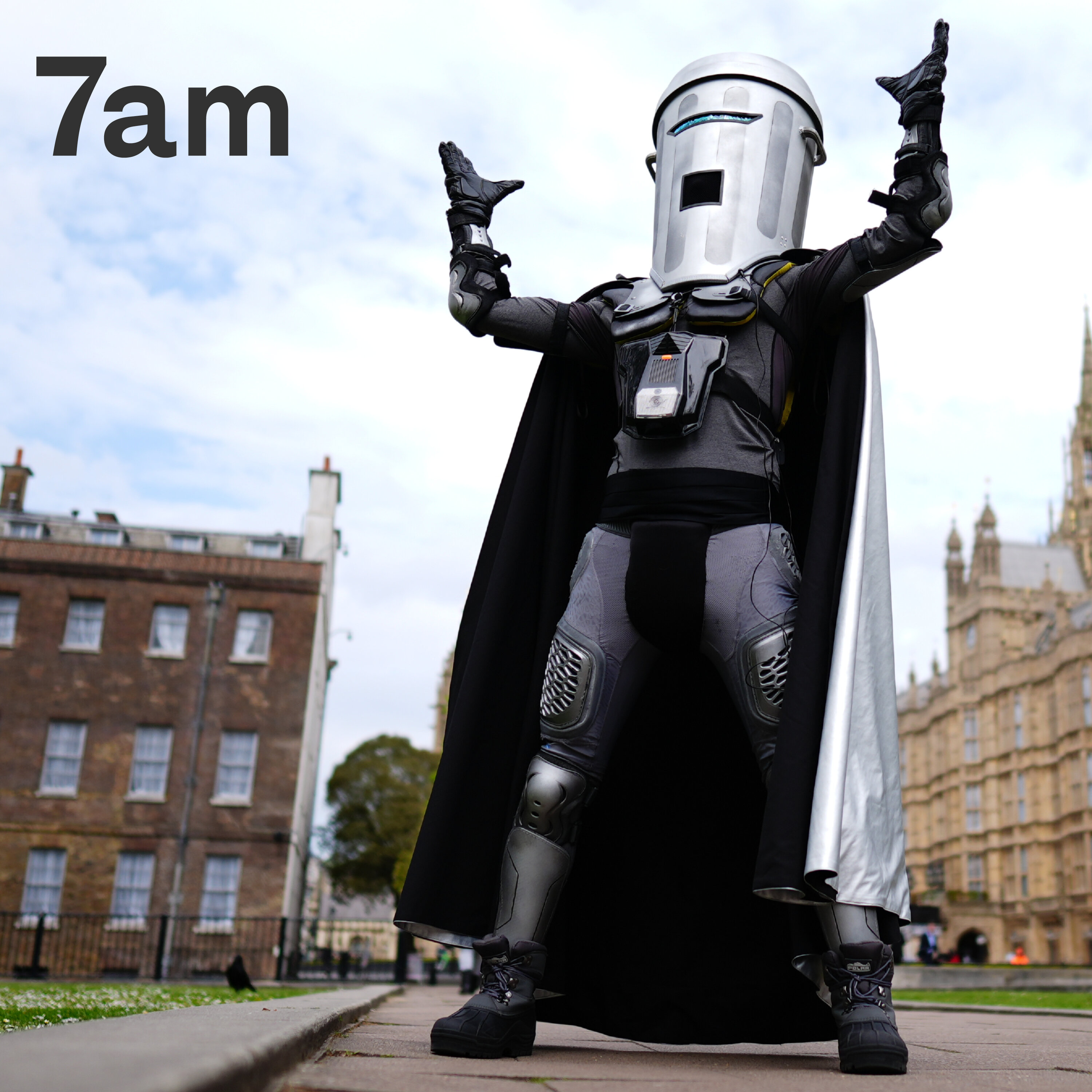
How Nigel Farage ended up facing off with a bin
Yesterday00:17:07Summary readyJust when you thought world politics couldn’t get any more ridiculous: tonight, far-right British politician Nigel Farage is set to face a by-election of his own making. His main opponent? A joke candidate by the name of Count Binface, who says he’s an alien space warrior, and wears a superhero costume featuring a bin for a head. The contest has turned into a circus, but the five-million-pound donation scandal which prompted it, is deadly serious. Today, European correspondent for the Australian Financial Review, Andrew Tillett, on the contest, the scandal behind it, and the parallels between Farage and Australia’s far-right offering, One Nation. If you enjoy 7am, the best way you can support us is by making a contribution at 7ampodcast.com.au/support. Socials: Stay in touch with us on Instagram Guest: European correspondent for the Australian Financial Review, Andrew Tillett Photo: PA/AlamySee omnystudio.com/listener for privacy information.
Summary
Is super a fairer way to fight inflation than interest rates?
2d ago00:16:24Summary readyThe Reserve Bank of Australia yesterday left interest rates on hold at 4.35 per cent: a relief for those with a mortgage. But as the bank weighs up future interest rate hikes to try and combat inflation, some economists say there’s a fairer way to keep spending under wraps and spread the pain around. And the alternative could leave us all with bigger retirement nest eggs. Today, independent economist Saul Eslake on whether superannuation could be used to manage inflation, and what it all means for the future of housing. If you enjoy 7am, the best way you can support us is by making a contribution at 7ampodcast.com.au/support. Socials: Stay in touch with us on Instagram Guest: Independent economist Saul Eslake Photo: AAP Image/Dean LewinsSee omnystudio.com/listener for privacy information.
Summary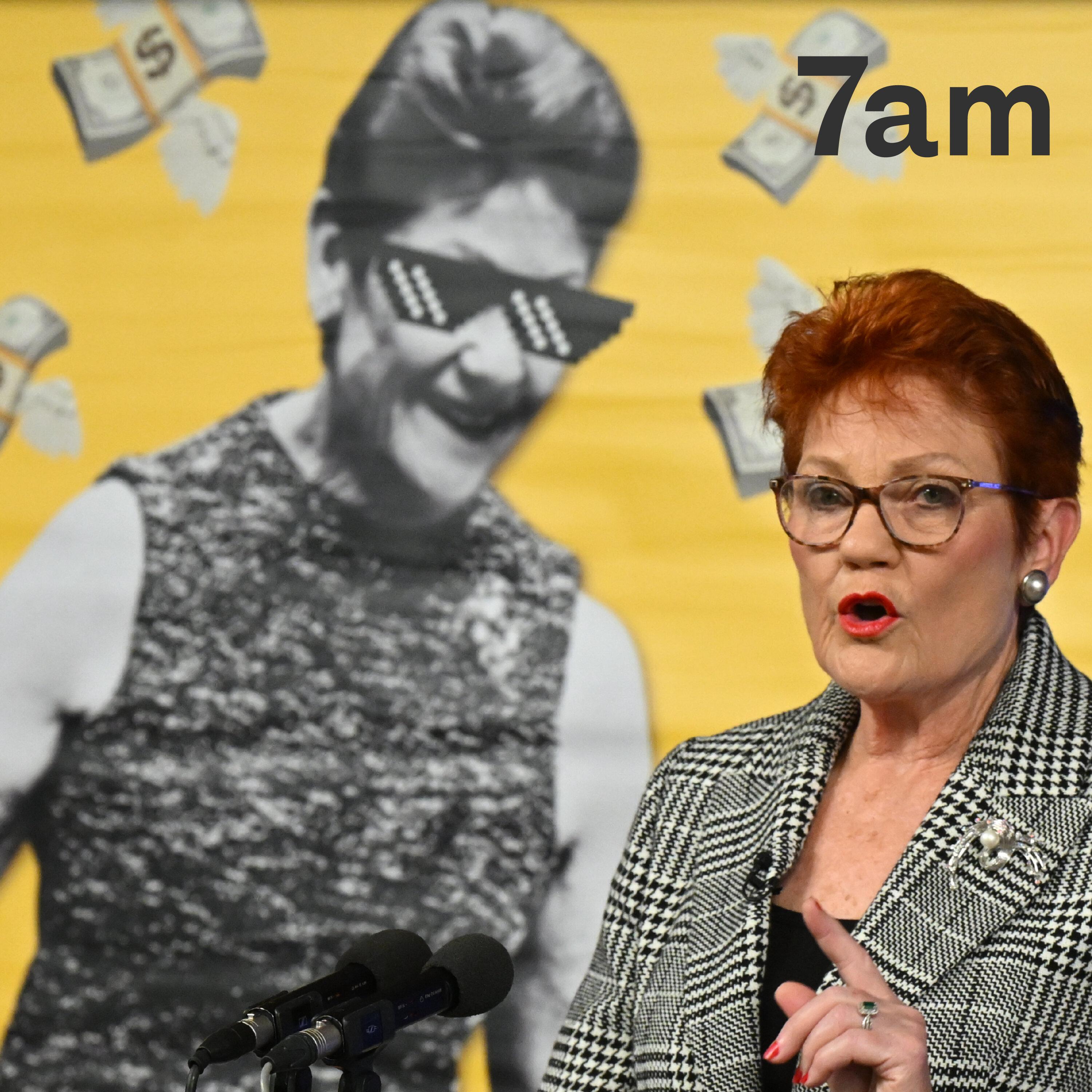
Where is One Nation’s money coming from?
3d ago00:16:13Summary readyAs One Nation’s political clout rises, so too does its bank balance, courtesy of the very elites Pauline Hanson often rails against. Now an investigation by the Brisbane Times and SMH has detailed some of the places One Nation’s cash is coming from: from exclusive parties hosted at Gina Rinehart’s mansion, to movies, to merch. But perhaps even more pertinent are the contributions hidden from public view. Today, SMH Investigative Reporter Patrick Begley on the sources of One Nation’s wealth. If you enjoy 7am, the best way you can support us is by making a contribution at 7ampodcast.com.au/support. Socials: Stay in touch with us on Instagram Guest: SMH Investigative Reporter Patrick Begley Photo: AAP Image/Lukas CochSee omnystudio.com/listener for privacy information.
Summary
Australia’s first far-left terrorism investigation and the rise of political violence
4d ago00:18:08Summary readyIn the early hours of July 5 last year, a group of masked people allegedly broke into a defence manufacturer in Melbourne’s north-east. Three cars were set alight. The building was vandalised, and later, a video message appeared online with a masked man claiming responsibility; warning workers involved in the weapons supply chain that they were being watched. Waleed Aly has a PhD in global terrorism and says the message left behind is crucial to understanding what happened and what might happen next. Today, Waleed Aly on what makes political violence terrorism, and whether this attack is a sign of something much bigger taking hold. If you enjoy 7am, the best way you can support us is by making a contribution at 7ampodcast.com.au/support. Socials: Stay in touch with us on Instagram Guest: Monash University terrorism expert Waleed Aly Photo: Supplied: AFPSee omnystudio.com/listener for privacy information.
Summary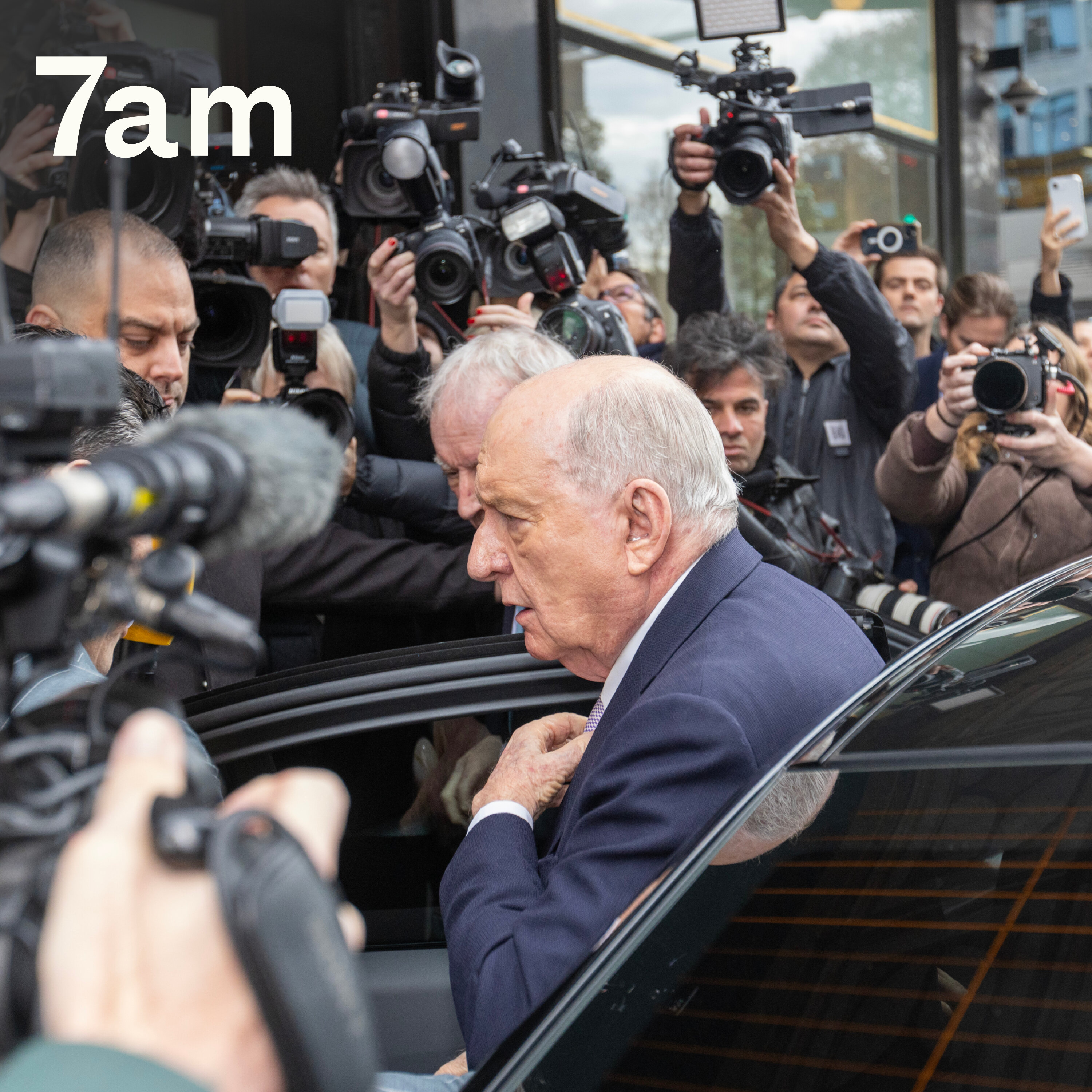
The fall of Alan Jones
5d ago00:13:38Summary readyThis week, Alan Jones went on trial in Sydney, more than 20 months after his arrest. The once-powerful broadcaster is now facing 22 charges of indecent assault and sexual touching involving six complainants. He has pleaded not guilty to all charges and denies any wrongdoing. When we recorded this episode, Jones had just been charged with 24 offences involving eight complainants. Since then the case has narrowed, with a number of charges withdrawn or replaced before the trial began. Today, we revisit our conversation with investigative reporter and author of Jonestown: The Power and Myth of Alan Jones, Chris Masters, on the fall of one of Australia’s most powerful men, and what it tells us about the nature of power itself in this country. This episode was first published in November 2024. If you enjoy 7am, the best way you can support us is by making a contribution at 7ampodcast.com.au/support. Socials: Stay in touch with us on Instagram Guest: Investigative reporter Chris Masters Photo: AAP Image/Damian ShawSee omnystudio.com/listener for privacy information.
Summary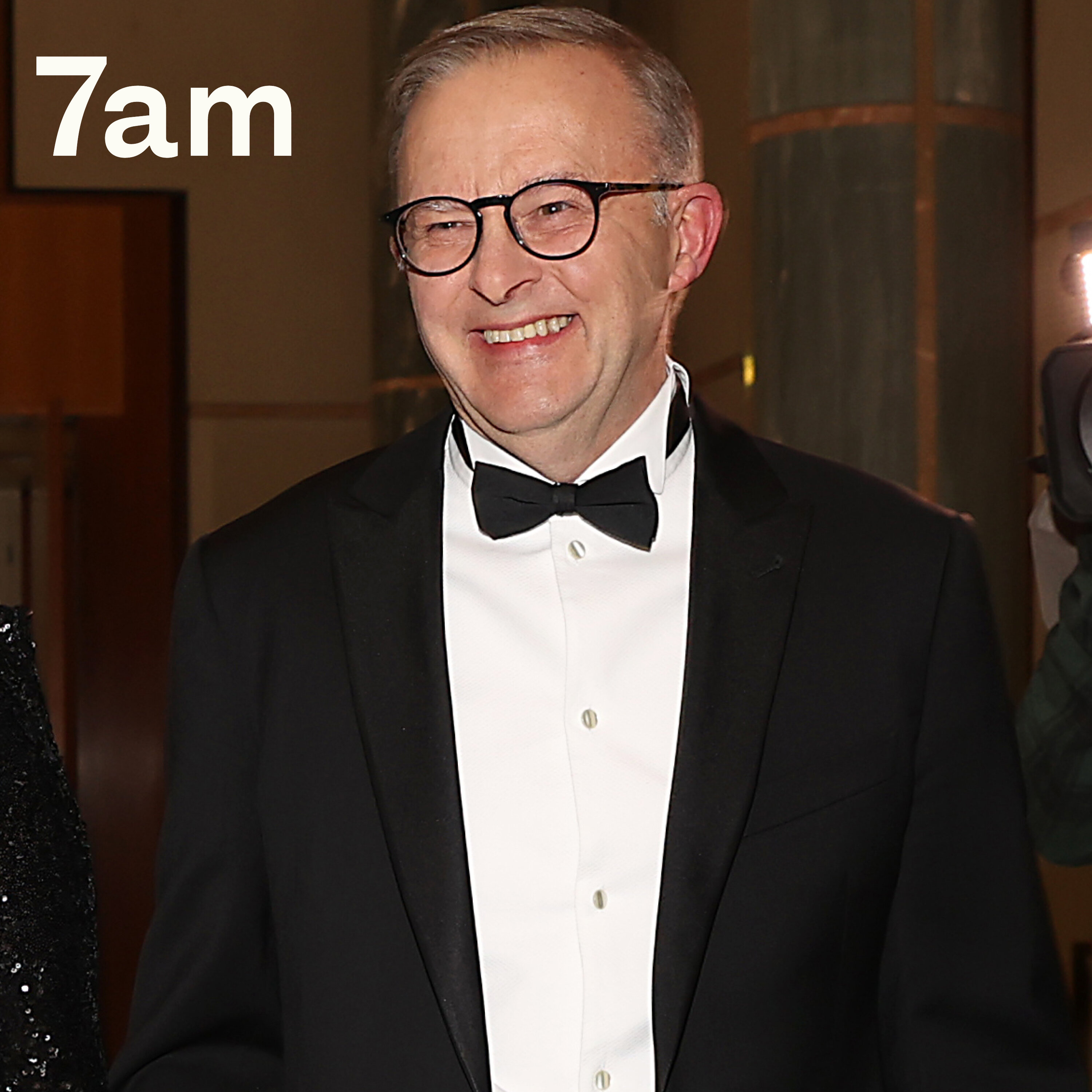
“Pay $10,000, that gets you dinner”: Sean Kelly on how power is shaping politics
6d ago00:15:20Summary readyIn Australian politics, access can be bought, factions can operate beyond public view, and conduct can be deeply troubling without ever meeting the definition of corruption. None of it is especially new, and maybe that’s the problem. Meanwhile, people are becoming more disconnected from the institutions that shape their lives, and less convinced that those institutions are working in their interests. Today, columnist for The Age and SMH Sean Kelly, on the money, secrecy and private power shaping our politics, and what happens when voters stop trusting the system itself. If you enjoy 7am, the best way you can support us is by making a contribution at 7ampodcast.com.au/support. Socials: Stay in touch with us on Instagram Guest: Columnist for The Age and SMH Sean Kelly Photo: AAP Image/Jane DempsterSee omnystudio.com/listener for privacy information.
Summary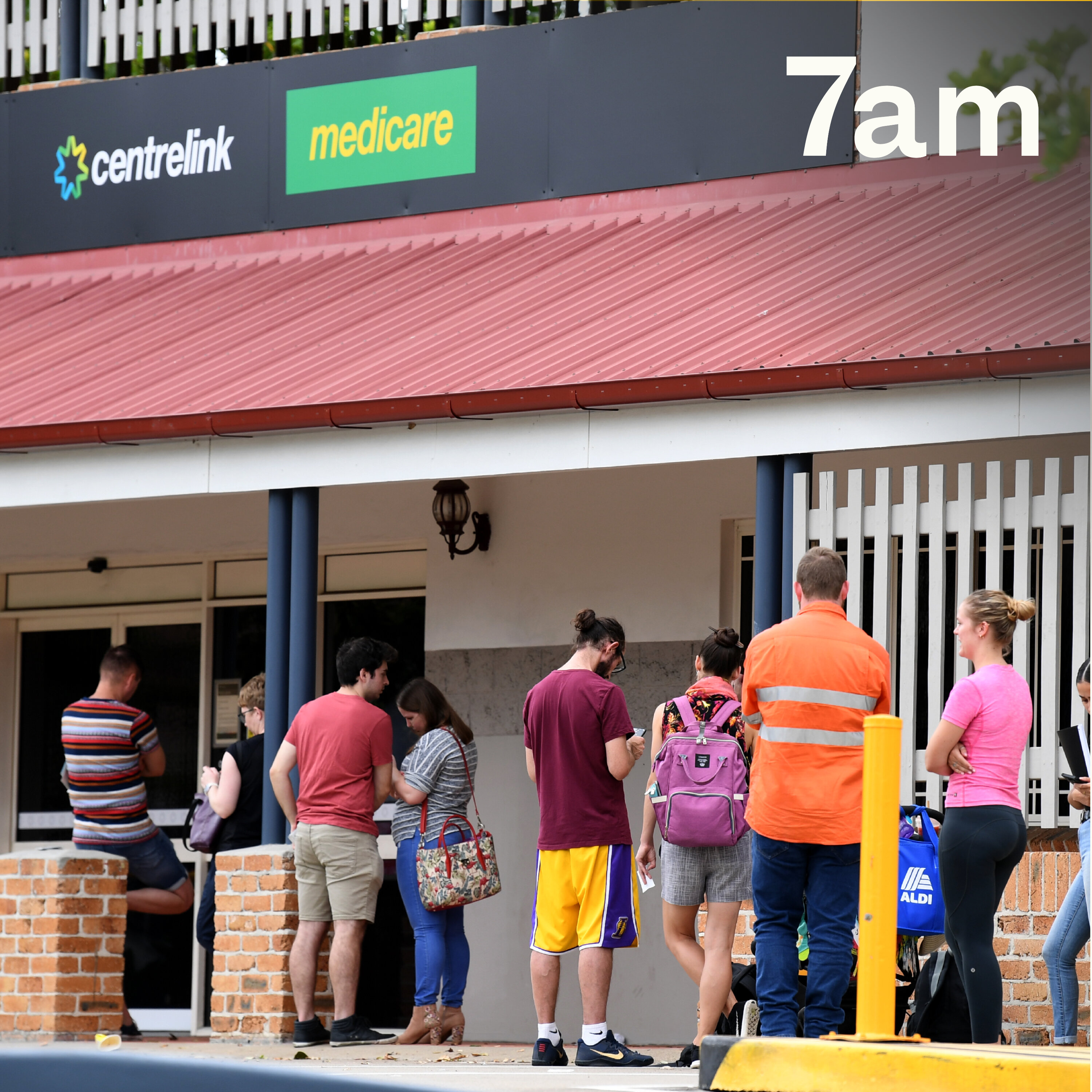
Our job system is broken: Are private providers to blame?
1w ago00:18:30Summary readyAlmost 30 years ago the Howard government shut down Australia’s public employment service and privatised the system that helps unemployed people find work. Since then, repeated inquiries have found the system is failing the people who need it, while the companies paid to run it rake in huge profits. Now, the Albanese government has admitted the system isn’t working and promised its biggest overhaul in decades. But Labor says these private providers will still remain part of the system, even as a new report has followed the billions of dollars flowing through the industry Today, ABC business and economics reporter Gareth Hutchens, on how helping unemployed Australians became a massive money spinner, and whether Labor can fix the system while leaving private companies at its centre. If you enjoy 7am, the best way you can support us is by making a contribution at 7ampodcast.com.au/support. Socials: Stay in touch with us on Instagram Guest: ABC business and economics reporter Gareth Hutchens Photo: AAP Image/Dan PeledSee omnystudio.com/listener for privacy information.
Summary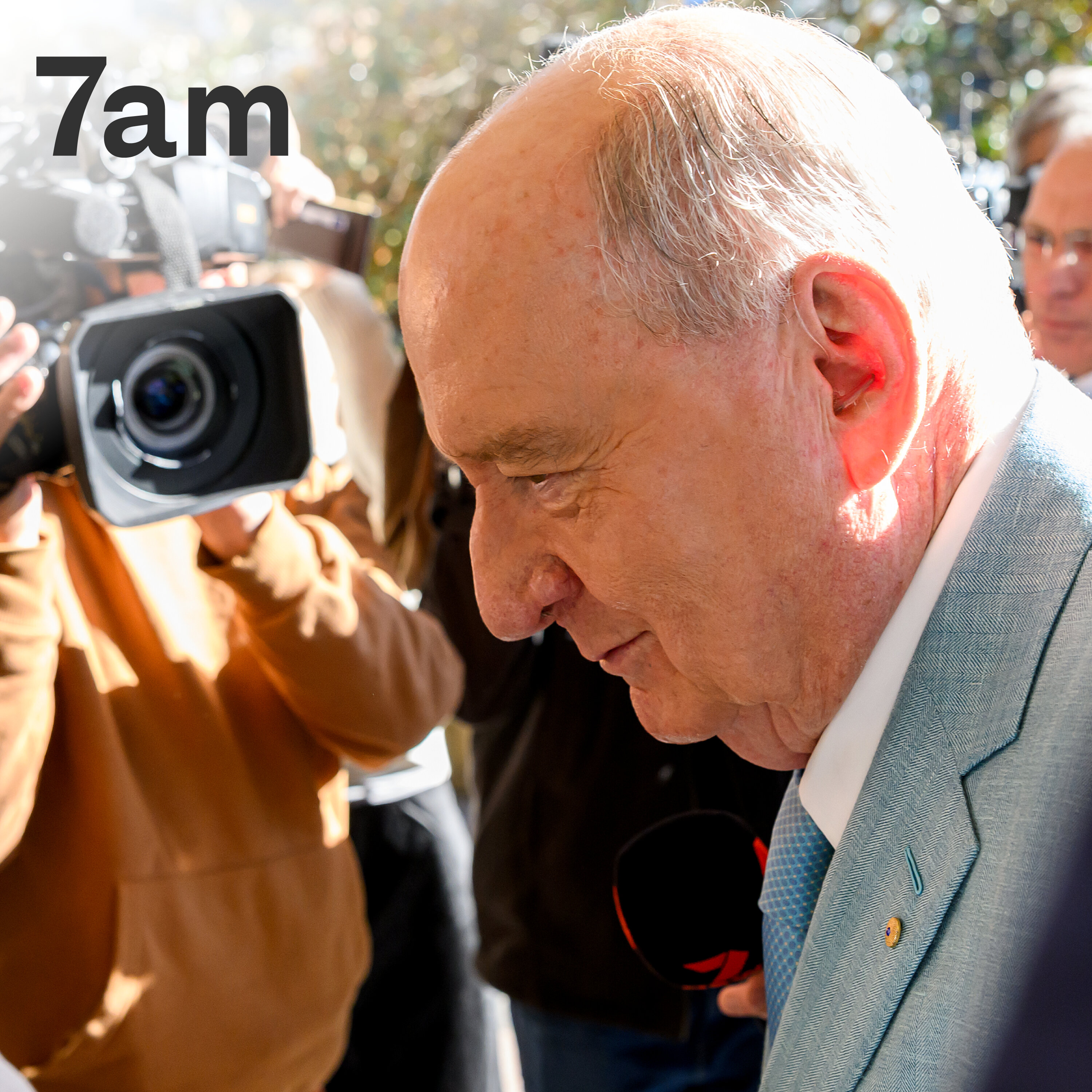
Alan Jones on trial: What we've learned so far
1w ago00:15:57Summary readyAlan Jones is used to attracting attention. But not like this. At 85, the once-powerful shock jock who for decades acted as judge, jury and executioner in the court of public opinion, is now the one on trial. Jones is accused of historical offences involving the indecent assault and sexual touching of teenagers and young men – claims he’s always denied. Now, a judge will decide, with the trial slated to run over the next four months. Today, National Affairs Editor at Ten News, Hugh Riminton on how the first few days of the Alan Jones trial played out in court, and what comes next. If you enjoy 7am, the best way you can support us is by making a contribution at 7ampodcast.com.au/support. Socials: Stay in touch with us on Instagram Guest: National Affairs Editor at Ten News Hugh Riminton Photo: AAP Image/Bianca De MarchiSee omnystudio.com/listener for privacy information.
Summary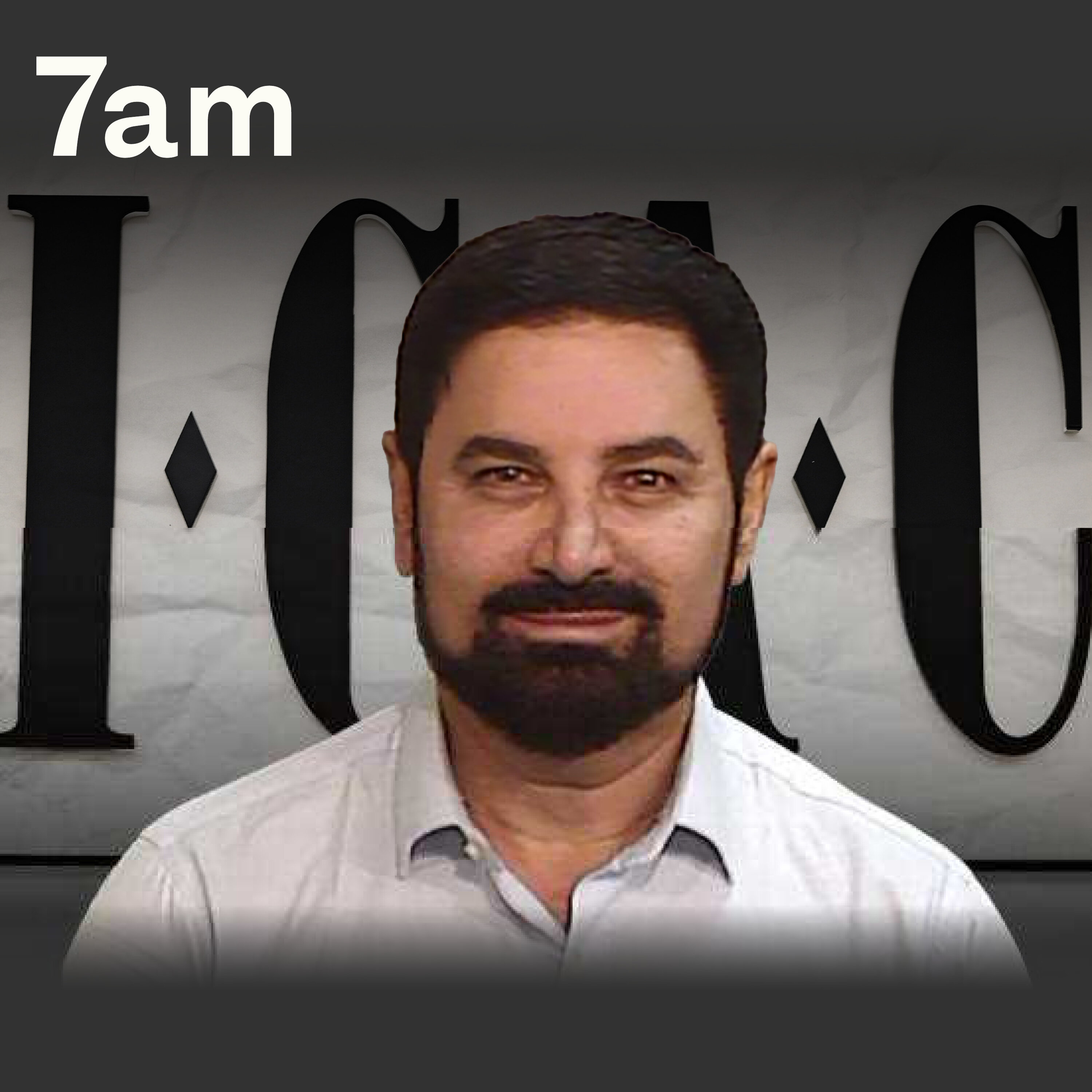
Liberal party corruption claims & fugitive backers: ICAC’s Operation Rosny explained
1w ago00:17:17Summary readyFor decades it’s shone a light on corruption of the highest order, even toppling premiers: Now NSW ICAC, the state’s corruption watchdog, has set its sights on a secretive right-wing Christian faction of the Liberal Party, “the Reformers”, and its cashed-up group of backers. Already the public inquiry, codenamed Operation Rosny, has heard of shit sheets, sham payments, phone taps, and dodgy deals with fugitive developers – with the reformers' connections reaching all the way to the top of the Liberal party. Today, The Sydney Morning Herald’s chief investigative reporter Kate McClymont unpacks the tangled web of players at the centre of what she’s calling ICAC’s Game of Thrones. If you enjoy 7am, the best way you can support us is by making a contribution at 7ampodcast.com.au/support. Socials: Stay in touch with us on Instagram Guest: SMH chief investigative reporter Kate McClymont Photo: PR Handout/Supplied by NSW PoliceSee omnystudio.com/listener for privacy information.
Summary