Podcast
A Way Forward: Conversations on Mental Health
Hosted by CMHA Kelowna and Jessica Samuels · EN
A Way Forward podcast, presented by Beem Credit Union, examines the challenges that can wear down our individual and collective mental health. Host Jessica Samuels focusses on the stressors, the core issues and contributing factors, and the approaches and practices that can help address these issues. Listeners will leave feeling they have the information and tools to better manager their well-being and able to find...a way forward.
25episodes
Episodes
Newest firstAll episodes
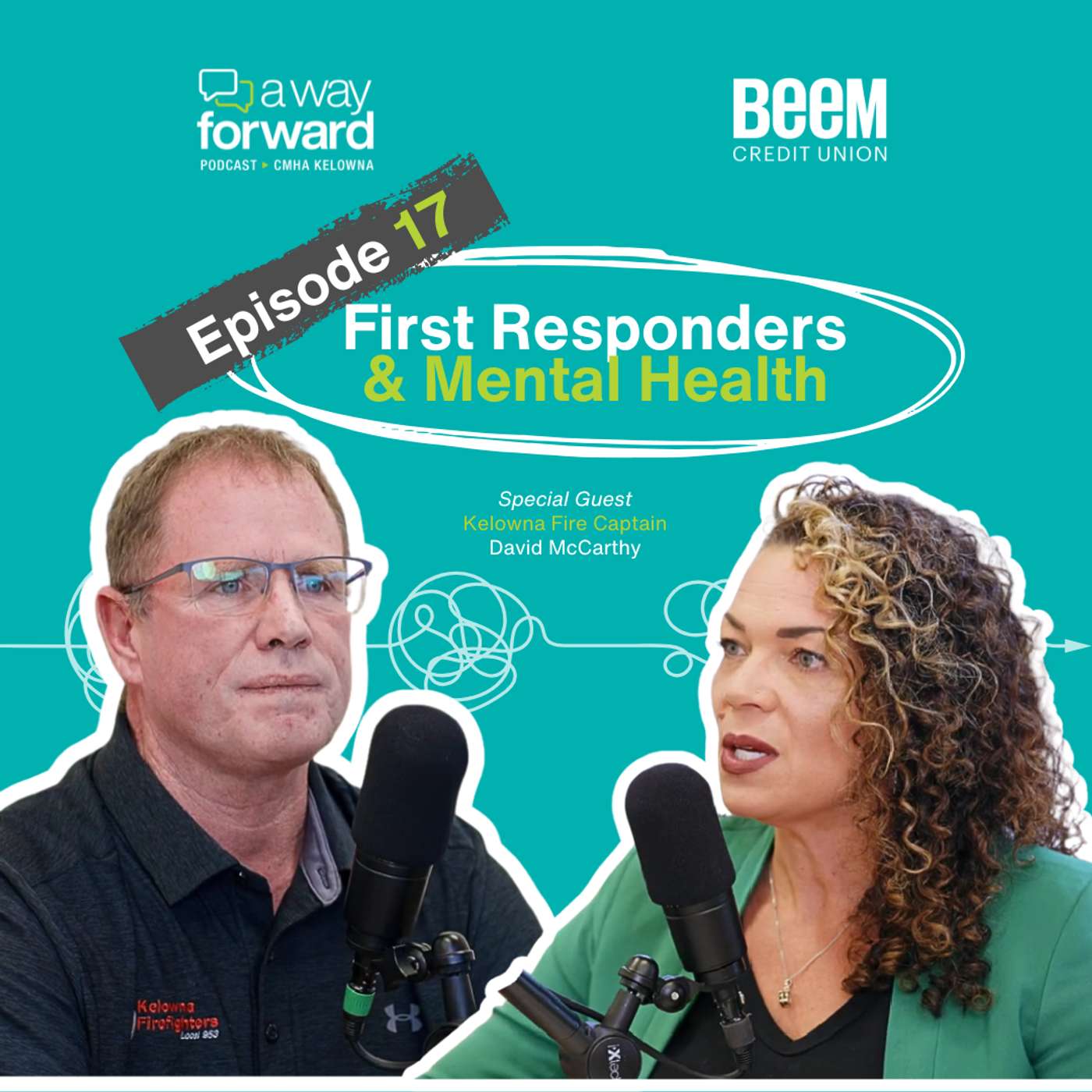
Episode 17: First Responders & Mental Health
Oct 900:32:08Tap to summarizeBeing a first responder means running toward the situations most of us run away from. But that comes with an emotional and mental toll. In this episode, Jessica speaks with Kelowna Fire Captain David McCarthy, who shares what it’s like to experience trauma on the job and how the fire department is working to ensure firefighters get the support they need.David discusses the evolution of Critical Incident Stress Management (CISM) within the Kelowna Fire Department, the importance of peer support and early intervention, and how breaking the stigma around mental health has changed the culture for first responders. He also touches on new partnerships with CMHA Kelowna that are helping connect firefighters and their families to mental health resources and education.Key Takeaways:Mental health support for first responders has come a long way — but it’s still evolving.Peer support and connection among crews can make all the difference after a traumatic call.Families play a crucial role in helping first responders find balance and healing.Listen now to learn how Kelowna’s firefighters are building a healthier, more open approach to mental wellness — for themselves, their families, and their community.A Way Forward: Conversations on Mental Health is presented by Beem Credit Union, proud to support honest conversations that help build stronger, healthier communities.Resourceshttps://bcfirstrespondersmentalhealth.com/https://bcfirstrespondersmentalhealth.com/wp-content/uploads/2017/05/Recommended-Practices-for-Supporting-Mental-Health-in-First-Responders-170615.pdfhttps://www.bcpffa.net/mental-health-resourcesMental Health Support Services | Canadian Mental Health Association Kelowna
Transcribe →
Episode 16: Corey Hirsch
Sep 2400:29:40Tap to summarizeIn this powerful episode of A Way Forward, host Jessica Samuels sits down with Corey Hirsch — former NHL goaltender, Stanley Cup champion, Olympic silver medalist, broadcaster, and mental health advocate.From the outside, Corey seemed to be living the dream at the height of his hockey career. But behind the mask, he was struggling with obsessive-compulsive disorder (OCD) and suicidal thoughts that nearly cost him his life.Corey opens up about:-The hidden reality of living with OCD while playing in the NHL.-Why stigma kept him silent for over 20 years.-How sharing his 2017 Players’ Tribune article, “Dark, Dark, Dark”, changed the conversation for him and countless others.-The importance of being “that person” someone can talk to without judgment.-The tools he uses today to manage his mental health, from therapy and medication to exercise, meditation, and community.This candid and inspiring conversation reminds us that talking about our struggles saves lives — and that healing begins when we break the silence.✨ Key takeaway: Mental health is health. Be the person someone can turn to.Resources & Links:Dark Dark Dark - https://www.theplayerstribune.com/articles/corey-hirsch-dark-dark-darkYou are not alone - https://www.theplayerstribune.com/articles/corey-hirsch-you-are-not-aloneCanucks Hockey Talks Video - https://www.youtube.com/watch?v=bOmVmAIXX7Yhttps://www.youtube.com/watch?v=bOmVmAIXX7YLearn more about OCD at www.cmhakelowna.orgIf you or someone you know is thinking about suicide, call or text 9-8-8 in Canada to connect with suicide prevention support.🎧 A Way Forward is presented by Beem Credit Union, with deep roots in BC and a commitment to supporting strong, healthy communities.
Transcribe →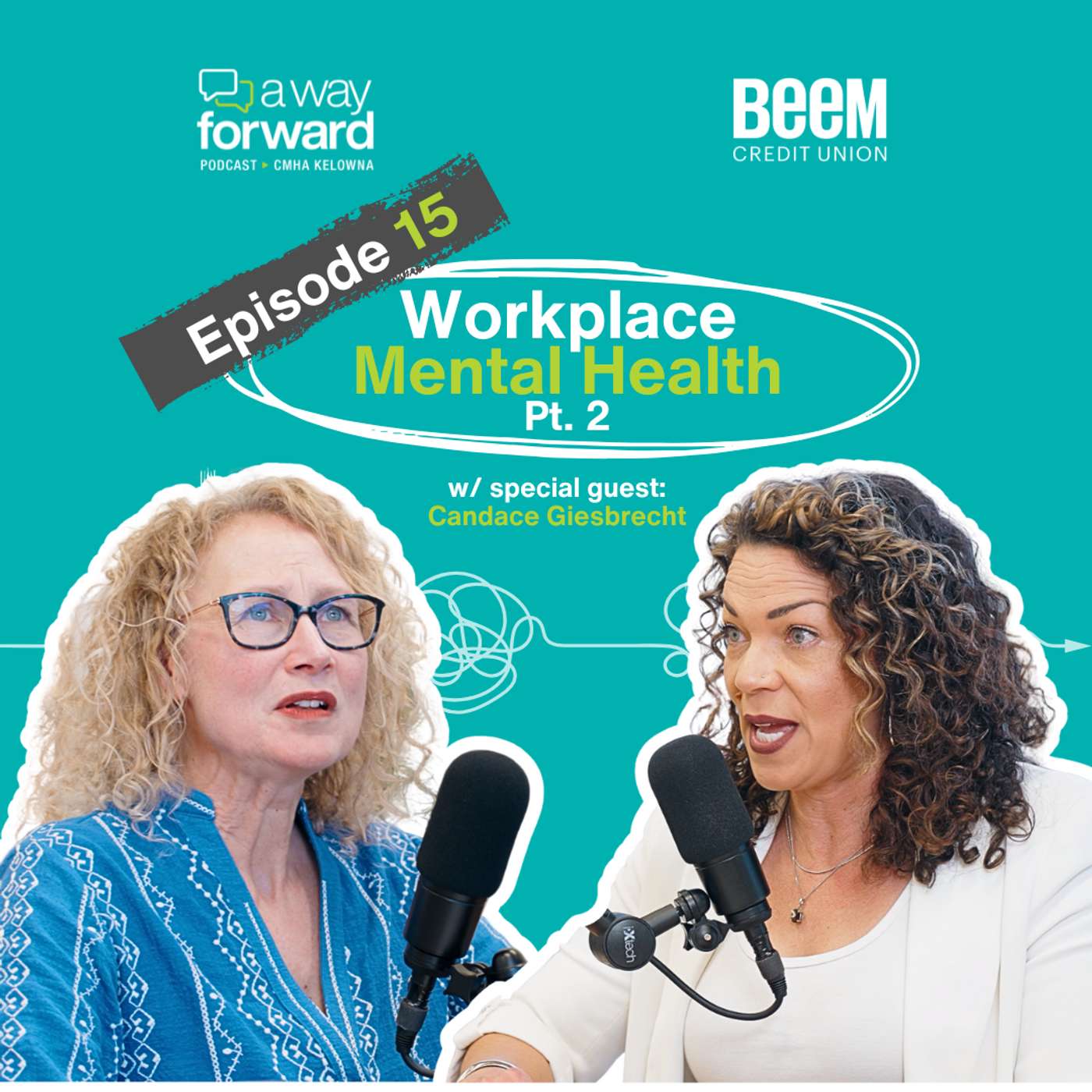
Episode 15: Workplace Mental Health pt. 2
Jun 11, 202500:23:22Tap to summarizeIn this follow-up to Episode 11, host Jessica Samuels continues her conversation with CMHA Kelowna's Director of People, Culture & Engagement, Candace Giesbrecht.The focus of this episode is burnout and its relationship to the workplace. Candace and Jessica dive deeper into what burnout looks like, how it manifests in professional environments, and how organizations and individuals can begin to address it.Topics Covered:- The definition and symptoms of burnout- How burnout differs from general workplace stress- The systemic and organizational contributors to burnout- What workplaces can do to prevent burnout- The importance of psychological safety and leadership- How employees can advocate for their well-beingRESOURCESBurnouthttps://cpa.ca/psychology-works-fact-sheet-workplace-burnout/https://www.apa.org/topics/healthy-workplaces/workplace-burnouthttps://www.canada.ca/en/government/publicservice/wellness-inclusion-diversity-public-service/health-wellness-public-servants/mental-health-workplace/preventing-burnout.htmlhttps://workplacementalhealth.org/employer-resources/infographics/infographic-beating-burnout-at-work Non-workplace Burnouthttps://www.psychologytoday.com/us/basics/burnout#:~:text=These%20forms%20of%20burnout%20are,that%20caused%20by%20career%20stresshttps://www.canada.ca/en/public-health/services/mental-health-workplace.htmlhttps://www.who.int/news-room/fact-sheets/detail/mental-health-at-workhttps://cpa.ca/psychology-works-fact-sheet-mental-health-and-the-workplace/https://www.ccohs.ca/oshanswers/psychosocial/mh/mentalhealth_address.htmlhttps://mentalhealthcommission.ca/what-we-do/workplace/ Stats on MH in workplacehttps://cmha.ca/what-we-do/national-programs/workplace-mental-health/takeaways/https://www.who.int/news-room/fact-sheets/detail/mental-health-at-workhttps://www.mhrc.ca/workplace-mental-healthhttps://www.mhrc.ca/psychological-health-and-safety-2024 Achieving and Maintaining MH in the workplace https://13factors.ca/13-factors#:~:text=13%20psychosocial%20risk%20factors%20were,manager%20mental%20health%20and%20wellbeing.https://mentalhealthcommission.ca/13-factors-addressing-mental-health-in-the-workplace/https://mentalhealthcommission.ca/national-standard/https://www.workplacestrategiesformentalhealth.com/resources/guarding-minds-at-workhttps://www.guardingmindsatwork.ca/https://www.cmhakelowna.com/education-training/workplace-traininghttps://peopleworkingwellbc.ca/https://www.ccohs.ca/healthymindshttps://peopleworkingwellbc.ca/mental-health-for/hospitality-tourism/https://peopleworkingwellbc.ca/mental-health-for/community-social-services/https://peopleworkingwellbc.ca/mental-health-for/healthcare/Thank you for tuning in to A Way Forward Podcast! If you found this episode helpful, please subscribe and share it with others who may benefit. Stay tuned for more conversations on mental health in future episodes.Follow CMHA Kelowna:Website: CMHA KelownaInstagram: @cmhakelownaFacebook: CMHA KelownaA Way Forward Podcast is proudly presented by Beem Credit Union. BlueShore Financial, GFCU Savings, Gulf & Fraser, Interior Savings, and North Peace Savings are trade names of Beem Credit Union.
Transcribe →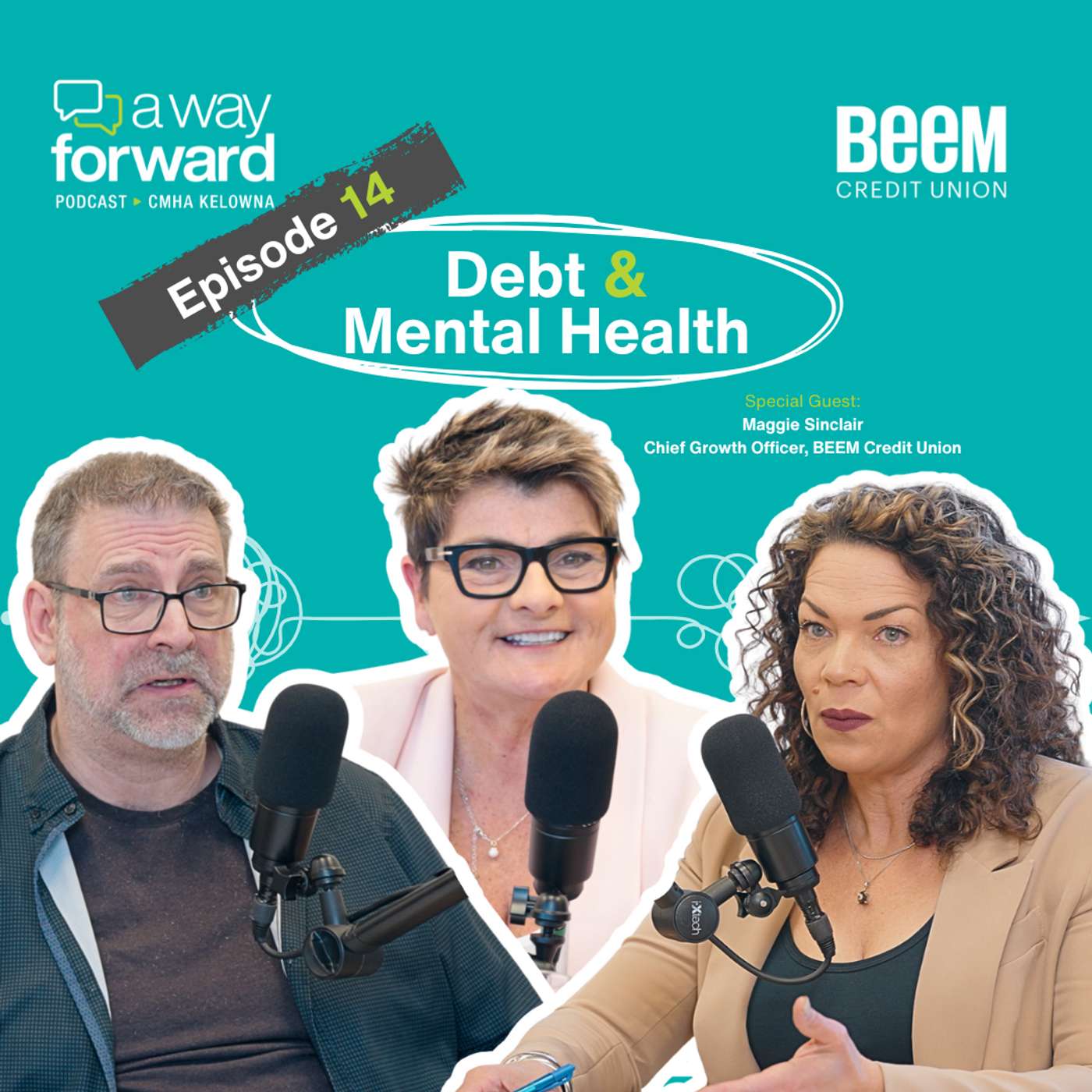
Episode 14: Debt & Mental Health
May 14, 202500:25:03Tap to summarizeIn this powerful episode, Jessica Samuels and Mike Gawliuk sit down with Maggie Sinclair from Beam Credit Union to unpack the current reality of debt in Canada—and the deep mental health impacts that often come with it. With household debt hitting record highs and many Canadians living just $200 away from insolvency, the conversation covers the emotional toll of financial strain, stigma, and the hard choices people are forced to make.Maggie sheds light on how seemingly small financial decisions—like “buy now, pay later” services—can spiral into overwhelming debt. Mike brings a mental health lens to the issue, connecting debt to anxiety, depression, social isolation, and the broader issue of poverty. Together, the trio discusses practical strategies to help manage debt and protect mental well-being, from budgeting and debt consolidation to knowing when to seek professional help.Key Topics Covered:The current state of household debt in CanadaThe hidden nature of modern debt (subscriptions, BNPL services)Emotional and psychological effects of debtThe stigma and shame often attached to financial hardshipHow debt can exacerbate existing mental health issuesSocial isolation and poverty as compounding factorsPractical advice: budgeting, talking to your financial institution, debt management optionsThe pros and cons of consolidation loans and bankruptcyImportance of financial literacy and seeking trustworthy support** ResourcesRising Debt for Canadians https://www.castanet.net/news/Kelowna/527552/Debt-doubts-are-mounting-across-Canada-and-the-Okanagan-is-no-different#527552https://globalnews.ca/news/10946620/credit-card-debt-transunion-report/https://financialpost.com/news/canada-household-debt-hits-new-recordhttps://www150.statcan.gc.ca/n1/pub/11-631-x/11-631-x2024002-eng.htmhttps://newsroom.transunion.ca/despite-interest-rate-cuts-more-than-1-in-4-canadians-expect-to-be-unable-to-pay-bills--yet-more-than-1-in-5-plan-to-take-on-more-debt/ Debt & MHhttps://www.ivey.uwo.ca/impact/read/2024/08/breaking-the-silence-on-canada-s-hidden-debt-crisis/https://www.bankofcanada.ca/wp-content/uploads/2024/04/san2024-5.pdfhttps://money.com/is-debt-impacting-your-mental-health/https://creditlift.ca/the-link-between-mental-health-and-debt-in-canada-understanding-the-connection-and-finding-solutions/https://crowemackayco.ca/b/how-debt-can-affect-your-personal-relationships-understanding-the-link-between-finances-and-romance/https://mnpdebt.ca/en/resources/mnp-debt-blog/canadians-inflation-isolation-rising-costs-mental-health-loneliness-isolation-stress-anxietyhttps://www.moneyandmentalhealth.org/money-and-mental-health-facts/ Debt Managementhttps://www.creditcanada.com/blog/how-to-get-out-of-debt-on-a-low-income-10-strategieshttps://point.com/blog/how-to-manage-debt-effectivelyhttps://ised-isde.canada.ca/site/office-consumer-affairs/en/money-debt-and-giving/six-steps-get-out-debt Debt payoff servicesCredit CanadaCredit Counselling Society Using Debt Settlement Serviceshttps://www.canada.ca/en/financial-consumer-agency/services/debt/debt-settlement-company.htmlThank you for tuning in to A Way Forward Podcast! If you found this episode helpful, please subscribe and share it with others who may benefit. Stay tuned for more conversations on mental health in future episodes.Follow CMHA Kelowna:Website: CMHA KelownaInstagram: @cmhakelownaFacebook: CMHA KelownaA Way Forward Podcast is proudly presented by Beem Credit Union. BlueShore Financial, GFCU Savings, Gulf & Fraser, Interior Savings, and North Peace Savings are trade names of Beem Credit Union.
Transcribe →
Episode 13: Managing Your Mental Health
May 8, 202500:22:44Tap to summarizeIn this episode, hosts Jessica Samuels and Mike Gawliuk unpack what it really means to “manage your mental health” — and how that differs from managing mental illness. Together, they explore everyday actions, habits, and mindset shifts that can help anyone take better care of their mental well-being, with a strong focus on understanding why these strategies work. Key Topics Discussed:Mental Health vs. Mental Illness Learn the critical distinction between having mental health (which we all do) and having a mental illness (a diagnosable condition). You can flourish or struggle with mental health — whether or not you have a diagnosis.Self-Care vs. Self-Soothing Not all “feel-good” actions are created equal. Mike and Jessica break down how to tell the difference: if it leaves you better after the fact, it’s self-care; if not, it may just be a momentary self-soothe.Tips & Tools for Everyday Mental Health From evidence-backed strategies to lived experience, they dive into:Nature and Exercise – How time outdoors and movement regulate stress and mood.Volunteering & Social Connection – Combat loneliness, build purpose, and improve emotional health.Pets – How furry companions promote mindfulness, routine, and connection.Kindness & Gratitude – Backed by science, simple acts can lift your mood and even boost your lifespan.Empowerment Through Action The episode emphasizes that managing mental health is not about perfection but about finding tools that support you — and using them regularly.Key Takeaways:“Mental health is like physical health — we all have it.”“Self-care is not selfish — it’s necessary.”“Seventeen minutes in nature can make a measurable difference.”“Acts of kindness can be more effective than therapy.”**Resources Self-carehttps://www.snhu.edu/about-us/newsroom/health/what-is-self-carehttps://cmha.ca/news/self-care-simplified-why-its-essential-and-how-to-make-it-happen/#:~:text=Regular%2C%20quality%20self%2Dcare%20has,symptoms%20of%20anxiety%20and%20depression.&text=It%20can%20also%20help%20build,life's%20many%20stressors%20and%20challenges.https://www.psychologytoday.com/us/blog/a-deeper-wellness/202302/understanding-the-mental-health-and-self-care-connectionVS self-soothehttps://blog.ab.bluecross.ca/lifestyle/focus-on-you-self-care-versus-self-soothe/https://urbanwellnesscounseling.com/self-care-vs-self-soothing/Naturehttps://namica.org/blog/mental-health-benefits-of-nature/https://news.stanford.edu/stories/2015/06/hiking-mental-health-063015https://pmc.ncbi.nlm.nih.gov/articles/PMC4204431/https://mcpress.mayoclinic.org/mental-health/the-mental-health-benefits-of-nature-spending-time-outdoors-to-refresh-your-mind/https://www.discoverycollegekelowna.com/courses-workshops/nature-mental-health-part-1Exercisehttps://www.helpguide.org/wellness/fitness/the-mental-health-benefits-of-exercisehttps://www.health.harvard.edu/mind-and-mood/more-evidence-that-exercise-can-boost-moodhttps://mentalhealthcommission.ca/blog-posts/57251-move-to-boost-your-mental-health/https://www.health.harvard.edu/mind-and-mood/more-evidence-that-exercise-can-boost-moodVolunteeringhttps://cmhato.org/news/7-reasons-why-volunteering-is-good-for-our-mental-health/https://www.nami.org/people/how-volunteering-improves-mental-health/https://link.springer.com/article/10.1007/s10902-020-00242-8https://www.psychologytoday.com/ca/blog/the-recovery-coach/202407/the-mental-and-physical-health-benefits-of-volunteeringConnectionhttps://ccare.stanford.edu/uncategorized/connectedness-health-the-science-of-social-connection-infographic/https://bc.cmha.ca/news/social-connection-is-the-cure/https://www.cdc.gov/social-connectedness/about/index.htmlPetshttps://www.mentalhealth.org.uk/explore-mental-health/a-z-topics/pets-and-mental-healthhttps://health.ucdavis.edu/blog/cultivating-health/health-benefits-of-pets-how-your-furry-friend-improves-your-mental-and-physical-health/2024/04Pet & Autismhttps://habri.org/blog/the-human-animal-bond-for-autism-spectrum-disorder/https://www.psychologytoday.com/ca/blog/nurturing-self-esteem-in-autistic-children/202211/is-owning-pet-beneficial-autistic-childrenGratitudehttps://adaa.org/learn-from-us/from-...
Transcribe →
Crisis Response Community Led (CRCL) | Forward Focus #2 | A Way Forward
Apr 30, 202500:04:33Tap to summarizeIn this Forward Focus episode, Jessica Samuels and co-host Mike Gawliuk shine a spotlight on CRCL – Crisis Response Community Led, formerly known as PACT.Jessica and Mike break down what CRCL is, how it works, and why this model matters now more than ever:What is CRCL?CRCL provides community-based, in-person mental health crisis support for individuals 13 years and older. It addresses issues like emotional regulation challenges and substance use crises, offering immediate support, connecting individuals to services, and providing follow-up care.Why the name change from PACT to CRCL?To reduce confusion with other similarly named programs, and to better align with its Peer Assisted Care Team (PACT) roots—a model recognized globally with over 200 programs in place.How is CRCL different?CRCL teams combine mental health professionals with individuals who have lived experience navigating mental health challenges. This pairing provides a more humane, empathetic, and relatable response during crises.Where is CRCL operating?Six CRCL teams are currently active across British Columbia, with a seventh launching soon in Kamloops. The provincial government has committed to expanding to 12 teams, including ones led by Indigenous organizations.Will CRCL come to Kelowna?Mike expresses hope, noting Kelowna's clear advocacy for a Circle team, especially highlighted in its community safety plan.Connect with Us:Got questions about Circle or mental health services?📩 Email: awayforward@cmhakelowna.org🌐 Website: cmhakelowna.orgA Way Forward Podcast is proudly presented by Beem Credit Union. BlueShore Financial, GFCU Savings, Gulf & Fraser, Interior Savings, and North Peace Savings are trade names of Beem Credit Union
Transcribe →
Episode 8: Mental Health in Heavy Times
Feb 26, 202500:23:34Tap to summarizeWelcome to Season 2 of A Way Forward, presented by Beem Credit Union. In this episode, hosts Jessica Samuels and CMHA Kelowna CEO Mike Gawliuk discuss strategies for managing mental health during turbulent times. With a 24-hour news cycle, social media, and ongoing global events, many people feel overwhelmed, anxious, and uncertain. Jessica and Mike explore how our bodies react to stress and share practical tips for maintaining mental well-being in the face of ongoing uncertainty.Key Discussion Points:1. How Are We Coping in a Heavy World?Mike and Jessica discuss their own experiences with stress and uncertainty.Acknowledging the collective fatigue from ongoing global and local crises.The importance of checking in with ourselves and recognizing signs of distress.2. The Impact of Constant Information IntakeThe human brain seeks information to create a sense of control, but too much exposure can be harmful.The physiological response to stress: fight-or-flight activation, increased adrenaline, and cortisol production.The concept of doomscrolling and how it can negatively reinforce anxiety and stress.The double-edged sword of seeking certainty through news consumption.3. Managing Information Intake for Mental Well-BeingSetting boundaries around news consumption: limiting screen time, turning off background news, and curating information sources.The benefits of reading news instead of watching video reports to reduce emotional impact.Establishing personal limits on conversations about distressing topics.Seeking alternative sources of joy and relaxation, such as nature, mindfulness, and exercise.4. Recognizing When Stress Becomes Too MuchHow to identify when normal stress levels turn into something more serious.Signs to watch for: prolonged changes in appetite, sleep disturbances, mood swings, difficulty concentrating, and increased irritability.The importance of self-awareness and seeking support when needed.5. Practical Steps for Mental Health ManagementSetting boundaries with news consumption: opting for daily email digests instead of real-time updates.Engaging in mindfulness and physical activities to reduce stress levels.Seeking social support and setting personal boundaries in conversations.Understanding when professional help might be necessary and how to access it.Key Takeaways:It’s normal to feel overwhelmed by current events, but we can take control of how we engage with information.The physiological impact of chronic stress underscores the need for proactive mental health management.Simple adjustments—such as limiting news intake, practicing mindfulness, and recognizing stress signals—can significantly improve mental well-being.Seeking professional support is always an option if stress becomes overwhelming.**Resources Mentioned:Impacts of exposure to negative informationhttps://changemh.org/resources/news-consumption-and-your-mental-health/#:~:text=Exposure%20to%20negative%20events%20can,trigger%20a%20prolonged%20stress%20response.https://mcpress.mayoclinic.org/mental-health/how-the-news-rewires-your-brain/https://growtherapy.com/blog/is-news-bad-for-mental-health/Fight or Flight Responsehttps://www.verywellmind.com/what-is-the-fight-or-flight-response-2795194https://hr.jhu.edu/wp-content/uploads/JHEAP_Negative-News-Coverage-and-Mental-Health.pdfManaging News Consumptionhttps://insidepsychotherapynyc.com/2024/07/16/navigating-anxiety-the-case-for-lowering-your-news-consumption-during-election-season/https://growtherapy.com/blog/is-news-bad-for-mental-health/https://www.nm.org/healthbeat/healthy-tips/emotional-health/Ways-to-Cope-With-the-Newshttps://www.calm.com/blog/news-anxietyThank you for tuning in to A Way Forward Podcast! If you found this episode helpful, please subscribe and share it with others who may benefit. Stay tuned for more conversations on mental health in future episodes.Follow CMHA Kelowna:Website: CMHA KelownaInstagram: @cmhakelownaFacebook: CMHA KelownaA Way Forward Podcast is proudly presented by Beem Credit Union. BlueShore Financial, GFCU Savings, Gulf & Fraser, Interior Savings, and North Peace Savings are trade names of Beem Credit Union
Transcribe →
Episode 7: Loneliness
Dec 18, 202400:24:58Tap to summarizeIn Episode 7 of A Way Forward: Conversations on Mental Health, presented by Beem Credit Union, host Jessica Samuels sits down with CMHA Kelowna CEO, Mike Gawliuk to dive into the topic of loneliness—what it truly means, how it impacts us, and strategies to address it. They explore how loneliness isn’t just about being alone but can also occur within social groups where people feel disconnected. They also discuss its severe physical and mental health consequences, such as heightened risk of heart problems, depression, and even a shortened lifespan.The episode touches on loneliness in various contexts, including among seniors, Indigenous and LGBTQ+ populations, and the workplace. They also tackle the role of technology in fostering a false sense of connection and the lingering effects of the COVID-19 pandemic on our social lives. Mike emphasizes the importance of addressing loneliness as a societal issue and offers practical solutions, from building real-world connections to organizational strategies for fostering a culture of connection in the workplace.Key Discussion Points:Defining Loneliness:Loneliness is more than being alone; it’s an emotional experience tied to unmet needs in relationships.People can feel lonely even when surrounded by others if they lack meaningful connections.Health Impacts:Loneliness has been equated to smoking 15 cigarettes a day in terms of its effect on health.Physical consequences include increased blood pressure, heart problems, and a shorter lifespan.Mental health risks include anxiety, depression, and a negative impact on overall well-being.Groups at Higher Risk:Indigenous seniors: Impacted by racism, poverty, and historical oppression.LGBTQ+ individuals: More likely to live alone or experience social isolation.Workplace environments: Employees may feel lonely despite being physically surrounded by colleagues.The Role of Technology:Social media and digital interactions can create a perception of connection but often lack depth.Comparisons on social media can amplify feelings of isolation and inadequacy.Loneliness and the Pandemic:COVID-19 amplified loneliness through enforced social isolation.The long-term societal impacts are still being studied.Workplace Loneliness:Returning to the office doesn’t necessarily reduce loneliness.Building a culture of connection is essential, including socialization opportunities and understanding employees’ needs.Addressing Loneliness Through Connection:Strategies for individuals:Find community through shared interests or volunteering.Reconnect with family and friends beyond digital interactions.Strategies for organizations:Measure loneliness through surveys to identify and address gaps.Foster a culture of connection with meaningful social activities.Navigating Grief-Related Loneliness:Avoid self-imposed expectations about how grief should look.Accept support, engage in activities, and avoid prolonged isolation.Consider professional counseling for additional support.Actionable Takeaways:For Individuals: Build connections through community activities, shared interests, or volunteering. Avoid relying solely on digital interactions for connection.For Organizations: Prioritize creating a workplace culture of connection and measure loneliness among employees to tailor interventions.For All: Recognize loneliness as a significant health issue and take proactive steps to support those around you.**Resources**https://bc.cmha.ca/documents/coping-with-loneliness/https://www.cdc.gov/social-connectedness/improving/index.htmlhttps://www.cdc.gov/social-connectedness/promoting/index.htmlhttps://www.campaigntoendloneliness.org/marginalization-and-loneliness-among-sexual-minorities-how-are-they-linked/https://hbr.org/2024/11/were-still-lonely-at-workhttps://www.hrrv.org/blog/loneliness-griefs-unintended-guest/https://health.clevelandclinic.org/what-happens-in-your-body-when-youre-lonely**General Mental Health Resources:**If you or someone you know is struggling, CMHA Kelowna's Find Help Now page has a list of emergency and non-emergency resources for individuals of any age. CMHA Kelowna - Find Help Now
Transcribe →
Episode 6: The State of Mental Health in Canada
Dec 4, 202400:35:38Tap to summarizeIn Episode 6 of A Way Forward: Conversations on Mental Health, presented by Beem Credit Union, host Jessica Samuels sits down with Mike Gawliuk, CEO of CMHA Kelowna, to discuss findings from the State of Mental Health in Canada report. They delve into the report’s key insights, the challenges facing mental health care in British Columbia, and the steps needed to address these issues. From the toxic drug crisis to housing affordability, this episode highlights the pressing need for systemic change while exploring innovative approaches that offer hope for the future.Key Topics Discussed:Mental Health in BC:BC’s attempt to manage mental health care through a specialized ministry, rather than integrating it into the Ministry of Health, has been described as a "seven-year failed experiment." The challenges of this model and its impact on service delivery are unpacked.Stigma and Discrimination in Mental Health:BC has the highest rates of stigma and discrimination related to mental health and substance use in Canada. Mike and Jessica explore the potential causes and implications of this troubling statistic.The Toxic Drug Crisis:The ongoing opioid epidemic is discussed as a major issue in BC, underscoring the need for urgent action to reduce overdoses and provide support for substance users.Mental Health Data and Measurement Gaps:Questions arise about the accuracy and validity of provincial mental health data. Mike explains how data inconsistencies complicate efforts to measure progress and allocate resources effectively.Innovative Solutions in BC:The episode highlights programs like the PACT initiative (Peer Assisted Care Teams), which provides non-police responses to mental health crises. Originating in North and West Vancouver, this program has shown promising results and could expand to Kelowna.Housing and Affordability:Housing affordability remains a critical issue in BC, with seniors and vulnerable populations increasingly affected. Despite recent investments, more action is needed to address homelessness and ensure affordable housing for all.National Recommendations:The report calls for:Legislating that 12% of provincial health spending be dedicated to mental health and substance use services.Eliminating poverty, recognizing its direct connection to mental illness.Collecting better data to improve service delivery and outcomes.Calls to Action:Advocacy: Listeners are encouraged to advocate for increased mental health funding and policy changes.Support Those Affected: Check in with your friends, family, and those struggling with mental health in your life.Read the Report: Access the full State of Mental Health in Canada report here.**Resources: https://cmha.ca/what-we-do/policy-research/state-of-mental-health-in-canada/**General Mental Health Resources:**If you or someone you know is struggling, CMHA Kelowna's Find Help Now page has a list of emergency and non-emergency resources for individuals of any age. CMHA Kelowna - Find Help Now
Transcribe →
Episode 5: Mental Health & The Holidays
Nov 20, 202400:36:03Tap to summarizeIn Episode 5 of A Way Forward: Conversations on Mental Health, presented by Beem Credit Union, host Jessica Samuels is joined by Mike Gawliuk, CEO of CMHA Kelowna for a conversation on Mental Health & The Holidays. The holiday season brings unique joys and challenges. In this episode, we dive into practical strategies for managing mental health and well-being during a time of heightened expectations, consumerism, and emotional triggers. Key Topics Covered:1. High Expectations During the HolidaysThe "perfect holiday" narrative: Balancing societal pressure and personal priorities.Strategies for managing expectations:Focus on what the holidays mean to you.Delegate responsibilities when hosting.Accept imperfection: It’s okay if the ornaments aren’t perfectly placed.2. Setting BoundariesHealthy boundaries ensure you protect your mental well-being.Tips for effective boundary-setting:Be clear and kind in communication.Examples: "I can join for dinner but not stay the whole evening."Remember, boundaries aren’t inherently negative—they’re a tool for self-care.3. Overindulgence: Food, Alcohol, and SpendingAwareness and moderation are key to avoiding post-holiday regret:Spending: Set a budget and stick to it. Consider alternative gifting options, like Secret Santa or giving your time.Eating & Drinking: Stay mindful of consumption and its impact on mental health.Maintain routines, like exercise, to balance indulgences.4. Loneliness and Grief During the HolidaysLoneliness is common during the season, especially when facing grief or being away from loved ones.Ideas to combat loneliness:Volunteer in your community.Reach out to friends or family through calls or cards.Plan small traditions for yourself, like a Christmas Day walk.Managing grief during the holidays:Allow yourself to feel emotions and reflect on positive memories.Share your thoughts with a trusted friend or loved one.Have a plan for anniversaries or milestones that may trigger grief.5. Consumerism and Financial StressThe holiday season amplifies the pressure to spend, especially with Black Friday, Cyber Monday, and gift-giving traditions.Strategies to manage financial stress:Be mindful of spending limits.Focus on meaningful, non-monetary gifts (e.g., quality time).Prepare for post-holiday realities to avoid the "holiday hangover."Key Takeaways:Manage expectations and focus on what truly matters to you during the holidays.Set boundaries to protect your emotional and mental well-being.Moderation in spending, eating, and drinking can prevent regrets later.Combat loneliness through connection, volunteering, and small personal rituals.Grief can be heightened during holidays—acknowledge it and seek support when needed.**Resources:https://www.interiorhealth.ca/stories/10-ways-focus-your-mental-wellness-during-holidayshttps://cmha.ca/news/five-ways-to-protect-your-mental-health-this-holiday/ **General Mental Health Resources:**If you or someone you know is struggling, CMHA Kelowna's Find Help Now page has a list of emergency and non-emergency resources for individuals of any age. CMHA Kelowna - Find Help Now
Transcribe →