Podcast
Believe in Balance Podcast
Hosted by David Dansereau · EN
Audio education on all things health and balance from the Substack for physical therapist David Dansereau's Free and Premium Achieve Balance Newsletter, Course & Coaching Community (intended to enhance learning on the go!)
achievebalance.substack.com
achievebalance.substack.com
20episodes
Episodes
Newest firstAll episodes
Why Balance Breaks after a Stroke
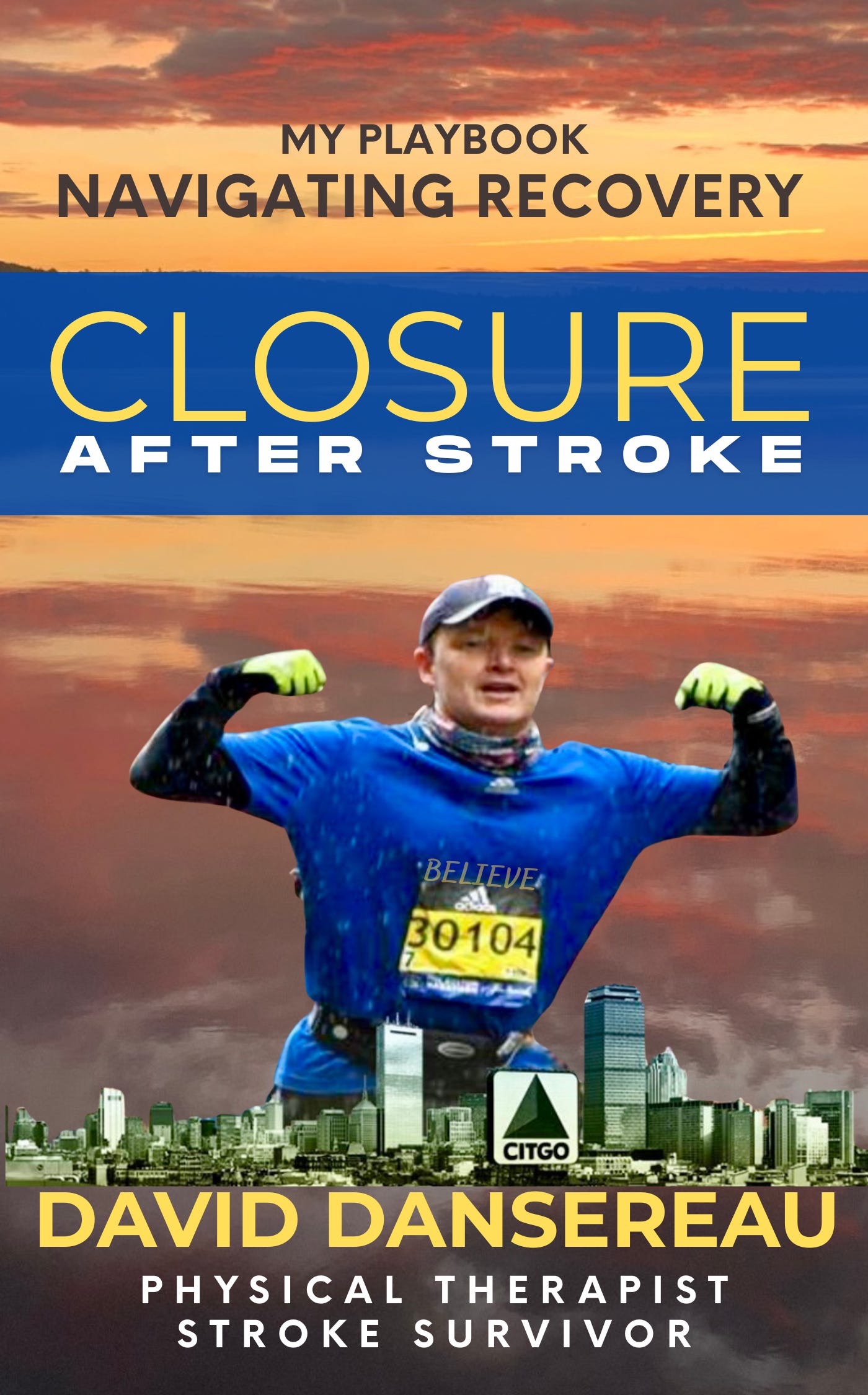
4w ago00:13:31Tap to summarizeIn this episode:Welcome back after a long break to complete my new book Closure After StrokeThis episode is about my own balance challenges after my stroke and the 3M system I built in my course Believe in Balance to restore my balance and achieve my goals.For all details and full print transcript of this episode, here’s the link: This is a public episode. If you'd like to discuss this with other subscribers or get access to bonus episodes, visit achievebalance.substack.com/subscribe
Transcribe →
A Deep Dive into the Believe in Balance Course
Jun 1600:10:01Tap to summarize5 Surprising Truths About Regaining Your Balance (and Independence)In the United States, we are navigating a silent but devastating epidemic. Currently, one in four adults over the age of 65 falls every year. The clinical data is sobering: 50% of those who fall experience a lasting decrease in mobility and a loss of independence, while 25% of those who suffer a hip fracture die within six months. This is no longer just a personal or familial tragedy; it is a national economic crisis. The cost of falls in the U.S. is currently estimated at over $80 billion annually—a figure projected to surge to $100 billion within the next five years.As a physical therapy specialist, I see the “paralyzing” fear of falling as the primary obstacle to recovery. Reclaiming your life requires more than simple leg exercises; it requires a systematic neuromuscular recalibration. The ultimate hurdle I see in my clinical practice is not the physical injury itself, but learning to “believe in balance” again. To prevent becoming a statistic in this hundred-billion-dollar crisis, we must shift our perspective from passive aging to active system maintenance.1-The “Paralyzing” Downward Spiral is OptionalA fall often triggers a “downward spiral” that is as metabolic as it is psychological. When an individual loses confidence in their stability, they instinctively restrict their movement. This self-imposed inactivity leads to a rapid loss of mobility, strength, energy, and independence. This loss of energy creates a feedback loop: the less you move, the less capacity you have to move, which ironically increases the risk of the very fall you are trying to avoid.This psychological barrier is the first clinical hurdle to recovery. Breaking the cycle requires shifting the mindset from a state of paralysis to one of proactive conditioning. As highlighted in my Believe in Balance guidebook:“Whether you think you can’t or think you can, YOU are right.”Recognizing that this spiral is optional—and that mobility confidence is a rebuildable resource—is the essential first step in reclaiming a life of independence.Achieve Balance with SmartMovesPT is a reader-supported publication. To receive new posts and support my work, consider becoming a free or paid subscriber.2-You Can Slash Fall Risk by 40% Without a GymThere is a persistent myth that reducing fall risk requires high-intensity gym routines or specialized equipment. However, the most effective tool in our clinical arsenal is the Otago Exercise Program. Developed in New Zealand and based on extensive research, this home-based strengthening and balance retraining pathway has been proven to reduce falls by 35% to 40% among sedentary older adults. I’m an Otago certified provider and I build my course around the evidence based therapeutic exercises in this program.The program is so effective that it is now a coordinated clinical standard promoted by the CDC, the Patient-Centered Outcomes Research Institute (PCORI), and the Administration for Community Living. The power of Otago lies in its precision. Rather than general “leg days,” it focuses on research-driven movements performed in the home environment, such as:* Front Knee Strengthening (Quadriceps)* Back Knee Strengthening (Hamstrings)* Standing Calf Raises* Tandem Walking (Heel-to-Toe)Achieving a major medical outcome does not require a gym membership; it requires a consistent, evidence-based pathway tailored to your current functional level.3-Balance is a Multi-System “Check-Engine Light”In physical therapy, we view balance not as a single faculty, but as a “check-engine light” for the body’s integrated systems. To address this, the CDC developed the STEADI (Stopping Elderly Accidents, Deaths & Injuries) algorithm—a coordinated clinical tool designed to screen and intervene before a catastrophe occurs. A decline in balance is often a symptom of underlying issues across multiple systems:* Vision and Inner Ear Health: Disturbances in how you process spatial orientation.* Medication Side Effects: Prescriptions that may cause light-headedness or fatigue.* Nutrition: Specifically, how diet impacts “muscle resilience” and “balance performance.”* Postural Hypotension: Sudden blood pressure drops when standing.Clinical screenings using the STEADI algorithm utilize three primary functional tests: the Timed Up & Go (TUG), the 30-Second Chair Stand, and the 4 Stage Balance Test. By using these tools, we move the conversation away from the inevitability of “getting older” and toward proactive system maintenance.4-The Power of the “Exercise Snack”For those grappling with high fall anxiety, a 60-minute workout can feel like an insurmountable mountain. This is why we utilize “exercise snacks”—or mobility breaks—which serve as the essential foundation for beginning to move. These are gentle, short-duration movements that can be performed several times per day as tolerated to reduce muscle tension and relieve stress.The primary snacks include:* Active Neck Rotations: To maintain cervical mobility and spatial awareness.* Seated or Standing Cat-Cow: For spinal flexibility and core engagement.* Cervical Retraction (Chin Tucks): To correct posture and head positioning.* Active Trunk Rotation: To maintain the spine’s ability to rotate safely during daily tasks.These snacks are more sustainable because they integrate into the natural flow of your day. By snacking on movement, you maintain a baseline of mobility that keeps your neuromuscular system primed for more complex challenges.5-Hacking Your Own Recovery is Possible at Any AgeBalance is not a fixed trait; it is a plastic, modifiable skill. I learned this firsthand following a stroke that robbed me of my stability. My recovery was not a linear path of clinical perfection; I had to “hack” my way back through determination, trial, error, and—importantly—many falls along the way. My experience proves that even for a specialist, falling is sometimes part of the process of learning to believe in balance again.To measure this “hacking” progress objectively, I use the 30-Second Chair Stand specifically to measure lower body strength and the Timed Up & Go (TUG) to assess dynamic mobility. These tests provide a clear baseline of your current risk and tangible evidence of your neuroplastic gains. And as far as the 4 Stage Balance, it’s a series of progressive static hold positions in narrow base stances that will challenge even those that think their balance is in check. As a quick litmus test right now, how long can you stand on one foot? Now try the other and be ready to hold on, your balance response here or lack of might be and immediate ‘check-engine’ light you should explore further.“The 100 billion dollar rehab question is, how does someone who has had a fall and has lost mobility confidence believe in their balance again?”The answer is found in treating balance as a skill to be practiced, measured, and reclaimed, regardless of your age or history.A Forward-Looking Pathway to Believe in Balance AgainIndependence is not permanently lost the moment a fall occurs. Through structured, evidence-based pathways like the Otago program and my “Believe in Balance” philosophy, the road to reclaiming your mobility is clearly mapped. By addressing the psychological barriers of the downward spiral, utilizing “exercise snacks” as a foundation, and monitoring your body’s “check-engine light,” you can move from passive aging to active system maintenance.Are you ready to look at your own “check-engine light” and take the first step toward reclaiming your mobility?Also available with purchase of my book Closure After Stroke This is a public episode. If you'd like to discuss this with other subscribers or get access to bonus episodes, visit achievebalance.substack.com/subscribe
Transcribe →
A Deeper Dive: 🎧Achieve Balance Course-Module Two: Know Your Numbers
Jun 200:21:39Tap to summarizeIf you missed module one on audio please start my course here: https://open.substack.com/pub/achievebalance/p/a-deep-dive-achieve-balance-course This will be a paid subscriber benefit when this updated course launches this month and adds to my educational Achieve Course Academy. If you are already enrolled in my Believe in Balance course you’ll also receive audio access to the next Know Your Numbers module with action toolkits when it goes live in Substack.Resources for my Course:This new course was developed from my book Body in Balance which I beta tested over the last 2 years with my health coaching and PT clients over on SmartMovesPT. I’m now bringing it to a larger platform and audience here on Substack while keeping up with the times, including deep dives , new video explainer shorts and a new slide deck and audio education modules like the one you can listen to in this episode. Enjoy!About this episode: Know Your NumbersWe often navigate our health by “feel.” We glance in the mirror, check the number on the scale, and if nothing hurts, we assume the internal machinery is humming along in perfect harmony. However, there is a yawning chasm between the absence of disease and the presence of true health. Beneath the surface, your body is constantly generating a stream of data—hidden metrics that tell the real story of your biological age, long before symptoms ever emerge.Most people are currently operating from an invisible baseline, guessing at their health rather than measuring it. We rely on outdated standards, much like the researchers of the 1940s. When the famous Framingham Heart Study launched, the researchers actually included a budget line for ashtrays in their offices; they were so “pre-knowledge” that they didn’t yet realize smoking was the very thing driving the heart disease they were studying. Today, we are in a similar state of ignorance regarding our own biomarkers, often waiting for a clinical crisis to act.To bridge this gap, we must move beyond the frailty of “Willpower” and embrace “Skill Power.” Skill Power is the proactive application of data to behavior. By identifying the specific metrics that drive your health—your “Lead Dominos”—you can stop guessing and start managing your longevity with the precision of a scientist.The “Lead Domino”: Why Sleep Controls Your BiomarkersIn the hierarchy of health, we tend to view sleep as a luxury to be sacrificed for productivity. However, as synthesis from experts like Andrew Huberman and David Dansereau suggests, sleep is actually the “Lead Domino.” When sleep is ineffective, it doesn’t just make you tired; it causes every other biomarker—from blood pressure to glucose regulation—to tumble in its wake.Prioritizing sleep is a strategic foundation for recovery. It is the period when the brain clears metabolic waste and the body modulates systemic inflammation. If you are struggling to manage your cholesterol or stick to a fitness plan, the root cause is rarely a lack of discipline; it is usually a lack of rest. Without sleep, the rest of your health markers are built on shifting sand.“Sleep is the leading factor for recovery and controlling inflammation. If sleep tumbles, everything behind that falls—whether you are managing blood pressure, blood glucose, or an exercise plan.”The 80% Blind Spot: The Silent Rise of PrediabetesMetabolic dysfunction is the great silent epidemic of our time. According to the CDC, 1 in 3 U.S. adults is currently prediabetic, yet a staggering 80% of them are completely unaware of it. This “blind spot” exists because high glucose doesn’t always hurt—at least, not at first. While it silently damages vital organs, nerves, and blood vessels, the individual feels “fine.”The threshold for prediabetes is a fasting blood glucose level between 100 and 125 mg/dl, with anything 126 mg/dl or higher classified as Type 2 diabetes. This condition is driven by insulin resistance, where cells lose their ability to process sugar efficiently. Regular monitoring is the only way to unmask this silent killer before the damage becomes irreversible.“The danger of high glucose is the impact it has on all your vital organs, your blood vessels, and your nerves. It is one of the top numbers to know.”Your “Movement Age”: The 5-Year PenaltyLongevity is not just about internal chemistry; it is about how you move through your environment. Using the “Smart Movement Screen,” we can calculate your “Movement Age” by evaluating three fundamental patterns: the overhead reach squat, the inline lunge, and the high hurdle step.These movements test whether your muscles are balanced and fit. The scoring is binary: you either perform the movement correctly without pain (a “1”) or you “funk” it. For every point you score below a perfect 10, you must add five years to your chronological age to find your biological movement age. If a 40-year-old scores a 6, they are moving with the structural limitations of a 60-year-old. Our modern “high-tech habits”—the 150 times a day we check our smartphones—are prematurely aging our spines and creating a “body out of balance.”Thanks for reading Achieve Balance with SmartMovesPT! This post is public so feel free to share it.The Independence Metric: Gait Speed and 1.6 MPHPerhaps the most startling biomarker for independence is your gait speed. Clinical research identifies walking speed as a primary predictor of fall risk and long-term autonomy. The critical threshold is 1.6 miles per hour. When your gait speed drops below this level, walking is no longer “automatic.”The 1.6 MPH Threshold: Why Your Walking Speed is a Better Longevity Predictor Than Your ScaleThis has visceral real-world consequences. For instance, intersection lights are timed based on the assumption that a pedestrian can maintain a specific speed; fall below 1.6 mph, and you literally lose the ability to navigate your community safely. This decline is often driven by a slowing Resting Metabolic Rate (RMR) caused by the loss of muscle mass.To combat this, we must maintain our “internal furnace.” I experienced the power of this firsthand after running the Boston Marathon; when I measured my RMR on a metabolic cart the next day, my energy burn was 1,500 calories higher than predicted. This “after-burn” effect is the reward for intense activity and strength training, which protects both your metabolic rate and your gait speed as you age.The Fiber Gap and the “3 F’s” StrategyNutrition is the primary tool for modulating inflammation, which Hippocrates famously noted begins in the gut. We can simplify this through the “3 F’s”: Fluids, Fiber, and Fats. The Standard American Diet (SAD) is notoriously fiber-deficient, with most adults consuming less than 10g per day. To provide your microbiome with a proper defense, you need to target 25 to 50g of fiber.This must be paired with precision hydration—0.5 oz of water per pound of body weight—and healthy fats. Specifically, you should aim for 3 grams of Omega-3s daily from sources like fish, flax, or chia seeds. These three pillars work in tandem to regulate your gut health and prevent the systemic inflammation that leads to chronic disease.Achieve Balance with SmartMovesPT is a reader-supported publication. To receive new posts and support my work, consider becoming a free or paid subscriber.Beyond LDL: The Evolution of Heart HealthFor decades, we were told that as long as our Total Cholesterol was under 200 mg/dL, we were “safe.” Modern science has moved past these historical, oversimplified metrics. While the ratio of HDL (”good”) to LDL (”bad”) matters, proactive “health hackers” are now looking deeper.The measurement of ApoB (Apolipoprotein B) is emerging as a far more accurate predictor of cardiovascular risk than LDL alone, as it directly measures the particles that cause plaque buildup. Furthermore, if you have a family history of heart disease, you should not wait for a standard panel to flag a problem. Pushing for advanced testing, such as a calcium score, provides a definitive look at arterial health that a simple blood test might miss.Your Next Steps: From Awareness to AchievementAction creates momentum. The transition from “guessing” to “knowing” is the single most important shift you can make for your longevity. Whether it is the “5-year penalty” on your movement screen or the 1.6 mph gait speed threshold, these numbers are not just data—they are the roadmap to your future independence.You cannot manage what you do not measure. By identifying your specific “Lead Domino”—whether that is fixing your sleep hygiene, hitting your 3g Omega-3 target, or increasing your fiber—you trigger a chain reaction that brings your body back into balance.Which Lead Domino will you address first?Stay tuned here for the next module on gut health and if you need a coach to help you get started message me!<p...
Transcribe →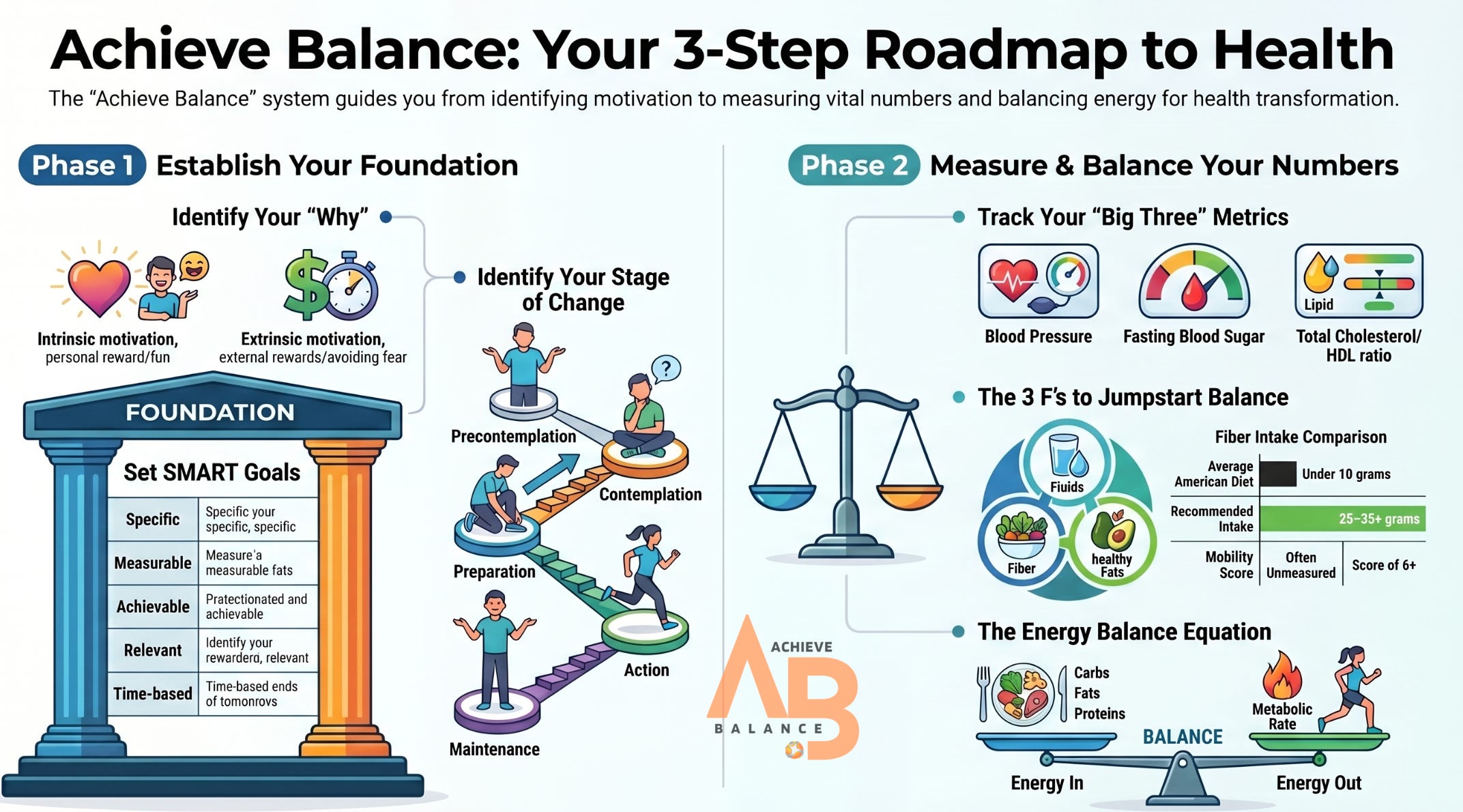
A Deep Dive: 🎧Achieve Balance Course-Module One: Finding Your Why
May 2700:20:50Tap to summarizeAs I get ready to roll out my Achieve Balance Course to Substack, I wanted to offer an 🎧 audio overview, or new deep Ai dive into Module One: Finding Your Why. This will be a paid subscriber benefit when this updated course launches later this week and adds to my educational Achieve Course Academy. If you are already enrolled in my Believe in Balance course you’ll also receive access to the first new Finding Your Why module with action toolkits when it drops later this week. This new course was developed from my book Body in Balance and I beta tested it over the last 2 years with my health coaching and PT clients over on SmartMovesPT. I’m now bringing it to a larger platform and audience here on Substack while keeping up with the times, including deep dives , new video explainer shorts and a new slide deck and audio education modules like the one you can listen to in this episode. Enjoy!Achieve Balance with SmartMovesPT is a reader-supported publication. To receive new posts and support my work, consider becoming a free or paid subscriber.About this episode: Finding You WhyConnecting with your “Why” means identifying your core motivation for wanting to improve your health and achieve your wellness goals. It is the underlying reason that makes you interested in taking charge of your health, and identifying it serves as a powerful reminder to keep you moving forward when working toward your goals.When you connect with your “Why,” you are taking time to determine what specifically drives you, which can be categorized into the two types of motivation we discussed earlier:* Extrinsic motivation: Being driven by external rewards or avoiding negative consequences.* Intrinsic motivation: Engaging in an activity because it is personally fun or rewarding.Understanding your personal “Why” helps you assess your current stage of behavior change and formulate SMART goals with clear milestones and rewards. While external factors might help you get started, discovering a positive, intrinsically motivated “Why” is crucial; research shows that development-based motivators are much more effective at keeping you actively engaged in long-term behavior change.Listen to this episode to learn how David applied these science based lessons from his book to optimize his own nutrition and physical recovery from stroke.Learn More Resources:David’s Body in Balance Book https://physicaltherapycoach.com/Believe in Balance Course https://achievebalance.substack.com/p/announcement-believe-in-balance-courseSubscribe to Achieve Balance on Substack Next Up in Module Two: Know Your Numbers This is a public episode. If you'd like to discuss this with other subscribers or get access to bonus episodes, visit achievebalance.substack.com/subscribe
Transcribe →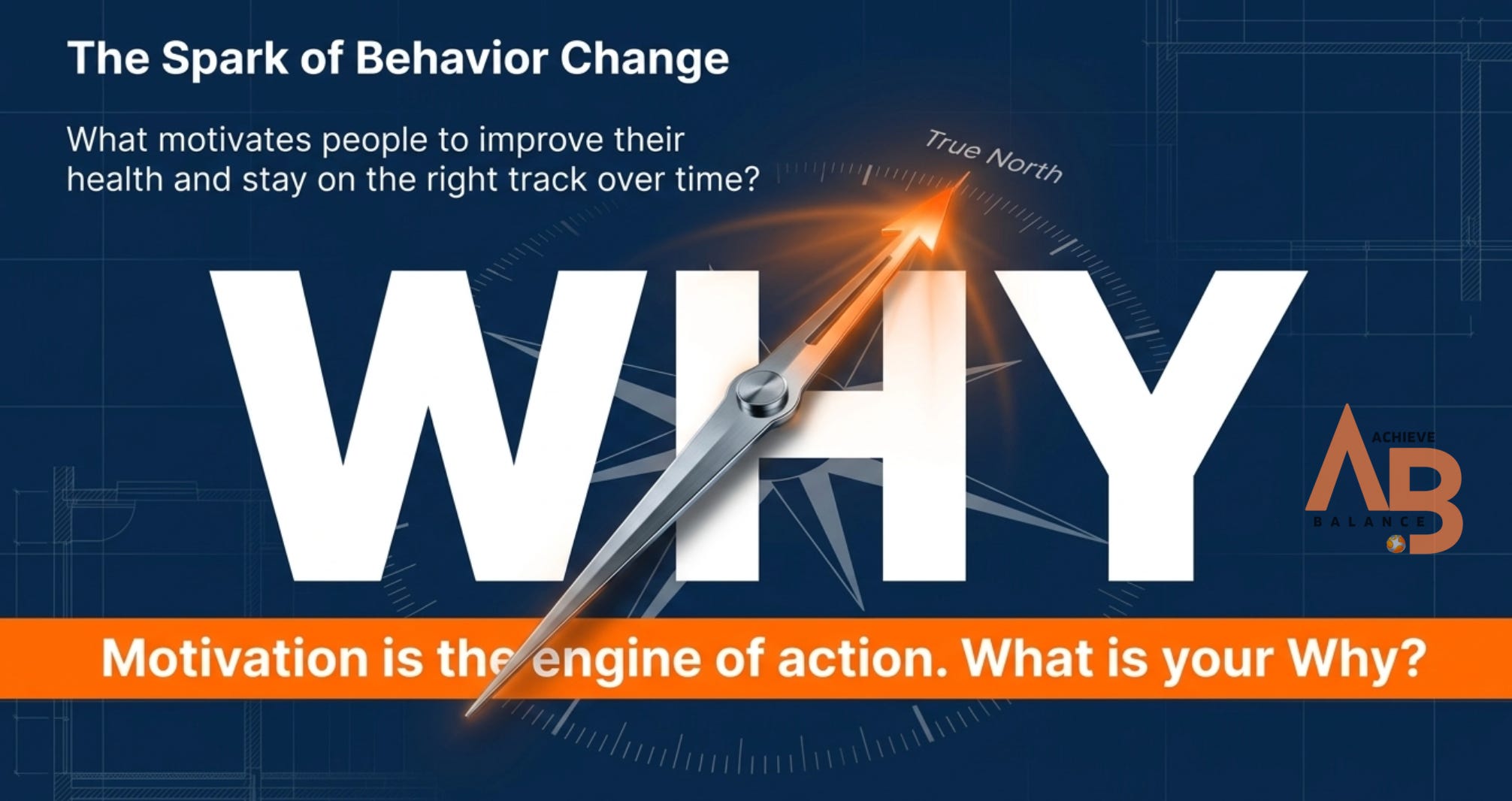
Beyond the Burn: 5 Surprising Truths About Finding Your Body’s True Balance
May 2000:14:43Tap to summarizeWelcome to Episode 22 of the Believe in Balance PodcastAbout this episode: Discard the guesswork that leads to the inevitable burnout of most health journeys. Many well-intentioned people start with high energy only to lose steam weeks later because they lack a sustainable blueprint or a powerful enough ‘Why’ to provide their True North. Achieve Balance with SmartMovesPT is a reader-supported publication. To receive new posts and support my work, consider becoming a free or paid subscriber to access our coursesIf you are joining me for the first time here, I’m David Dansereau, MSPT, a Physical Therapist and Nutritionist, Author of Body in Balance and I’ve developed my “Achieve Balance” philosophy, coaching mindset and courses to replace this uncertainty with a strategic approach to wellness. This podcast episode reveals the impactful takeaways from some of my writing and my course curriculum that will shift your perspective from temporary fixes to long-term equilibrium.Ready to get started? Tune in to this episode here or on Apple, Spotify and now streaming on YouTube!Show resources and mentions:Host David Dansereau biosketch and company profile: https://www.smartmovespt.com/david-dansereauBody in Balance Book:https://physicaltherapycoach.comSubscribe for Achieve Balance and Believe in Balance Course Updates:https://achievebalance.substack.com/ This is a public episode. If you'd like to discuss this with other subscribers or get access to bonus episodes, visit achievebalance.substack.com/subscribe
Transcribe →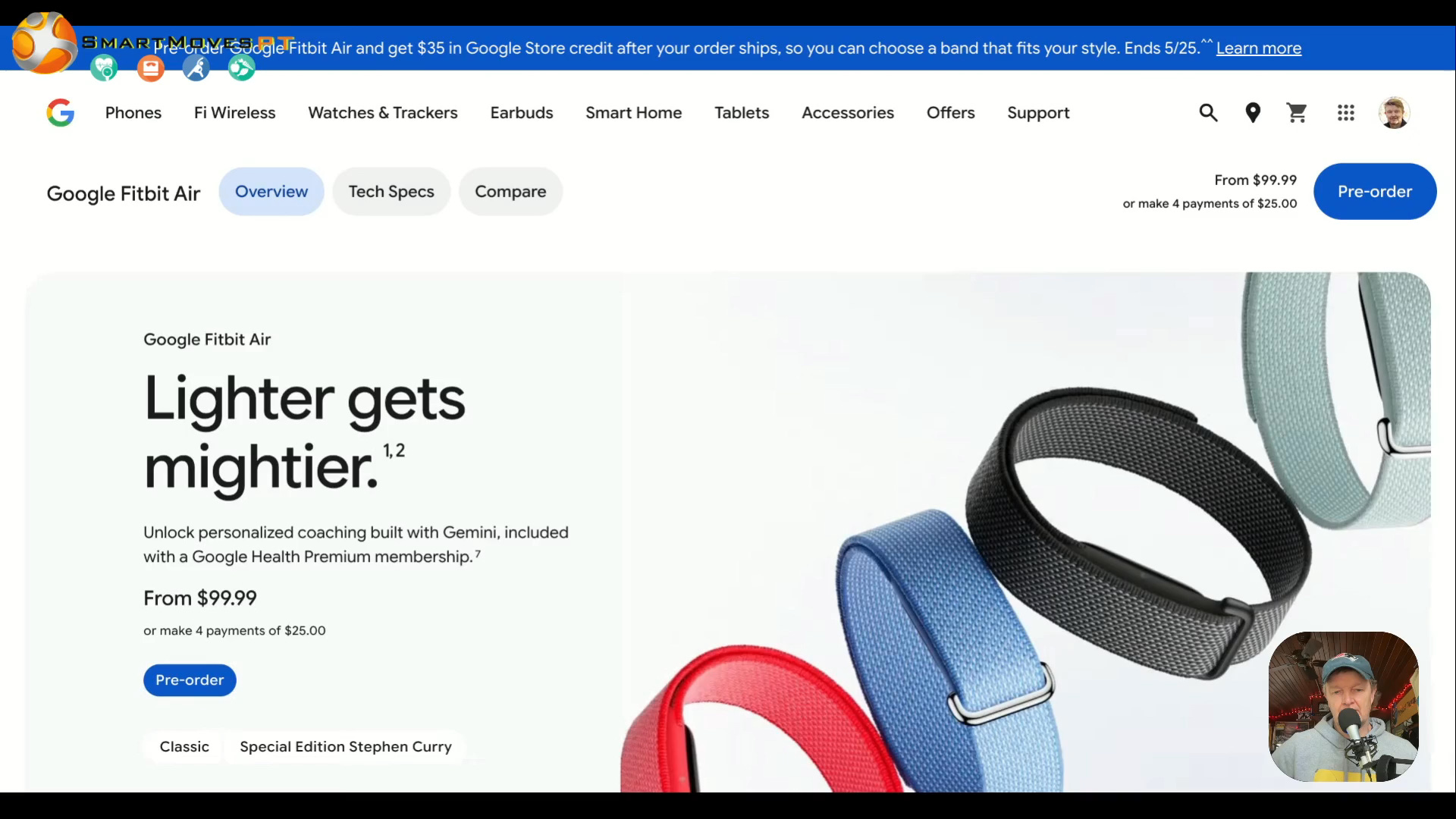
Google's FitBit Air For Rehab and Recovery?
May 1100:33:14Tap to summarizeThank you for tuning in, watching and listening to Episode 21 of the Believe in Balance Podcast, now on Apple, Spotify, Substack and more! Disclosure: I had a patient need to reschedule so I wanted to jump in to Substack Studio to take some time to inform you of this upcoming new product release from Google with their Fitbit Air (now Google owned). I have no financial disclosures to report with Google.About this episode: This episode reviews on video and audio Google’s latest upcoming product release in wearable tech and I share why I believe it is important for rehab and recovery or simply as an new affordable way to help you or a loved on take charge of your mobility and health monitoring.Important Note and Author Disclaimer: While the Fitbit Air is an excellent proactive partner for tracking overall health, always consult with your neurologist, cardiologist, or physical therapist before starting new post-stroke exercise routines.Episode Resources and Mentions:Based on my latest article on Substack:FitBit Air: A Possible Game Changer for Stroke Survivors Seeking Affordable Wearable Tech for Recovery Insights and Health MonitoringBreakout Moment for Stroke?Reimagining Stroke Recovery Through Performance MetricsFitBit Air Measurement DataQuick Review for Reference on Biometric Data Mentioned in this Episode:* Heart Rate: 24/7 continuous heart rate tracking, including heart rate zones during workouts.* Heart Rhythm (AFib): Background detection for irregular heart rhythms that may indicate atrial fibrillation (AFib).* Heart Rate Variability (HRV): Tracks the variation in time between each heartbeat to help measure stress and training recovery.* Blood Oxygen (SpO2): Uses red and infrared sensors to estimate your blood oxygen saturation levels while you sleep.* Skin Temperature: Tracks your wrist’s nightly skin temperature variations.* Breathing Rate: Monitors your average breaths per minute while resting.* Sleep Analytics: Details your sleep duration and segments your rest into light, deep, and REM sleep stages.* Motion & Activity: Built-in 3-axis accelerometer and gyroscope to track daily steps, distance, active minutes, calories burned, and automatic workout detection.Chime In! What Are You Measuring? This is a public episode. If you'd like to discuss this with other subscribers or get access to bonus episodes, visit achievebalance.substack.com/subscribe
Transcribe →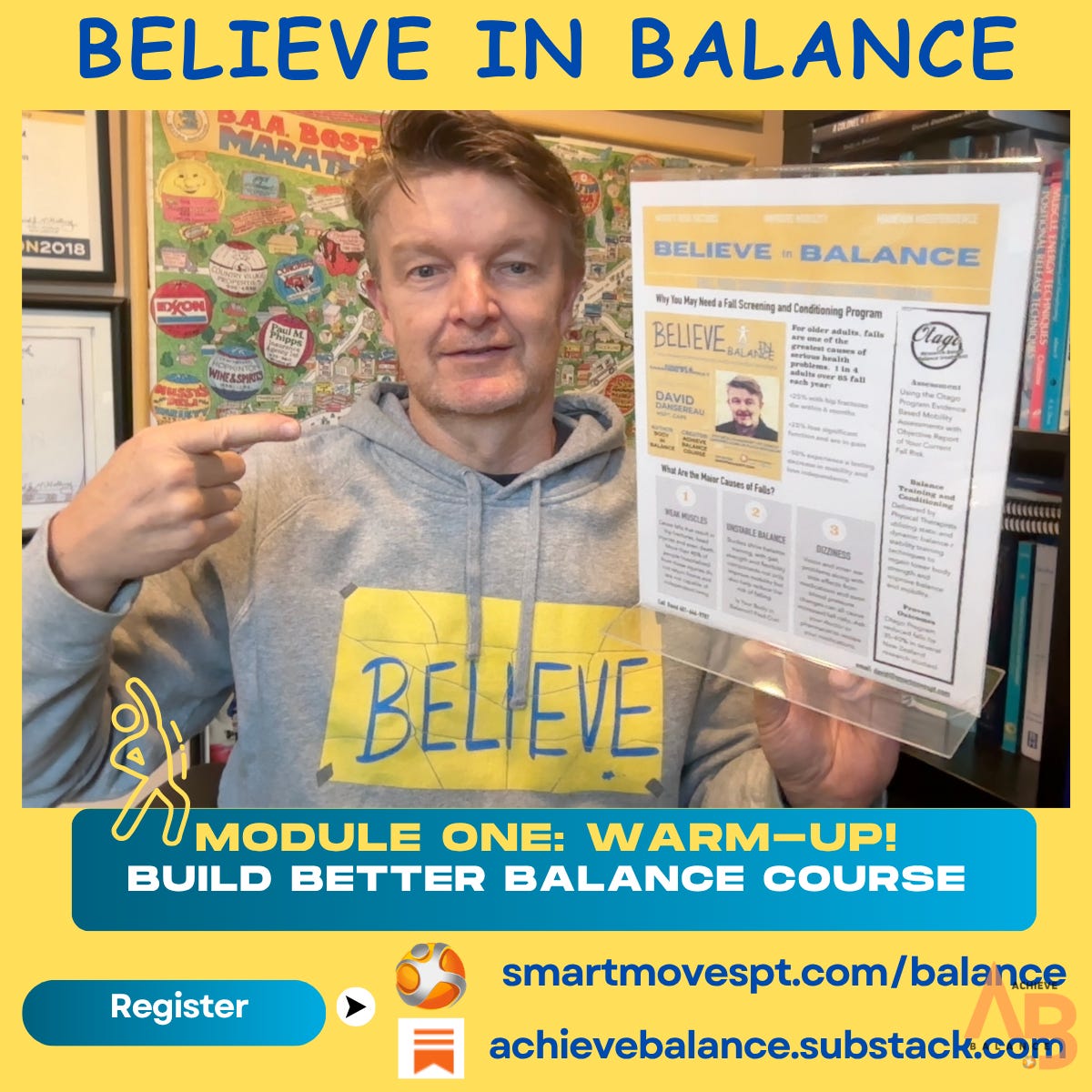
Rating Consumer Cellular's Iris Ally Medical Alert Device
Apr 3000:04:11Tap to summarizeThis is a free preview of a paid episode. To hear more, visit achievebalance.substack.comMy Review of the Iris Ally Medical Alert DeviceThank you for tuning in! If you are listening to this as a bonus educational content from my Believe in Balance Course and Podcast we’ve provided links to both audio and video to take your learning on the go if you are a subscriber. If you need access to this review you can subscribe below.Achieve Balance with SmartMovesPT is a reader-supported publication. To receive new posts and support my work, consider becoming a free or paid subscriber.Why this reviewThere are now literally thousands of medical alert devices and systems found online. Just do a quick Amazon search for “medical alert devices” and you’ll quickly be overwhelmed and confused. Many of my clients start their search for fall detection and emergency alert devices and never order because there are simply too many choices, pressured sales pitches, or requirements to enter too much personal information simply to get a price quote. That’s in part why I advanced my training to become a Certified Age Tech Specialist in addition to my existing Certified Aging in Place Specialist certification to help guide my clients through all the confusing technologies and home safety options. You can learn more about these specialist offerings in a recent podcast episode. Also I offered an overview article on Medical Alert Systems on this platform as well. For a Deeper Dive:I built my course Believe in Balance as an educational offering to cut through all the confusion and provide evidence based solutions and technology assisted knowledge to remain safe and independent in the home.The Review: What is IRIS Ally?IRIS Ally is a lightweight, wearable medical alert device that offers automatic fall detection, GPS tracking, two-way voice communication, water resistance and 24/7 emergency support. It’s easy to use, comfortable to wear and ready to protect you right out of the box.Achieve Balance with SmartMovesPT is a reader-supported publication. To receive new posts and support my work, consider becoming a free or paid subscriber.Think of it as your on-call safety partner. Press the help button or rely on built-in sensors to alert a trained emergency agent—day or night.My Goal in this ResearchI wanted to check for a client whether the Iris Ally Medical Alert Device included a fall detection feature and to the best of my knowledge, it does (see copied description below). The Good* For the prices, especially if you are quoted a special $20/month with a free device*, this is fair pricing and discounted over advertised price. It is especially reasonably priced compared to similar options costing up to $35/month. In addition, some of the top rated vendors charge an extra $10 per month for fall detection.* Unlike other medical alert devices, IRIS Ally is sold exclusively by Consumer Cellular. That means you get their nationwide cellular coverage—and on their website they claim to use the same towers as the big guys. * 24/7 access to trained emergency agents (I’m told Consumer Cellular outsource this part of the service) by a company known for our award-winning, 100% U.S. based customer service.Thanks for reading Achieve Balance with SmartMovesPT! This post is a subscriber bonus offering, so please feel free to join in the discussion and share it.* There is also a belt clip if you don’t like wearing the device around your neck.* Water-resistant so can be used in the shower if needed.The Not So Good* One potential drawback for the device is it does not have a connected app for family and caregivers if that is a feature you’d like.
Transcribe →
SAFE Ways to Build Better Balance
Apr 2700:16:16Tap to summarizeThank you for tuning in to Episode 20 of the Believe in Balance Podcast!Episode Mentions:About the SAFE Act: The Stopping Addiction and Falls for the Elderly (SAFE) Act (H.R. 1171/S. 2612), designed to enhance fall prevention screenings under Medicare, has not passed into law primarily because it is still moving through the legislative process of the 119th Congress (2025-2026). While bipartisan, the bill has faced the typical hurdles of scheduling, committee review, and competing legislative priorities, having been reintroduced in February 2025 after a previous version stalled in the 118th Congress.Note:The bill is different from the "SAVE Act" (voter identification legislation) that has also been under debate in 2026 amongst part of the ongoing repeated shutdowns from the government’s inability to find balance.Achieve Balance with SmartMovesPT is a reader-supported publication. To receive new posts and support my work, consider becoming a free or paid subscriber to access my Believe in Balance Course along with all other PT care pathways I offer on my platform.Believe in Balance CourseCourse Modules* Module One -Mobility WarmUp* Module Two - Strength and Conditioning* Module Three- Balance ExercisesClosure After Stroke BookThanks for subscribing to Achieve Balance with SmartMovesPT! This podcast episode and video post is public so feel free to share it. This is a public episode. If you'd like to discuss this with other subscribers or get access to bonus episodes, visit achievebalance.substack.com/subscribe
Transcribe →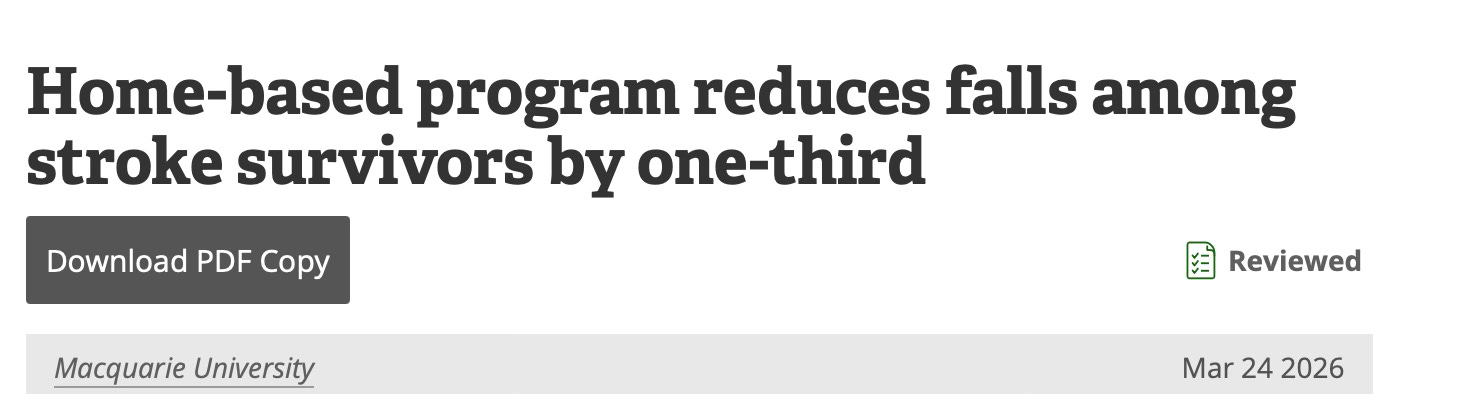
Is it your shoes that are making you fall?
Apr 800:16:12Tap to summarizeThank you for tuning in! This week I wanted to give thanks to all that subscribed and helped me with a successful launch of my Believe in Balance Course here on Substack. It enables me to give back to community programs I support including Homes for Our Troops and StrokeOT. Learn more in this video episode plus my PT perspectives from the clinic and community on footwear and falls, recent falls and balance research, along with what’s next for the Believe in Balance Course!If you missed it: Balance Workshop ReplayIf you want to: Begin Balance Course Module OneThanks for reading Achieve Balance with SmartMovesPT! This post is public so feel free to share it.If you want to: Give to Support Stroke OTIf you want to learn: Latest Balance ResearchNew Australian research has shown that a tailored, home-based program can dramatically cut the number of falls, one of the most dangerous risks faced by survivors of stroke.The “falls after stroke trial” or FAST, published in the British Medical Journal, found a co-ordinated program of functional exercise, preventing hazards around the home and out-of-home mobility coaching reduced falls by 33 per cent over 12 months.Achieve Balance with SmartMovesPT is a reader-supported publication. To receive new posts and support my work, consider becoming a free or paid subscriber.Learn how a brief fall risk training (FRT) intervention significantly improved floor-rise ability and Perceived Ability to Manage Risk (PAMF). This study found integrating FRT into fall prevention programs may reduce long-lie consequences.That’s all for now! Look for my announcement of the next balance course module on cardiovascular fitness in the Achieve Balance subscriber chat.Questions?Reader Poll This is a public episode. If you'd like to discuss this with other subscribers or get access to bonus episodes, visit achievebalance.substack.com/subscribe
Transcribe →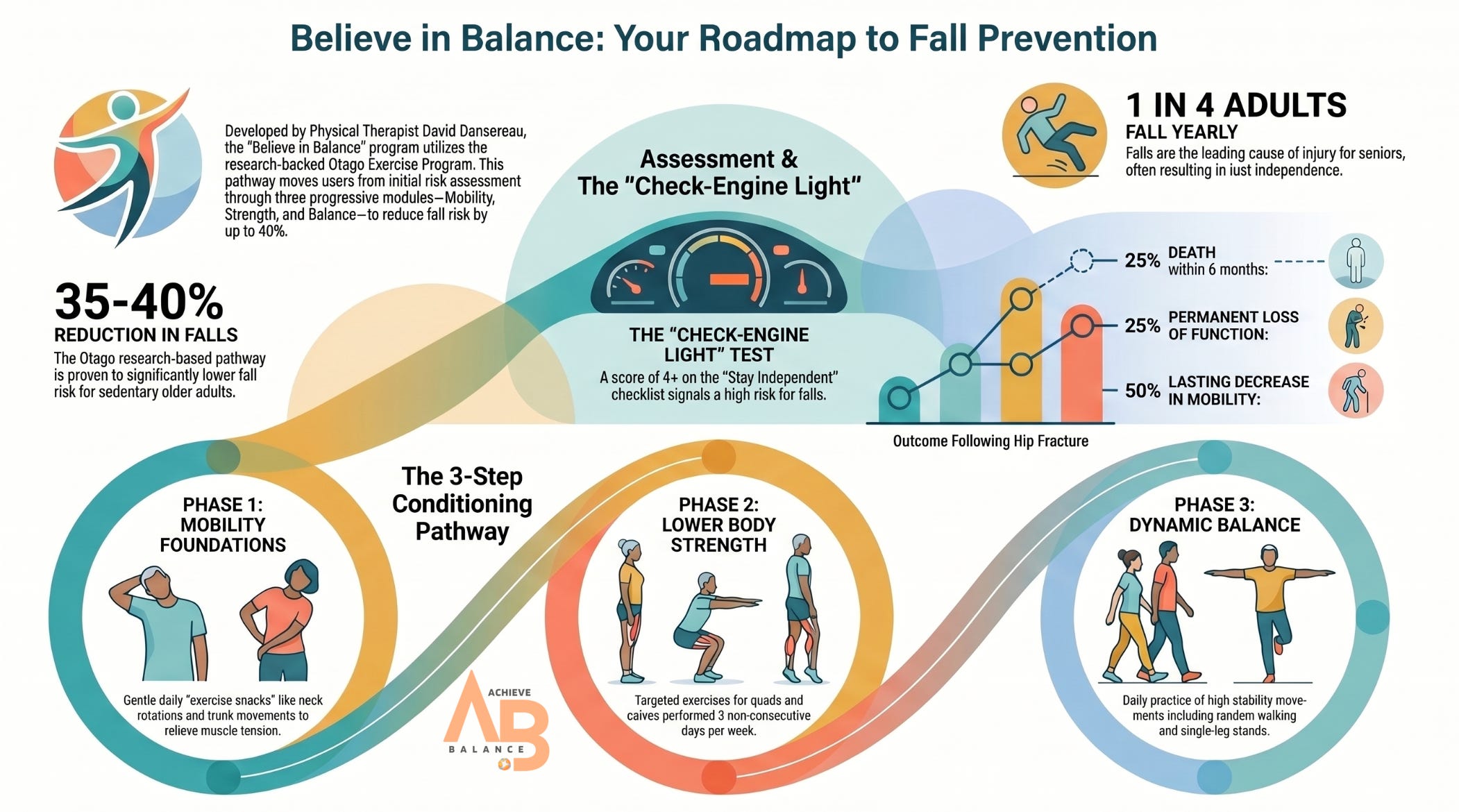
Announcement: Believe in Balance Course
Mar 3000:53:46Tap to summarizeThanks for reading and supporting Achieve Balance! Subscribe for free to receive new posts and upgrade to a paid subscription when it opens to support my work if you can. Your support enables me to offer my paid courses as scholarships and group presentations to those in need.Did you Miss the Believe in Balance Workshop?No worries, here’s your chance to jump back in and watch the course overview from this replay of the original workshop and beta group that recently finished the course!This free workshop is the best way to learn about how your balance works and help you understand why you might want to start thinking about investing in your balance early. Be sure you read and understand the course and workshop disclaimer at the bottom of this page before proceeding with any activities related to this course. The Fall Risk Assessment mentioned in the workshop can help guide you to determine if you or a loved one might be at increased risk for falls. It is advised you follow-up and contact your health care provider for a comprehensive falls screening if at higher risk.Here’s The Workshop Agenda:During this balance workshop you’ll learn:* The key strength and balance exercises that reduced falls between 35 and 40% for sedentary older adults using the proven Otago research-based balance assessment and treatment pathway. Learn the secrets to performing these quick mobility assessments and exercises!* Which functional measurements are used to quickly screen for your current balance, lower body mobility and strength levels.* Home mobility and fall prevention safety checklist before you get started* New tech tools to remotely assess and engage you in your balance training* Nutrition? Yes, that plays a role in your balance performance for sure and we’ll be talking about it!* Case Studies- 2 spotlights using the program from my clients’ experiences* How you can get started with access to our balance training course foundations program before the official launch of my new book. * Need more support? They’ll be coaching options announced soon to connect with me to guide you through getting started with the program to jump-start your success! * Take my workshop feedback survey to access a 7 day free trial of my SmartMovesPT coaching app.Full Course Coming to Substack for Paid Subscribers. Join my upcoming Live Event course announcement for complete detailsWorkshop and Course Disclaimer: Before you begin this or any health and wellness program, ensure you are ready to become more physically active. It is always advised you consult with your health care professional and make the decision together based on your own health history if you are ready to begin to balance activities or begin any exercises.By reading this disclaimer you hereby acknowledge your awareness, readiness and voluntary participation in this balance workshop offered on this website for use in your home. You knowingly and voluntarily assume all risks and agree to release the presenter, David Dansereau,MSPT, and SmartMovesPT,LLC , as well as their employees and agents from all liability and claims arising out of your participation in this program and screening activities described in this workshop, as well as any videos and resources on our wellness portal, podcasts or on our websites.Questions?Listen to the Believe in Balance Podcast This is a public episode. If you'd like to discuss this with other subscribers or get access to bonus episodes, visit achievebalance.substack.com/subscribe
Transcribe →