
Podcast
Facts Matter
Hosted by The Epoch Times · EN
"Facts Matter" investigates complex issues based on the principles of traditional journalism: no spin, no favorites. We give you the facts—you decide the rest.
103episodes
Episodes
Newest firstAll episodes

9,500 Truckers Booted for Not Speaking English; $30M Awarded to Estate of Teen Killed in Seattle CHOP Zone
Feb 1300:24:05Summary readyToday, let’s discuss several stories happening in the United States: 9,500 truckers get booted from service over English language requirements, and a jury awards $30 million to the estate of a teenager killed in Seattle.
Summary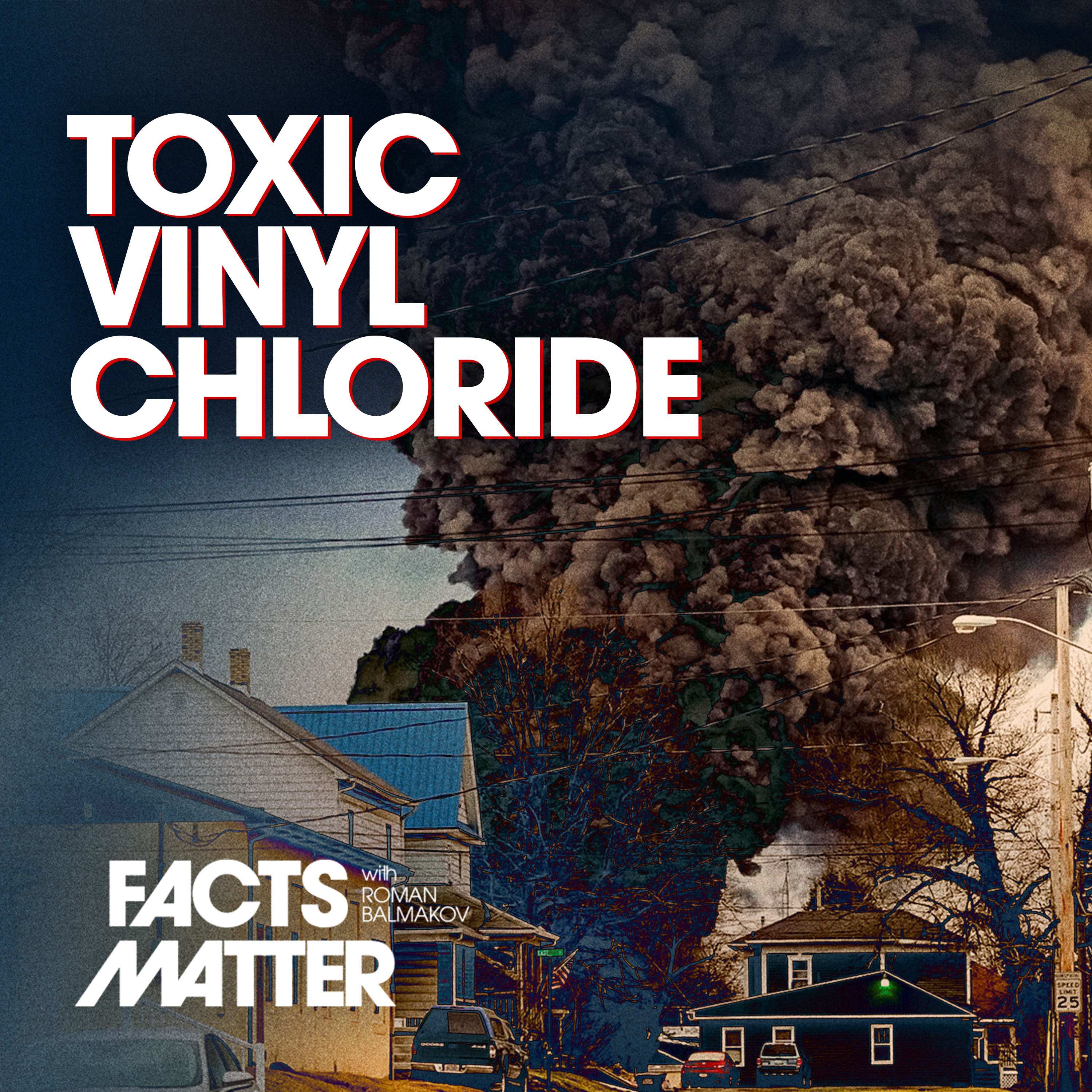
3 Years After East Palestine Train Derailment, NIH Gives $10 Million to Study Health Effects
Feb 1100:12:39Summary readyIt’s been three full years since the Ohio state government decided to detonate derailed train cars containing vinyl chloride in the village of East Palestine.You might remember the apocalyptic imagery that came out of that explosion—it looked like a nuclear bomb had gone off.Three years later, anecdotal evidence is showing that the residents are experiencing thyroid disease, cancers, respiratory problems, neurological issues, asthma, and other problems.The National Institutes of Health (NIH) has now announced a $10 million research project to study the long-term health effects on the people living there.Let’s review what took place there in 2023, what the effects appear to be now, as well as what the NIH is doing about it.
Summary
Report Finds Arsenic in 28 Popular Candy Brands
Feb 600:12:24Summary readyFlorida Department of Health officials put out a new report revealing that their independent investigation found arsenic in 28 of 46 candy brands tested. Let’s go through their methodologies, as well as their findings.
Summary
Is China’s Bio-Weapon Program Developing DNA Weapons to Target Specific Ethnic Markers?
Feb 400:14:26Summary readyToday, let’s examine the Chinese Communist Party’s biowarfare program, specifically Chinese officials’ interest in making a bioweapon capable of targeting the DNA markers specific to distinct ethnic groups.
Summary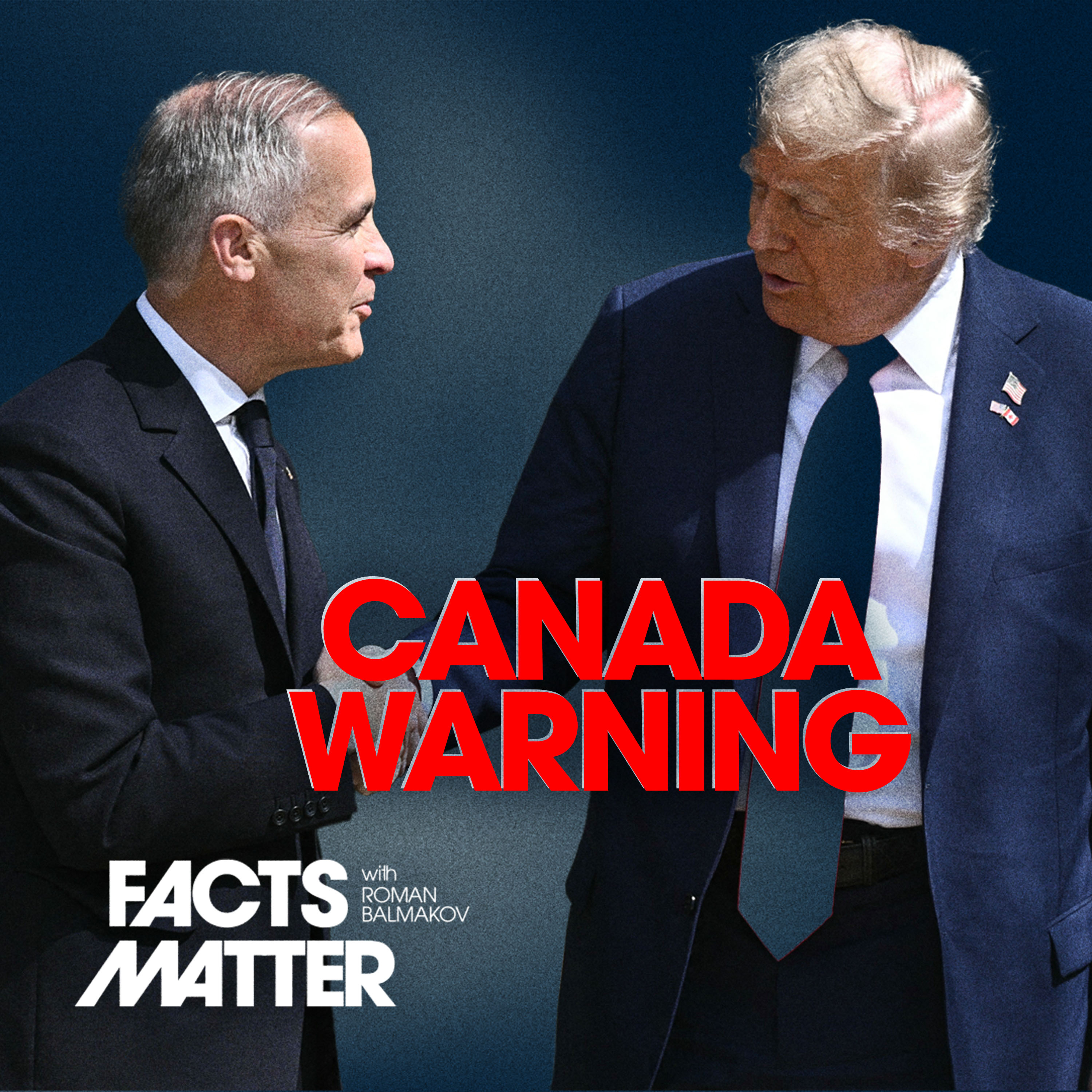
Trump Issues Warning to Canada; Child Abuser Has US Citizenship Revoked
Jan 3000:15:40Summary readyToday, let’s go through a few recent developments with the Trump administration: the escalating war of words with Canada, the citizenship verification order by the Department of Housing and Urban Development, as well as the effort to denaturalize recently naturalized U.S. citizens whose conduct justifies such an action.
Summary
Two Pathogenic Fungi Crossed the Species Barrier—Can Now Infect Humans
Jan 2900:14:42Summary readyThe premise for “The Last of Us,” both the video game and the HBO hit series, centers around the survival of two people navigating a post-apocalyptic wasteland after a mutated fungus infected most of the world’s population, turning victims into mindless zombies.At first glance, it appears like just another interesting take on the zombie genre.But believe it or not, the game is actually based on a real-life genus of fungus called cordyceps, which survives by infecting insects, hijacking their immune systems, and turning them into vessels that the fungus then controls. The fungus parasite then guides the insect body to a desirable location where it can spread to other hosts.While the concept that a fungus can turn humans into mindless zombies might seem far-fetched, there is already mounting concern within the scientific community that mutating strains of fungi are rapidly evolving in response to changing climate, to the point where they are beginning to present a real threat to human health.In recent years, several genera of fungi (which had previously not been a problem) are now able to infect humans.Let’s go through the current state of pathogenic fungi.
Summary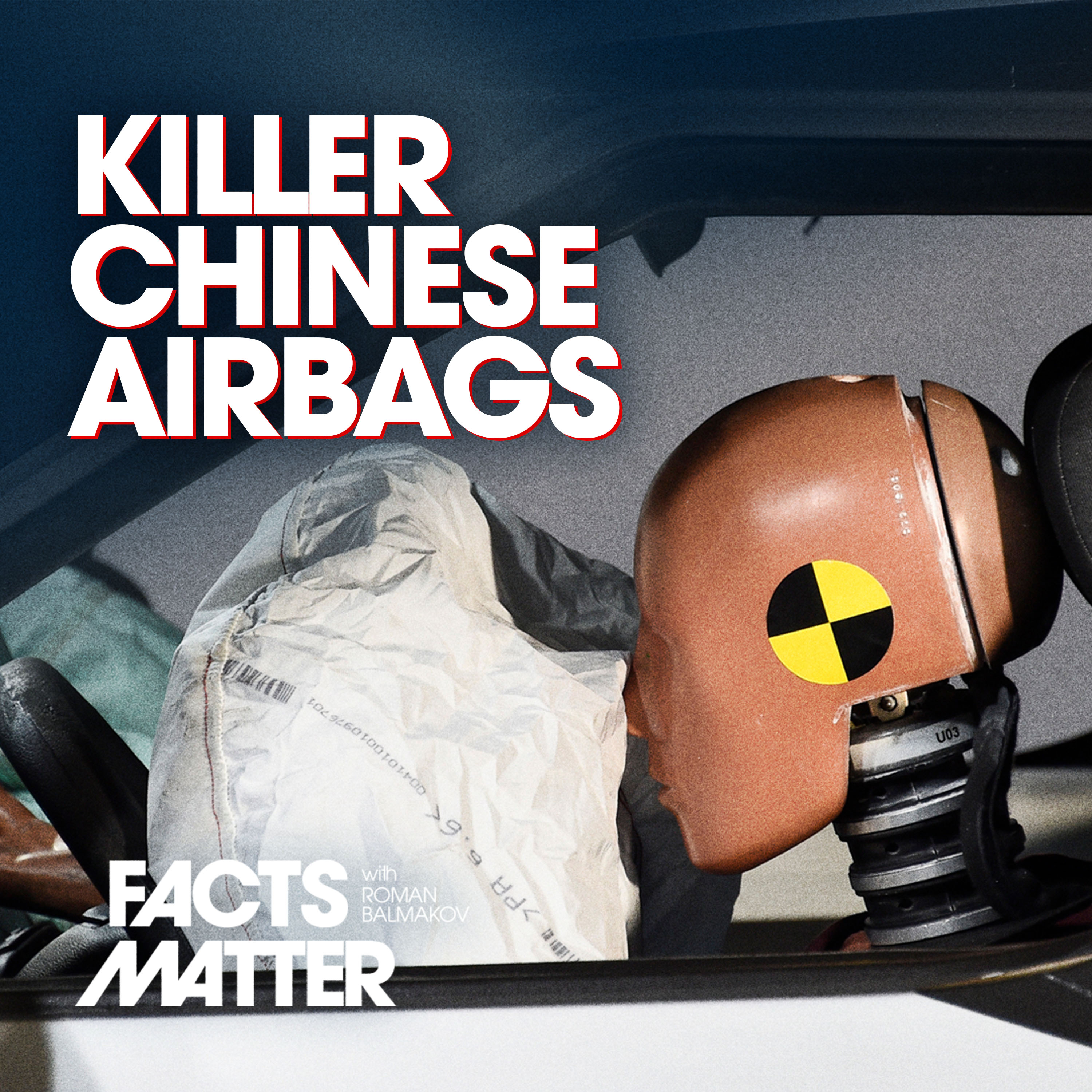
Illegal Made-in-China Airbags Have Killed 8 Americans: How to Check Your Car
Jan 2300:12:26Summary readyIn one of the worst “Made in China” product disasters in recent memory, 10 people in the United States have recently either died or been seriously wounded when the airbag in their car went off and blasted their face, neck, and chest with metal shrapnel.Instead of creating a pillow to cushion the impact, these made-in-China airbags acted like grenades—so far killing eight drivers in what would’ve otherwise been survivable crashes—and seriously injuring two others.Let’s go through what we know about these airbags, how they’re getting into cars, why they’re killing people, as well as how you can check your own car to see whether you’re safe.
Summary
Supreme Court Rules in Favor of GOP Congressman in Election Law Case, Gives Candidates Standing to Sue
Jan 2100:12:20Summary readyIn a new decision, the U.S. Supreme Court has allowed a Republican congressman to challenge a state election law. The decision is highly consequential in the precedent that it sets. With this ruling, the Supreme Court has decided that a candidate for office does in fact have the legal standing to sue over an election policy that he or she believes is illegal. The implications of this ruling are truly significant—especially if you remember what happened in the 2020 election, when many of the legal challenges that were raised were dismissed not based on the merits of the case, but due to a “lack of standing.” So today, let’s go through the details of this particular case, what the ruling is, and what it means for future elections.
Summary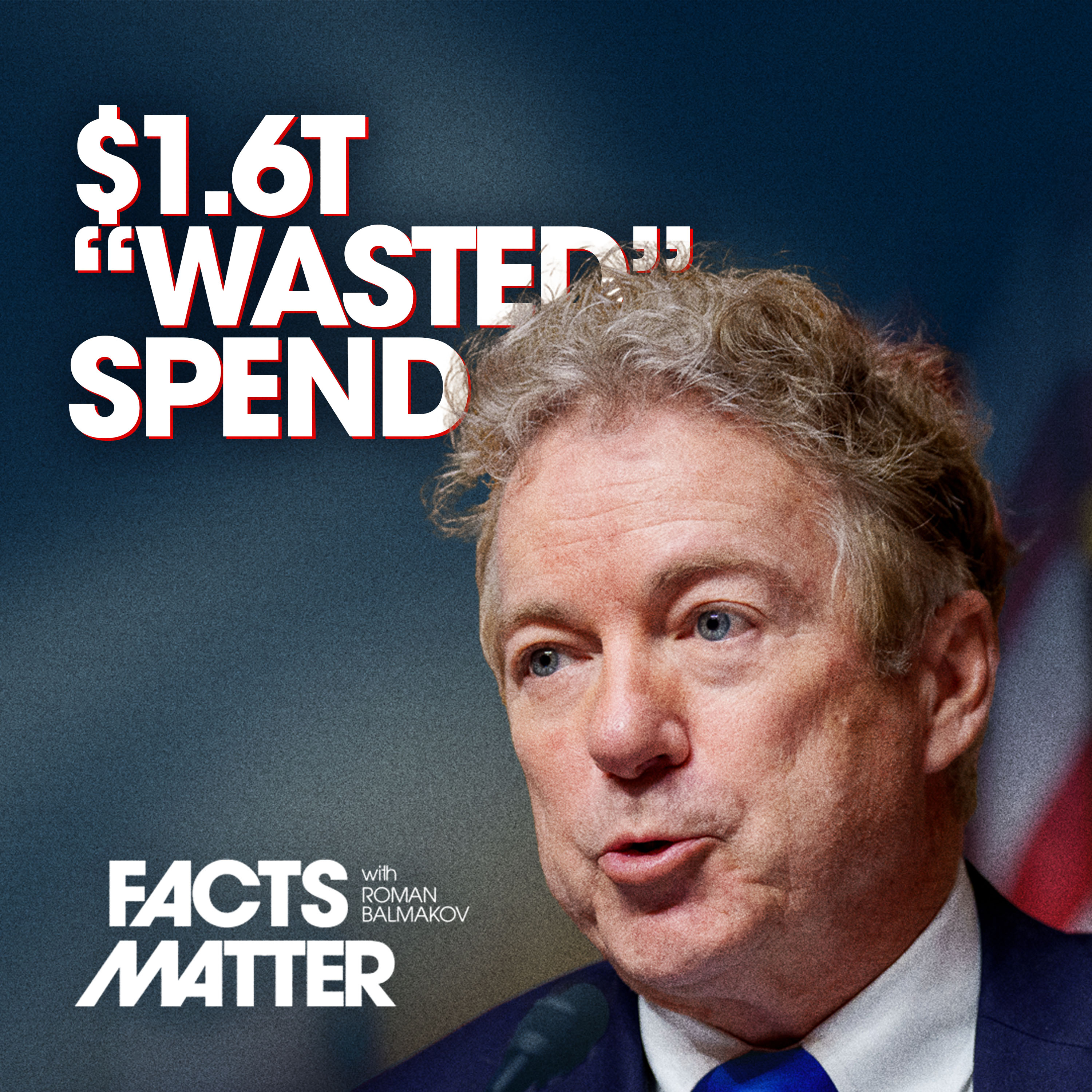
9 Eye-Opening Examples of ‘Waste Spending’ From Rand Paul's $1.6 Trillion ‘Festivus’ Report
Jan 1600:13:26Summary readyFor the past 11 years, Sen. Rand Paul (R-Ky.) has released his annual “Festivus Report” to air grievances. While the name is a reference to a Seinfeld episode, the report itself is legitimate, detailing what he believes were some of the most egregious examples of the federal government wasting our tax dollars in the previous year.Since the start of the report, the dollar amount of the government “waste” he cites has grown significantly.In 2015, it was a little over a billion dollars. By 2019, it was $50 billion dollars. The latest report for 2025 showed that the figure hit a cool $1.639 trillion dollars. It’s worth mentioning that a huge portion of that total comes from interest payments on the national debt, which Senator Paul now includes in his overall tally. U.S. taxpayers paid $1.22 trillion dollars in interest just to service the national debt last year. That is significantly more than the Pentagon’s entire budget—and given the fact that that money is literally going to nothing other than interest, there’s a good case to be made to include that figure in the overall wasted spending report.Setting the interest payments aside, let’s go through nine of the most interesting examples of government waste from the report.
Summary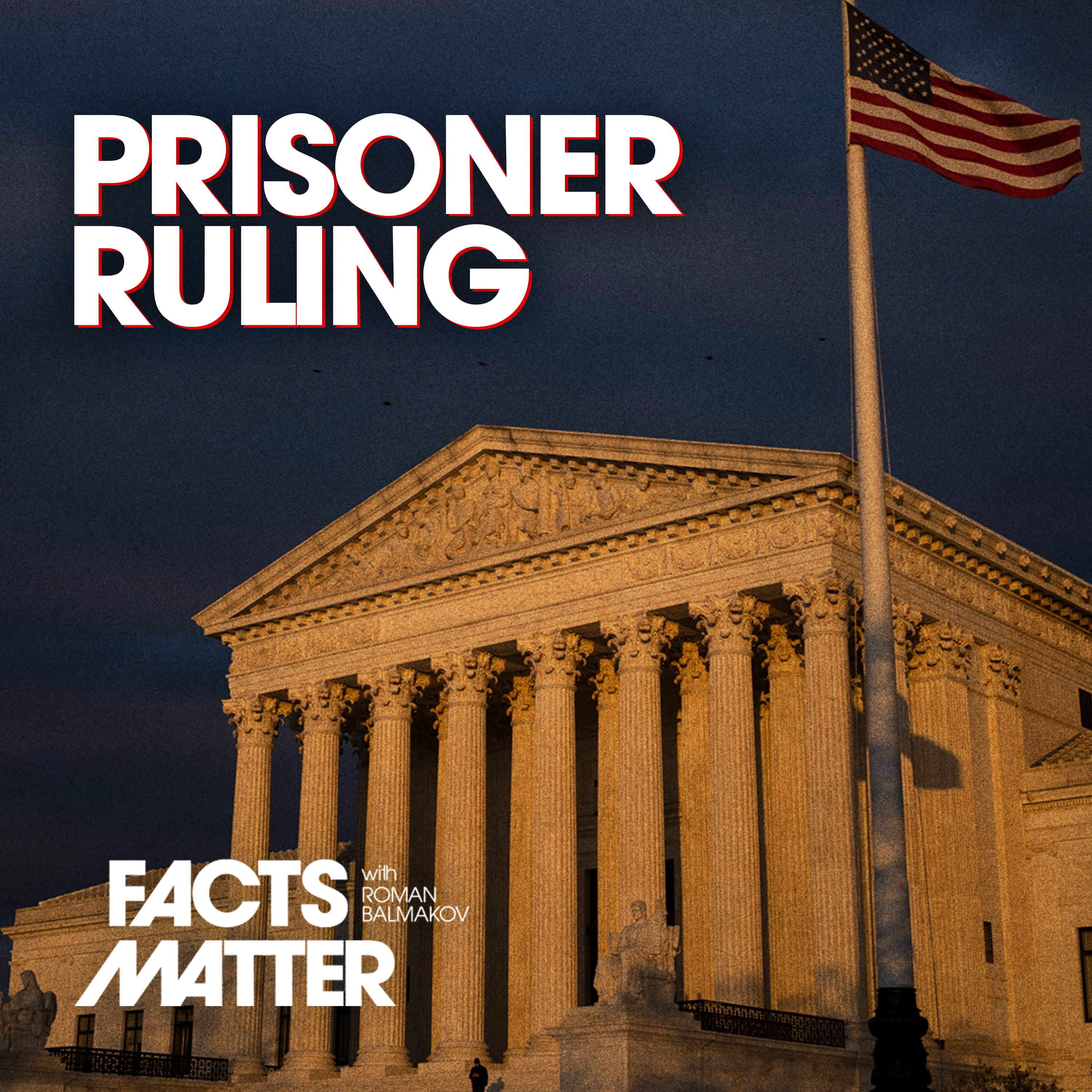
Supreme Court Throws Out Limit on Federal Prisoner Appeals
Jan 1400:14:22Summary readyThe U.S. Supreme Court just issued a decision that expands your right to appeal a federal prison sentence. Now, I’m sure most people reading this won’t ever become a federal prisoner—but, if you ever do, or if someone you know does, they will now have more rights given the fact that the court threw out a significant limit on federal prisoner appeals. Let’s go through the details together.
Summary