
Podcast
Going Direct Conversations
Hosted by Jordan Wolfe · EN
Going Direct explores the decentralization of the real economy and how new technologies can bring us closer to the products we buy and the people who make them.
goingdirect.substack.com
goingdirect.substack.com
20episodes
Episodes
Newest firstAll episodes
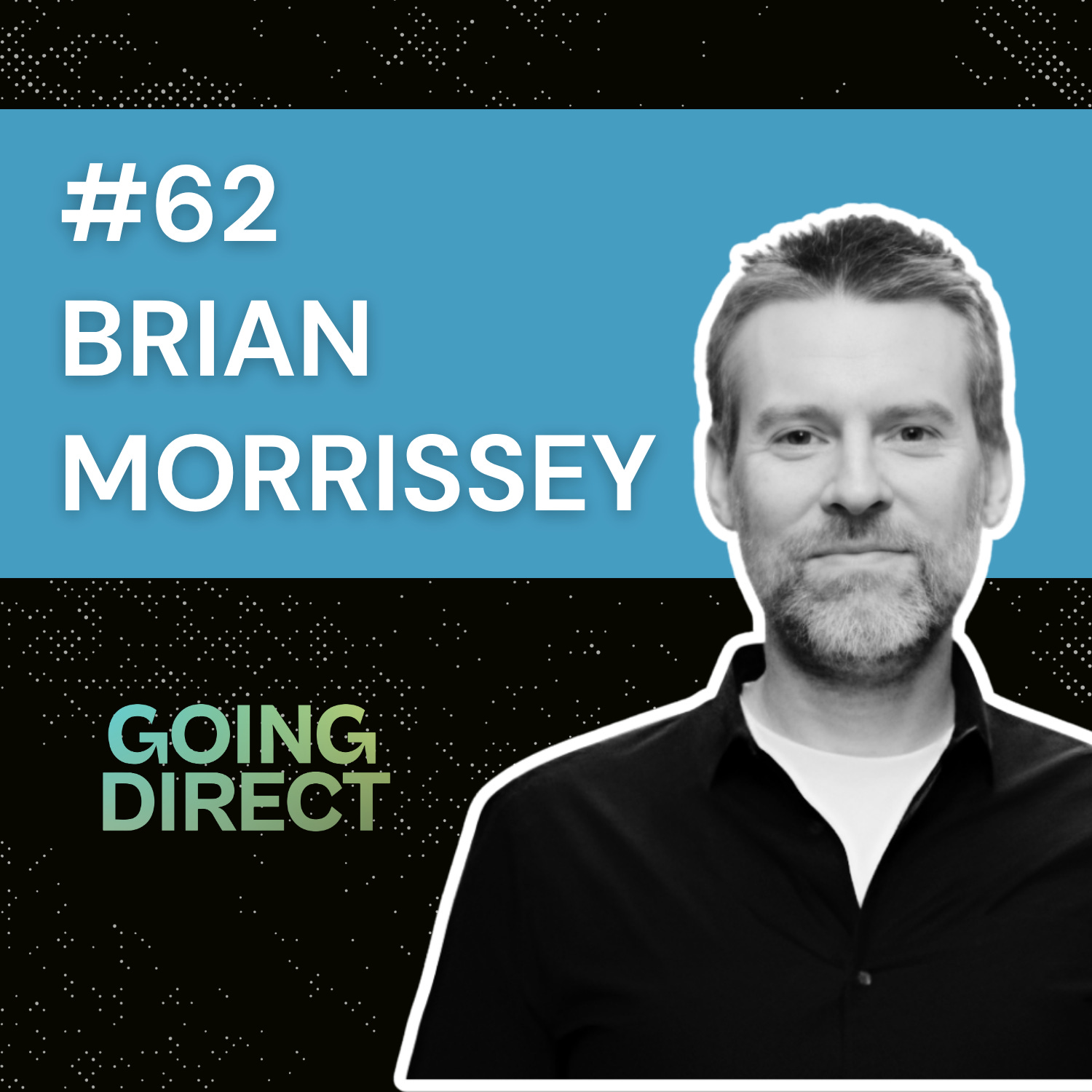
#62 Brian Morrissey: The Great Decentralization of Media & New Media Energy
Apr 2901:01:30Tap to summarizeI sit down with Brian Morrissey, and independent journalist and the founder of The Rebooting, to discuss a recent piece he wrote called, “New Media Energy” and our transition to a truly decentralized media landscape where the legacy media gatekeeper is no longer relevant.Among the topics we discuss are:• “New Media Energy” vs the unearned authority of legacy media• Why VCs are building their own media networks• Axios Local and the “Business in a Box” model for journalists• The most overrated and underrated platforms todayIf you want to understand where the media industry is heading, you will enjoy this episode.Enjoy.Recording date: April 27, 2026Chapters00:00 Introduction01:20 Brian’s Background & Digiday03:42 Leaving Institutional Media And Going Independent09:40 Defining New Media16:17 Rise Of Citizen Journalism18:52 Future Of Media And Information Ecosystems23:06 Dichotomy Of Decentralization And Centralization27:19 Prediction Markets & Hidden Media Incentives30:54 Shift From Institutions To Individuals In Media32:20 TBPN & The Trade Magazine Model36:53 The Rise Of Direct Expertise In Media41:40 AI Content & Synthetic “Slop”49:05 Business In A Box For Local Media: Axios Local56:31 Rapid FireFollow Jordan on X- https://x.com/jrwolfeConnect with Brian Morrissey:- Website: https://www.therebooting.com/- The Rebooting Show: https://www.youtube.com/@The_Rebooting-g4c- People versus Algorithms Podcast: https://www.youtube.com/@peoplevsalgorithms- LinkedIn: https://www.linkedin.com/in/brianmorrissey/- Substack: https://therebooting.substack.com/Remember to go direct!JordanP.S. Build with love This is a public episode. If you would like to discuss this with other subscribers or get access to bonus episodes, visit goingdirect.substack.com
Transcribe →
#61 INSIDE GOING DIRECT: What, “Going Direct” Actually Means
Apr 2102:09:10Tap to summarizeI sit down with Rafik Kheffache, founder of Heliosand, for our first-ever in-person episode in Paris.This was a different kind of episode where Rafik asks me to pull back the curtain on Going Direct - why I started it, what I actually believe, and where it’s all going.Over the past year, I’ve had 50+ conversations with founders, engineers, and builders working on decentralized production, AI infrastructure, and the future of the real economy. This one was about connecting the dots and honestly, just have some fun over a few glasses of whiskey.It’s part philosophy, part story, part rant.Enjoy.Recording date: March 31, 2026Chapters00:00 Introduction01:18 Going Direct Podcast Adventure14:39 Geopolitics and Decentralization24:47 Heliosand Is Turning Garbage Into Gold32:31 Why Decentralization Is So Important37:48 Doing Business In Europe As An American42:14 The Minitel, Concorde, And Failed Innovation In France46:04 The French VC Scam & Work Culture55:21 French Lifestyle Is Pretty Damn Good01:05:00 Trading Bitcoin In Switzerland01:08:29 Is Elon Musk The Riches Men In The World?01:17:33 Simulation Theory01:26:54 Money = Freedom01:41:30 Incident With The French CIA (DGSE)01:46:34 French vs American Cultural Differences01:53:34 Bridge Building Between The US And France02:00:09 Importance Of Community And RelationshipsFollow Jordan on X:* https://x.com/jrwolfeConnect with Rafik:* Heliosand – https://heliosand.com/* LinkedIn – https://www.linkedin.com/in/rafik-kheffache/?locale=en* X – @KheffacheR62805Remember to go direct!JordanP.S. Build with love This is a public episode. If you would like to discuss this with other subscribers or get access to bonus episodes, visit goingdirect.substack.com
Transcribe →
#60 Aleks Gampel: America Needs High Quality, Affordable Homes
Apr 1500:48:07Tap to summarizeI sit back down with Aleks Gampel, the co-founder and COO of Cuby, to talk about why construction has become less productive over time, why skilled labor shortages are getting worse, and why the current system still relies on fragmented crews and outdated methods.Cuby’s answer is to build mobile micro-factories that produce home components close to where the homes are actually being built.Among the topics we discuss are:* Why construction productivity has gotten worse since the 1950s* Why construction is really a logistics problem* Cuby’s proposed solution - Mobile Micro-Factories (MMFs)* Eliminating middlemen through vertical integration* Launching the first Cuby micro-factory in New MexicoEnjoy.Recording date: April 08, 2026Chapters00:00 Introduction03:50 Revisiting The Bottlenecks In Housing Construction06:04 Why Construction Has Regressed Over 60 Years09:32 Non-Obvious Problems In The Construction Industry11:26 Cuby's Approach To Housing14:03 Building High-Quality, Affordable Housing19:16 Cuby's Mobile Micro-Factory Progress23:22 Deploying The First Factory In The US27:16 The Going Direct Economy35:48 Applying The Toyota Production System To Construction37:38 Coordination vs Control41:10 Eliminating Middlemen43:03 Regulatory Maze & Zoning Codes45:43 Future Plans And Rapid FireFollow Jordan on X* https://x.com/jrwolfeConnect with Aleks Gampel:* LinkedIn – https://www.linkedin.com/in/iamaleksandrgampel/* Cuby – https://cubytechnologies.com/home* X - https://x.com/buildwithcuby?lang=enRemember to go direct!JordanP.S. Build with love This is a public episode. If you would like to discuss this with other subscribers or get access to bonus episodes, visit goingdirect.substack.com
Transcribe →
#59 Will Fry: The Great Wealth Transfer And Saving Small Business Ownership in America
Apr 701:03:30Tap to summarizeI sat down with Will Fry, founder and CEO of American Operator, to talk about one of the biggest questions in the U.S. economy: who will own the next generation of small businesses?Among the topics we discuss are:* Why allowing Private Equity to buy up Main Street is a disaster for local communities.* The Great Ownership Transfer (6 million businesses for sale).* The fatal flaw in most small business acquisitions.* American Operator’s, “Operate-to-Own” Model: From 10% to 70% equity.* Why Capital, not Operators, is the biggest bottleneck.Enjoy.Watch/listen on YouTube, Spotify, and Apple PodcastsRecording date: April 1, 2026Chapters00:00 Introduction04:02 Importance Of Local Business Ownership07:05 From Mainshares To American Operator17:28 Will's AHA Moment20:20 The Operate-To-Own Model Explained25:50 Scaling And Governance Challenges27:42 How To Create Leverage For Local Business Owners30:18 Why AO is a Holding Company, Not a PE Fund32:17 The Vision For Going Public And Reviving The American Dream35:11 Will's Background42:21 Financialization And Its Effects On Society48:36 The Future Of Small Business Ownership In America53:25 Problems With The Franchise Model57:59 Using Content To Build Trust01:01:19 Rapid FireFollow Jordan on X:* https://x.com/jrwolfeConnect with Will:* X (Twitter) – https://x.com/buysellsmb* LinkedIn – https://www.linkedin.com/in/fryw* Website – https://americanoperator.comRemember to go direct!JordanP.S. Build with love This is a public episode. If you would like to discuss this with other subscribers or get access to bonus episodes, visit goingdirect.substack.com
Transcribe →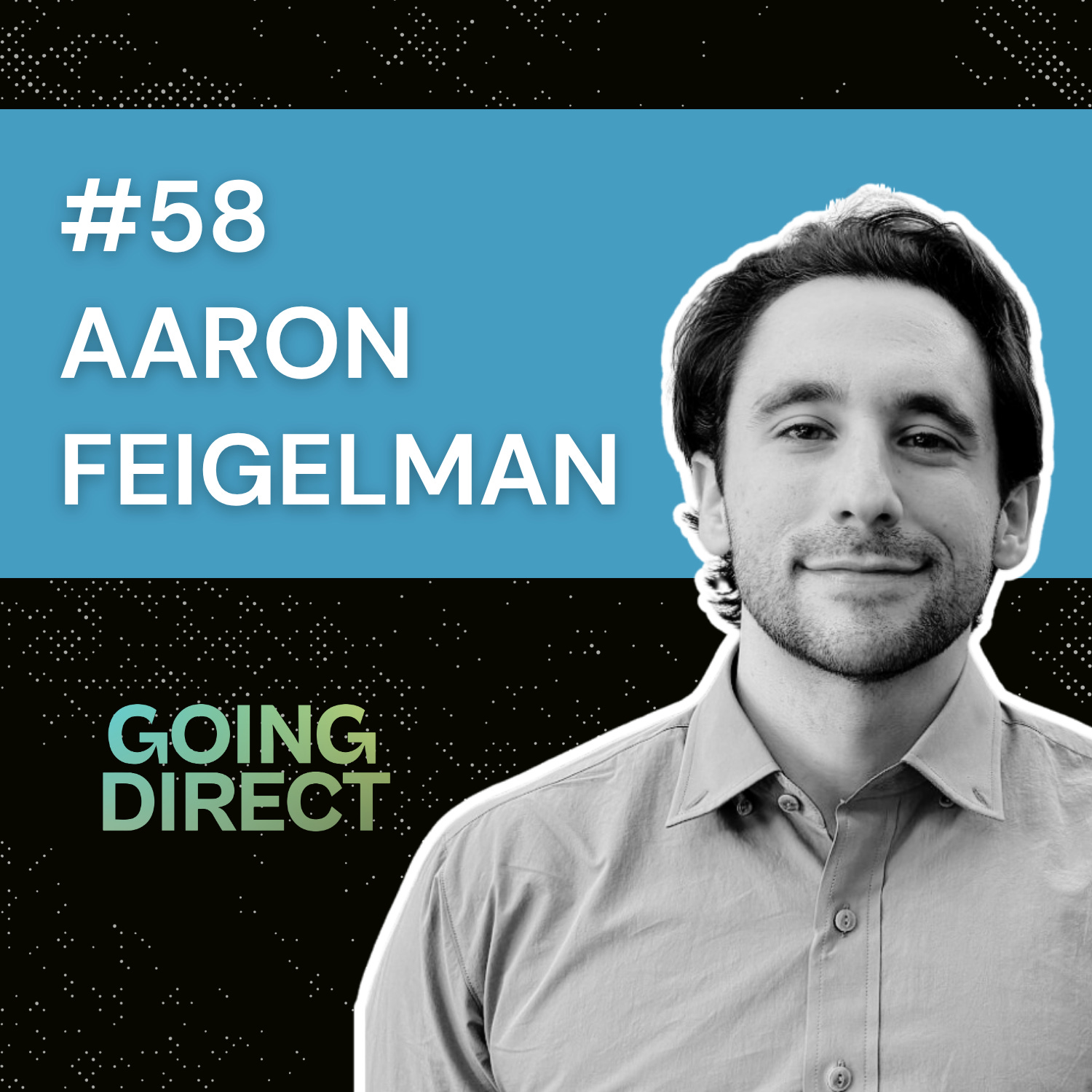
#58 Aaron Feigelman: A New Model for Food Distribution in America
Mar 3101:05:28Tap to summarizeI sit down with Aaron Feigelman, the head of food systems at Cultured Supply, to discuss the hidden monopoly of broadline food distributors and the need to reimagine wholesale food distribution from the ground up. We discuss why the current supply chain forces suppliers to kill the nutrients in our food, High Pressure Processing (HPP) technology, and how the company we’ve been incubating, CS Juice, is using AI to build a decentralized distribution network for food service.Enjoy!Watch/listen on YouTube, Spotify, or Apple PodcastsRecording date: March 25, 2026Chapters00:00 Introduction03:19 Aaron's Interest In Improving The US Food System05:12 Taking A Full-Stack Approach07:23 Introducing CS Juice?10:54 Understanding Broadline Distribution14:44 High Pressure Processing (HPP) Technology17:17 HPP vs. Heat Pasteurization18:45 HPP Products In The Food Industry20:10 Why New Local Food Distributors Keep Failing26:19 The Production Layer & Vertical Integration30:44 Why Vertical Integration Is Not Common In Food40:24 Importance Of Going Direct42:45 70% Margin Or Die In Traditional Retail45:27 Why Software Alone Doesn’t Work48:56 Americans Pay A Lot For Low Quality Product52:26 Reimagining The Food System From First Principle53:40 Amazon vs Etsy59:28 Customer Service & Building Loyalty* Follow Jordan on X:* https://x.com/jrwolfe* Connect with Aaron:* LinkedIn: https://www.linkedin.com/in/aaronfeigelman/* CS Juice: https://www.csjuice.com/Remember to go direct!JordanP.S. Build with love This is a public episode. If you would like to discuss this with other subscribers or get access to bonus episodes, visit goingdirect.substack.com
Transcribe →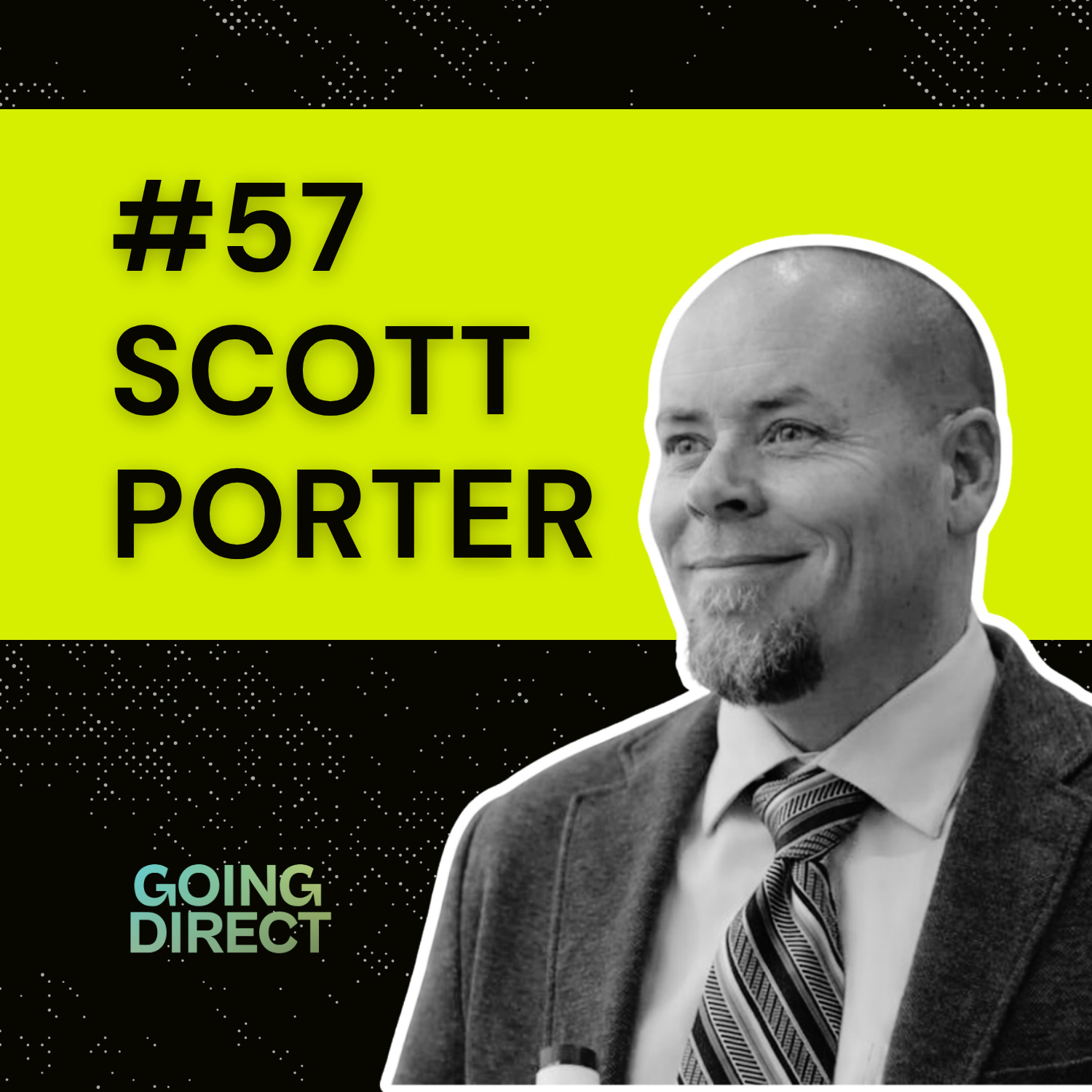
#57 Scott Porter: America Runs on This $80 Billion Industry
Mar 2401:08:31Tap to summarizeI sit down with Scott Porter, founder of Dynamic Green Products (DGP), to unpack an overlooked, unsexy corner of the real economy that literally keeps everything moving: industrial lubricants.Nearly 99% of lubricants today are petroleum-based. They’re part of an old, centralized system built on commodity inputs, distributor choke points, and entrenched incumbent brands.DGP is building high-performance, bio-based lubricants made from American-grown plants and soybeans. They are engineered to be drop-in replacements that outperform petroleum.But this conversation goes beyond oil. It’s about:* Changing how professionals buy lubricants by going direct* Disrupting a distributor-dominated industry* Competing with entrenched incumbents* Rebuilding domestic supply chains from the ground upEnjoy.Listen/watch on YouTube, Spotify, or Apple PodcastsRecording date: January 29, 2026Chapters:00:00 Introduction03:18 What’s Wrong With Industrial Lubricants06:23 Dynamic Green Products Overview11:42 Performance: Why Plants Can Beat Petroleum16:38 People: Operator Health And Safety19:22 Planet: Using American-grown Plants, Not Petroleum20:09 Working With World’s Largest Equipment Brands24:07 Applying The Going Direct Framework To DGP26:11 Pillar #1: Production30:41 Pillar #2: Wholesale Distribution34:30 Amazon vs Bricks-and-Mortar Retail45:49 Pricing Strategies for Bio-Based Products49:02 Supporting American Farmers And Building Domestic Supply Chains54:01 Reconnecting Production And Consumption55:03 Creators And The Future of Buying Lubricants01:01:26 Importance Of Knowing Your Customers01:06:13 Rapid FireFollow Jordan on X:* https://x.com/jrwolfeScott & DGP Links:* Website: https://dgpworks.com* LinkedIn: https://www.linkedin.com/in/scott-porter-a09644b/Remember to go direct!JordanP.S. Build with love This is a public episode. If you would like to discuss this with other subscribers or get access to bonus episodes, visit goingdirect.substack.com
Transcribe →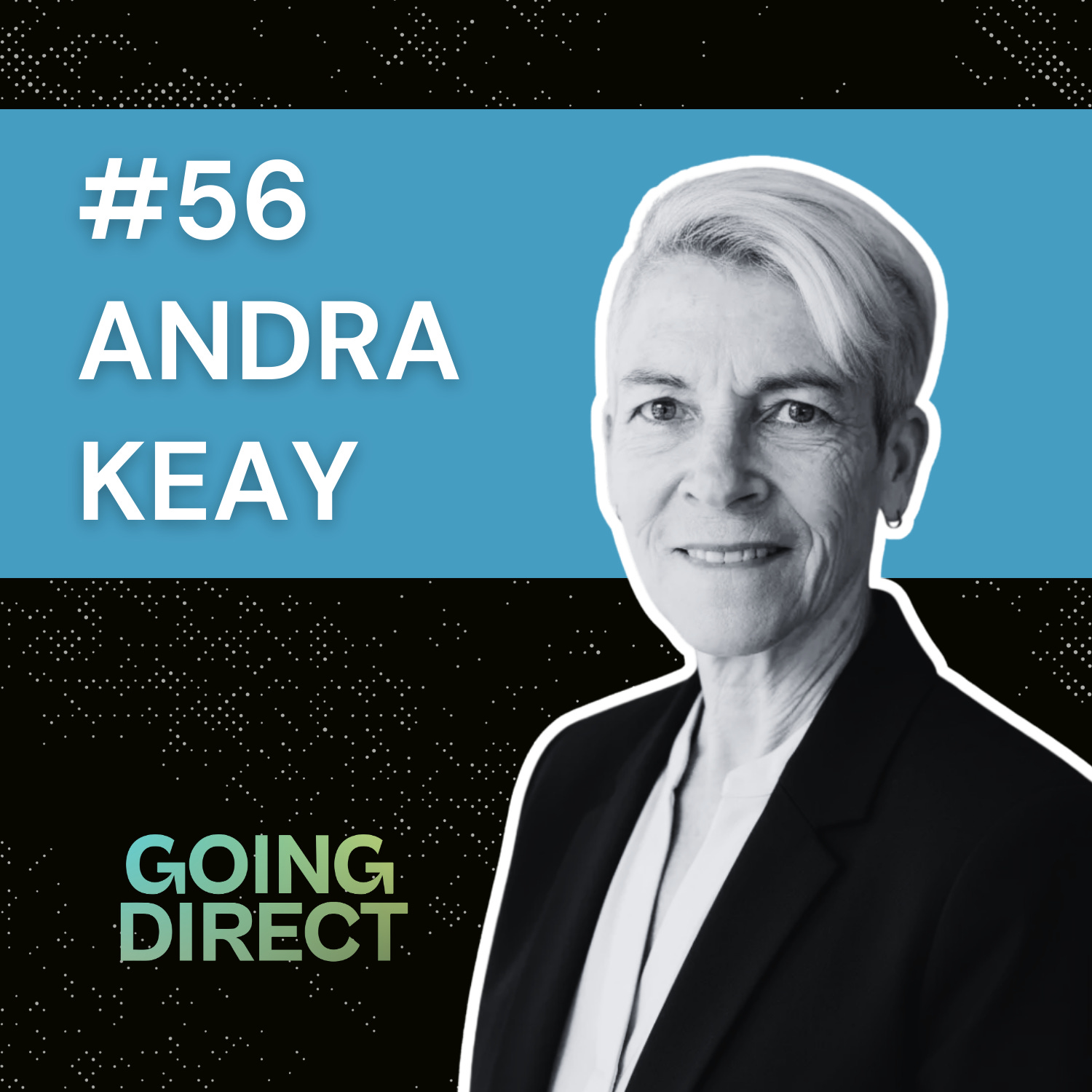
#56 Andra Keay: 5 Ethical Laws of Robotics & The Future of Automation
Mar 1700:53:30Tap to summarizeI sit down with Andra Keay, a researcher on human-robot culture and head of Silicon Valley Robotics. We discuss the importance of ethical design in robotics, why humans form deep emotional bonds with physical machines, her 5 ethical laws of robotics, and how we can design robots that are actually good for humans.Enjoy!Recording date: March 10, 2026Watch on YouTube; listen on Spotify or Apple PodcastsChapters00:00 Introduction01:30 About Silicon Valley Robotics08:49 Designing Robots That Are Good For Humans17:51 Why We Treat Robots Like Humans21:46 Children And Robots25:36 Creating Robots That Emulate Humans30:38 Ethics And Incentive Structures In Robotics34:51 Andra’s Five Laws Of Robotics42:55 Policy And Regulation In Robotics44:26 Community Building In Robotics45:46 Andra’s Work At Singularity University48:48 Rapid FireFollow Jordan on X* https://x.com/jrwolfeConnect with Andra Keay* LinkedIn: https://www.linkedin.com/in/andra-keay* Substack: robotsandstartups@substack.com* Silicon Valley Robotics: https://www.svrobo.org/Remember to go direct!JordanP.S. Build with love This is a public episode. If you would like to discuss this with other subscribers or get access to bonus episodes, visit goingdirect.substack.com
Transcribe →
#55 Toby Shorin: Financialization & The Death Of Culture
Mar 1001:06:07Tap to summarizeI sit down with Toby Shorin, a researcher, writer, and technologist, to discuss his popular essay “Life After Lifestyle.” We dig into why the lifestyle brand era has ended, how culture is being “eaten” by financialization, and why Toby is starting to abandon culture as the main lens for understanding what’s happening now.Enjoy!Recording Date: February 18, 2026Watch on YouTube; listen on Spotify or Apple PodcastsChapters:00:00 Introduction03:36 Understanding The Going Direct Economy05:07 Brands Structure Our Relationships06:09 Life After Lifestyle Article08:37 The Era Of Lifestyle Brands16:31 Culture As A Concept Is Only 200 Years Old17:29 Culture vs. Tradition: A New Perspective20:20 The Financialization Of Everything26:15 Will AI & Robotics Create More Centralization?34:19 Controlling Production = Controlling Minds35:36 Defining The Cultural Production Service Economy36:24 From Making Goods To Making Culture44:21 Why Toby is Abandoning "Culture"48:37 Closing The Door On The Past59:39 Toby's BackgroundFollow Jordan on X:* https://x.com/jrwolfeLinks to Toby’s Work:* Website: https://tobyshorin.com/* Email: toby@otherinter.net* Essay: “Life After Lifestyle”: https://subpixel.space/entries/life-after-lifestyle/* Essay: “After Authenticity”: https://subpixel.space/entries/after-authenticity/Remember to go direct!JordanP.S. Build with love This is a public episode. If you would like to discuss this with other subscribers or get access to bonus episodes, visit goingdirect.substack.com
Transcribe →
#54 Saman Farid: America Doesn’t Have a Robot Problem. It Has a Deployment Problem.
Feb 2401:04:23Tap to summarizeI sit down with Saman Farid, founder of Formic, to get real about what it takes to deploy industrial robots in practice. We go deep into robotics-as-a-service, how we can make manufacturing more productive, and the labor reality for small/medium-sized manufacturers in the United States.If you want a dose of robot reality beyond flashy demo videos, you will enjoy this episode.Among the topics we discuss are:* Deployment gap in the robotics* Hidden labor crisis* Robotics as a Service (RaaS)* China vs U.S. manufacturing culture* How Formic turns automation from CAPEX to OPEX for their customers* Scale through coordination vs consolidationWatch on YouTube; listen on Spotify or Apple PodcastsEnjoy.Recording date: February 11, 2026Chapters:00:00 Introduction01:49 Why Factory Tours Should Be Mandatory09:08 State Of US Manufacturing16:36 Chinese vs American Approach To Manufacturing18:57 The Labor Debate25:40 Breaking Down Robotics-As-A-Service35:37 Importance Of Geographical Density37:47 Financing Automation40:55 Scale Through Coordination vs Control45:45 Challenges In Robotics Adoption51:40 Formic Capital Strategy56:26 Formic Longer-Term Vision58:13 Rapid FireFollow Jordan on X:* https://x.com/jrwolfeConnect with Saman Farid:* X – https://x.com/samanfarid* LinkedIn – https://www.linkedin.com/in/samanfarid/* Website – https://formic.co/Remember to go direct!JordanP.S. Build with love This is a public episode. If you would like to discuss this with other subscribers or get access to bonus episodes, visit goingdirect.substack.com
Transcribe →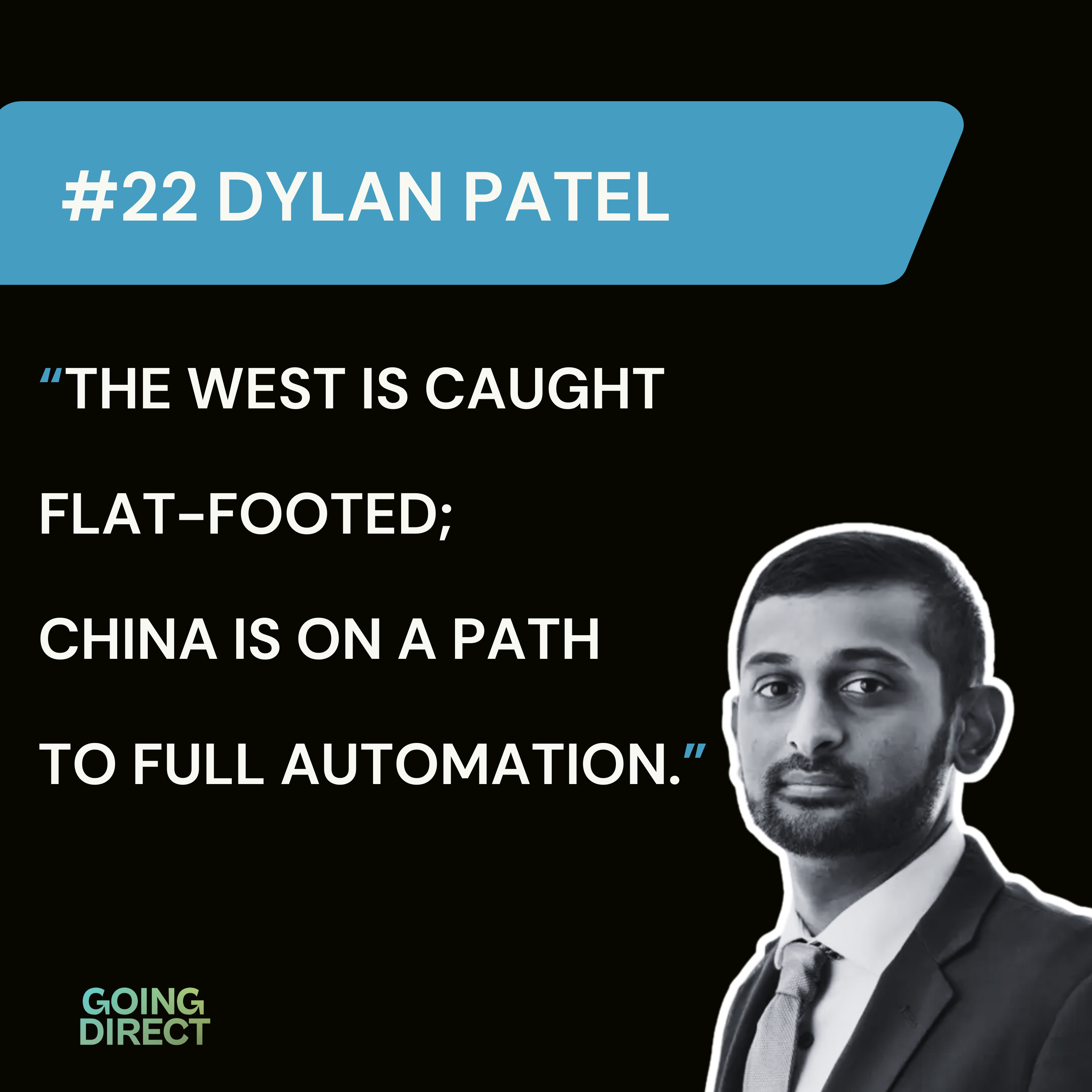
#22 Dylan Patel: China’s Robotics Dominance; AI Infrastructure Breakdown
Jun 22, 2025Tap to summarizeJordan sits down with Dylan Patel, Founder and Chief Analyst at SemiAnalysis, a research and consulting firm specializing in semiconductor and other AI-infrastructure related research. Dylan started SemiAnalysis in 2020 and has built the business from a solo venture into a cohesive, highly focused team of more than 30 researchers.In this conversation, Dylan shares his version of AI Infrastructure for Dummies, how he runs his research firm differently, and how China is dominating the robotics and industrial supply chains. Follow Jordan on X: @jrwolfeLinks to Dylan’s Work:SemiAnalysis WebsiteSemiAnalysis Robotics Report: America’s Missing New Labor Economy – Robotics Pt. 1Follow Dylan on X: @dylan522pChapters:00:00 Introduction01:12 What Is A Semiconductor And Why It Is So Important04:09 Understanding AI Infrastructure Stack09:20 Is AI Progress Really Moving That Fast?13:35 How SemiAnalysis Organizes Its Research Team19:12 SemiAnalysis Origins And Recent Developments23:59 Using AI In Their Own Processes25:58 Entering An AI-First World29:20 Why China Is Winning The Robotics Race35:45 Industrial Policy And Supply Chain Challenges41:55 Training Data For Robotics and The Coming FlywheelSubscribe & Follow:Monthly newsletter on substack – Going DirectListen on Spotify – https://spoti.fi/3SjDliK Listen on Apple Podcasts – https://apple_GoingDirect/3EOYsqaSubscribe to YouTube for more conversations on AI and the infrastructure that will create a more decentralized future. This is a public episode. If you would like to discuss this with other subscribers or get access to bonus episodes, visit goingdirect.substack.com
Transcribe →