
Podcast
ID4U - Infectious Disease Podcasts for Users of the CMES program
Hosted by Jessica Pelletier · EN
Techies Without Borders (TWB) is a non-profit organization that aims to deliver high-quality CME to low- and middle-income countries (LMIC) where there are significant cost and internet access barriers for clinicians to stay up-to-date. Our program is currently established in 19 countries, serving 13,000 doctors who care for more than 20+ million patients. Our primary content delivery method is via the Continuing Medical Education Solutions (CMES) and CMES-Pi, a small computer at each site that automatically downloads content from our cloud-based server each month. The content includes podcasts and written summaries from Emergency Medicine Reviews and Perspectives (EM:RAP-GO), emDocs.net, Don’t Forget the Bubbles, and the World Health Organization (WHO), Life in the Fast Lane, and EM Cases. There is also point-of-care ultrasound content donated by Alfred Health and emergency medical services (EMS) content donated by the MCHD Paramedic Podcast. The CME material is geared toward EM, but all specialties will find useful content. New content for other specialists is being added. We are also able to upload local CME materials. The content from the Pi can be transferred to an app so that users can access material remotely without the need for the internet. You can learn more about our initiatives here:
https://techieswithoutborders.us/
One resounding theme of user feedback that there is not enough ID content on our server relevant to LMIC. IDs are the most common causes of death in these parts of the world. There is also a disparity in publication and scholarship among authors in the “global North” compared with the “global South.” In response to these perceived needs, we have developed an ID podcast mini series consisting of interviews with CMES participants in areas of their expertise. These podcasts are uploaded to the CMES audience before being made available to the pubvlic.
The dual purpose of this podcast is to tailor the content on the CMES server to the needs of our users and to provide digital scholarship opportunities for our partners in the global South.
Please note that generative AI is used to assist in formulating podcast scripts. The authors take full responsibility for the content of this podcast series.
27episodes
Episodes
Newest firstAll episodes
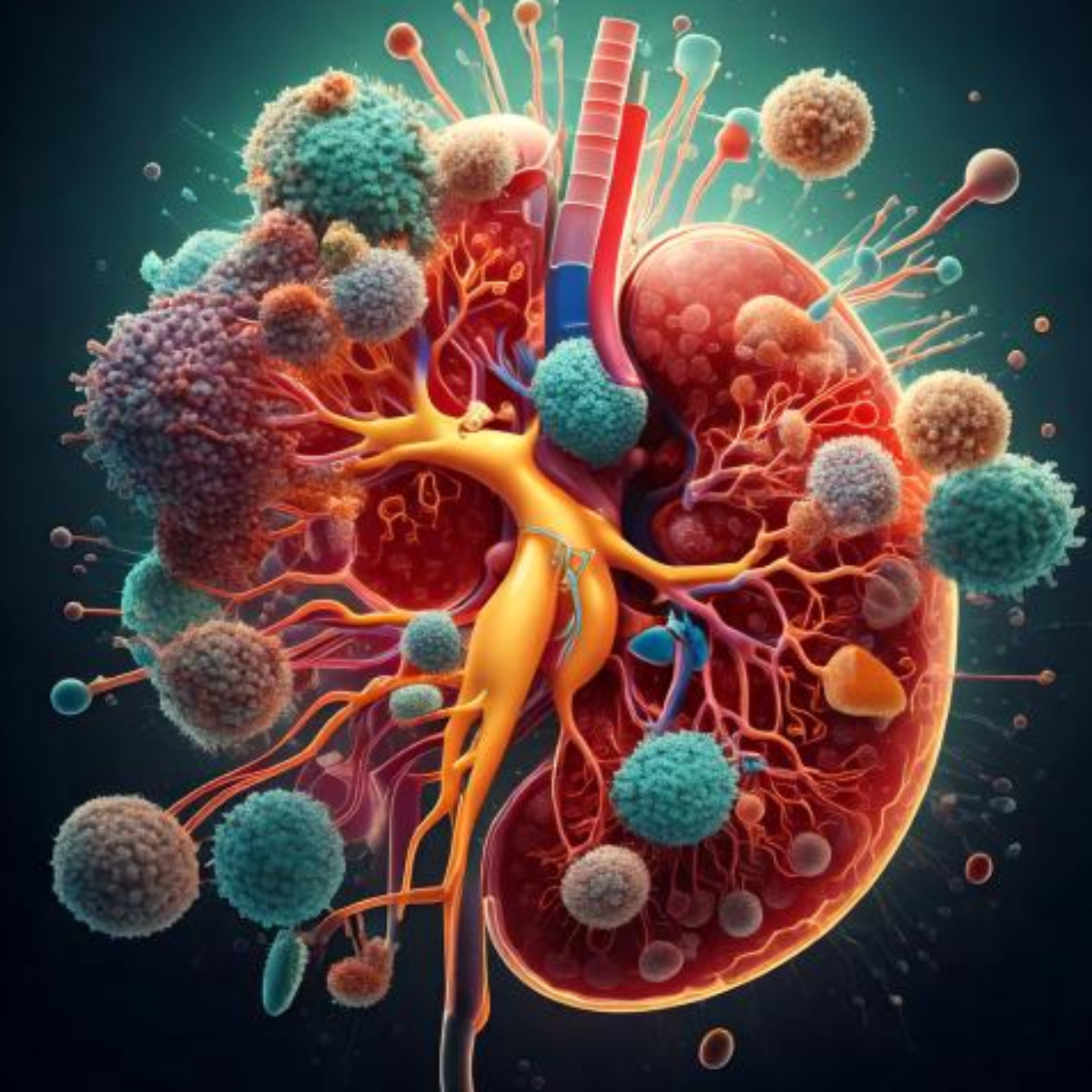
ID4U Episode 7 Tropical Infections and CKD Part 1
Jan 1, 202500:18:36Tap to summarizeDr. Jessica Pelletier speaks with Dr. Emmanuel Effa, a nephrology expert, about tropical infections in chronic kidney disease (CKD) patients.Take-Home Points:CKD and particularly end-stage kidney disease (ESKD) impose significant morbidity and mortality.Early recognition and management of CKD is critical to prevent progression to ESKD.Numerous tropical infections can increase the risk for AKI, CKD, and ESKD.Management typically involves treatment of the underlying infectious cause.You can view the full show notes and references here: https://docs.google.com/document/d/1p1u-TU5-lrlLcunm_MxNd0fJHdpaHPHuin9j_dTRUgQ/edit?usp=sharingEpisode art attribution: image generated using Adobe Firefly
Transcribe →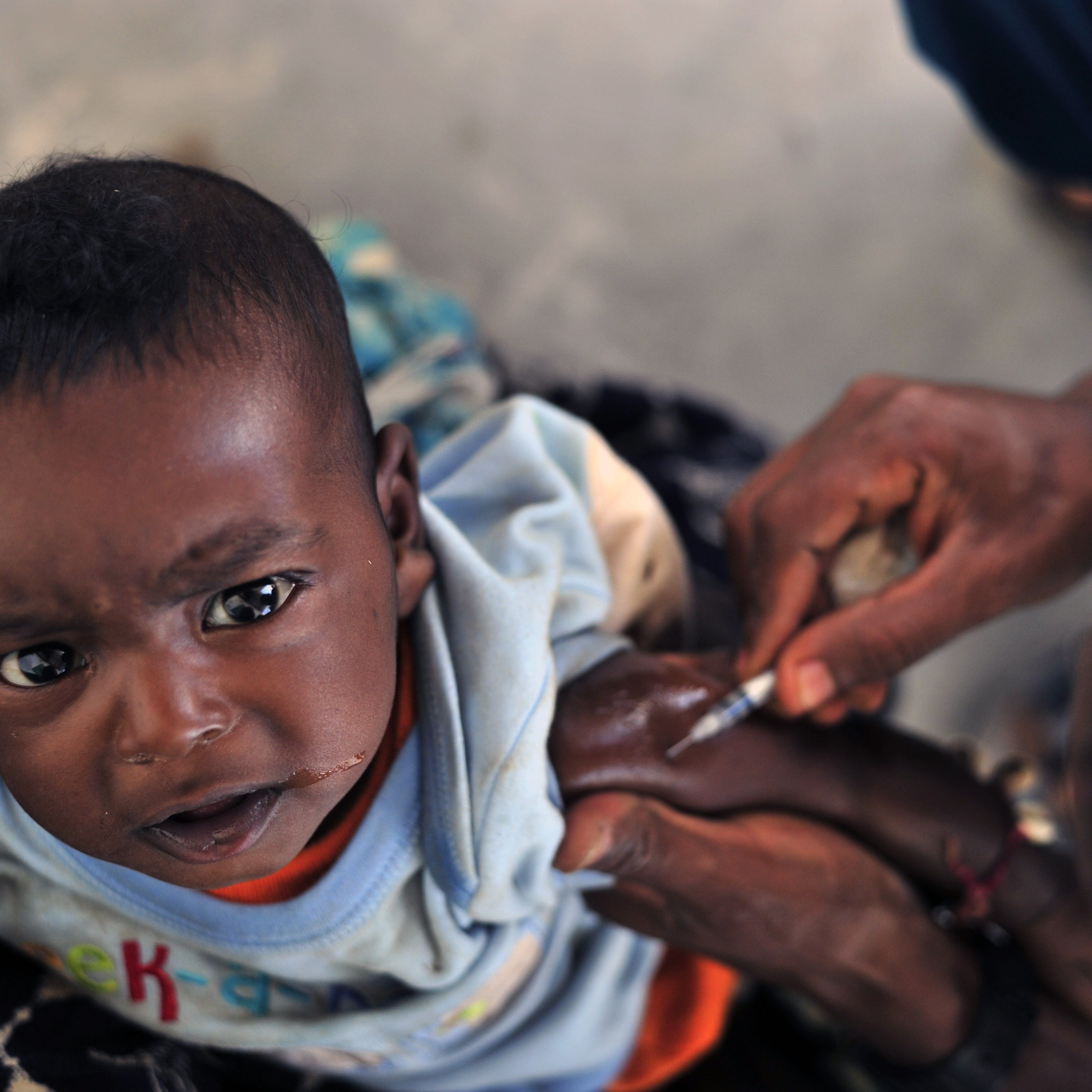
ID4U Episode 6 Malaria Vaccines
Dec 16, 202400:28:21Tap to summarizeDr. Jessica Pelletier speaks with Dr. Ly Cloessner, a public health expert, about current malaria vaccines and the rollout processTake-Home Points:Malaria can cause severe symptoms requiring emergency care and lead to significant morbidity and mortality worldwide.Malaria prevention includes the use of bednets, insecticide spraying, and antimalarial medications, especially for pregnant women and children in high-transmission areas.Since 2019, the WHO has prequalified two malaria vaccines: R21/Matrix-M and RTS,S/AS01 (Mosquirix). Additional vaccines are in development.You can view the full show notes and references here: https://docs.google.com/document/d/17ekkrvrRj4MP1Hiyjh2XTE5_-S69zkqFbdQz3jY6nOQ/edit?usp=sharingEpisode art attribution: David Mark, CC0, via Wikimedia Commons. https://upload.wikimedia.org/wikipedia/commons/d/df/Vaccination_of_a_child.jpg
Transcribe →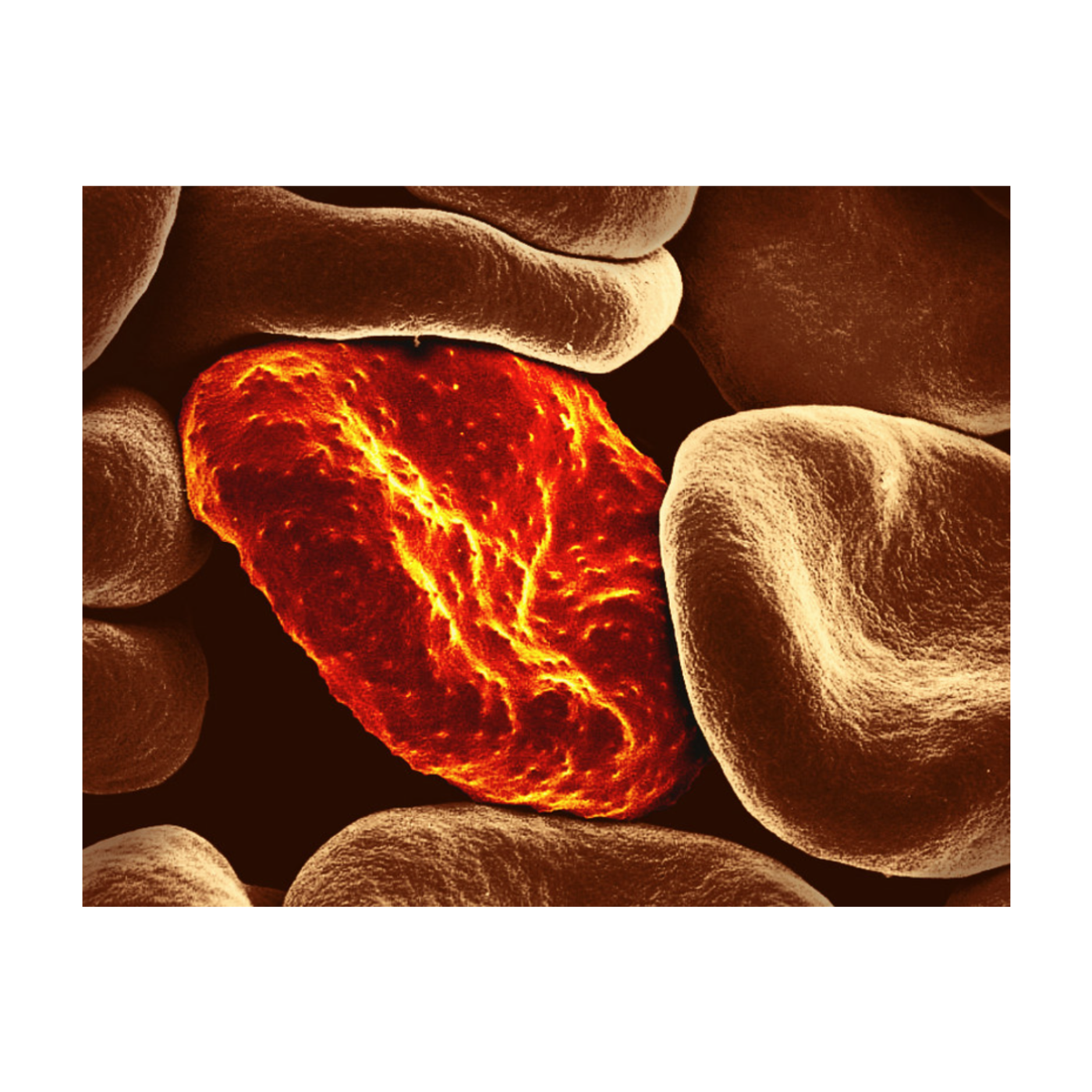
ID4U Episode 5 Severe Malaria
Aug 28, 202400:20:39Tap to summarizeDr. Jessica Pelletier speaks with Dr. Emmanuel Effa, a malaria expert, about diagnosing and managing severe malaria in the emergency setting.Take-Home Points:Severe malaria is characterized by parasitemia plus 1 or more of the severe features we discussed - basically, signs of organ damageKids are at higher risk of getting and dying from thisThese folks will often need resuscitation from an ABCDE standpointEarly recognition and aggressive antimalarial treatment is essentialPatients should be treated with broad-spectrum antibiotics until bacterial infection is ruled outYou can view the full show notes and references here: https://docs.google.com/document/d/13vX2HxiTH9_hCzAyQz-aHztHOqYmMU8vDE2itz4tXsc/edit?usp=sharingEpisode art attribution: NIAID. Red Blood Cell Infected with Malaria Parasites.; 2023. Accessed August 28, 2024. https://www.flickr.com/photos/niaid/52845764644
Transcribe →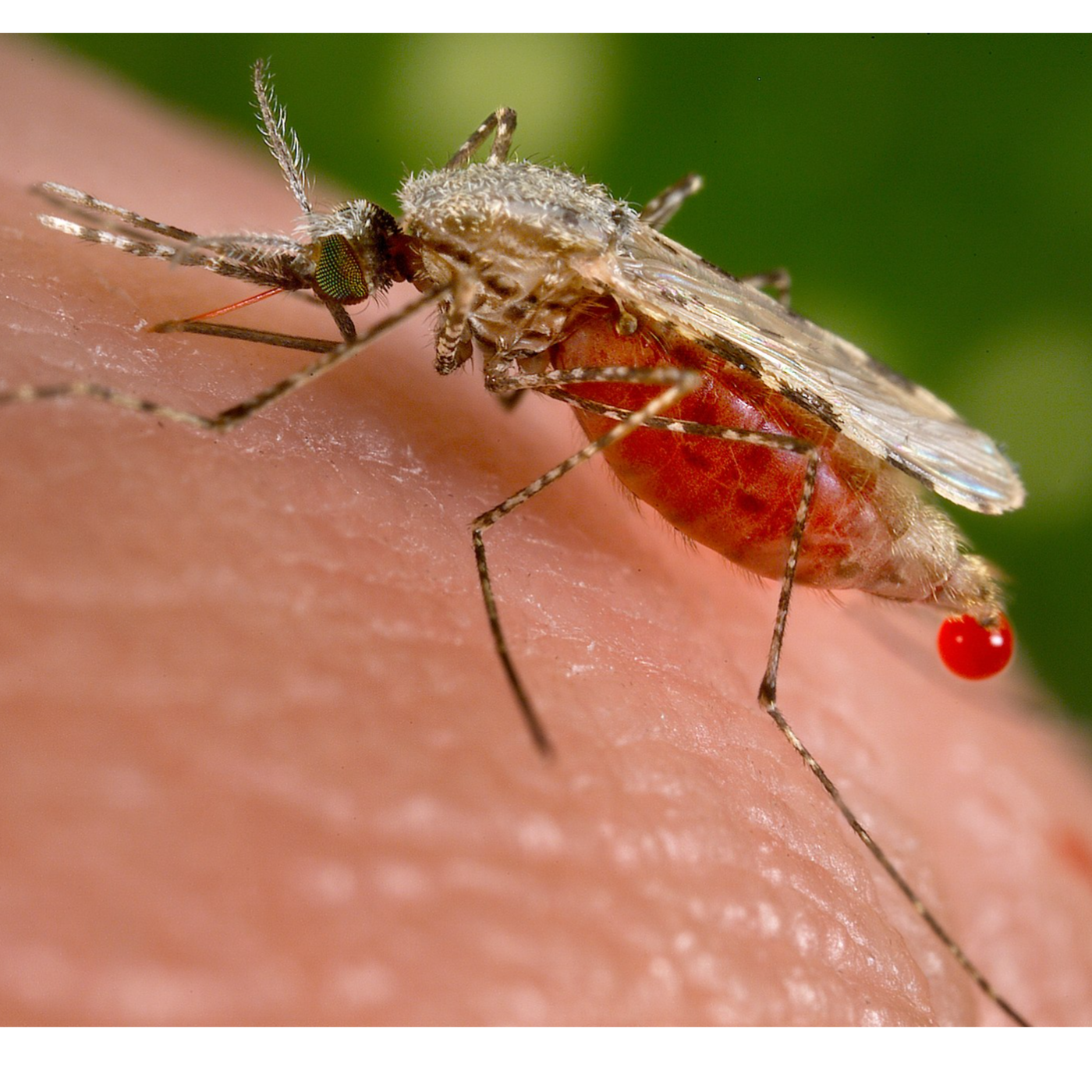
ID4U Episode 4 Malaria
Jul 13, 202400:15:56Tap to summarizeDr. Jessica Pelletier speaks with Dr. Brit Long, who recently published a review article on malaria for emergency clinicians, about uncomplicated malaria infection. Take-Home Points: Malaria is a highly prevalent disease worldwide that causes millions of cases and hundreds of thousands of deaths, though improving prevention strategies are helping mitigate thisMalaria can be asymptomatic, uncomplicated, or complicated; we covered uncomplicated malaria todayUncomplicated malaria may come with fevers, which are usually cyclical, as well as flu-like symptomsDiagnosis is made using RDT or blood smear, though a smear is ideal for determining parasite burden and the infecting speciesTreatment should be guided by local guidelines and protocols, which take into account resistance patternsMost first-line antimalarials are well-tolerated, and uncomplicated malaria usually has a good prognosis when treated appropriatelyPrevention strategies include avoiding, blocking, and killing mosquitoes; chemoprophylaxis; and vaccines, where availableYou can view the full show notes and references here: https://docs.google.com/document/d/1t2z8OMLm6hmOMBrsAlp-vAFWDVsXkh6otCL-Qvh8jhM/edit?usp=sharing
Transcribe →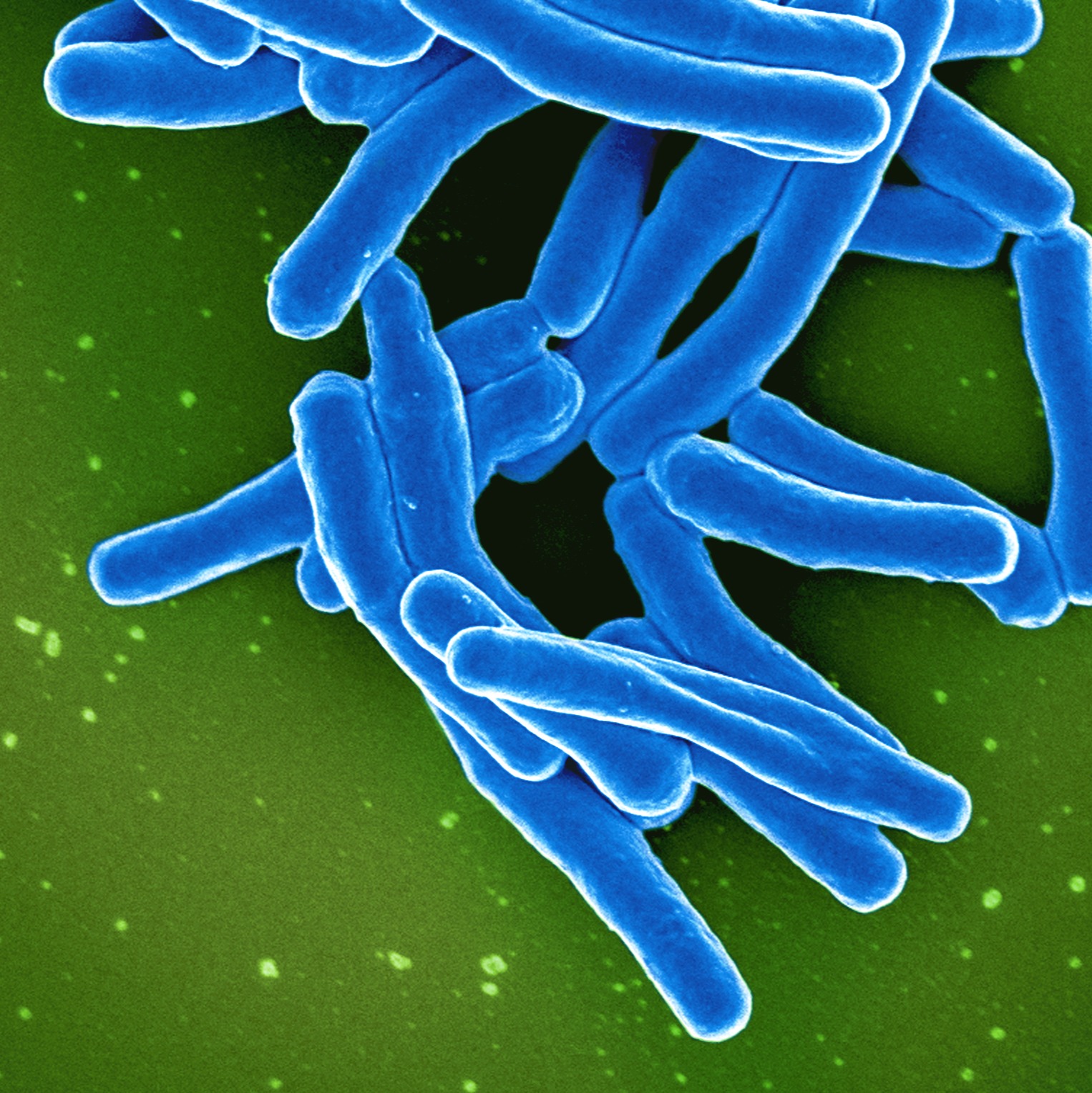
ID4U Episode 3 Tuberculosis Part 2
Jun 3, 202400:24:31Tap to summarizeIn Part 2, Dr. Jess Pelletier speaks with Dr. Moses Kitakule about tuberculosis (TB) complications, including pulmonary and extrapulmonary emergencies and serious side effects of anti-TB medications.Take-Home Points:There are a number of life-threatening pulmonary emergencies that can occur in active or latent TB patients due to structural lung changes, and we need to be ready to manage themExtrapulmonary TB can impact any organ system, but some of the most dangerous emergencies to be aware of include: CardiacCardiac tamponade 2/2 pericarditis with effusionMyocarditis/sudden cardiac deathIncreased risk of coronary artery disease/acute coronary syndromeAortitisNeurologicMeningitisTuberculomasSpinal tuberculous arachnoiditisIncreased risk of ischemic strokeHematologicDecreased cell lines, TTP, coagulopathyGI Bowel obstruction/perforationPeritonitisTuberculous appendicitisOsteoarticularOsteomyelitisSeptic arthritisFirst-line anti-TB drugs can be quite toxic, with the most concerning emergencies including seizures, hepatoxicity, hematologic emergencies, life-threatening rashes, optic neuritis, and pneumonitisYou can view the full show notes and references here: https://docs.google.com/document/d/1ubGVR3i9lab1MM7NgXMjeORhQ-jFQt6C51R-9xI1VW4/edit?usp=sharing
Transcribe →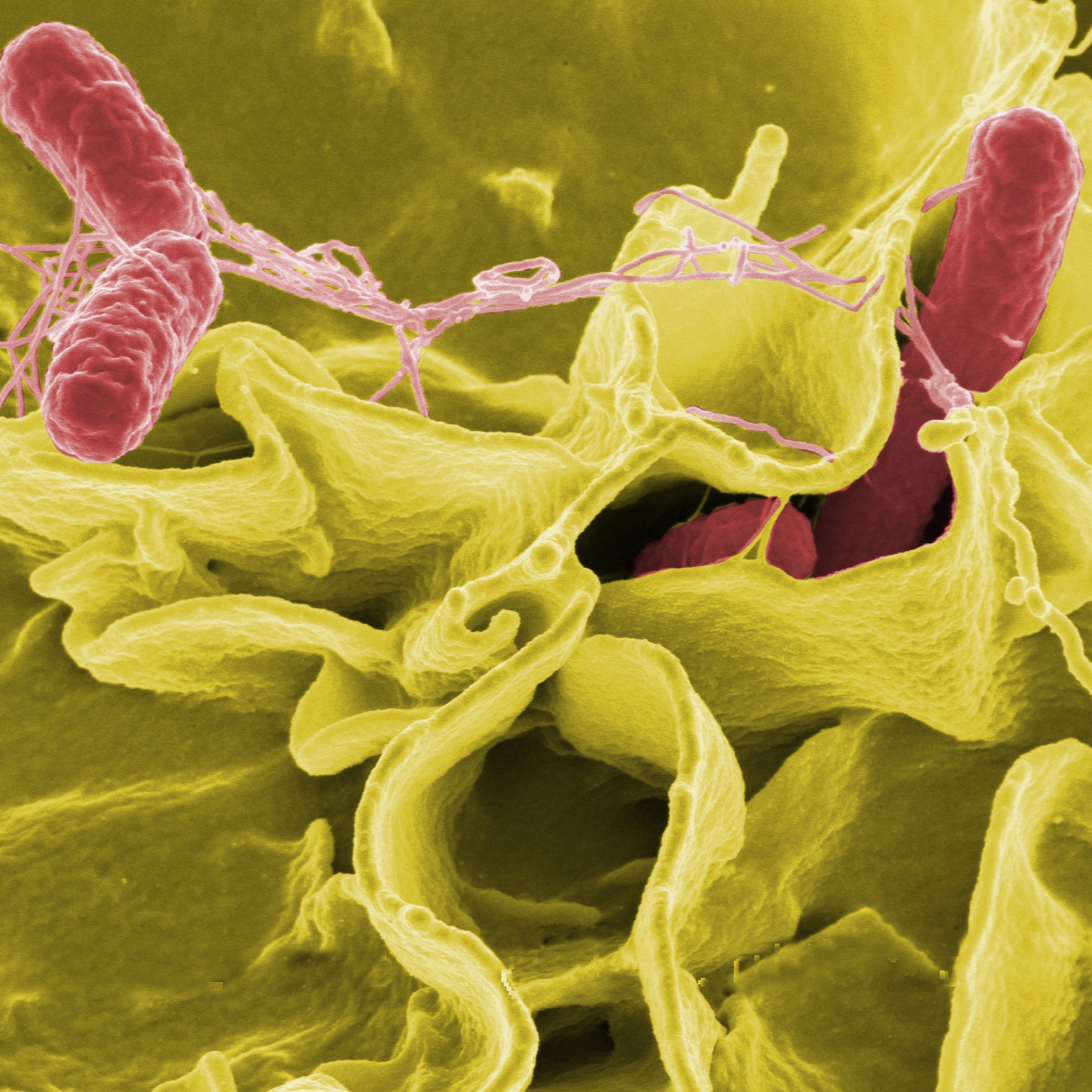
ID4U Episode 2 Typhoid Fever
May 14, 202400:15:47Tap to summarizeIn this episode, Dr. Jess Pelletier speaks with Dr. Emmanuel Effa about typhoid fever.Take-Home Points:Typhoid fever is endemic in settings with water and sanitation issuesIn other places, it is more commonly imported from overseas when people visit endemic areasTypically, infected people present with varying degrees of fever, fatigue, headaches, abdominal pains and constipation/diarrhea. It can run a severe course that leads to deathDiagnosis is based on clinical features and cultures of bone marrow, blood, stool or urineTreatment is guided by local protocols dependent on antimicrobial sensitivity patternsVaccines are available and are reasonably effective.Overall, promoting access to safe water ensuring adequate sanitation; promoting hygiene among food handlers and typhoid vaccination are effective in preventing typhoid feverYou can view the full show notes and references here: https://docs.google.com/document/d/15yGRZV8UpQEKcFIwSFnCOGEl1uE77wlFP3T7tpm-YFc/edit?usp=sharing
Transcribe →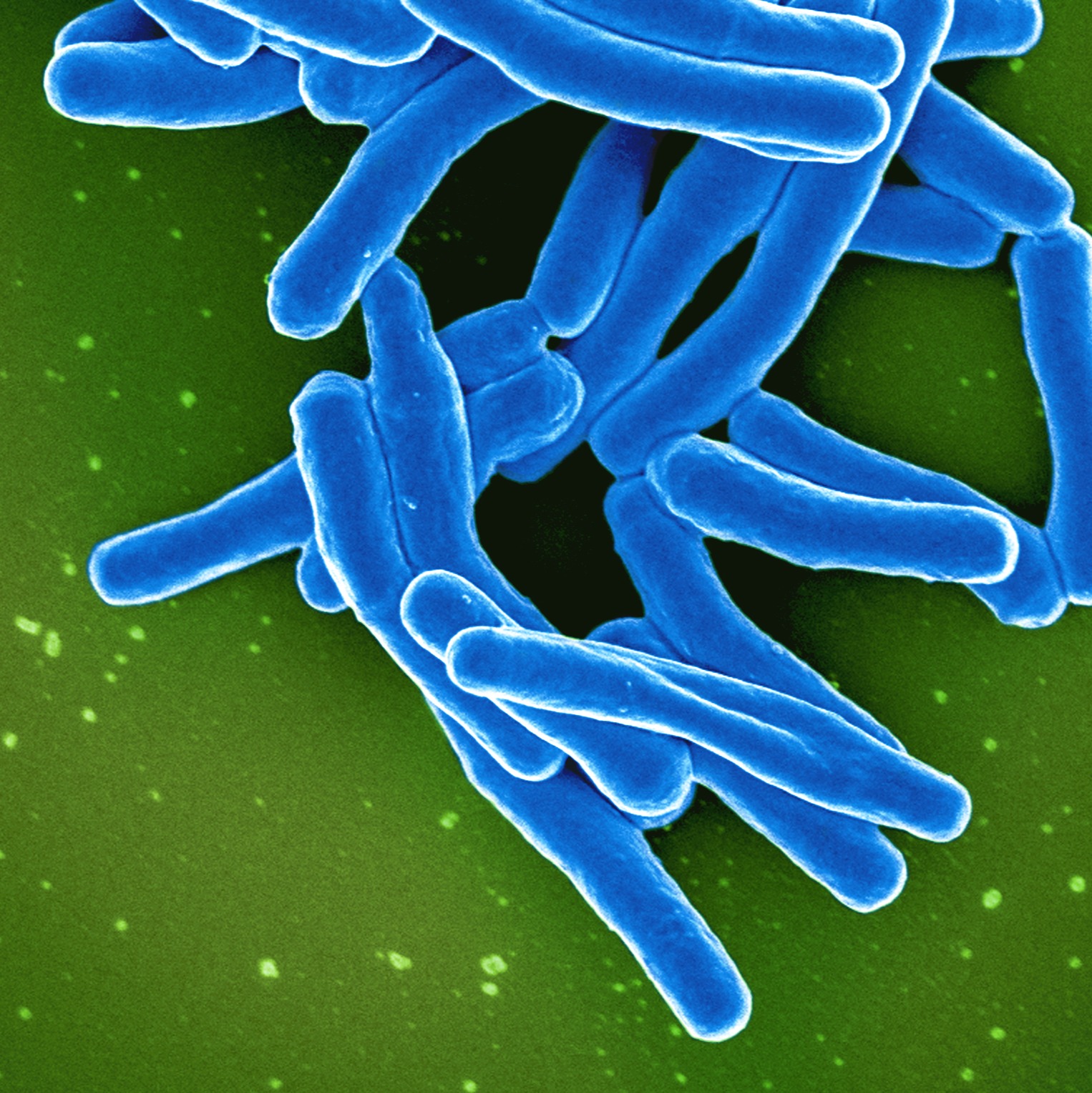
ID4U Episode 1 Tuberculosis Part 1
Apr 18, 202400:14:21Tap to summarizeIn Part 1, Dr. Jess Pelletier speaks with Dr. Moses Kitakule about tuberculosis: epidemiology, pathophysiology, and diagnosis. Take-Home Points: TB is a pathogen impacting only humans which infects about ⅓ of the globe Most cases of TB are latent and asymptomatic, but TB can reactivate at any time, particularly if a host becomes immunocompromised or highly exposed to TBPatients with active pulmonary TB may have fevers, night sweats, weight loss, cough lasting more than 3 weeks, hemoptysis, dyspnea, or fatigue, but older adults and those with immune compromise may be asymptomatic or present atypicallyImaging abnormalities on chest x-ray, POCUS, or CT should be seen in active TB (but not always in immunocompromised hosts)Diagnostic testing in the ED should involve sending sputum AFB smear and culture, as well as a NAAT, which may help make the diagnosis more rapidlyMiliary TB patients may need targeted testing of other body fluidsProtecting staff and other patients is criticalYou can view the full show notes and references here: https://docs.google.com/document/d/1xrs7Yy5bAtSp8F2Esale44DKY3gRkiVwQiioQjAoNHI/edit?usp=sharing
Transcribe →