
Podcast
Interesting Times with Ross Douthat
Hosted by New York Times Opinion · EN
The first draft of our future. Mapping the new world order through interviews and conversations. Every Thursday, from New York Times Opinion.
Subscribe today at nytimes.com/podcasts or on Apple Podcasts and Spotify. You can also subscribe via your favorite podcast app here https://www.nytimes.com/activate-access/audio?source=podcatcher. For more podcasts and narrated articles, download The New York Times app at nytimes.com/app.
107episodes
Episodes
Newest firstAll episodes
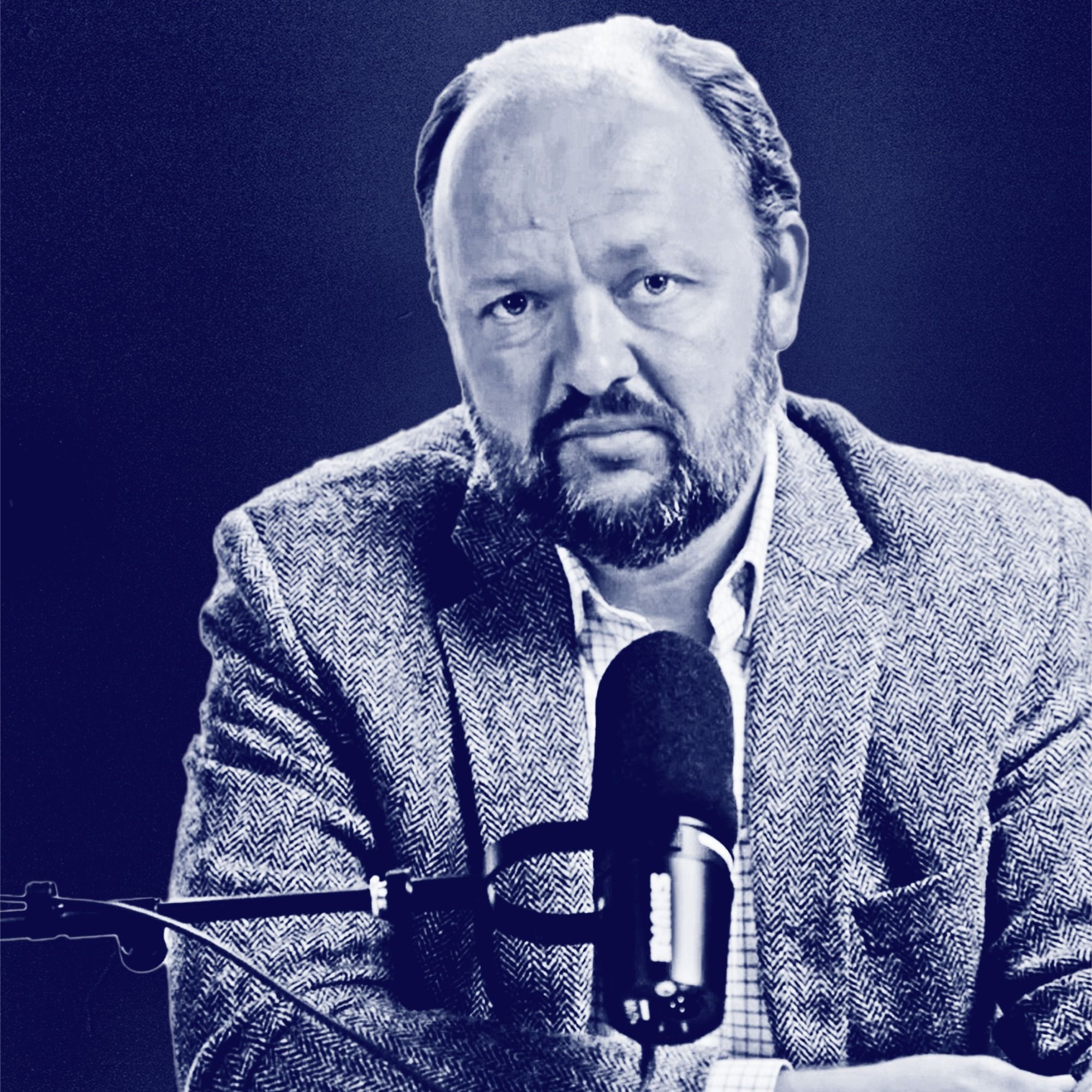
I was set to interview Charlie Kirk. Then he was assassinated.
Sep 1100:08:23Summary readyIn moments of political shock and horror, where can we turn? Ross was supposed to interview Charlie Kirk next month for the show and now offers his reflections on Kirk, his political movement and his assassination.(A full transcript of this episode is available on the Times website.)Thoughts? Email us at interestingtimes@nytimes.com. Please subscribe to our YouTube Channel, Interesting Times with Ross Douthat. Unlock full access to New York Times podcasts and explore everything from politics to pop culture. Subscribe today at nytimes.com/podcasts or on Apple Podcasts and Spotify.
Summary
Does the Future Belong to China?
Sep 401:05:17Summary readyIs the United States still a worthy opponent for China? In this episode, Ross Douthat talks to Dan Wang, the author of “Breakneck: China’s Quest to Engineer the Future,” about the alarming speed at which China is able to build and could blow America out of the water.01:44 - “A life full of ease and beauty”05:30 - Rule by engineers11:00 - China’s Technological Mastery16:04 - Is autocracy driving innovation?25:00 - What are the real stakes of the competition?35:47 - How could China fail? 53:00 - Advice for America(A full transcript of this episode is available on the Times website.)Thoughts? Email us at interestingtimes@nytimes.com. Please subscribe to our YouTube Channel, Interesting Times with Ross Douthat. Subscribe today at nytimes.com/podcasts or on Apple Podcasts and Spotify. You can also subscribe via your favorite podcast app here https://www.nytimes.com/activate-access/audio?source=podcatcher. For more podcasts and narrated articles, download The New York Times app at nytimes.com/app. Hosted by Simplecast, an AdsWizz company. See pcm.adswizz.com for information about our collection and use of personal data for advertising.
Summary
The MAGA Woman Dress Code
Aug 2800:20:08Summary readyWhile “Interesting Times” is on vacation, we’re sharing a conversation from “The Opinions” between Meher Ahmad, an editor for Times Opinion, and the Opinion writer Jessica Grose. They talk about the aesthetics of MAGA women — think Kristi Noem and Nancy Mace — and what they signal about femininity and power within the Republican Party. Thoughts? Email us at interestingtimes@nytimes.com. Please subscribe to our YouTube Channel, Interesting Times with Ross Douthat.A full transcript of this episode is available on the Times website. Subscribe today at nytimes.com/podcasts or on Apple Podcasts and Spotify. You can also subscribe via your favorite podcast app here https://www.nytimes.com/activate-access/audio?source=podcatcher. For more podcasts and narrated articles, download The New York Times app at nytimes.com/app.
Summary
Ross and Ezra Klein Discuss Trump, Mysticism and Psychedelics
Aug 2101:36:12Summary readyThis week, we’re sharing a great conversation Ross had on “The Ezra Klein Show” this past spring. Ezra asks Ross about his most recent book, “Believe: Why Everyone Should Be Religious.” But along the way, they debate not just how religion influences the Trump administration but also their own lives. Come for their seeking and stay for their thoughts on ayahuasca and mystical encounters.02:39 - Trump: man of destiny?19:55 - Political power, cruelty and Godliness36:13 - Religion and spirituality in the modern world42:53 - The mysteries of the universe…48:38 - Aliens! Fairies! (and some Catholic history)56:51 - Contending with uncertainty and evil1:05:24 - Psychedelic experiences1:20:56 - Official knowledge1:38:58 - Book recommendationsThoughts? Email us at interestingtimes@nytimes.com. Please subscribe to our YouTube Channel, Interesting Times with Ross Douthat.A full transcript of this episode is available on the Times website. Unlock full access to New York Times podcasts and explore everything from politics to pop culture. Subscribe today at nytimes.com/podcasts or on Apple Podcasts and Spotify.
Summary
Is Trump a Test or Triumph for Democracy?
Aug 14, 202500:55:37Summary readyFor Democrats, President Trump’s victories have revealed the antidemocratic flaws at the core of our government. But could it be an opening for a constitutional revolution as the party searches for its next leader?This week, Ross explores what that revolution would entail with Osita Nwanevu, the author of the book, “The Right of the People: Democracy and the Case for a New American Founding.”3:46 - What's wrong with our democracy? 9:07 - Our undemocratic founding 17:00 - The case for more U.S. states and a new constitution23:52 - Where economic reform fits into this problem 29:26 - Does Trump represent the will of the people?37:17 - What Trump’s presidency says about democracy40:30 - The elusive Bernie Sanders moment 46:29 - The mystical element of our politicsThoughts? Email us at interestingtimes@nytimes.com.A full transcript of this episode is available on the Times website. Unlock full access to New York Times podcasts and explore everything from politics to pop culture. Subscribe today at nytimes.com/podcasts or on Apple Podcasts and Spotify.
Summary
Silicon Valley Wants to Optimize Your Children’s Genes
Aug 7, 202501:03:05Summary readyWould you use an algorithm to select your embryos? Enter Orchid, a company that promises parents the ability to protect their future children through genetic testing for embryos before pregnancy. The founder, Noor Siddiqui, and Ross debate the scientific, moral and ethical implications of designing a “healthy” child and what we lose in separating reproduction from sex.01:27 - Orchid’s vision04:59- The process and benefits17:20 - Noor explains why Orchid was developed22:00- Criticism and skepticism around genetic screening36:21 - Does IVF need to change?44:00 - “The moral status of the embryo”53:36 - How does this technology change us?(A full transcript of this episode is available on the Times website.)Thoughts? Email us at interestingtimes@nytimes.com. Please subscribe to our YouTube Channel, Interesting Times with Ross Douthat. Unlock full access to New York Times podcasts and explore everything from politics to pop culture. Subscribe today at nytimes.com/podcasts or on Apple Podcasts and Spotify.
Summary
The DOGE Alum Asking if Foreign Aid Is America’s Problem
Jul 31, 202500:47:33Summary readyDoes America have a moral obligation to the world? The former Department of Government Efficiency staffer Jeremy Lewin, now deputy administrator for the United States Agency for International Development, explains how he is implementing President Trump’s foreign aid philosophy and what it means for humanitarian assistance going forward.01:59 - From the private sector to interviewing with Elon Musk09:18 - The rapid restructuring of U.S.A.I.D.19:44 - Lewin’s critiques of U.S.A.I.D.’s focus25:15 - The most controversial cuts: humanitarian aid 29:50 - America’s interests first, values-based interests second40:14 - What is the future vision for foreign aid?(A full transcript of this episode is available on the Times website.)Thoughts? Email us at interestingtimes@nytimes.com. Please subscribe to our YouTube Channel, Interesting Times with Ross Douthat. Subscribe today at nytimes.com/podcasts or on Apple Podcasts and Spotify. You can also subscribe via your favorite podcast app here https://www.nytimes.com/activate-access/audio?source=podcatcher. For more podcasts and narrated articles, download The New York Times app at nytimes.com/app.
Summary
When U.F.O.s Become Religion
Jul 24, 202500:59:41Summary readyU.F.O.s, fairies and abductions! This week, Ross talks to Diana Walsh Pasulka, a professor of religious studies, about how a deep dive into Catholic archives led her down a path to unravel the connections between religion, extraterrestrial encounters and government secrecy.01:53 - How Pasulka’s religious studies led to the U.F.O. debate06:08 - Modern U.F.O. encounters and telepathic communication13:29 - What are the actual beliefs of the U.F.O. community?19:28 - Whistleblowers and government contradictions31:35 - Angels, demons and “actual things in the sky”45:38 - Disclosure52:51 - “Amazing.”(A full transcript of this episode is available on the Times website.)Thoughts? Email us at interestingtimes@nytimes.com. Please subscribe to our YouTube Channel, Interesting Times with Ross Douthat. Unlock full access to New York Times podcasts and explore everything from politics to pop culture. Subscribe today at nytimes.com/podcasts or on Apple Podcasts and Spotify.
Summary
She Exposed Epstein, and Shares MAGA’s Anger
Jul 19, 202500:58:38Summary readyJulie K. Brown thinks Jeffrey Epstein didn’t act alone. On this episode of “Interesting Times,” Ross talks to Brown, the investigative reporter whose work ultimately led to Epstein’s re-arrest, about what the government could release that it hasn’t and how the story is bigger than Epstein.2:32 - Brown's initial interest in the Epstein case5:26 - Discovering Epstein's crimes and the plea deal13:13 - Epstein's victims and the impact of Brown's reporting18:20 - Epstein's wealth and connections25:20 - Epstein's social circles35:01 - Certainty and unsolved mysteries45:25 - The role of government in the case51:04 - Trump and the political fallout(A full transcript of this episode is available on the Times website.)Thoughts? Email us at interestingtimes@nytimes.com. Please subscribe to our YouTube Channel, Interesting Times with Ross Douthat. Subscribe today at nytimes.com/podcasts or on Apple Podcasts and Spotify. You can also subscribe via your favorite podcast app here https://www.nytimes.com/activate-access/audio?source=podcatcher. For more podcasts and narrated articles, download The New York Times app at nytimes.com/app.
Summary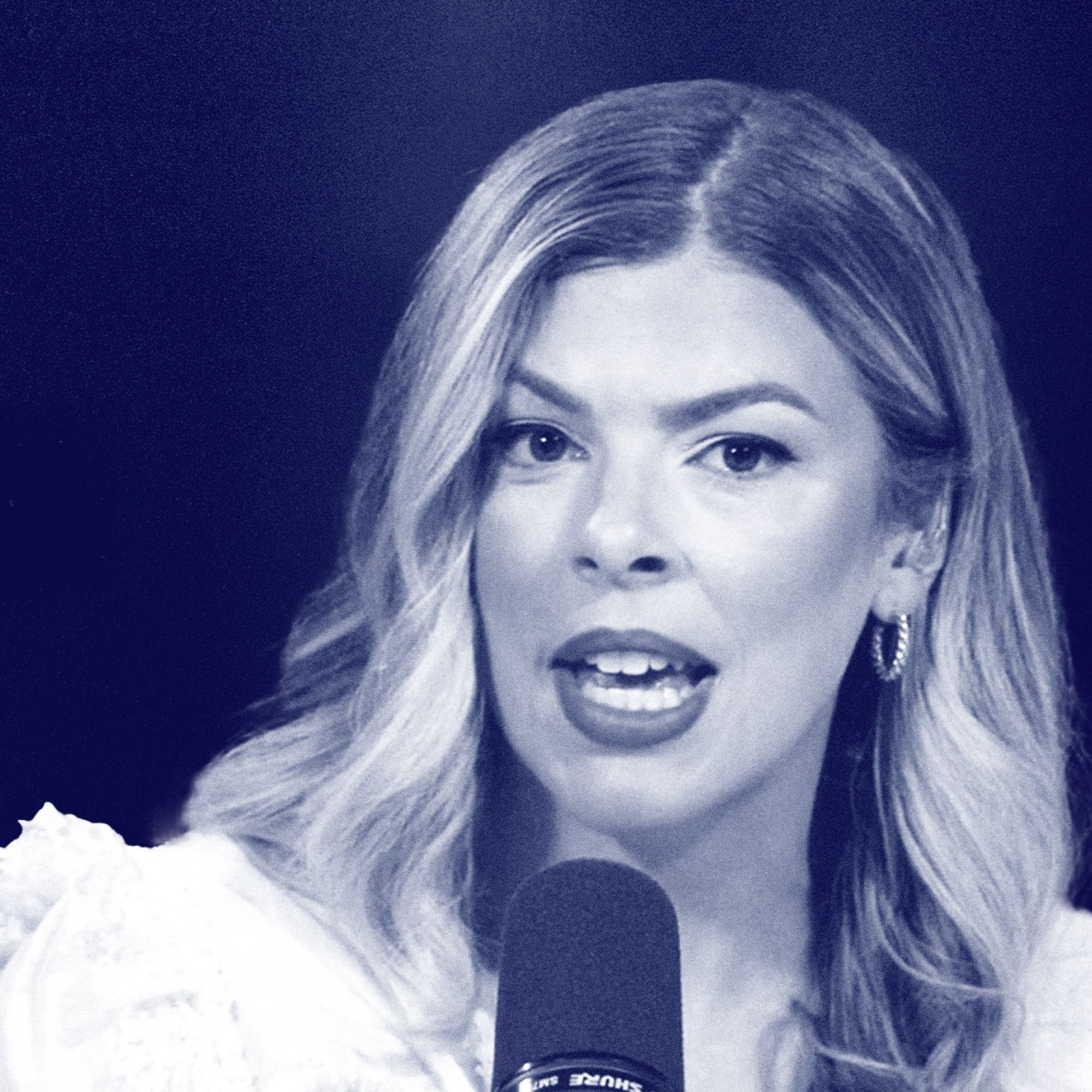
The YouTube Host Defining Conservative Christianity
Jul 17, 202501:03:37Summary readyThe conservative Christian podcaster Allie Beth Stuckey joins Ross on “Interesting Times” this week to explain why “toxic empathy” has a stranglehold on politics, whether evangelical Christians have a red line President Trump could cross and why her commentary has echoes of Phyllis Schlafly.01:26 “The New Phyllis Schlafly”9:46 Untangling the web of Evangelical Protestants15:50 Female authority in the church22:12 What is “toxic empathy”?30:55 Toxic empathy and cruelty in American politics40:19 Do conservative christians have a red line?57:24 “The mushy middle”(A full transcript of this episode is available on the Times website.)Thoughts? Email us at interestingtimes@nytimes.com. Unlock full access to New York Times podcasts and explore everything from politics to pop culture. Subscribe today at nytimes.com/podcasts or on Apple Podcasts and Spotify.
Summary