Podcast
KBKAST
Hosted by KBI.Media · EN
Unlike every other security podcast, we don’t get stuck down in the technical weeds. Our remit is to speak with experts around the globe at the strategic level – how security technology can improve the experience and risk optimisation for every organisation.
The Voice of Cyber® - In Partnership with Vanta
44episodes
Episodes
Newest firstAll episodes
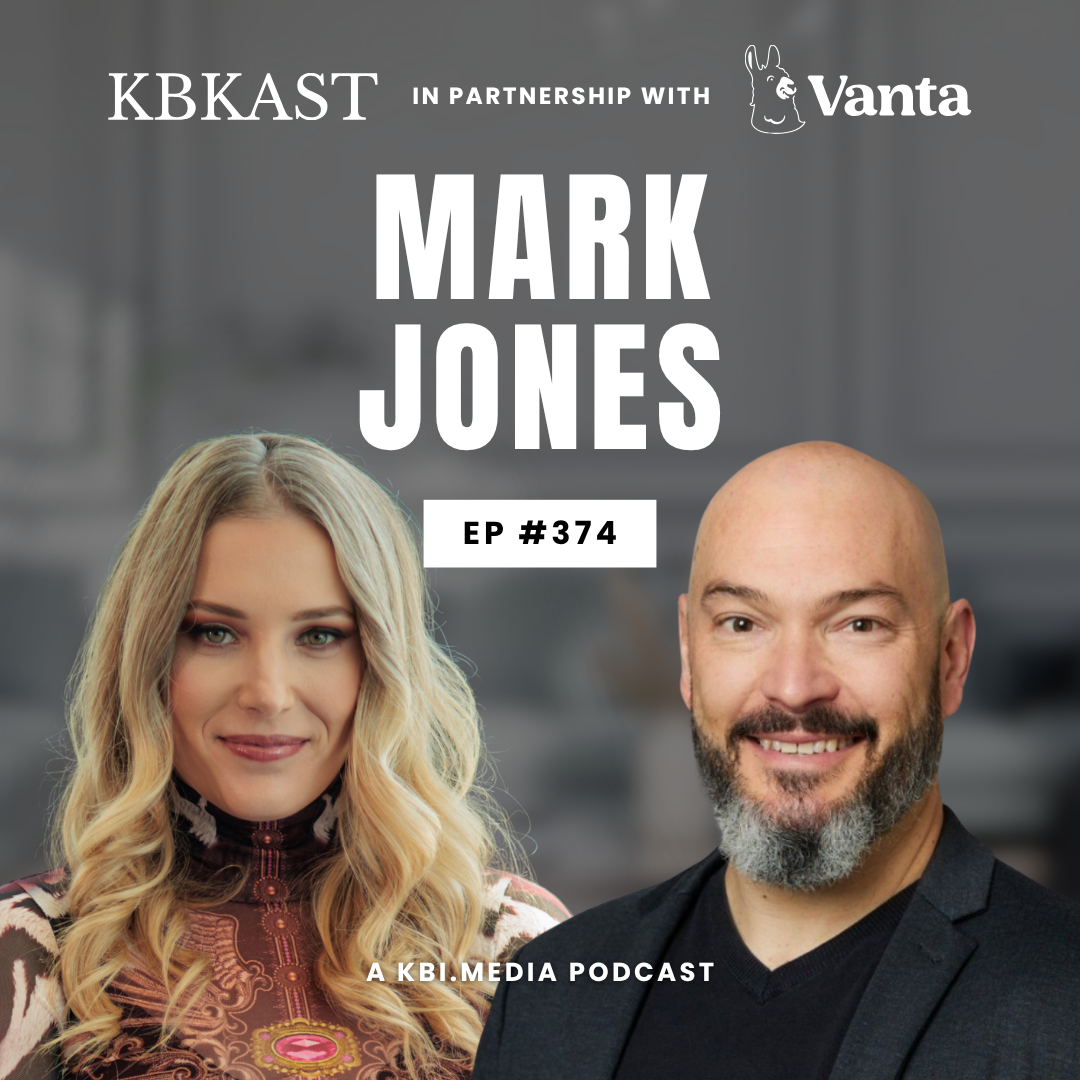
Episode 374 Deep Dive: Mark Jones | The Department of No Is Over - Why Cyber Has to Lead AI Adoption
Jul 100:40:07Summary readyMark Jones is Co Founder of MosaicalAI and has spent more than 25 years working across cybersecurity, technology risk, governance and resilience in complex environments where decisions need to be defensible and the cost of getting it wrong is high. His work sits at the intersection of security, business leadership and change. He helps organisations understand risk, build capability in their people, create practical operating models, and move with confidence when technology is changing faster than traditional governance can keep up. Today, Mark’s work is focused on AI. At MosaicalAI, he helps Australian organisations rebuild how teams work for the agentic era. His view is that every team runs on three things: people, technology and data, but most teams are still operating on a model built before AI. MosaicalAI maps how a team works today, builds the agentic version beside it, then rebuilds it with them. Mark’s approach is AI native and cybersecurity driven. He does not start with tools or generic productivity use cases. He starts with the team, the workflow, the data, the controls, the risks and the decisions that matter. The goal is practical AI capability that the organisation owns, understands and can govern. Cybersecurity is MosaicalAI’s first proof point because it is where AI adoption gets real quickly. Cyber teams already understand risk, evidence, accountability, control and resilience. When they use AI to improve triage, reporting, exposure management, control mapping, evidence gathering and decision support, they are better placed to guide safe AI adoption across the broader business. Mark believes AI cannot simply be bolted onto an organisation. It needs ownership, guardrails, evidence, accountability, resilience and control from day one. He is a Certified Information Security Manager and Certified Information Systems Security Professional, combining practical executive experience with globally recognised security credentials.
Summary
From Cisco Live 2026 Las Vegas - KB On The Go | Agents, Attacks, and the Invisible Threat
Jun 2900:34:07Summary readyRecorded at Cisco Live 2026 in Las Vegas, where 20,000 operators, engineers and executives gathered at Mandalay Bay to shape the future of networking, AI and cybersecurity. KB sits down with two Cisco security leaders on the front lines of agentic AI. Peter Bailey, SVP and GM of Cisco Security, breaks down why the security frameworks built over the last 20 years weren’t designed for machine-speed agents, and what governance actually needs to look like now. Then Amy Chang, Head of AI Threat Intelligence and Security Research, reveals how adversarial attacks are moving beyond text into images and audio in ways that are invisible to the human eye but not to your agents. Key topics: agentic AI governance, prompt injection and jailbreaks, multimodal attack vectors, MCP security gaps, identity in AI environments, security by design, and the post-Mythos threat landscape.
Summary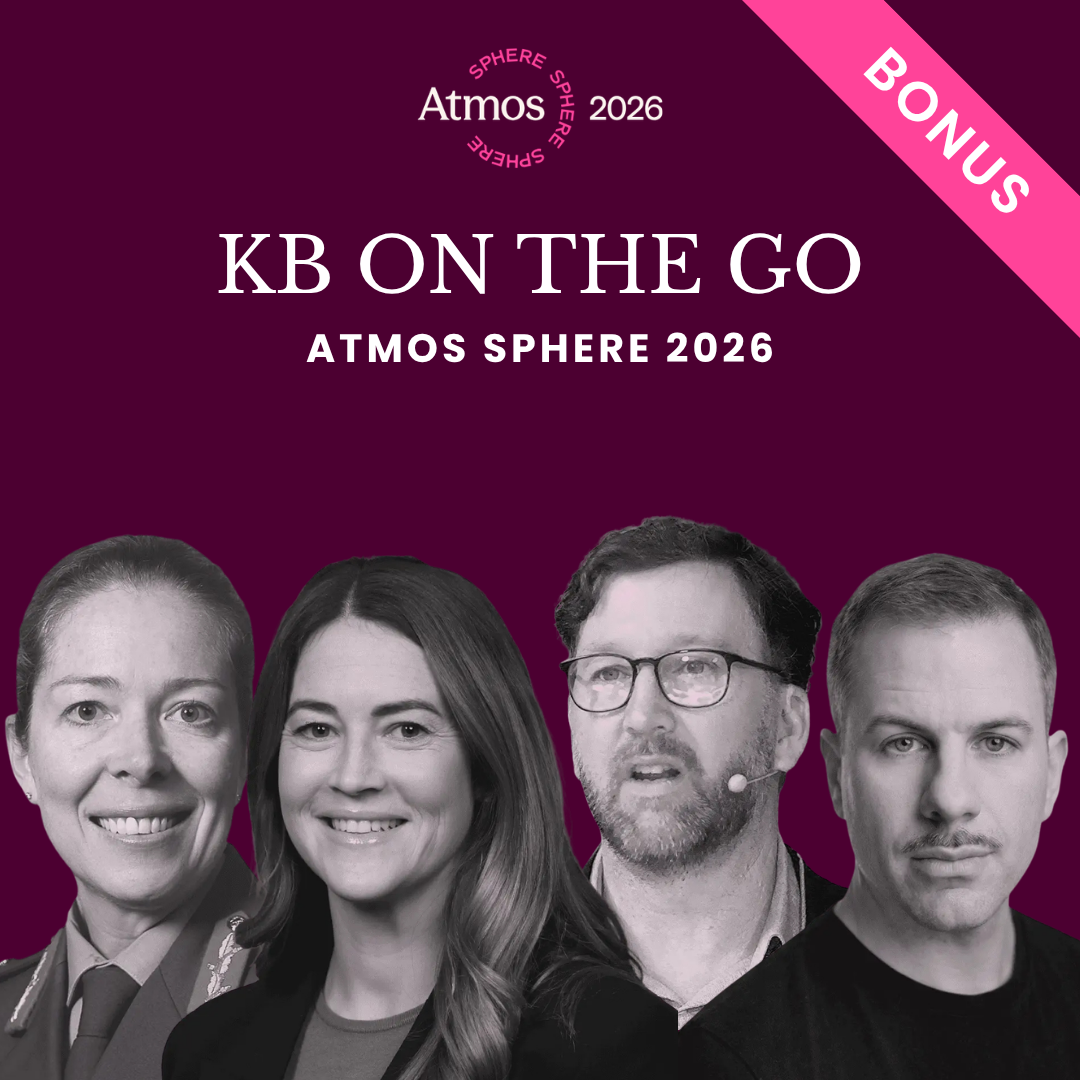
From Atmos SPHERE 2026 - KB On The Go | Everyone's Business: Cyber Resilience from Government to Ground Level
Jun 2600:40:15Summary readyKB grabs the mic backstage at SPHERE 2026 by Atmos for two conversations that couldn’t look more different on the surface, but end up pointing at the same thing: where cyber threats really come from, and who’s pushing back. First up, KB sits down with Lieutenant General Michelle McGuinness, Australia’s National Cybersecurity Coordinator, and Steph Way, Director of the National Office of Cybersecurity. They get into what those 60 actions under Horizon 1 actually delivered, how limited use legislation is changing the way businesses talk to government after an incident, and why cyber resilience can’t just sit with the technical few — it has to be something every Australian feels some ownership of. Then James Taliento, CEO of AFTRDRK, and Jeremy Kirk, Director of Intelligence at Okta, bring it down to ground level. Cybercrime-as-a-service has made it possible for almost anyone with a internet connection to get in the game, and the latest wave of threat actors isn’t in it for ideology or even the money. It’s the thrill, the bragging rights, and a kind of rockstar lifestyle that’s being actively sold to a younger generation. It’s a candid, practical chat about what all of that means for defenders today.
Summary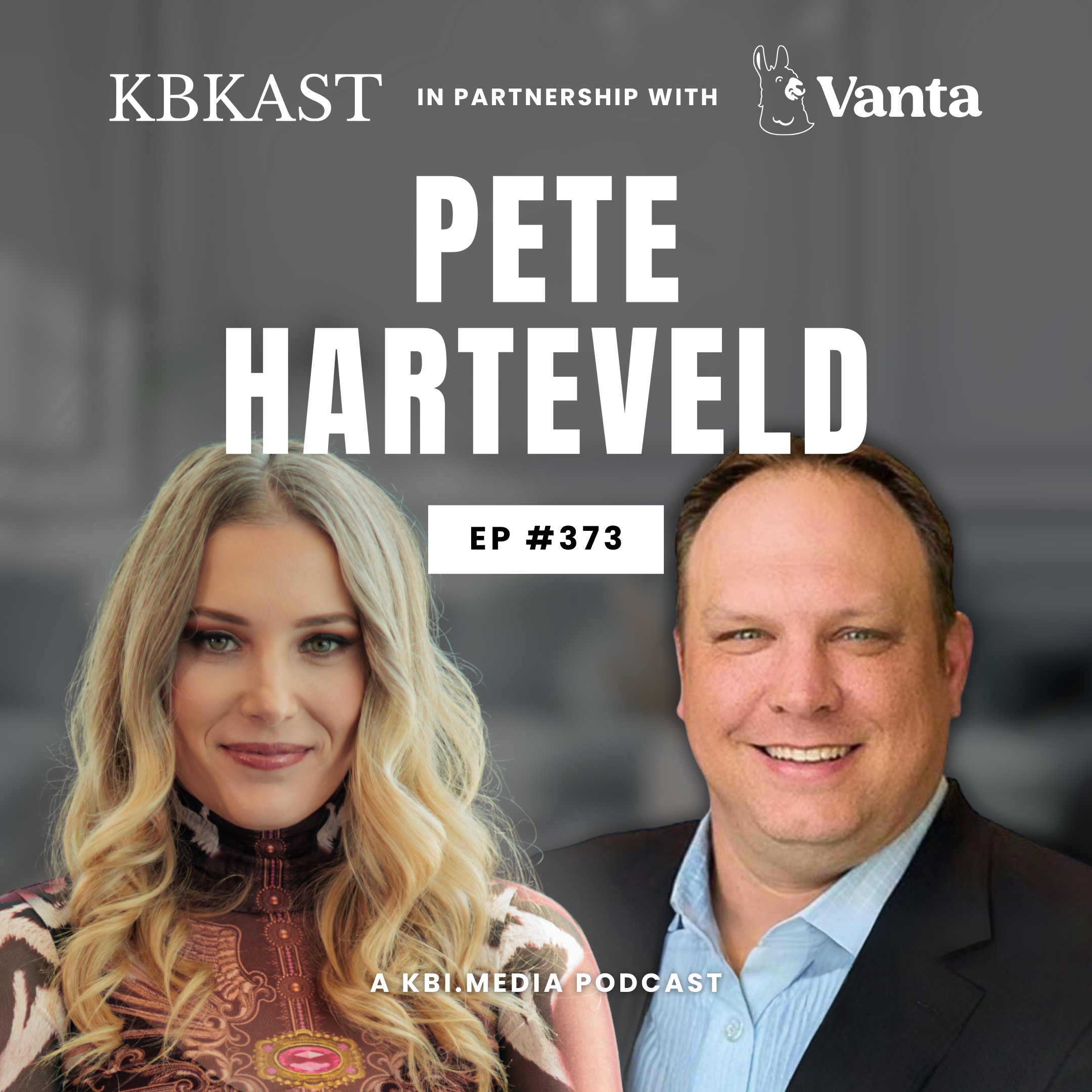
Episode 373 Deep Dive: Pete Harteveld | The Digital Insider - Why Your AI Agents Are the Threat You Didn't Hire
Jun 2400:40:25Summary readyPete Harteveld was appointed CEO of Exabeam in October 2025 and most recently served as the company’s Chief Revenue Officer. He has more than two decades of leadership experience having built a reputation for scaling revenue and building high-performing global teams across the cybersecurity and technology sectors. Pete played a pivotal role in uniting Exabeam and LogRhythm in 2024, leveraging his deep expertise in mergers and acquisitions to drive a seamless integration and maximise stakeholder value. His earlier career included leadership roles at Aryaka, Veracode, Compuware, and Deloitte, where he guided complex integrations, redefined go-to-market strategies, and delivered measurable impact for customers and partners alike. At Exabeam, Harteveld is focused on advancing the mission to secure the world from cyberthreats. His leadership centers on empowering customers with cutting-edge solutions, fostering innovation that drives business outcomes, and cultivating a culture of excellence that inspires teams to achieve their best.
Summary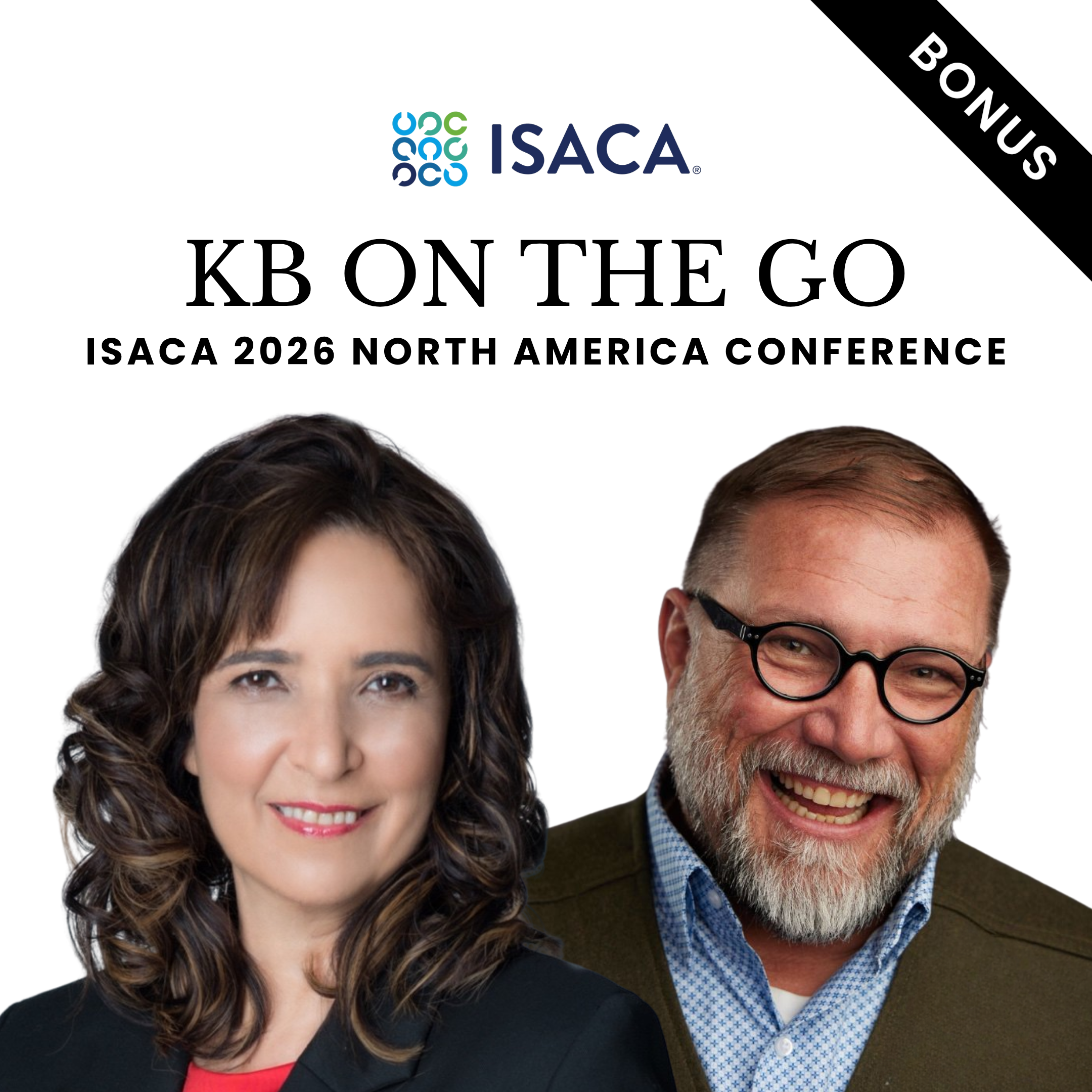
From ISACA 2026 North America Conference - KB On The Go | AI Puts Its Hard Hat On: Agents, ROI, and the Governance Reset
Jun 1900:43:44Summary readyKB is on the ground at the ISACA 2026 North American Conference in Las Vegas, this time for the AI conversation that’s reshaping ROI, risk and governance all at once. Sushila Nair, Independent Information Security Consultant, and President of the ISACA Greater Washington D.C. chapter, opens with the AI ROI question everyone keeps circling. She walks through ISACA’s latest AI Pulse research, explains why last year’s AI was your friend and this year’s AI has put its hard hat on, and breaks down the shift from chatbots to agents that’s finally moving the numbers. One of her clients went from 4 agents in proof of concept to 140 in production this year. She also covers the workforce transformation underneath all of it, who’s getting displaced first, and why automation is the real driver of cost savings. Then Mark Thomas, Founder & President of Escoute Consulting and board advisor and ISACA hall of Fame entrant, joins to talk about what all of this means for governance and risk. He walks through ISACA’s new AAIR certification (Advanced AI Risk), why traditional frameworks aren’t outdated but incomplete, and how concepts like drift, calibration and model cards are becoming non-negotiable. His central argument: accountability has to come before architecture, and you can’t certify a moving target with a static framework. More about ISACA’s AAIR Certification here: https://www.isaca.org/credentialing/aair ISACA® 2026 AI Pulse Poll: https://www.isaca.org/resources/ai-pulse-poll
Summary
Episode 372 Deep Dive: Vincent Lavergne | The Token Economy, Agentic AI, and the Real State of the Market
Jun 1700:35:12Summary readyAs a specialist in networking and software development, Vincent joined the F5 team in France in 2000 as a pre-sales engineer. Having contributed to F5’s growth initially in the French market and South EMEA region, he took on several managerial roles before overseeing from 2018 the EMEA pre-sales teams as the VP of Solutions Engineering for Europe, Middle East, and Africa (EMEA). From 2025, Vincent has been appointed into the role of VP Global AI Leader managing an international team of Global Solutions Architects focused on AI. Vincent holds a degree in network engineering and software development from ESITCOM, and a technical degree in Telecommunications and Network engineering. He speaks at events across the globe about Artificial Intelligence and specifically about performing AI inference at scale.
Summary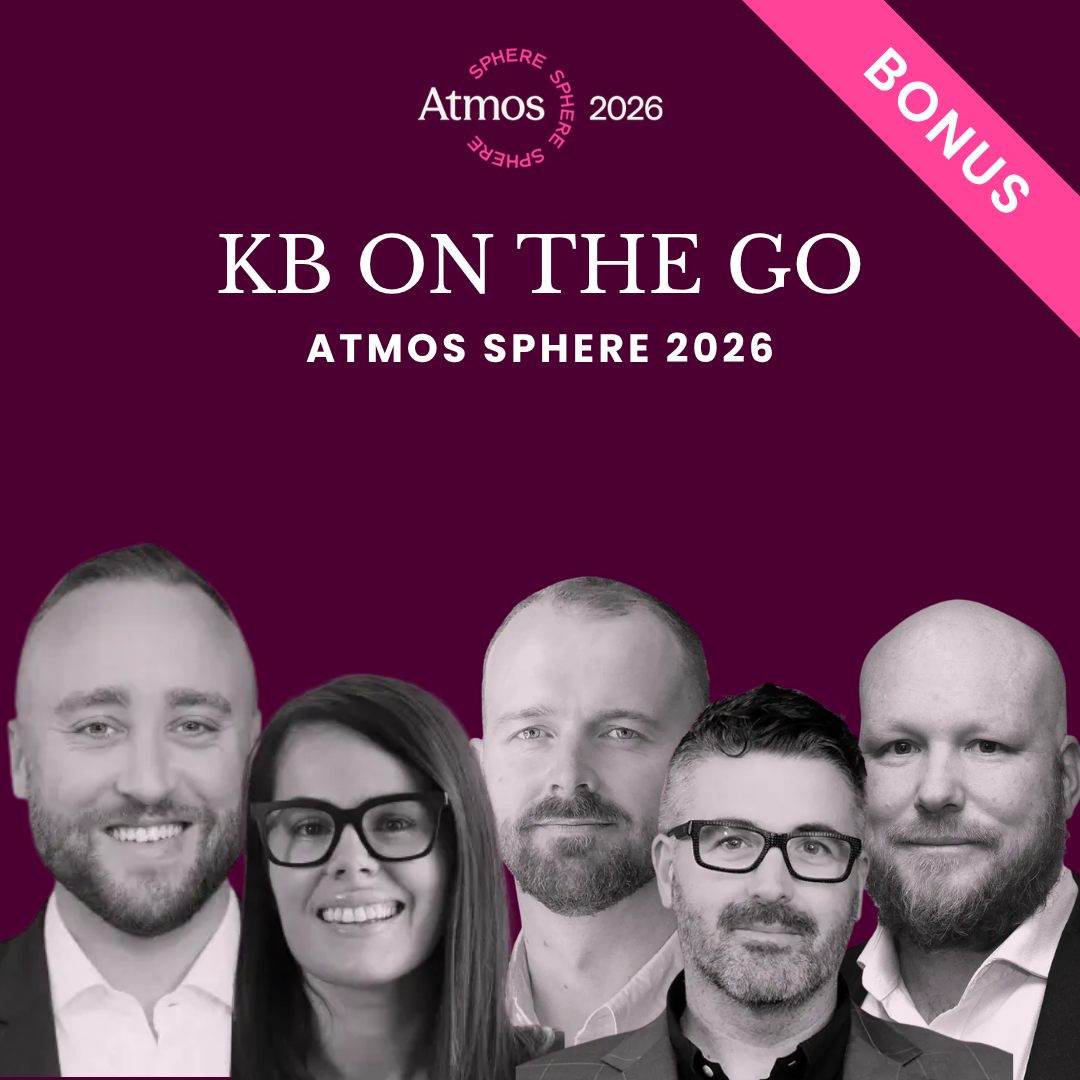
From Atmos SPHERE 2026 - KB On The Go | Same Fight, Different Languages
Jun 1100:51:23Summary readyKB takes the mic behind the scenes at SPHERE 2026 by Atmos, where 1,500 people from across cyber, legal, tech and government packed a room to do something rare: shift the entire industry’s focus from the moment of crisis to what comes before it. In two conversations, Reece Corbett-Wilkins and Leah Pinto reflect on the day, the speakers, and what it actually takes to change an industry’s centre of gravity. Then Anthony Cooke, James Blakely and Michael Boyd unpack why government can be a friend and a facilitator rather than the fun police, the trust that limited use disclosure has unlocked, and what frameworks like Horizon 2 mean for the small businesses sitting at the underbelly of every supply chain. A practical, hopeful look at collaboration, accountability and what cyber resilience looks like when everyone in the room speaks the same language.
Summary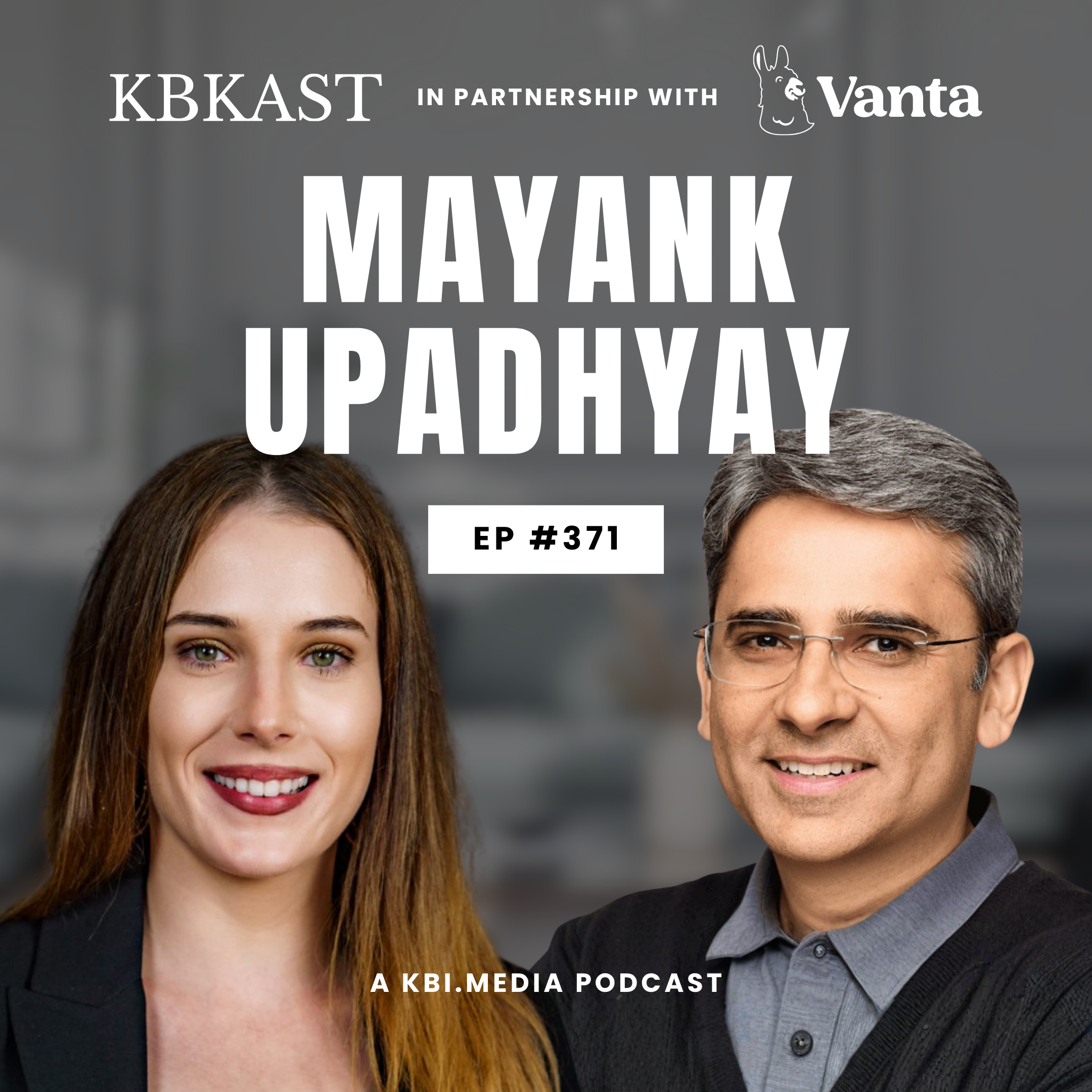
Episode 371 Deep Dive: Mayank Upadhyay | The Closing Window - Why Human-Speed Security is Already Too Slow
Jun 1000:31:03Summary readySnowflake has recently appointed Mayank Upadhyay its Chief Security and Trust Officer to lead security efforts. Mayank brings one of the most influential careers in enterprise security to Snowflake. During his more than two decades at Google, he shaped the modern security landscape, ultimately serving as Vice President of Engineering for Google Cloud where he secured both the public-facing Google Cloud Platform and the private cloud infrastructure powering core Google services. Prior to this, his career progression to Distinguished Engineer was defined by a sequence of foundational technologies he delivered. Today, as CSTO at Snowflake, he secures the data and AI foundation for 11,000+ customers (including over a third of the Fortune Global 2000), giving him a unique, front-row vantage point on how AI is fundamentally reshaping enterprise security.
Summary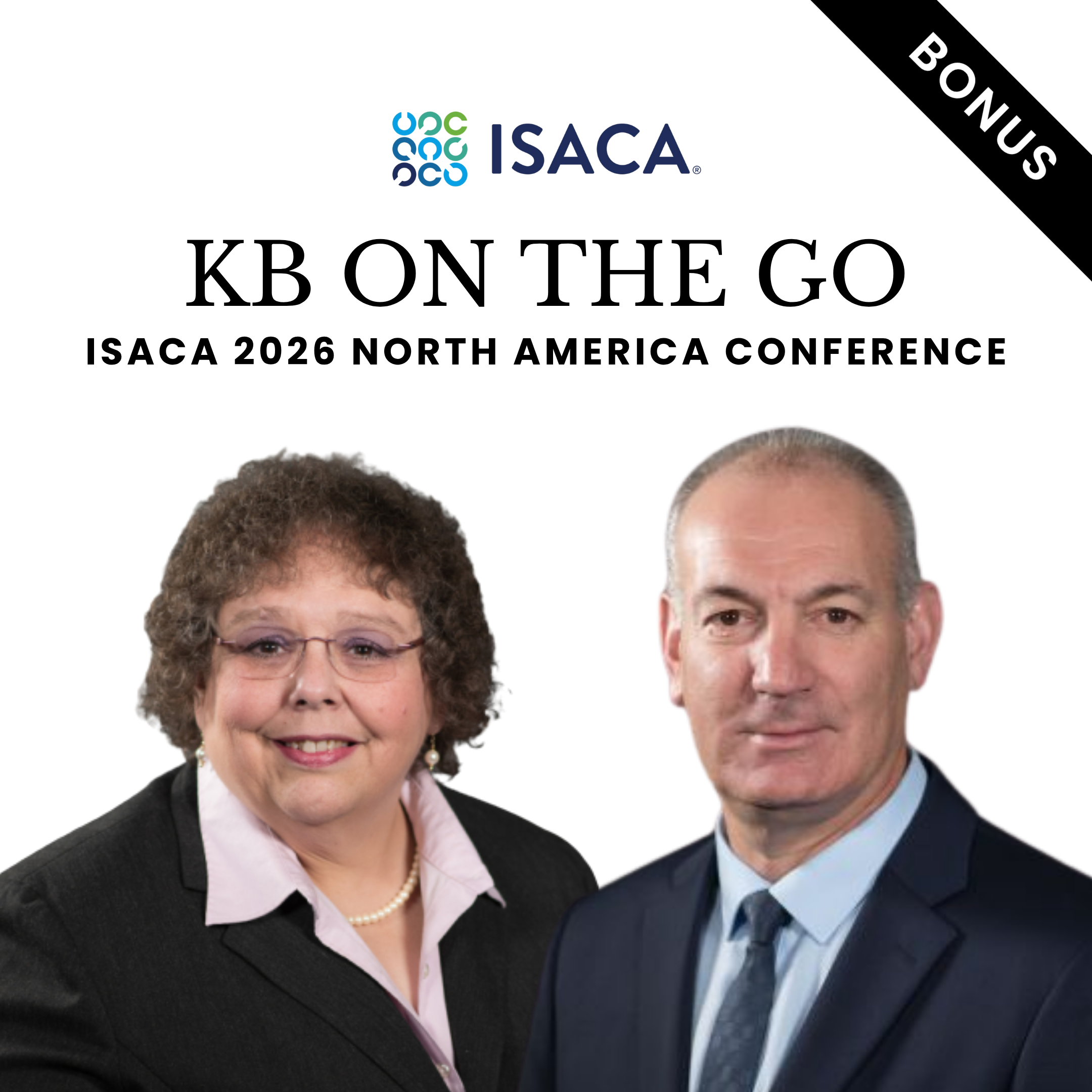
From ISACA 2026 North America Conference - KB On The Go | Built on Borrowed Tools: Supply Chain Risk and the AI ROI Flip
Jun 400:34:36Summary readyKB is on the ground at ISACA 2026 North American Conference in Las Vegas, sitting down with two guests pulling at the same thread from different angles: the gap between how dependent we’ve become on modern tools and how little we actually understand them. First, Pam Nigro, SVP of Security and Security Officer at Medecision and Board Director at ISACA, unpacks why supply chain has become the most vulnerable area in cyber security right now. She gets into the hidden risks sitting inside SaaS dependencies, API chains and open source libraries deployed once and forgotten, what operational paralysis actually looks like when a critical tool goes down, and why companies need to stop treating supply chain as a vendor risk checkbox and start treating it as a resilience problem. Then Asaf Weisberg, CEO of introSight and Board Director at ISACA, joins to flip the AI ROI conversation. While recent ISACA research shows most companies still can’t measure return on AI investment, Asaf argues the ROI is already obvious if you know where to look. He breaks down why traditional ROI calculations don’t fit AI, what’s happening inside software teams right now with tools like Claude Code, and the very real risk of leaking your most valuable IP through free AI subscriptions. More about ISACA’s AAIR Certification here: https://www.isaca.org/credentialing/aair ISACA® 2026 AI Pulse Poll: https://www.isaca.org/resources/ai-pulse-poll
Summary
Episode 370 Deep Dive: John Wojcik | The Silicon Valley of the Criminal Underworld
Jun 300:46:45Summary readyJohn Wojcik, Senior Threat Researcher, Infoblox: Based in Bangkok, Thailand, John is a seasoned threat intelligence researcher who has spent his career following cybercriminal activity in the Southeast Asia region. Recently, his work at Infoblox has focused on pig butchering as a service, exposing sophisticated global money laundering, human trafficking and slave operations in Cambodia, Laos, Myanmar and the Philippines. John previously worked for the United Nations Office on Drugs and Crime, where he worked with local and international authorities on uncovering major cybercriminal activities in the region.
Summary