
Podcast
Liv Label Free | Neurodivergent Eating Disorder Recovery
Hosted by Livia Sara · EN
Want to understand the link between neurodivergence and eating disorders? The Liv Label Free Podcast provides you with insights and strategies for recovery through meaningful conversations and stories of lived experience. Your host, Livia Sara, is an autistic ED warrior that now guides other neurodivergent individuals and their loved ones to a life of freedom. Learn more about Livia on her website livlabelfree.com and follow her on Instagram @livlabelfree!
34episodes
Episodes
Newest firstAll episodes
OCD, Autism, and Anorexia as Interconnected Manifestations w/ Maddie @love.madelaine_
Jun 2800:51:42Tap to summarizeLivia Sara is joined by Maddie, a psychology student, content creator, and face behind the Instagram account @love.madelaine_ where she shares her journey through OCD and eating disorder recovery, autism discovery, and embracing her authentic identity. In this episode, we explore the overlap between autism, OCD, orthorexia, anorexia, and why so many neurodivergent people struggle to find support that truly fits. Maddie reflects on her diagnoses of ARFID, anorexia, and OCD, and how her autism discovery was the missing piece that transformed her healing process. This episode offers a fresh perspective on healing, self-understanding, and creating a life that feels aligned with who you truly are. Whether you're neurodivergent yourself, supporting someone with an eating disorder, or questioning whether traditional recovery approaches are working for you, this episode is for you! Key Topics Discussed: Maddie’s journey through anorexia, orthorexia, OCD, and autism discovery Why neurodivergent people often feel misunderstood in traditional eating disorder treatment Why embracing autistic traits is the key to freedom The importance of autonomy, self-trust, and individualized support Why recovery is not about fixing yourself, but about discovering who you truly are 🌈 The Autistically ED-Free Academy is now available as a 1-1 private coaching experience! Get all the details at www.livlabelfree.com/group 🫶 Find us on Instagram: https://www.instagram.com/livlabelfree/ and https://www.instagram.com/love.madelaine__/
Transcribe →Grieving Your Autism Discovery (with Julia)
Jun 1400:45:06Tap to summarizeToday I’m joined by Julia, a former 1-1 coaching client turned dear friend & now the person who helps me behind the scenes at Liv Label Free! What started as a coaching relationship has grown into a friendship, a collaboration, and countless deep conversations about neurodivergence, eating adaptations, spirituality, and what it actually means to create a life that feels aligned. In this episode, we explore the often-overlooked grief that can come with discovering you’re autistic and/or ADHD later in life. We discuss loneliness, unmasking, self-compassion, soul-level connection, spirituality, eating adaptations, trusting the universe, and why neurodivergent discovery is not just about understanding yourself – it’s about creating a life that truly aligns with who you are. Key Topics Discussed: Julia’s experience of discovering she’s autistic and the unexpected grief that followed Unmasking, self-accommodation, and no longer being able to “just push through” Loneliness in neurodivergent discovery and the importance of feeling truly understood The connection between neurodivergence and eating adaptations, safety, and trust Spirituality, soul-level connection, and creating an aligned life by trusting yourself Whether you're autistic, ADHD, a caregiver, or have just always felt different, this episode is a powerful conversation about grief, belonging, connection, and discovering who you are beneath the masks you've learned to wear. P.S. If you’d be interested in working with me and Julia together as a part of Julia’s training to become a Liv Label Free coach, contact me at https://livlabelfree.com/contact! 💗 Work with Livia! https://www.livlabelfree.com/coaching 🫶Find us on Instagram: https://www.instagram.com/livlabelfree/ and https://www.instagram.com/juuls_healingjourney/ 📚 Buy Livia’s books: https://livlabelfreebooks.com/
Transcribe →The Neurodivergent Connection to Binge Eating, Mast Cell Activation Syndrome (MCAS), and Body Image w/ Kory Andreas
Jun 701:10:11Tap to summarizeLast year, I received an email from a lovely individual inquiring about coaching opportunities. I asked if she could briefly share her story and some of her goals for coaching. In true autistic style, she replied with what she described as “a novel to explain herself, lol.” I loved reading this “novel” because, as with most emails I receive, I resonated with so much of her lived experience. In her email, this individual shared how she had struggled with disordered eating for most of her life. At age 46, she was diagnosed with autism, which she said was “life-changing in ways I can’t even begin to describe.” Over the years, she’d tried countless “treatments” for her eating challenges – but as I’m sure you can already guess, these attempts had not only failed, but led to feelings of hopelessness. The reason I reflect on this correspondence is because there was one sentence in her email that I immediately thought of after I recorded today’s podcast episode. She wrote that she’d been scouring the internet for links between autism and overeating, but ended up finding very little that resonated. “It’s all about ARFID and beige food and anorexia,” she wrote. And she’s right; there is very little out there on the connection between autism and binge eating, which is why I am BEYOND excited to be diving into this conversation with my good friend Kory Andreas on the podcast today! After we talk about the lost generation of autistic relatives and how our grandmas are basically the same person, Kory opens up about her MCAS (Mast Cell Activation Syndrome) which is super common in neurodivergent people. Kory also talks about her experience with binge eating, learning that it was rooted in being neurodivergent, and how starting ADHD medication practically made all her binge urges disappear overnight. This was such a high energy conversation (I mean, just put two neurodivergent people in a room together, right?) so I can’t wait for you to listen! 💗 Work with me! https://www.livlabelfree.com/coaching 🌈 Rainbow Girl, A Memoir of Autism and Anorexia: https://www.livlabelfree.com/rainbowgirl 🍫 Autism & Binge Eating Series: https://www.livlabelfree.com/blog/autism-and-binge-eating-part-1
Transcribe →I never actually recovered...
May 3100:12:41Tap to summarizeFor years, I said “I’m recovered” from my eating disorder – but I realize that’s not the full truth. In this episode, I open up about my discovery journey and share how I’m living my unique version of freedom as an autistic person with a history of anorexia. 🌈 Autistically ED-Free Academy: https://www.livlabelfree.com/group📚 Read my books! https://livlabelfreebooks.com💌 Join my email newsletter: https://www.livlabelfree.com/join
Transcribe →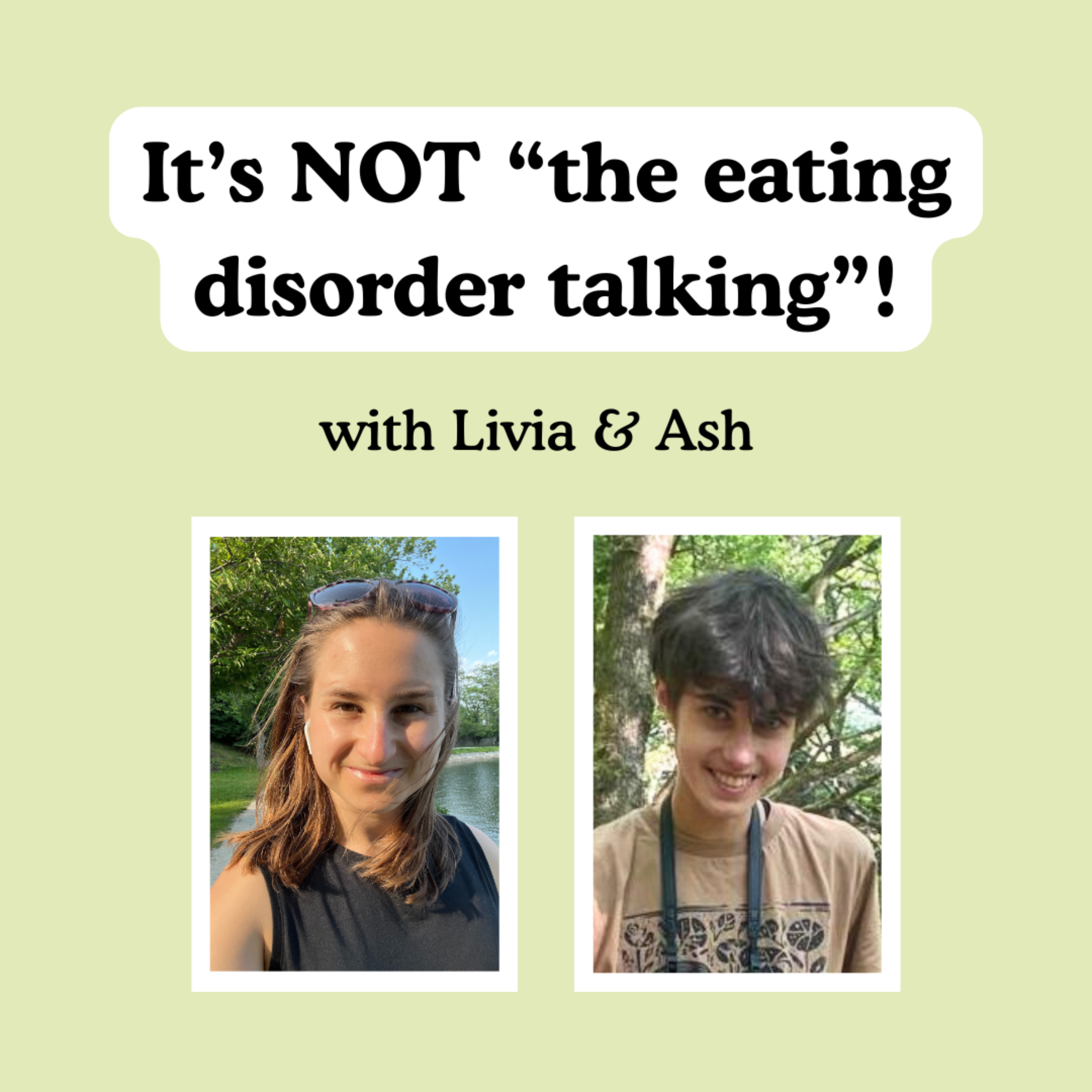
It’s NOT “the eating disorder talking” with Ash
May 2500:59:01Tap to summarizeWhen I was in eating disorder treatment, I was told “it’s the eating disorder talking” more times than I can remember. 👉 I was told “It’s your eating disorder talking” when I asked to see the menu before we went on a restaurant outing. 👉 I was told “It’s your eating disorder talking” when I said that gaining weight made me want to crawl out of my skin. 👉 I was asked “Is your eating disorder in the room with us?” when our family therapist told my mom she had to get rid of all my protein bars and powders when I begged them not to. I don’t think I have to tell you how traumatizing this whole “ED talking” narrative can be for neurodivergent folks. Not only because it’s downright invalidating, but because our “ED behaviors” are manifestations of autism and/or ADHD! Because neurodivergent traits are an inherent part of an individual’s identity, trying to eliminate their manifestation – without inviting curiosity to healthier alternatives – will only make them feel MORE unsafe, causing them to cling even tighter to the eating adaptation. Of course, not ALL manifestations of neurodivergent traits are beneficial. But that doesn’t mean we need to pathologize them. My adaptive view of eating “disorders” doesn’t discredit the fact that adaptive can also mean maladaptive…which leads us to the question: “How can we respect neurodivergence while simultaneously challenging harmful fear-based behaviors?” This is exactly what Ash and I talk about in today’s episode! Fresh out of the Autistically ED-Free Academy, Ash joins me to share how he’s shifted fear-based ED behaviors into love-based autistic accommodations. Through concrete examples – including using a food scale, eating in a specific order, and eating “diet” foods due to sensory preferences – we discuss how to use your neurodivergent traits to your advantage on the discovery journey. Speaking of discovery, we also dive DEEP into the problem with “recovery” and how you will never go back to the person you were before you developed the eating adaptation. Both Ash and I now embrace discovery, the infinite process of adapting your identity into one that aligns with your essence. And if you want to go even deeper and discover freedom for yourself or someone you care for, join us for the next cohort of the Autistically ED-Free Academy! https://www.livlabelfree.com/group
Transcribe →
Unhinged Neurodivergent Chat About Existential Exhaustion, Financial Stress, and Trusting the Universe w/ Emilia
May 1800:57:22Tap to summarizeThe world is moving really fast. Especially for us AudDHD folks who are already trying to keep up with the demands of our “human body costume” – let alone the demands of society – merely existing can feel impossible. In this unfiltered catch-up episode with Emilia, my former 1-1 coaching client turned best friend, we share how travel wrecks our nervous systems even when it's worth it, the existential exhaustion of being neurodivergent on planet Earth, and why money can be a serious financial barrier for autistic and ADHD folks. We also get into the impossible tension of craving foods your body won't tolerate, the constant tug-of-war between ADHD wants and autistic needs, and why so many things not going to plan lately have actually been the universe nudging us to exactly where we’re supposed to go. If you've ever felt like you're managing a high-maintenance inner world while everyone else seems to be existing without effort, this episode is for you. Key discussion points: Why travel is always a trade-off of your nervous system and why in-person connection can still make it worth it The existential exhaustion of being neurodivergent in a world that never slows down Money as the unspoken barrier in neurodivergent spaces, and the ethical dilemma of serving a community that often can't afford support Managing the demands of a body that needs feeding, watering, bathing, exercising (and Emilia's incredible "single parent to twins" analogy) Craving foods that satisfy sensorially but wreck you physically, and what that has to do with how we understand eating disorders in autistic people The tiny window of activities that work for both ADHD and autism simultaneously Shifting from chasing to receiving, and how the Universe lines up for you when you align with your neurodivergent soul Why things not going to plan might be the most important sign you're being redirected, and the importance of gratitude in tough times 💗 1-1 Coaching: https://www.livlabelfree.com/coaching 🌈 Autistically ED-Free Academy: https://www.livlabelfree.com/group 📚 Read my books! https://livlabelfreebooks.com
Transcribe →Group Q&A: Going Home After Hospital, Does the Food Noise Ever Go Away? and Why to STOP Eating Mindfully in Autistic ED Recovery
May 400:57:10Tap to summarizeIn today’s group podcast, participants share their perspectives and experiences in response to the following questions: Does the food noise ever go away? How to deal with mental hunger and the constant desire to restrict in ED recovery? How to support your loved one as they transition back home after being inpatient? Is it okay to NOT eat mindfully in autistic eating disorder recovery? What are distractions that can make eating easier and less stressful? As always, this conversation was filled with deep connection, compassion, and understanding. Want to join our monthly group podcast? You get direct access via the Liv Label Free Membership or after you’ve completed any of my coaching programs! Check out all my offers: https://www.livlabelfree.com/coaching
Transcribe →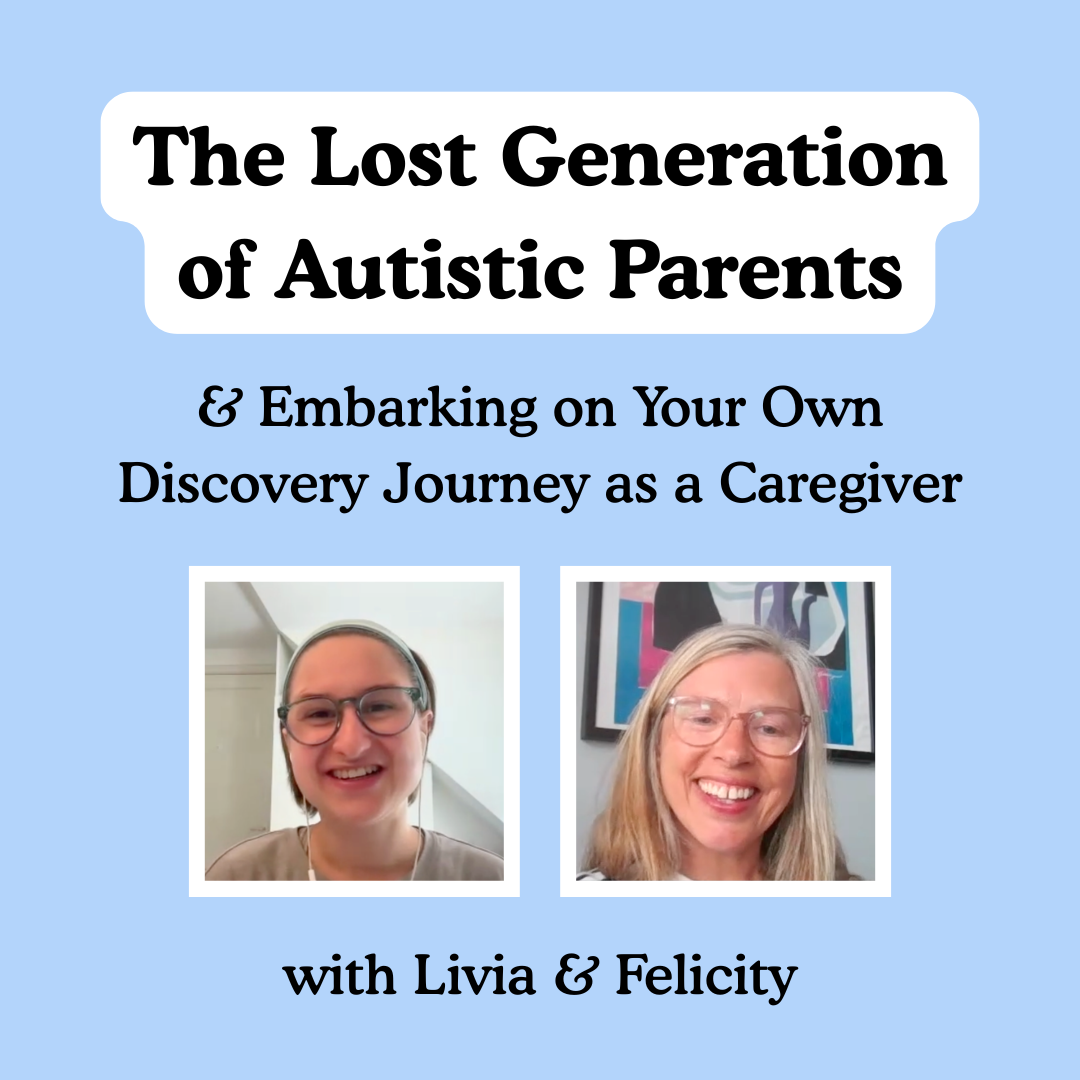
The Lost Generation of Autistic Parents & Embarking on Your Own Discovery Journey as a Caregiver with Felicity
Apr 2700:57:59Tap to summarizeMany parents come to me seeking support for their autistic child struggling with an eating disorder only to discover they’re part of the lost generation of autistic parents! In today’s episode, I chat with Felicity, a mum of two who’s passionate about all things art, movement, and creativity. Felicity shares how she began questioning her own neurodivergence when she joined my Autistically ED-Free Academy, how she’s rebuilding trust with her daughter after the trauma of traditional ED treatment, and the importance of going on your own discovery journey as a caregiver. 🌈 Autistically ED-Free Academy: www.livlabelfree.com/group📚 Rainbow Girl: A Memoir of Autism and Anorexia: www.livlabelfree.com/rainbowgirl🎧 Free Audiotraining: www.livlabelfree.com/free-audiotraining
Transcribe →
Supporting Your Autistic Child in Anorexia Recovery with Amy
Apr 2000:54:09Tap to summarizeFour years ago, Amy started 1-1 coaching with me, desperate to support her autistic daughter who was struggling with anorexia. FBT had failed the family and Amy just felt so LOST! But through learning neurodiversity-affirming support strategies, Amy’s daughter has now taken significant steps on her discovery journey. In this episode, Amy shares priceless insights to support your autistic loved one with an eating disorder. 💗 Work with Livia: https://www.livlabelfree.com/coaching🎧 Free Audiotraining: https://www.livlabelfree.com/free-audiotraining🌟 Amy’s Website: http://neurohopecoach.com/
Transcribe →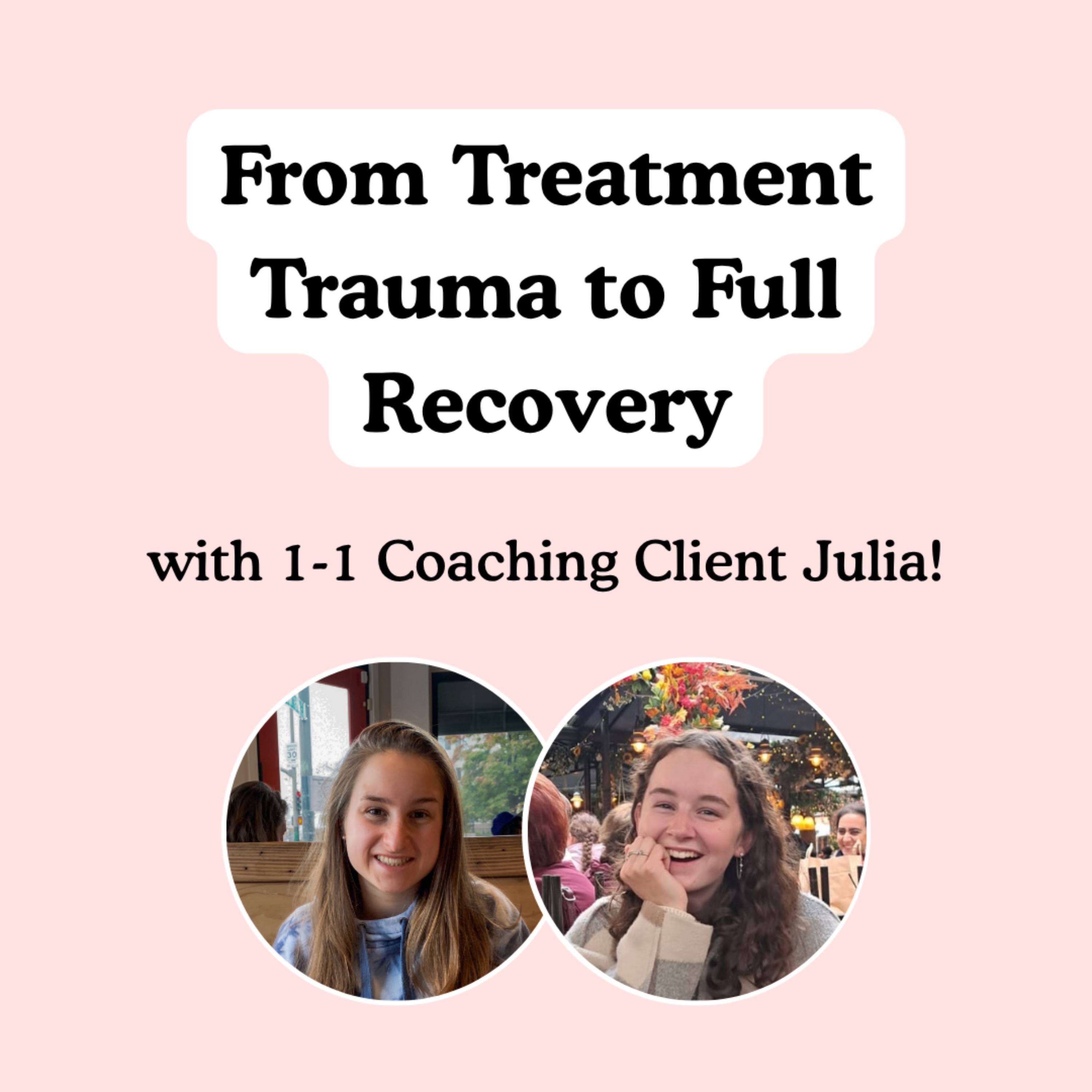
From Treatment Trauma to Full Recovery with 1-1 Coaching Client Julia
Apr 600:54:05Tap to summarizeToday I’m joined by Julia, my former 1-1 coaching client and now my right-hand person behind the scenes at Liv Label Free! In this episode, Julia shares her story for the first time: from feeling misunderstood and struggling within the healthcare system to finding clarity, self-understanding, and a completely different way of relating to herself. Together, we talk about eating disorder treatment, neurodivergence, and what actually creates lasting change. Key Topics Discussed: Julia’s journey and how she and Livia ended up working together Why traditional treatment often doesn’t work for neurodivergent people What MFT (Multi Family Therapy) is, and why it felt traumatizing for Julia The moment Julia discovered she’s autistic Why autonomy is so important for neurodivergent people in eating disorder recovery How 1-1 coaching with Livia changed everything for Julia 🫶 Work with Livia: https://www.livlabelfree.com/coaching 📚 Buy Livia’s books: https://livlabelfreebooks.com/ 💗 Find us on Instagram: https://www.instagram.com/livlabelfree/ and https://www.instagram.com/juuls_healingjourney/
Transcribe →