Podcast
The ADHD Channel for Women (formerly MissUnderstood)
Hosted by Understood.org · EN
From Understood, this is The ADHD Channel for Women (formerly MissUnderstood) — the first-ever podcast channel for women with ADHD.
For decades, women with ADHD have been overlooked and undiagnosed. That’s finally beginning to change. But there’s still so far to go.
That’s where The ADHD Channel for Women comes in. We’re a channel made by women with ADHD, for women with ADHD. And we’re talking about the things we want to hear. Women with ADHD need (good!) information, smart takes on ADHD topics, and so much more.
Hang out with Cate Osborn and guests as they discuss ADHD, relationships, and sex on Sorry, I Missed This. Get answers to ADHD questions you didn’t know you had from Dr. Monica Johnson on ADHD and…. Or join journalist Rae Jacobson on Hyperfocus for deep dives, personal stories, and real talk about neurodivergence.
49episodes
Episodes
Newest firstAll episodes

Tips from an ADHD Coach: Past punishment for ADHD traits
Jan 21, 202500:13:13Tap to summarizeADHD traits such as forgetfulness and impulsivity are often viewed as ‘bad behavior’ while growing up. Kids with ADHD might get punished for these things that are actually due to their brains working differently. So what happens when these kids grow up into adults with ADHD? Some might continue to punish themselves.This week on Tips from an ADHD Coach, Jaye breaks down why the threat of punishment is not the most effective motivator for people with ADHD, and gives some tips that can help end the cycle. Related resourcesMasking ADHD symptoms to go above and beyond (René Brooks’ story)Behavior: What is it and how can parents affect it? 7 discipline tips when your child has ADHDTimestamps(00:41) René’s quote(02:18) ADHD is not defiance(05:01) Ways we punish ourselves(06:28) How can we motivate ourselves without punishment?(11:05) RecapFor a transcript and more resources, visit the MissUnderstood page on Understood.Have a challenge you’d like Jaye to talk about in an episode? Email or send a voice memo to us at adhdcoachtips@understood.org Understood is a nonprofit organization dedicated to empowering people with learning and thinking differences, like ADHD and dyslexia. If you want to help us continue this work, donate at understood.org/give
Transcribe →
Sorry, I Missed This: Consensual non-monogamy and ADHD relationships
Jan 16, 202500:34:45Tap to summarizeMonogamous romantic relationships have been seen as the norm for a long time. They’re the kind most commonly represented in the media, often as the only “right” kind of relationship. However, open relationships, polyamory, and other consensual non-monogamous relationships are more common than you might think. People with ADHD often find ways of living life outside of the typical standard. This could include being non-monogamous!Martha Kauppi is a marriage and family therapist and sex therapist. She is the author of the book Polyamory: A Clinical Toolkit for Therapists (And Their Clients). Listen to this conversation on jealousy, reaching agreements with your partner, and what consensual non-monogamy really is.Related resourcesPolyamory: A Clinical Toolkit for Therapists (And Their Clients) by Martha Kauppi8 Steps To Opening Up: Starting The Conversation About Non-Monogamy, a Free eBook by Martha KauppiMartha Kauppi’s website, www.instituteforrelationalintimacy.comTimestamps(00:55) Why learn about consensual non-monogamy?(04:04) What is consensual non-monogamy?(05:36) What is the biggest misconception about non-monogamy?(08:40) Building a relationship that works for you, not just what you see in the media(11:46) Viewing non-monogamy as an option in life(15:42) Moving toward consensual non-monogamy in a relational way(21:03) How would you start a conversation about opening your currently monogamous relationship?(24:20) Tips for working through jealousy (25:35) What is compersion?(30:13) It’s OK if non-monogamy isn’t for you! (32:10) Where can you find Martha? For a transcript and more resources, visit the Sorry, I Missed This page on Understood.We love hearing from our listeners. Email us at sorryimissedthis@understood.org. Understood is a nonprofit organization dedicated to empowering people with learning and thinking differences, like ADHD and dyslexia. If you want to help us continue this work, donate at understood.org/give
Transcribe →
ADHD and: Eating
Jan 14, 202500:10:57Tap to summarizeImagine sitting down for a meal, but somehow, you can’t quite focus on the food in front of you. You’re either distracted by the things around you, or the never-ending to-do list in your head. For many women with ADHD, eating often feels like an afterthought.In this episode, Dr. Monica Johnson explains how ADHD impacts eating habits. From planning meals in advance to impulsive eating and forgetting to eat altogether. Listen as she shares the unique challenges women face in maintaining healthy eating patterns. And learn ways to have a more balanced relationship with food.Related resourcesADHD and womenADHD and dietADHD and eating disordersTimestamps(01:19) Types of eating issues(04:51) ADHD, forgetfulness, and eating(05:50) How to practice healthy eating patternsTo get a transcript and check out more episodes, visit the MissUnderstood channel at Understood.We love to hear from our listeners. Email us at podcast@understood.org. Understood is a nonprofit organization dedicated to empowering people with learning and thinking differences, like ADHD and dyslexia. If you want to help us continue this work, donate at understood.org/give
Transcribe →
ADHD Aha!: Jessica McCabe (!!) on motherhood, social anxiety, and ADHD medication
Jan 9, 202500:35:25Tap to summarizeHow to ADHD creator Jessica McCabe has been the source of many ADHD “aha” moments — so what were her ADHD “aha” moments? Jessica was diagnosed when she was 12 years old but didn’t start to look into what ADHD meant for her until she was 32. Taking ADHD medication felt like putting on glasses — experiencing the world as everyone else did. But she didn’t have the skills and strategies to cope with ADHD.So, she started making YouTube videos...and the rest is history. Listen in as Jessica answers Laura’s many questions, including: What’s it like for her to be a new mom with ADHD? Does she ever get a vulnerability hangover? And why doesn’t she think she’s cool? Related resourcesJessica’s YouTube channel, How to ADHDAll about ADHD medicationUnderstanding trouble with social skillsTimestamps(03:08) How Jessica feels about being involved in so many people’s “aha” moment(04:55) Jessica’s diagnosis story at age 12 (06:16) Jessica’s ADHD medication “aha” moment(07:33) The creation of Jessica’s YouTube channel How to ADHD(11:29) Jessica on social anxiety(14:07) Busting ADHD medication stigma(16:52) ADHD and new motherhood(22:49) Going back to work after maternity leave(26:01) Laura’s rapid-fire questions(31:49) Jessica’s parting wordsTo get a transcript of this show and check out more episodes, visit the ADHD Aha! podcast page at Understood.Want to share your ADHD “aha” moment? We love hearing from our listeners. Email us at ADHDAha@understood.org. Understood is a nonprofit organization dedicated to empowering people with learning and thinking differences, like ADHD and dyslexia. If you want to help us continue this work, donate at understood.org/give
Transcribe →
Tips from an ADHD Coach: Figuring it out for ourselves
Jan 7, 202500:14:38Tap to summarizePeople with ADHD can be out-of-the-box thinkers and great problem solvers. A lot of people may actually go to them for help solving difficult problems. But, what happens when they have to solve their own challenges? This week on Tips from an ADHD Coach, Jaye unpacks why it can be harder for people with ADHD to help themselves with their own challenges. Listen for some tips that can help. Related resourcesAdvice from a career coach with ADHD and dyslexiaADHD and creativityTimestamps(00:47) Alex’s quote(02:30) ADHDer problem solving — for others vs. ourselves(05:42) ADHDers problem solving for other ADHDers and demand avoidance(09:04) How can we problem-solve for ourselves?(12:39) Recap and creditsFor a transcript and more resources, visit the MissUnderstood page on Understood.orgHave a challenge you’d like Jaye to talk about in an episode? Email or send a voice memo to us at adhdcoachtips@understood.orgUnderstood is a nonprofit organization dedicated to empowering people with learning and thinking differences, like ADHD and dyslexia. If you want to help us continue this work, donate at understood.org/give Understood is a nonprofit organization dedicated to empowering people with learning and thinking differences, like ADHD and dyslexia. If you want to help us continue this work, donate at understood.org/give
Transcribe →
ADHD and: Social anxiety
Dec 31, 202400:13:17Tap to summarizeHave you ever spent hours getting ready for a social event, only to feel that same knot of anxiety when it’s time to go? Or maybe you avoid social events altogether, worried you’ll say the wrong thing. For some women, juggling ADHD and social anxiety can feel like an ongoing fight. In this episode, Dr. Monica Johnson dives into the connection between ADHD and social anxiety. Watch as she breaks down ways ADHD can make social situations overwhelming. And get tips on how to better manage social interactions.Related resourcesADHD and womenADHD and anxietyTimestamps(01:11) What is social anxiety disorder?(04:28) What does research say about ADHD and social anxiety?(07:22) Strategies for managing social anxietyTo get a transcript and check out more episodes, visit the MissUnderstood channel at Understood.We love to hear from our listeners. Email us at podcast@understood.org. Understood is a nonprofit organization dedicated to empowering people with learning and thinking differences, like ADHD and dyslexia. If you want to help us continue this work, donate at understood.org/give
Transcribe →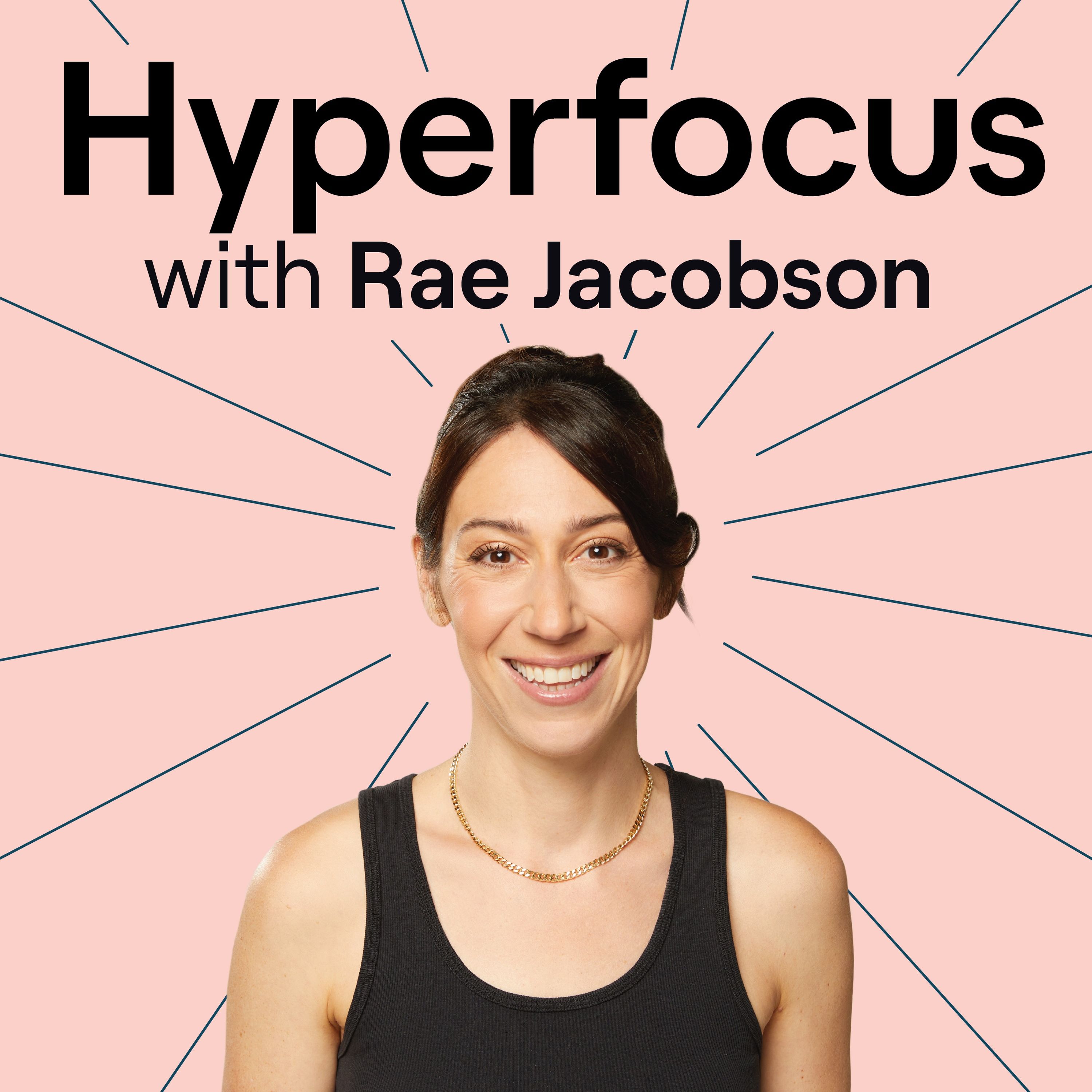
Hyperfocus: ADHD, addiction, recovery — a yogi’s story
Dec 26, 202400:23:03Tap to summarizeIf you have ADHD, the science says you’re much more likely to have a substance use disorder in your life than someone who’s neurotypical. ADHD brains often lack dopamine. Drugs and alcohol can provide a hit of dopamine, albeit a temporary one. That’s why it’s so common for people with untreated ADHD to self-medicate. Elaine O’Brien used to fit that ADHD archetype to a tee. Eventually, though, she entered recovery and also started practicing Ashtanga yoga, a style that she describes as “very rigorous and very codified.”She fell for the physicality of the practice and the routine it demands. “It got me in my body and I started to feel good,” she says. “I really started to feel good.”For years, Elaine had struggled with substance issues and untreated ADHD. She’s been in recovery for almost two decades but recently began to wonder if the ADHD diagnosis she’d rejected in high school might actually be right.How did her journey take this path? Listen to this week’s Hyperfocus episode to find out. Related resourcesElaine’s studio: Second Story Pilates and YogaStudy: Medication reduces risk of drug abuse for people with ADHDADHD and addiction: Knowledge is powerDoes exercise help ADHD?Timestamps(3:04) Elaine’s diagnosis story(7:09) ADHD and substance use(13:52) Exercise and sobriety(19:28) “Isn’t your job to help people calm down?”To get a transcript of this show and check out more episodes, visit the Hyperfocus podcast page at Understood.orgWe love hearing from our listeners. Email us at hyperfocus@understood.org. Understood is a nonprofit organization dedicated to empowering people with learning and thinking differences, like ADHD and dyslexia. If you want to help us continue this work, donate at understood.org/give
Transcribe →
Tips from an ADHD Coach: When life throws you off your routine
Dec 24, 202400:13:50Tap to summarizePeople with ADHD can benefit from having routines and systems that help them cope. But, what happens when life comes into play and throws that routine off?This week on Tips from an ADHD Coach, Jaye talks about what can happen when we get thrown off our game by special life circumstances like getting sick or moving. Listen for some tips that can help get you back on track.Related resourcesADHD and hormones (Cate Osborn’s story)Timestamps(00:51) Cate’s quote(02:39) ADHD and hormones(03:58) “Exception moments,” or temporary states when our life is a bit different than usual(06:15) How can we help ourselves during these periods?(11:29) RecapFor a transcript and more resources, visit the MissUnderstood page on Understood.orgHave a challenge you’d like Jaye to talk about in an episode? Email or send a voice memo to us at adhdcoachtips@understood.org. Understood is a nonprofit organization dedicated to empowering people with learning and thinking differences, like ADHD and dyslexia. If you want to help us continue this work, donate at understood.org/give
Transcribe →
Sorry, I Missed This: Reddit reactions — ADHD and romantic relationships!
Dec 19, 202400:37:29Tap to summarizeHave you ever been called a “manic pixie dream girl” by someone you were dating? Is it hard to remember your partner when they’re not with you? ADHD can bring its own set of challenges to dating, and romantic relationships.Producer Margie visits the podcast to share what she’s found on the ADHD Women subreddit, where women with ADHD ask questions and share their challenges and wins. Listen for Cate’s reactions and a chat about common romantic dilemmas for women with ADHD!Related resourcesThe ADHD Women subredditADHD Support for Women by Understood.org’s Facebook groupTimestamps(00:00) Women with ADHD communities, and common dating tropes(03:46) Post #1 “I was too much for him”(06:37) Post #2 “I did 12 loads of laundry to avoid writing a dating profile”(11:56) Post #3 “Anyone else chronically feel like they’re not in a place where they’re ready to date?”(16:27) Post #4 “Having ADHD as a woman and still having to carry the mental load”(22:20) Post #5 “The ADHD struggle of falling in love after every good date”(27:04) Post #6 “Does anyone else struggle with accidentally ignoring their partner or friends?”(34:28) Talking about what gives us shame helps everyoneFor a transcript and more resources, visit the Sorry, I Missed This page on Understood.orgWe love hearing from our listeners. Email us at sorryimissedthis@understood.org. Understood is a nonprofit organization dedicated to empowering people with learning and thinking differences, like ADHD and dyslexia. If you want to help us continue this work, donate at understood.org/give
Transcribe →